Unknown's avatar

About healthycaregiver

I took care of my husband for 10 years while he had earlier-onset Alzheimer's disease. My experience, along with my expertise as a wellness coach and health writer, prompted me to write a book on how caregivers can maintain their health, increase energy, and experience peace. My book "Calmer Waters: The Caregivers' Journey Through Alzheimer's and Dementia" will be released in June, 2016 by Cardinal Publishing Group. Please follow my blog for caregiving advice and the latest scientific studies on staving off dementia and supporting cognitive function.

Is Palliative Care Right for Your Loved One?

Woman comforting her unwell husband

When most people think about palliative care, they visualize someone who is suffering from pain, advanced cancer, COPD (congestive heart failure), or another fatal illness. Palliative care is specialized medical care for people also facing serious illnesses like dementia. The goal is to support the patient and the family on all levels, including physical, psychological, and spiritual.

What’s the difference between palliative care and hospice care?

Palliative care aims to ease pain and discomfort, reduce stress, and help patients —and their families— have the highest quality of life possible. Hospice care comes into play when a cure is no longer viable or when the treatment negatively outweighs the benefits. You can have palliative care at any stage of illness, along with other treatments.

Typically, with hospice curative medications or aggressive treatments for a patient’s illness are stopped. But not all medications are stopped. Medications that help relieve pain, nausea, anxiety and help a person breathe are an important part of hospice care.

In an article that appeared in Alzheimer’s TODAY (Volume 19, Number 1), Ann Wyatt, MSW, a leader in palliative care for people with dementia, says that people with dementia express their comfort and discomfort through their actions. It’s the caregiver’s responsibility to figure out the cause of the discomfort and help the person become more comfortable.

But that’s tough because dementia may prevent a person from communicating the source of distress. It’s usually not dementia that causes the distress, says Wyatt. (Although from my experience with my husband, his dementia caused frustration, anger, and irritability.)

Wyatt, says, “Most of the time it means that somebody is in pain or has some other discomfort. Dementia just means they can’t explain what it is.”

In a care facility, a resident might be given an antipsychotic drug to manage or misdirect behaviors that are perceived as aggressive. But the behavior might be a reaction to the person’s discomfort of being in a setting where schedules are instilled to provide efficiency and ease for the staff without considering the individual needs. For instance, a person who finds it hard to get up in the morning may exhibit “difficult behaviors” because they are woken early for breakfast or a shower, when they’d rather sleep in.

A personal anecdote

In my husband’s case, another resident occasionally, and mistakenly, walked into his room thinking it was his. My husband would shove him, and sometimes they got into a physical altercation. The situation was resolved when the other man was moved to the opposite side of the facility. This was a good example of palliative care. The caregivers removed the source of discomfort and stress for both residents (and families) by simply moving one resident to another area.

Simple ways to provide palliative care

  • Aromatherapy is a miracle cure for stress and anxiety. Use a wall plug-in to diffuse the aroma of lavender oil to uplift mood, or place a few drops on a handkerchief and tuck it into a shirt pocket or on a pillow. Other oils to try: vetiver, frankincense, myrrh, orange, lemon, bergamot, and grapefruit.
  • Play soothing music, and sing.
  • Speak softly.
  • Read to your loved one.
  • Use dimmed lights and/or battery-operated candles.
  • Beautify the environment with flowers.
  • Massage and/or physical touch is a wonderful way to ease everyone’s tension.

Getting palliative care

A palliative care team helps patients and families find ways to improve their quality of life whether that means moving to a skilled nursing facility or getting good home care. To find palliative care in your area visit https://getpalliativecare.org/howtoget/find-a-palliative-care-team/.

Download the free booklet Palliative Care for People with Dementia at caringkindnyc.org for excellent information about a comfort-focused care approach

For dozens more tools and techniques for reducing stress, uplifting mood, supporting your immune system and finding ways to connect on a spiritual and emotional level with the person you care for, read Calmer Waters: The Caregiver’s Journey Through Alzheimer’s and Dementia.

Keep your cool this holiday season and all year long

The holiday season is stressful for everyone, but especially for caregivers. Here’s a list of my favorite ways to destress any time of the year.

  1. Breathe! When we are stressed, we tend to hold our breath. Take a 5-minute break and sit down in a comfortable chair. Close your eyes and take a deep breath, in and out. Then focus on your breath and watch how your mind quiets down and your muscles relax. Then remember to breathe throughout the day. Whenever you feel yourself getting anxious or tight, take a deep breath and let it go.
  2. Drink water. We’ve heard it a million times but it’s always good to be reminded. Forget about sodas and limit the wine and alcohol. Staying hydrated, especially at this time of year, is vital to supporting the immune system and reducing inflammation. It’s also important to support healthy cognitive function and memory.
  3. Eat walnuts. A daily dose of about 9 whole walnuts or 1 Tbs. walnut oil helps your blood pressure from spiking during stress. Walnuts contain L-arginine, an amino acid that helps relax blood vessels, which in turn helps reduce hypertension.
  4. Drink green tea. L-Theanine is the main chemical constituent in green tea. It is an ideal nutritional aid for stress because it produces alpha-wave activity that leads to deep relaxation and mental alertness. This is especially important because to mitigate stressful situations, it’s important to remain calm and alert. Theanine also stimulates the release of the neurotransmitters GABA, serotonin, and dopamine, which help us feel happy, motivated, and calm. Green tea extract is available as a nutritional supplement, which might be easier and quicker to take, and it’ll save you a lot of trips to the bathroom.
  5. While we’re on the topic of “green,” be sure to eat green leafy vegetables for vitamin B and magnesium, both of which help your body cope with stress.
  6. Two handfuls of cashews (make that a small handful, please; one ounce of cashews contains 157 calories.) provide the equivalent mood-boosting effect as a therapeutic dose of Prozac because they are one of the highest natural sources of tryptophan, the precursor for serotonin, the feel-good neurotransmitter.
  7. Did someone mention dark chocolate? It reduces cortisol, the stress hormone that causes anxiety symptoms. Just a couple of pieces should do the trick.
  8. Walk around the block. Just getting out into fresh air will instantly relieve stress, and moving your body gets your blood pumping and will clear your mind.
  9. Light candles and play relaxing music while you eat. It will change the mood instantly.
  10. Aromatherapy is a miracle cure for stress and anxiety. Use a wall plug-in to diffuse the aroma of lavender oil to uplift mood, or place a few drops on a handkerchief and tuck it into a shirt pocket or on a pillow. Other oils to try: vetiver, frankincense, myrrh, orange, lemon, bergamot, and grapefruit.
  11. Music is the universal language, and it is also the universal stress reliever. Whether it’s jazz, classical, or hard rock that makes you feel better, by all means, play it loud, play it soft, dance to it, drive to it, go to sleep to it. It will definitely help.
  12. Getting the proper rest is vital to staying healthy and reducing stress. Prepare yourself for a deep night’s sleep by unplugging from electronics at least an hour before bed, taking an Epsom salt bath (put several drops of lavender oil in the water for added relaxation), and making sure the room temperature isn’t too warm.  Good night, sleep tight!

If you, or someone you care about, tend to suffer from stress, anxiety, or depression, these recommendations might just “take the edge off” and improve your quality of life … without the risk of side effects. May the holiday season begin!

Have a safe, healthy, and fun holiday season, and many blessings for a year filled with ease and peace.

For dozens more tools and techniques for reducing stress, uplifting mood, supporting your immune system and finding ways to connect on a spiritual and emotional level with the person you care for, read Calmer Waters: The Caregiver’s Journey Through Alzheimer’s and Dementia.

The 10 things you must do after getting a dementia diagnosis.

A walk through the park

It’s a shock to receive a dire prognosis. The day I listened to the doctor tell my husband that he had Alzheimer’s remains as one of those pivotal, earth-shaking moments that changed the course of my family’s life.

I’ve been hearing about more and more people, young and old, who are getting an Alzheimer’s diagnosis. It’s okay to cry, to throw a tantrum, and to feel numb. I remember calling my parents in disbelief and saying that my life wasn’t supposed to turn out this way. I was only 48 years old. I lost my spouse at 58. Now at 71, I look back and see how far I’ve come. Ten years of navigating the Alzheimer’s world, taking care of my husband, having him live in a memory care home, and seeing it through until the end, definitely took a toll on me — physically and emotionally. I still tear up when I think about it.

Whether you are the caregiver or the person who has dementia, the important thing to tell yourself is that you will get through this. But there are things you must do — starting today — to help yourself and your loved one(s).

  • Get in touch with your local Alzheimer’s Association. https://www.alz.org/ They are a godsend and do amazing work helping caregivers and people with dementia, and funding research. Check out their education programs such as “Managing Money: A Caregiver’s Guide to Finances” https://training.alz.org/products/4355/managing-money-a-caregivers-guide-to-finances?_gl=1*ec354i*_ga*MTkxNzM3NzMxOS4xNzAzMDk3NDQ5*_ga_9JTEWVX24V*MTcwMzA5NzQ0OC4xLjEuMTcwMzA5NzU4MS4xOC4wLjA. Or, “Living with Alzheimer’s: For People with Alzheimer’s Disease.”
  • Make an appointment with an elder attorney to figure out how to best plan for the future. (http://National Academy of Elder Law Attorneys). As soon as possible, designate who will be your powers of attorney, including durable general power of attorney and medical power of attorney. Put a lot of thought into it. You want to make sure the people you put your trust in are people you know will have your best interests and wishes in mind.
  • Consult with a professional about long-term care Medicaid to see if you qualify and what you might do to qualify if you currently don’t. Making these plans while you or your loved one are still able to is a great gift.
  • Enlist family members and neighbors who you can count on to be helpful. Designate someone as an emergency contact. Share your contact information with them and let them know you might need their help at some point.
  • Share your feelings with your closest friends and family. Don’t do what I did and try to keep the diagnosis a secret. That became a huge stressor for me.
  • Consider adult daycare programs that provide care, companionship, and supervision during the day. To find out more about centers where you live, contact your local aging information and assistance provider or Area Agency on Aging (AAA). For help connecting to these agencies, contact the Eldercare Locator at 1-800-677-1116 or https://eldercare.acl.gov.
    The National Adult Day Services Association is a good source for general information about adult daycare centers, programs, and associations. Call 1-877-745-1440 or visit http://www.nadsa.org.
  • Schedule a weekly walk with a friend or neighbor. The exercise and socialization will do you good.
  • Remove area rugs from the house and other items that may pose a fall risk. And make sure there is sufficient lighting in the house.
  • Do everything you can to reduce stress. Have a family meeting in which everyone can participate in the sharing of care. It’s important to divvy up tasks because there will be plenty of them in the long, fraught Alzheimer’s journey. Even if someone lives across the country, that person can share the responsibility of calling in prescription drugs, ordering food to be delivered, setting up appointments, etc.
  • Stay engaged in activities that you’ve always enjoyed. Dance, sing in a choir, play an instrument, garden, play a sport or cards. Alzheimer’s and other dementias are not contagious. Enjoy your life the best way you can by staying engaged in your favorite activities for as long as possible.

Barbra Cohn cared for her husband Morris for 10 years. He passed away from younger-onset Alzheimer’s disease in 2010. Afterward, she was compelled to write “Calmer Waters: The Caregiver’s Journey Through Alzheimer’s & Dementia”—Winner of the 2018 Book Excellence Award in Self-Help—in order to help other caregivers feel healthier and happier, have more energy, sleep better, feel more confident, deal with feelings of guilt and grief, and to ultimately experience inner peace. “Calmer Waters” is available at AmazonBarnes & NobleBoulder Book StoreTattered Cover Book Store,  Indie Bound.org, and many other fine independent bookstores, as well as public libraries.

A review of the science: how you can reduce your risk of dementia NOW by getting flu, pneumonia, and shingles vaccines

View Preview

Almost 10% of U.S. adults over 65 have dementia, and another 22% have mild cognitive impairment. However, research is showing that if you treat early signs of mental decline, you may be able to slow down and possibly reverse cognitive decline.

Ilene Naomi Rusk, Ph.D., a Canadian neuropsychologist, functional brain health coach, Founder, and Director of The Healthy Brain Program at the Brain and Behavior Clinic in Boulder, strives to understand the root causes of a person’s psychological and brain health issues. She and a functional medicine team provide a neuropsychological diagnosis and treatment protocol for each patient, from brain training to nutrition. “It’s important to look at the whole person including lifestyle—stress resilience, mood, sleep, nutrition, exercise—and assess a person’s vascular and metabolic risks,” she says.

“We use the same cognitive training used in the FINGER study (Finnish Geriatric Intervention Study to Prevent Cognitive Impairment and Disability) and other studies which found that if you target several lifestyle and physiological factors simultaneously you can reduce your risk of getting dementia. Those include having a healthy gut microbiome, eating more fruits and vegetables, and sleeping well without sleep apnea. Physical activity is important because it increases brain-body communication, is good for strength and coordination, helps circulation, clears toxins, and improves oxygenation of your brain. 

“We need to be challenged every day,” Dr. Rusk adds. “Read new books, learn new crafts, and stretch ourselves so our brains create new neural connections. Social engagement is also one of the pillars shown to protect against dementia. Loneliness is a huge risk factor because it leads to depression and depression can shrink the hippocampus the same way Alzheimer’s does.”

Dr. Elliot Good, DNP, a nurse practitioner and owner of Amavi Integrative Mental Wellness in Niwot is board-certified in psychiatric mental health and adult geriatric primary care. Amavi offers a multidisciplinary approach to treating all types of memory disorders. The team of professionals uses psychotherapy, medications, and care coordination with other physicians to help patients manage their condition and maintain a high quality of life. Dr. Good emphasizes there’s no cookie-cutter approach to help everyone. “A comprehensive plan may include a medication and/or a neurological assessment plan depending on a person’s risk factors so we know where to target our efforts.

“First, we target things to help prevent dementia like exercise, diet, and sleep. We assess hearing and visual impairment, medication load, and alcohol abuse to optimize your well-being as you age. Secondary prevention assesses underlying issues that contribute to dementia such as hypertension, vascular changes in the brain, diabetes, vitamin D and vitamin B deficiencies, depression, social isolation, and anxiety. Then we try to get those things under control.

We have a neuropsychologist who uses the ACTIVE Study approach based on the study done by the National Institute of Aging for early dementia. It was designed to focus on memory, reasoning, and visual processing speed, the three areas that we tend to lose earliest in our 60s, and the things that lead to not being able to live independently. The people in the study saw an immediate improvement over five years, like remembering to take medication and being less likely to have an auto accident or to stop driving.

What can you do now?

  1. Get a flu and pneumonia vaccine. Get a flu and pneumonia vaccine. Research released at the 2020 Alzheimer’s Association’s International Conference found that over a period of years, at least one flu vaccination was associated with a 17% reduction in Alzheimer’s incidence. More frequent flu vaccination was associated with an additional 13% reduction in Alzheimer’s incidence. Vaccination against pneumonia between ages 65 and 75 reduced Alzheimer’s risk by up to 40% depending on individual genes. Interestingly, individuals with dementia have a higher risk of dying (6-fold) after infections than those without dementia (3-fold). The shingles vaccine also reduces risk of Alzheimer’s since there is a link between viruses and neurodegeneration.http://Lehrer S, Rheinstein PH. Vaccination Reduces Risk of Alzheimer’s Disease, Parkinson’s Disease and Other Neurodegenerative Disorders. Discov Med. 2022 Sep-Oct;34(172):97-101. PMID: 36281030; PMCID: PMC9608336.
  2. Eat a whole foods diet. Evidence from observational studies and randomized controlled trials suggest Mediterranean diet, the DASH diet, and the MIND diet help to reduce cognitive decline. The DASH diet emphasizes vegetables, fruits, low or fat-free dairy products, whole grains, fish, poultry seeds, nuts and vegetables, and limits salt, sweets, and red meats. The Mediterranean diet includes little red meat and emphasizes whole grains, fruits and vegetables, fish and healthy fats such as nuts and olive oil. The MIND diet is a hybrid of the Mediterranean and DASH diets.
  3. Drink coffee if you can tolerate it. Research suggests that coffee consumption over a lifetime reduces the risk of developing Alzheimer’s disease, particularly in the elderly. http://Socała K, Szopa A, Serefko A, Poleszak E, Wlaź P. Neuroprotective Effects of Coffee Bioactive Compounds: A Review. Int J Mol Sci. 2020 Dec 24;22(1):107. doi: 10.3390/ijms22010107. PMID: 33374338; PMCID: PMC7795778.
  4. Sweat! Researchers at the University of Eastern Finland followed 2,315 men aged 42-60 years for 20 years as part of the Kuopio Ischaemic Heart Disease Study. Men who reported taking a sauna 4-7 times per week were 66% less likely to receive a diagnosis of dementia than those who only sauna once a week. They were also 65% less likely to receive a diagnosis of Alzheimer’s disease.http://Laukkanen T, Kunutsor S, Kauhanen J, Laukkanen JA. Sauna bathing is inversely associated with dementia and Alzheimer’s disease in middle-aged Finnish men. Age Ageing. 2017 Mar 1;46(2):245-249. doi: 10.1093/ageing/afw212. PMID: 27932366.
  5. Stay socially and mentally active. http://Zhu J, Ge F, Zeng Y, Qu Y, Chen W, Yang H, Yang L, Fang F, Song H. Physical and Mental Activity, Disease Susceptibility, and Risk of Dementia: A Prospective Cohort Study Based on UK Biobank. Neurology. 2022 Aug 23;99(8):e799-e813. doi: 10.1212/WNL.0000000000200701. Epub 2022 Jul 27. PMID: 35896434; PMCID: PMC9484730.

 “We’re learning new approaches to improve cognitive health all the time,” says Dr. Rusk. “We want to help people stay engaged with their lives, their emotional and brain health, and to feel empowered to make positive lifestyle changes. Stay hopeful.”

Barbra Cohn cared for her husband Morris for 10 years. He passed away from younger-onset Alzheimer’s disease in 2010. Afterward, she was compelled to write “Calmer Waters: The Caregiver’s Journey Through Alzheimer’s & Dementia”—Winner of the 2018 Book Excellence Award in Self-Help—in order to help other caregivers feel healthier and happier, have more energy, sleep better, feel more confident, deal with feelings of guilt and grief, and to ultimately experience inner peace. “Calmer Waters” is available at AmazonBarnes & NobleBoulder Book StoreTattered Cover Book Store,  Indie Bound.org, and many other fine independent bookstores, as well as public libraries.

Why it’s important to engage folks with dementia in fun activities

My husband lived in a memory care home for the last two years of his life. He loved to walk around with a Walkman and listen to his favorite music. (This was 15 years ago before earbuds were available, or at least before we knew about them.) Morris had a grin on his face as he listened to Nina Simone and his other favorite singers. It made him happy, and it triggered smiles amongst the caregivers to see him sing and sometimes break into a dance.

But when the TV in the common room blasted negative news or violent or scary movies, the residents responded in kind. Some would act out by yelling, squabbling, or arguing. The atmosphere would instantly change from calm to hyper, and sometimes out of control.

People with dementia are sensitive to the environment, so it’s in their best interest not to be exposed to a loud, scary, or violent movie. It’s also best to refrain from bringing them to a place that’s rowdy or filled with cigarette smoke. It may be hard for your loved one to distinguish between fiction and reality. If a movie, TV show, or news broadcast is about someone dying in a car crash or from a disease, the person with Alzheimer’s may think that someone in their own family is the victim. Or if the story is fiction, the person may think it’s real and get upset. The reaction could result in a flood of tears, anxiety, fear, and/or distress.

Boredom can also lead to stress. If your loved one is bored they may tune out or act out. Try to engage your loved one in a stimulating activity or exercise. Walk around the block or in a park, play catch, or put on some music and dance. Whatever you do, try to have fun.

26 activities that provide entertainment

  • Work together on a jigsaw puzzle with bigger rather than smaller pieces
  • Invite friends or family over for tea
  • Watch a football game or opera — whatever your loved one enjoys
  • Have a Zoom meeting with one or two family members or friends. More than that can cause confusion.
  • Watch a sitcom or favorite movie
  • Listen to music
  • Bake a healthy dessert
  • Carve a pumpkin
  • Make a pie
  • Create greeting cards
  • Play an instrument and sing familiar songs
  • Watch family videos
  • Go for a walk in the woods or around a lake
  • Make a snowman
  • Fill a bird feeder and observe the birds
  • Go to a nature preserve
  • Visit a plant nursery, plant a garden
  • Give a manicure and/or foot massage
  • Look through photo albums
  • Rake leaves
  • Sit on the front porch and sip lemonade or hot chocolate and wave or talk to passersby
  • Go to a dog park and enjoy watching the dogs
  • Play checkers or dominoes
  • Read a favorite book aloud
  • Make a collage with pictures cut from a magazine
  • Pain with watercolors

The weather is typically beautiful in the autumn. Get out and enjoy the leaves!

The secrets to hydrating your brain and body to ward off cognitive and health issues

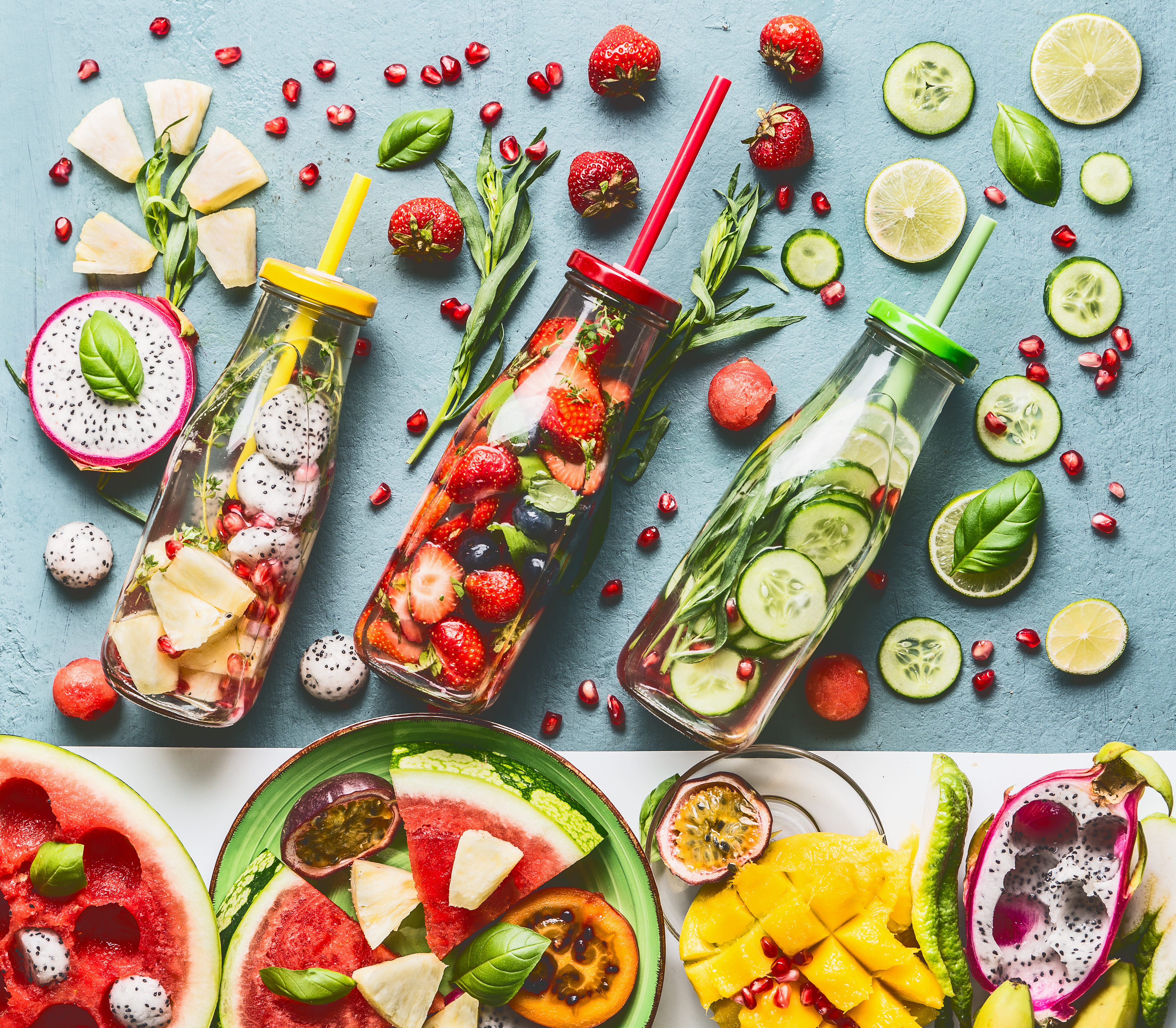
Summer refreshing and extra hydrating infused water in bottles with fruits and berries

It’s too darn hot. But there are ways to keep cool.

  1. Turn up the air conditioner, which raises your gas and electric bill, not to mention puts a strain on the electric grid.

2. Wear little to no clothing, but then you’d probably have to stay home all day.

3. Sit in a cold pool for hours, but then you’d look like a wrinkled prune.

4. Or learn the new science of increasing your hydration.

Did you know that when your brain isn’t hydrated you can experience cognitive issues? You might forget words or get confused. In fact, when my mother was hospitalized toward the end of her life for dehydration, a psychiatrist called to tell me “Your mother has full-blown dementia. I’d like to put her on an Alzheimer’s drug.” I responded by saying, “No she doesn’t. I spoke to her yesterday and she sounded fine.” As my mother’s medical health proxy, I did not give the doctor permission to put her on any drug. In fact, after she was infused with saline solution she bounced back to her normal status and was released from the hospital.

The book QUENCH: Beat Fatigue, Drop Weight, and Heal Your Body Through the New Science of Optimum Hydration by Dana Cohen, MD and Gina Bria (Hachette Books, 2018) reveals the science behind hydration (which I’m not going to get into in detail here) and ways to hydrate your body other than drinking water all day.

Why is it important to stay hydrated?

Our body is 50-65% water. It needs water to stay hydrated and flush out toxins. The brain, which is 70% water, gets dehydrated just like your body. When it’s dehydrated, neurotransmission — which is heavily dependent on water — is impaired, resulting in poor memory, concentration, and impaired abstract thinking. The next time your mind is muddled, drink a tall glass of water and notice the difference.

Water supports the flow of blood throughout the body, and helps the body eliminate waste. Water enables us to sweat in order to help cool the body, and is crucial to hormonal balance. Dana Cohen adds that staying hydrated is the most important thing we can do to prevent chronic illness, and suggests that many of the chronic conditions that people attribute to eating too much sugar and gluten and getting too little exercise may be due to not giving the body the hydration it needs for optimum health.

How much water do you need?

Drinking half your body weight in water in ounces is the general rule. So if you weigh 120 pounds, you should aim for drinking 60 ounces of water a day.

The book QUENCH provides lists of foods that contain a lot of water that are just as valuable as drinking liquids, and suggests that we eat our water. Food contains minerals, which are electrolytes, that help regulate chemical reactions and maintain the balance between fluids inside and outside your cells.

For example, sodium is the most abundant electrolyte in the body. It’s important for keeping the right balance of fluid in your cells and helps cells absorb nutrients. So make sure you’re eating plenty of fruits and vegetables both for the electrolytes and the water they naturally provide.

Eat Your Food

The Top 12 Hydrating Fruits are watermelon, starfruit, strawberries, grapefruit, cantaloupe, pineapple, raspberries, blueberries, kiwi, apples, pears, and grapes.

The Top 12 Hydrating Vegetables are cucumbers, Romain lettuce, celery, radishes, zucchini, tomatoes, peppers, cauliflower, spinach, broccoli, carrots, and sprouts.

Dr. Dana Cohen and Gina Bria recommend drinking a tall glass of warm or hot water with a squeeze of lemon and a pinch of salt first thing in the morning. It provides electrolytes and an instant hydrating boost.

They also suggest drinking a hydrating shake with greens such as 1 cup of spinach, juice of 1/2 lime, 1/2 cup of coconut milk, 1 to 2 cups of water, a cored and quartered apple, and 1/2 cucumber. If you like, add herbs like mint, parsley, basil, and celery. Blend everything in a blender, rather than extract the juice in a juicer in order to get the benefits of fiber.

Stay away from carbonated and caffeinated drinks. herbal teas and fresh fruit or vegetable juices are great in summer. Just remember that fruit juices are high in sugar and calories. Coconut water is cooling and helps to replenish electrolytes, which is especially important during and after an illness.

Enjoy these smoothie and popsicle recipes. They provide hydration, vitamins, and minerals, and are perfect for kids as well as for folks with dementia and Alzheimer’s who may forget to eat or lose interest in food.

Popsicles

Watermelon and Kiwi–makes 8

4 kiwis, peeled and sliced

3 cups of pureed watermelon

Place kiwi inside the sides of the popsicle molds. Pour in the watermelon. You can make this with other fruits: watermelon and strawberries, etc. Add basil or mint; lemon or lime juice with or without the rind.

For a beautiful popsicle with 3 layers: Add watermelon puree but leave room for 2 more layers. Freeze for 30 minutes. Take out of the freezer and pour in a small amount of coconut milk, the full-fat canned variety. Freeze again. Take out and add pureed kiwi and freeze. This is a treat for the eyes as well as your taste buds.

Strawberries and Cream–makes 8

2 cups of pureed strawberries (leave some chopped for texture)

2 cups cream of vanilla yogurt.

Blend and freeze.

Coco-Mango–makes 4-6

2 cups pureed mango

1/2 cup canned coconut milk

Optional: Add coconut flakes.

Blend and freeze.

Orange Cream–makes 4-6 popsicles

1 cup orange juice

1 cup vanilla yogurt

Blend together and freeze.

Protein shake recipes

My favorite delicious and easy-to-make shakes

Banana Berry Shake

  • 1 frozen banana
  • ¼ cup sliced strawberries
  • 8 ounces of milk or non-dairy drink such as soy, almond, or coconut milk
  • 1 scoop of whey protein powder
  • Blend together until smooth.

Berry Sunrise Shake

  • 1/3 cup frozen blueberries
  • 3 medium strawberries
  • 8 ounces of orange juice
  • 1 scoop of whey protein powder
  • Blend together until smooth.

Stay cool and enjoy your summer!

Barbra Cohn cared for her husband Morris for 10 years. He passed away from younger-onset Alzheimer’s disease in 2010. Afterward, she was compelled to write “Calmer Waters: The Caregiver’s Journey Through Alzheimer’s & Dementia”—Winner of the 2018 Book Excellence Award in Self-Help—in order to help other caregivers feel healthier and happier, have more energy, sleep better, feel more confident, deal with feelings of guilt and grief, and to ultimately experience inner peace. “Calmer Waters” is available at AmazonBarnes & NobleBoulder Book StoreTattered Cover Book Store,  Indie Bound.org, and many other fine independent bookstores, as well as public libraries.

21 Ways to Ease Traveling with Someone who has Dementia 

My husband, Morris, loved to travel so much that he memorized plane and train schedules for fun. Until he developed Alzheimer’s, that is. When he was unable to convert dollars into the local currency on our 25th anniversary trip through France and Spain, I realized something was very wrong. He followed me like a puppy dog around Barcelona and was afraid to hop on the subway. I was forced to read maps (not something I’m great at) and choose where to go and what to see, without any input. It was like traveling with a young child. My suspicion that he had Alzheimer’s was confirmed when we returned home.

That winter we went to an all-inclusive resort on the Riviera Maya, south of Cancun, to escape from our new reality. The last-minute get-away helped alleviate the stress of worrying about the future. But I couldn’t totally relax because I quickly learned that you can’t trust someone with dementia to find their way back to an unfamiliar hotel room.

Since he had been an avid lap-pool swimmer, I later took Morris on a quick trip to Glenwood Springs for a soak in the mineral pools. I was concerned that he would have trouble getting dressed in the locker room without my help. My first question to the staff was, “Do you have a family changing room?”

They actually have two, complete with toilet, sink, shower, and fold-down bench. There are also three ADA (American Disabilities Act) accessible rooms in the new restroom facility near the kid’s area at the west end of the property. 

Changing was easy. But Morris was afraid to get into the pool. I later learned that people with Alzheimer’s have difficulty with depth perception and peripheral vision. Their eyes might be healthy, but changes in the brain affect the way they process visual information and alters their perception of the world and how they understand it.

I wish I had known this before our family took a trip to Arches National Park. Morris was terrified as we slowly made our way through the Devil’s Garden. And I became impatient with him, not realizing that he probably felt as though he was about to fall off a cliff.

The good news is that you can travel with someone who has dementia. It’s a bit of a challenge, but it’s doable in the early stages. It just takes more planning, patience, and time. Our family took several fun trips to Hawaii with Morris after his diagnosis. They were even more special than our previous trips because we wanted to enjoy every precious moment together.

21 Tips for Traveling with Someone who has Dementia

It’s inevitable that routines will be disrupted while traveling. Here’s how to make it easier on yourself and the person you are caring for.

  1. Don’t leave home without an ID bracelet or wearable GPS unit that can’t be easily removed by your traveling companion. List the person’s name and your cell number on the ID. If the person can still use a cell phone, make sure your number is the emergency contact.
  2. Keep a current photo of your care recipient with you in case you get separated. And carry a laminated card that briefly explains that they have dementia. Showing this to service people helps to avoid frustration, impatience, confusion, and embarrassment.
  3. Consider staying in a hotel rather than with relatives who may be alarmed by or unfamiliar with dementia symptoms. If there’s any sort of drama in the household, this will only add to everyone’s confusion and frustration.
  4. Let the hotel staff know ahead of time of special needs. Ask for a vase of flowers to be placed in your room. They always seem to freshen up the environment.
  5. Bring an aromatherapy diffuser that plugs into the wall. I like the Vivitest Aromatherapy Diffuser because it diffuses for 6 to 8 hours, and turns off automatically. It’s available here: https://www.amazon.com/dp/B08TQPC4VZ?th=1
  6. Aromatherapy works like magic to allay anxiety. Put a few drops of lavender oil, sage, geranium, rose, or ylang ylang oil on a pillowcase, or handkerchief that you can stick in a shirt pocket, or in a diffuser. Try out different blends before your trip to see what your traveling companion prefers. Essential oils and diffusers are available at natural food stores and online.
  7. Try to avoid noisy, crowded situations that might provoke anxiety, fear, or confusion. Instead, visit tranquil environments such as art museums and galleries, botanical gardens, and special interest museums. If you’re meeting friends or family, picnic in a beautiful park. If children are included, choose a park with a playground.
  8. Have afternoon tea, cookies, and fruit in your hotel room, and allow time for a nap.
  9. Ice cream treats always work when the going gets rough!
  10. If you’re flying, book a direct flight and limit flight time to under four hours.
  11. Pack everything in a light backpack to carry on board, if possible, to avoid waiting at baggage claim. Carry documents and medications with you.
  12. Leave the lace-up shoes at home. Velcro shoes or slip-on shoes are a must.
  13. Most airports have a seating area a few feet from where you pick up your belongings, where you can put yourselves back together.
  14. Just beyond that is a handicapped seating area where you can hitch a ride on an electric cart that brings you to your gate.
  15. Use the family restrooms, rather than the public restrooms. Your traveling companion will appreciate the help.
  16. Take advantage of early boarding.
  17. Bring your own food, snacks, and water. Make sure you don’t bring anything that qualifies as a liquid. That includes yogurt.
  18. Let flight attendants know about special needs. They are more than willing to help.
  19. Don’t worry about your companion getting locked inside the cabin restroom. It is possible to open the door from the outside.
  20. Bring an iPad or headphones for entertainment and relaxation.
  21. Sit back and try to relax!

Barbra Cohn cared for her husband Morris for 10 years. He passed away from younger-onset Alzheimer’s disease in 2010. Afterward, she was compelled to write “Calmer Waters: TheCaregiver’s Journey Through Alzheimer’s & Dementia”—Winner of the 2018 Book Excellence Award in Self-Help—in order to help other caregivers feel healthier and happier, have more energy, sleep better, feel more confident, deal with feelings of guilt and grief, and to ultimately experience inner peace. “Calmer Waters” is available at AmazonBarnes & NobleBoulder Book StoreTattered Cover Book Store,  Indie Bound.org, and many other fine independent bookstores, as well as public libraries.

15 Ways to Help You Deal with Caregiver Guilt

You spend countless hours taking care of your loved one and have given up so many things. So why do you still feel guilty about not doing enough? Why do you continue to second-guess yourself?

You may ask yourself Am I doing enough? Did I make the right decision? What if… what if…? Here are ways to recognize your feelings, tips for accepting them, and ways to forgive yourself.

Why do you feel guilty?

  • Do you feel that you aren’t doing enough for your care recipient? Make a list of everything you do for the person you care for. Preparing a meal, shopping for groceries, driving to appointments, making a bed, doing laundry, making a phone call, sitting next to the person, even just giving a hug: the list adds up! You are doing a lot more than you think you are!
  • Are you guilty about your negative feelings? Resentment, anger, and grief are all normal. They are just feelings and they aren’t wrong. Feelings are complicated and you are entitled to them. You probably love the person you are caring for but the time you spend is precious and you might rather be outside gardening or hiking or traveling.
  • Do you feel bad about taking time for yourself? Don’t! If you don’t stay well, including eating and sleeping well, there’s a good chance you will get sick. And that is not going to help anyone! Please take some time for yourself. If you are a full-time caregiver, at least take a 15-minute walk every day. Get some respite care. Your local county social services department can most likely provide you with some options for help.
  • Are you feeling inadequate as a caregiver? The Alzheimer’s Association offers free classes on caregiving. “The Savvy Caregiver” is an excellent five-session class for family caregivers. It helps caregivers better understand the changes their loved ones are experiencing, and how to best provide individualized care for their loved ones throughout the progression of Alzheimer’s or dementia.
  • Do you resent losing personal time for meeting with friends, exercising, painting, playing an instrument, or traveling? It’s normal and natural to feel like you’re missing out on the things that bring you enjoyment. Try to carve out at least an hour or two a week where you can do whatever you want to do.
  • Do you have unresolved issues that stem from your childhood that get in the way of your feelings for the person you’re caring for now?
  • Are you comparing yourself to other caregivers? For instance, if you’re in a caregiver group you may be in awe of the amount of time another caregiver spends taking care of a spouse or how many hours she sits next to her husband in a memory care home. You are YOU, you’re unique and have different needs, a different history, and a different relationship with the person you’re caring for. Don’t compare yourself with anyone.
  • Do you have past unresolved issues with the person you’re caring for?

Tips for easing guilt

  • Ask yourself what’s bothering you. Talk with a close friend who will not judge you, or with a professional therapist, clergyperson, spiritual teacher, or intuitive guide. Talk about your guilt until you feel your body release the tension that is stored in your muscles and cells.
  • Remember that you are human and not perfect. No one expects you to perform with absolute clarity and grace all the time.
  • You cannot control everything all the time. You are doing the best that you can with the information, strength, and inner resources that you have.
  • Join a support group. Caregivers share many of the same problems and issues. A support group meeting can be a safe place where you will not be judged.
  • Have an “empty chair” dialogue by speaking out loud and pretending that your care partner is in the chair next to you. Express your feelings openly and wholeheartedly. Ask for forgiveness if you feel that you wronged your loved one in any way.
  • Write down your thoughts and feelings. Journaling is a wonderful, inexpensive way to release your concerns and worries on paper. It’s available when your therapist and best friend are not, and you can do it anywhere at your leisure.
  • Strong feelings of guilt, remorse, and grief will diminish over time.  If they continue to haunt you, seek professional help.

Barbra Cohn cared for her husband Morris for 10 years. He passed away from younger-onset Alzheimer’s disease in 2010. Afterward, she was compelled to write “Calmer Waters: The Caregiver’s Journey Through Alzheimer’s & Dementia”–winner of the 2018 Book Excellence Award in self-help– in order to help other caregivers feel healthier and happier, have more energy, sleep better, feel more confident, deal with feelings of guilt and grief, and to ultimately experience inner peace. “Calmer Waters” is available at AmazonBarnes & NobleBoulder Book StoreTattered Cover Book Store,  Indie Bound.org, and many other fine independent bookstores, as well as public libraries.

Is your favorite chocolate safe to eat? The good, the bad, and the ugly about chocolate.

When I was in Mexico I visited a chocolate museum. It’s hard to get through the exhibit without drooling since the rich, sweet odors permeate every room. The last stop before the exit was a large display of chocolate that was for sale. Chocolate made from coarsely ground cacao, sugar, and cinnamon. Chocolate with chile, nuts, and spices, and mole sauce cooked for half a day and filled with more than a dozen spices. The Mexicans know how to make chocolate!

And it’s no wonder. Cacao plants were grown in Mexico 4,000 years ago, and the Olmec, one of the earliest civilizations in Latin America, turned the bitter cacao beans into cocoa, which they drank and used as medicine. Later, the Mayans came up with a brew made of roasted cacao seeds, chilies, water, and cornmeal. The Aztecs used cacao beans as currency and believed that chocolate was a gift from the god Quetzalcoatl. They drank it as a delicious foamy beverage, an aphrodisiac, and as a preparation for war.

When the Spanish arrived, they brought nuts and spices with them. This is where the common practice of adding almonds and cardamom to Mexican chocolate stems from.

So thanks to the Mexicans and Spanish, we have the amazing pleasure of drinking and eating chocolate. In addition to its delectable taste, chocolate offers numerous health benefits. But there’s a big difference between eating dark chocolate and milk chocolate. Dark chocolate has the highest percentage of cocoa solids and cocoa butter, as well as sugar and cocoa bean powder. It also contains flavonoids, plant-based compounds that have anti-inflammatory and antioxidant properties that support immunity. Additionally, it contains magnesium, sulfur, calcium, iron, zinc, copper, potassium, and manganese, which are essential minerals. Dark chocolate also contains epicatechin and gallic acids which support the heart, act as anticarcinogens (anti-cancer), and support brain health and mental clarity.

Milk chocolate contains milk powder, sugar, and a small percentage of cocoa solids and cocoa butter. It has a creamier and sweeter taste. It contains less than 10 percent of cocoa versus the minimum of 35 percent cocoa that dark chocolate contains, which means it doesn’t offer nearly the number of health benefits as dark chocolate.

Nutritionists recommend consuming chocolate products that contain 70% to 80% cocoa. If you just want pure and simple health benefits, forego the chocolate and take raw cacao capsules. Although I definitely wouldn’t recommend giving your sweetheart a bottle of cacao capsules on Valentine’s Day. Indulge in the good-tasting stuff!

If chocolate is so good for you, what’s all the fuss about it containing heavy metals?

Consumer Reports recently created a brouhaha about lead and cadmium found in popular dark chocolate bars. In fact, cadmium and lead were found in all 28 dark chocolate bars that were tested. The levels of both lead and cadmium were highest in: Theo organic pure dark 70% cocoa, Theo organic extra dark pure dark chocolate 85% cocoa, Green & Black’s organic dark chocolate 70% cacao, Trader Joe’s The dark chocolate Lover’s chocolate 85% cacao, and Lily’s extremely dark chocolate 85% cocoa.

The safer choices were: Mast organic dark chocolate 80% cocoa, Ghiradelli intense dark chocolate 86% cacao, Valrhona Albinao dark chocolate 85% cacao, Taza chocolate organic delicious dark chocolate 70% cacao, and Thiradelli intense dark chocolate twilight delight 72% cacao. Click here to find out about other brands and bars: https://www.consumerreports.org/health/food-safety/lead-and-cadmium-in-dark-chocolate-a8480295550/

What’s so terrible about heavy metals?

Regular and long-term exposure to just small amounts of heavy metals can result in a number of health problems. The biggest danger is for pregnant women and young children because the metals can cause developmental problems and even lead to lower IQ. But all adults should be concerned because frequent exposure can result in kidney damage, reproductive problems, hypertension, and immune system suppression.

Dark chocolate contains more heavy metals than milk chocolate because it contains at least 65 percent cacao by weight.

Play it safe.

If you’re addicted to dark chocolate, find a brand that is considered “safer” and contains a lower cacao percentage. Treat dark chocolate as a treat and limit yourself to one ounce, and trade it for milk chocolate half of the days you normally consume it. Don’t assume that organic dark chocolate is safer because it isn’t. Check the Consumer Report list (link is above). And severely limit the amount of dark chocolate that you give young children.

Remind me again why chocolate is good for you.

10 reasons to eat chocolate

  1. Chocolate is an aphrodisiac. Legend has it that the Aztec emperor Montezuma was said to consume large amounts of the cocoa bean to fuel his libido. Today, scientists attribute the aphrodisiac qualities of chocolate to two chemicals: 1) tryptophan, which is a building block of serotonin, a brain chemical involved in sexual arousal. And, 2) phenylethylamine, a stimulant related to amphetamine, that is released in the brain when people fall in love. What about you? Do you experience a heightened sense of arousal after eating dark chocolate?
  2. Chocolate contains good-for-you antioxidants Chocolate comes from the cacao bean, which thrives in hot, rainy climates in South America, Africa and Indonesia. Similar to grapes, the local soil and climate affects the taste of the harvested beans. When you buy a chocolate bar that has the percentage number on the bar wrapper, that represents the weight that comes from the cacao bean content, according to Robert L. Wolke, author of What Einstein Told His Cook: Kitchen Science Explained. The higher the number, the lower the percentage of sugar and the more bitter and complex the flavor, he says. And the higher the number the more antioxidants.
  3. Cacao is rich in essential minerals: magnesium, sulfur, calcium, iron, zinc, copper, potassium and manganese, all essential minerals . . . and antioxidants that support immune health.
  4. Chocolate reduces your risk of Type 2 Diabetes Researchers discovered that the flavanols in chocolate have beneficial effects on insulin resistance, a risk factor for Type 2 diabetes. In a 30-year-long study of 953 men and women from the Maine-Syracuse Longitudinal Study (MSLS), researchers found that the individuals who never or rarely ate chocolate had a significantly higher chance of developing Type 2 diabetes after five years when compared to individuals who ate chocolate more than once a week. Habitual chocolate intake and type 2 diabetes mellitus in the Maine-Syracuse Longitudinal Study: (1975-2010): Prospective observations.
  5. Protects you from heart disease A 2012 report published in the American Journal of Clinical Nutrition found that dark chocolate has a beneficial effect on blood pressure, vascular dilation and cholesterol levels, and can play a role in reducing metabolic precursors that lead to diabetes and eventually to heart disease. However, a study published in October 2016 (John Wiley & Sons, Ltd.) found that out of 32 cocoa product samples analyzed, the cocoa flavanol dose must be about 900 mg or above to decrease blood pressure, and contain 100 mg of epicatechin. So if you want to eat chocolate for health benefits, be sure to check the ingredient label. The aim of the study was to review the effect of cocoa flavanols on cardiovascular health, with emphasis on the doses ingested, and to analyze a range of cocoa products for content of these compounds. PubMed was searched from 2010 to locate systematic reviews (SR) on clinical effects of chocolate consumption.
  6. Supports mental function. A recent analysis of several studies on the effects of cocoa polyphenols on cognition in healthy adults found that they enhanced memory and executive function. https://pubmed.ncbi.nlm.nih.gov/31933112/ In an earlier study carried out by the University of L’Aquila in Italy, 90 elderly participants with mild cognitive impairment (MCI) drank cocoa containing high, medium, or low levels of flavonoids. At the end of the eight-week study, researchers found improvements in motor response, working memory, task switching, and verbal memory in the participants who drank cocoa with a higher flavanol content. (Hypertension, Aug. 14, 2012) Alzheimer’s and dementia patients are especially fond of sweets because the taste of sweetness is the last taste to disappear. Another study that evaluated the effect of cocoa flavonoids on cognitive function, blood pressure control and metabolic function in the elderly also found positive results. https://pubmed.ncbi.nlm.nih.gov/25733639/ So if your loved one has Alzheimer’s or dementia, indulge him/her in chocolate. Just remember not to overdo it and make sure to include good dental hygiene in your loved one’s daily regimen.
  7. Helps you think better after a sleepless night. The next time you have a bad night’s sleep, instead of indulging in a cup of Joe drink hot chocolate. Sleep deprivation is a risk factor for cardiovascular disease, and scientists have found that flavanol-rich chocolate counteracted vascular impairment after sleep deprivation and restored working memory performance. Their theory is that the study’s participants had improved cognitive performance because of the effects of cocoa flavonoids on blood pressure and blood flow.Flavanol-rich chocolate acutely improves arterial function and working memory performance counteracting the effects of sleep deprivation in healthy individuals.
  8. Is good for your gut. Cacao stimulates the production of healthy microbes in the colon.  Studies show that the microbes break down the undigested fiber in the cocoa, creating usable short-chained fatty acids, such as butyric, propionic, and acetic acids. These fatty acids promote the growth of healthy gut bacteria, which strengthens the intestinal barrier and prevents harmful microorganisms and antigens from invading the digestive tract.
  9. May help protect you from cancer. Cacao has the biggest concentration of flavonols ( a class of flavonoids) of all foods per weight. Flavonols contain cancer-protective properties. Studies in humans have shown that flavonol-rich diets are associated with a decrease in cancer risk. One gram of cacao contains over 30 mg of flavonols, and 31 mg a day is ideal. But be careful. Don’t use this as an excuse to eat a bar of dark chocolate every day instead of eating fruits and vegetables, because fruits and veggies offer lots of fiber, vitamins, and minerals that aren’t all found in cacao.
  10. Makes you feel gooood Scientists have discovered why chocolate uplifts your mood. Serotonin is the neurotransmitter responsible for keeping us happy, and cacao stops the amino acid tryptophan from breaking down. Since tryptophan is one of the amino acids that make serotonin this, in turn, limits the breakdown of serotonin. https://pubmed.ncbi.nlm.nih.gov/25733639/

I’m making strawberries dipped in chocolate this Valentine’s Day.

I might even make Chocolate souffle if I’m really feeling indulgent. Substitute coconut sugar or raw sugar, if you like. This recipe is easier than you’d think, so don’t let the word souffle scare you off. It’s well worth the time and little effort it takes.

Chocolate Souffle

Ingredients

  • 1⁄3 cup sugar, plus additional for sprinkling
  • 5 ounces bittersweet chocolate chips
  • 3 large egg yolks, at room temperature
  • 6 large egg whites
  • 1⁄8 tablespoon butter

Directions

  • Preheat oven to 375°F.
  • Measure out sugar, chocolate and separate eggs.
  • Butter soufflé dish entirely and then add sugar (additional) coating the entire dish.
  • Melt chocolate in a double boiler, or directly on the stove.
  • Add yolks to chocolate (this will harden the chocolate so don’t be alarmed).
  • Beat egg whites with a pinch of salt. Slowly add sugar, a little at a time. Beat until egg whites hold stiff peaks.
  • Fold white mixture into chocolate slowly and stir until smooth.
  • Pour into large soufflé dish or 4 ramekins and run the end of your thumb around inside to remove any extra batter.
  • Bake until puffed and crusted on top but still jiggly in center, 20 to 25 minutes.
  • Serve immediately with whipped cream or ice cream.

This recipe has become one of my new favorites.

Chocolate zucchini bread

Ingredients

  • 2 cups grated zucchini
  • 2 eggs
  • 1/2 cup unsweetened applesauce
  • 1/2 cup maple syrup (add 3/4 cup if you like it sweet, I don’t)
  • 1 tsp baking soda
  • 1 tsp baking powder
  • 1/2 tsp salt
  • 1/3 cup unsweetened cocoa or cacao powder
  • 2 cups flour of your choice. I use 1 cup almond meal and 1 cup whole wheat
  • 1/2 cup semi-sweet chocolate chips

Directions

  • Preheat oven to 350 degrees. Spray loaf pan with oil or rub with butter.
  • In a large bowl mix egg, applesauce, maple syrup, baking soda and baking powder, and salt.
  • Add cocoa powder and whisk until well combined.
  • Add flour and mix until combined. Add 1/4 cup of chocolate chips.
  • Pour batter into pan and sprinkle remaining chips on top.
  • Bake 40-50 minutes or until an inserted toothpick comes out clean. Be careful not to hit a melted chocolate chip.
  • Let cool before slicing.

Yay chocolate! Have a very happy Valentine’s Day!

Barbra Cohn cared for her husband Morris for 10 years. He passed away from younger-onset Alzheimer’s disease in 2010. Afterward, she was compelled to write “Calmer Waters: The Caregiver’s Journey Through Alzheimer’s & Dementia”–winner of the 2018 Book Excellence Award in self-help– in order to help other caregivers feel healthier and happier, have more energy, sleep better, feel more confident, deal with feelings of guilt and grief, and to ultimately experience inner peace. “Calmer Waters” is available at AmazonBarnes & NobleBoulder Book StoreTattered Cover Book Store,  Indie Bound.org, and many other fine independent bookstores, as well as public libraries.

Are you a good candidate for the new Alzheimer’s drug?

Patient getting an IV infusion

On January 6, 2023, the FDA approved Leqembi, the first drug shown to slow Alzheimer’s. Leqembi (Lecanemab) is manufactured by the Japanese drugmaker Eisai and co-developed by Eisai and Biogen. The drug is for patients with mild or early-stage Alzheimer’s dementia.

How does it work?

Lecanemab is an antibody that removes sticky deposits of the protein amyloid beta from the brain. Leqembi (the brand name in the US) neutralizes the protein and marks it for clearance by the immune system before clumping occurs. The result is fewer beta-amyloid aggregates, or plaques, in the brain, potentially slowing the progress of the disease. Results from a late-stage study showed that the drug reduces the rate of cognitive decline in patients with early Alzheimer’s by 27%.

How is it given?

Leqembi is administered intravenously once every two weeks to patients who have a diagnosis of early or mild Alzheimer’s. During the first 14 weeks of taking the drug, patients must be closely monitored and get brain scans to make sure there is no brain swelling.

What are the risks?

Cerebral edema, also called ARIA-E, is the main risk. It involves the breakdown of the tight endothelial junctions of the blood-brain barrier and results in the accumulation of fluid in the brain. In general, common side effects of ARIA-E include easy bruising/bleeding, numbness/tingling of the hands/feet, unsteadiness, unexplained muscle weakness, vision changes, muscle joint pain, butterfly-shaped rash on the nose and cheeks, symptoms of heart failure (including shortness of breath, swelling ankles/feet, and unusual tiredness. Patients who have chest pain or seizures should get medical help immediately.

Biogen has issued these warnings and precautions: Leqembi can cause amyloid-related imaging abnormalities-edema (ARIA-E) and -hemosiderin deposition (ARIA-H). ARIA-E can be observed with MRI imaging as brain edema or sulcal effusions, and ARIA-H as microhemorrhage and superficial siderosis. ARIA is usually asymptomatic, although serious and life-threatening events, can occur including seizures. They are rare, however.

Reported symptoms associated with ARIA may include headache, confusion, visual changes, dizziness, nausea, and gait difficulty. Focal neurologic deficits may also occur. Symptoms associated with ARIA usually resolve over time.

In one study listed on Biogen’s news release (although it doesn’t say how many patients were treated) 3% of the patients who took the drug had symptomatic ARIA. It resolved itself in 80% of those patients. One patient had a brain hemorrhage after one treatment with the drug. https://investors.biogen.com/news-releases/news-release-details/fda-approves-leqembitm-lecanemab-irmb-under-accelerated-approval

The majority of ARIA-E radiographic events occurred early in treatment (within the first 7 doses), although ARIA can occur at any time and patients can have more than one episode. Other studies have reported that patients taking Leqembi who had brain hemorrhages died. This information is on the Biogen news release, also. https://investors.biogen.com/news-releases/news-release-details/fda-approves-leqembitm-lecanemab-irmb-under-accelerated-approval

Patients who have had a cerebral hemorrhage, aneurysm, brain lesions, stroke, brain contusion, or other brain and vascular pathologies are advised to not take the drug because there is a risk of a brain hemorrhage. Most doctors would not administer the drug in any of these cases.

How much does Leqembi cost?

A year’s treatment will cost about $26,500. Currently, there are few options outside of self-pay. Most of the patients who are potential candidates for the drug are on Medicare, and the Federal program’s coverage is very limited, so far. Patients who can pay out of pocket will be able to start the treatment if they are a good candidate for Leqembi and are able to find a doctor and health care system to work with.

So far, Soleo Health is the sole specialty pharmacy distributor for Leqembi. Soleo Health will distribute Leqembi to provider offices and infusion centers, and administer it across the company’s ambulatory infusion centers nationwide, including those operated by its provider division, Virtis Health. This division offers therapeutic and diagnostic services to people with complex diseases requiring special management.

The company reported that it operates more than 40 infusion centers across the U.S.

Patients treated with Leqembi also can receive support through Soleo Health’s Alzheimer’s disease Therapeutic Care Management Center, or TCMC, whose interdisciplinary staff includes physician specialists, nurse practitioners, registered nurses, therapy-care pharmacists, reimbursement specialists, and patient care ambassadors. The center is supported by the company’s nationwide specialty pharmacies, Soleo Health stated.

More information on Soleo Health’s services for Leqembi and Alzheimer’s disease is available by contacting its Alzheimer’s TCMC at 844-960-9090 or via email at alzheimers@soleohealth.com.

Is it worth the risk?

This is a tough question. If I were in the position of deciding whether to put my loved one on Leqembi I’d have to think long and hard if the risk of their having a brain bleed and possible hemorrhage is worth the possibility of living six months, nine months, or a year or two longer without dementia. On the other hand, it’s too early to know just how beneficial the drug will be. I’d probably not be first in line and would wait a bit to see how much Leqembi is helping and whether Medicare is going to cover at least part of the cost.

Maybe Leqembi will turn out to be the silver bullet we’ve been waiting for, and will totally clear out the amyloid plaques. Now wouldn’t that be fantastic?!

Barbra Cohn cared for her husband Morris for 10 years. He passed away from younger-onset Alzheimer’s disease in 2010. Afterward, she was compelled to write “Calmer Waters: The Caregiver’s Journey Through Alzheimer’s & Dementia”–winner of the 2018 Book Excellence Award in self-help– in order to help other caregivers feel healthier and happier, have more energy, sleep better, feel more confident, deal with feelings of guilt and grief, and to ultimately experience inner peace. “Calmer Waters” is available at AmazonBarnes & NobleBoulder Book StoreTattered Cover Book Store,  Indie Bound.org, and many other fine independent bookstores, as well as public libraries.