12 ways to make sure your loved one is safe in a nursing home


Nurse serving food in nursing homeIt’s horrific and tragic that eight residents of a nursing home in Hollywood, Florida died this week as a result of dehydration, respiratory distress, and heat-related issues.  The nursing home administrator Jorge Carballo said “The Center and its medical and administrative staff diligently prepared for the impact of Hurricane Irma. We took part in emergency management preparedness calls with local and state emergency officials, other nursing homes and health regulators. In compliance with state regulations, the Center did have a generator on standby in the event it would be needed to power life safety systems. The Center also had seven days of food, water, ice and other supplies, including gas for the generator.”

But clearly something was wrong, very wrong. One man who learned about his mother’s death from a report said communication with the staff had always been difficult, so it did not strike him as unusual that his calls were not returned. Lack of communication is a big red flag.

My husband spent a little over two years in an assisted care facility, and my mother lived in a continuum care facility for seven years. Here is what I learned from my experience as the primary family caregiver responsible for making decisions about their care.

  1. If you anticipate that your loved one will be going into a nursing home or assisted living facility in the near future prepare months in advance. Visit a number of facilities in the area where s/he will live. Once you shorten the list to two or three, drop in unannounced so you can observe how the patients are treated. Supposedly, the best time to “drop in” is Saturday evening when there are fewer staff members around and visitors are not expected. Your senior services ombudsman will know which facilities have had complaints filed against them and can give you an idea of which ones to look at based on your family’s needs.
  2. Notice if residents are crying out for help, are in distress or appear dehydrated, and if their needs are attended to quickly. Be aware of odors (especially ammonia or urine) and whether the halls, dining areas, and residents’ rooms are clean.
  3. Once your loved one makes the transition into a home, get to know the staff—as intimately as your time allows. By making a personal connection with the people who care for your loved one, you will become more than a familiar face.  Professional caregivers make little income, have a huge responsibility, and are often the people who know best about the patient’s needs and status. These are people with families of their own. Ask about their child’s sports team or dance class. Ask about their grandchild’s birthday, etc. Your personal interest in their life will be appreciated and they will naturally develop an interest in your loved one and your family.
  4. A friend of mine visits his wife in a nursing home every single day, bringing her fresh berries or cut-up melon because the home doesn’t provide fresh fruit. It’s not practical for everyone to visit a loved one every day, but when you do, bring something nutritious such as fresh fruit instead of sweets. Fresh fruit is usually easy to eat and provides vitamins and antioxidants that help prevent colds and flues.
  5. Make sure water is provided throughout the day–not just that it is available but that it is offered. Seniors often lose the signal that they are thirsty and dehydration can be a serious problem for the frail and elderly.
  6. If your loved one is incontinent, make sure there are plenty of adult diapers in the room and that s/he is being changed regularly. Urinary tract infections are a serious problem with this population and staying dry and clean is a key to preventing them!
  7. Be on the alert for bruises or sores. A bed sore can lead to a systemic infection and death. Speak to the attending doctor or nurse immediately if you notice a sore that is not healing. A bruise can indicate that your loved one has fallen or, in the unlikely but not unheard event, that s/he has been abused.
  8. Sit with your loved one while s/he eats in the dining room. Is she able to feed herself or does she sit there not knowing what to do with her sandwich? If it is a problem, make arrangements with one of the staff to help her.
  9. Does your loved one require oxygen? Nursing homes are required to have generators in case of power outages such as during a hurricane. Familiarize yourself with the provider of the oxygen that your loved one receives and make sure the company is equipped to provide liquid oxygen for use when there is no power.
  10. Remove all loose rugs and obstacles in the room that your loved one might trip on. Also, place a lamp in easy reach of the bed so s/he doesn’t fall while trying to turn it off or on.
  11. My husband lost numerous pairs of glasses when he was in the assisted living home. Leave at least one extra pair with the floor nurse, and keep an extra pair at home.
  12. Know who to talk to if you have a question or concern. Over the years, I had to speak with the director of the facility where my mother lived several times. Don’t be shy and don’t be afraid of making a nuisance of yourself. Your family might be paying big bucks for the care you expect. If something is not agreeable to your loved one or your family speak up. Most of the time the director will be appreciative to hear your concerns and the matter will be quickly remedied. If not, contact the regulatory agency in your state to file a complaint. On this page you’ll find contact information for each state and territory. We provide information (where available) so that you can: 1) file a complaint about a nursing home; and 2) find additional nursing home information provided by a state.

12 ways to ensure end of life peace for our loved ones and ourselves

White Bird in Clouds

A couple of years ago, Mom and I talked about facing the end of her life. I asked her if she had a good life and she said, “yes.” I asked her if she had regrets and she said, “yes.” But she didn’t want to talk about that. I told her I would do my best to be with her at the time of her passing. I was, and I am thankful that I fulfilled my mother’s wish and my promise to her.

Just two weeks ago my beloved mother passed away from pneumonia. Pneumonia has traditionally been called “the old man’s friend” because a frail elderly person typically loses consciousness and passes fairly easily in sleep. Although it was not easy watching my mother drown in her own fluid, she appeared to not be in pain. Her breathing was labored for hours, and then she sank into a state of peaceful acceptance as her last breaths came in whispers until the last tiniest breath sealed the finality of her life. 

I’m relieved that I had made the funeral arrangements with my brother a year ago. At least I didn’t have to deal with that on the day that the earth stopped spinning and I forgot to drink water as I faced a new reality of living in a world without a mother. I am also relieved that I made arrangements with Chevre Kadisha, the Jewish Sacred Burial Society. Many religions have complex codes of conduct for survivors and very specific rituals and customs that have been carried out for centuries. Harvey Lutske writes in The Book of Jewish Customs that the practices and customs rabbis established for survivors to observe following the death of a loved one help the survivors “cope with their loss, continue with their lives, recover emotionally, pay respect to the dead, and perpetuate the memories of those who have gone before us.”

Final gift of love

My mother’s body was lovingly washed by a group of women in a ritual called Taharah. This cleansing requires several people because the entire body must be washed and moved from side to side in a specific way according to Jewish law. Afterwards, a huge amount of water is poured over the body and passages are read from the Song of Songs. The people performing the Taharah ask for forgiveness in case they performed some indignity. The body is then dressed in a cotton or linen shroud and put into an unadorned, pine coffin. Typically, someone sits with the body or “met” until internment. This is called sitting Shimira, and it is often done in two-hour shifts around the clock. The person reads psalms or prayers silently or out loud, or meditates while a candle burns continuously at the head of the coffin.

Buddhists also incorporate a cleansing of the body and a vigil into their mourning ritual. Families are often invited to wash the body of their deceased loved one. Washing a corpse enables you to become intimate with death in a way no other thing does. It’s hard work, but it’s an important way to honor the dead, said one Buddhist minister.

Death is the great equalizer

To the question, “What is the value of death?” the Jewish rabbis answered, “If nothing ever died, we, the human race, would not learn how to value time. Life’s finiteness is earmarked, and ended, by death. And learning to face death may be life’s greatest challenge.”

As hard as it is, we can take control and manage the death and dying of our loved ones. We can do things that make sense to us and provide us with comfort. Kim Mooney, the Board President of Conversations on Death, and Director of Community Education for Tru Community Care, Colorado’s first hospice, says, “The more you’re involved in the death and grieving process, the more we’re able to be in touch with that innate place in ourselves that tells us how to live. It’s the fear of death that makes us live. And it’s the terror of death that makes us run from the experiences that will teach us.”

As painful as it is,’ says Mooney, grief work and dealing with the death of a loved one guides how you’re going to live your own life. “We’ve skewed our relationship to death in this society,” she says, “but we can’t walk away from it. If you don’t do the work around it, you will somehow diminish the quality of your life. Grieving is a life-long process. Our lives are a series of gains and losses. Learning how to grieve, and incorporating a loss and moving on is critical to being able to become a mature, spiritual person because it implies an acceptance of what life is.”

I am an expert at grieving because of my significant losses. But this time will be different because I lost my mother, my primary connection to the world. This time is especially profound because no one can replace a mother. It will take time before I don’t have the thought to call her, to check in with her, to make sure she is okay. And even though I have children and grandchildren, I will always ponder the profoundly unique love that binds a mother and child in remembering my own sacred relationship with my mother.

In listening to the sweet words and stories that so many people told me after learning of my mother’s passing, I am reminded that it is how we make people feel—not what we accomplished—that is what we remember about a person. Death once again serves as a teacher to remind me that we are here temporarily, and that as my teacher loved to say, “Do not trust the time. Life is short, make it sweet.”

These personalized rituals can provide comfort and ease the intense pain that accompanies death, dying and grieving:

  1. Have a heart-to-heart talk with your loved ones before they get too ill. The Five Wishes is an easy-to-read end-of-life document that helps makes the difficult discussion about what you would like your end of life to look like.
  2. Hospice is a free palliative service offered by Medicare/Medicaid that supports the dying patient as well as the family
  3. Play music that the dying person loves, sing hymns, chant, etc.
  4. Dress and wash the deceased and dress the body in a white linen shroud
  5. Muslims typically share their prayers with the person who is dying before encouraging the dying person, if possible, to say or listen to the words, “I bear witness that (there is) no god except Allah; One is He, no partner hath He, and I bear witness that Muhammad is His Servant and Messenger. Once the person has passed away, the next step is to perform the ghusl, (similar to the Jewish taharah) or the washing of the deceased’s person body. The ghusl can can be done by most adult family members of the same sex as the deceased. After the body is washed, it is then enshrouded, typically in plain, white cloth.
  6. Have a meaningful farewell service
  7. Honor the loved one at different times during the year
  8. Build memory books
  9. Finish what the deceased person didn’t
  10. Write letters to the deceased and writing them back to yourself
  11. Donate a toy for the age of a baby or child who died to “Toys for Tots
  12. Write a life story


Lonely? Two easy ways to make meaningful connections that might just help you live longer.

Bringing Back MemoriesBarbraCohn__

“Calmer Waters” contains more great information on how to stay connected, improve your immunity, and reduce stress. Available wherever fine books are sold and on Amazon.

I’m no stranger to loneliness. When I moved cross-country as a college student to a place  that was as foreign to me as if I had time-traveled to a different century, I didn’t know a soul. It didn’t help that I had transferred my second semester sophomore year after everyone had established their group of friends. I’ll never forget the feeling of being alone in the world, not having a friend to confide in or hang out with. Having moved from my hometown where I grew up surrounded by many relatives and a strong support network, I felt like an alien who didn’t know which foods would sustain or poison me. That experience has allowed me to understand what loneliness is and how it can trigger a downward spiral to depression. Now we are hearing from the medical community how devastating this “aloneness” can be.

Studies are showing that loneliness might be a bigger health risk than smoking or obesity. In fact, loneliness and social isolation is considered not just a psychological issue but a medical one that can actually kill you. According to a far-reaching study (meta-analysis of scientific literature on the subject January 1980 to February 2014) conducted by Brigham Young University, social isolation and loneliness is as dangerous to health as smoking 15 cigarettes and drinking six ounces of alcohol a day, and increases one’s likelihood of death by 32%.

Isolation and feeling alone has also been shown to contribute to depression, cognitive decline, the risk of developing Alzheimer’s disease, and poor recovery from illness and surgery.

Two programs that help seniors and caregivers connect on a personal level

Senior Center Without Walls

Senior Center Without Walls is a telephone-based national program that offers free weekly activities, education, friendly conversation, classes, support groups, and presentations  to individuals 60 years or older anywhere in the United States. There are activities occurring throughout the day, every day.

Play a game, write a poem, go on a virtual tour, meditate, share a gratitude, get support, and most importantly, connect and engage with others every day. SCWW is a community consisting of participants, staff, facilitators, presenters, and other volunteers who care about each other and who value being connected. All groups are accessible by phone and many are acessible online.

Katie Wade, program manager, says SCWW offers 75 options. People can join a particular group, call in the same time each week, hear the same voices on a regular basis and make friends. This has a positive impact on their emotional and physical life. “The gratitude activity, which is offered twice a day, is especially popular and well attended,” says Wade. “Participants share something they are grateful for. This allows for an increase in social connectedness. We also have fun and intellectual programs that help individuals feel valued, stimulated and engaged, and sometimes we invite presenters from the outside in.”

Wade points out that Senior Center Without Walls is not just for people with mobility concerns. We get folks who are active, people who are married and individuals in a co-housing situation. Anyone can feel lonely, she says. “We take a survey every year and the results indicate that 85% of our participants feel more intellectually stimulated and  socially connected. And on a daily basis, we get calls of gratitude from participants who say, ‘this program saved my live,'” says Wade.

Senior Center Without Walls is an award-winning program of Episcopal Senior Communities. For more information: SCWW@jtm-esc.org 1-877-797-7299 (also known as 1-877-797-SCWW)

Circle Talk

CircleTalk is a structured conversation program guided by leaders trained to inspire sharing among the participants. It follows a customized curriculum that engages older adults in meaningful conversations through creative activities. Director Deborah Skovron explains that the program is modeled on Rachael Kessler’s Passage Works Institute which works with school districts throughout the United States to teach teacher how to create safe, positive environments in which students are free to experience deep connection to themselves, others, and the world around them.

“Rachael asked me to take the principles of her model and create a program for seniors,” explains Skovron. Now, after eight years of development and refinement, Circle Talk has six programs running at any given time in senior living communities in Boulder, Colorado. A trained leader guides the one-hour circle following the same six steps, says Skovran.

  1. 10-12 people sit in a circle and get name tags.
  2. The group settles down by being led in a brief meditation.
  3. The leader does a warm-up activity asking simple questions such as, “What was your favorite game as a kid?”
  4. Next, the leader connects to the previous week by saying, “Last week we talked about . . .”
  5. The main focus of the week is introduced. A topic might be something like “What’s an important moment in history that helped inform who you are today? i.e. the first man on the moon, the Depression. How did it impact your life?” This leads to questions and conversation.
  6. The leader ends with a ritual such as asking each person to pass a message to the person sitting next to him/her, passing a squeeze, giving a “word” for the week, etc.

“My favorite thing is finding out no matter what age people are, they still require connections to other people and to themselves to remember who they have been. Circle Talk really allows for that opportunity,” says Skovron.

Skovron’s goal is to make Circle Talk available nation-wide. For information about volunteering, becoming a certified leader, donating, or participating in Circle Talk, visit CircleTalk. Circle Talk programs are thoughtfully designed conversation groups. They make it possible to form new relationships, providing a chance for reflection and self expression that many thought were lost to them forever.

Could leaky gut cause Alzheimer’s?

Leaky Gut Syndrome - Irritable Bowel Syndrome

When I took my husband to a “holistic” neurologist almost two decades ago she questioned him for hours about his medical and lifestyle history. Together, we came up with a hypothesis that my husband’s Alzheimer’s could have been triggered by his life-long inflammation issues and digestive problems. As a child Morris suffered from eczema and severe asthma. He was an allergic adult with poor digestion.

We theorized that Morris had leaky gut syndrome caused by intestinal permeability. Although this is not typically taught in medical school, the term “leaky gut syndrome” is being studied more and more as people complain of various symptoms such as bloating, gas, food sensitivities and unexplained aches and pains.

Basically, the syndrome occurs when tight junctions in the gut, which control what passes through the lining of the small intestine, don’t work properly. Inflammation in the gut, due to poor eating habits, low levels of healthy intestinal bacteria, infections, intestinal parasites, over-use of medications (especially NSAIDs such as aspirin, ibuprofen, and other non-steroidal anti-inflammatory drugs), and imbalanced gastric juices can all lead to a weakening of the intestinal lining. Tiny breaks in the tissue lining can result in leaky gut syndrome, allowing protein molecules to travel via the blood throughout the body all the way to the brain. Antibodies attack the proteins which are viewed as foreign enemies in the blood bathing the brain, which results in inflammation.

(Chapters 20 and 31 in “Calmer Waters: The Caregiver’s Journey through Alzheimer’s and Dementia” contain more information about ayurveda and nutrition that calms down the nervous system and supports immunity.)  

What is Inflammation?
Inflammation is part of the immune system’s response to defend you against microbial
infections. It is the body’s first line of defense against the invasion of microorganisms such as bacteria and viruses, and it is activated rapidly after infection. The microbes are detected as foreign to the body by immune cells such as macrophages, which literally means “big eater.” Macrophages engulf foreign microorganisms and then release cytokines and chemokines that attract other cells that help in regulating the infected or affected area. Blood flow to the area is increased, which you notice when the area around a cut swells, turns red and feels warm. These are all signs of external inflammation. The chronic internal inflammation caused by leaky gut can result in inflammatory conditions leading to a host of diseases, including Alzheimer’s disease.

Approximately 70% of your immune system cells are found in your gut.

In one study, researchers found that when they compared healthy mice to mice with induced Alzheimer’s symptoms the sick mice had a different composition of gut bacteria. The researchers also studied Alzheimer’s disease in mice that completely lacked bacteria to further test the relationship between intestinal bacteria and the disease. Mice without bacteria had a significantly smaller amount of beta-amyloid plaque in the brain. (Beta-amyloid plaques are the lumps that form at the nerve fibres in the brain and are considered the main culprit of Alzheimer’s disease.)

To clarify the link between intestinal flora and the occurrence of Alzheimer’s, the researchers transferred intestinal bacteria from diseased mice to germ-free healthy mice. They discovered that the mice with the unhealthy bacteria developed more beta-amyloid plaques in the brain compared to the healthy mice.

“Our study is unique as it shows a direct causal link between gut bacteria and Alzheimer’s disease. It was striking that the mice which completely lacked bacteria developed much less plaque in the brain,” says researcher Frida Fåk Hållenius, at the Food for Health Science Centre.

The important thing to note here, though, is that the bacteria found in the “Alzheimer’s” mice was abnormal. It was not the healthy bacteria crucial to healthy immunity and digestion in the human body.

Other recent studies are pointing to possible links between Alzheimer’s disease and infections. As reported by Gina Kolata in the New York Times (May 25, 2016), Harvard researchers  reported in the journal “Science Translational Medicine” this hypothesis: “that a virus, fungus or bacterium gets into the brain, passing through a membrane — the blood-brain barrier — that becomes leaky as people age. The brain’s defense system rushes in to stop the invader by making a sticky cage out of proteins, called beta amyloid. The microbe, like a fly in a spider web, becomes trapped in the cage and dies. What is left behind is the cage — a plaque that is the hallmark of Alzheimer’s.”

David Perlmutter, MD, a neurologist, author and Fellow of the American College of Nutrition, offers this interesting article about probiotics as being a possible  tool for reversing Alzheimer’s disease. http://www.drperlmutter.com/reversing-alzheimers-with-probiotics/

Researchers evaluated 60 patients with Alzheimer’s for 12 weeks. First the group went through a blood test to determine their levels of highly sensitive c-reactive protein (hs-CRP) a powerful marker of inflammation. They also took the mini-mental status exam (MMSE), the most commonly used cognitive assessment tool for memory impairment.

Half the group was given a placebo, with the other half taking a probiotic milk containing the probiotic species, Lactobacillus acidophilus, Lactobacillus casei, Bifidobacterium bifidum, and Lactobacillus fermentum. The results of the study were stunning. The placebo group showed an increase in hs-CRP, an inflammation marker, by an impressive 45%. In the group taking the probiotic, hs-CRP actually declined by 18% indicating a dramatic reduction in inflammation.
Dr. Perlmutter says, “But here’s the truly exciting news. Over the 12 weeks, the patients in the placebo continued to decline mentally, as you might expect. Their MMSE score dropped from 8.47 to 8.00, a substantial reduction. But the group on the inflammation reducing probiotics actually demonstrated, not a decline in brain function, but an actual improvement, with their MMSE scores going from 8.67 up to 10.57, and that’s a huge improvement. Again, not only was their mental decline stopped in it’s tracks, these individuals regained brain function!

He continues, “The message here is that inflammation is directly determined by the health and diversity of our gut bacteria, and this has major implications in terms of brain health, function, and disease resistance. Recognizing that inflammation is the mechanism underlying not just Alzheimer’s disease, but Parkinson’s, multiple sclerosis, diabetes, coronary artery disease, and even cancer means that the findings in this report may have wide implications.”

Healing the gut. . .reducing inflammation

It seems there might be a two-pronged approach to healing the gut by reducing inflammation and restoring beneficial bacterial.

  1. Restore beneficial bacteria
  • Eat fermented foods such as yogurt, kefir, kimchi, Sauerkraut, apple cider vinegar, and Japanese foods like miso, kombucha and natto.
  • Take a daily probiotic such as Garden of Life’s Raw Probiotics Colon Care or MegaFloria Probiotics, or check out the reviewed probiotic supplements at The Best Probiotic Supplement site.
  • Take L-glutamine, an amino acid, which is essential to a healthy immune and digestive system, heals leaky gut and reduces sugar cravings.

2. To reduce inflammation

Reduce consumption of foods that are known to cause inflammation

  • sugary drinks and desserts
  • white flour products
  • fried foods
  • artificial sweeteners and additives
  • vegetables oils such as canola, sunflower, soy, corn, safflower or palm oil which have a high concentration of the inflammatory fat omega 6 and are low in the anti-inflammatory fat omega-3. Instead, use olive, avocado, walnut and coconut oils.
  • saturated fats
  • meat—reduce your consumption and try to eat only grass-fed beef and chicken that is free-range
  • alcohol


It also helps to reduce your stress, get a good nights’ sleep, drink plenty of water, and exercise!


10 Summertime eating tips to help caregivers keep their cool

Concept of healthy vegan dessert

It’s summertime and the livin’ is easy—or at least we’d like it to be. If you’re tired and stressed out from caregiving, here are some tips to help you stay cooler in summer.

According to the ancient Indian system of Ayurveda our body consists of three main elements or doshas—Vatta, Pitta and Kapha. Pitta consists of water and fire. It’s hot, so during summer when the temperature rises we want to eat cooling foods. Eating cooling foods not only keeps us from overheating, it reduces the tendency to get irritable, impatient and angry.  (Chapters 20 and 31 in “Calmer Waters: The Caregiver’s Journey through Alzheimer’s and Dementia” contain more information about ayurveda and nutrition that calms down the nervous system and supports immunity.)

COVER.indd


1) First and foremost, stay hydrated. It’s especially important to make sure you and your loved ones are getting enough liquids because when we forget to drink we can become dehydrated quickly, which leads to other health problems. It’s also crucial to keep the brain hydrated in order to maintain mental alertness. Drink plenty of water and stay away from carbonated and caffeinated drinks. Herbal teas, and fresh fruit or vegetable juices are great in summer. Just remember that fruit juices are high in sugar and calories.

  • 2) Enjoy the bounty of summer fruits and vegetables. The summer fruits such as peaches, apricots, cherries, watermelon, cantaloupe, and berries are especially good for helping the body reduce the fiery heat of summer. According to Ayurveda, some of the recommended summer vegetables include cucumber, green leafy vegetables, green beans, squash, zucchini, asparagus, beets and eggplant.
  • 3) Sprinkle on the herbs and spices. They’re easy to use and contribute added flavor and antioxidants to your diet. Cooling spices include cardamom, coriander, fennel and tumeric. Cooling herbs include cilantro, mint and dill.
  • 4) Avoid hot, sour and salty foods including fermented food, red meat, and greasy and spicy food. Excess pitta aggravates the tendency towards heartburn and gastric hyperacidity.
  • 5) Here’s some good news—Ayurveda recommends ice cream during the hot summer months! So by all means, enjoy! Dementia patients are especially fond of ice cream. If the person you are caring for refuses to eat or eats very little, try serving ice cream. It contains protein, calcium and calories, and it’s easy to serve and eat. If weight gain or cholesterol is a concern, select a dairy-free version of America’s favorite dessert. Rice Cream, Coconut Bliss and Soy Delicious make delicious non-dairy, frozen desserts.
  • 6) Cooling grains include amaranth, barley, quinoa, rice, tapioca and wheat. Use them in salads mixed with veggies. One of my favorites is quinoa salad. Cook 1 cup of quinoa. (Be sure to rinse it first to remove saponin, a naturally occurring chemical that coats each grain to ward off insects. It has a strong, bitter flavor. And yes, it is a pain to rinse quinoa. First soak it and then place it in a very fine mesh strainer and rinse.)  Sauté onion and zucchini, add a handful of fresh corn cut off the cob, mix with the quinoa. Add fresh tomatoes, black beans, and a dressing made with olive oil and balsamic vinegar. Delicious!
  • 7) Make your own granola. Once you do, you’ll never go back to buying store-bought granola, which is typically filled with sugar. Plus, it is expensive. Oats, almonds, and coconut are all cooling. First toast 1/2 cup of slivered almonds on a cookie sheet in the oven. Watch carefully so they don’t burn. Add to 4 cups of oats, along with 1/2 cup coconut flakes, 1/4 cup coconut oil, 1/4 cup maple syrup. Add 1/2 tsp of cinnamon, if desired. (Cinnamon is warming, but a little bit won’t hurt.) Stir and bake at 325 degrees for about 20 minutes. Add raisins if desired.
  • 8) For added protein, top your salads with these cooling legumes: garbanzo, pinto, white beans, azuki beans, and black-eyed peas.
  • 9) If you eat meat try to avoid beef, chicken, and pork during the hot months and use cooling meats such as buffalo, turkey rabbit or venison instead.
  • 10) My roses are bursting with fragrance and beauty. Roses are especially cooling and ff you have rose bushes that are free of chemicals, here’s a special treat to make: Rose Petal Jam. It’s fun and easy and the person you are caring for might even like to get into the act. It’s also very cooling and pacifies irritability. Spread it on toast, put a teaspoon on top of a scoop of ice or add it to warm milk for a yummy nightcap. (see recipe below) You can also make a rose petal lassi using a tablespoon of rose petal jam. Or use the delicious recipe below to make the classic, cooling Indian-style milkshake.

Rose Petal Jam

Ingredients

  • ◦ 1 cup fresh rose petals (must never have been sprayed with any chemicals)
  • ◦ 3/4 cup water
  • ◦ 1 lemon, juice of (1/4 cup)
  • ◦ 2 1/2 cups sugar or evaporated cane juice crystals
  • ◦ 1 package pectin
  • ◦ 3/4 cup water

Directions

  1. Puree rose petals, 3/4 cup water and lemon juice in blender until smooth.
  2. Slowly add sugar.
  3. Blend till all sugar has dissolved; (leave in blender) Stir 1 package pectin into 3/4 cup water, bring to a boil, and boil hard for 1 minute. Pour mixture into blender with rose petal mixture until well blended.
  4. Do this very quickly – it sets up FAST!! Pour into small, sterilized jelly jars.
  5. Let set for 6 hours, till firm.
  6. Will keep one month in refrigerator.
  7. Freezes well.

Rose Water Lassi

  • 2 1⁄2 cups plain yogurt
  • 1/2-teaspoon fine sugar
  • ¼ tsp of ground cardamom
  • 2 teaspoons pure rosewater
  • 3⁄4 cups Ice water
  • 1 cup Ice cube cracked
  • Fragrant rose petals for garnish

Blend the yogurt, sugar, cardamom, rose water and iced water in a blender for 2 minutes. Add the ice and process for another 2 minutes. Pour the lassi into tall, refrigerated glasses and garnish with rose petals. Chill out and enjoy!

10 Ways caregivers can reduce stress and feel instant relief

Spa still-life.

June is Alzheimer’s & Brain Awareness Month, and in celebration of the anniversary of the release of my book “Calmer Waters: The Caregiver’s Journey Through Alzheimer’s & Dementia” this month I will be posting ways that caregivers can relieve stress, feel better and more energetic, and forge a stronger connection to the person they lovingly care for.

  1. Before you get out of bed in the morning, breathe deeply and for a minute or two repeat an affirmation such as: “Today will be a good day.” “I am a loving, patient person.” “I’m feeling strong and healthy today.” “I am grateful for my family and friends.” “I am a kind, compassionate caregiver.”
  2. Eat a good breakfast. Your blood sugar is low when you awake after fasting for 6-8 hours. Support healthy blood glucose levels by eating protein, a complex carbohydrate, and colorful fruits or veggies for vitamins and antioxidants. A bowl of cereal with low or no-fat milk doesn’t cut it. As a caregiver you need the energy to get you through the morning. My favorite energy-boosting, neurotransmitter supporting breakfast is eggs (anyway you like them), sautéed kale or spinach with onions, a side of beans and melon or strawberries to finish it off. Yes, it sounds like a lot, and it is. But the portions can be small and you can use your left-over veggies from dinner the night before. Of if you want a lighter breakfast during summer, have a protein smoothie with yogurt, protein powder and fruit. Just make sure that whatever you eat includes high-quality protein.
  3. Go for a walk. If your care partner is ambulatory, take him or her with you. Research published in the March 2017 issue of “Cell Metabolism” found that a brisk walk could help slow the aging process. In “Calmer Waters,” researcher Monika Fleshner, PhD writes “Based on the research that my colleagues and I have done in the past thirteen years, we know that regular physical activity promotes stress robustness (resistance to stress) and changes the way the brain and body respond to stressors. . . If you are highly conditioned from a regular exercise routine, then you can respond better psychologically and physically.” (pg. 174, “Calmer Waters”)
  4. Sing in the shower, sing with your care partner, sing in a spiritual setting. “Music engagement can help you connect with your loved ones and care partner. Oxytocin, the chemical in our brain that is released during intimate interactions such as breastfeeding and intercourse, helps us to form trust and bonds with other humans. It is fascinating that this chemical is also emitted when people sing and make music together,” says neurologic music therapist Rebekah Stewart, MA. (pg. 224 “Calmer Waters”)
  5. Stay present. Learning how to stay present enhances how you relate to the person you are caring for, allowing you to create community with that person. The simple act of breathing with someone—of matching your breath to his or hers—enables you to create a spiritual connection with that person.
  6. Create a soothing space. Light a candle, enjoy a vase of fresh flowers, light incense, listen to uplifting music.
  7. Use aromatherapy oils to uplift the spirit and calm you down. Explore the variety of essential oils which can be used in a diffuser, spritzed on a pillow case, shirt collar or handkerchief or tissue that you can tuck in your shirt pocket.
  8. Dance as though no one is watching you. Dance alone in your living room to your favorite music, or with your care partner. It is an easy way to get the blood flowing, loosen up stiff muscles, and a fast and easy way to uplift your mood.
  9. Get a dog (if you don’t have one). “Animal Assisted Therapy is recognized by the National Institute of Mental Health as a type of psychotherapy for treating depression and other mood disorders. Spending time with an animal seems to promote a sense of emotional connectedness and well-being. Touching and playing with animals is a wonderful way for families coping with Alzheimer’s disease to experience joy, fun, and laughter,” says Diana McQuarrie, Founder and Executive Director Emeritus of Denver Pet Partners. (pg. 107 “Calmer Waters)
  10. Laugh. Charlie Chaplin once said that “A day without humor is a day wasted.” No matter how hard things seem, even if you are a caregiver to someone who has been ill for many years, try to find the humor in everyday things. My husband had Alzheimer’s disease and toward the end of his life he had trouble eating a sandwich. Once he asked, “What is this?” after I handed him a chicken salad sandwich. When I told him what it was he responded by throwing the sandwich across the table and exclaiming, “This chicken is dead!” I burst out laughing and because laughter is contagious so did he. Watch YouTube funny videos of animals, children, etc. when you’re feeling down. You will soon be laughing and the endorphins will flow and uplift your mood.

How lack of sleep can lead to osteoporosis . . . and what to do about it.

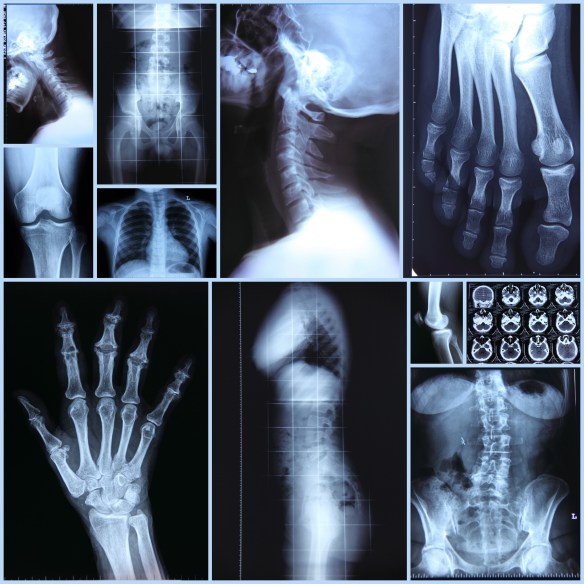
Radiography

May is Osteoporosis Awareness Month, and just when we thought we didn’t need one more thing to worry about, The Endocrine Society has published a new study linking prolonged sleep disturbance with bone loss in men.

The study researchers found that healthy men had reduced levels of a marker of bone formation in their blood after just three weeks of restricted sleep and circadian disruption similar to that seen in jet lag or night shift work. A biological marker of bone resorption, or breakdown, was unchanged.

“This altered bone balance creates a potential bone loss window that could lead to osteoporosis and bone fractures,” said lead investigator Christine Swanson, M.D., an assistant professor at the University of Colorado in Aurora, Colorado.

“If chronic sleep disturbance is identified as a new risk factor for osteoporosis, it could help explain why there is no clear cause for osteoporosis in the approximately 50 percent of the estimated 54 million Americans with low bone mass or osteoporosis,” Swanson said.

Inadequate sleep is also prevalent, affecting more than 25 percent of the U.S. population occasionally and 10 percent frequently, the Centers for Disease Control and Prevention report.

The 10 men in this study were part of a larger study that some of Swanson’s co-authors conducted in 2012 at Brigham and Women’s Hospital in Boston, Mass. That study evaluated health consequences of sleep restriction combined with circadian disruption. Swanson defined circadian disruption as “a mismatch between your internal body clock and the environment caused by living on a shorter or longer day than 24 hours.”

Study subjects stayed in a lab, where for three weeks they went to sleep each day four hours later than the prior day, resulting in a 28-hour “day.” Swanson likened this change to “flying four time zones west every day for three weeks.” The men were allowed to sleep only 5.6 hours per 24-hour period, since short sleep is also common for night and shift workers. While awake, the men ate the same amounts of calories and nutrients throughout the study. Blood samples were obtained at baseline and again after the three weeks of sleep manipulation for measurement of bone biomarkers. Six of the men were ages 20 to 27, and the other four were ages 55 to 65. Limited funding prevented the examination of serum from the women in this study initially, but the group plans to investigate sex differences in the sleep-bone relationship in subsequent studies.

After three weeks, all men had significantly reduced levels of a bone formation marker called P1NP compared with baseline, the researchers reported. This decline was greater for the younger men than the older men: a 27 percent versus 18 percent decrease. She added that levels of the bone resorption marker CTX remained unchanged, an indication that old bone could break down without new bone being formed.

“These data suggest that sleep disruption may be most detrimental to bone metabolism earlier in life, when bone growth and accrual are crucial for long-term skeletal health,” she said. “Further studies are needed to confirm these findings and to explore if there are differences in women.”

What to do about it?

The first line of defense is to improve sleep hygiene. Find more ways to get a good night’s sleep in my book “Calmer Waters: The Caregiver’s Journey Through Alzheimer’s & Dementia,” (Blue River Press) available wherever books are sold.cropped-front-cover-42316.jpg

  1. Exercise early, not in the last two hours before going to bed. Regular exercise has been shown to help people fall asleep faster and benefit from deeper and more restful sleep.
  2. Alleviate the stress and fatigue of the day with safe, proven herbs such as passion flower, magnolia, and valerian, and amino acids taurine, theanine and GABA, and melatonin which have been scientifically shown to produce a gentle calming effect on the whole physiology.
  3. Get thyself outside! Researchers found that bright light in the early morning and avoidance of light in the evening promotes a healthy circadian rhythm, whereas bright light in the evening disrupts the sleep cycle. And make sure you sleep with the lights off in you room.
  4. People with stressful lives often take their stress into bed with them and are unable to turn off the mental chatter. Eat dinner earlier, and don’t watch an exciting or scary movie before bed (that goes for reading matter as well), and certainly do not smoke, or drink alcohol or caffeine in the evening.
  5. Go to bed earlier. Research shows that the hours of sleep before 2 a.m. are more rejuvenating than all the hours after.
  6. Take a warm bath with soothing lavender oil to help you unwind.
  7. Establish a regular bedtime, but don’t go to bed if you feel wide awake.
  8. Once in bed, use creative imagery and relaxation techniques to pacify your mind.
  9. Avoid staying in bed for long periods of time while awake, or going to bed because of boredom.
  10. Take your TV or computer out of your bedroom. If not, your brain becomes used to the stimulation and starts to expect it when you are there. This makes it harder for you to fall asleep.
  11. A snack before bedtime helps many people. Foods such as warm milk, turkey, tuna, nuts, banana, grapefruit, dates and figs are high in the amino acid L-tryptophan, which promotes the production of serotonin, a natural relaxant. Avoid eating heavy meals at least two hours prior to going to sleep.
  12. Sex can be a natural sleep inducer for some people.
  13. Avoid emotional upset or stressful situations prior to bedtime.
  14. Relax with an inspirational book, soft music, and a cup of herbal tea.
  15. Talk with your health care provider if you’ve tried the above and are still having difficulty falling asleep, awaken several times throughout the night, have early morning awakenings or have marked difficulty getting out to bed in the morning.
  16. Good night, sleep tight.

Drumming for People with Alzheimer’s & Dementia

Group of people playing on drums - therapy by music

“The simple act of drumming can enable a non-verbal person with dementia to communicate–albeit temporarily—with loved ones.” For more information about the physical, mental and emotional benefits of drumming, read chapter 23 “Drumming” in “Calmer Waters: The Caregiver’s Journey Through Alzheimer’s & Dementia.” Book Reviews

Years ago, I attended a drumming circle with my husband Morris at the memory care home where he lived. The leader, John Crowder JD, trained directly with neurologist Barry Bittman, MD, and Christine Stevens, MSW, MT, BC, through the Health RhythmsTM program.

“You know, we all have a drum right here,” Crowder said, pointing to his heart. At least half of the members of the group understood exactly what he meant, as they shook their gourds to the rhythm of his drum.

But when Crowder handed out conga drums and other hand-held instruments, that’s when the fun really began. At the end of each rhythmic song, one patient would tell about his adventures in the military. And he didn’t miss a beat. More than once he broke into song, “Over hill, over dale, we would chase all kinds of tail.”

A woman talked about how her father and brother were drummers. Even though she insisted that she had never drummed, she apparently had learned by listening and watching because she was quite adept at following Crowder’s rhythms and creating rhythms for the rest of the group to follow. Throughout the forty- five minute session several people broke into song, which Crowder used to simultaneously lead the group in singing and playing. Several times he had the group mimic his rhythm. Overall, it was a calming, enjoyable experience for everyone.

Drumming for caregivers

Drumming is equally beneficial for caregivers. Dr. Bittman conducted landmark research published in Alternative Therapies in Health and Medicine, 2001, which showed that group drumming therapy releases stress and increases the disease fighting activity of white blood cells.

Another study showed that long-term care workers experienced less burnout, stress, and mood disturbances when they participated in a six-week program of recreational music-making, de ned as distinct from “regular” music making, as its purpose is the enjoyment and well-being of the participants, not an artistic or aesthetic outcome that requires talent or training.

Drumming circles are a fun and healthy way to connect with your care partner. To find a drumming circle in your location, visit the website: USA Drum Circle Finder. Or buy a couple of drums and create your own drumming experience. Visit the Drum Circles net website for information on drums, DVDs, and other information to help you get started.


My new book “Calmer Waters: The Caregiver’s Journey Through Alzheimer’s and Dementia” (Blue River Press) is now available wherever books are sold: Amazon, Barnes & Noble, Boulder Book Store, Barnes & NobleTattered Cover Book StoreIndie Bound.org, and many other fine independent bookstores, as well as public libraries.

A popular prostate cancer treatment puts men at risk for Alzheimer’s & dementia

Man thinking.

I know several men with prostate cancer. In fact, one of them is on his death-bed. But don’t worry. It’s a slow-growing cancer, and it’s possible to live with it for a long time. It’s also possible to avoid. (see below) But first, here are some things you should know

The American Cancer Society predicts that 220,800 new cases of prostate cancer would be diagnosed in 2015. An estimated 27,640 men will die of it. African-American men are more likely to get prostate cancer and have the highest death rate. Other than skin cancer, prostate cancer is the most common cancer in American men. In other parts of the world — notably Asia, Africa, and Latin America — prostate cancer is rare.

If you are a man over 50 years old and don’t already suffer from prostate problems, the odds are 2 to 1 that you will before you turn 59.

Almost all men experience the symptoms of prostate enlargement and some form of prostate-induced discomfort during their lifetime, and especially after the age 50. These include frequent and urgent urination, urination through the night, a weak stream or one that is difficult to start or stop, and reduced sexual libido. The symptoms typically appear with the beginnings of hair loss and eventual baldness. The cause is an imbalance of sex hormones.

The connection between dementia and ADT therapy

A new study at the Perelman School of Medicine at the University of Pennsylvania found there is a connection between androgen deprivation therapy (ADT) — a testosterone-lowering therapy for prostate cancer– and dementia.

Their previous studies have shown men who undergo ADT may be at an increased risk of dementia, including Alzheimer’s disease, compared to men who were not treated with the therapy. This new analysis — the largest of its kind ever performed on this topic — shows that all existing studies taken together support the link to dementia and show a possible link to Alzheimer’s.

This is not good news. The common side effects of ADT are hot flashes and enlarged breasts, which are definitely annoying but symptoms you can live with. Dementia and Alzheimer’s are another story.

Other treatments for prostate cancer include surgery, radiation, and brachytherapy, a type of internal radiation that plants radioactive “seeds” in the prostate. But these treatments also carry risk of side effects including urine leakage, poor sexual function, and bowel problems. It’s important to speak with your doctor to determine which treatment is best for you and what side effects you are willing to live with.

Prevention is the key

  • b-Sitosterol is one of a group of phytosterols that promote prostrate and male uro-genital health. b-sitosterol and other phytosterols support male urinary and prostate health by inhibiting the uptake of cholesterol into the blood. This redirects the conversion of cholesterol into the steroids from which the sex hormones are made. As hundreds of scientific studies have demonstrated, the cells of the prostate respond to these rejuvenated hormones and de-proliferate, reducing the size of the prostate and the symptoms
  • Boron is found in red wine, raisins, peanuts, apples, pears, peaches, oranges, grapes, lima beans, and peanut butter. Studies have shown that men with the highest boron intake were 65 percent less likely to develop prostate cancer than men with the lower boron intake. Researcher found that boron’s cancer-fighting effects seem to be specific for prostate cancer, so make sure you eat your daily dose of apples and oranges.
  • If you like tomato sauce, you’re in luck. Lycopene is a powerful antioxidant found in red fruits and vegetables, especially tomatoes, watermelon, red grapefruit, and guava. Researchers have linked the frequent use of lycopene from tomatoes to a lower risk of prostate and other cancers. Interestingly, Lycopene is best assimilated and absorbed after eating tomatoes cooked in olive oil.
  • Selenium intake has been directly associated with lower risk of prostate cancer. In a Harvard School of Public Health study, men who received at least 200 micrograms of selenium in a daily nutritional supplement were one-third less likely to get prostate cancer than the men who received a placebo. Selenium is found in tuna, brazil nuts, and sunflower seeds.
  • Zinc is important for a healthy prostate gland. Since the prostate gland requires 10 times more zinc than any other gland or organ in the body, researchers believe that a zinc deficiency might contribute to BPH. Foods that are high in zinc: pumpkin seeds, oysters, beef, lamb, toasted wheat germ, spinach, squash seeds, nuts, dark chocolate, pork, chicken, beans, and mushrooms. Play it safe and take a zinc nutritional supplement. Make sure it contains some copper, which optimizes absorption.

What does the prostate gland do?

The prostate is the size and shape of a walnut and is located under the bladder and directly in front of the rectum. It secretes a thick, whitish fluid that provides about half the fluid in semen, and helps transport sperm.

What causes prostate problems?

After about age 40, the prostate begins to grow in just about every male because DHT (dihydrotestosterone), a potent form of the male hormone testosterone, isn’t excreted efficiently. DHT then accumulates in the prostate, causing prostate cells to rapidly reproduce. Sometimes the enlargement is a sign of cancer. But usually the result is a condition called benign prostatic hyperplasia. Most doctors refer to enlarged prostate simply as BPH.

As BPH develops, the prostate may press against the neck of the bladder or urethra, squeezing the pipe shut, like stepping on a garden hose. This pressure can make it difficult to urinate and may result in a variety of symptoms:

  • Urgency—the need to go immediately
  • During urination, there is a thin stream of urine that stops and starts instead of a full, steady stream
  • Hesitancy or difficulty starting urine flow
  • Dribbling after urinating
  • Nocturia — having to get up frequently at night to urinate
  • Increased frequency of urination
  • Increased risk of infection if the bladder does not empty entirely and urine is retained

Unlike BPH, prostate cancer may not give symptoms in its early, curable stage. This is why every year start in your 40s it’s important to get a PSA (Prostate Specific Antigen) test, in which the blood is analyzed for evidence of cancer.


Barbra Cohn cared for her husband Morris for 10 years. He passed away from younger-onset Alzheimer’s disease in 2010. Afterward, she was compelled to write “Calmer Waters: The Caregiver’s Journey Through Alzheimer’s & Dementia” in order to help other caregivers feel healthier and happier, have more energy, sleep better, feel more confident, deal with feelings of guilt and grief, and to ultimately experience inner peace. “Calmer Waters” is available at Amazon, Barnes & Noble, Boulder Book Store, Tattered Cover Book Store, Indie Bound.org, and many other fine independent bookstores, as well as public libraries.


20 Ways to give your body the nutrition it deserves

Health food fitness. Food sources of omega 3 on dark background top view. Foods high in fatty acids including vegetables, seafood, nut and seedsIt’s National Nutrition Month and a perfect time to think about ways to increase your nutritional intake. By now most folks have forgotten about their New Year’s resolutions to lose weight, eat healthier, become a vegetarian, reduce sugar intake, etc. It doesn’t matter. New Year’s resolutions are made to be broken.
This is a good time to develop a new plan that makes sense. Whether you want to support your brain health, relieve stress and anxiety about caregiving responsibilities, or just want to rev up your energy, stamina and immunity, here are some ways to protect your health and support your mood.

  1. Did you know that 70% of your immune system lies in your gut? Probiotics are live bacterial microorganisms that populate the human gastrointestinal tract. They combat the daily bombardment of toxins and pathogens (bacteria, fungus, parasites, and viruses) that enter our digestive system every day through contaminated food and other toxins. Recent studies show that the bacteria in your gut can also affect your mental health, mood and stress levels. Fermented foods such as kombucha, Greek yogurt, kefir, sauerkraut, miso, cottage cheese are probiotics. Probiotic bacteria colonize the digestive tract with good bacteria. Prebiotics are the food and nutrients that feed probiotics. Prebiotic fiber is found in fruits and vegetables such as artichokes, jicama, wild yams, onions and garlic, asparagus, beans, oats, chicory root and Jerusalem artichokes. Prebiotics support mineral absorption, vitamin utilization, and healthy blood sugar levels. Your gut needs both pro- and prebiotics in order to stay healthy and keep you healthy.
  2. The brain is very sensitive to the food we eat. A new study published in The New England Journal of Medicine (Aug. 8, 2016) evaluated 242 participants, measuring fasting blood sugar and neuro-cognitive functioning. Those with elevated blood sugar, including people who did not have diabetes, had a dramatic increase of developing dementia. Just remember that what is good for your heart is good for your brain. So try eating a Mediterranean based diet of olive oil, fish, and lots of fruits and vegetables, whole grains, beans, and nuts and seeds, with less meat, cheese and sweets.
  3. Drink plenty of water to keep your body hydrated and to flush out toxins. Your brain is 70% water when fully hydrated, and it gets dehydrated just like your body. When it is dehydrated neurotransmission—which is heavily dependent on water—is impaired, resulting in poor memory, concentration and impaired abstract thinking. The next time your mind is muddled, drink a tall glass of water and notice the difference.
  4. Take a complete B-vitamin supplement to make sure you are getting a balanced amount of B vitamins. Vitamin B complex optimizes cognitive activity and brain function, has a positive effect on memory, learning capacity and attention span, and supports a healthy nervous system and a stable mood. Vitamins B6 and B12, in particular, play a role in the synthesis of serotonin, the neurotransmitter linked to improving memory, lifting mood and regulating sleep.
  5. Berries are berry good for your health. Blueberries, strawberries, raspberries, cherries, cranberries, as well as some others you may never have heard of, contain unique phytochemicals that may help prevent cancer, heart disease, age-related brain declines, and much more. Blueberries score highest on the Oxygen Radical Absorbance Capacity (ORAC) test—a measurement that rates the total antioxidant score of foods, and many berries, such as raspberries, blackberries, cranberries, and strawberries contain ellagic acid, which preliminary research suggests may help to prevent certain types of cancer. Summer is almost here, so enjoy your berries. They are good for you!
  6. Eat more healthy fats and skip the hydrogenated and trans fats found in doughnuts, potato chips and other pastries and desserts.  Omega-3 fatty acids are rich in DHA, the major unsaturated fat in the brain. This long-chain fatty acid provides the necessary fluid quality to the membranes of the nerve cells so that electrical nerve impulses can flow easily along the circuits of the brain. One study found that Alzheimer’s patients given an omega-3-rich supplement experienced a significant improvement in their quality of life. Eating fish such as wild-caught salmon, sardines and other cold-water fish can protect you against Alzheimer’s disease and other forms of dementia. Numerous studies have shown that elderly people who did not have dementia had high blood levels of docosahexaenoic acid (DHA), an essential fatty acid found in cold-water fish, in comparison to those with dementia, who had on average 30% to 40% lower blood levels of DHA. Ways to increase your DHA intake: eat cold-water fish such as wild-caught salmon, sardines and mackerel, at least twice a week. Add flax meal to cereal and baked goods, sprinkle flax oil on your salad, eat a small handful of walnuts at least several times a week.
  7. Eat breakfast! It is the meal that you break your fast with. During the night our blood sugar levels drop, so it’s especially important to eat within one hour of arising and by 10am. Eating breakfast restores healthy blood sugar levels, but make sure your breakfast isn’t coffee and a doughnut. Have some protein and a healthy fat such as an omelet and avocado and a piece of whole grain or gluten-free toast. It’ll provide you with the energy you need to get through the morning while maintaining a sense of equilibrium. My favorite cool weather breakfast is eggs (any way you like them), a side of beans such as black or pinto, and a pile of sautéed greens. When the weather is hot, I prefer home-made granola made with oats, a bit of coconut oil and maple syrup, coconut flakes, and lots of nuts including almonds, walnuts, cashews, and pumpkin seeds. Add chia seeds, flax meal, yogurt and fresh berries and you’ve got a breakfast for champions.
  8. Avoid commercially processed meats and favor grass-fed meats, free-range chickens and eggs fed an organic, non-GMO diet. And limit your meat consumption to no more than twice a week.
  9. Eat like a rabbit to reduce your risk of stroke, dementia, macular degeneration, and other chronic illness. Veggies are low in calories and high in fiber. Fruits are also high in fiber and like veggies, contain numerous vitamins and minerals. Just like people, fruits and vegetables come in a variety of shapes, sizes and colors. And it’s the colors that identify many of the bioactive substances called phytonutrients that give us antioxidant protection and other special health benefits. The scientific community has produced a large body of research showing the potential of these super nutrients. Compared with people who eat few fruits and vegetables, populations that consume a large variety and generous amounts of plant foods enjoy longevity and reduced risk of disease. For example, the people of Okinawa have a long life expectancy, numerous centenarians, and a low-risk of age-associated diseases. Their diet is low in calories, fat, sugar, salt, and meat and dairy products. Instead, Okinawans eat fish, tofu, whole grains, and lots of fruit, dark green leafy vegetables, onions, green peppers, sea vegetables and sweet potatoes—which are all dense in phytonutrients and antioxidants. These islanders are known for a low-stress, carefree and relaxed attitude. Their rates of stroke, dementia, cancer and heart disease are also the lowest in the world. For every 100,000 people in Okinawa, 30 have passed their 100th birthday, one of the highest rates in the world.
  10. A cup of Joe will do you good . . . just don’t overdo it and don’t add lots of cream and sugar. Researchers from the University of Scranton found that coffee is the number one source of antioxidants in the U.S. diet. Coffee has been shown to improve mental acuity. In fact, a study published in the Journal of Alzheimer’s Disease (2012) found that people older than 65 who had higher blood levels of caffeine developed Alzheimer’s disease two to four years later than people with lower caffeine levels. The study included 124 people who had mild cognitive impairment (MCI). Typically, 15% of people with MCI will go on to develop full-blown Alzheimer’s disease each year. The study participants who had less than 1,200 ng/ml of caffeine levels in their blood developed Alzheimer’s disease. This is equivalent to drinking several cups of coffee a few hours before their blood was taken. The people whose memory loss did not progress to full-blown Alzheimer’s disease had higher levels of caffeine in their blood. Coffee appeared to be the only source of caffeine for the participants in the study. Some big caveats: if you have high blood pressure limit your coffee intake to 2 cups a day, and avoid drinking it before exercise or physical labor which both naturally raise blood pressure. Coffee acts as a diuretic, depleting the body of necessary fluids, so make sure you drink a glass of water for every cup of coffee you drink. Coffee can raise homocysteine levels, an indicator and risk factor for cardiovascular disease. It can also cause headaches, fatigue, depression, anxiety and drowsiness if a coffee drinker forgoes his or her usual daily dose of caffeine. So be smart and listen to your body.
  11. Drink green tea if you don’t like coffee or are unable to drink it. Scientists have found evidence that green tea extract can help fight everything from glaucoma to prostate cancer and leukemia. Now a research team composed of chemists, biochemists and biophysicists at the University of Michigan has found a new potential benefit of green tea extract: preventing the clumping of proteins associated amyloids in the brain, which is associated with Alzheimer’s disease and other neurodegenerative conditions. The study found that the specific molecule in green tea, ( — )-epigallocatechin-3-gallate, also known as EGCG, prevented aggregate formation and broke down existing aggregate structures in the proteins that contained the metals copper, iron and zinc. At Tohoku University Graduate School of Medicine, researchers tracked the green tea consumption of nearly 14,000 people over age 65 for three years. The participants’ quality of life (measured in day-to-day activities such as getting dressed, walking the dog, and performing household chores) was examined in relation to how much green tea they drank. The authors found that the more green tea participants consumed, the longer they were able to ward off the difficulties associated with old age. The people who drank at least five cups a day were one-third less likely to develop disabilities than those who had less than a cup per day. Those people who averaged three or four cups a day had a 25 percent lower risk. Just remember that while green tea and its extracts are considered safe in small amounts, they do contain caffeine and small amounts of vitamin K, which means it could interfere with drugs that prevent blood clotting. So the next time you feel the need for a cup of coffee or black tea, consider drinking a cup of green tea instead. It just might help you maintain clarity of mind, healthy bones, and cardiovascular health well into your senior years.
  12. Herbs or adaptogens can be helpful for increasing energy without stimulation. An adaptogen is a natural substance—usually an herb—that helps the body adapt to stress by producing a calming effect on the whole physiology, and stress is often blamed with being the root cause of many illnesses and diseases. Phytosterols, the plant compounds in the herbs ashwaghanda, gotu kola, passion flower, schizandra, skullcap, rhodiola, and cordyceps have been scientifically shown to support the adrenal glands and healthy blood chemistry, and enhance the body’s ability to resist the ravages of stress. Valerian, Siberian ginseng, kava kava, oat straw, and hops also help reduce stress. These herbs can be taken as a tea or in the form of a nutritional supplement. Culinary herbs also have numerous health benefits. Turmeric, the spice used in Indian cooking, has dozens of studies backing up its ability to reduce inflammation, another major cause of chronic disease, and risk of Alzheimer’s disease. Cinnamon helps to stabilize blood sugar levels, which is vital to healthy aging. Oregano contains antioxidants that offer antibacterial protection. Garlic has been called the natural antibiotic, and ginger root has been used for thousands of years for its anti-inflammatory and anti-microbial effects. The list goes on and on.
  13. Magnesium is the fourth most abundant mineral in your body—which means it is absolutely essential to your healthy blood pressure, cardiovascular health, bone and overall health. In fact, you cannot live without it! Magnesium is involved in more than 300 biochemical reactions, particularly as a catalyst for food metabolism and the release of energy. Yet, only about 25% of Americans meet the Recommended Dietary Allowance (RDA) of 400 mg per day for magnesium. Good sources of magnesium include: dark green, leafy vegetables such as spinach, Swiss chard and kale dark green, legumes, peas and beans (especially soybeans), seeds and nuts (especially almonds, cashews and pumpkin seeds) whole, unrefined grains, including oatmeal and bran, and halibut
  14. Go nuts on Brazil nuts. They are rich in selenium, a potent antioxidant which is concentrated in the thyroid gland. They also contain copper, which helps to support a healthy thyroid. Regardless of whether you have thyroid issues, selenium is a good all-round antioxidant. According to the Institute of Medicine, the tolerable upper intake level (UL) (i.e., the highest level of intake that is known to avoid toxicity) for selenium is 400μcg per day. On average, Brazil nuts have 544 mcg selenium per ounce, but studies indicate that the selenium content may vary widely depending on country of origin, cultivation methods, etc. With that in mind, a good starting point for most folks would be to consume 2 – 3 Brazil nuts per day.
  15. Eat more tomatoes. Recent epidemiological studies have suggested that eating tomatoes and tomato-based food products can reduce the risk of prostate cancer and macular degeneration.  This protective effect has been attributed to carotenoids, which are one of the major classes of phytochemicals in this fruit. The most abundant carotenoid in tomato is lycopene. Cooking tomatoes in olive oil helps you digest and assimilate the lycopene so if you like tomato sauce on your pasta, go for it. Just make sure you are eating a healthy pasta product–think whole grain, quinoa, etc.
  16. Include flax oil, flax meal or flax oil in your diet. They are the best source of lignans. Lignans are compounds that form the building blocks of plant cell walls. They contain phytoestrogens that help regulate the body’s estrogen production. When we eat plant foods the lignan compounds are converted in our intestines by good bacteria to produce a form that the body can assimilate. Enterolactone—the primary lignan metabolite (a substance produced by metabolism) that circulates in our blood—produces weak estrogenic activity. Dozens of reports have revealed that high levels of enterolactone in our blood help to reduce risk of breast, prostate and colon cancers, and cardiovascular disease. Studies have also shown that high levels of lignans can support healthy weight and glucose metabolism, reducing the risk of insulin sensitivity, metabolic syndrome and diabetes. Most plant foods contain small amounts of lignans, but flax seeds are by far the best source. Other good sources include high fiber foods such as whole grains (wheat, barley), sesame seeds, sunflower seeds, cashews, kale, broccoli, carrots, legumes, garlic, asparagus and berries.
  17. Lutein and zeaxanthin reduce eye health risks. What are they? They are antioxidants in the carotenoid family—a group of naturally occurring, fat-soluble pigments found in plants—that play a key role in our the health of our eyes.  Carotenoids are the red, orange and yellow plant pigments that give fruits and vegetables their vivid colors.  All fruits and vegetables contain varying concentrations of carotenoids.  But their colors are often covered up by green chlorophyll contained in the plant. Lutein is found in spinach, kale, collard greens, romaine lettuce, leeks, peas, egg yolks, tomatoes, carrots, marigold flowers, and fruits. Zeaxanthin is found in corn, kale, mustard greens, spinach, egg yolk, orange peppers, collard greens, lycii berry fruit, green algae spirulina and other types of commercially produced algae. Lutein and zeaxanthin accumulate in the macula, the prominent, bright yellow spot in the center of the retina that allows you to clearly distinguish fine detail. And studies are showing that people with macular degeneration—the slow deterioration of the cells in the macula, which affects your central vision, the vision you use for reading, writing, driving and identifying faces—have low concentrations of these two pigments in the macula. So make sure you are eating plenty of the above mentioned fruits and veggies.
  18. Chromium is a first class blood sugar and insulin regulator. Yet, nine out of 10 American diets fall short of this trace mineral, which is essential for the transfer of sugar from the bloodstream to muscle cells, giving them the fuel they need to work.  Chromium is also involved in maintaining cholesterol and triglyceride levels, and supporting healthy muscles.  Chromium levels decrease with age and are often low due to poor diet. Eat more foods that are naturally high in chromium: broccoli, barley, oats, green beans, tomatoes, Romaine lettuce, black pepper, Brewer’s yeast.
  19. Coenzyme Q10, or CoQ10, is a vitamin-like compound and an important antioxidant. It exists in every cell of your body and you could not survive without it. CoQ10 is essential in the body’s production of adenosine triphosphate (ATP), which produces energy within the cells and is the basis for normal functioning of all body systems and organs. If you think of the body’s cells as little engines that use oxygen to burn the organic fuels that come from food, you may think of CoQ10 as the part of the engine that provides the spark for this process. No other substance will substitute for CoQ10. Without it there is no spark and therefore no production of energy for the cell. And without energy there is no life! As we age, it becomes more and more difficult for the body to produce enough CoQ10. An 80-year-old person has about half the CoQ10 levels of a 20-year-old.  Body levels of CoQ10 are also influenced by stress, cold, illness, high blood pressure, hormone concentrations, physical activity and prescription drugs, which can deplete CoQ10 levels. Scientists estimate that once levels drop below the 25% deficient level, a variety of health problems can take hold. But your cells’ energy and efficiency can be restored with supplementation and/or by eating eggs, dairy products, meat, and poultry, fatty fish, nuts and seeds, broccoli, cauliflower, and some fruits and vegetables.
  20. Are you getting enough vitamin D? Most people, especially the elderly, are vitamin D deficient.  Researchers have found a correlation between vitamin D deficiency and low mood, depression and worse cognitive performance in older adults. In a recent study, 1618 patients who averaged 73.8 years old were tested for vitamin D deficiency. Those with severe vitamin D deficiency were twice as likely to suffer from depression. Vitamin D is most commonly known for helping the digestive system absorb calcium and phosphorus. In that way it helps the body build and maintain healthy bones. But it does much more. Adequate vitamin D is believed to play a role in the reduction of falls, as well as supporting cardiovascular health, a strong immune system and cognitive function. Also, scientists theorize that one of the reasons that influenza occurs in the wintertime is that we do not manufacture enough vitamin D, and the resulting vitamin D deficiency might promote our susceptibility to the flu virus. Which foods contain vitamin D? Fatty fish such as salmon, trout, tuna and sardines, milk, and fortified cereals provide more than 100 IU per serving. And mushroom is the only food in the produce section that has vitamin D. But you’d have to eat an awful lot of these foods to get the recommended daily dose of vitamin D, which is 2400 IU, according to a study published in the Journal of Nutrition. For instance, you would have to eat at least five servings of salmon a day or drink 20 cups of fortified milk. Play it safe and take a vitamin D dietary supplement. According to a study published in the Journal of Nutrition (March 9, 2009) adults need at least four times the current recommended dose of 600 IU of vitamin D. In 2008 The American Academy of Pediatrics (AAP) doubled its recommended minimum intake for infants, children and teens from 200 IU to 400 IU per day.

Be well, be heathy, and please subscribe to my blog for more articles filled with information on how you can support your health and the health of your loved ones.


image

Barbra Cohn cared for her husband Morris for 10 years. He passed away from younger-onset Alzheimer’s disease in 2010. Afterward, she was compelled to write “Calmer Waters: The Caregiver’s Journey Through Alzheimer’s & Dementia”—Winner of the 2018 Book Excellence Award in Self-Help—in order to help other caregivers feel healthier and happier, have more energy, sleep better, feel more confident, deal with feelings of guilt and grief, and to ultimately experience inner peace. “Calmer Waters” is available at AmazonBarnes & NobleBoulder Book StoreTattered Cover Book Store,  Indie Bound.org, and many other fine independent bookstores, as well as public libraries.