Loneliness vs. Aloneness: Why one is dangerous to your health

Mother and daughter

Loneliness puts one at risk for a number of serious health issues.

When I transferred to a university 2,000 miles from home my second semester sophomore year, I experienced loneliness for the first time. It emerged as a physical sensation in my chest and developed into a mild depression. Four decades later, I have a large network of friends and family, including four grandchildren. I am never lonely, but I’m often alone, and I relish that quiet time.

What is the difference between being lonely and alone, and why is one dangerous to your health?

Loneliness is a complex, uncomfortable emotional response to lack of companionship and or isolation. It is nothing to be ashamed of. Studies have shown that Americans feel increasingly alone. Two recent studies suggest that our society is in the midst of a dramatic and progressive slide toward disconnection. In the first, using data from the General Social Survey (GSS), Duke University researchers found that between 1985 and 2004 the number of people with whom the average American discussed “important matters” dropped from three to two.  Even more stunning, the number of people who said there was no one with whom they discussed important matters tripled: In 2004 individuals without a single confidant made up a quarter of those surveyed.

You might have hundreds of friends on Facebook and still be lonely. Because, according to John T. Cacioppo, a neuroscientist at the University of Chicago and coauthor of Loneliness: Human Nature and the Need for Social Connection (W.W. Norton & Co., Inc., New York, 2008), social networking sites provide people with a false sense of connection that often increases loneliness in people who feel alone. Cacioppo says that social media sites should serve as a supplement to personal interaction, rather than as a replacement. He compares connecting on a Web site to eating celery: “It feels good immediately, but it doesn’t give you the same sustenance,” he says. For people who feel satisfied and loved in their day-to-day life, social media can be a reassuring extension. For those who are already lonely, Facebook status updates are just a reminder of how much better everyone else is at making friends and having fun.

How do we feel lonely?

You can be lonely in a marriage in which you have nothing in common with your spouse who is a work addict or involved in activities that don’t include you. You can feel terribly lonely, as I did, after moving to a new city where you don’t know a soul. Or you can feel lonely (and depressed) if you are adjusting to living alone in the home you shared with a deceased or divorced life partner. New parents often experience loneliness during the early months of a newborn’s life if they are on maternity leave and not interacting with their work colleagues.

Loneliness usually includes feeling anxious or depressed, and can manifest as physical, emotional, mental, and social symptoms. But feelings of depression can also lead to loneliness because often a person who is depressed doesn’t have the energy or will to make the effort to socialize.

The health risks

Older adults who describe themselves as lonely have a 59 percent greater risk of functional decline and a 45 percent greater risk of death. Chronic isolation and loneliness have been linked to depression, physical decline, and even shorter lifespans. It’s a problem that can affect anyone: infants, teens or adults, and evidence suggests Americans are more socially isolated now than ever before.

Researchers have found that prolonged isolation is just as dangerous as obesity, smoking 15 cigarettes a day or alcoholism. Isolation and loneliness can:

  • compromise the immune system
  • contribute to depression and anxiety
  • affect sleep
  • increase stress hormones
  • contribute to premature aging
  • increase the risk of a stroke or heart attack
  • contribute to cognitive decline and risk of dementia
  • lead to the admission to nursing homes or the use of emergency services
  • result in death

The problem of social isolation

An estimated one in five adults over age 50—at least 8 million—are affected by isolation. Although the terms isolation and loneliness are often used interchangeably, they’re not exactly the same thing. Loneliness refers to how people perceive their experience and whether they feel isolated. A person can be surrounded by many people but still feel alone. Isolation, though, can be measured by such things as the size of a person’s social network, availability of transportation, and the ability to access resources and information.

Eradicating isolation has been identified by the American Academy of Social Work and Social Welfare as one of its top challenges today.

Factors that put you at risk for isolation “Framework for Isolation in Adults Over 50,” AARP Foundation (May 2012)

  • Living alone*
  • Mobility or sensory impairment*
  • Major life transitions or losses*
  • Low income or limited financial resources
  • Being a caregiver for someone with a serious condition
  • Psychological or cognitive challenges
  • Inadequate social support
  • Rural, unsafe and/or inaccessible neighborhood
  • Transportation access challenges
  • Language barriers
  • Age, racial, ethnic, sexual orientation and/or gender identity barriers

* Primary factors


Why being alone can be a good thing

I am a professional writer and require a lot of alone time. In fact, I prefer to be in my home office without anyone in the house for hours or days at a time so that I can work without interference. I am also a meditator and love to dive deep into the silence. I love to read, I love to play the piano. I enjoy my own companionship. All these things are solitary activities that strengthen my spirit and feed my soul.

Yet, I need to engage socially after a few days of being snowed in, or after a few days of spending hours at my computer. Over my lifetime, I’ve built up a reserve of people to play with, have lunch with, discuss with, and activities to engage in, and I doubt if I’ll ever feel lonely again as I did when I was 19 and moved to a strange city far from my family and friends.

Ways to feel connected

If you are feeling a lonely or isolated, get ahead of the lonely curve now to expand your social network. Don’t put it off. Getting socially connected might take some effort, but it is definitely worth it for so many reasons. You will gain friendship, companionship, better health, and in the process you will be giving of yourself, which is the best gift of all.

Here are some ideas to help you get going:

  • Volunteer at a school, library, hospital, food bank, etc.
  • Attend religious services/spiritual gatherings
  • Join or start a book club.
  • Plan a neighborhood potluck.
  • Stay physically active and join a hiking/walking club.
  • Take a class to learn something new.
  • Join a “New Mom’s Group,” or go to the senior center for a lecture or interesting program.
  • Teach others how to knit, sew, bake, garden, paint, etc.
  • Get involved in a community project or cause.
  • Host a movie night for your neighbors.
  • Learn how to use social media to stay connected with friends and family.
  • Before you give up your keys, learn about transportation options in your town.
  • Consider living in a co-housing community.

I’d love to hear from you. Please send your story of how you stay connected.

“Life is short, make it sweet.”


Are You Getting Enough Vitamin D?

561_winter-sun-dog_0267

Vitamin D is made in the skin as a result of exposure to sunlight. The problem is, if you live at latitude of 42 degrees (a line approximately between the northern border of California and Boston) the sun’s rays are too low between November and February for your skin to get the sunlight needed for cutaneous vitamin D synthesis.1, 2

If you live at latitude below 34 degrees north (a line between Los Angeles and Columbia, South Carolina) your body can make vitamin D from sun exposure year-long. However, it’s important to expose a large portion of bare skin (like your midriff) to mid-day sun for at least 15 minutes every day. Most people are unable to fit this into their schedule, so vitamin D supplementation is highly recommended, especially since so few foods contain it.

Foods containing vitamin D

Fatty fish such as salmon, trout, tuna and sardines, milk, and fortified cereals provide more than 100 IU per serving. And mushroom is the only food in the produce section that has vitamin D.  But you’d have to eat an awful lot of these foods to get the recommended daily dose of vitamin D, which is 2400 IU, according to a study published in the Journal of Nutrition.* For instance, you would have to eat at least five servings of salmon a day or drink 20 cups of fortified milk.

Who should take a vitamin D supplement?

The highest levels of vitamin D are naturally found in farmers who spend a lot of time outdoors and in people who take vacations or live in areas that are sunny and warm in winter.

But most people, and especially the elderly, are vitamin D deficient. Vitamin D deficiency is especially common in the elderly. Researchers have found a correlation between vitamin D deficiency and low mood, depression and worse cognitive performance in older adults. In a recent study, 1618 patients who averaged 73.8 years old were tested for vitamin D deficiency. Those with severe vitamin D deficiency were twice as likely to suffer from depression.3

Another study of a cross-section of 80 older adults, 40 with mild Alzheimer’s disease and 40 healthy adults, found that vitamin D deficiency was associated with low mood and impairment on two of four measures of cognitive performance. 58% of the participants had abnormally low vitamin D levels. After adjusting for age, race, gender, and the season in which vitamin D levels were studied, researchers correlated vitamin D deficiency with an active mood disorder. The deficiency was also related to a worse performance on the cognitive performance test called Short Blessed Test (SBY). There was no difference in performance on the Mini-Mental State Exam (MMSE). 4


Vital to overall health

We now know that every body cell has a receptor for vitamin D, which is why it is so crucial to overall health. Vitamin D is most commonly known for helping the digestive system absorb calcium and phosphorus. In that way it helps the body build and maintain healthy bones. But it does much more.

Adequate vitamin D is believed to play a role in the reduction of falls, as well as supporting cardiovascular health, a strong immune system and cognitive function. 5

Higher vitamin D intake is associated with a lower risk of developing Alzheimer’s disease, according to research done at the Angers University Hospital in France. Another recent study at the VA medical center in Minneapolis found that low vitamin D levels among older women are associated with a higher risk of cognitive impairment and a higher risk of cognitive decline. Both studies were published in the Dec. 3, 2012 issue of the Journals of Gerontology Series A: Biological Sciences and Medical Sciences.

Babies born with low levels of vitamin D may be more likely to develop multiple sclerosis (MS) later in life than babies with higher levels of vitamin D, according to a study published in the November 30, 2016, online issue of Neurology®, the medical journal of the American Academy of Neurology.

Vitamin D

  • Regulates blood serum calcium and phosphate levels
  • Stimulates calcification of the bone
  • Increases absorption of calcium from the intestines
  • Decreases excretion of calcium from the kidneys
  • Supports T-cell production and the immune system
  • Has been shown to reduce risk of some forms of cancer, MS, diabetes and cardiovascular disease (6-9)
  • Plays a role in regulation of blood pressure
  • Supports immunity and helps reduce stress

Vitamin D deficiency may exacerbate osteopenia, osteoporosis, muscle weakness, fractures, autoimmune diseases, infectious diseases, multiple sclerosis and cardiovascular disease, cognitive function.

Recent studies have suggested that women and men who increase their vitamin D intake above 400 IU of vitamin D a day reduce risk of developing multiple sclerosis by approximately 40%. 7

Also, scientists theorize that one of the reasons that influenza occurs in the wintertime is that we do not manufacture enough vitamin D, and the resulting vitamin D deficiency might promote our susceptibility to the flu virus. 10

How much is enough?

*According to a study published in the Journal of Nutrition (March 9, 2009) adults need at least four times the current recommended dose of 600 IU of vitamin D. 11

In 2008 The American Academy of Pediatrics (AAP) doubled its recommended minimum intake for infants, children and teens from 200 IU to 400 IU per day. 12

Why are co-factors important?        

Other nutrients are needed in order for Vitamin D to work optimally in the body. Make sure your nutritional supplement contains the following:

  • VITAMIN D3 (Colecalciferol 1,000 IU/g.) Vitamin D refers to two biologically inactive precursors – D3, also known as cholecalciferol, and D2, also known as ergocalciferol. Vitamin D3 is produced in the skin on exposure to UVB radiation (290 to 320 nm), and is more bioactive than D2.
  • BORON is involved in the action of Vitamin D on the cell wall. Most Americans do not consume enough of the foods that contain boron, such as green vegetables, fruit, nuts and whole grains.
  • MAGNESIUM–All the enzymes that metabolize Vitamin D require magnesium. It is also required in each of the steps concerned with replication, transcription and translation of genetic information, and thus it is also needed for the genetic mechanism of action of Vitamin D.
  • ZINC –A zinc molecule sits at the base of the vitamin D receptors on the cells in your body, which helps them to function properly.
  • VITAMIN K-2 helps direct Vitamin D to calcify bones while preventing the calcification of organs and blood vessels.
  • VITAMIN A —Vitamin D requires Vitamin A to bind to the Vitamin D receptor.

So unless you are going on a long vacation this winter to a tropical climate, make sure you take enough vitamin D to protect your overall health and reduce your risk of getting the flu.

References

  1. Holick MF. Vitamin D: the underappreciated D-lightful hormone that is important for skeletal and cellular health. Curr Opin Endocrinol Diabetes 2002;9:87-98.
  2. Holick MF. Vitamin D. In: Shils ME, Shike M, Ross AC, Caballero B, Cousins RJ, eds. Modern Nutrition in Health and Disease, 10th ed. Philadelphia: Lippincott Williams & Wilkins, 2006.
  3. Lapid MI, Cha SS, Takahashi PY.Clin Interv Aging. 2013;8:509-14. doi: 10.2147/CIA.S42838. Epub 2013 May 3.
  4. Wilkins CH, Sheline YI, Roe CM, Birge SJ, Morris JC. Vitamin D deficiency is associated with low mood and worse cognitive performance in older adults.Am J Geriatr Psychiatry. 2006 Dec;14(12):1032-40.
  5. Stechschulte SA, Kirsner RS, Federman DG. Vitamin D: bone and beyond, rationale and recommendations for supplementation. Am J Med. 2009 Sep;122(9):793-802.
  6. Garland, CF; Garland, FC; Gorham, ED; Lipkin, M; Newmark, H; Mohr, SB; Holick, MF (2006). “The role of vitamin D in cancer prevention”. American Journal of Public Health 96 (2): 252–61. doi:2105/AJPH.2004.045260. PMID16380576
  7. Munger KL, Zhang SM, O’Reilly E, Hernan MA, Olek MJ, Willett WC, Ascherio A.  Vitamin D intake and incidence of multiple sclerosis.  Neurology2004; 62(1):60-5.
  8. Penckofer S, Kouba J, Wallis DE, Emanuele MA. Vitamin D and diabetes: let the sunshine in. Diabetes Educ. 2008 Nov-Dec;34(6):939-40, 942, 944 passim.
  9. Wang TJ, Pencina MJ, Booth SL, Jacques PF, Ingelsson E, Lanier K, Benjamin EJ, D’Agostino RB, Wolf M, Vasan RS. Vitamin D deficiency and risk of cardiovascular disease. Circulation. 2008 Jan 29;117(4):503-11. Epub 2008 Jan 7.
  10. Cannell, J.J., Vieth, R., Umhau J.C., et.al. Epidemic influenza and vitamin D. Epidemiology and Infection (2006), 134:6:1129-1140 Cambridge University Press
  11. Nelson, M.L. Blum, J.M, Hollis, B.W., Rosen, C., Sullivan, S.S. Supplements of 20 ug/d Cholecalciferol Optimized Serum 25-Hydroxyvitamin D Concentrations in 80% of Premenopausal Women in Winter. Journal of Nutrition, March 9, 2009, Volume 139, Pages 540-546, doi:10.3945/jn.108.096180
  12. Wagner, C.L., Greer, F.R. Prevention of Rickets and Vitamin D Deficiency in Infants, Children, and Adolescents. Pediatrics 122 No. 5 November 2008, pp. 1142-1152 (doi:10.1542/peds.2008-1862)


16 Stress-busters to nourish your body, mind and soul

Girl can't sleep

Susan, a recent divorcee, is the 48-year-old mother of two college students. She works full-time as a legal secretary and after work she helps her mother, who is in the early stages of Alzheimer’s disease. On weekends Susan catches up on her errands and shops for her mom.  During the week she falls into bed exhausted at 9 p.m. . . . if her mom doesn’t require extra help. But Susan can’t sleep. She’s too worried about everything she has to do, and she is worried about her mom. Susan develops an ulcer and is diagnosed with hypertension. Unfortunately, Susan is a composite of the more than 16 million caregivers in the United States who spend 18 billion hours of unpaid time each year caring for a loved one with dementia.

Every day, one million Americans are absent from work because of stress-related disorders. Experts agree that stress is a factor in most diseases, and a major factor in disorders such as anxiety, insomnia, depression, ulcers, rheumatoid arthritis, headache, hypoglycemia, asthma, herpes, hypertension and heart disease.

Yet, stress is a fact of life. Even a positive experience like a new job, marriage or house can be a stress-provoking event—because stress is defined as a reaction to any stimulus that upsets our normal functioning. The bad news is we all have to face stress. The good news is, it’s easier than ever to neutralize stress before it takes its toll. The key is to maintain a balance, both mentally and physically, so stress doesn’t upset your equilibrium.

The Chemistry of Stress

First, let’s look at what happens to your body as a result of stress.

Once upon a time, stress was episodic. For instance, if a tiger approached you, your body released stress hormones to help you fight or flee. By the time the encounter was over, the entire stress response had been fully utilized and the body returned to normal.

The Fight-or-Flight Response looks something like this:

  • Pupils dilate to sharpen vision.
  • Heart rate and blood pressure increase to accelerate the delivery of oxygen to fuel the muscles and critical organs.
  • Blood flow is diverted from non-critical areas such as the gastrointestinal tract to the critical areas such as the heart, skeletal muscles and liver.
  • Liver releases glucose and fatty acids into the bloodstream. Glucose is for immediate energy; fat is needed when the fight-or-flight response lasts longer than expected.
  • Bronchial tubes dilate to maximize the exchange of oxygen and carbon dioxide.

Today, however, you may be sitting at a desk or driving your car when the stress mechanism is triggered. The modern response is not to fight or flee, but to gnash your teeth, grip the steering wheel, scream, yell or “stuff it.” Our bodies are in a constant state of “emergency alert,’ and the results can be devastating:

  • Blood pressure rises. Depending on how many stressful situations you encounter, it may stay elevated, damaging the sensitive tubules of your kidneys. Ultimately, kidney function is compromised, which raises your blood pressure even more, which contributes to further kidney damage, which raises blood pressure…
  • Glucose that is dumped into your bloodstream goes unused, so your body has to produce an enormous amount of insulin to handle it. Eventually, this may result in hypoglycemia or diabetes.
  • Fat that is dumped into your blood also goes unused, so it clogs your arteries, leading to cardiovascular disease.
  • If you drink caffeine, the stress hormone cortisol becomes elevated, which can set you up for countless health problems including: poor quality of sleep, impaired immunity and age-related deterioration.
  • The adrenal glands produce or contribute to the production of about 150 hormones—all vital to your health. When they are stressed, they become exhausted. Once the adrenal buffer is gone, you become a prime candidate for asthma, allergy, fibromyalgia, chronic fatigue syndrome and other autoimmune disorders.

Devise a Plan that Works for You

So, how do your live in the 21st century and not let stress affect your health?

First of all, you need a plan to help you deal with tough issues, so you can think more clearly and act from a calm, centered position. That plan should include a good diet, and excellent nutritional support with nutrients that enhance relaxation. Establish a daily routine that includes plenty of quality sleep, exercise and a stress-reducing or relaxation technique. Just keep in mind that even though it’s impossible not to have some stress in your life, you can strengthen and nourish yourself on a daily basis, so that you’re better prepared to deal with the next challenge life has to offer.

16 Stress-busters to nourish your body, mind and soul

Daytime

1) Get proper nutritional support to help stop free radical damage, and eat a balanced diet.

2) Exercise! It lowers stress hormones and gives you more energy. Choose an activity that you enjoy and is appropriate for your age and condition. And do it regularly!

3) Learn a relaxation technique such as meditation or yoga. Research has shown they both lower blood pressure, relieve anxiety, enhance overall health, accelerate weight loss, improve sleep and increase blood levels of DHEA. It also restores your sense of clarity and purpose.

4) Laughter is real medicine. It’s a tension tamer and your body produces endorphins (“feel good”chemicals) when you laugh. Rent a funny movie or play charades.

5) Learn to “let go.” Next time you’re in a traffic jam, instead of getting worked up about something you have no control over, use the time to visualize something you want to happen … or listen to a new book-on-tape.

6) Avoid stimulants such as tobacco, caffeine, sugar or coping-solutions that involve alcohol or drugs. Using a chemical means of reducing your stress leads to addiction and increases your problems.

7) Get outside! A little sunlight every day will enhance your body’s natural rhythms and provide you with vitamin D.

8) Take regular breaks at work. Get up and stretch, roll your neck and make sure you drink at least 8-10 glasses of water a day.


Nighttime

9) Wind down earlier in the evening. It’s difficult to fall asleep after working late or watching a suspenseful movie. Relax instead with an inspirational book, soft music and a cup of herbal tea or warm milk.

10) A warm bath helps increase circulation to the skin and relax the muscles. Add a few drops of pine needle essence, oil of eucalyptus, mustard powder or lavender oil for a soothing effect.

11) Take five minutes at the end of each day to prepare for the next. Don’t make long lists. Rather, prioritize. It will help you feel more in control.

12) Go to bed earlier. Research shows that the hours of sleep before 2 a.m. are more rejuvenating than the hours after 2 a.m. Sleeping from 10 p.m. to 5 a.m. will do you more good than sleeping from midnight to 7 a.m.

13) Don’t eat right before bed. Your digestive system won’t get the break it needs, and you won’t feel completely rested in the morning.

14) Cut back on caffeine. If you do consume caffeine, be moderate and try not to consume any after 2pm.

16) Put a sachet filled with lavender flowers under your pillow for sweet dreams.


The 10 best ways to observe National Alzheimer’s Awareness Month

Ribbons of awarenessIt’s November, which means it’s time to enjoy your Thanksgiving with family and friends.

  1. It’s also time to do your brain a favor and take advantage of the free cognitive exam as part of Medicare’s Yearly Wellness Exam.

Despite clear signs that their memory and thinking abilities have gone downhill, researchers have found that more than half of seniors with these symptoms haven’t seen a doctor about them. University of Michigan researchers and their colleagues say their findings suggest that as many as 1.8 million Americans over the age of 70 with dementia are not evaluated for cognitive symptoms by a medical provider, which in some patients can lead to a failure to uncover modifiable causes of thinking or memory impairment.

The study, published in Neurology, the medical journal of the American Academy of Neurology, documents a clear lack of clinical testing for seniors with signs of cognitive problems.“Early evaluation and identification of people with dementia may help them receive care earlier,” says study author Vikas Kotagal, M.D., M.S., who sees patients at the University of Michigan Health System and is an assistant professor in the U-M Medical School’s Department of Neurology. “It can help families make plans for care, help with day-to-day tasks including observed medication administration, and watch for future problems that can occur. In some instances, these interventions could substantially improve the person’s quality of life.”

For instance, knowing that a stroke or vascular issues in the brain caused dementia means patients can work to control risk factors like blood pressure that might otherwise cause it to keep worsening. If your physician suspects Alzheimer’s disease, there are drugs that can help delay the onset of full-blown dementia, and the possibility of placement in a memory care facility, which can help offset the catastrophic cost of the disease.

If you’ve had Part B for longer than 12 months, you can get the free Medicare Annual Wellness Exam to develop or update a personalized plan to prevent disease and disability based on your current health and risk factors. The exam includes:
• A review of your medical and family history
• Developing or updating a list of current providers and prescriptions
• Height, weight, blood pressure, and other routine measurements
 Detection of any cognitive impairment
• Personalized health advice
• A list of risk factors and treatment options for you
• A screening schedule (like a checklist) for appropriate preventive services. Get details about coverage for screenings, shots, and other preventive services.
This visit is covered once every 12 months (11 full months must have passed since the last visit).

2. Combat stress by playing relaxing music, dancing, using an aromatherapy diffuser, taking an Epsom salt bath, turning off electronics at least an hour before bed, etc. Health professionals agree that stress can lead to chronic illness. And in the case of caregiving, it can actually take years off your life.

3. Become a savvy caregiver. The Alzheimer’s Association has chapters throughout the U.S. and offer free classes ranging from how to make financial plans to learning about the latest research in dementia care. Check out their  Education and Resource Center.

4. Maintain healthy weight. Women with a thick waistline are at increased risk for dementia. As if you don’t have enough to worry about. A 32-year-long study by Swedish researchers, which was recently published in the scientific journal Neurology, found that women who gain weight around their middle and live to at least 70 years old are at twice the risk for developing dementia.

Medical research has already established a link between fat around your middle and a higher risk of dying prematurely from heart attack or stroke. But this new research provides even more incentive for reducing calories obtained from refined carbohydrates such as breads, pastries, cookies, candy, ice cream and pasta.

The research included almost 1,500 women between the ages of 38 and 60 and was started at the end of the 1960s. Thirty-two years later a follow-up found that 161 women with the average age of 75, had developed dementia. This study shows that women who had a pear-shape figure, broader around the waist than hips, had more than twice the risk of developing dementia when they got old.

What is Metabolic Syndrome?

Also called Syndrome X, it’s caused by a diet filled with refined carbohydrates. The cycle goes like this: you eat a bagel with some orange juice and coffee for breakfast. Have an apple mid-morning. A salad with a piece of French bread for lunch. A handful of M & Ms mid-afternoon, pasta and salad for dinner, and some popcorn later while you’re watching TV. Doesn’t sound too terrible. But the thing is, these foods are mostly simple carbohydrates, which means your digestive system converts them into glucose, which causes your blood sugar to rise quickly. Your pancreas responds by pumping out insulin to convert the glucose into quick energy.

The problem is, the more carbohydrates you eat, the more your body pumps out insulin to deal with all the extra blood sugar. Eventually your body becomes overwhelmed by the amount of insulin and sluggish in response to it. Before you know it, you’ve developed insulin resistance, meaning your cells have lost their sensitivity to the hormone and require even more of it to maintain normal glucose levels. When blood sugar and insulin levels go up, Metabolic Syndrome (Syndrome X) and weight gain result.

What can you do about it?

  • If you tend to grow love handles around your middle, do something now to protect your heart and brain.
  • Limit the amount of carbohydrates you eat
  • Include a high-quality protein with every meal, such as salmon or chicken
  • Exercise regularly

Add whole foods to your diet instead of highly processed foods, including brown rice, quinoa, and whole oats, 5-9 servings of fruits and vegetables, cottage cheese, eggs

Take nutritional supplements proven to support healthy glucose levels: Bitter melon Momordica charantia), cinnamon, green tea extract, Salacia reticulata, Banaba leaf, chromium

5. Get regular dental check-ups. It’s hard to determine which comes first, Alzheimer’s disease or inflamed gums, but they seem to go hand in hand. A recent study done at the College of Dentistry, NYU, New York, NY proposes that chronic periodontitis might contribute to the onset and progression of Alzheimer’s disease. Inflammation and Alzheimer’s disease

And in the famous Nun Study, one of the first documented studies of Alzheimer’s in a specific population, the researchers found that the participants with the fewest teeth had a higher incidence of dementia. In fact, the researchers concluded that having very few teeth -one to nine-might be a predictor of dementia late in life

How to prevent gum disease

Frequent dental visits may become necessary to ensure a thorough cleaning of the teeth, roots and gums.

Supplementation with vitamin C is important in order to try to maintain healthy gum tissue.

Lycopene may be effective in treating and preventing gingivitis. Lycopene is the carotenoid which makes tomatoes red. It is a popular supplement for supporting prostate and cardiovascular health, and helps prevent macular degeneration and other types of cancer. A recent study compared just taking lycopene as a supplement to a combination treatment of taking lycopene and root scaling and planing in patients with gingivitis. The groups that were treated demonstrated significant reductions in gingivitis, but the group that received both lycopene and prophylaxis showed a statistically significant reduction in symptoms.The results presented in this study suggest that lycopene shows great promise as a treatment for gingivitis.

Gingvitis vs. Periodontitis

Gingivitis (gum inflammation) usually precedes periodontitis (gum disease). The gums can become swollen and red, and they may bleed while brushing your teeth. Although the gums may be irritated, the teeth are still firmly planted in their sockets, and at this stage, no bone or other tissue damage has occurred.

When gingivitis is left untreated, it can advance to periodontitis, which is an infection caused by bacteria under the gum tissue. The gums can pull away from the tooth, bone can be lost, and the teeth may loosen or even fall out.

Warning signs of periodontal disease:

  • Bad breath or bad taste that won’t go away
  • Red or swollen gums
  • Tender or bleeding gums
  • Painful chewing
  • Loose teeth
  • Sensitive teeth
  • Gums that have pulled away from your teeth
  • Any change in the way your teeth fit together when you bite
  • Any change in the fit of partial dentures

6. Buy a new pair of walking shoes and a comfortable workout outfit. You deserve it! You also owe it to yourself to move your body. For years, health professionals have been preaching about the importance of exercise to cardiovascular and overall health. “Whatever is good for the heart is good for the brain.” The latest study of older adults at increased risk for Alzheimer’s disease is the first evidence that physical activity may protect against cognitive decline and the onset of dementia symptoms in people who carry the genetic marker for Alzheimer’s.

The hippocampus, the brain region responsible for memory and spatial orientation, normally loses some volume as we age. But overtime, people with an increased genetic risk for Alzheimer’s disease experience greater atrophy in that area of the brain, which means they experience greater memory loss and cognitive dysfunction.

The good news is that Dr. J. Carson Smith, a kinesiology researcher in the University of Maryland School of Public Health, and his colleagues found clear evidence that being physically active has the potential to help protect the hippocampus in people at increased risk for Alzheimer’s disease. This is especially significant because if you know that exercise can help delay the onset of the disease and if you engage in an exercise regimen it could extend your longevity and ability to take care of yourself. This, in turn, would reduce the financial burden of needing a caregiver and other medical intervention.

Dr. Smith and colleagues tracked four groups of healthy older adults ages 65-89, who had normal cognitive abilities, over an 18-month period and measured the volume of their hippocampus (using structural magnetic resonance imaging or MRI) at the beginning and end of that time period. The groups were classified both for low or high Alzheimer’s risk (based on the absence or presence of the apolipoprotein E epsilon 4 allele) and for low or high physical activity levels.

Of all four groups studied, only those at high genetic risk for Alzheimer’s who did not exercise experienced a decrease in hippocampal volume (3%) over the 18-month period. All other groups, including those at high risk for Alzheimer’s but who were physically active, maintained the volume of their hippocampus.

Whether you are at high risk for Alzheimer’s or not, it’s never too late or too early to start a daily exercise regimen. If you are sedentary start walking 30 minutes three days a walk, and go from there. Park your car at the opposite end of the parking lot, from where you need to go. Get a walking buddy, or get a dog. Whatever you do, be serious about being physically active. It could have a huge impact on your life and the lives of your loved ones.

7. Sleep more soundly. There are plenty of studies linking poor sleep to a host of physical and psychological ailments: poor immunity, elevated levels of cortisol and insulin, weight gain, diabetes, cardiovascular disease and even Alzheimer’s disease. And irritability, foggy thinking and anxiety, depression and low energy can directly impact your ability to care for another person, do household chores and get in the way of your interpersonal relationships. Discover ways why Good sleep hygiene is the first step to improving your sleep.

8. Include turmeric in your diet. Turmeric is what gives curry its yellow hue and tang. But it does a lot more than flavor the most popular Indian dish. Turmeric has numerous health benefits. Several studies have found a protective effect of curcumin in Alzheimer’s disease and dementia, and it’s no surprise. The senior population in rural Indian has one of the lowest rates of Alzheimer’s disease in the world, and scientists believe it is due to the antioxidant and anti-inflammatory properties of turmeric, and its ability to inhibit the build up of amyloid plaque.

A study done by researchers from the University of Melbourne indicated that curcumin might prevent or improve age-related cognitive decline, dementia and mood disorders. The study included 60 adults between 60 and 85 years old. An hour after taking a curcumin supplement (400 mg) the participants experienced a higher attention span and better memory when compared to the participants who took a placebo. After four weeks of taking the supplement, the curcumin group showed improvement in mood, memory, alertness and feelings of well-being.

How much to take? You can find dietary supplements in tablet and capsule form at health food stores with curcumin extracts in dosages of 400 to 600 mg. The general advice is to take one dose three times daily or as directed on the product.

How to get more turmeric into your diet?

One way is to drink turmeric tea, which is popular among Okinawans, who are known for their longevity.
• Bring four cups of water to a boil.
• Add one teaspoon of ground turmeric and reduce to a simmer for 10 minutes.
• Strain the tea through a fine sieve into a cup, add honey and/or lemon to taste

Sprinkle it on your food—turmeric is especially good added to braised greens. Saute onion in olive oil, add greens of your choice (kale, spinach, Swiss chard), and add 1 tsp of turmeric and a sprinkle of salt.
Add turmeric to eggs, soups, potato pancakes, casseroles. You can’t go wrong, and you can’t overdose on turmeric.

Use as a cold, flu and congestion remedy
Turmeric has been used as a natural remedy for centuries to help prevent and cure respiratory illnesses. The next time you get a cold, try adding it to hot water with grated ginger and a teaspoon of honey. It will perk you up and possibly reduce the length of time you are sick. You might also discover that it helps your memory.

9. Is it time to move your loved one to a memory care home? If your loved one has Alzheimer’s or another form of dementia and it is getting difficult to provide a safe environment for him/her, please take the time NOW, before a crisis arises, is the time to investigate the memory care homes in your area. A good place to start is by calling the county’s senior social services office, or by speaking with an ombudsman who is knowledgeable about the pros and cons of the local memory care homes. Signs that it’s time to make the big move.

10. Evaluate your driving.  Play it safe. If you or a loved one has dementia, please park you car for good. Don’t take a risk of getting lost or worse, injuring yourself or someone else.

November is the perfect time to incorporate a new health regimen into your daily routine. Start today and get a head start at the beginning of the holiday season to maintain healthy weight, strengthen your immunity to flus and colds, and  protect your mental health and memory. 


HAPPY THANKSGIVING!!!!

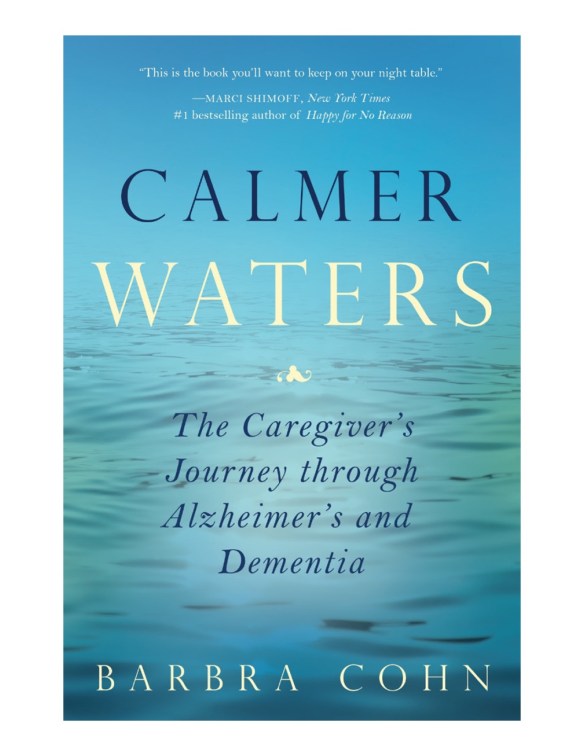
For more information on how you can reduce stress and boost your happiness and health, read Calmer Waters: The Caregiver’s Journey Through Alzheimer’s & Dementia.
BarbraCohn__

Five surprising causes of memory loss

Mind concept graphic for memory loss or alzheimer's diseaseAfter my husband had a surgical procedure that required anesthesia, not only did he wake up groggy, but his early stage Alzheimer’s disease worsened. He got lost driving in our home town and had more difficulty with everyday activities. Years later, it was a kidney stone that sent him over the edge into a downward spiral. It’s not a surprise that anesthesia can cause memory loss, temporary or permanent. But it came as a surprise when something as common as a kidney stone had a severe impact on my husband’s mental condition and overall health.

There is a link between common infections such as UTIs (urinary tract infections), the flu, colds, and stomach viruses and their effect on memory in the elderly and dementia populations. A significant study found that people with Alzheimer’s, who get even a mild respiratory or gastrointestinal infection, or a bump or bruise are at risk for having a significant, permanent memory loss, according to a report that was published in the September 8, 2009 issue of the journal Neurology. These patients can have high levels of tumor necrosis factor—alpha (TNF-a)—a protein that is linked to inflammation and is associated with memory loss and cognitive decline.

In the study done at the Clinical Neurosciences Research Division at the University of Southampton, United Kingdom, 222 Alzheimer’s patients were followed for six months. Of those, 110 people had an infection or injury that resulted in inflammation. These individuals had twice the memory loss during that period of time as the individuals who did not have an illness or injury. Researchers attribute the memory loss to inflammation. In patients whose TNF-a levels were high to begin with, an infection increased their memory loss to 10 times more than those who had low TNF-a levels. Clive Holmes, PhD, lead researcher, said that this population should be vaccinated against the flu, and infections and injuries should be treated as soon as possible.

Other surprising causes of memory loss

  1. UTIs–Urinary tract infections are notorious for causing delirium and delusional behavior in the elderly. When younger people get a urinary tract infection, they typically experience painful urination, an urgent need to urinate, lower abdominal pain, back pain on one side, and fever and chills. However, an older adult might not experience those symptoms. As we get older our immune system changes and it responds differently to infection. Instead of pain symptoms, seniors with a UTI may show increased signs of confusion, agitation or withdrawal. In older adults with dementia, these behavioral changes may come across as part of that condition or signs of advanced aging. If the underlying UTI goes unrecognized and untreated for too long, it can spread to the bloodstream and become life-threatening. In fact, I have a dear friend who recently died from a UTI that quickly became septic.
  2. Vitamin B12 is essential for normal nerve function. A deficiency can lead to confusion and dementia. It is vital to get 2.4 micrograms of B12 in your diet every day from sources such as dairy products, meat and fish, or from foods fortified with vitamin B12. Vegans must take a B12 supplement since the vitamin is found in animal foods.
  3. Sleep apnea causes one to stop breathing during the night. It can be very brief and very frequent, but it is treatable. Unfortunately, sleep apnea islinked to memory loss and dementia, according to Constantine Lyketsos, MD, director of the Memory and Alzheimer’s Treatment Center at Johns Hopkins Medicine and professor and chair of psychiatry at Johns Hopkins Bayview. You might have sleep apnea if you wake up with a headache and have daytime fatigue — or if your partner complains of loud snoring. A study published in The Journal of Neuroscience found that untreated sleep apnea affects spatial navigational memory. This type of memory includes being able to remember directions or where you put things like your keys. The research suggests that deep sleep, also known as rapid eye movement (REM) sleep, plays an important role in memory. Dr. Lyketsos explains that for people with sleep apnea, oxygen delivery to the brain is interrupted several hundred times during the night . He says, The brain is stressed, so people wake up, and the injury sleep apnea causes can show up as a variety of memory loss symptoms. If you or someone you know has sleep apnea, please make an appointment with your health practitioner.
  4. Some medications such as statins (cholesterol-lowering drugs), sleeping pills, antidepressants, anti-anxiety medications and some painkillers have been found to increase the risk for reversible cognitive side effects, including memory loss and confusion. A commonly prescribed type 2 diabetes drug, metformin, has also been associated with memory problems. A study published in Diabetes Care found that people with diabetes who took the drug had worse cognitive performance than those who did not take it.
  5. Thyroid disease can cause poor memory, especially in seniors. Hypothyroidism is very common in people over 60 and it steadily increases with age. It is believed that up to one in four individuals in nursing homes may have undiagnosed hypothyroidism. Memory loss or declining cognitive functioning which is frequently attributed to old age, might be the only symptom of hypothyroidism in an elderly person. If there is a family history of thyroid disease, past treatment for hyperthyroidism or a history of surgery and/or radiotherapy to the neck, a physician might be able to better establish a link leading to a diagnosis. Thyroid disease is a lifelong disorder that can be treated with medication, but the patient must be closely monitored to make sure the correct dosage is prescribed.

Tips for protecting your memory and keeping you and your loved one healthy and safe

  • Inoculate against flu, pneumonia and shingles
    Boost immunity with zinc, vitamin D and vitamin C
  • Take a complete B-vitamin supplement to make sure you are getting a balanced amount of B vitamins.
  • Prevent falls and accidents (recommended: Complete Guide to Alzheimer’s Proofing Your Home by Mark Warner http://store.nexternal.com/shared/StoreFront/default.asp?CS=ageless&StoreType=BtoC&Count1=668834865&Count2=585975289&CategoryID=3&Target=products.asp
  • Reduce systemic inflammation with a curcumin (turmeric extract) supplement
  • Use a humidifier to moisturize nasal passages and mucous membranes to help keep them healthy
  • Engage in gentle exercise to reduce inflammation
  • Keep hydrated by drinking at least 6-8 glasses of water each day
  • Encourage seniors to use the bathroom several times a day, approximately every two to three hours.
  • Make sure the senior is maintaining good hygiene, with showers at least several times a week.
  • If the person is incontinent, make sure he or she changes undergarments frequently.

There are other articles on my blog that discuss how to support your memory and cognition. Please subscribe today, and feel free to send me your questions.

To your health.

Sincerely,

Barbra Cohn

End of life rituals: A final gift of love

faith in handsWaiting for someone to die is like waiting for a new baby to be born. And I’m waiting. . . waiting for my mom to pass. My daughter gave birth last month. . .so I waited anxiously to greet the newborn babe. I was anxious because any number of things can go wrong during a birth. I cried with relief after my daughter pushed out her perfect baby, who entered the world with the wail we expect and cheer.

Now I’m crying because I’m losing my mother, a little bit each day. As her energy fades, her mind fogs over, and her physical form diminishes, I hold onto the last thread of communication that we have. “I love you, Mom.” I tell her over and over again. She hears me, but she doesn’t hear much else because she is severely hearing impaired . . . and her cognition is fading.

A couple of years ago, Mom and I talked about facing the end of her life. I asked her if she had a good life, and she said, “yes.” I asked her if she had regrets, and she said, “yes.” But she didn’t want to talk about that. I told her I would do my best to be with her at the time of her passing. And now I am preparing to go sit by her side and wait until the last breath escapes her lips.

I’m relieved that my brother and I already made the funeral arrangements. At least we won’t have to deal with that when the time comes. I am also relieved that I made arrangements with Chevre Kadisha, the Jewish Sacred Burial Society. Many religions have complex codes of conduct for survivors and very specific rituals and customs that have been carried out for centuries. Harvey Lutske writes in The Book of Jewish Customs that the practices and customs rabbis established for survivors to observe following the death of a loved one help the survivors “cope with their loss, continue with their lives, recover emotionally, pay respect to the dead, and perpetuate the memories of those who have gone before us.”

Final gift of love

My mother’s body will be lovingly washed by a group of women in a ritual called Taharah. This cleansing requires several people because the entire body must be washed and moved from side to side in a specific way according to Jewish law. Afterwards, a huge amount of water is poured over the body and passages are read from the Song of Songs. The people performing the Taharah ask for forgiveness in case they performed some indignity. The body is then dressed in a cotton or linen shroud and put into an unadorned, pine coffin. Typically, someone sits with the body or “met” until internment. This is called sitting Shimira, and it is often done in two-hour shifts around the clock. The person reads psalms or prayers silently or out loud, or meditates while a candle burns continuously at the head of the coffin.

Buddhists also incorporate a cleansing of the body and a vigil into their mourning ritual. Families are often invited to wash the body of their deceased loved one. Washing a corpse enables you to become intimate with death in a way no other thing does. It’s hard work, but it’s an important way to honor the dead, said one Buddhist minister.

Death is the great equalizer

To the question, “What is the value of death?” the Jewish rabbis answered, “If nothing ever died, we, the human race, would not learn how to value time. Life’s finiteness is earmarked, and ended, by death. And learning to face death may be life’s greatest challenge.”

As hard as it is, we can take control and manage the death and dying of our loved ones. We can do things that make sense to us and provide us with comfort. Kim Mooney, the Board President of Conversations on Death, and Director of Community Education for Tru Community Care, Colorado’s first hospice, says, “The more you’re involved in the death and grieving process, the more we’re able to be in touch with that innate place in ourselves that tells us how to live. It’s the fear of death that makes us live. And it’s the terror of death that makes us run from the experiences that will teach us.”

As painful as it is,’ says Mooney, grief work and dealing with the death of a loved one guides how you’re going to live your own life. “We’ve skewed our relationship to death in this society,” she says, “but we can’t walk away from it. If you don’t do the work around it, you will somehow diminish the quality of your life. Grieving is a life-long process. Our lives are a series of gains and losses. Learning how to grieve, and incorporating a loss and moving on is critical to being able to become a mature, spiritual person because it implies an acceptance of what life is.”

I am an expert at grieving because of my many significant losses. But this time will be different because I’m losing my mother, my primary connection to the world. This time it  will be especially painful and profound, and I’m a little scared about facing the final letting go of having a mother and how it will affect me. But death will once again serve as a teacher to remind me that we are here temporarily, and that as my teacher loved to say, “Do not trust the time. Life is short, make it sweet.”

These personalized rituals can provide comfort and ease the intense pain that accompanies grieving:

  • Dressing and washing the deceased
  • Having a meaningful farewell service
  • Honoring the loved one at different times during the year
  • Building memory books
  • Finishing what they didn’t
  • Writing letters to the deceased and writing them back to yourself
  • Donating a toy for the age of a baby or child who died to “Toys for Tots”
  • Deciding what to do with your wedding ring after the death of a spouse
  • Writing a life story

*Segments of this post were originally published in an article I wrote called “Caring for our own at death.” It appeared in the defunct “Nexus : Colorado’s Holistic Journal” (Nov/Dec 1991).

8 Ways to Train Your Brain

Intelligence of the human brain

Intelligence of the human brain

National Train Your Brain Day is observed annually on October 13. The observance was created to encourage all of us to exercise our brain and improve our cognitive skills. Doing word puzzles and number games, playing Bridge and reading are every-day activities that are good for the brain. But there are many other things you can do.

  1. Dance as though no one is watching. My book “Calmer Waters: The Caregiver’s Journey Through Alzheimer’s and Dementia” includes a 21-year-long study that was summarized in an article that appeared in the New England Journal of Medicine in 2003. The study found that when compared to 11 other activities including team sports, swimming and bicycling, dancing is the best activity for supporting cognition and staving off mental decline. In fact, the more complex the dance, the better it is for enhancing problem-solving skills and memory. You don’t have to be a great dancer. Just put on your favorite dance music and let loose in your living room. Or, find a dance partner and learn how to salsa, tango, or swing.
  2. Play an instrument. Numerous studies have indicated that listening to music and playing an instrument can reduce anxiety and depression and support cognitive functioning. Playing an instrument sharpens your concentration, boosts listening skills, and supports your time management and organizational skills. The efficacy of music therapy A Study done at the Auditory Neuroscience Laboratory at Northwestern University in Evanston, Illinois, and led by Nina Kraus, shows that musicians suffer less from aging-related memory and hearing losses than non-musicians. It is believed to be the first study to provide biological evidence that lifelong musical experience has a good impact on the aging process. Kraus says the research shows that playing an instrument helps hearing and memory, which is among the most common complaints from normal aging.
  3. Exercise! Dr. Monika Fleshner, researcher/professor at the University of Colorado, Boulder, and contributor to “Calmer Waters,” has spent her career showing that exercise is vital to reducing stress and supporting healthy mental function. “Physically active individuals are stress robust,” says Fleshner. “They demonstrate both stress resistance and stress resilience.” Exercise seems to buffer many of the deleterious consequences of stress, including poor memory. Scientists have also found that exercise encourages the growth of new brain cells in the hippocampus, the area that is crucial to memory and learning.
  4. Say it out loud. When I meet someone for the first time, I inevitably look in the person’s eyes and don’t even listen to their spoken name. As a result, I rarely remember the person’s name. Next time, I will heed the expert advice of repeating the person’s name. This is considered the easiest way to remember everything from where you put your keys to your grocery list. Say it out loud to yourself, or mouth the words, in order to remember quickly.
  5. Get a good night’s sleep. According to a study published in the journal Neuroscience (June 30, 2005) sound sleep triggers changes in the brain that help to improve memory. New memories are formed within the brain when a person engages with information to be learned (for example, memorizing a list of words or mastering a piano concerto). However, these memories are initially fragile. In order to “stick” they must be solidified and improved. This process of “memory consolidation” occurs when connections between brain cells as well as between different brain regions are strengthened, and for many years was believed to develop merely as a passage of time. More recently, however, it has been demonstrated that time spent asleep also plays a key role in preserving memory. So, do your best to work on sleep hygiene. Unplug at least an hour before bed, soak in tub filled with Epsom salts, play soothing music, make sure the room is not too warm, etc. And, never go to bed mad.
  6. Doodle. In memory tests, doodlers performed 29% better than non-doodlers when asked to recall names and places, Experts say doodling doesn’t tax the mind and allows us to concentrate on the task at hand. It stops us daydreaming, too, which is distracting. The same theory holds for coloring in the beautiful new adult coloring books that have become popular the past several years.
  7. Learn something before bed. If you want to consolidate a memory go through the information right before you fall asleep. You’ll have few, if any, interfering memories so you’ll remember it the next day.
  8. Feed your neurotransmitters. These are the chemicals that allow your neurons to talk to one another. They are vital to memory, focus, learning, energy and happiness. Acetylcholine is the primary carrier of thought and memory, and if you don’t have enough of this important neurotransmitter, you will probably have memory and cognitive problems. For healthy acetylcholine production, make sure you’re getting the nutrients that it is made from. Dr. Dharma Singh Khalsa, author of Brain Longevity (Warner Books, Inc. 1997) and the president and medical director of the Alzheimer’s Research and Prevention Foundation in Tucson, Arizona, suggests supplementing with choline, which is present in high amounts in lecithin. Lecithin is available in capsule, granule, liquid, tablet and powder form. The recommended therapeutic dose is 2500 to 3000 mg. four times a day, for a total daily dose of 10,000 to 12,000 mg. In addition, it’s important to take 1000 mg. vitamin C, three times a day, along with 100 mg. of B5, which are needed to transform lecithin into acetylcholine. It’s also advisable to take B6 and zinc, which help in the synthesis of acetylcholine. The nutrient DMAE (dimethylaminoethanol) helps build acetylcholine levels. It is present in your brain in small quantities, and is also found in seafoods, including sardines. Since it is stimulating to the central nervous system, Dr. Khalsa suggests starting out with a low dose of about 40 mg. twice a day, and building up to 200 mg. daily, if you don’t feel overstimulated. 


5 Ways to get into the Zen of Caregiving

purity of the zen massageI have caregiver burnout. I cared for my husband, who had Alzheimer’s disease, for 10 years. Before that I flew back and forth from Colorado to Florida whenever one of my parents had a health crisis (which was frequent). My daughter just had a baby, and I’d love to be there for her, but my mother has pneumonia and congestive heart failure. I am torn between helping my daughter and her beautiful, young family, and my elderly failing mother. I am flying to Florida for a few days and then back to Colorado. And I will probably be doing this again in the coming month. I tell myself, “you need to take care of yourself. You need to keep your head above water.” Easier said than done. But I learned a lot during the course of my husband’s illness. I know how important it is to meditate, do yoga, dance and eat and sleep well.
Caregiving is a huge challenge, and it’s very easy to let the responsibility of caring for an ill friend or relative become a yoke around one’s neck. But with practice and mindfulness it can turn into a spiritual practice. How?

  1. When you wake up in the morning let your first thought be, “I’m going to have a great day. It will be filled with joy and laughter, and I will maintain equanimity.” Be grateful for your ability to see, hear, walk, and serve your loved one. Other affirmations that you might like: I will remain calm and present throughout the day. I welcome peace, trust, and acceptance into my life. I’m feeling strong and healthy today. I am a kind, compassionate caregiver.
  2. Instead of reacting with anxiety or impatience to a stressful situation or annoying behavior such as constant complaining, asking the same question repeatedly, pacing up and down the hall, stop and breathe. Take a deep breath and let it out slowly. Do it again, and again. Now stop and ask yourself how you feel? Not too bad. Stretch your arms straight up towards the ceiling. Lower them and do it again, one at a time. Roll your head gently to the right and then to the left, and then slowly in a circle. Look to your right, center and then to the left. Take another deep breath and let it out slowly. Feel your body relax.
  3. Focus on the present. Instead of worrying about taking your loved one to a doctor’s appointment and anticipating how he or she will react or what news you will hear, put your attention on something beautiful—inside your home or out the window. If the sky is blue, appreciate its beauty. Listen to the birds singing and appreciate the miracle of their song. Look at a painting on the wall and really look at the colors, the brush strokes, and the image. Imagine the spark that inspired the artist during the creative process, and let it inspire you to get through the day while maintaining a positive outlook.
  4. Light a candle and have your care partner sit down next to you. Enjoy the glow, letting it calm your nerves. Match your breathing to your care partner’s and find your peace.
  5. Keep a journal. It’s a wonderful, easy way to get your concerns, fears, hopes, and dreams out without relying on your therapist or best friend. Use a writing prompt to get you going such as “I never thought. . . . It’s so hard to . .. “I’ll always remember . . .

These are just a few things that can ease the stress of caregiving. Have courage; find strength from the simple things.

Do you still need to floss?

Teeth with dental floss for healthcare

Recently the Associated Press reported that there is very little scientific evidence backing the effectiveness of flossing. However, dentists agree that you absolutely should still floss. Here’s why: More than 500 different types of bacteria are found in dental plaque. Brushing removes most of the plaque from the surface of your teeth. But the plaque that hides in the hard-to-reach places, such as between your teeth and along your gum, can trigger an inflammatory response leading to gum disease (periodontal disease).

What is dental plaque?

Bacterial plaque is the principal cause of cavities and tartar. It is a thin, invisible film to the naked eye, which adheres firmly to the surface of teeth and gums. The bacteria in plaque develop by feeding on the residuals of food (especially the ones rich in sugar). These bacteria these bacteria then produce enzymes and acid substances that attack the enamel of the teeth, which gives rise to cavities. Eventually, dental plaque transforms into tartar and then into gum disease, which can degenerate into pyorrhea, a slow and relentless loss of teeth. This is how bacteria destroy the teeth.

Periodontal disease has been linked to diabetes, heart disease and Alzheimer’s disease.

Oral bacteria can migrate to distant sites in the body. Elderly and immuno-compromised patients, such as those suffering from cancer, diabetes or rheumatoid arthritis, may be especially vulnerable to systemic oral pathogens. Now researchers are asking if oral pathogens can also infect the brain with subsequent neuropathological consequences. Another theory is that pathogenic periodontal bacteria do not “infect” the brain but rather induce a systemic inflammatory response leading to injury of brain tissue.

Periodontal disease is also associated with weight loss and wasting, which might contribute to cognitive decline. Gum disease often results in tooth loss, which often leads to problems with chewing, swallowing and food selection. Individuals also poorly absorb nutrients from food when it is not chewed well. Evidence from several studies indicates deterioration in nutritional status in individuals missing teeth.

One study examined lifestyle factors of more than 100 pairs of identical twins. All of the pairs included one twin who had developed dementia and one who hadn’t. Because identical twins are genetically indistinguishable, the study involved only risk factors that could be modified to help protect against dementia.

Twins who had severe periodontal disease before they were 35 years old had a five-fold increase in risk of developing Alzheimer’s disease, the researchers found. Periodontal disease may be a marker for chronic exposure to disease that provokes an inflammatory response. Chronic inflammation can damage tissue, including the brain, which may contribute to the development of the disease. Based on the association with tooth loss, further investigation of inflammatory load as a risk factor for Alzheimer’s disease is warranted.

According to the U.S. Centers for Disease Control and Prevention, one out of every two American adults over the age of 30 has some form of gum disease. Flossing is a low-cost and low-risk way to prevent gum disease. Dentistry is definitely a medical profession that is attempting to decrease the number of patients it sees every year. With that said, despite what the Associated Press found in its research, almost every dentist in America will tell you to floss on. It’s a very easy way to prevent a host of other health problems.


10 Things to Remember if You Love a Person with Dementia

Mother and daughter

Daughter caring for her mother

It’s sometimes hard to love a family member who has dementia or Alzheimer’s disease. People with dementia can be quarrelsome, uncooperative, negative, whiney, belligerent or combative. They might get their nights and days mixed up, pace the floor for hours, wring their hands non-stop, or cry like a baby. They might ask you the same question twenty times in a row, refuse to budge when you need to get them to an appointment, or refuse to eat what you’ve made for dinner.

When the going gets tough, it helps to remember that you love the person who resides inside that body that is tight and tense and inflamed from amyloid plaque that has strangled the neurons and disrupted the neurotransmitters that allow thoughts to flow and emotions to stay even. He or she is the same person you married, the same loving parent who nurtured and guided you, the same sibling you shared holidays and outings with, or the same friend who offered a should to cry on or who helping you move to a new home.

When you’re about to lose it, walk out, or hide in the closet, stop for a moment and remember at least one of these 10 things about the person you lovingly take care of.

People with dementia and Alzheimer’s often feel:

  1. Embarrassed when you say, “ I just told you . . ..” Instead of reminding them that they forgot what you told them a second ago rephrase it, breaking it down into a simple sentence . . . or completely change the subject.
  2. Fearful because they don’t see things spatially the same way we do. Their sense of space is distorted and their vision gets skewed, not because there is something physically wrong with their eyes. But rather, the brain interprets what the eyes see, and when the brain doesn’t work right our perception gets distorted. Two things you can do to help are to put extra lights in dark areas of the living quarters and remove throw rugs in order to reduce falls.
  3. Lonely because they can’t communicate well, or some of their friends have “jumped ship.” Set up times for family or friends to visit or take your loved one on an outing.
  4. Confused because they don’t understand why they can’t drive anymore, or why they can’t go for a walk alone, or why they can’t remember where they live or what their son’s or daughter’s name is.
  5. Angry because the keys to the car have been taken away, or because they get frustrated when they can’t express their feelings or thoughts.
  6. Sad because they can’t read a book or newspaper, or can’t manage to engage in their favorite hobby or sport.
  7. Anxious because they can’t move as fast or get dressed by themselves or put on their shoes easily. Or, because they hear sounds that are disturbing or are bothered by someone else’s behavior.
  8. Nervous because they have lost their sense of balance and feel unsteady on their feet. Or because they don’t like the feel of water on their skin and don’t want to bathe and don’t want to be forced.
  9. Frustrated because they can’t write a check, figure out how much tip to leave, or remember how to use the TV remote control.
  10. Paranoid because they think someone is stealing their money or prized possessions.

When all else fails, take a deep breath and put on some music. It almost always uplifts the spirit—for both the caregiver and the person being cared for.

Please subscribe to my blog for more informative articles like this. Thank you!