12 ways to make sure your loved one is safe in a nursing home


Nurse serving food in nursing homeIt’s horrific and tragic that eight residents of a nursing home in Hollywood, Florida died this week as a result of dehydration, respiratory distress, and heat-related issues.  The nursing home administrator Jorge Carballo said “The Center and its medical and administrative staff diligently prepared for the impact of Hurricane Irma. We took part in emergency management preparedness calls with local and state emergency officials, other nursing homes and health regulators. In compliance with state regulations, the Center did have a generator on standby in the event it would be needed to power life safety systems. The Center also had seven days of food, water, ice and other supplies, including gas for the generator.”

But clearly something was wrong, very wrong. One man who learned about his mother’s death from a report said communication with the staff had always been difficult, so it did not strike him as unusual that his calls were not returned. Lack of communication is a big red flag.

My husband spent a little over two years in an assisted care facility, and my mother lived in a continuum care facility for seven years. Here is what I learned from my experience as the primary family caregiver responsible for making decisions about their care.

  1. If you anticipate that your loved one will be going into a nursing home or assisted living facility in the near future prepare months in advance. Visit a number of facilities in the area where s/he will live. Once you shorten the list to two or three, drop in unannounced so you can observe how the patients are treated. Supposedly, the best time to “drop in” is Saturday evening when there are fewer staff members around and visitors are not expected. Your senior services ombudsman will know which facilities have had complaints filed against them and can give you an idea of which ones to look at based on your family’s needs.
  2. Notice if residents are crying out for help, are in distress or appear dehydrated, and if their needs are attended to quickly. Be aware of odors (especially ammonia or urine) and whether the halls, dining areas, and residents’ rooms are clean.
  3. Once your loved one makes the transition into a home, get to know the staff—as intimately as your time allows. By making a personal connection with the people who care for your loved one, you will become more than a familiar face.  Professional caregivers make little income, have a huge responsibility, and are often the people who know best about the patient’s needs and status. These are people with families of their own. Ask about their child’s sports team or dance class. Ask about their grandchild’s birthday, etc. Your personal interest in their life will be appreciated and they will naturally develop an interest in your loved one and your family.
  4. A friend of mine visits his wife in a nursing home every single day, bringing her fresh berries or cut-up melon because the home doesn’t provide fresh fruit. It’s not practical for everyone to visit a loved one every day, but when you do, bring something nutritious such as fresh fruit instead of sweets. Fresh fruit is usually easy to eat and provides vitamins and antioxidants that help prevent colds and flues.
  5. Make sure water is provided throughout the day–not just that it is available but that it is offered. Seniors often lose the signal that they are thirsty and dehydration can be a serious problem for the frail and elderly.
  6. If your loved one is incontinent, make sure there are plenty of adult diapers in the room and that s/he is being changed regularly. Urinary tract infections are a serious problem with this population and staying dry and clean is a key to preventing them!
  7. Be on the alert for bruises or sores. A bed sore can lead to a systemic infection and death. Speak to the attending doctor or nurse immediately if you notice a sore that is not healing. A bruise can indicate that your loved one has fallen or, in the unlikely but not unheard event, that s/he has been abused.
  8. Sit with your loved one while s/he eats in the dining room. Is she able to feed herself or does she sit there not knowing what to do with her sandwich? If it is a problem, make arrangements with one of the staff to help her.
  9. Does your loved one require oxygen? Nursing homes are required to have generators in case of power outages such as during a hurricane. Familiarize yourself with the provider of the oxygen that your loved one receives and make sure the company is equipped to provide liquid oxygen for use when there is no power.
  10. Remove all loose rugs and obstacles in the room that your loved one might trip on. Also, place a lamp in easy reach of the bed so s/he doesn’t fall while trying to turn it off or on.
  11. My husband lost numerous pairs of glasses when he was in the assisted living home. Leave at least one extra pair with the floor nurse, and keep an extra pair at home.
  12. Know who to talk to if you have a question or concern. Over the years, I had to speak with the director of the facility where my mother lived several times. Don’t be shy and don’t be afraid of making a nuisance of yourself. Your family might be paying big bucks for the care you expect. If something is not agreeable to your loved one or your family speak up. Most of the time the director will be appreciative to hear your concerns and the matter will be quickly remedied. If not, contact the regulatory agency in your state to file a complaint. On this page you’ll find contact information for each state and territory. We provide information (where available) so that you can: 1) file a complaint about a nursing home; and 2) find additional nursing home information provided by a state.

Lonely? Two easy ways to make meaningful connections that might just help you live longer.

Bringing Back MemoriesBarbraCohn__

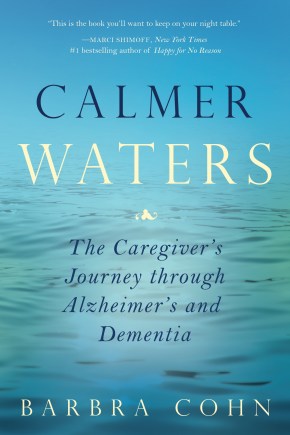
“Calmer Waters” contains more great information on how to stay connected, improve your immunity, and reduce stress. Available wherever fine books are sold and on Amazon.

I’m no stranger to loneliness. When I moved cross-country as a college student to a place  that was as foreign to me as if I had time-traveled to a different century, I didn’t know a soul. It didn’t help that I had transferred my second semester sophomore year after everyone had established their group of friends. I’ll never forget the feeling of being alone in the world, not having a friend to confide in or hang out with. Having moved from my hometown where I grew up surrounded by many relatives and a strong support network, I felt like an alien who didn’t know which foods would sustain or poison me. That experience has allowed me to understand what loneliness is and how it can trigger a downward spiral to depression. Now we are hearing from the medical community how devastating this “aloneness” can be.

Studies are showing that loneliness might be a bigger health risk than smoking or obesity. In fact, loneliness and social isolation is considered not just a psychological issue but a medical one that can actually kill you. According to a far-reaching study (meta-analysis of scientific literature on the subject January 1980 to February 2014) conducted by Brigham Young University, social isolation and loneliness is as dangerous to health as smoking 15 cigarettes and drinking six ounces of alcohol a day, and increases one’s likelihood of death by 32%.

Isolation and feeling alone has also been shown to contribute to depression, cognitive decline, the risk of developing Alzheimer’s disease, and poor recovery from illness and surgery.

Two programs that help seniors and caregivers connect on a personal level

Senior Center Without Walls

Senior Center Without Walls is a telephone-based national program that offers free weekly activities, education, friendly conversation, classes, support groups, and presentations  to individuals 60 years or older anywhere in the United States. There are activities occurring throughout the day, every day.

Play a game, write a poem, go on a virtual tour, meditate, share a gratitude, get support, and most importantly, connect and engage with others every day. SCWW is a community consisting of participants, staff, facilitators, presenters, and other volunteers who care about each other and who value being connected. All groups are accessible by phone and many are acessible online.

Katie Wade, program manager, says SCWW offers 75 options. People can join a particular group, call in the same time each week, hear the same voices on a regular basis and make friends. This has a positive impact on their emotional and physical life. “The gratitude activity, which is offered twice a day, is especially popular and well attended,” says Wade. “Participants share something they are grateful for. This allows for an increase in social connectedness. We also have fun and intellectual programs that help individuals feel valued, stimulated and engaged, and sometimes we invite presenters from the outside in.”

Wade points out that Senior Center Without Walls is not just for people with mobility concerns. We get folks who are active, people who are married and individuals in a co-housing situation. Anyone can feel lonely, she says. “We take a survey every year and the results indicate that 85% of our participants feel more intellectually stimulated and  socially connected. And on a daily basis, we get calls of gratitude from participants who say, ‘this program saved my live,'” says Wade.

Senior Center Without Walls is an award-winning program of Episcopal Senior Communities. For more information: SCWW@jtm-esc.org 1-877-797-7299 (also known as 1-877-797-SCWW)

Circle Talk

CircleTalk is a structured conversation program guided by leaders trained to inspire sharing among the participants. It follows a customized curriculum that engages older adults in meaningful conversations through creative activities. Director Deborah Skovron explains that the program is modeled on Rachael Kessler’s Passage Works Institute which works with school districts throughout the United States to teach teacher how to create safe, positive environments in which students are free to experience deep connection to themselves, others, and the world around them.

“Rachael asked me to take the principles of her model and create a program for seniors,” explains Skovron. Now, after eight years of development and refinement, Circle Talk has six programs running at any given time in senior living communities in Boulder, Colorado. A trained leader guides the one-hour circle following the same six steps, says Skovran.

  1. 10-12 people sit in a circle and get name tags.
  2. The group settles down by being led in a brief meditation.
  3. The leader does a warm-up activity asking simple questions such as, “What was your favorite game as a kid?”
  4. Next, the leader connects to the previous week by saying, “Last week we talked about . . .”
  5. The main focus of the week is introduced. A topic might be something like “What’s an important moment in history that helped inform who you are today? i.e. the first man on the moon, the Depression. How did it impact your life?” This leads to questions and conversation.
  6. The leader ends with a ritual such as asking each person to pass a message to the person sitting next to him/her, passing a squeeze, giving a “word” for the week, etc.

“My favorite thing is finding out no matter what age people are, they still require connections to other people and to themselves to remember who they have been. Circle Talk really allows for that opportunity,” says Skovron.

Skovron’s goal is to make Circle Talk available nation-wide. For information about volunteering, becoming a certified leader, donating, or participating in Circle Talk, visit CircleTalk. Circle Talk programs are thoughtfully designed conversation groups. They make it possible to form new relationships, providing a chance for reflection and self expression that many thought were lost to them forever.

Could leaky gut cause Alzheimer’s?

Leaky Gut Syndrome - Irritable Bowel Syndrome

When I took my husband to a “holistic” neurologist almost two decades ago she questioned him for hours about his medical and lifestyle history. Together, we came up with a hypothesis that my husband’s Alzheimer’s could have been triggered by his life-long inflammation issues and digestive problems. As a child Morris suffered from eczema and severe asthma. He was an allergic adult with poor digestion.

We theorized that Morris had leaky gut syndrome caused by intestinal permeability. Although this is not typically taught in medical school, the term “leaky gut syndrome” is being studied more and more as people complain of various symptoms such as bloating, gas, food sensitivities and unexplained aches and pains.

Basically, the syndrome occurs when tight junctions in the gut, which control what passes through the lining of the small intestine, don’t work properly. Inflammation in the gut, due to poor eating habits, low levels of healthy intestinal bacteria, infections, intestinal parasites, over-use of medications (especially NSAIDs such as aspirin, ibuprofen, and other non-steroidal anti-inflammatory drugs), and imbalanced gastric juices can all lead to a weakening of the intestinal lining. Tiny breaks in the tissue lining can result in leaky gut syndrome, allowing protein molecules to travel via the blood throughout the body all the way to the brain. Antibodies attack the proteins which are viewed as foreign enemies in the blood bathing the brain, which results in inflammation.

(Chapters 20 and 31 in “Calmer Waters: The Caregiver’s Journey through Alzheimer’s and Dementia” contain more information about ayurveda and nutrition that calms down the nervous system and supports immunity.)  

What is Inflammation?
Inflammation is part of the immune system’s response to defend you against microbial
infections. It is the body’s first line of defense against the invasion of microorganisms such as bacteria and viruses, and it is activated rapidly after infection. The microbes are detected as foreign to the body by immune cells such as macrophages, which literally means “big eater.” Macrophages engulf foreign microorganisms and then release cytokines and chemokines that attract other cells that help in regulating the infected or affected area. Blood flow to the area is increased, which you notice when the area around a cut swells, turns red and feels warm. These are all signs of external inflammation. The chronic internal inflammation caused by leaky gut can result in inflammatory conditions leading to a host of diseases, including Alzheimer’s disease.

Approximately 70% of your immune system cells are found in your gut.

In one study, researchers found that when they compared healthy mice to mice with induced Alzheimer’s symptoms the sick mice had a different composition of gut bacteria. The researchers also studied Alzheimer’s disease in mice that completely lacked bacteria to further test the relationship between intestinal bacteria and the disease. Mice without bacteria had a significantly smaller amount of beta-amyloid plaque in the brain. (Beta-amyloid plaques are the lumps that form at the nerve fibres in the brain and are considered the main culprit of Alzheimer’s disease.)

To clarify the link between intestinal flora and the occurrence of Alzheimer’s, the researchers transferred intestinal bacteria from diseased mice to germ-free healthy mice. They discovered that the mice with the unhealthy bacteria developed more beta-amyloid plaques in the brain compared to the healthy mice.

“Our study is unique as it shows a direct causal link between gut bacteria and Alzheimer’s disease. It was striking that the mice which completely lacked bacteria developed much less plaque in the brain,” says researcher Frida Fåk Hållenius, at the Food for Health Science Centre.

The important thing to note here, though, is that the bacteria found in the “Alzheimer’s” mice was abnormal. It was not the healthy bacteria crucial to healthy immunity and digestion in the human body.

Other recent studies are pointing to possible links between Alzheimer’s disease and infections. As reported by Gina Kolata in the New York Times (May 25, 2016), Harvard researchers  reported in the journal “Science Translational Medicine” this hypothesis: “that a virus, fungus or bacterium gets into the brain, passing through a membrane — the blood-brain barrier — that becomes leaky as people age. The brain’s defense system rushes in to stop the invader by making a sticky cage out of proteins, called beta amyloid. The microbe, like a fly in a spider web, becomes trapped in the cage and dies. What is left behind is the cage — a plaque that is the hallmark of Alzheimer’s.”

David Perlmutter, MD, a neurologist, author and Fellow of the American College of Nutrition, offers this interesting article about probiotics as being a possible  tool for reversing Alzheimer’s disease. http://www.drperlmutter.com/reversing-alzheimers-with-probiotics/

Researchers evaluated 60 patients with Alzheimer’s for 12 weeks. First the group went through a blood test to determine their levels of highly sensitive c-reactive protein (hs-CRP) a powerful marker of inflammation. They also took the mini-mental status exam (MMSE), the most commonly used cognitive assessment tool for memory impairment.

Half the group was given a placebo, with the other half taking a probiotic milk containing the probiotic species, Lactobacillus acidophilus, Lactobacillus casei, Bifidobacterium bifidum, and Lactobacillus fermentum. The results of the study were stunning. The placebo group showed an increase in hs-CRP, an inflammation marker, by an impressive 45%. In the group taking the probiotic, hs-CRP actually declined by 18% indicating a dramatic reduction in inflammation.
Dr. Perlmutter says, “But here’s the truly exciting news. Over the 12 weeks, the patients in the placebo continued to decline mentally, as you might expect. Their MMSE score dropped from 8.47 to 8.00, a substantial reduction. But the group on the inflammation reducing probiotics actually demonstrated, not a decline in brain function, but an actual improvement, with their MMSE scores going from 8.67 up to 10.57, and that’s a huge improvement. Again, not only was their mental decline stopped in it’s tracks, these individuals regained brain function!

He continues, “The message here is that inflammation is directly determined by the health and diversity of our gut bacteria, and this has major implications in terms of brain health, function, and disease resistance. Recognizing that inflammation is the mechanism underlying not just Alzheimer’s disease, but Parkinson’s, multiple sclerosis, diabetes, coronary artery disease, and even cancer means that the findings in this report may have wide implications.”

Healing the gut. . .reducing inflammation

It seems there might be a two-pronged approach to healing the gut by reducing inflammation and restoring beneficial bacterial.

  1. Restore beneficial bacteria
  • Eat fermented foods such as yogurt, kefir, kimchi, Sauerkraut, apple cider vinegar, and Japanese foods like miso, kombucha and natto.
  • Take a daily probiotic such as Garden of Life’s Raw Probiotics Colon Care or MegaFloria Probiotics, or check out the reviewed probiotic supplements at The Best Probiotic Supplement site.
  • Take L-glutamine, an amino acid, which is essential to a healthy immune and digestive system, heals leaky gut and reduces sugar cravings.

2. To reduce inflammation

Reduce consumption of foods that are known to cause inflammation

  • sugary drinks and desserts
  • white flour products
  • fried foods
  • artificial sweeteners and additives
  • vegetables oils such as canola, sunflower, soy, corn, safflower or palm oil which have a high concentration of the inflammatory fat omega 6 and are low in the anti-inflammatory fat omega-3. Instead, use olive, avocado, walnut and coconut oils.
  • saturated fats
  • meat—reduce your consumption and try to eat only grass-fed beef and chicken that is free-range
  • alcohol


It also helps to reduce your stress, get a good nights’ sleep, drink plenty of water, and exercise!


Drumming for People with Alzheimer’s & Dementia

Group of people playing on drums - therapy by music

“The simple act of drumming can enable a non-verbal person with dementia to communicate–albeit temporarily—with loved ones.” For more information about the physical, mental and emotional benefits of drumming, read chapter 23 “Drumming” in “Calmer Waters: The Caregiver’s Journey Through Alzheimer’s & Dementia.” Book Reviews

Years ago, I attended a drumming circle with my husband Morris at the memory care home where he lived. The leader, John Crowder JD, trained directly with neurologist Barry Bittman, MD, and Christine Stevens, MSW, MT, BC, through the Health RhythmsTM program.

“You know, we all have a drum right here,” Crowder said, pointing to his heart. At least half of the members of the group understood exactly what he meant, as they shook their gourds to the rhythm of his drum.

But when Crowder handed out conga drums and other hand-held instruments, that’s when the fun really began. At the end of each rhythmic song, one patient would tell about his adventures in the military. And he didn’t miss a beat. More than once he broke into song, “Over hill, over dale, we would chase all kinds of tail.”

A woman talked about how her father and brother were drummers. Even though she insisted that she had never drummed, she apparently had learned by listening and watching because she was quite adept at following Crowder’s rhythms and creating rhythms for the rest of the group to follow. Throughout the forty- five minute session several people broke into song, which Crowder used to simultaneously lead the group in singing and playing. Several times he had the group mimic his rhythm. Overall, it was a calming, enjoyable experience for everyone.

Drumming for caregivers

Drumming is equally beneficial for caregivers. Dr. Bittman conducted landmark research published in Alternative Therapies in Health and Medicine, 2001, which showed that group drumming therapy releases stress and increases the disease fighting activity of white blood cells.

Another study showed that long-term care workers experienced less burnout, stress, and mood disturbances when they participated in a six-week program of recreational music-making, de ned as distinct from “regular” music making, as its purpose is the enjoyment and well-being of the participants, not an artistic or aesthetic outcome that requires talent or training.

Drumming circles are a fun and healthy way to connect with your care partner. To find a drumming circle in your location, visit the website: USA Drum Circle Finder. Or buy a couple of drums and create your own drumming experience. Visit the Drum Circles net website for information on drums, DVDs, and other information to help you get started.


My new book “Calmer Waters: The Caregiver’s Journey Through Alzheimer’s and Dementia” (Blue River Press) is now available wherever books are sold: Amazon, Barnes & Noble, Boulder Book Store, Barnes & NobleTattered Cover Book StoreIndie Bound.org, and many other fine independent bookstores, as well as public libraries.

20 Ways to give your body the nutrition it deserves

Health food fitness. Food sources of omega 3 on dark background top view. Foods high in fatty acids including vegetables, seafood, nut and seedsIt’s National Nutrition Month and a perfect time to think about ways to increase your nutritional intake. By now most folks have forgotten about their New Year’s resolutions to lose weight, eat healthier, become a vegetarian, reduce sugar intake, etc. It doesn’t matter. New Year’s resolutions are made to be broken.

This is a good time to develop a new plan that makes sense. Whether you want to support your brain health, relieve stress and anxiety about caregiving responsibilities, or just want to rev up your energy, stamina and immunity, here are some ways to protect your health and support your mood.

  1. Did you know that 70% of your immune system lies in your gut? Probiotics are live bacterial microorganisms that populate the human gastrointestinal tract. They combat the daily bombardment of toxins and pathogens (bacteria, fungus, parasites, and viruses) that enter our digestive system every day through contaminated food and other toxins. Recent studies show that the bacteria in your gut can also affect your mental health, mood and stress levels. Fermented foods such as kombucha, Greek yogurt, kefir, sauerkraut, miso, cottage cheese are probiotics. Probiotic bacteria colonize the digestive tract with good bacteria. Prebiotics are the food and nutrients that feed probiotics. Prebiotic fiber is found in fruits and vegetables such as artichokes, jicama, wild yams, onions and garlic, asparagus, beans, oats, chicory root and Jerusalem artichokes. Prebiotics support mineral absorption, vitamin utilization, and healthy blood sugar levels. Your gut needs both pro- and prebiotics in order to stay healthy and keep you healthy.
  2. The brain is very sensitive to the food we eat. A new study published in The New England Journal of Medicine (Aug. 8, 2016) evaluated 242 participants, measuring fasting blood sugar and neuro-cognitive functioning. Those with elevated blood sugar, including people who did not have diabetes, had a dramatic increase of developing dementia. Just remember that what is good for your heart is good for your brain. So try eating a Mediterranean based diet of olive oil, fish, and lots of fruits and vegetables, whole grains, beans, and nuts and seeds, with less meat, cheese and sweets.
  3. Drink plenty of water to keep your body hydrated and to flush out toxins. Your brain is 70% water when fully hydrated, and it gets dehydrated just like your body. When it is dehydrated neurotransmission—which is heavily dependent on water—is impaired, resulting in poor memory, concentration and impaired abstract thinking. The next time your mind is muddled, drink a tall glass of water and notice the difference.
  4. Take a complete B-vitamin supplement to make sure you are getting a balanced amount of B vitamins. Vitamin B complex optimizes cognitive activity and brain function, has a positive effect on memory, learning capacity and attention span, and supports a healthy nervous system and a stable mood. Vitamins B6 and B12, in particular, play a role in the synthesis of serotonin, the neurotransmitter linked to improving memory, lifting mood and regulating sleep.
  5. Berries are berry good for your health. Blueberries, strawberries, raspberries, cherries, cranberries, as well as some others you may never have heard of, contain unique phytochemicals that may help prevent cancer, heart disease, age-related brain declines, and much more. Blueberries score highest on the Oxygen Radical Absorbance Capacity (ORAC) test—a measurement that rates the total antioxidant score of foods, and many berries, such as raspberries, blackberries, cranberries, and strawberries contain ellagic acid, which preliminary research suggests may help to prevent certain types of cancer. Summer is almost here, so enjoy your berries. They are good for you!
  6. Eat more healthy fats and skip the hydrogenated and trans fats found in doughnuts, potato chips and other pastries and desserts.  Omega-3 fatty acids are rich in DHA, the major unsaturated fat in the brain. This long-chain fatty acid provides the necessary fluid quality to the membranes of the nerve cells so that electrical nerve impulses can flow easily along the circuits of the brain. One study found that Alzheimer’s patients given an omega-3-rich supplement experienced a significant improvement in their quality of life. Eating fish such as wild-caught salmon, sardines and other cold-water fish can protect you against Alzheimer’s disease and other forms of dementia. Numerous studies have shown that elderly people who did not have dementia had high blood levels of docosahexaenoic acid (DHA), an essential fatty acid found in cold-water fish, in comparison to those with dementia, who had on average 30% to 40% lower blood levels of DHA. Ways to increase your DHA intake: eat cold-water fish such as wild-caught salmon, sardines and mackerel, at least twice a week. Add flax meal to cereal and baked goods, sprinkle flax oil on your salad, eat a small handful of walnuts at least several times a week.
  7. Eat breakfast! It is the meal that you break your fast with. During the night our blood sugar levels drop, so it’s especially important to eat within one hour of arising and by 10am. Eating breakfast restores healthy blood sugar levels, but make sure your breakfast isn’t coffee and a doughnut. Have some protein and a healthy fat such as an omelet and avocado and a piece of whole grain or gluten-free toast. It’ll provide you with the energy you need to get through the morning while maintaining a sense of equilibrium. My favorite cool weather breakfast is eggs (any way you like them), a side of beans such as black or pinto, and a pile of sautéed greens. When the weather is hot, I prefer home-made granola made with oats, a bit of coconut oil and maple syrup, coconut flakes, and lots of nuts including almonds, walnuts, cashews, and pumpkin seeds. Add chia seeds, flax meal, yogurt and fresh berries and you’ve got a breakfast for champions.
  8. Avoid commercially processed meats and favor grass-fed meats, free-range chickens and eggs fed an organic, non-GMO diet. And limit your meat consumption to no more than twice a week.
  9. Eat like a rabbit to reduce your risk of stroke, dementia, macular degeneration, and other chronic illness. Veggies are low in calories and high in fiber. Fruits are also high in fiber and like veggies, contain numerous vitamins and minerals. Just like people, fruits and vegetables come in a variety of shapes, sizes and colors. And it’s the colors that identify many of the bioactive substances called phytonutrients that give us antioxidant protection and other special health benefits. The scientific community has produced a large body of research showing the potential of these super nutrients. Compared with people who eat few fruits and vegetables, populations that consume a large variety and generous amounts of plant foods enjoy longevity and reduced risk of disease. For example, the people of Okinawa have a long life expectancy, numerous centenarians, and a low-risk of age-associated diseases. Their diet is low in calories, fat, sugar, salt, and meat and dairy products. Instead, Okinawans eat fish, tofu, whole grains, and lots of fruit, dark green leafy vegetables, onions, green peppers, sea vegetables and sweet potatoes—which are all dense in phytonutrients and antioxidants. These islanders are known for a low-stress, carefree and relaxed attitude. Their rates of stroke, dementia, cancer and heart disease are also the lowest in the world. For every 100,000 people in Okinawa, 30 have passed their 100th birthday, one of the highest rates in the world.
  10. A cup of Joe will do you good . . . just don’t overdo it and don’t add lots of cream and sugar. Researchers from the University of Scranton found that coffee is the number one source of antioxidants in the U.S. diet. Coffee has been shown to improve mental acuity. In fact, a study published in the Journal of Alzheimer’s Disease (2012) found that people older than 65 who had higher blood levels of caffeine developed Alzheimer’s disease two to four years later than people with lower caffeine levels. The study included 124 people who had mild cognitive impairment (MCI). Typically, 15% of people with MCI will go on to develop full-blown Alzheimer’s disease each year. The study participants who had less than 1,200 ng/ml of caffeine levels in their blood developed Alzheimer’s disease. This is equivalent to drinking several cups of coffee a few hours before their blood was taken. The people whose memory loss did not progress to full-blown Alzheimer’s disease had higher levels of caffeine in their blood. Coffee appeared to be the only source of caffeine for the participants in the study. Some big caveats: if you have high blood pressure limit your coffee intake to 2 cups a day, and avoid drinking it before exercise or physical labor which both naturally raise blood pressure. Coffee acts as a diuretic, depleting the body of necessary fluids, so make sure you drink a glass of water for every cup of coffee you drink. Coffee can raise homocysteine levels, an indicator and risk factor for cardiovascular disease. It can also cause headaches, fatigue, depression, anxiety and drowsiness if a coffee drinker forgoes his or her usual daily dose of caffeine. So be smart and listen to your body.
  11. Drink green tea if you don’t like coffee or are unable to drink it. Scientists have found evidence that green tea extract can help fight everything from glaucoma to prostate cancer and leukemia. Now a research team composed of chemists, biochemists and biophysicists at the University of Michigan has found a new potential benefit of green tea extract: preventing the clumping of proteins associated amyloids in the brain, which is associated with Alzheimer’s disease and other neurodegenerative conditions. The study found that the specific molecule in green tea, ( — )-epigallocatechin-3-gallate, also known as EGCG, prevented aggregate formation and broke down existing aggregate structures in the proteins that contained the metals copper, iron and zinc. At Tohoku University Graduate School of Medicine, researchers tracked the green tea consumption of nearly 14,000 people over age 65 for three years. The participants’ quality of life (measured in day-to-day activities such as getting dressed, walking the dog, and performing household chores) was examined in relation to how much green tea they drank. The authors found that the more green tea participants consumed, the longer they were able to ward off the difficulties associated with old age. The people who drank at least five cups a day were one-third less likely to develop disabilities than those who had less than a cup per day. Those people who averaged three or four cups a day had a 25 percent lower risk. Just remember that while green tea and its extracts are considered safe in small amounts, they do contain caffeine and small amounts of vitamin K, which means it could interfere with drugs that prevent blood clotting. So the next time you feel the need for a cup of coffee or black tea, consider drinking a cup of green tea instead. It just might help you maintain clarity of mind, healthy bones, and cardiovascular health well into your senior years.
  12. Herbs or adaptogens can be helpful for increasing energy without stimulation. An adaptogen is a natural substance—usually an herb—that helps the body adapt to stress by producing a calming effect on the whole physiology, and stress is often blamed with being the root cause of many illnesses and diseases. Phytosterols, the plant compounds in the herbs ashwaghanda, gotu kola, passion flower, schizandra, skullcap, rhodiola, and cordyceps have been scientifically shown to support the adrenal glands and healthy blood chemistry, and enhance the body’s ability to resist the ravages of stress. Valerian, Siberian ginseng, kava kava, oat straw, and hops also help reduce stress. These herbs can be taken as a tea or in the form of a nutritional supplement. Culinary herbs also have numerous health benefits. Turmeric, the spice used in Indian cooking, has dozens of studies backing up its ability to reduce inflammation, another major cause of chronic disease, and risk of Alzheimer’s disease. Cinnamon helps to stabilize blood sugar levels, which is vital to healthy aging. Oregano contains antioxidants that offer antibacterial protection. Garlic has been called the natural antibiotic, and ginger root has been used for thousands of years for its anti-inflammatory and anti-microbial effects. The list goes on and on.
  13. Magnesium is the fourth most abundant mineral in your body—which means it is absolutely essential to your healthy blood pressure, cardiovascular health, bone and overall health. In fact, you cannot live without it! Magnesium is involved in more than 300 biochemical reactions, particularly as a catalyst for food metabolism and the release of energy. Yet, only about 25% of Americans meet the Recommended Dietary Allowance (RDA) of 400 mg per day for magnesium. Good sources of magnesium include: dark green, leafy vegetables such as spinach, Swiss chard and kale dark green, legumes, peas and beans (especially soybeans), seeds and nuts (especially almonds, cashews and pumpkin seeds) whole, unrefined grains, including oatmeal and bran, and halibut
  14. Go nuts on Brazil nuts. They are rich in selenium, a potent antioxidant which is concentrated in the thyroid gland. They also contain copper, which helps to support a healthy thyroid. Regardless of whether you have thyroid issues, selenium is a good all-round antioxidant. According to the Institute of Medicine, the tolerable upper intake level (UL) (i.e., the highest level of intake that is known to avoid toxicity) for selenium is 400μcg per day. On average, Brazil nuts have 544 mcg selenium per ounce, but studies indicate that the selenium content may vary widely depending on country of origin, cultivation methods, etc. With that in mind, a good starting point for most folks would be to consume 2 – 3 Brazil nuts per day.
  15. Eat more tomatoes. Recent epidemiological studies have suggested that eating tomatoes and tomato-based food products can reduce the risk of prostate cancer and macular degeneration.  This protective effect has been attributed to carotenoids, which are one of the major classes of phytochemicals in this fruit. The most abundant carotenoid in tomato is lycopene. Cooking tomatoes in olive oil helps you digest and assimilate the lycopene so if you like tomato sauce on your pasta, go for it. Just make sure you are eating a healthy pasta product–think whole grain, quinoa, etc.
  16. Include flax oil, flax meal or flax oil in your diet. They are the best source of lignans. Lignans are compounds that form the building blocks of plant cell walls. They contain phytoestrogens that help regulate the body’s estrogen production. When we eat plant foods the lignan compounds are converted in our intestines by good bacteria to produce a form that the body can assimilate. Enterolactone—the primary lignan metabolite (a substance produced by metabolism) that circulates in our blood—produces weak estrogenic activity. Dozens of reports have revealed that high levels of enterolactone in our blood help to reduce risk of breast, prostate and colon cancers, and cardiovascular disease. Studies have also shown that high levels of lignans can support healthy weight and glucose metabolism, reducing the risk of insulin sensitivity, metabolic syndrome and diabetes. Most plant foods contain small amounts of lignans, but flax seeds are by far the best source. Other good sources include high fiber foods such as whole grains (wheat, barley), sesame seeds, sunflower seeds, cashews, kale, broccoli, carrots, legumes, garlic, asparagus and berries.
  17. Lutein and zeaxanthin reduce eye health risks. What are they? They are antioxidants in the carotenoid family—a group of naturally occurring, fat-soluble pigments found in plants—that play a key role in our the health of our eyes.  Carotenoids are the red, orange and yellow plant pigments that give fruits and vegetables their vivid colors.  All fruits and vegetables contain varying concentrations of carotenoids.  But their colors are often covered up by green chlorophyll contained in the plant. Lutein is found in spinach, kale, collard greens, romaine lettuce, leeks, peas, egg yolks, tomatoes, carrots, marigold flowers, and fruits. Zeaxanthin is found in corn, kale, mustard greens, spinach, egg yolk, orange peppers, collard greens, lycii berry fruit, green algae spirulina and other types of commercially produced algae. Lutein and zeaxanthin accumulate in the macula, the prominent, bright yellow spot in the center of the retina that allows you to clearly distinguish fine detail. And studies are showing that people with macular degeneration—the slow deterioration of the cells in the macula, which affects your central vision, the vision you use for reading, writing, driving and identifying faces—have low concentrations of these two pigments in the macula. So make sure you are eating plenty of the above mentioned fruits and veggies.
  18. Chromium is a first class blood sugar and insulin regulator. Yet, nine out of 10 American diets fall short of this trace mineral, which is essential for the transfer of sugar from the bloodstream to muscle cells, giving them the fuel they need to work.  Chromium is also involved in maintaining cholesterol and triglyceride levels, and supporting healthy muscles.  Chromium levels decrease with age and are often low due to poor diet. Eat more foods that are naturally high in chromium: broccoli, barley, oats, green beans, tomatoes, Romaine lettuce, black pepper, Brewer’s yeast.
  19. Coenzyme Q10, or CoQ10, is a vitamin-like compound and an important antioxidant. It exists in every cell of your body and you could not survive without it. CoQ10 is essential in the body’s production of adenosine triphosphate (ATP), which produces energy within the cells and is the basis for normal functioning of all body systems and organs. If you think of the body’s cells as little engines that use oxygen to burn the organic fuels that come from food, you may think of CoQ10 as the part of the engine that provides the spark for this process. No other substance will substitute for CoQ10. Without it there is no spark and therefore no production of energy for the cell. And without energy there is no life! As we age, it becomes more and more difficult for the body to produce enough CoQ10. An 80-year-old person has about half the CoQ10 levels of a 20-year-old.  Body levels of CoQ10 are also influenced by stress, cold, illness, high blood pressure, hormone concentrations, physical activity and prescription drugs, which can deplete CoQ10 levels. Scientists estimate that once levels drop below the 25% deficient level, a variety of health problems can take hold. But your cells’ energy and efficiency can be restored with supplementation and/or by eating eggs, dairy products, meat, and poultry, fatty fish, nuts and seeds, broccoli, cauliflower, and some fruits and vegetables.
  20. Are you getting enough vitamin D? Most people, especially the elderly, are vitamin D deficient.  Researchers have found a correlation between vitamin D deficiency and low mood, depression and worse cognitive performance in older adults. In a recent study, 1618 patients who averaged 73.8 years old were tested for vitamin D deficiency. Those with severe vitamin D deficiency were twice as likely to suffer from depression. Vitamin D is most commonly known for helping the digestive system absorb calcium and phosphorus. In that way it helps the body build and maintain healthy bones. But it does much more. Adequate vitamin D is believed to play a role in the reduction of falls, as well as supporting cardiovascular health, a strong immune system and cognitive function. Also, scientists theorize that one of the reasons that influenza occurs in the wintertime is that we do not manufacture enough vitamin D, and the resulting vitamin D deficiency might promote our susceptibility to the flu virus. Which foods contain vitamin D? Fatty fish such as salmon, trout, tuna and sardines, milk, and fortified cereals provide more than 100 IU per serving. And mushroom is the only food in the produce section that has vitamin D. But you’d have to eat an awful lot of these foods to get the recommended daily dose of vitamin D, which is 2400 IU, according to a study published in the Journal of Nutrition. For instance, you would have to eat at least five servings of salmon a day or drink 20 cups of fortified milk. Play it safe and take a vitamin D dietary supplement. According to a study published in the Journal of Nutrition (March 9, 2009) adults need at least four times the current recommended dose of 600 IU of vitamin D. In 2008 The American Academy of Pediatrics (AAP) doubled its recommended minimum intake for infants, children and teens from 200 IU to 400 IU per day.

Be well, be heathy, and please subscribe to my blog for more articles filled with information on how you can support your health and the health of your loved ones.


image

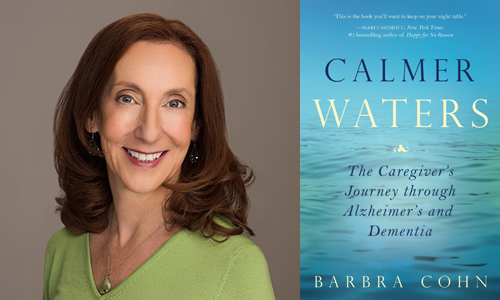
Barbra Cohn cared for her husband Morris for 10 years. He passed away from younger-onset Alzheimer’s disease in 2010. Afterward, she was compelled to write “Calmer Waters: The Caregiver’s Journey Through Alzheimer’s & Dementia”—Winner of the 2018 Book Excellence Award in Self-Help—in order to help other caregivers feel healthier and happier, have more energy, sleep better, feel more confident, deal with feelings of guilt and grief, and to ultimately experience inner peace. “Calmer Waters” is available at AmazonBarnes & NobleBoulder Book StoreTattered Cover Book Store,  Indie Bound.org, and many other fine independent bookstores, as well as public libraries.

7 Reasons to Indulge in Chocolate on Valentine’s Day and All Year Long

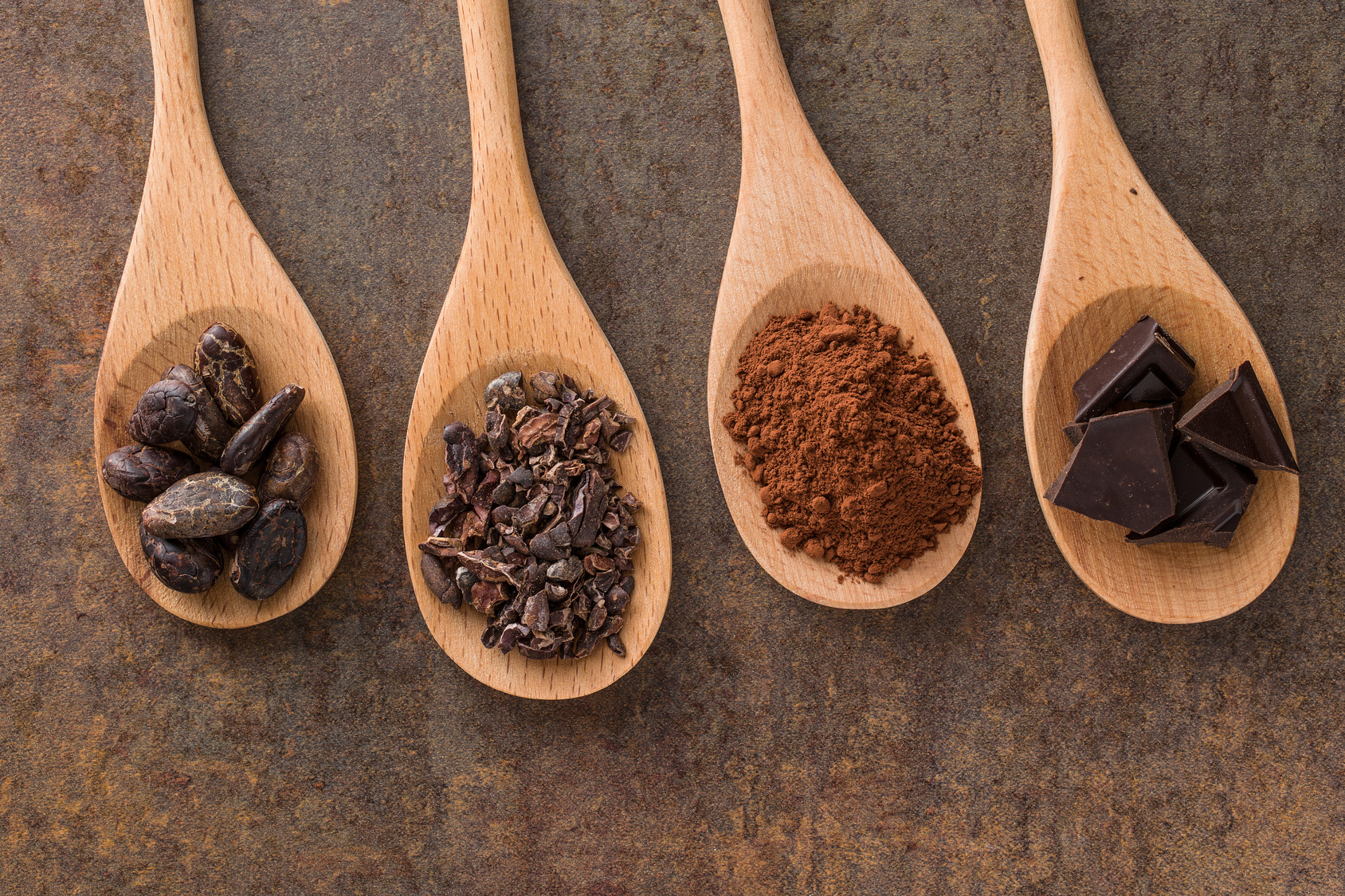
cocoa and dark chocolate in wooden spoonsAmericans buy more than 58 million pounds of chocolate around the holiday of love. Besides the delicious taste, smell and aphrodisiac effects, researchers are continually discovering more health benefits.

The use of cacao for health benefits dates back at least 3000 years. It was revered as a food, medicine and currency in Mexico, Central and South America, where it was also celebrated and incorporated into artwork, legends and sacred rituals. Now, because of extensive research, we know the main health benefits of cacao come from the flavonol epicatechin. The process of manufacturing dark chocolate retains epicatechin, whereas milk chocolate does not contain significant amounts. You can have your chocolate and eat it too, but if you want to enjoy its extensive health benefits be sure to eat high-quality dark chocolate. Or go one step further and enjoy raw cacao, which might take some getting used to for the simple reason we are used to sweetened chocolate. And if you just want the pure and simple health benefits, forego the chocolate and take raw cacao capsules. Although I definitely wouldn’t recommend giving your sweetheart a bottle of cacao capsules on Valentine’s Day. Indulge in the good-tasting stuff!

  1. Chocolate contains good-for-you antioxidants Chocolate comes from the cacao bean, which thrives in hot, rainy climates in South America, Africa and Indonesia. Similar to grapes, the local soil and climate affects the taste of the harvested beans. When you buy a chocolate bar that has the percentage number on the bar wrapper, that represents the weight that comes from the cacao bean content, according to Robert L. Wolke, author of What Einstein Told His Cook: Kitchen Science Explained. The higher the number, the lower the percentage of sugar and the more bitter and complex the flavor, he says. And the higher the number the more antioxidants.
  2. Cacao is rich in magnesium, sulfur, calcium, iron, zinc, copper, potassium and manganese, all essential minerals . . . and antioxidants that support immune health.
  3. Chocolate reduces your risk of Type 2 Diabetes Researchers discovered that the flavanols in chocolate have beneficial effects on insulin resistance, a risk factor for Type 2 diabetes. In a 30-year-long study of 953 men and women from the Maine-Syracuse Longitudinal Study (MSLS), researchers found that the individuals who never or rarely ate chocolate had a significantly higher chance of developing Type 2 diabetes after five years when compared to individuals who ate chocolate more than once a week. Habitual chocolate intake and type 2 diabetes mellitus in the Maine-Syracuse Longitudinal Study: (1975-2010): Prospective observations.
  4. Protects you from heart disease A 2012 report published in the American Journal of Clinical Nutrition found that dark chocolate has a beneficial effect on blood pressure, vascular dilation and cholesterol levels, and can play a role in reducing metabolic precursors that lead to diabetes and eventually to heart disease. However, a study published in October 2016 (John Wiley & Sons, Ltd.) found that out of 32 cocoa product samples analyzed, the cocoa flavanol dose must be about 900 mg or above to decrease blood pressure, and contain 100 mg of epicatechin. So if you want to eat chocolate for health benefits, be sure to check the ingredient label. The aim of the study was to review the effect of cocoa flavanols on cardiovascular health, with emphasis on the doses ingested, and to analyze a range of cocoa products for content of these compounds. PubMed was searched from 2010 to locate systematic reviews (SR) on clinical effects of chocolate consumption.
  5. Supports mental function In a study carried out by the University of L’Aquila in Italy, 90 elderly participants with mild cognitive impairment (MCI) drank cocoa containing high, medium or low levels of flavanoids. At the end of the eight-week study researchers found improvements in the motor response, working memory, task switching, and verbal memory in the participants who drank cocoa with a higher flavanol content. (Hypertension, Aug. 14, 2012) Alzheimer’s and dementia patients are especially fond of sweets because the taste of sweetness is the last taste to disappear.  So if your loved one has Alzheimer’s or dementia, indulge him/her in chocolate. Just remember not to overdo it and make sure to include good dental hygiene in your loved one’s daily regimen.
  6. Helps you think better after a sleepless night The next time you have a bad night’s sleep, instead of indulging in a cup of Joe drink hot chocolate. Sleep deprivation is a risk factor for cardiovascular disease, and scientists have found that flavanol-rich chocolate counteracted vascular impairment after sleep deprivation and restored working memory performance. Their theory is that the study’s participants had improved cognitive performance because of the effects of cocoa flavonoids on blood pressure and blood flow.Flavanol-rich chocolate acutely improves arterial function and working memory performance counteracting the effects of sleep deprivation in healthy individuals.
  7. Makes you feel gooood Scientists have discovered why chocolate uplifts your mood. Serotonin is the neurotransmitter responsible for keeping us happy, and cacao stops the amino acid tryptophan from breaking down. Since tryptophan is one of the amino acids that make serotonin this, in turn, limits the breakdown of serotonin. (Frontiers in Experimental Pharmacology and Drug Discovery, Dec. 2013)

On Valentine’s Day celebrate with your loved one by enjoy a steaming cup of delicious hot chocolate made with whole milk or rice or flax milk. Or indulge in a dark chocolate truffle, candy bar or chocolate ice cream. It’ll boost your spirit and your immunity. Just be careful not to overdo it because the calories can add up quickly.

As an added treat, make this yummy chocolate souffle. It’s easier than you think.

Chocolate Souffle

Ingredients

  • 1⁄3 cup sugar, plus additional for sprinkling
  • 5 ounces bittersweet chocolate chips
  • 3 large egg yolks, at room temperature
  • 6 large egg whites
  • 1⁄8 tablespoon butter

Directions

  • Preheat oven to 375°F.
  • Measure out sugar, chocolate and separate eggs.
  • Butter soufflé dish entirely and then add sugar (additional) coating the entire dish.
  • Melt chocolate in a double boiler, or directly on the stove.
  • Add yolks to chocolate (this will harden the chocolate so don’t be alarmed).
  • Beat egg whites with a pinch of salt. Slowly add sugar, a little at a time. Beat until egg whites hold stiff peaks.
  • Fold white mixture into chocolate slowly and stir until smooth.
  • Pour into large soufflé dish or 4 ramekins and run the end of your thumb around inside to remove any extra batter.
  • Bake until puffed and crusted on top but still jiggly in center, 20 to 25 minutes.
  • Serve immediately with whipped cream or ice cream.

Yay chocolate!

For more articles like this one, please subscribe to barbracohn.com : thehealthycaregiverblog.com


Loneliness vs. Aloneness: Why one is dangerous to your health

Mother and daughter

Loneliness puts one at risk for a number of serious health issues.

When I transferred to a university 2,000 miles from home my second semester sophomore year, I experienced loneliness for the first time. It emerged as a physical sensation in my chest and developed into a mild depression. Four decades later, I have a large network of friends and family, including four grandchildren. I am never lonely, but I’m often alone, and I relish that quiet time.

What is the difference between being lonely and alone, and why is one dangerous to your health?

Loneliness is a complex, uncomfortable emotional response to lack of companionship and or isolation. It is nothing to be ashamed of. Studies have shown that Americans feel increasingly alone. Two recent studies suggest that our society is in the midst of a dramatic and progressive slide toward disconnection. In the first, using data from the General Social Survey (GSS), Duke University researchers found that between 1985 and 2004 the number of people with whom the average American discussed “important matters” dropped from three to two.  Even more stunning, the number of people who said there was no one with whom they discussed important matters tripled: In 2004 individuals without a single confidant made up a quarter of those surveyed.

You might have hundreds of friends on Facebook and still be lonely. Because, according to John T. Cacioppo, a neuroscientist at the University of Chicago and coauthor of Loneliness: Human Nature and the Need for Social Connection (W.W. Norton & Co., Inc., New York, 2008), social networking sites provide people with a false sense of connection that often increases loneliness in people who feel alone. Cacioppo says that social media sites should serve as a supplement to personal interaction, rather than as a replacement. He compares connecting on a Web site to eating celery: “It feels good immediately, but it doesn’t give you the same sustenance,” he says. For people who feel satisfied and loved in their day-to-day life, social media can be a reassuring extension. For those who are already lonely, Facebook status updates are just a reminder of how much better everyone else is at making friends and having fun.

How do we feel lonely?

You can be lonely in a marriage in which you have nothing in common with your spouse who is a work addict or involved in activities that don’t include you. You can feel terribly lonely, as I did, after moving to a new city where you don’t know a soul. Or you can feel lonely (and depressed) if you are adjusting to living alone in the home you shared with a deceased or divorced life partner. New parents often experience loneliness during the early months of a newborn’s life if they are on maternity leave and not interacting with their work colleagues.

Loneliness usually includes feeling anxious or depressed, and can manifest as physical, emotional, mental, and social symptoms. But feelings of depression can also lead to loneliness because often a person who is depressed doesn’t have the energy or will to make the effort to socialize.

The health risks

Older adults who describe themselves as lonely have a 59 percent greater risk of functional decline and a 45 percent greater risk of death. Chronic isolation and loneliness have been linked to depression, physical decline, and even shorter lifespans. It’s a problem that can affect anyone: infants, teens or adults, and evidence suggests Americans are more socially isolated now than ever before.

Researchers have found that prolonged isolation is just as dangerous as obesity, smoking 15 cigarettes a day or alcoholism. Isolation and loneliness can:

  • compromise the immune system
  • contribute to depression and anxiety
  • affect sleep
  • increase stress hormones
  • contribute to premature aging
  • increase the risk of a stroke or heart attack
  • contribute to cognitive decline and risk of dementia
  • lead to the admission to nursing homes or the use of emergency services
  • result in death

The problem of social isolation

An estimated one in five adults over age 50—at least 8 million—are affected by isolation. Although the terms isolation and loneliness are often used interchangeably, they’re not exactly the same thing. Loneliness refers to how people perceive their experience and whether they feel isolated. A person can be surrounded by many people but still feel alone. Isolation, though, can be measured by such things as the size of a person’s social network, availability of transportation, and the ability to access resources and information.

Eradicating isolation has been identified by the American Academy of Social Work and Social Welfare as one of its top challenges today.

Factors that put you at risk for isolation “Framework for Isolation in Adults Over 50,” AARP Foundation (May 2012)

  • Living alone*
  • Mobility or sensory impairment*
  • Major life transitions or losses*
  • Low income or limited financial resources
  • Being a caregiver for someone with a serious condition
  • Psychological or cognitive challenges
  • Inadequate social support
  • Rural, unsafe and/or inaccessible neighborhood
  • Transportation access challenges
  • Language barriers
  • Age, racial, ethnic, sexual orientation and/or gender identity barriers

* Primary factors


Why being alone can be a good thing

I am a professional writer and require a lot of alone time. In fact, I prefer to be in my home office without anyone in the house for hours or days at a time so that I can work without interference. I am also a meditator and love to dive deep into the silence. I love to read, I love to play the piano. I enjoy my own companionship. All these things are solitary activities that strengthen my spirit and feed my soul.

Yet, I need to engage socially after a few days of being snowed in, or after a few days of spending hours at my computer. Over my lifetime, I’ve built up a reserve of people to play with, have lunch with, discuss with, and activities to engage in, and I doubt if I’ll ever feel lonely again as I did when I was 19 and moved to a strange city far from my family and friends.

Ways to feel connected

If you are feeling a lonely or isolated, get ahead of the lonely curve now to expand your social network. Don’t put it off. Getting socially connected might take some effort, but it is definitely worth it for so many reasons. You will gain friendship, companionship, better health, and in the process you will be giving of yourself, which is the best gift of all.

Here are some ideas to help you get going:

  • Volunteer at a school, library, hospital, food bank, etc.
  • Attend religious services/spiritual gatherings
  • Join or start a book club.
  • Plan a neighborhood potluck.
  • Stay physically active and join a hiking/walking club.
  • Take a class to learn something new.
  • Join a “New Mom’s Group,” or go to the senior center for a lecture or interesting program.
  • Teach others how to knit, sew, bake, garden, paint, etc.
  • Get involved in a community project or cause.
  • Host a movie night for your neighbors.
  • Learn how to use social media to stay connected with friends and family.
  • Before you give up your keys, learn about transportation options in your town.
  • Consider living in a co-housing community.

I’d love to hear from you. Please send your story of how you stay connected.

“Life is short, make it sweet.”


Are You Getting Enough Vitamin D?

561_winter-sun-dog_0267

Vitamin D is made in the skin as a result of exposure to sunlight. The problem is, if you live at latitude of 42 degrees (a line approximately between the northern border of California and Boston) the sun’s rays are too low between November and February for your skin to get the sunlight needed for cutaneous vitamin D synthesis.1, 2

If you live at latitude below 34 degrees north (a line between Los Angeles and Columbia, South Carolina) your body can make vitamin D from sun exposure year-long. However, it’s important to expose a large portion of bare skin (like your midriff) to mid-day sun for at least 15 minutes every day. Most people are unable to fit this into their schedule, so vitamin D supplementation is highly recommended, especially since so few foods contain it.

Foods containing vitamin D

Fatty fish such as salmon, trout, tuna and sardines, milk, and fortified cereals provide more than 100 IU per serving. And mushroom is the only food in the produce section that has vitamin D.  But you’d have to eat an awful lot of these foods to get the recommended daily dose of vitamin D, which is 2400 IU, according to a study published in the Journal of Nutrition.* For instance, you would have to eat at least five servings of salmon a day or drink 20 cups of fortified milk.

Who should take a vitamin D supplement?

The highest levels of vitamin D are naturally found in farmers who spend a lot of time outdoors and in people who take vacations or live in areas that are sunny and warm in winter.

But most people, and especially the elderly, are vitamin D deficient. Vitamin D deficiency is especially common in the elderly. Researchers have found a correlation between vitamin D deficiency and low mood, depression and worse cognitive performance in older adults. In a recent study, 1618 patients who averaged 73.8 years old were tested for vitamin D deficiency. Those with severe vitamin D deficiency were twice as likely to suffer from depression.3

Another study of a cross-section of 80 older adults, 40 with mild Alzheimer’s disease and 40 healthy adults, found that vitamin D deficiency was associated with low mood and impairment on two of four measures of cognitive performance. 58% of the participants had abnormally low vitamin D levels. After adjusting for age, race, gender, and the season in which vitamin D levels were studied, researchers correlated vitamin D deficiency with an active mood disorder. The deficiency was also related to a worse performance on the cognitive performance test called Short Blessed Test (SBY). There was no difference in performance on the Mini-Mental State Exam (MMSE). 4


Vital to overall health

We now know that every body cell has a receptor for vitamin D, which is why it is so crucial to overall health. Vitamin D is most commonly known for helping the digestive system absorb calcium and phosphorus. In that way it helps the body build and maintain healthy bones. But it does much more.

Adequate vitamin D is believed to play a role in the reduction of falls, as well as supporting cardiovascular health, a strong immune system and cognitive function. 5

Higher vitamin D intake is associated with a lower risk of developing Alzheimer’s disease, according to research done at the Angers University Hospital in France. Another recent study at the VA medical center in Minneapolis found that low vitamin D levels among older women are associated with a higher risk of cognitive impairment and a higher risk of cognitive decline. Both studies were published in the Dec. 3, 2012 issue of the Journals of Gerontology Series A: Biological Sciences and Medical Sciences.

Babies born with low levels of vitamin D may be more likely to develop multiple sclerosis (MS) later in life than babies with higher levels of vitamin D, according to a study published in the November 30, 2016, online issue of Neurology®, the medical journal of the American Academy of Neurology.

Vitamin D

  • Regulates blood serum calcium and phosphate levels
  • Stimulates calcification of the bone
  • Increases absorption of calcium from the intestines
  • Decreases excretion of calcium from the kidneys
  • Supports T-cell production and the immune system
  • Has been shown to reduce risk of some forms of cancer, MS, diabetes and cardiovascular disease (6-9)
  • Plays a role in regulation of blood pressure
  • Supports immunity and helps reduce stress

Vitamin D deficiency may exacerbate osteopenia, osteoporosis, muscle weakness, fractures, autoimmune diseases, infectious diseases, multiple sclerosis and cardiovascular disease, cognitive function.

Recent studies have suggested that women and men who increase their vitamin D intake above 400 IU of vitamin D a day reduce risk of developing multiple sclerosis by approximately 40%. 7

Also, scientists theorize that one of the reasons that influenza occurs in the wintertime is that we do not manufacture enough vitamin D, and the resulting vitamin D deficiency might promote our susceptibility to the flu virus. 10

How much is enough?

*According to a study published in the Journal of Nutrition (March 9, 2009) adults need at least four times the current recommended dose of 600 IU of vitamin D. 11

In 2008 The American Academy of Pediatrics (AAP) doubled its recommended minimum intake for infants, children and teens from 200 IU to 400 IU per day. 12

Why are co-factors important?        

Other nutrients are needed in order for Vitamin D to work optimally in the body. Make sure your nutritional supplement contains the following:

  • VITAMIN D3 (Colecalciferol 1,000 IU/g.) Vitamin D refers to two biologically inactive precursors – D3, also known as cholecalciferol, and D2, also known as ergocalciferol. Vitamin D3 is produced in the skin on exposure to UVB radiation (290 to 320 nm), and is more bioactive than D2.
  • BORON is involved in the action of Vitamin D on the cell wall. Most Americans do not consume enough of the foods that contain boron, such as green vegetables, fruit, nuts and whole grains.
  • MAGNESIUM–All the enzymes that metabolize Vitamin D require magnesium. It is also required in each of the steps concerned with replication, transcription and translation of genetic information, and thus it is also needed for the genetic mechanism of action of Vitamin D.
  • ZINC –A zinc molecule sits at the base of the vitamin D receptors on the cells in your body, which helps them to function properly.
  • VITAMIN K-2 helps direct Vitamin D to calcify bones while preventing the calcification of organs and blood vessels.
  • VITAMIN A —Vitamin D requires Vitamin A to bind to the Vitamin D receptor.

So unless you are going on a long vacation this winter to a tropical climate, make sure you take enough vitamin D to protect your overall health and reduce your risk of getting the flu.

References

  1. Holick MF. Vitamin D: the underappreciated D-lightful hormone that is important for skeletal and cellular health. Curr Opin Endocrinol Diabetes 2002;9:87-98.
  2. Holick MF. Vitamin D. In: Shils ME, Shike M, Ross AC, Caballero B, Cousins RJ, eds. Modern Nutrition in Health and Disease, 10th ed. Philadelphia: Lippincott Williams & Wilkins, 2006.
  3. Lapid MI, Cha SS, Takahashi PY.Clin Interv Aging. 2013;8:509-14. doi: 10.2147/CIA.S42838. Epub 2013 May 3.
  4. Wilkins CH, Sheline YI, Roe CM, Birge SJ, Morris JC. Vitamin D deficiency is associated with low mood and worse cognitive performance in older adults.Am J Geriatr Psychiatry. 2006 Dec;14(12):1032-40.
  5. Stechschulte SA, Kirsner RS, Federman DG. Vitamin D: bone and beyond, rationale and recommendations for supplementation. Am J Med. 2009 Sep;122(9):793-802.
  6. Garland, CF; Garland, FC; Gorham, ED; Lipkin, M; Newmark, H; Mohr, SB; Holick, MF (2006). “The role of vitamin D in cancer prevention”. American Journal of Public Health 96 (2): 252–61. doi:2105/AJPH.2004.045260. PMID16380576
  7. Munger KL, Zhang SM, O’Reilly E, Hernan MA, Olek MJ, Willett WC, Ascherio A.  Vitamin D intake and incidence of multiple sclerosis.  Neurology2004; 62(1):60-5.
  8. Penckofer S, Kouba J, Wallis DE, Emanuele MA. Vitamin D and diabetes: let the sunshine in. Diabetes Educ. 2008 Nov-Dec;34(6):939-40, 942, 944 passim.
  9. Wang TJ, Pencina MJ, Booth SL, Jacques PF, Ingelsson E, Lanier K, Benjamin EJ, D’Agostino RB, Wolf M, Vasan RS. Vitamin D deficiency and risk of cardiovascular disease. Circulation. 2008 Jan 29;117(4):503-11. Epub 2008 Jan 7.
  10. Cannell, J.J., Vieth, R., Umhau J.C., et.al. Epidemic influenza and vitamin D. Epidemiology and Infection (2006), 134:6:1129-1140 Cambridge University Press
  11. Nelson, M.L. Blum, J.M, Hollis, B.W., Rosen, C., Sullivan, S.S. Supplements of 20 ug/d Cholecalciferol Optimized Serum 25-Hydroxyvitamin D Concentrations in 80% of Premenopausal Women in Winter. Journal of Nutrition, March 9, 2009, Volume 139, Pages 540-546, doi:10.3945/jn.108.096180
  12. Wagner, C.L., Greer, F.R. Prevention of Rickets and Vitamin D Deficiency in Infants, Children, and Adolescents. Pediatrics 122 No. 5 November 2008, pp. 1142-1152 (doi:10.1542/peds.2008-1862)


The 10 best ways to observe National Alzheimer’s Awareness Month

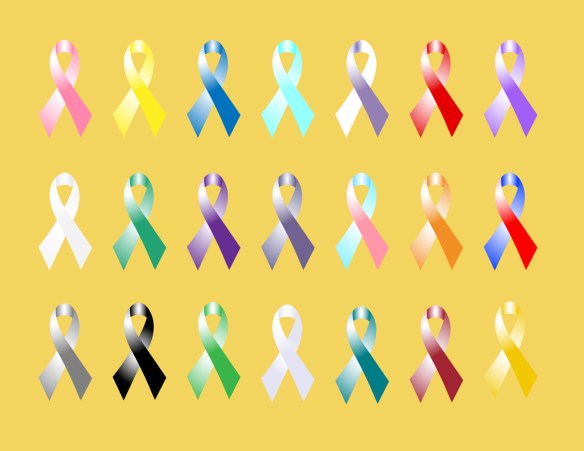
Ribbons of awarenessIt’s November, which means it’s time to enjoy your Thanksgiving with family and friends.

  1. It’s also time to do your brain a favor and take advantage of the free cognitive exam as part of Medicare’s Yearly Wellness Exam.

Despite clear signs that their memory and thinking abilities have gone downhill, researchers have found that more than half of seniors with these symptoms haven’t seen a doctor about them. University of Michigan researchers and their colleagues say their findings suggest that as many as 1.8 million Americans over the age of 70 with dementia are not evaluated for cognitive symptoms by a medical provider, which in some patients can lead to a failure to uncover modifiable causes of thinking or memory impairment.

The study, published in Neurology, the medical journal of the American Academy of Neurology, documents a clear lack of clinical testing for seniors with signs of cognitive problems.“Early evaluation and identification of people with dementia may help them receive care earlier,” says study author Vikas Kotagal, M.D., M.S., who sees patients at the University of Michigan Health System and is an assistant professor in the U-M Medical School’s Department of Neurology. “It can help families make plans for care, help with day-to-day tasks including observed medication administration, and watch for future problems that can occur. In some instances, these interventions could substantially improve the person’s quality of life.”

For instance, knowing that a stroke or vascular issues in the brain caused dementia means patients can work to control risk factors like blood pressure that might otherwise cause it to keep worsening. If your physician suspects Alzheimer’s disease, there are drugs that can help delay the onset of full-blown dementia, and the possibility of placement in a memory care facility, which can help offset the catastrophic cost of the disease.

If you’ve had Part B for longer than 12 months, you can get the free Medicare Annual Wellness Exam to develop or update a personalized plan to prevent disease and disability based on your current health and risk factors. The exam includes:
• A review of your medical and family history
• Developing or updating a list of current providers and prescriptions
• Height, weight, blood pressure, and other routine measurements
 Detection of any cognitive impairment
• Personalized health advice
• A list of risk factors and treatment options for you
• A screening schedule (like a checklist) for appropriate preventive services. Get details about coverage for screenings, shots, and other preventive services.
This visit is covered once every 12 months (11 full months must have passed since the last visit).

2. Combat stress by playing relaxing music, dancing, using an aromatherapy diffuser, taking an Epsom salt bath, turning off electronics at least an hour before bed, etc. Health professionals agree that stress can lead to chronic illness. And in the case of caregiving, it can actually take years off your life.

3. Become a savvy caregiver. The Alzheimer’s Association has chapters throughout the U.S. and offer free classes ranging from how to make financial plans to learning about the latest research in dementia care. Check out their  Education and Resource Center.

4. Maintain healthy weight. Women with a thick waistline are at increased risk for dementia. As if you don’t have enough to worry about. A 32-year-long study by Swedish researchers, which was recently published in the scientific journal Neurology, found that women who gain weight around their middle and live to at least 70 years old are at twice the risk for developing dementia.

Medical research has already established a link between fat around your middle and a higher risk of dying prematurely from heart attack or stroke. But this new research provides even more incentive for reducing calories obtained from refined carbohydrates such as breads, pastries, cookies, candy, ice cream and pasta.

The research included almost 1,500 women between the ages of 38 and 60 and was started at the end of the 1960s. Thirty-two years later a follow-up found that 161 women with the average age of 75, had developed dementia. This study shows that women who had a pear-shape figure, broader around the waist than hips, had more than twice the risk of developing dementia when they got old.

What is Metabolic Syndrome?

Also called Syndrome X, it’s caused by a diet filled with refined carbohydrates. The cycle goes like this: you eat a bagel with some orange juice and coffee for breakfast. Have an apple mid-morning. A salad with a piece of French bread for lunch. A handful of M & Ms mid-afternoon, pasta and salad for dinner, and some popcorn later while you’re watching TV. Doesn’t sound too terrible. But the thing is, these foods are mostly simple carbohydrates, which means your digestive system converts them into glucose, which causes your blood sugar to rise quickly. Your pancreas responds by pumping out insulin to convert the glucose into quick energy.

The problem is, the more carbohydrates you eat, the more your body pumps out insulin to deal with all the extra blood sugar. Eventually your body becomes overwhelmed by the amount of insulin and sluggish in response to it. Before you know it, you’ve developed insulin resistance, meaning your cells have lost their sensitivity to the hormone and require even more of it to maintain normal glucose levels. When blood sugar and insulin levels go up, Metabolic Syndrome (Syndrome X) and weight gain result.

What can you do about it?

  • If you tend to grow love handles around your middle, do something now to protect your heart and brain.
  • Limit the amount of carbohydrates you eat
  • Include a high-quality protein with every meal, such as salmon or chicken
  • Exercise regularly

Add whole foods to your diet instead of highly processed foods, including brown rice, quinoa, and whole oats, 5-9 servings of fruits and vegetables, cottage cheese, eggs

Take nutritional supplements proven to support healthy glucose levels: Bitter melon Momordica charantia), cinnamon, green tea extract, Salacia reticulata, Banaba leaf, chromium

5. Get regular dental check-ups. It’s hard to determine which comes first, Alzheimer’s disease or inflamed gums, but they seem to go hand in hand. A recent study done at the College of Dentistry, NYU, New York, NY proposes that chronic periodontitis might contribute to the onset and progression of Alzheimer’s disease. Inflammation and Alzheimer’s disease

And in the famous Nun Study, one of the first documented studies of Alzheimer’s in a specific population, the researchers found that the participants with the fewest teeth had a higher incidence of dementia. In fact, the researchers concluded that having very few teeth -one to nine-might be a predictor of dementia late in life

How to prevent gum disease

Frequent dental visits may become necessary to ensure a thorough cleaning of the teeth, roots and gums.

Supplementation with vitamin C is important in order to try to maintain healthy gum tissue.

Lycopene may be effective in treating and preventing gingivitis. Lycopene is the carotenoid which makes tomatoes red. It is a popular supplement for supporting prostate and cardiovascular health, and helps prevent macular degeneration and other types of cancer. A recent study compared just taking lycopene as a supplement to a combination treatment of taking lycopene and root scaling and planing in patients with gingivitis. The groups that were treated demonstrated significant reductions in gingivitis, but the group that received both lycopene and prophylaxis showed a statistically significant reduction in symptoms.The results presented in this study suggest that lycopene shows great promise as a treatment for gingivitis.

Gingvitis vs. Periodontitis

Gingivitis (gum inflammation) usually precedes periodontitis (gum disease). The gums can become swollen and red, and they may bleed while brushing your teeth. Although the gums may be irritated, the teeth are still firmly planted in their sockets, and at this stage, no bone or other tissue damage has occurred.

When gingivitis is left untreated, it can advance to periodontitis, which is an infection caused by bacteria under the gum tissue. The gums can pull away from the tooth, bone can be lost, and the teeth may loosen or even fall out.

Warning signs of periodontal disease:

  • Bad breath or bad taste that won’t go away
  • Red or swollen gums
  • Tender or bleeding gums
  • Painful chewing
  • Loose teeth
  • Sensitive teeth
  • Gums that have pulled away from your teeth
  • Any change in the way your teeth fit together when you bite
  • Any change in the fit of partial dentures

6. Buy a new pair of walking shoes and a comfortable workout outfit. You deserve it! You also owe it to yourself to move your body. For years, health professionals have been preaching about the importance of exercise to cardiovascular and overall health. “Whatever is good for the heart is good for the brain.” The latest study of older adults at increased risk for Alzheimer’s disease is the first evidence that physical activity may protect against cognitive decline and the onset of dementia symptoms in people who carry the genetic marker for Alzheimer’s.

The hippocampus, the brain region responsible for memory and spatial orientation, normally loses some volume as we age. But overtime, people with an increased genetic risk for Alzheimer’s disease experience greater atrophy in that area of the brain, which means they experience greater memory loss and cognitive dysfunction.

The good news is that Dr. J. Carson Smith, a kinesiology researcher in the University of Maryland School of Public Health, and his colleagues found clear evidence that being physically active has the potential to help protect the hippocampus in people at increased risk for Alzheimer’s disease. This is especially significant because if you know that exercise can help delay the onset of the disease and if you engage in an exercise regimen it could extend your longevity and ability to take care of yourself. This, in turn, would reduce the financial burden of needing a caregiver and other medical intervention.

Dr. Smith and colleagues tracked four groups of healthy older adults ages 65-89, who had normal cognitive abilities, over an 18-month period and measured the volume of their hippocampus (using structural magnetic resonance imaging or MRI) at the beginning and end of that time period. The groups were classified both for low or high Alzheimer’s risk (based on the absence or presence of the apolipoprotein E epsilon 4 allele) and for low or high physical activity levels.

Of all four groups studied, only those at high genetic risk for Alzheimer’s who did not exercise experienced a decrease in hippocampal volume (3%) over the 18-month period. All other groups, including those at high risk for Alzheimer’s but who were physically active, maintained the volume of their hippocampus.

Whether you are at high risk for Alzheimer’s or not, it’s never too late or too early to start a daily exercise regimen. If you are sedentary start walking 30 minutes three days a walk, and go from there. Park your car at the opposite end of the parking lot, from where you need to go. Get a walking buddy, or get a dog. Whatever you do, be serious about being physically active. It could have a huge impact on your life and the lives of your loved ones.

7. Sleep more soundly. There are plenty of studies linking poor sleep to a host of physical and psychological ailments: poor immunity, elevated levels of cortisol and insulin, weight gain, diabetes, cardiovascular disease and even Alzheimer’s disease. And irritability, foggy thinking and anxiety, depression and low energy can directly impact your ability to care for another person, do household chores and get in the way of your interpersonal relationships. Discover ways why Good sleep hygiene is the first step to improving your sleep.

8. Include turmeric in your diet. Turmeric is what gives curry its yellow hue and tang. But it does a lot more than flavor the most popular Indian dish. Turmeric has numerous health benefits. Several studies have found a protective effect of curcumin in Alzheimer’s disease and dementia, and it’s no surprise. The senior population in rural Indian has one of the lowest rates of Alzheimer’s disease in the world, and scientists believe it is due to the antioxidant and anti-inflammatory properties of turmeric, and its ability to inhibit the build up of amyloid plaque.

A study done by researchers from the University of Melbourne indicated that curcumin might prevent or improve age-related cognitive decline, dementia and mood disorders. The study included 60 adults between 60 and 85 years old. An hour after taking a curcumin supplement (400 mg) the participants experienced a higher attention span and better memory when compared to the participants who took a placebo. After four weeks of taking the supplement, the curcumin group showed improvement in mood, memory, alertness and feelings of well-being.

How much to take? You can find dietary supplements in tablet and capsule form at health food stores with curcumin extracts in dosages of 400 to 600 mg. The general advice is to take one dose three times daily or as directed on the product.

How to get more turmeric into your diet?

One way is to drink turmeric tea, which is popular among Okinawans, who are known for their longevity.
• Bring four cups of water to a boil.
• Add one teaspoon of ground turmeric and reduce to a simmer for 10 minutes.
• Strain the tea through a fine sieve into a cup, add honey and/or lemon to taste

Sprinkle it on your food—turmeric is especially good added to braised greens. Saute onion in olive oil, add greens of your choice (kale, spinach, Swiss chard), and add 1 tsp of turmeric and a sprinkle of salt.
Add turmeric to eggs, soups, potato pancakes, casseroles. You can’t go wrong, and you can’t overdose on turmeric.

Use as a cold, flu and congestion remedy
Turmeric has been used as a natural remedy for centuries to help prevent and cure respiratory illnesses. The next time you get a cold, try adding it to hot water with grated ginger and a teaspoon of honey. It will perk you up and possibly reduce the length of time you are sick. You might also discover that it helps your memory.

9. Is it time to move your loved one to a memory care home? If your loved one has Alzheimer’s or another form of dementia and it is getting difficult to provide a safe environment for him/her, please take the time NOW, before a crisis arises, is the time to investigate the memory care homes in your area. A good place to start is by calling the county’s senior social services office, or by speaking with an ombudsman who is knowledgeable about the pros and cons of the local memory care homes. Signs that it’s time to make the big move.

10. Evaluate your driving.  Play it safe. If you or a loved one has dementia, please park you car for good. Don’t take a risk of getting lost or worse, injuring yourself or someone else.

November is the perfect time to incorporate a new health regimen into your daily routine. Start today and get a head start at the beginning of the holiday season to maintain healthy weight, strengthen your immunity to flus and colds, and  protect your mental health and memory. 


HAPPY THANKSGIVING!!!!

For more information on how you can reduce stress and boost your happiness and health, read Calmer Waters: The Caregiver’s Journey Through Alzheimer’s & Dementia.
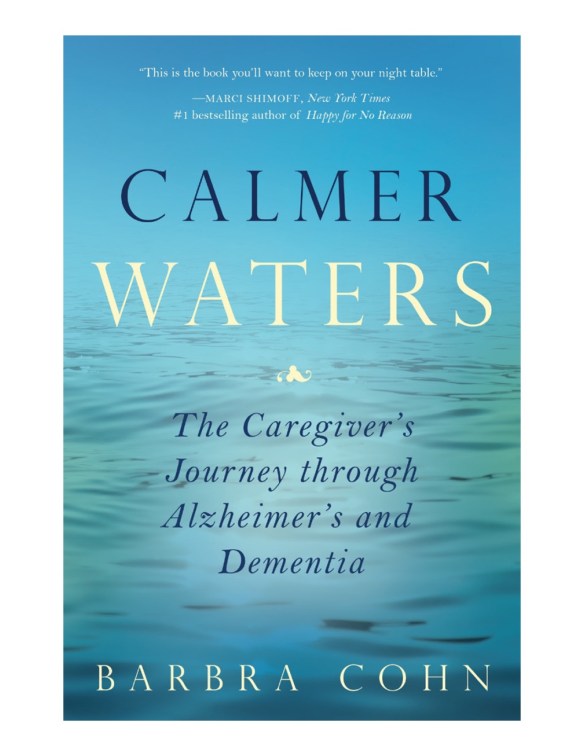
BarbraCohn__

Five surprising causes of memory loss

Mind concept graphic for memory loss or alzheimer's diseaseAfter my husband had a surgical procedure that required anesthesia, not only did he wake up groggy, but his early stage Alzheimer’s disease worsened. He got lost driving in our home town and had more difficulty with everyday activities. Years later, it was a kidney stone that sent him over the edge into a downward spiral. It’s not a surprise that anesthesia can cause memory loss, temporary or permanent. But it came as a surprise when something as common as a kidney stone had a severe impact on my husband’s mental condition and overall health.

There is a link between common infections such as UTIs (urinary tract infections), the flu, colds, and stomach viruses and their effect on memory in the elderly and dementia populations. A significant study found that people with Alzheimer’s, who get even a mild respiratory or gastrointestinal infection, or a bump or bruise are at risk for having a significant, permanent memory loss, according to a report that was published in the September 8, 2009 issue of the journal Neurology. These patients can have high levels of tumor necrosis factor—alpha (TNF-a)—a protein that is linked to inflammation and is associated with memory loss and cognitive decline.

In the study done at the Clinical Neurosciences Research Division at the University of Southampton, United Kingdom, 222 Alzheimer’s patients were followed for six months. Of those, 110 people had an infection or injury that resulted in inflammation. These individuals had twice the memory loss during that period of time as the individuals who did not have an illness or injury. Researchers attribute the memory loss to inflammation. In patients whose TNF-a levels were high to begin with, an infection increased their memory loss to 10 times more than those who had low TNF-a levels. Clive Holmes, PhD, lead researcher, said that this population should be vaccinated against the flu, and infections and injuries should be treated as soon as possible.

Other surprising causes of memory loss

  1. UTIs–Urinary tract infections are notorious for causing delirium and delusional behavior in the elderly. When younger people get a urinary tract infection, they typically experience painful urination, an urgent need to urinate, lower abdominal pain, back pain on one side, and fever and chills. However, an older adult might not experience those symptoms. As we get older our immune system changes and it responds differently to infection. Instead of pain symptoms, seniors with a UTI may show increased signs of confusion, agitation or withdrawal. In older adults with dementia, these behavioral changes may come across as part of that condition or signs of advanced aging. If the underlying UTI goes unrecognized and untreated for too long, it can spread to the bloodstream and become life-threatening. In fact, I have a dear friend who recently died from a UTI that quickly became septic.
  2. Vitamin B12 is essential for normal nerve function. A deficiency can lead to confusion and dementia. It is vital to get 2.4 micrograms of B12 in your diet every day from sources such as dairy products, meat and fish, or from foods fortified with vitamin B12. Vegans must take a B12 supplement since the vitamin is found in animal foods.
  3. Sleep apnea causes one to stop breathing during the night. It can be very brief and very frequent, but it is treatable. Unfortunately, sleep apnea islinked to memory loss and dementia, according to Constantine Lyketsos, MD, director of the Memory and Alzheimer’s Treatment Center at Johns Hopkins Medicine and professor and chair of psychiatry at Johns Hopkins Bayview. You might have sleep apnea if you wake up with a headache and have daytime fatigue — or if your partner complains of loud snoring. A study published in The Journal of Neuroscience found that untreated sleep apnea affects spatial navigational memory. This type of memory includes being able to remember directions or where you put things like your keys. The research suggests that deep sleep, also known as rapid eye movement (REM) sleep, plays an important role in memory. Dr. Lyketsos explains that for people with sleep apnea, oxygen delivery to the brain is interrupted several hundred times during the night . He says, The brain is stressed, so people wake up, and the injury sleep apnea causes can show up as a variety of memory loss symptoms. If you or someone you know has sleep apnea, please make an appointment with your health practitioner.
  4. Some medications such as statins (cholesterol-lowering drugs), sleeping pills, antidepressants, anti-anxiety medications and some painkillers have been found to increase the risk for reversible cognitive side effects, including memory loss and confusion. A commonly prescribed type 2 diabetes drug, metformin, has also been associated with memory problems. A study published in Diabetes Care found that people with diabetes who took the drug had worse cognitive performance than those who did not take it.
  5. Thyroid disease can cause poor memory, especially in seniors. Hypothyroidism is very common in people over 60 and it steadily increases with age. It is believed that up to one in four individuals in nursing homes may have undiagnosed hypothyroidism. Memory loss or declining cognitive functioning which is frequently attributed to old age, might be the only symptom of hypothyroidism in an elderly person. If there is a family history of thyroid disease, past treatment for hyperthyroidism or a history of surgery and/or radiotherapy to the neck, a physician might be able to better establish a link leading to a diagnosis. Thyroid disease is a lifelong disorder that can be treated with medication, but the patient must be closely monitored to make sure the correct dosage is prescribed.

Tips for protecting your memory and keeping you and your loved one healthy and safe

  • Inoculate against flu, pneumonia and shingles
    Boost immunity with zinc, vitamin D and vitamin C
  • Take a complete B-vitamin supplement to make sure you are getting a balanced amount of B vitamins.
  • Prevent falls and accidents (recommended: Complete Guide to Alzheimer’s Proofing Your Home by Mark Warner http://store.nexternal.com/shared/StoreFront/default.asp?CS=ageless&StoreType=BtoC&Count1=668834865&Count2=585975289&CategoryID=3&Target=products.asp
  • Reduce systemic inflammation with a curcumin (turmeric extract) supplement
  • Use a humidifier to moisturize nasal passages and mucous membranes to help keep them healthy
  • Engage in gentle exercise to reduce inflammation
  • Keep hydrated by drinking at least 6-8 glasses of water each day
  • Encourage seniors to use the bathroom several times a day, approximately every two to three hours.
  • Make sure the senior is maintaining good hygiene, with showers at least several times a week.
  • If the person is incontinent, make sure he or she changes undergarments frequently.

There are other articles on my blog that discuss how to support your memory and cognition. Please subscribe today, and feel free to send me your questions.

To your health.

Sincerely,

Barbra Cohn