Five surprising causes of memory loss

Mind concept graphic for memory loss or alzheimer's diseaseAfter my husband had a surgical procedure that required anesthesia, not only did he wake up groggy, but his early stage Alzheimer’s disease worsened. He got lost driving in our home town and had more difficulty with everyday activities. Years later, it was a kidney stone that sent him over the edge into a downward spiral. It’s not a surprise that anesthesia can cause memory loss, temporary or permanent. But it came as a surprise when something as common as a kidney stone had a severe impact on my husband’s mental condition and overall health.

There is a link between common infections such as UTIs (urinary tract infections), the flu, colds, and stomach viruses and their effect on memory in the elderly and dementia populations. A significant study found that people with Alzheimer’s, who get even a mild respiratory or gastrointestinal infection, or a bump or bruise are at risk for having a significant, permanent memory loss, according to a report that was published in the September 8, 2009 issue of the journal Neurology. These patients can have high levels of tumor necrosis factor—alpha (TNF-a)—a protein that is linked to inflammation and is associated with memory loss and cognitive decline.

In the study done at the Clinical Neurosciences Research Division at the University of Southampton, United Kingdom, 222 Alzheimer’s patients were followed for six months. Of those, 110 people had an infection or injury that resulted in inflammation. These individuals had twice the memory loss during that period of time as the individuals who did not have an illness or injury. Researchers attribute the memory loss to inflammation. In patients whose TNF-a levels were high to begin with, an infection increased their memory loss to 10 times more than those who had low TNF-a levels. Clive Holmes, PhD, lead researcher, said that this population should be vaccinated against the flu, and infections and injuries should be treated as soon as possible.

Other surprising causes of memory loss

  1. UTIs–Urinary tract infections are notorious for causing delirium and delusional behavior in the elderly. When younger people get a urinary tract infection, they typically experience painful urination, an urgent need to urinate, lower abdominal pain, back pain on one side, and fever and chills. However, an older adult might not experience those symptoms. As we get older our immune system changes and it responds differently to infection. Instead of pain symptoms, seniors with a UTI may show increased signs of confusion, agitation or withdrawal. In older adults with dementia, these behavioral changes may come across as part of that condition or signs of advanced aging. If the underlying UTI goes unrecognized and untreated for too long, it can spread to the bloodstream and become life-threatening. In fact, I have a dear friend who recently died from a UTI that quickly became septic.
  2. Vitamin B12 is essential for normal nerve function. A deficiency can lead to confusion and dementia. It is vital to get 2.4 micrograms of B12 in your diet every day from sources such as dairy products, meat and fish, or from foods fortified with vitamin B12. Vegans must take a B12 supplement since the vitamin is found in animal foods.
  3. Sleep apnea causes one to stop breathing during the night. It can be very brief and very frequent, but it is treatable. Unfortunately, sleep apnea islinked to memory loss and dementia, according to Constantine Lyketsos, MD, director of the Memory and Alzheimer’s Treatment Center at Johns Hopkins Medicine and professor and chair of psychiatry at Johns Hopkins Bayview. You might have sleep apnea if you wake up with a headache and have daytime fatigue — or if your partner complains of loud snoring. A study published in The Journal of Neuroscience found that untreated sleep apnea affects spatial navigational memory. This type of memory includes being able to remember directions or where you put things like your keys. The research suggests that deep sleep, also known as rapid eye movement (REM) sleep, plays an important role in memory. Dr. Lyketsos explains that for people with sleep apnea, oxygen delivery to the brain is interrupted several hundred times during the night . He says, The brain is stressed, so people wake up, and the injury sleep apnea causes can show up as a variety of memory loss symptoms. If you or someone you know has sleep apnea, please make an appointment with your health practitioner.
  4. Some medications such as statins (cholesterol-lowering drugs), sleeping pills, antidepressants, anti-anxiety medications and some painkillers have been found to increase the risk for reversible cognitive side effects, including memory loss and confusion. A commonly prescribed type 2 diabetes drug, metformin, has also been associated with memory problems. A study published in Diabetes Care found that people with diabetes who took the drug had worse cognitive performance than those who did not take it.
  5. Thyroid disease can cause poor memory, especially in seniors. Hypothyroidism is very common in people over 60 and it steadily increases with age. It is believed that up to one in four individuals in nursing homes may have undiagnosed hypothyroidism. Memory loss or declining cognitive functioning which is frequently attributed to old age, might be the only symptom of hypothyroidism in an elderly person. If there is a family history of thyroid disease, past treatment for hyperthyroidism or a history of surgery and/or radiotherapy to the neck, a physician might be able to better establish a link leading to a diagnosis. Thyroid disease is a lifelong disorder that can be treated with medication, but the patient must be closely monitored to make sure the correct dosage is prescribed.

Tips for protecting your memory and keeping you and your loved one healthy and safe

  • Inoculate against flu, pneumonia and shingles
    Boost immunity with zinc, vitamin D and vitamin C
  • Take a complete B-vitamin supplement to make sure you are getting a balanced amount of B vitamins.
  • Prevent falls and accidents (recommended: Complete Guide to Alzheimer’s Proofing Your Home by Mark Warner http://store.nexternal.com/shared/StoreFront/default.asp?CS=ageless&StoreType=BtoC&Count1=668834865&Count2=585975289&CategoryID=3&Target=products.asp
  • Reduce systemic inflammation with a curcumin (turmeric extract) supplement
  • Use a humidifier to moisturize nasal passages and mucous membranes to help keep them healthy
  • Engage in gentle exercise to reduce inflammation
  • Keep hydrated by drinking at least 6-8 glasses of water each day
  • Encourage seniors to use the bathroom several times a day, approximately every two to three hours.
  • Make sure the senior is maintaining good hygiene, with showers at least several times a week.
  • If the person is incontinent, make sure he or she changes undergarments frequently.

There are other articles on my blog that discuss how to support your memory and cognition. Please subscribe today, and feel free to send me your questions.

To your health.

Sincerely,

Barbra Cohn

8 Ways to Train Your Brain

Intelligence of the human brain

Intelligence of the human brain

National Train Your Brain Day is observed annually on October 13. The observance was created to encourage all of us to exercise our brain and improve our cognitive skills. Doing word puzzles and number games, playing Bridge and reading are every-day activities that are good for the brain. But there are many other things you can do.

  1. Dance as though no one is watching. My book “Calmer Waters: The Caregiver’s Journey Through Alzheimer’s and Dementia” includes a 21-year-long study that was summarized in an article that appeared in the New England Journal of Medicine in 2003. The study found that when compared to 11 other activities including team sports, swimming and bicycling, dancing is the best activity for supporting cognition and staving off mental decline. In fact, the more complex the dance, the better it is for enhancing problem-solving skills and memory. You don’t have to be a great dancer. Just put on your favorite dance music and let loose in your living room. Or, find a dance partner and learn how to salsa, tango, or swing.
  2. Play an instrument. Numerous studies have indicated that listening to music and playing an instrument can reduce anxiety and depression and support cognitive functioning. Playing an instrument sharpens your concentration, boosts listening skills, and supports your time management and organizational skills. The efficacy of music therapy A Study done at the Auditory Neuroscience Laboratory at Northwestern University in Evanston, Illinois, and led by Nina Kraus, shows that musicians suffer less from aging-related memory and hearing losses than non-musicians. It is believed to be the first study to provide biological evidence that lifelong musical experience has a good impact on the aging process. Kraus says the research shows that playing an instrument helps hearing and memory, which is among the most common complaints from normal aging.
  3. Exercise! Dr. Monika Fleshner, researcher/professor at the University of Colorado, Boulder, and contributor to “Calmer Waters,” has spent her career showing that exercise is vital to reducing stress and supporting healthy mental function. “Physically active individuals are stress robust,” says Fleshner. “They demonstrate both stress resistance and stress resilience.” Exercise seems to buffer many of the deleterious consequences of stress, including poor memory. Scientists have also found that exercise encourages the growth of new brain cells in the hippocampus, the area that is crucial to memory and learning.
  4. Say it out loud. When I meet someone for the first time, I inevitably look in the person’s eyes and don’t even listen to their spoken name. As a result, I rarely remember the person’s name. Next time, I will heed the expert advice of repeating the person’s name. This is considered the easiest way to remember everything from where you put your keys to your grocery list. Say it out loud to yourself, or mouth the words, in order to remember quickly.
  5. Get a good night’s sleep. According to a study published in the journal Neuroscience (June 30, 2005) sound sleep triggers changes in the brain that help to improve memory. New memories are formed within the brain when a person engages with information to be learned (for example, memorizing a list of words or mastering a piano concerto). However, these memories are initially fragile. In order to “stick” they must be solidified and improved. This process of “memory consolidation” occurs when connections between brain cells as well as between different brain regions are strengthened, and for many years was believed to develop merely as a passage of time. More recently, however, it has been demonstrated that time spent asleep also plays a key role in preserving memory. So, do your best to work on sleep hygiene. Unplug at least an hour before bed, soak in tub filled with Epsom salts, play soothing music, make sure the room is not too warm, etc. And, never go to bed mad.
  6. Doodle. In memory tests, doodlers performed 29% better than non-doodlers when asked to recall names and places, Experts say doodling doesn’t tax the mind and allows us to concentrate on the task at hand. It stops us daydreaming, too, which is distracting. The same theory holds for coloring in the beautiful new adult coloring books that have become popular the past several years.
  7. Learn something before bed. If you want to consolidate a memory go through the information right before you fall asleep. You’ll have few, if any, interfering memories so you’ll remember it the next day.
  8. Feed your neurotransmitters. These are the chemicals that allow your neurons to talk to one another. They are vital to memory, focus, learning, energy and happiness. Acetylcholine is the primary carrier of thought and memory, and if you don’t have enough of this important neurotransmitter, you will probably have memory and cognitive problems. For healthy acetylcholine production, make sure you’re getting the nutrients that it is made from. Dr. Dharma Singh Khalsa, author of Brain Longevity (Warner Books, Inc. 1997) and the president and medical director of the Alzheimer’s Research and Prevention Foundation in Tucson, Arizona, suggests supplementing with choline, which is present in high amounts in lecithin. Lecithin is available in capsule, granule, liquid, tablet and powder form. The recommended therapeutic dose is 2500 to 3000 mg. four times a day, for a total daily dose of 10,000 to 12,000 mg. In addition, it’s important to take 1000 mg. vitamin C, three times a day, along with 100 mg. of B5, which are needed to transform lecithin into acetylcholine. It’s also advisable to take B6 and zinc, which help in the synthesis of acetylcholine. The nutrient DMAE (dimethylaminoethanol) helps build acetylcholine levels. It is present in your brain in small quantities, and is also found in seafoods, including sardines. Since it is stimulating to the central nervous system, Dr. Khalsa suggests starting out with a low dose of about 40 mg. twice a day, and building up to 200 mg. daily, if you don’t feel overstimulated. 


5 Ways to get into the Zen of Caregiving

purity of the zen massageI have caregiver burnout. I cared for my husband, who had Alzheimer’s disease, for 10 years. Before that I flew back and forth from Colorado to Florida whenever one of my parents had a health crisis (which was frequent). My daughter just had a baby, and I’d love to be there for her, but my mother has pneumonia and congestive heart failure. I am torn between helping my daughter and her beautiful, young family, and my elderly failing mother. I am flying to Florida for a few days and then back to Colorado. And I will probably be doing this again in the coming month. I tell myself, “you need to take care of yourself. You need to keep your head above water.” Easier said than done. But I learned a lot during the course of my husband’s illness. I know how important it is to meditate, do yoga, dance and eat and sleep well.
Caregiving is a huge challenge, and it’s very easy to let the responsibility of caring for an ill friend or relative become a yoke around one’s neck. But with practice and mindfulness it can turn into a spiritual practice. How?

  1. When you wake up in the morning let your first thought be, “I’m going to have a great day. It will be filled with joy and laughter, and I will maintain equanimity.” Be grateful for your ability to see, hear, walk, and serve your loved one. Other affirmations that you might like: I will remain calm and present throughout the day. I welcome peace, trust, and acceptance into my life. I’m feeling strong and healthy today. I am a kind, compassionate caregiver.
  2. Instead of reacting with anxiety or impatience to a stressful situation or annoying behavior such as constant complaining, asking the same question repeatedly, pacing up and down the hall, stop and breathe. Take a deep breath and let it out slowly. Do it again, and again. Now stop and ask yourself how you feel? Not too bad. Stretch your arms straight up towards the ceiling. Lower them and do it again, one at a time. Roll your head gently to the right and then to the left, and then slowly in a circle. Look to your right, center and then to the left. Take another deep breath and let it out slowly. Feel your body relax.
  3. Focus on the present. Instead of worrying about taking your loved one to a doctor’s appointment and anticipating how he or she will react or what news you will hear, put your attention on something beautiful—inside your home or out the window. If the sky is blue, appreciate its beauty. Listen to the birds singing and appreciate the miracle of their song. Look at a painting on the wall and really look at the colors, the brush strokes, and the image. Imagine the spark that inspired the artist during the creative process, and let it inspire you to get through the day while maintaining a positive outlook.
  4. Light a candle and have your care partner sit down next to you. Enjoy the glow, letting it calm your nerves. Match your breathing to your care partner’s and find your peace.
  5. Keep a journal. It’s a wonderful, easy way to get your concerns, fears, hopes, and dreams out without relying on your therapist or best friend. Use a writing prompt to get you going such as “I never thought. . . . It’s so hard to . .. “I’ll always remember . . .

These are just a few things that can ease the stress of caregiving. Have courage; find strength from the simple things.

Do you still need to floss?

Teeth with dental floss for healthcare

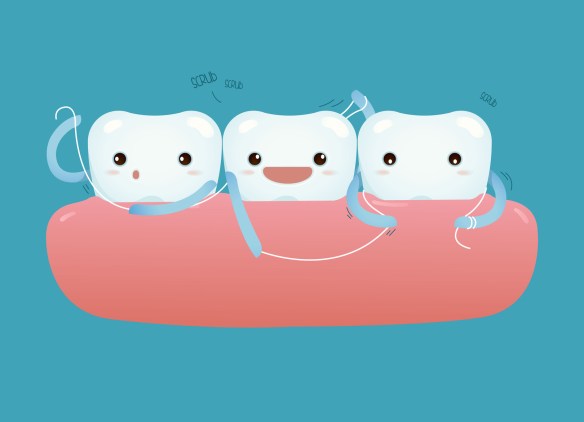
Recently the Associated Press reported that there is very little scientific evidence backing the effectiveness of flossing. However, dentists agree that you absolutely should still floss. Here’s why: More than 500 different types of bacteria are found in dental plaque. Brushing removes most of the plaque from the surface of your teeth. But the plaque that hides in the hard-to-reach places, such as between your teeth and along your gum, can trigger an inflammatory response leading to gum disease (periodontal disease).

What is dental plaque?

Bacterial plaque is the principal cause of cavities and tartar. It is a thin, invisible film to the naked eye, which adheres firmly to the surface of teeth and gums. The bacteria in plaque develop by feeding on the residuals of food (especially the ones rich in sugar). These bacteria these bacteria then produce enzymes and acid substances that attack the enamel of the teeth, which gives rise to cavities. Eventually, dental plaque transforms into tartar and then into gum disease, which can degenerate into pyorrhea, a slow and relentless loss of teeth. This is how bacteria destroy the teeth.

Periodontal disease has been linked to diabetes, heart disease and Alzheimer’s disease.

Oral bacteria can migrate to distant sites in the body. Elderly and immuno-compromised patients, such as those suffering from cancer, diabetes or rheumatoid arthritis, may be especially vulnerable to systemic oral pathogens. Now researchers are asking if oral pathogens can also infect the brain with subsequent neuropathological consequences. Another theory is that pathogenic periodontal bacteria do not “infect” the brain but rather induce a systemic inflammatory response leading to injury of brain tissue.

Periodontal disease is also associated with weight loss and wasting, which might contribute to cognitive decline. Gum disease often results in tooth loss, which often leads to problems with chewing, swallowing and food selection. Individuals also poorly absorb nutrients from food when it is not chewed well. Evidence from several studies indicates deterioration in nutritional status in individuals missing teeth.

One study examined lifestyle factors of more than 100 pairs of identical twins. All of the pairs included one twin who had developed dementia and one who hadn’t. Because identical twins are genetically indistinguishable, the study involved only risk factors that could be modified to help protect against dementia.

Twins who had severe periodontal disease before they were 35 years old had a five-fold increase in risk of developing Alzheimer’s disease, the researchers found. Periodontal disease may be a marker for chronic exposure to disease that provokes an inflammatory response. Chronic inflammation can damage tissue, including the brain, which may contribute to the development of the disease. Based on the association with tooth loss, further investigation of inflammatory load as a risk factor for Alzheimer’s disease is warranted.

According to the U.S. Centers for Disease Control and Prevention, one out of every two American adults over the age of 30 has some form of gum disease. Flossing is a low-cost and low-risk way to prevent gum disease. Dentistry is definitely a medical profession that is attempting to decrease the number of patients it sees every year. With that said, despite what the Associated Press found in its research, almost every dentist in America will tell you to floss on. It’s a very easy way to prevent a host of other health problems.


10 Things to Remember if You Love a Person with Dementia

Mother and daughter

Daughter caring for her mother

It’s sometimes hard to love a family member who has dementia or Alzheimer’s disease. People with dementia can be quarrelsome, uncooperative, negative, whiney, belligerent or combative. They might get their nights and days mixed up, pace the floor for hours, wring their hands non-stop, or cry like a baby. They might ask you the same question twenty times in a row, refuse to budge when you need to get them to an appointment, or refuse to eat what you’ve made for dinner.

When the going gets tough, it helps to remember that you love the person who resides inside that body that is tight and tense and inflamed from amyloid plaque that has strangled the neurons and disrupted the neurotransmitters that allow thoughts to flow and emotions to stay even. He or she is the same person you married, the same loving parent who nurtured and guided you, the same sibling you shared holidays and outings with, or the same friend who offered a should to cry on or who helping you move to a new home.

When you’re about to lose it, walk out, or hide in the closet, stop for a moment and remember at least one of these 10 things about the person you lovingly take care of.

People with dementia and Alzheimer’s often feel:

  1. Embarrassed when you say, “ I just told you . . ..” Instead of reminding them that they forgot what you told them a second ago rephrase it, breaking it down into a simple sentence . . . or completely change the subject.
  2. Fearful because they don’t see things spatially the same way we do. Their sense of space is distorted and their vision gets skewed, not because there is something physically wrong with their eyes. But rather, the brain interprets what the eyes see, and when the brain doesn’t work right our perception gets distorted. Two things you can do to help are to put extra lights in dark areas of the living quarters and remove throw rugs in order to reduce falls.
  3. Lonely because they can’t communicate well, or some of their friends have “jumped ship.” Set up times for family or friends to visit or take your loved one on an outing.
  4. Confused because they don’t understand why they can’t drive anymore, or why they can’t go for a walk alone, or why they can’t remember where they live or what their son’s or daughter’s name is.
  5. Angry because the keys to the car have been taken away, or because they get frustrated when they can’t express their feelings or thoughts.
  6. Sad because they can’t read a book or newspaper, or can’t manage to engage in their favorite hobby or sport.
  7. Anxious because they can’t move as fast or get dressed by themselves or put on their shoes easily. Or, because they hear sounds that are disturbing or are bothered by someone else’s behavior.
  8. Nervous because they have lost their sense of balance and feel unsteady on their feet. Or because they don’t like the feel of water on their skin and don’t want to bathe and don’t want to be forced.
  9. Frustrated because they can’t write a check, figure out how much tip to leave, or remember how to use the TV remote control.
  10. Paranoid because they think someone is stealing their money or prized possessions.

When all else fails, take a deep breath and put on some music. It almost always uplifts the spirit—for both the caregiver and the person being cared for.

Please subscribe to my blog for more informative articles like this. Thank you!

8 Ways to Eat Your Way to Healthy Aging

It’s Healthy Aging Month and it’s a good time to ask yourself “what am I doing to stave off chronic illnesses such as cardiovascular and Alzheimer’s disease, arthritis, Parkinson’s, osteoporosis and other age-related diseases? How can I age gracefully?”

Senior African American Couple Drinking Orange Juice


  1. Eating fish such as wild-caught salmon, sardines and other cold-water fish can protect you against Alzheimer’s disease and other forms of dementia. Numerous studies have shown that elderly people who did not have dementia had high blood levels of docosahexaenoic acid (DHA), an essential fatty acid found in cold-water fish, in comparison to those with dementia, who had on average 30% to 40% lower blood levels of DHA. Ways to increase your DHA intake: eat cold-water fish such as wild-caught salmon, sardines and mackerel, at least twice a week. Add flax meal to cereal and baked goods, sprinkle flax oil on your salad, eat a small handful of walnuts at least several times a week.
  2. Eat breakfast! It is the meal that you break your fast with. During the night our blood sugar levels drop, so it’s especially important to eat within one hour of arising and by 10am. Eating breakfast restores healthy blood sugar levels, but make sure your breakfast isn’t coffee and a doughnut. Have some protein and a healthy fat such as an omelet and avocado and a piece of whole grain or gluten-free toast. It’ll provide you with the energy you need to get through the morning while maintaining a sense of equilibrium. My favorite cool weather breakfast is eggs (any way you like them), a side of beans such as black or pinto, and a pile of sautéed greens. When the weather is hot, I prefer home-made granola made with oats, a bit of coconut oil and maple syrup, coconut flakes, and lots of nuts including almonds, walnuts, cashews, and pumpkin seeds. Add chia seeds, flax meal, yogurt and fresh berries and you’ve got a breakfast for champions.
  3. Avoid commercially processed meats and favor grass-fed meats, free-range chickens and eggs fed an organic, non-GMO diet. And limit your meat consumption to no more than twice a week.
  4. Eat like a rabbit to reduce your risk of stroke, dementia, macular degeneration, and other chronic illness. Veggies are low in calories and high in fiber. Fruits are also high in fiber and like veggies, contain numerous vitamins and minerals. Just like people, fruits and vegetables come in a variety of shapes, sizes and colors. And it’s the colors that identify many of the bioactive substances called phytonutrients that give us antioxidant protection and other special health benefits. The scientific community has produced a large body of research showing the potential of these super nutrients. Compared with people who eat few fruits and vegetables, populations that consume a large variety and generous amounts of plant foods enjoy longevity and reduced risk of disease. For example, the people of Okinawa have a long life expectancy, numerous centenarians, and a low-risk of age-associated diseases. Their diet is low in calories, fat, sugar, salt, and meat and dairy products. Instead, Okinawans eat fish, tofu, whole grains, and lots of fruit, dark green leafy vegetables, onions, green peppers, sea vegetables and sweet potatoes—which are all dense in phytonutrients and antioxidants. These islanders are known for a low-stress, carefree and relaxed attitude. Their rates of stroke, dementia, cancer and heart disease are also the lowest in the world. For every 100,000 people in Okinawa, 30 have passed their 100th birthday, one of the highest rates in the world.
  5. Eliminate soft drinks; they increase your risk of insulin resistance and diabetes. Instead, drink plenty of water to hydrate your brain and body.
  6. A cup of Joe will do you good . . . just don’t overdo it and don’t add lots of cream of sugar. Researchers from the University of Scranton found that coffee is the number one source of antioxidants in the U.S. diet. Coffee has been shown to improve mental acuity. In fact, a study published in the Journal of Alzheimer’s Disease (2012) found that people older than 65 who had higher blood levels of caffeine developed Alzheimer’s disease two to four years later than people with lower caffeine levels. The study included 124 people who had mild cognitive impairment (MCI). Typically, 15% of people with MCI will go on to develop full-blown Alzheimer’s disease each year. The study participants who had less than 1,200 ng/ml of caffeine levels in their blood developed Alzheimer’s disease. This is equivalent to drinking several cups of coffee a few hours before their blood was taken. The people whose memory loss did not progress to full-blown Alzheimer’s disease had higher levels of caffeine in their blood. Coffee appeared to be the only source of caffeine for the participants in the study. Some big caveats: if you have high blood pressure limit your coffee intake to 2 cups a day, and avoid drinking it before exercise or physical labor which both naturally raise blood pressure. Coffee acts as a diuretic, depleting the body of necessary fluids, so make sure you drink a glass of water for every cup of coffee you drink. Coffee can raise homocysteine levels, an indicator and risk factor for cardiovascular disease. It can also cause headaches, fatigue, depression, anxiety and drowsiness if a coffee drinker forgoes his or her usual daily dose of caffeine. So be smart and listen to your body.
  7. If you can’t drink coffee, consider green tea. Scientists have found evidence that green tea extract can help fight everything from glaucoma to prostate cancer and leukemia. Now, a research team composed of chemists, biochemists and biophysicists at the University of Michigan has found a new potential benefit of green tea extract: preventing the clumping of proteins associated amyloids in the brain, which is associated with Alzheimer’s disease and other neurodegenerative conditions. The study found that the specific molecule in green tea, ( — )-epigallocatechin-3-gallate, also known as EGCG, prevented aggregate formation and broke down existing aggregate structures in the proteins that contained the metals copper, iron and zinc.At Tohoku University Graduate School of Medicine, researchers tracked the green tea consumption of nearly 14,000 people over age 65 for three years. The participants’ quality of life (measured in day-to-day activities such as getting dressed, walking the dog, and performing household chores) was examined in relation to how much green tea they drank. The authors found that the more green tea participants consumed, the longer they were able to ward off the difficulties associated with old age. The people who drank at least five cups a day were one-third less likely to develop disabilities than those who had less than a cup per day. Those people who averaged three or four cups a day had a 25 percent lower risk. Just remember that while green tea and its extracts are considered safe in small amounts, they do contain caffeine and small amounts of vitamin K, which means it could interfere with drugs that prevent blood clotting. So the next time you feel the need for a cup of coffee or black tea, consider drinking a cup of green tea instead. It just might help you maintain clarity of mind, healthy bones, and cardiovascular health well into your senior years.
  8. Herbs or adaptogens can be helpful for increasing energy without stimulation. An adaptogen is a natural substance—usually an herb—that helps the body adapt to stress by producing a calming effect on the whole physiology, and stress is often blamed with being the root cause of many illnesses and diseases. Phytosterols, the plant compounds in the herbs ashwaghanda, gotu kola, passion flower, schizandra, skullcap, rhodiola, and cordyceps have been scientifically shown to support the adrenal glands and healthy blood chemistry, and enhance the body’s ability to resist the ravages of stress. Valerian, Siberian ginseng, kava kava, oat straw, and hops also help reduce stress. These herbs can be taken as a tea or in the form of a nutritional supplement. Culinary herbs also have numerous health benefits. Turmeric, the spice used in Indian cooking, has dozens of studies backing up its ability to reduce inflammation, another major cause of chronic disease, and risk of Alzheimer’s disease. Cinnamon helps to stabilize blood sugar levels, which is vital to healthy aging. Oregano contains antioxidants that offer antibacterial protection. Garlic has been called the natural antibiotic, and ginger root has been used for thousands of years for its anti-inflammatory and anti-microbial effects. The list goes on and on.

Bon appetite!

Please subscribe to my blog for more articles like this one on ways to stay healthy and active throughout your life.


The loneliness of caregiving: How to stay socially connected

Closeup of old woman hands holding mobile phone

Woman with mobile phone

My husband had younger-onset Alzheimer’s disease. The hardest thing for me during the duration of his illness was that I lost my companion. He was the person I made important decisions with. The person I went to movies with, ate dinner with, had interesting conversations with, traveled with, and shared delight with over the accomplishments of our children. He was the one I could complain to if I had a headache, stomach ache, or sore throat, without worrying about being called a hypochondriac or a baby. He was also the person who always cheered me on when I succeeded in achieving my goals.

When it came time to make the decision to move him to a memory care home, I especially missed having him help me decide on which room he’d live in, what type of furniture to buy, and the mattress he would sleep on. When it came time to bury him, it was agonizing for me to choose the plot of land where he would be laid to rest, and where I will be eventually interred.

During my many years of caregiving, I would often hide behind a mask of cheerfulness. It helped. I didn’t feel like a prisoner because I hired people to take my husband out to see a movie. Several of his friends kindly took him to lunch on a regular basis. It takes an effort to maintain friends and to stay socially involved, especially if you no longer work outside the home.

I promised myself that I wouldn’t let my husband’s disease ruin my life. I kept an active calendar filled with dance classes, lunches with friends, and even pursued a certificate in nutrition–all the while he was ill.

But it took planning and some might think I was a bit selfish. But when you look at the grand picture of caregiving, taking care of your personal needs is anything but being selfish. Studies show that 40 to 70 percent of family caregivers experience symptoms of clinical depression. One of the reasons, besides the daily stress, is isolation and loneliness.

Now for the lecture part: If you are a caregiver it is vital that you maintain a social network. Here are some ideas:

  • Stay connected with friends and family either through Facebook or another social media outlet, or by telephone or email, etc.
  • Make a lunch date with a friend at least once a week.
  • Many places of worship offer support for caregivers and families, including social events.
  • Go to a class—any kind of class: knitting, dance, weight training.
  • Join a support group—The Alzheimer’s Association offers classes and workshops for caregivers and for the person with memory loss.
  • Ask your friends and family for respite care. Have someone come over for a couple of hours a week so you can at least get out for a walk or go grocery shopping.
  • Go to the movies with a friend. It’s a great way to escape into another world for a few hours.
  • Call a best friend who is happy to talk; call someone who makes you laugh–laughter is truly the best medicine.
  • Bring your loved one to a Memory Cafe/Alzheimer’s Cafe. The challenges of living with memory loss can sever social connection at a time when it is needed most. Throughout the US and Europe, this casual social meeting is for caregivers and their care partner (the person they are caring for). Memory Cafes offer a way to socialize, explore art, music, poetry and listen to discussions and presentations. A Dutch psychologist opened the firs Memory Cafe in Holland. today there are about 200 Memory Cafes in the U.S.
  • Chat online with other caregivers. The Alzheimer’s Association offers chat rooms and so does the American Cancer Society. Check Elder Care Online for chat room and caregiver forum links. ElderCare Online’s Caregiver Support Network brings together online resources, groups and experts to create a virtual community dedicated to improving quality of life for you and your loved ones.

Turmeric does a body good

fresh turmeric roots on wooden table

Fresh turmeric 


Tumeric is the spice that gives curry its yellow hue and tang. But it does a lot more than flavor the most popular Indian dish. Several studies have found a protective effect of curcumin in Alzheimer’s disease and dementia, and it’s no surprise. The senior population in rural Indian has one of the lowest rates of Alzheimer’s disease in the world, and scientists believe it is due to the antioxidant and anti-inflammatory properties of turmeric,1,2 and its ability to inhibit the build up of amyloid plaque.3

The buzz about inflammation

Inflammation in the body is a good thing; it is the body’s natural response to a cut or injury. When we cut our finger, white blood cells accumulate at the site in order to prevent infection and promote healing. Inflammation serves a vital role in the body. Inflammation is one of the primary mechanisms selected by nature to maintain the integrity of our body against the thousand environmental attacks that we receive every day, according to Luigi Ferrucci, the scientific director of the National Institute on Aging“Inflammation is part of our maintenance and repair system. Without it, we can’t heal.” (“Inflamed”by Jerome Groopman, The New Yorker, Nov 30, 2015.)

Some researchers believe that a chronic state of low-level inflammation in the body can contribute to or trigger chronic diseases such as arthritis and Alzheimer’s disease. Connecting the dots between causation and manifestation of a disease are sketchy. But there are plenty of studies that back up the anti-inflammatory properties of the turmeric.

Turmeric has numerous health benefits. More than 900 published research papers attest to the anti-cancer activity of curcumin, turmeric’s potent extract. And Diabetes Care, a journal of the American Diabetes Association, published a study about curcumin’s ability to help pre-diabetic patients from developing full-blown diabetes.

A study done by researchers from the University of Melbourne indicated that curcumin might prevent or improve age-related cognitive decline, dementia and mood disorders. The study included 60 adults between 60 and 85 years old. An hour after taking a curcumin supplement (400 mg) the participants experienced a higher attention span and better memory when compared to the participants who took a placebo. After four weeks of taking the supplement, the curcumin group showed improvement in mood, memory, alertness and feelings of well-being. 4

How much to take? You can find dietary supplements in tablet and capsule form at health food stores with curcumin extracts in dosages of 400 to 600 mg. The general advice is to take one dose three times daily or as directed on the product.

Use as a cold, flu and congestion remedy
Turmeric has been used as a natural remedy for centuries to help boost immunity and prevent and shorten respiratory illnesses. The next time you get a cold, try adding it to hot water with grated ginger and a teaspoon of honey. It will perk you up and possibly reduce the length of time you are sick. You might also discover that it enhances your memory.

How to get more turmeric into your diet?
1. One way is to drink turmeric tea, which is popular among Okinawans, who are known for their longevity.
• Bring four cups of water to a boil.
• Add one teaspoon of ground turmeric and reduce to a simmer for 10 minutes.
• Strain the tea through a fine sieve into a cup, add honey and/or lemon to taste

2. Sprinkle it on your food—turmeric is especially good added to braised greens. Saute onion in olive oil, add greens of your choice (kale, spinach, Swiss chard), and add 1 tsp of turmeric and a sprinkle of salt.
Add turmeric to eggs, scrambled tofu, soups, potato pancakes, casseroles, rice, etc. You can’t go wrong, and you can’t overdose on turmeric.

Recipes

Golden Milk Recipe

1 cup of almond or coconut milk, ½ t ground turmeric, ½ t ground ginger, ¼ t cardamom and 1 tsp honey. You can also add a pinch of black pepper if you wish. Whisk the ingredients together, strain over a mug

 Ingredients:

• 8 ounces milk (dairy, soy milk, coconut, or nut milk), warmed
• 1⁄2 teaspoon (1⁄4 teaspoon for kids younger than 6) turmeric
• 1⁄4 teaspoon honey

Directions: Combine warm milk and turmeric in a mug and add honey.

Vegetable Curry

  • 1 sweet potato, peeled and cubed
  • 1 medium eggplant, peeled and cubed
  • 2 carrots, chopped,
  • 1 medium onion, chopped
  • 1 Bell pepper, chopped
  • 1 zucchini, sliced
  • 2 cloves garlic, minced
  • 1 15-oz can drained garbanzo beans
  • 1/4 cup cashews
  • 6 Tbs. coconut or olive oil
  • 1 tsp ground turmeric
  • 1 Tbs. curry powder
  • 1 tsp ground cinnamon
  • 1 tsp sea salt
  • 3/4 tsp. cayenne pepper
  • 2 Tbs raisins
  • 1 cup orange juice

Directions

In a large pan or pot saute sweet potato, eggplant, peppers, carrots, onion in six tablespoons oil for 5 minutes.

Add garlic, turmeric, curry powder, cinnamon, salt and pepper and cook for 3 minutes.

Add the garbanzo beans, cashews, zucchini, raisins, and orange juice. Cover and simmer 20 minutes. Serve over rice or quinoa.

Enjoy!

References
1. Chin D1, Huebbe P, Pallauf K, Rimbach G. Neuroprotective properties of curcumin in Alzheimer’s disease–merits and limitations. Curr Med Chem. 2013;20(32):3955-85.
2. Nahar PP1, Slitt AL, Seeram NP. Anti-Inflammatory Effects of Novel Standardized Solid Lipid Curcumin Formulations. J Med Food. 2015 Jul;18(7):786-92. doi: 10.1089/jmf.2014.0053. Epub 2014 Dec 9.
3. Endo H1, Nikaido Y1, Nakadate M1, Ise S1, Konno H2. Structure activity relationship study of curcumin analogues toward the amyloid-beta aggregation inhibitor. Bioorg Med Chem Lett. 2014 Dec 15;24(24):5621-6. doi: 10.1016/j.bmcl.2014.10.076. Epub 2014 Oct 30.
4. Cox KH1, Pipingas A1, Scholey AB2. Investigation of the effects of solid lipid curcumin on cognition and mood in a healthy older population. Journal of Psychopharmacology 2014 Oct 2. pii: 0269881114552744.


Is it a good idea for Alzheimer’s and dementia patients to use marijuana?

Doctor hand holding dry medical cannabis on table close up

Doctor writing a prescription for  medical marijuana

I live in Colorado, one of the few states where medical marijuana is legal, as well as recreational marijuana for adults 21 years or older. Before it was legal, my husband, who suffered from anxiety, stress and depression from Alzheimer’s disease, smoked it in a pipe and ate marijuana cookies and brownies. It calmed him down and, most importantly, put a grin back on his face. He would get happy, and although I did not partake it helped me to relax, too–just because he was happier and more relaxed.

How does marijuana help Alzheimer’s?

Numerous studies show that cannabis helps:

THC, the psychoactive chemical in marijuana, helps reduce agitation and increase weight in people suffering from Alzheimer’s disease. Anxiety is defined as the inability to settle down and includes behaviors such as verbal outbursts, pacing and restlessness, all of which may lead to patient combativeness. Additionally, Alzheimer’s patients often experience weight loss because they stop recognizing when they are hungry.

Clinical studies

Researchers at the Meridian Institute for Aging in New Jersey gave a daily dose of 10 to 20 milligrams of dronabinol (an artificial version of THC marketed under the name Marinol) to 48 patients who had been diagnosed with Alzheimer’s disease and anorexia. After one month, two-thirds of the patients were significantly less agitated, and all of them had gained weight. There were no adverse side effects reported, such as falls, seizures or depression.Study results suggest dronabinol, a synthetic version of THC, the active ingredient in Cannabis sativa L (marijuana), may reduce agitation and lead to weight gain in patients with Alzheimer’s disease,

A 2014 preclinical study published in the Journal of Alzheimer’s Disease found that very small doses of tetrahydrocannabinol (THC), a chemical found in marijuana, can slow the production of beta-amyloid proteins, thought to be a hallmark characteristic and key contributor to the progression of Alzheimer’s. http://www.ncbi.nlm.nih.gov/pubmed/25024327. THC could be a potential therapeutic treatment option for Alzheimer’s disease through multiple functions and pathways. The study is among others to support the effectiveness of THC in prohibiting the growth of toxic amyloid plagues.

Co-author of the study, Neel Nabar, cautions against drawing quick conclusions from the study and says that numerous previous studies have shown that marijuana helps Alzheimer’s patients by reducing anxiety and inflammation, and improving appetite.

In this study, the researchers gave Alzheimer’s-afflicted mice various doses of pharmaceutical cannabinoids, which are 100 to 800 times more potent than marijuana compounds. The treated mice did not perform any better than untreated mice on memory tests, and they had just as much brain plaque formation as the untreated mice.

Can it reduce brain inflammation?

In 2005 researchers from Madrid’s Complutense University and the Cajal Institute published an article in the Journal of Neuroscience showing that  a synthetic cannabinoid appeared to reduce brain inflammation in Alzheimer’s.  Some researchers believe that reduction of this inflammation helps to prevent the mental decline associated with this disease.

Three years later, in March 2008, the Royal Pharmaceutical Society of Great Britain unveiled research showing that cannabis-based treatments could improve memory loss in Alzheimer’s sufferers.   Spanish researchers, this time working with a research team from Israel, found that one of the 400 compounds in the marijuana plant could significantly slow memory problems caused by the disease.  A by-product of their research was the finding that the same drug can also help Type 1 diabetes (formerly known as insulin dependent diabetes).

In observing my husband’s reaction to smoking pot and eating edibles, I can say that neither helped to improve or slow down his memory decline. 

In December 2008, results of a study showing that it’s the anti-inflammatory effect of cannabis that appears to help in Alzheimer’s disease were published.  Scientists continue to debate about the role inflammation of the brain plays in Alzheimer’s, and many researchers believe that it plays an important role in the dementia process.

The question comes up that if reduction of inflammation is all it takes to halt mental decline associated with Alzheimer’s, why doesn’t taking an anti-inflammatory, such as ibuprofen, help the condition?  Supposedly, anti-inflammatory drugs such as these have been shown in tests to help young brains, but not to help older brains.I have not found any such studies, but I do believe, along with numerous researchers, that inflammation is a major culprit in chronic disease.

Turmeric has been shown to be a traditional anti-inflammatory spice that has been found to have a protective effect against Alzheimer’s and dementia. Look for my future post about how turmeric supports memory and helps prevent dementia.

Therapeutic Cannabis Dosage for Alzheimer’s

According to Gary Wenk, Ph.D., author of the December 2008 study and professor of psychology and neuroscience at Ohio State University, “a puff is enough.”  He goes on to say that although this dose would probably have some sort of psychoactive effect strictly medical use is not ruled out.  The drug could be taken before bedtime, Wenk says, and with long-term use, tolerance to these psychoactive effects can develop, so impairment might be minimal with a steady dose anyway.

Don Abrams, M.D., chief of hematology/oncology at San Francisco General Hospital, has studied medical marijuana use in people with HIV for more than a decade. He says, “Cannabis is anti-inflammatory and it is also an antioxidant, and those are two things that we seek in treating neurodegenerative disorders.  It’s there, it’s in nature, if the research does find that it has these benefits, why not take advantage of it?”

Marijuana increases appetite and reduces anxiety

It’s important to note the difference, however, between these findings and the beneficial findings of other studies. Alzheimer’s patients often lose the ability to know whether they are hungry or not, and medical marijuana does help induce appetite. It also reduces anxiety. So, in the end, if you are considering giving your loved one medical marijuana for Alzheimer’s symptoms, be aware that it will probably not help improve memory. But it very well may help increase appetite and reduce anxiety.

My husband ate well until he was in late-stage Alzheimer’s disease. By then, he would not have been able to ingest marijuana in any shape or form. But earlier in the disease process it helped him feel better when everything in his world was being tossed and turned upside down. If you are looking for an antidote to anxiety and depression, consider it for a loved one with Alzheimer’s or dementia. If you prefer not to deal with the nasty odor (some people like it, I don’t) then ask your doctor about the pharmaceutical THC tincture. Or, you can always bake marijuana cookies and brownies. Just make sure they are in a container that is child-proof and hidden from your pets, visitors and children.

Hope for Reversing Alzheimer’s Disease

Group of mature people doing yoga

Seniors practicing yoga for relaxation and flexibility

For dozens of techniques and tools for supporting cognitive health and reducing mental decline check out my book “Calmer Waters: The Caregiver’s Journey Through Alzheimer’s and Dementia” — Available wherever books are sold, including amazon.com and barnesandnoble.com

On the summer solstice, the longest day of the year, there are approximately 17 hours of light. This year it happened to coincide with the Strawberry Moon, the June full moon. It’s a special time for healing and wrapping yourself and your loved ones in a luxurious robe of compassion and kindness. The longest day of the year is also a special day that thousands of Alzheimer’s Association volunteers join together to raise millions of dollars to honor those facing Alzheimer’s disease for educational programs and research.

It’s a particularly appropriate time to learn about a new study that suggests that a drug and lifestyle regimen can reverse mental decline in Alzheimer’s patients and those with mild cognitive impairment. First, it’s important to know that the study only included 10 patients, some with mild cognitive impairment, subjective cognitive impairment or Alzheimer’s disease. The researchers created personalized multi-faceted treatment programs for each patient, including diet changes, exercise, improved sleep, brain stimulation, drugs and vitamins.

The patients were treated for between five and 24 months. All 10 patients showed improvements in thinking and memory, and some were even able to return to work and complete tasks that had become impossible for them as their mental abilities declined, according to United Press International.

“The magnitude of improvement in these 10 patients is unprecedented, providing additional objective evidence that this programmatic approach to cognitive decline is highly effective,” Dr. Dale Bredesen, a professor at the Buck Institute and the University of California Los Angeles, said in a news release.

I have not seen the study, so I can’t comment on the specifics, but the overall treatment plan sounds as though it includes a healthy lifestyle regimen, which could be applied to anyone who wants to maintain mental acuity, stamina, a stronger immune system and overall physical health. The one caveat with the personalized multi-faceted treatment program in the study is that it is vital that the patient continues and maintains the program. Because as soon as an individual ceased to be regular, the old symptoms returned and the decline was steady.


Here is my list of 10 recommendations for maintaining cognitive function and boosting brain power

  1. Drink at least 8-10 glasses of water to keep your body hydrated and to flush out toxins. The brain is 70% water when fully hydrated. When it is dehydrated, neurotransmission—which is heavily dependent on water—is impaired, resulting in poor memory, concentration and impaired abstract thinking.
  2. Ginkgo biloba has been proven in hundreds of studies to help blood circulation to the brain, sharpening mental performance, increasing concentration and short-term memory. A well-known study in The Journal of the American Medical Association showed that supplementation with 40 mg of ginkgo three times a day for one year had a positive effect on patients with Alzheimer’s disease. A placebo-controlled, double-blind, randomized trail of an extract of Ginkgo biloba for dementia. 
  1. Vitamin B complex optimizes cognitive activity and brain function, has a positive effect on memory, learning capacity and attention span, and supports a healthy nervous system and a stable mood. Vitamins B6 and B12, in particular, play a role in the synthesis of serotonin, the neurotransmitter linked to improving memory, lifting mood and regulating sleep.
  2. Omega-3 fatty acids are rich in DHA, the major unsaturated fat in the brain. This long-chain fatty acid provides the necessary fluid quality to the membranes of the nerve cells so that electrical nerve impulses can flow easily along the circuits of the brain. One study found that Alzheimer’s patients given an omega-3-rich supplement experienced a significant improvement in their quality of life.
  3. Eat more blueberries! Their active antioxidants have been shown to protect and restore brain function. One recent study revealed that feeding blueberry extracts to mature mice partially reversed some signs of brain aging.
  4. Avoid alcohol. People who drink too much alcohol often show shrinkage or atrophy of the cerebral cortex, the seat of memory, learning, reasoning, intelligence, and emotions. Reduced cortical thickness in abstinent alcoholics and association with alcoholic behavior
  5. Avoid smoking. Smoking constricts blood vessels, making less blood, oxygen, and nutrients available to the brain. It also replaces oxygen with carbon monoxide, a chemical that damages brain cells.
  6. Incorporate a regular exercise program into your daily routine. An easy way to start is by walking 30 minutes a day at least five times a week. Yoga is wonderful for staving off arthritis pain, maintaining flexibility and for relaxation.
  7. Maintain your social connections. Loneliness can actually lead to health problems and mental decline. Join a group—any kind of group: worship,  hiking, scrabble, table tennis, knitting, discussion group, or book club. Volunteer at a food bank, soup kitchen or animal shelter. It’s important to stay connected and to feel as though you are a contributing member of society.
  8. Sleep well by getting to bed before 11:00 pm, eating your last meal before 8pm, turning off your electronic devices, and eliminating light in your bedroom. Studies have indicated that sleep deprivation can increase risk of dementia and Alzheimer’s disease. If you have trouble sleeping consider using a lavender essential oil spray on your pillow or a sachet of lavender inserted into the pillowcase. There are lots of natural sleep aids available at your local health food store, such as melatonin, calcium/magnesium, valerian, hops, etc. Consult with a nutritional consultant about what might work best for you.

Best of luck with your lifestyle changes and best of health to you and your family.