A UTI, fall or a cold can lead to cognitive decline and even death in a person with Alzheimer’s disease

Dementia disease and a loss of brain function and memories

November is Alzheimer’s Awareness Month 

People with Alzheimer’s who get even a mild respiratory or gastrointestinal infection, or a bump or bruise are at risk for having a significant, permanent memory loss, according to a report that was published in the September 8, 2009 issue of the journal Neurology. These patients can have high levels of tumor necrosis factor—alpha (TNF-a)—a protein that is linked to inflammation and is associated with memory loss and cognitive decline.

In the study, which was done at the Clinical Neurosciences Research Division at the University of Southampton, United Kingdom, 222 Alzheimer’s patients were followed for six months. Of those, 110 people had an infection or injury that resulted in inflammation. These individuals had twice the memory loss during that period of time as the individuals who did not have an illness or injury. Researchers attribute the memory loss to inflammation. In patients whose TNF-a levels were high to begin with, an infection increased their memory loss to 10 times more than those who had low TNF-a levels.

Clive Holmes, PhD, lead researcher, said that this population should be vaccinated against the flu, and infections and injuries should be treated as soon as possible.

It is not uncommon for an elderly person to die from a urinary tract infection, especially someone who has dementia. Even a mild cold can develop into a serious pneumonia and lead to death in an elderly person. My husband developed a kidney stone, and died six weeks later. He progressed from a person in mid- to late-stage Alzheimer’s to someone in the final stage of Alzheimer’s, unable to walk or talk.

Tips for keeping you and your loved one healthy and safe

  • Inoculate against flu, pneumonia and shingles
  • Boost immunity with zinc, vitamin D and vitamin C
  • Prevent falls and accidents (recommended: Complete Guide to Alzheimer’s Proofing Your Home by Mark L. Warner
  • Reduce systemic inflammation with a curcumin (turmeric extract) supplement
  • Use a humidifier to moisturize nasal passages and mucous membranes to help keep them healthy
  • Engage in gentle exercise to reduce inflammation
  • Keep hydrated by drinking at least 6-8 glasses of water each day
  • Reduce risk of urinary tract infections with D-Mannose powder and cranberry extract 
  • Use essential oils (lemon, peppermint, lavender, frankincense, bergamot, thyme, sandalwood, vetiver, myrrh) to boost immunity. For more information about the use of aromatherapy to reduce stress, improve immunity, reduce agitation, and to promote relaxation read chapter 18 “Aromatherapy” in “Calmer Waters: The Caregiver’s Journey Through Alzheimer’s & Dementia” by Barbra Cohn
  • Eat yogurt. 70% of your immune system lies in your gut. Probiotics are live bacterial microorganisms that populate the human gastrointestinal tract. They combat the daily bombardment of toxins and pathogens (bacteria, fungus, parasites, and viruses) that enter our digestive system every day through contaminated food and other toxins. Recent studies show that the bacteria in your gut can also affect your mental health, mood and stress levels. Fermented foods such as kombucha, Greek yogurt, kefir, sauerkraut, miso, cottage cheese are probiotics. Probiotic bacteria colonize the digestive tract with good bacteria. Prebiotics are the food and nutrients that feed probiotics. Prebiotic fiber is found in fruits and vegetables such as artichokes, jicama, wild yams, onions and garlic, asparagus, beans, oats, chicory root and Jerusalem artichokes. Prebiotics support mineral absorption, vitamin utilization, and healthy blood sugar levels. Your gut needs both pro- and prebiotics in order to stay healthy and keep you healthy.
  • Drink mineral broth. It helps alkalinize the body and warm the system. It also helps counter the negative effects of stress. Have it as a bowl of soup or sip it throughout the day. Use your vegetables scraps or chop 2 cups yams, 1 medium potato, 1 cup zucchini, 1 cup cabbage, 1 cup green beans, 2 cups celery, 1 cup onions. Add herbs, garlic, parsley–anything you like. Place in a large pot, cover with water, bring to a boil, turn down to a simmer, and cover for 3-5 hours. For more information read chapter  31 “Nutrition” in “Calmer Waters: The Caregiver’s Journey Through Alzheimer’s & Dementia” by Barbra Cohn

BarbraCohn__

Could leaky gut cause Alzheimer’s?

Leaky Gut Syndrome - Irritable Bowel Syndrome

When I took my husband to a “holistic” neurologist almost two decades ago she questioned him for hours about his medical and lifestyle history. Together, we came up with a hypothesis that my husband’s Alzheimer’s could have been triggered by his life-long inflammation issues and digestive problems. As a child Morris suffered from eczema and severe asthma. He was an allergic adult with poor digestion.

We theorized that Morris had leaky gut syndrome caused by intestinal permeability. Although this is not typically taught in medical school, the term “leaky gut syndrome” is being studied more and more as people complain of various symptoms such as bloating, gas, food sensitivities and unexplained aches and pains.

Basically, the syndrome occurs when tight junctions in the gut, which control what passes through the lining of the small intestine, don’t work properly. Inflammation in the gut, due to poor eating habits, low levels of healthy intestinal bacteria, infections, intestinal parasites, over-use of medications (especially NSAIDs such as aspirin, ibuprofen, and other non-steroidal anti-inflammatory drugs), and imbalanced gastric juices can all lead to a weakening of the intestinal lining. Tiny breaks in the tissue lining can result in leaky gut syndrome, allowing protein molecules to travel via the blood throughout the body all the way to the brain. Antibodies attack the proteins which are viewed as foreign enemies in the blood bathing the brain, which results in inflammation.

(Chapters 20 and 31 in “Calmer Waters: The Caregiver’s Journey through Alzheimer’s and Dementia” contain more information about ayurveda and nutrition that calms down the nervous system and supports immunity.)  

What is Inflammation?
Inflammation is part of the immune system’s response to defend you against microbial
infections. It is the body’s first line of defense against the invasion of microorganisms such as bacteria and viruses, and it is activated rapidly after infection. The microbes are detected as foreign to the body by immune cells such as macrophages, which literally means “big eater.” Macrophages engulf foreign microorganisms and then release cytokines and chemokines that attract other cells that help in regulating the infected or affected area. Blood flow to the area is increased, which you notice when the area around a cut swells, turns red and feels warm. These are all signs of external inflammation. The chronic internal inflammation caused by leaky gut can result in inflammatory conditions leading to a host of diseases, including Alzheimer’s disease.

Approximately 70% of your immune system cells are found in your gut.

In one study, researchers found that when they compared healthy mice to mice with induced Alzheimer’s symptoms the sick mice had a different composition of gut bacteria. The researchers also studied Alzheimer’s disease in mice that completely lacked bacteria to further test the relationship between intestinal bacteria and the disease. Mice without bacteria had a significantly smaller amount of beta-amyloid plaque in the brain. (Beta-amyloid plaques are the lumps that form at the nerve fibres in the brain and are considered the main culprit of Alzheimer’s disease.)

To clarify the link between intestinal flora and the occurrence of Alzheimer’s, the researchers transferred intestinal bacteria from diseased mice to germ-free healthy mice. They discovered that the mice with the unhealthy bacteria developed more beta-amyloid plaques in the brain compared to the healthy mice.

“Our study is unique as it shows a direct causal link between gut bacteria and Alzheimer’s disease. It was striking that the mice which completely lacked bacteria developed much less plaque in the brain,” says researcher Frida Fåk Hållenius, at the Food for Health Science Centre.

The important thing to note here, though, is that the bacteria found in the “Alzheimer’s” mice was abnormal. It was not the healthy bacteria crucial to healthy immunity and digestion in the human body.

Other recent studies are pointing to possible links between Alzheimer’s disease and infections. As reported by Gina Kolata in the New York Times (May 25, 2016), Harvard researchers  reported in the journal “Science Translational Medicine” this hypothesis: “that a virus, fungus or bacterium gets into the brain, passing through a membrane — the blood-brain barrier — that becomes leaky as people age. The brain’s defense system rushes in to stop the invader by making a sticky cage out of proteins, called beta amyloid. The microbe, like a fly in a spider web, becomes trapped in the cage and dies. What is left behind is the cage — a plaque that is the hallmark of Alzheimer’s.”

David Perlmutter, MD, a neurologist, author and Fellow of the American College of Nutrition, offers this interesting article about probiotics as being a possible  tool for reversing Alzheimer’s disease. http://www.drperlmutter.com/reversing-alzheimers-with-probiotics/

Researchers evaluated 60 patients with Alzheimer’s for 12 weeks. First the group went through a blood test to determine their levels of highly sensitive c-reactive protein (hs-CRP) a powerful marker of inflammation. They also took the mini-mental status exam (MMSE), the most commonly used cognitive assessment tool for memory impairment.

Half the group was given a placebo, with the other half taking a probiotic milk containing the probiotic species, Lactobacillus acidophilus, Lactobacillus casei, Bifidobacterium bifidum, and Lactobacillus fermentum. The results of the study were stunning. The placebo group showed an increase in hs-CRP, an inflammation marker, by an impressive 45%. In the group taking the probiotic, hs-CRP actually declined by 18% indicating a dramatic reduction in inflammation.
Dr. Perlmutter says, “But here’s the truly exciting news. Over the 12 weeks, the patients in the placebo continued to decline mentally, as you might expect. Their MMSE score dropped from 8.47 to 8.00, a substantial reduction. But the group on the inflammation reducing probiotics actually demonstrated, not a decline in brain function, but an actual improvement, with their MMSE scores going from 8.67 up to 10.57, and that’s a huge improvement. Again, not only was their mental decline stopped in it’s tracks, these individuals regained brain function!

He continues, “The message here is that inflammation is directly determined by the health and diversity of our gut bacteria, and this has major implications in terms of brain health, function, and disease resistance. Recognizing that inflammation is the mechanism underlying not just Alzheimer’s disease, but Parkinson’s, multiple sclerosis, diabetes, coronary artery disease, and even cancer means that the findings in this report may have wide implications.”

Healing the gut. . .reducing inflammation

It seems there might be a two-pronged approach to healing the gut by reducing inflammation and restoring beneficial bacterial.

  1. Restore beneficial bacteria
  • Eat fermented foods such as yogurt, kefir, kimchi, Sauerkraut, apple cider vinegar, and Japanese foods like miso, kombucha and natto.
  • Take a daily probiotic such as Garden of Life’s Raw Probiotics Colon Care or MegaFloria Probiotics, or check out the reviewed probiotic supplements at The Best Probiotic Supplement site.
  • Take L-glutamine, an amino acid, which is essential to a healthy immune and digestive system, heals leaky gut and reduces sugar cravings.

2. To reduce inflammation

Reduce consumption of foods that are known to cause inflammation

  • sugary drinks and desserts
  • white flour products
  • fried foods
  • artificial sweeteners and additives
  • vegetables oils such as canola, sunflower, soy, corn, safflower or palm oil which have a high concentration of the inflammatory fat omega 6 and are low in the anti-inflammatory fat omega-3. Instead, use olive, avocado, walnut and coconut oils.
  • saturated fats
  • meat—reduce your consumption and try to eat only grass-fed beef and chicken that is free-range
  • alcohol


It also helps to reduce your stress, get a good nights’ sleep, drink plenty of water, and exercise!


The 10 best ways to observe National Alzheimer’s Awareness Month

Ribbons of awarenessIt’s November, which means it’s time to enjoy your Thanksgiving with family and friends.

  1. It’s also time to do your brain a favor and take advantage of the free cognitive exam as part of Medicare’s Yearly Wellness Exam.

Despite clear signs that their memory and thinking abilities have gone downhill, researchers have found that more than half of seniors with these symptoms haven’t seen a doctor about them. University of Michigan researchers and their colleagues say their findings suggest that as many as 1.8 million Americans over the age of 70 with dementia are not evaluated for cognitive symptoms by a medical provider, which in some patients can lead to a failure to uncover modifiable causes of thinking or memory impairment.

The study, published in Neurology, the medical journal of the American Academy of Neurology, documents a clear lack of clinical testing for seniors with signs of cognitive problems.“Early evaluation and identification of people with dementia may help them receive care earlier,” says study author Vikas Kotagal, M.D., M.S., who sees patients at the University of Michigan Health System and is an assistant professor in the U-M Medical School’s Department of Neurology. “It can help families make plans for care, help with day-to-day tasks including observed medication administration, and watch for future problems that can occur. In some instances, these interventions could substantially improve the person’s quality of life.”

For instance, knowing that a stroke or vascular issues in the brain caused dementia means patients can work to control risk factors like blood pressure that might otherwise cause it to keep worsening. If your physician suspects Alzheimer’s disease, there are drugs that can help delay the onset of full-blown dementia, and the possibility of placement in a memory care facility, which can help offset the catastrophic cost of the disease.

If you’ve had Part B for longer than 12 months, you can get the free Medicare Annual Wellness Exam to develop or update a personalized plan to prevent disease and disability based on your current health and risk factors. The exam includes:
• A review of your medical and family history
• Developing or updating a list of current providers and prescriptions
• Height, weight, blood pressure, and other routine measurements
 Detection of any cognitive impairment
• Personalized health advice
• A list of risk factors and treatment options for you
• A screening schedule (like a checklist) for appropriate preventive services. Get details about coverage for screenings, shots, and other preventive services.
This visit is covered once every 12 months (11 full months must have passed since the last visit).

2. Combat stress by playing relaxing music, dancing, using an aromatherapy diffuser, taking an Epsom salt bath, turning off electronics at least an hour before bed, etc. Health professionals agree that stress can lead to chronic illness. And in the case of caregiving, it can actually take years off your life.

3. Become a savvy caregiver. The Alzheimer’s Association has chapters throughout the U.S. and offer free classes ranging from how to make financial plans to learning about the latest research in dementia care. Check out their  Education and Resource Center.

4. Maintain healthy weight. Women with a thick waistline are at increased risk for dementia. As if you don’t have enough to worry about. A 32-year-long study by Swedish researchers, which was recently published in the scientific journal Neurology, found that women who gain weight around their middle and live to at least 70 years old are at twice the risk for developing dementia.

Medical research has already established a link between fat around your middle and a higher risk of dying prematurely from heart attack or stroke. But this new research provides even more incentive for reducing calories obtained from refined carbohydrates such as breads, pastries, cookies, candy, ice cream and pasta.

The research included almost 1,500 women between the ages of 38 and 60 and was started at the end of the 1960s. Thirty-two years later a follow-up found that 161 women with the average age of 75, had developed dementia. This study shows that women who had a pear-shape figure, broader around the waist than hips, had more than twice the risk of developing dementia when they got old.

What is Metabolic Syndrome?

Also called Syndrome X, it’s caused by a diet filled with refined carbohydrates. The cycle goes like this: you eat a bagel with some orange juice and coffee for breakfast. Have an apple mid-morning. A salad with a piece of French bread for lunch. A handful of M & Ms mid-afternoon, pasta and salad for dinner, and some popcorn later while you’re watching TV. Doesn’t sound too terrible. But the thing is, these foods are mostly simple carbohydrates, which means your digestive system converts them into glucose, which causes your blood sugar to rise quickly. Your pancreas responds by pumping out insulin to convert the glucose into quick energy.

The problem is, the more carbohydrates you eat, the more your body pumps out insulin to deal with all the extra blood sugar. Eventually your body becomes overwhelmed by the amount of insulin and sluggish in response to it. Before you know it, you’ve developed insulin resistance, meaning your cells have lost their sensitivity to the hormone and require even more of it to maintain normal glucose levels. When blood sugar and insulin levels go up, Metabolic Syndrome (Syndrome X) and weight gain result.

What can you do about it?

  • If you tend to grow love handles around your middle, do something now to protect your heart and brain.
  • Limit the amount of carbohydrates you eat
  • Include a high-quality protein with every meal, such as salmon or chicken
  • Exercise regularly

Add whole foods to your diet instead of highly processed foods, including brown rice, quinoa, and whole oats, 5-9 servings of fruits and vegetables, cottage cheese, eggs

Take nutritional supplements proven to support healthy glucose levels: Bitter melon Momordica charantia), cinnamon, green tea extract, Salacia reticulata, Banaba leaf, chromium

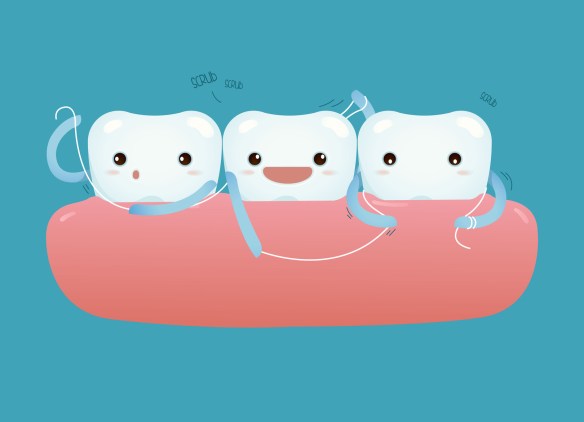
5. Get regular dental check-ups. It’s hard to determine which comes first, Alzheimer’s disease or inflamed gums, but they seem to go hand in hand. A recent study done at the College of Dentistry, NYU, New York, NY proposes that chronic periodontitis might contribute to the onset and progression of Alzheimer’s disease. Inflammation and Alzheimer’s disease

And in the famous Nun Study, one of the first documented studies of Alzheimer’s in a specific population, the researchers found that the participants with the fewest teeth had a higher incidence of dementia. In fact, the researchers concluded that having very few teeth -one to nine-might be a predictor of dementia late in life

How to prevent gum disease

Frequent dental visits may become necessary to ensure a thorough cleaning of the teeth, roots and gums.

Supplementation with vitamin C is important in order to try to maintain healthy gum tissue.

Lycopene may be effective in treating and preventing gingivitis. Lycopene is the carotenoid which makes tomatoes red. It is a popular supplement for supporting prostate and cardiovascular health, and helps prevent macular degeneration and other types of cancer. A recent study compared just taking lycopene as a supplement to a combination treatment of taking lycopene and root scaling and planing in patients with gingivitis. The groups that were treated demonstrated significant reductions in gingivitis, but the group that received both lycopene and prophylaxis showed a statistically significant reduction in symptoms.The results presented in this study suggest that lycopene shows great promise as a treatment for gingivitis.

Gingvitis vs. Periodontitis

Gingivitis (gum inflammation) usually precedes periodontitis (gum disease). The gums can become swollen and red, and they may bleed while brushing your teeth. Although the gums may be irritated, the teeth are still firmly planted in their sockets, and at this stage, no bone or other tissue damage has occurred.

When gingivitis is left untreated, it can advance to periodontitis, which is an infection caused by bacteria under the gum tissue. The gums can pull away from the tooth, bone can be lost, and the teeth may loosen or even fall out.

Warning signs of periodontal disease:

  • Bad breath or bad taste that won’t go away
  • Red or swollen gums
  • Tender or bleeding gums
  • Painful chewing
  • Loose teeth
  • Sensitive teeth
  • Gums that have pulled away from your teeth
  • Any change in the way your teeth fit together when you bite
  • Any change in the fit of partial dentures

6. Buy a new pair of walking shoes and a comfortable workout outfit. You deserve it! You also owe it to yourself to move your body. For years, health professionals have been preaching about the importance of exercise to cardiovascular and overall health. “Whatever is good for the heart is good for the brain.” The latest study of older adults at increased risk for Alzheimer’s disease is the first evidence that physical activity may protect against cognitive decline and the onset of dementia symptoms in people who carry the genetic marker for Alzheimer’s.

The hippocampus, the brain region responsible for memory and spatial orientation, normally loses some volume as we age. But overtime, people with an increased genetic risk for Alzheimer’s disease experience greater atrophy in that area of the brain, which means they experience greater memory loss and cognitive dysfunction.

The good news is that Dr. J. Carson Smith, a kinesiology researcher in the University of Maryland School of Public Health, and his colleagues found clear evidence that being physically active has the potential to help protect the hippocampus in people at increased risk for Alzheimer’s disease. This is especially significant because if you know that exercise can help delay the onset of the disease and if you engage in an exercise regimen it could extend your longevity and ability to take care of yourself. This, in turn, would reduce the financial burden of needing a caregiver and other medical intervention.

Dr. Smith and colleagues tracked four groups of healthy older adults ages 65-89, who had normal cognitive abilities, over an 18-month period and measured the volume of their hippocampus (using structural magnetic resonance imaging or MRI) at the beginning and end of that time period. The groups were classified both for low or high Alzheimer’s risk (based on the absence or presence of the apolipoprotein E epsilon 4 allele) and for low or high physical activity levels.

Of all four groups studied, only those at high genetic risk for Alzheimer’s who did not exercise experienced a decrease in hippocampal volume (3%) over the 18-month period. All other groups, including those at high risk for Alzheimer’s but who were physically active, maintained the volume of their hippocampus.

Whether you are at high risk for Alzheimer’s or not, it’s never too late or too early to start a daily exercise regimen. If you are sedentary start walking 30 minutes three days a walk, and go from there. Park your car at the opposite end of the parking lot, from where you need to go. Get a walking buddy, or get a dog. Whatever you do, be serious about being physically active. It could have a huge impact on your life and the lives of your loved ones.

7. Sleep more soundly. There are plenty of studies linking poor sleep to a host of physical and psychological ailments: poor immunity, elevated levels of cortisol and insulin, weight gain, diabetes, cardiovascular disease and even Alzheimer’s disease. And irritability, foggy thinking and anxiety, depression and low energy can directly impact your ability to care for another person, do household chores and get in the way of your interpersonal relationships. Discover ways why Good sleep hygiene is the first step to improving your sleep.

8. Include turmeric in your diet. Turmeric is what gives curry its yellow hue and tang. But it does a lot more than flavor the most popular Indian dish. Turmeric has numerous health benefits. Several studies have found a protective effect of curcumin in Alzheimer’s disease and dementia, and it’s no surprise. The senior population in rural Indian has one of the lowest rates of Alzheimer’s disease in the world, and scientists believe it is due to the antioxidant and anti-inflammatory properties of turmeric, and its ability to inhibit the build up of amyloid plaque.

A study done by researchers from the University of Melbourne indicated that curcumin might prevent or improve age-related cognitive decline, dementia and mood disorders. The study included 60 adults between 60 and 85 years old. An hour after taking a curcumin supplement (400 mg) the participants experienced a higher attention span and better memory when compared to the participants who took a placebo. After four weeks of taking the supplement, the curcumin group showed improvement in mood, memory, alertness and feelings of well-being.

How much to take? You can find dietary supplements in tablet and capsule form at health food stores with curcumin extracts in dosages of 400 to 600 mg. The general advice is to take one dose three times daily or as directed on the product.

How to get more turmeric into your diet?

One way is to drink turmeric tea, which is popular among Okinawans, who are known for their longevity.
• Bring four cups of water to a boil.
• Add one teaspoon of ground turmeric and reduce to a simmer for 10 minutes.
• Strain the tea through a fine sieve into a cup, add honey and/or lemon to taste

Sprinkle it on your food—turmeric is especially good added to braised greens. Saute onion in olive oil, add greens of your choice (kale, spinach, Swiss chard), and add 1 tsp of turmeric and a sprinkle of salt.
Add turmeric to eggs, soups, potato pancakes, casseroles. You can’t go wrong, and you can’t overdose on turmeric.

Use as a cold, flu and congestion remedy
Turmeric has been used as a natural remedy for centuries to help prevent and cure respiratory illnesses. The next time you get a cold, try adding it to hot water with grated ginger and a teaspoon of honey. It will perk you up and possibly reduce the length of time you are sick. You might also discover that it helps your memory.

9. Is it time to move your loved one to a memory care home? If your loved one has Alzheimer’s or another form of dementia and it is getting difficult to provide a safe environment for him/her, please take the time NOW, before a crisis arises, is the time to investigate the memory care homes in your area. A good place to start is by calling the county’s senior social services office, or by speaking with an ombudsman who is knowledgeable about the pros and cons of the local memory care homes. Signs that it’s time to make the big move.

10. Evaluate your driving.  Play it safe. If you or a loved one has dementia, please park you car for good. Don’t take a risk of getting lost or worse, injuring yourself or someone else.

November is the perfect time to incorporate a new health regimen into your daily routine. Start today and get a head start at the beginning of the holiday season to maintain healthy weight, strengthen your immunity to flus and colds, and  protect your mental health and memory. 


HAPPY THANKSGIVING!!!!

For more information on how you can reduce stress and boost your happiness and health, read Calmer Waters: The Caregiver’s Journey Through Alzheimer’s & Dementia.
BarbraCohn__

Five surprising causes of memory loss

Mind concept graphic for memory loss or alzheimer's diseaseAfter my husband had a surgical procedure that required anesthesia, not only did he wake up groggy, but his early stage Alzheimer’s disease worsened. He got lost driving in our home town and had more difficulty with everyday activities. Years later, it was a kidney stone that sent him over the edge into a downward spiral. It’s not a surprise that anesthesia can cause memory loss, temporary or permanent. But it came as a surprise when something as common as a kidney stone had a severe impact on my husband’s mental condition and overall health.
There is a link between common infections such as UTIs (urinary tract infections), the flu, colds, and stomach viruses and their effect on memory in the elderly and dementia populations. A significant study found that people with Alzheimer’s, who get even a mild respiratory or gastrointestinal infection, or a bump or bruise are at risk for having a significant, permanent memory loss, according to a report that was published in the September 8, 2009 issue of the journal Neurology. These patients can have high levels of tumor necrosis factor—alpha (TNF-a)—a protein that is linked to inflammation and is associated with memory loss and cognitive decline.

In the study done at the Clinical Neurosciences Research Division at the University of Southampton, United Kingdom, 222 Alzheimer’s patients were followed for six months. Of those, 110 people had an infection or injury that resulted in inflammation. These individuals had twice the memory loss during that period of time as the individuals who did not have an illness or injury. Researchers attribute the memory loss to inflammation. In patients whose TNF-a levels were high to begin with, an infection increased their memory loss to 10 times more than those who had low TNF-a levels. Clive Holmes, PhD, lead researcher, said that this population should be vaccinated against the flu, and infections and injuries should be treated as soon as possible.

Other surprising causes of memory loss

  1. UTIs–Urinary tract infections are notorious for causing delirium and delusional behavior in the elderly. When younger people get a urinary tract infection, they typically experience painful urination, an urgent need to urinate, lower abdominal pain, back pain on one side, and fever and chills. However, an older adult might not experience those symptoms. As we get older our immune system changes and it responds differently to infection. Instead of pain symptoms, seniors with a UTI may show increased signs of confusion, agitation or withdrawal. In older adults with dementia, these behavioral changes may come across as part of that condition or signs of advanced aging. If the underlying UTI goes unrecognized and untreated for too long, it can spread to the bloodstream and become life-threatening. In fact, I have a dear friend who recently died from a UTI that quickly became septic.
  2. Vitamin B12 is essential for normal nerve function. A deficiency can lead to confusion and dementia. It is vital to get 2.4 micrograms of B12 in your diet every day from sources such as dairy products, meat and fish, or from foods fortified with vitamin B12. Vegans must take a B12 supplement since the vitamin is found in animal foods.
  3. Sleep apnea causes one to stop breathing during the night. It can be very brief and very frequent, but it is treatable. Unfortunately, sleep apnea islinked to memory loss and dementia, according to Constantine Lyketsos, MD, director of the Memory and Alzheimer’s Treatment Center at Johns Hopkins Medicine and professor and chair of psychiatry at Johns Hopkins Bayview. You might have sleep apnea if you wake up with a headache and have daytime fatigue — or if your partner complains of loud snoring. A study published in The Journal of Neuroscience found that untreated sleep apnea affects spatial navigational memory. This type of memory includes being able to remember directions or where you put things like your keys. The research suggests that deep sleep, also known as rapid eye movement (REM) sleep, plays an important role in memory. Dr. Lyketsos explains that for people with sleep apnea, oxygen delivery to the brain is interrupted several hundred times during the night . He says, The brain is stressed, so people wake up, and the injury sleep apnea causes can show up as a variety of memory loss symptoms. If you or someone you know has sleep apnea, please make an appointment with your health practitioner.
  4. Some medications such as statins (cholesterol-lowering drugs), sleeping pills, antidepressants, anti-anxiety medications and some painkillers have been found to increase the risk for reversible cognitive side effects, including memory loss and confusion. A commonly prescribed type 2 diabetes drug, metformin, has also been associated with memory problems. A study published in Diabetes Care found that people with diabetes who took the drug had worse cognitive performance than those who did not take it.
  5. Thyroid disease can cause poor memory, especially in seniors. Hypothyroidism is very common in people over 60 and it steadily increases with age. It is believed that up to one in four individuals in nursing homes may have undiagnosed hypothyroidism. Memory loss or declining cognitive functioning which is frequently attributed to old age, might be the only symptom of hypothyroidism in an elderly person. If there is a family history of thyroid disease, past treatment for hyperthyroidism or a history of surgery and/or radiotherapy to the neck, a physician might be able to better establish a link leading to a diagnosis. Thyroid disease is a lifelong disorder that can be treated with medication, but the patient must be closely monitored to make sure the correct dosage is prescribed.

Tips for protecting your memory and keeping you and your loved one healthy and safe

  • Inoculate against flu, pneumonia and shingles
    Boost immunity with zinc, vitamin D and vitamin C
  • Take a complete B-vitamin supplement to make sure you are getting a balanced amount of B vitamins.
  • Prevent falls and accidents (recommended: Complete Guide to Alzheimer’s Proofing Your Home by Mark Warner http://store.nexternal.com/shared/StoreFront/default.asp?CS=ageless&StoreType=BtoC&Count1=668834865&Count2=585975289&CategoryID=3&Target=products.asp
  • Reduce systemic inflammation with a curcumin (turmeric extract) supplement
  • Use a humidifier to moisturize nasal passages and mucous membranes to help keep them healthy
  • Engage in gentle exercise to reduce inflammation
  • Keep hydrated by drinking at least 6-8 glasses of water each day
  • Encourage seniors to use the bathroom several times a day, approximately every two to three hours.
  • Make sure the senior is maintaining good hygiene, with showers at least several times a week.
  • If the person is incontinent, make sure he or she changes undergarments frequently.

There are other articles on my blog that discuss how to support your memory and cognition. Please subscribe today, and feel free to send me your questions.

To your health.

Sincerely,

Barbra Cohn

Do you still need to floss?

Teeth with dental floss for healthcare

Recently the Associated Press reported that there is very little scientific evidence backing the effectiveness of flossing. However, dentists agree that you absolutely should still floss. Here’s why: More than 500 different types of bacteria are found in dental plaque. Brushing removes most of the plaque from the surface of your teeth. But the plaque that hides in the hard-to-reach places, such as between your teeth and along your gum, can trigger an inflammatory response leading to gum disease (periodontal disease).

What is dental plaque?

Bacterial plaque is the principal cause of cavities and tartar. It is a thin, invisible film to the naked eye, which adheres firmly to the surface of teeth and gums. The bacteria in plaque develop by feeding on the residuals of food (especially the ones rich in sugar). These bacteria these bacteria then produce enzymes and acid substances that attack the enamel of the teeth, which gives rise to cavities. Eventually, dental plaque transforms into tartar and then into gum disease, which can degenerate into pyorrhea, a slow and relentless loss of teeth. This is how bacteria destroy the teeth.

Periodontal disease has been linked to diabetes, heart disease and Alzheimer’s disease.

Oral bacteria can migrate to distant sites in the body. Elderly and immuno-compromised patients, such as those suffering from cancer, diabetes or rheumatoid arthritis, may be especially vulnerable to systemic oral pathogens. Now researchers are asking if oral pathogens can also infect the brain with subsequent neuropathological consequences. Another theory is that pathogenic periodontal bacteria do not “infect” the brain but rather induce a systemic inflammatory response leading to injury of brain tissue.

Periodontal disease is also associated with weight loss and wasting, which might contribute to cognitive decline. Gum disease often results in tooth loss, which often leads to problems with chewing, swallowing and food selection. Individuals also poorly absorb nutrients from food when it is not chewed well. Evidence from several studies indicates deterioration in nutritional status in individuals missing teeth.

One study examined lifestyle factors of more than 100 pairs of identical twins. All of the pairs included one twin who had developed dementia and one who hadn’t. Because identical twins are genetically indistinguishable, the study involved only risk factors that could be modified to help protect against dementia.

Twins who had severe periodontal disease before they were 35 years old had a five-fold increase in risk of developing Alzheimer’s disease, the researchers found. Periodontal disease may be a marker for chronic exposure to disease that provokes an inflammatory response. Chronic inflammation can damage tissue, including the brain, which may contribute to the development of the disease. Based on the association with tooth loss, further investigation of inflammatory load as a risk factor for Alzheimer’s disease is warranted.

According to the U.S. Centers for Disease Control and Prevention, one out of every two American adults over the age of 30 has some form of gum disease. Flossing is a low-cost and low-risk way to prevent gum disease. Dentistry is definitely a medical profession that is attempting to decrease the number of patients it sees every year. With that said, despite what the Associated Press found in its research, almost every dentist in America will tell you to floss on. It’s a very easy way to prevent a host of other health problems.


8 Ways to Eat Your Way to Healthy Aging

It’s Healthy Aging Month and it’s a good time to ask yourself “what am I doing to stave off chronic illnesses such as cardiovascular and Alzheimer’s disease, arthritis, Parkinson’s, osteoporosis and other age-related diseases? How can I age gracefully?”

Senior African American Couple Drinking Orange Juice


  1. Eating fish such as wild-caught salmon, sardines and other cold-water fish can protect you against Alzheimer’s disease and other forms of dementia. Numerous studies have shown that elderly people who did not have dementia had high blood levels of docosahexaenoic acid (DHA), an essential fatty acid found in cold-water fish, in comparison to those with dementia, who had on average 30% to 40% lower blood levels of DHA. Ways to increase your DHA intake: eat cold-water fish such as wild-caught salmon, sardines and mackerel, at least twice a week. Add flax meal to cereal and baked goods, sprinkle flax oil on your salad, eat a small handful of walnuts at least several times a week.
  2. Eat breakfast! It is the meal that you break your fast with. During the night our blood sugar levels drop, so it’s especially important to eat within one hour of arising and by 10am. Eating breakfast restores healthy blood sugar levels, but make sure your breakfast isn’t coffee and a doughnut. Have some protein and a healthy fat such as an omelet and avocado and a piece of whole grain or gluten-free toast. It’ll provide you with the energy you need to get through the morning while maintaining a sense of equilibrium. My favorite cool weather breakfast is eggs (any way you like them), a side of beans such as black or pinto, and a pile of sautéed greens. When the weather is hot, I prefer home-made granola made with oats, a bit of coconut oil and maple syrup, coconut flakes, and lots of nuts including almonds, walnuts, cashews, and pumpkin seeds. Add chia seeds, flax meal, yogurt and fresh berries and you’ve got a breakfast for champions.
  3. Avoid commercially processed meats and favor grass-fed meats, free-range chickens and eggs fed an organic, non-GMO diet. And limit your meat consumption to no more than twice a week.
  4. Eat like a rabbit to reduce your risk of stroke, dementia, macular degeneration, and other chronic illness. Veggies are low in calories and high in fiber. Fruits are also high in fiber and like veggies, contain numerous vitamins and minerals. Just like people, fruits and vegetables come in a variety of shapes, sizes and colors. And it’s the colors that identify many of the bioactive substances called phytonutrients that give us antioxidant protection and other special health benefits. The scientific community has produced a large body of research showing the potential of these super nutrients. Compared with people who eat few fruits and vegetables, populations that consume a large variety and generous amounts of plant foods enjoy longevity and reduced risk of disease. For example, the people of Okinawa have a long life expectancy, numerous centenarians, and a low-risk of age-associated diseases. Their diet is low in calories, fat, sugar, salt, and meat and dairy products. Instead, Okinawans eat fish, tofu, whole grains, and lots of fruit, dark green leafy vegetables, onions, green peppers, sea vegetables and sweet potatoes—which are all dense in phytonutrients and antioxidants. These islanders are known for a low-stress, carefree and relaxed attitude. Their rates of stroke, dementia, cancer and heart disease are also the lowest in the world. For every 100,000 people in Okinawa, 30 have passed their 100th birthday, one of the highest rates in the world.
  5. Eliminate soft drinks; they increase your risk of insulin resistance and diabetes. Instead, drink plenty of water to hydrate your brain and body.
  6. A cup of Joe will do you good . . . just don’t overdo it and don’t add lots of cream of sugar. Researchers from the University of Scranton found that coffee is the number one source of antioxidants in the U.S. diet. Coffee has been shown to improve mental acuity. In fact, a study published in the Journal of Alzheimer’s Disease (2012) found that people older than 65 who had higher blood levels of caffeine developed Alzheimer’s disease two to four years later than people with lower caffeine levels. The study included 124 people who had mild cognitive impairment (MCI). Typically, 15% of people with MCI will go on to develop full-blown Alzheimer’s disease each year. The study participants who had less than 1,200 ng/ml of caffeine levels in their blood developed Alzheimer’s disease. This is equivalent to drinking several cups of coffee a few hours before their blood was taken. The people whose memory loss did not progress to full-blown Alzheimer’s disease had higher levels of caffeine in their blood. Coffee appeared to be the only source of caffeine for the participants in the study. Some big caveats: if you have high blood pressure limit your coffee intake to 2 cups a day, and avoid drinking it before exercise or physical labor which both naturally raise blood pressure. Coffee acts as a diuretic, depleting the body of necessary fluids, so make sure you drink a glass of water for every cup of coffee you drink. Coffee can raise homocysteine levels, an indicator and risk factor for cardiovascular disease. It can also cause headaches, fatigue, depression, anxiety and drowsiness if a coffee drinker forgoes his or her usual daily dose of caffeine. So be smart and listen to your body.
  7. If you can’t drink coffee, consider green tea. Scientists have found evidence that green tea extract can help fight everything from glaucoma to prostate cancer and leukemia. Now, a research team composed of chemists, biochemists and biophysicists at the University of Michigan has found a new potential benefit of green tea extract: preventing the clumping of proteins associated amyloids in the brain, which is associated with Alzheimer’s disease and other neurodegenerative conditions. The study found that the specific molecule in green tea, ( — )-epigallocatechin-3-gallate, also known as EGCG, prevented aggregate formation and broke down existing aggregate structures in the proteins that contained the metals copper, iron and zinc.At Tohoku University Graduate School of Medicine, researchers tracked the green tea consumption of nearly 14,000 people over age 65 for three years. The participants’ quality of life (measured in day-to-day activities such as getting dressed, walking the dog, and performing household chores) was examined in relation to how much green tea they drank. The authors found that the more green tea participants consumed, the longer they were able to ward off the difficulties associated with old age. The people who drank at least five cups a day were one-third less likely to develop disabilities than those who had less than a cup per day. Those people who averaged three or four cups a day had a 25 percent lower risk. Just remember that while green tea and its extracts are considered safe in small amounts, they do contain caffeine and small amounts of vitamin K, which means it could interfere with drugs that prevent blood clotting. So the next time you feel the need for a cup of coffee or black tea, consider drinking a cup of green tea instead. It just might help you maintain clarity of mind, healthy bones, and cardiovascular health well into your senior years.
  8. Herbs or adaptogens can be helpful for increasing energy without stimulation. An adaptogen is a natural substance—usually an herb—that helps the body adapt to stress by producing a calming effect on the whole physiology, and stress is often blamed with being the root cause of many illnesses and diseases. Phytosterols, the plant compounds in the herbs ashwaghanda, gotu kola, passion flower, schizandra, skullcap, rhodiola, and cordyceps have been scientifically shown to support the adrenal glands and healthy blood chemistry, and enhance the body’s ability to resist the ravages of stress. Valerian, Siberian ginseng, kava kava, oat straw, and hops also help reduce stress. These herbs can be taken as a tea or in the form of a nutritional supplement. Culinary herbs also have numerous health benefits. Turmeric, the spice used in Indian cooking, has dozens of studies backing up its ability to reduce inflammation, another major cause of chronic disease, and risk of Alzheimer’s disease. Cinnamon helps to stabilize blood sugar levels, which is vital to healthy aging. Oregano contains antioxidants that offer antibacterial protection. Garlic has been called the natural antibiotic, and ginger root has been used for thousands of years for its anti-inflammatory and anti-microbial effects. The list goes on and on.

Bon appetite!

Please subscribe to my blog for more articles like this one on ways to stay healthy and active throughout your life.


Turmeric does a body good

fresh turmeric roots on wooden table

Fresh turmeric 


Tumeric is the spice that gives curry its yellow hue and tang. But it does a lot more than flavor the most popular Indian dish. Several studies have found a protective effect of curcumin in Alzheimer’s disease and dementia, and it’s no surprise. The senior population in rural Indian has one of the lowest rates of Alzheimer’s disease in the world, and scientists believe it is due to the antioxidant and anti-inflammatory properties of turmeric,1,2 and its ability to inhibit the build up of amyloid plaque.3

The buzz about inflammation

Inflammation in the body is a good thing; it is the body’s natural response to a cut or injury. When we cut our finger, white blood cells accumulate at the site in order to prevent infection and promote healing. Inflammation serves a vital role in the body. Inflammation is one of the primary mechanisms selected by nature to maintain the integrity of our body against the thousand environmental attacks that we receive every day, according to Luigi Ferrucci, the scientific director of the National Institute on Aging“Inflammation is part of our maintenance and repair system. Without it, we can’t heal.” (“Inflamed”by Jerome Groopman, The New Yorker, Nov 30, 2015.)

Some researchers believe that a chronic state of low-level inflammation in the body can contribute to or trigger chronic diseases such as arthritis and Alzheimer’s disease. Connecting the dots between causation and manifestation of a disease are sketchy. But there are plenty of studies that back up the anti-inflammatory properties of the turmeric.

Turmeric has numerous health benefits. More than 900 published research papers attest to the anti-cancer activity of curcumin, turmeric’s potent extract. And Diabetes Care, a journal of the American Diabetes Association, published a study about curcumin’s ability to help pre-diabetic patients from developing full-blown diabetes.

A study done by researchers from the University of Melbourne indicated that curcumin might prevent or improve age-related cognitive decline, dementia and mood disorders. The study included 60 adults between 60 and 85 years old. An hour after taking a curcumin supplement (400 mg) the participants experienced a higher attention span and better memory when compared to the participants who took a placebo. After four weeks of taking the supplement, the curcumin group showed improvement in mood, memory, alertness and feelings of well-being. 4

How much to take? You can find dietary supplements in tablet and capsule form at health food stores with curcumin extracts in dosages of 400 to 600 mg. The general advice is to take one dose three times daily or as directed on the product.

Use as a cold, flu and congestion remedy
Turmeric has been used as a natural remedy for centuries to help boost immunity and prevent and shorten respiratory illnesses. The next time you get a cold, try adding it to hot water with grated ginger and a teaspoon of honey. It will perk you up and possibly reduce the length of time you are sick. You might also discover that it enhances your memory.

How to get more turmeric into your diet?
1. One way is to drink turmeric tea, which is popular among Okinawans, who are known for their longevity.
• Bring four cups of water to a boil.
• Add one teaspoon of ground turmeric and reduce to a simmer for 10 minutes.
• Strain the tea through a fine sieve into a cup, add honey and/or lemon to taste

2. Sprinkle it on your food—turmeric is especially good added to braised greens. Saute onion in olive oil, add greens of your choice (kale, spinach, Swiss chard), and add 1 tsp of turmeric and a sprinkle of salt.
Add turmeric to eggs, scrambled tofu, soups, potato pancakes, casseroles, rice, etc. You can’t go wrong, and you can’t overdose on turmeric.

Recipes

Golden Milk Recipe

1 cup of almond or coconut milk, ½ t ground turmeric, ½ t ground ginger, ¼ t cardamom and 1 tsp honey. You can also add a pinch of black pepper if you wish. Whisk the ingredients together, strain over a mug

 Ingredients:

• 8 ounces milk (dairy, soy milk, coconut, or nut milk), warmed
• 1⁄2 teaspoon (1⁄4 teaspoon for kids younger than 6) turmeric
• 1⁄4 teaspoon honey

Directions: Combine warm milk and turmeric in a mug and add honey.

Vegetable Curry

  • 1 sweet potato, peeled and cubed
  • 1 medium eggplant, peeled and cubed
  • 2 carrots, chopped,
  • 1 medium onion, chopped
  • 1 Bell pepper, chopped
  • 1 zucchini, sliced
  • 2 cloves garlic, minced
  • 1 15-oz can drained garbanzo beans
  • 1/4 cup cashews
  • 6 Tbs. coconut or olive oil
  • 1 tsp ground turmeric
  • 1 Tbs. curry powder
  • 1 tsp ground cinnamon
  • 1 tsp sea salt
  • 3/4 tsp. cayenne pepper
  • 2 Tbs raisins
  • 1 cup orange juice

Directions

In a large pan or pot saute sweet potato, eggplant, peppers, carrots, onion in six tablespoons oil for 5 minutes.

Add garlic, turmeric, curry powder, cinnamon, salt and pepper and cook for 3 minutes.

Add the garbanzo beans, cashews, zucchini, raisins, and orange juice. Cover and simmer 20 minutes. Serve over rice or quinoa.

Enjoy!

References
1. Chin D1, Huebbe P, Pallauf K, Rimbach G. Neuroprotective properties of curcumin in Alzheimer’s disease–merits and limitations. Curr Med Chem. 2013;20(32):3955-85.
2. Nahar PP1, Slitt AL, Seeram NP. Anti-Inflammatory Effects of Novel Standardized Solid Lipid Curcumin Formulations. J Med Food. 2015 Jul;18(7):786-92. doi: 10.1089/jmf.2014.0053. Epub 2014 Dec 9.
3. Endo H1, Nikaido Y1, Nakadate M1, Ise S1, Konno H2. Structure activity relationship study of curcumin analogues toward the amyloid-beta aggregation inhibitor. Bioorg Med Chem Lett. 2014 Dec 15;24(24):5621-6. doi: 10.1016/j.bmcl.2014.10.076. Epub 2014 Oct 30.
4. Cox KH1, Pipingas A1, Scholey AB2. Investigation of the effects of solid lipid curcumin on cognition and mood in a healthy older population. Journal of Psychopharmacology 2014 Oct 2. pii: 0269881114552744.