Lonely? Two easy ways to make meaningful connections that might just help you live longer.

Bringing Back MemoriesBarbraCohn__

“Calmer Waters” contains more great information on how to stay connected, improve your immunity, and reduce stress. Available wherever fine books are sold and on Amazon.

I’m no stranger to loneliness. When I moved cross-country as a college student to a place  that was as foreign to me as if I had time-traveled to a different century, I didn’t know a soul. It didn’t help that I had transferred my second semester sophomore year after everyone had established their group of friends. I’ll never forget the feeling of being alone in the world, not having a friend to confide in or hang out with. Having moved from my hometown where I grew up surrounded by many relatives and a strong support network, I felt like an alien who didn’t know which foods would sustain or poison me. That experience has allowed me to understand what loneliness is and how it can trigger a downward spiral to depression. Now we are hearing from the medical community how devastating this “aloneness” can be.

Studies are showing that loneliness might be a bigger health risk than smoking or obesity. In fact, loneliness and social isolation is considered not just a psychological issue but a medical one that can actually kill you. According to a far-reaching study (meta-analysis of scientific literature on the subject January 1980 to February 2014) conducted by Brigham Young University, social isolation and loneliness is as dangerous to health as smoking 15 cigarettes and drinking six ounces of alcohol a day, and increases one’s likelihood of death by 32%.

Isolation and feeling alone has also been shown to contribute to depression, cognitive decline, the risk of developing Alzheimer’s disease, and poor recovery from illness and surgery.

Two programs that help seniors and caregivers connect on a personal level

Senior Center Without Walls

Senior Center Without Walls is a telephone-based national program that offers free weekly activities, education, friendly conversation, classes, support groups, and presentations  to individuals 60 years or older anywhere in the United States. There are activities occurring throughout the day, every day.

Play a game, write a poem, go on a virtual tour, meditate, share a gratitude, get support, and most importantly, connect and engage with others every day. SCWW is a community consisting of participants, staff, facilitators, presenters, and other volunteers who care about each other and who value being connected. All groups are accessible by phone and many are acessible online.

Katie Wade, program manager, says SCWW offers 75 options. People can join a particular group, call in the same time each week, hear the same voices on a regular basis and make friends. This has a positive impact on their emotional and physical life. “The gratitude activity, which is offered twice a day, is especially popular and well attended,” says Wade. “Participants share something they are grateful for. This allows for an increase in social connectedness. We also have fun and intellectual programs that help individuals feel valued, stimulated and engaged, and sometimes we invite presenters from the outside in.”

Wade points out that Senior Center Without Walls is not just for people with mobility concerns. We get folks who are active, people who are married and individuals in a co-housing situation. Anyone can feel lonely, she says. “We take a survey every year and the results indicate that 85% of our participants feel more intellectually stimulated and  socially connected. And on a daily basis, we get calls of gratitude from participants who say, ‘this program saved my live,'” says Wade.

Senior Center Without Walls is an award-winning program of Episcopal Senior Communities. For more information: SCWW@jtm-esc.org 1-877-797-7299 (also known as 1-877-797-SCWW)

Circle Talk

CircleTalk is a structured conversation program guided by leaders trained to inspire sharing among the participants. It follows a customized curriculum that engages older adults in meaningful conversations through creative activities. Director Deborah Skovron explains that the program is modeled on Rachael Kessler’s Passage Works Institute which works with school districts throughout the United States to teach teacher how to create safe, positive environments in which students are free to experience deep connection to themselves, others, and the world around them.

“Rachael asked me to take the principles of her model and create a program for seniors,” explains Skovron. Now, after eight years of development and refinement, Circle Talk has six programs running at any given time in senior living communities in Boulder, Colorado. A trained leader guides the one-hour circle following the same six steps, says Skovran.

  1. 10-12 people sit in a circle and get name tags.
  2. The group settles down by being led in a brief meditation.
  3. The leader does a warm-up activity asking simple questions such as, “What was your favorite game as a kid?”
  4. Next, the leader connects to the previous week by saying, “Last week we talked about . . .”
  5. The main focus of the week is introduced. A topic might be something like “What’s an important moment in history that helped inform who you are today? i.e. the first man on the moon, the Depression. How did it impact your life?” This leads to questions and conversation.
  6. The leader ends with a ritual such as asking each person to pass a message to the person sitting next to him/her, passing a squeeze, giving a “word” for the week, etc.

“My favorite thing is finding out no matter what age people are, they still require connections to other people and to themselves to remember who they have been. Circle Talk really allows for that opportunity,” says Skovron.

Skovron’s goal is to make Circle Talk available nation-wide. For information about volunteering, becoming a certified leader, donating, or participating in Circle Talk, visit CircleTalk. Circle Talk programs are thoughtfully designed conversation groups. They make it possible to form new relationships, providing a chance for reflection and self expression that many thought were lost to them forever.

Drumming for People with Alzheimer’s & Dementia

Group of people playing on drums - therapy by music

“The simple act of drumming can enable a non-verbal person with dementia to communicate–albeit temporarily—with loved ones.” For more information about the physical, mental and emotional benefits of drumming, read chapter 23 “Drumming” in “Calmer Waters: The Caregiver’s Journey Through Alzheimer’s & Dementia.” Book Reviews

Years ago, I attended a drumming circle with my husband Morris at the memory care home where he lived. The leader, John Crowder JD, trained directly with neurologist Barry Bittman, MD, and Christine Stevens, MSW, MT, BC, through the Health RhythmsTM program.

“You know, we all have a drum right here,” Crowder said, pointing to his heart. At least half of the members of the group understood exactly what he meant, as they shook their gourds to the rhythm of his drum.

But when Crowder handed out conga drums and other hand-held instruments, that’s when the fun really began. At the end of each rhythmic song, one patient would tell about his adventures in the military. And he didn’t miss a beat. More than once he broke into song, “Over hill, over dale, we would chase all kinds of tail.”

A woman talked about how her father and brother were drummers. Even though she insisted that she had never drummed, she apparently had learned by listening and watching because she was quite adept at following Crowder’s rhythms and creating rhythms for the rest of the group to follow. Throughout the forty- five minute session several people broke into song, which Crowder used to simultaneously lead the group in singing and playing. Several times he had the group mimic his rhythm. Overall, it was a calming, enjoyable experience for everyone.

Drumming for caregivers

Drumming is equally beneficial for caregivers. Dr. Bittman conducted landmark research published in Alternative Therapies in Health and Medicine, 2001, which showed that group drumming therapy releases stress and increases the disease fighting activity of white blood cells.

Another study showed that long-term care workers experienced less burnout, stress, and mood disturbances when they participated in a six-week program of recreational music-making, de ned as distinct from “regular” music making, as its purpose is the enjoyment and well-being of the participants, not an artistic or aesthetic outcome that requires talent or training.

Drumming circles are a fun and healthy way to connect with your care partner. To find a drumming circle in your location, visit the website: USA Drum Circle Finder. Or buy a couple of drums and create your own drumming experience. Visit the Drum Circles net website for information on drums, DVDs, and other information to help you get started.


My new book “Calmer Waters: The Caregiver’s Journey Through Alzheimer’s and Dementia” (Blue River Press) is now available wherever books are sold: Amazon, Barnes & Noble, Boulder Book Store, Barnes & NobleTattered Cover Book StoreIndie Bound.org, and many other fine independent bookstores, as well as public libraries.

7 Reasons to Indulge in Chocolate on Valentine’s Day and All Year Long

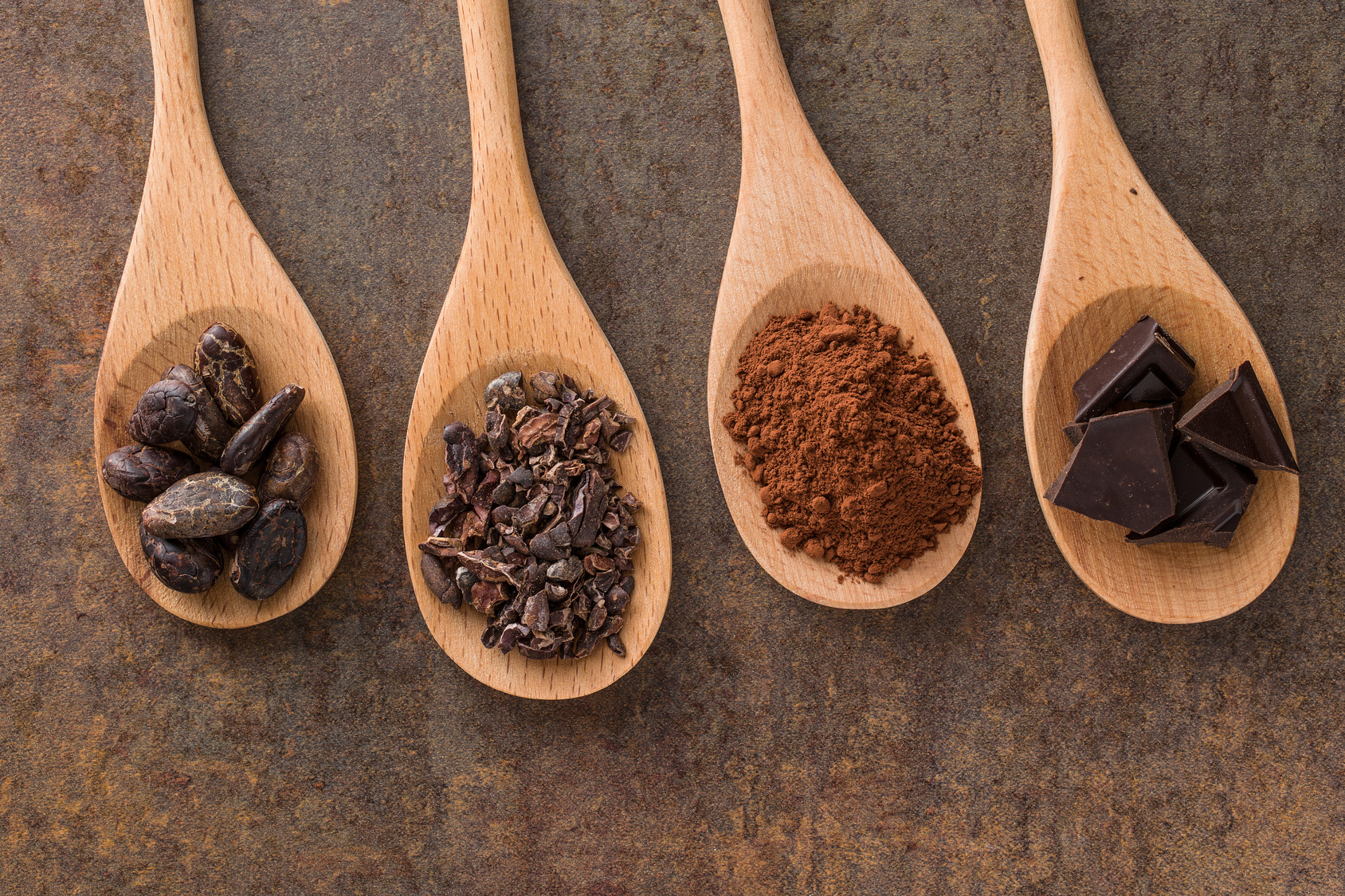
cocoa and dark chocolate in wooden spoonsAmericans buy more than 58 million pounds of chocolate around the holiday of love. Besides the delicious taste, smell and aphrodisiac effects, researchers are continually discovering more health benefits.

The use of cacao for health benefits dates back at least 3000 years. It was revered as a food, medicine and currency in Mexico, Central and South America, where it was also celebrated and incorporated into artwork, legends and sacred rituals. Now, because of extensive research, we know the main health benefits of cacao come from the flavonol epicatechin. The process of manufacturing dark chocolate retains epicatechin, whereas milk chocolate does not contain significant amounts. You can have your chocolate and eat it too, but if you want to enjoy its extensive health benefits be sure to eat high-quality dark chocolate. Or go one step further and enjoy raw cacao, which might take some getting used to for the simple reason we are used to sweetened chocolate. And if you just want the pure and simple health benefits, forego the chocolate and take raw cacao capsules. Although I definitely wouldn’t recommend giving your sweetheart a bottle of cacao capsules on Valentine’s Day. Indulge in the good-tasting stuff!

  1. Chocolate contains good-for-you antioxidants Chocolate comes from the cacao bean, which thrives in hot, rainy climates in South America, Africa and Indonesia. Similar to grapes, the local soil and climate affects the taste of the harvested beans. When you buy a chocolate bar that has the percentage number on the bar wrapper, that represents the weight that comes from the cacao bean content, according to Robert L. Wolke, author of What Einstein Told His Cook: Kitchen Science Explained. The higher the number, the lower the percentage of sugar and the more bitter and complex the flavor, he says. And the higher the number the more antioxidants.
  2. Cacao is rich in magnesium, sulfur, calcium, iron, zinc, copper, potassium and manganese, all essential minerals . . . and antioxidants that support immune health.
  3. Chocolate reduces your risk of Type 2 Diabetes Researchers discovered that the flavanols in chocolate have beneficial effects on insulin resistance, a risk factor for Type 2 diabetes. In a 30-year-long study of 953 men and women from the Maine-Syracuse Longitudinal Study (MSLS), researchers found that the individuals who never or rarely ate chocolate had a significantly higher chance of developing Type 2 diabetes after five years when compared to individuals who ate chocolate more than once a week. Habitual chocolate intake and type 2 diabetes mellitus in the Maine-Syracuse Longitudinal Study: (1975-2010): Prospective observations.
  4. Protects you from heart disease A 2012 report published in the American Journal of Clinical Nutrition found that dark chocolate has a beneficial effect on blood pressure, vascular dilation and cholesterol levels, and can play a role in reducing metabolic precursors that lead to diabetes and eventually to heart disease. However, a study published in October 2016 (John Wiley & Sons, Ltd.) found that out of 32 cocoa product samples analyzed, the cocoa flavanol dose must be about 900 mg or above to decrease blood pressure, and contain 100 mg of epicatechin. So if you want to eat chocolate for health benefits, be sure to check the ingredient label. The aim of the study was to review the effect of cocoa flavanols on cardiovascular health, with emphasis on the doses ingested, and to analyze a range of cocoa products for content of these compounds. PubMed was searched from 2010 to locate systematic reviews (SR) on clinical effects of chocolate consumption.
  5. Supports mental function In a study carried out by the University of L’Aquila in Italy, 90 elderly participants with mild cognitive impairment (MCI) drank cocoa containing high, medium or low levels of flavanoids. At the end of the eight-week study researchers found improvements in the motor response, working memory, task switching, and verbal memory in the participants who drank cocoa with a higher flavanol content. (Hypertension, Aug. 14, 2012) Alzheimer’s and dementia patients are especially fond of sweets because the taste of sweetness is the last taste to disappear.  So if your loved one has Alzheimer’s or dementia, indulge him/her in chocolate. Just remember not to overdo it and make sure to include good dental hygiene in your loved one’s daily regimen.
  6. Helps you think better after a sleepless night The next time you have a bad night’s sleep, instead of indulging in a cup of Joe drink hot chocolate. Sleep deprivation is a risk factor for cardiovascular disease, and scientists have found that flavanol-rich chocolate counteracted vascular impairment after sleep deprivation and restored working memory performance. Their theory is that the study’s participants had improved cognitive performance because of the effects of cocoa flavonoids on blood pressure and blood flow.Flavanol-rich chocolate acutely improves arterial function and working memory performance counteracting the effects of sleep deprivation in healthy individuals.
  7. Makes you feel gooood Scientists have discovered why chocolate uplifts your mood. Serotonin is the neurotransmitter responsible for keeping us happy, and cacao stops the amino acid tryptophan from breaking down. Since tryptophan is one of the amino acids that make serotonin this, in turn, limits the breakdown of serotonin. (Frontiers in Experimental Pharmacology and Drug Discovery, Dec. 2013)

On Valentine’s Day celebrate with your loved one by enjoy a steaming cup of delicious hot chocolate made with whole milk or rice or flax milk. Or indulge in a dark chocolate truffle, candy bar or chocolate ice cream. It’ll boost your spirit and your immunity. Just be careful not to overdo it because the calories can add up quickly.

As an added treat, make this yummy chocolate souffle. It’s easier than you think.

Chocolate Souffle

Ingredients

  • 1⁄3 cup sugar, plus additional for sprinkling
  • 5 ounces bittersweet chocolate chips
  • 3 large egg yolks, at room temperature
  • 6 large egg whites
  • 1⁄8 tablespoon butter

Directions

  • Preheat oven to 375°F.
  • Measure out sugar, chocolate and separate eggs.
  • Butter soufflé dish entirely and then add sugar (additional) coating the entire dish.
  • Melt chocolate in a double boiler, or directly on the stove.
  • Add yolks to chocolate (this will harden the chocolate so don’t be alarmed).
  • Beat egg whites with a pinch of salt. Slowly add sugar, a little at a time. Beat until egg whites hold stiff peaks.
  • Fold white mixture into chocolate slowly and stir until smooth.
  • Pour into large soufflé dish or 4 ramekins and run the end of your thumb around inside to remove any extra batter.
  • Bake until puffed and crusted on top but still jiggly in center, 20 to 25 minutes.
  • Serve immediately with whipped cream or ice cream.

Yay chocolate!

For more articles like this one, please subscribe to barbracohn.com : thehealthycaregiverblog.com


Loneliness vs. Aloneness: Why one is dangerous to your health

Mother and daughter

Loneliness puts one at risk for a number of serious health issues.

When I transferred to a university 2,000 miles from home my second semester sophomore year, I experienced loneliness for the first time. It emerged as a physical sensation in my chest and developed into a mild depression. Four decades later, I have a large network of friends and family, including four grandchildren. I am never lonely, but I’m often alone, and I relish that quiet time.

What is the difference between being lonely and alone, and why is one dangerous to your health?

Loneliness is a complex, uncomfortable emotional response to lack of companionship and or isolation. It is nothing to be ashamed of. Studies have shown that Americans feel increasingly alone. Two recent studies suggest that our society is in the midst of a dramatic and progressive slide toward disconnection. In the first, using data from the General Social Survey (GSS), Duke University researchers found that between 1985 and 2004 the number of people with whom the average American discussed “important matters” dropped from three to two.  Even more stunning, the number of people who said there was no one with whom they discussed important matters tripled: In 2004 individuals without a single confidant made up a quarter of those surveyed.

You might have hundreds of friends on Facebook and still be lonely. Because, according to John T. Cacioppo, a neuroscientist at the University of Chicago and coauthor of Loneliness: Human Nature and the Need for Social Connection (W.W. Norton & Co., Inc., New York, 2008), social networking sites provide people with a false sense of connection that often increases loneliness in people who feel alone. Cacioppo says that social media sites should serve as a supplement to personal interaction, rather than as a replacement. He compares connecting on a Web site to eating celery: “It feels good immediately, but it doesn’t give you the same sustenance,” he says. For people who feel satisfied and loved in their day-to-day life, social media can be a reassuring extension. For those who are already lonely, Facebook status updates are just a reminder of how much better everyone else is at making friends and having fun.

How do we feel lonely?

You can be lonely in a marriage in which you have nothing in common with your spouse who is a work addict or involved in activities that don’t include you. You can feel terribly lonely, as I did, after moving to a new city where you don’t know a soul. Or you can feel lonely (and depressed) if you are adjusting to living alone in the home you shared with a deceased or divorced life partner. New parents often experience loneliness during the early months of a newborn’s life if they are on maternity leave and not interacting with their work colleagues.

Loneliness usually includes feeling anxious or depressed, and can manifest as physical, emotional, mental, and social symptoms. But feelings of depression can also lead to loneliness because often a person who is depressed doesn’t have the energy or will to make the effort to socialize.

The health risks

Older adults who describe themselves as lonely have a 59 percent greater risk of functional decline and a 45 percent greater risk of death. Chronic isolation and loneliness have been linked to depression, physical decline, and even shorter lifespans. It’s a problem that can affect anyone: infants, teens or adults, and evidence suggests Americans are more socially isolated now than ever before.

Researchers have found that prolonged isolation is just as dangerous as obesity, smoking 15 cigarettes a day or alcoholism. Isolation and loneliness can:

  • compromise the immune system
  • contribute to depression and anxiety
  • affect sleep
  • increase stress hormones
  • contribute to premature aging
  • increase the risk of a stroke or heart attack
  • contribute to cognitive decline and risk of dementia
  • lead to the admission to nursing homes or the use of emergency services
  • result in death

The problem of social isolation

An estimated one in five adults over age 50—at least 8 million—are affected by isolation. Although the terms isolation and loneliness are often used interchangeably, they’re not exactly the same thing. Loneliness refers to how people perceive their experience and whether they feel isolated. A person can be surrounded by many people but still feel alone. Isolation, though, can be measured by such things as the size of a person’s social network, availability of transportation, and the ability to access resources and information.

Eradicating isolation has been identified by the American Academy of Social Work and Social Welfare as one of its top challenges today.

Factors that put you at risk for isolation “Framework for Isolation in Adults Over 50,” AARP Foundation (May 2012)

  • Living alone*
  • Mobility or sensory impairment*
  • Major life transitions or losses*
  • Low income or limited financial resources
  • Being a caregiver for someone with a serious condition
  • Psychological or cognitive challenges
  • Inadequate social support
  • Rural, unsafe and/or inaccessible neighborhood
  • Transportation access challenges
  • Language barriers
  • Age, racial, ethnic, sexual orientation and/or gender identity barriers

* Primary factors


Why being alone can be a good thing

I am a professional writer and require a lot of alone time. In fact, I prefer to be in my home office without anyone in the house for hours or days at a time so that I can work without interference. I am also a meditator and love to dive deep into the silence. I love to read, I love to play the piano. I enjoy my own companionship. All these things are solitary activities that strengthen my spirit and feed my soul.

Yet, I need to engage socially after a few days of being snowed in, or after a few days of spending hours at my computer. Over my lifetime, I’ve built up a reserve of people to play with, have lunch with, discuss with, and activities to engage in, and I doubt if I’ll ever feel lonely again as I did when I was 19 and moved to a strange city far from my family and friends.

Ways to feel connected

If you are feeling a lonely or isolated, get ahead of the lonely curve now to expand your social network. Don’t put it off. Getting socially connected might take some effort, but it is definitely worth it for so many reasons. You will gain friendship, companionship, better health, and in the process you will be giving of yourself, which is the best gift of all.

Here are some ideas to help you get going:

  • Volunteer at a school, library, hospital, food bank, etc.
  • Attend religious services/spiritual gatherings
  • Join or start a book club.
  • Plan a neighborhood potluck.
  • Stay physically active and join a hiking/walking club.
  • Take a class to learn something new.
  • Join a “New Mom’s Group,” or go to the senior center for a lecture or interesting program.
  • Teach others how to knit, sew, bake, garden, paint, etc.
  • Get involved in a community project or cause.
  • Host a movie night for your neighbors.
  • Learn how to use social media to stay connected with friends and family.
  • Before you give up your keys, learn about transportation options in your town.
  • Consider living in a co-housing community.

I’d love to hear from you. Please send your story of how you stay connected.

“Life is short, make it sweet.”


The 10 best ways to observe National Alzheimer’s Awareness Month

Ribbons of awarenessIt’s November, which means it’s time to enjoy your Thanksgiving with family and friends.

  1. It’s also time to do your brain a favor and take advantage of the free cognitive exam as part of Medicare’s Yearly Wellness Exam.

Despite clear signs that their memory and thinking abilities have gone downhill, researchers have found that more than half of seniors with these symptoms haven’t seen a doctor about them. University of Michigan researchers and their colleagues say their findings suggest that as many as 1.8 million Americans over the age of 70 with dementia are not evaluated for cognitive symptoms by a medical provider, which in some patients can lead to a failure to uncover modifiable causes of thinking or memory impairment.

The study, published in Neurology, the medical journal of the American Academy of Neurology, documents a clear lack of clinical testing for seniors with signs of cognitive problems.“Early evaluation and identification of people with dementia may help them receive care earlier,” says study author Vikas Kotagal, M.D., M.S., who sees patients at the University of Michigan Health System and is an assistant professor in the U-M Medical School’s Department of Neurology. “It can help families make plans for care, help with day-to-day tasks including observed medication administration, and watch for future problems that can occur. In some instances, these interventions could substantially improve the person’s quality of life.”

For instance, knowing that a stroke or vascular issues in the brain caused dementia means patients can work to control risk factors like blood pressure that might otherwise cause it to keep worsening. If your physician suspects Alzheimer’s disease, there are drugs that can help delay the onset of full-blown dementia, and the possibility of placement in a memory care facility, which can help offset the catastrophic cost of the disease.

If you’ve had Part B for longer than 12 months, you can get the free Medicare Annual Wellness Exam to develop or update a personalized plan to prevent disease and disability based on your current health and risk factors. The exam includes:
• A review of your medical and family history
• Developing or updating a list of current providers and prescriptions
• Height, weight, blood pressure, and other routine measurements
 Detection of any cognitive impairment
• Personalized health advice
• A list of risk factors and treatment options for you
• A screening schedule (like a checklist) for appropriate preventive services. Get details about coverage for screenings, shots, and other preventive services.
This visit is covered once every 12 months (11 full months must have passed since the last visit).

2. Combat stress by playing relaxing music, dancing, using an aromatherapy diffuser, taking an Epsom salt bath, turning off electronics at least an hour before bed, etc. Health professionals agree that stress can lead to chronic illness. And in the case of caregiving, it can actually take years off your life.

3. Become a savvy caregiver. The Alzheimer’s Association has chapters throughout the U.S. and offer free classes ranging from how to make financial plans to learning about the latest research in dementia care. Check out their  Education and Resource Center.

4. Maintain healthy weight. Women with a thick waistline are at increased risk for dementia. As if you don’t have enough to worry about. A 32-year-long study by Swedish researchers, which was recently published in the scientific journal Neurology, found that women who gain weight around their middle and live to at least 70 years old are at twice the risk for developing dementia.

Medical research has already established a link between fat around your middle and a higher risk of dying prematurely from heart attack or stroke. But this new research provides even more incentive for reducing calories obtained from refined carbohydrates such as breads, pastries, cookies, candy, ice cream and pasta.

The research included almost 1,500 women between the ages of 38 and 60 and was started at the end of the 1960s. Thirty-two years later a follow-up found that 161 women with the average age of 75, had developed dementia. This study shows that women who had a pear-shape figure, broader around the waist than hips, had more than twice the risk of developing dementia when they got old.

What is Metabolic Syndrome?

Also called Syndrome X, it’s caused by a diet filled with refined carbohydrates. The cycle goes like this: you eat a bagel with some orange juice and coffee for breakfast. Have an apple mid-morning. A salad with a piece of French bread for lunch. A handful of M & Ms mid-afternoon, pasta and salad for dinner, and some popcorn later while you’re watching TV. Doesn’t sound too terrible. But the thing is, these foods are mostly simple carbohydrates, which means your digestive system converts them into glucose, which causes your blood sugar to rise quickly. Your pancreas responds by pumping out insulin to convert the glucose into quick energy.

The problem is, the more carbohydrates you eat, the more your body pumps out insulin to deal with all the extra blood sugar. Eventually your body becomes overwhelmed by the amount of insulin and sluggish in response to it. Before you know it, you’ve developed insulin resistance, meaning your cells have lost their sensitivity to the hormone and require even more of it to maintain normal glucose levels. When blood sugar and insulin levels go up, Metabolic Syndrome (Syndrome X) and weight gain result.

What can you do about it?

  • If you tend to grow love handles around your middle, do something now to protect your heart and brain.
  • Limit the amount of carbohydrates you eat
  • Include a high-quality protein with every meal, such as salmon or chicken
  • Exercise regularly

Add whole foods to your diet instead of highly processed foods, including brown rice, quinoa, and whole oats, 5-9 servings of fruits and vegetables, cottage cheese, eggs

Take nutritional supplements proven to support healthy glucose levels: Bitter melon Momordica charantia), cinnamon, green tea extract, Salacia reticulata, Banaba leaf, chromium

5. Get regular dental check-ups. It’s hard to determine which comes first, Alzheimer’s disease or inflamed gums, but they seem to go hand in hand. A recent study done at the College of Dentistry, NYU, New York, NY proposes that chronic periodontitis might contribute to the onset and progression of Alzheimer’s disease. Inflammation and Alzheimer’s disease

And in the famous Nun Study, one of the first documented studies of Alzheimer’s in a specific population, the researchers found that the participants with the fewest teeth had a higher incidence of dementia. In fact, the researchers concluded that having very few teeth -one to nine-might be a predictor of dementia late in life

How to prevent gum disease

Frequent dental visits may become necessary to ensure a thorough cleaning of the teeth, roots and gums.

Supplementation with vitamin C is important in order to try to maintain healthy gum tissue.

Lycopene may be effective in treating and preventing gingivitis. Lycopene is the carotenoid which makes tomatoes red. It is a popular supplement for supporting prostate and cardiovascular health, and helps prevent macular degeneration and other types of cancer. A recent study compared just taking lycopene as a supplement to a combination treatment of taking lycopene and root scaling and planing in patients with gingivitis. The groups that were treated demonstrated significant reductions in gingivitis, but the group that received both lycopene and prophylaxis showed a statistically significant reduction in symptoms.The results presented in this study suggest that lycopene shows great promise as a treatment for gingivitis.

Gingvitis vs. Periodontitis

Gingivitis (gum inflammation) usually precedes periodontitis (gum disease). The gums can become swollen and red, and they may bleed while brushing your teeth. Although the gums may be irritated, the teeth are still firmly planted in their sockets, and at this stage, no bone or other tissue damage has occurred.

When gingivitis is left untreated, it can advance to periodontitis, which is an infection caused by bacteria under the gum tissue. The gums can pull away from the tooth, bone can be lost, and the teeth may loosen or even fall out.

Warning signs of periodontal disease:

  • Bad breath or bad taste that won’t go away
  • Red or swollen gums
  • Tender or bleeding gums
  • Painful chewing
  • Loose teeth
  • Sensitive teeth
  • Gums that have pulled away from your teeth
  • Any change in the way your teeth fit together when you bite
  • Any change in the fit of partial dentures

6. Buy a new pair of walking shoes and a comfortable workout outfit. You deserve it! You also owe it to yourself to move your body. For years, health professionals have been preaching about the importance of exercise to cardiovascular and overall health. “Whatever is good for the heart is good for the brain.” The latest study of older adults at increased risk for Alzheimer’s disease is the first evidence that physical activity may protect against cognitive decline and the onset of dementia symptoms in people who carry the genetic marker for Alzheimer’s.

The hippocampus, the brain region responsible for memory and spatial orientation, normally loses some volume as we age. But overtime, people with an increased genetic risk for Alzheimer’s disease experience greater atrophy in that area of the brain, which means they experience greater memory loss and cognitive dysfunction.

The good news is that Dr. J. Carson Smith, a kinesiology researcher in the University of Maryland School of Public Health, and his colleagues found clear evidence that being physically active has the potential to help protect the hippocampus in people at increased risk for Alzheimer’s disease. This is especially significant because if you know that exercise can help delay the onset of the disease and if you engage in an exercise regimen it could extend your longevity and ability to take care of yourself. This, in turn, would reduce the financial burden of needing a caregiver and other medical intervention.

Dr. Smith and colleagues tracked four groups of healthy older adults ages 65-89, who had normal cognitive abilities, over an 18-month period and measured the volume of their hippocampus (using structural magnetic resonance imaging or MRI) at the beginning and end of that time period. The groups were classified both for low or high Alzheimer’s risk (based on the absence or presence of the apolipoprotein E epsilon 4 allele) and for low or high physical activity levels.

Of all four groups studied, only those at high genetic risk for Alzheimer’s who did not exercise experienced a decrease in hippocampal volume (3%) over the 18-month period. All other groups, including those at high risk for Alzheimer’s but who were physically active, maintained the volume of their hippocampus.

Whether you are at high risk for Alzheimer’s or not, it’s never too late or too early to start a daily exercise regimen. If you are sedentary start walking 30 minutes three days a walk, and go from there. Park your car at the opposite end of the parking lot, from where you need to go. Get a walking buddy, or get a dog. Whatever you do, be serious about being physically active. It could have a huge impact on your life and the lives of your loved ones.

7. Sleep more soundly. There are plenty of studies linking poor sleep to a host of physical and psychological ailments: poor immunity, elevated levels of cortisol and insulin, weight gain, diabetes, cardiovascular disease and even Alzheimer’s disease. And irritability, foggy thinking and anxiety, depression and low energy can directly impact your ability to care for another person, do household chores and get in the way of your interpersonal relationships. Discover ways why Good sleep hygiene is the first step to improving your sleep.

8. Include turmeric in your diet. Turmeric is what gives curry its yellow hue and tang. But it does a lot more than flavor the most popular Indian dish. Turmeric has numerous health benefits. Several studies have found a protective effect of curcumin in Alzheimer’s disease and dementia, and it’s no surprise. The senior population in rural Indian has one of the lowest rates of Alzheimer’s disease in the world, and scientists believe it is due to the antioxidant and anti-inflammatory properties of turmeric, and its ability to inhibit the build up of amyloid plaque.

A study done by researchers from the University of Melbourne indicated that curcumin might prevent or improve age-related cognitive decline, dementia and mood disorders. The study included 60 adults between 60 and 85 years old. An hour after taking a curcumin supplement (400 mg) the participants experienced a higher attention span and better memory when compared to the participants who took a placebo. After four weeks of taking the supplement, the curcumin group showed improvement in mood, memory, alertness and feelings of well-being.

How much to take? You can find dietary supplements in tablet and capsule form at health food stores with curcumin extracts in dosages of 400 to 600 mg. The general advice is to take one dose three times daily or as directed on the product.

How to get more turmeric into your diet?

One way is to drink turmeric tea, which is popular among Okinawans, who are known for their longevity.
• Bring four cups of water to a boil.
• Add one teaspoon of ground turmeric and reduce to a simmer for 10 minutes.
• Strain the tea through a fine sieve into a cup, add honey and/or lemon to taste

Sprinkle it on your food—turmeric is especially good added to braised greens. Saute onion in olive oil, add greens of your choice (kale, spinach, Swiss chard), and add 1 tsp of turmeric and a sprinkle of salt.
Add turmeric to eggs, soups, potato pancakes, casseroles. You can’t go wrong, and you can’t overdose on turmeric.

Use as a cold, flu and congestion remedy
Turmeric has been used as a natural remedy for centuries to help prevent and cure respiratory illnesses. The next time you get a cold, try adding it to hot water with grated ginger and a teaspoon of honey. It will perk you up and possibly reduce the length of time you are sick. You might also discover that it helps your memory.

9. Is it time to move your loved one to a memory care home? If your loved one has Alzheimer’s or another form of dementia and it is getting difficult to provide a safe environment for him/her, please take the time NOW, before a crisis arises, is the time to investigate the memory care homes in your area. A good place to start is by calling the county’s senior social services office, or by speaking with an ombudsman who is knowledgeable about the pros and cons of the local memory care homes. Signs that it’s time to make the big move.

10. Evaluate your driving.  Play it safe. If you or a loved one has dementia, please park you car for good. Don’t take a risk of getting lost or worse, injuring yourself or someone else.

November is the perfect time to incorporate a new health regimen into your daily routine. Start today and get a head start at the beginning of the holiday season to maintain healthy weight, strengthen your immunity to flus and colds, and  protect your mental health and memory. 


HAPPY THANKSGIVING!!!!

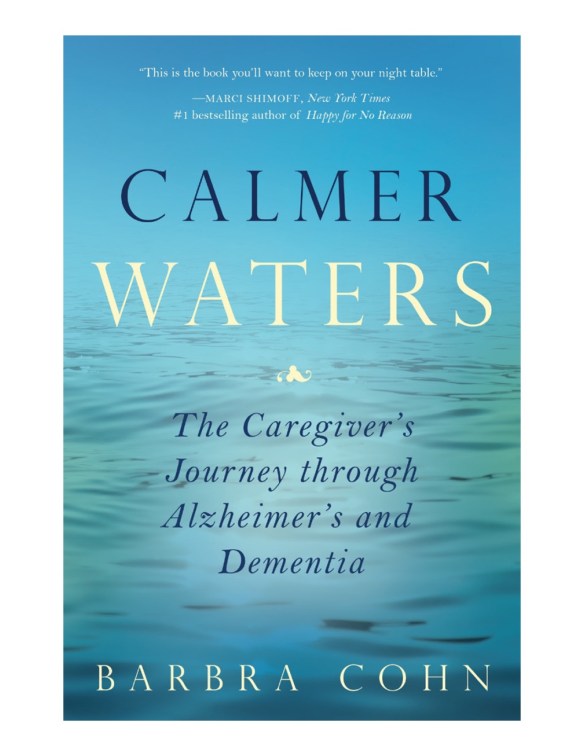
For more information on how you can reduce stress and boost your happiness and health, read Calmer Waters: The Caregiver’s Journey Through Alzheimer’s & Dementia.
BarbraCohn__

8 Ways to Train Your Brain

Intelligence of the human brain

Intelligence of the human brain

National Train Your Brain Day is observed annually on October 13. The observance was created to encourage all of us to exercise our brain and improve our cognitive skills. Doing word puzzles and number games, playing Bridge and reading are every-day activities that are good for the brain. But there are many other things you can do.

  1. Dance as though no one is watching. My book “Calmer Waters: The Caregiver’s Journey Through Alzheimer’s and Dementia” includes a 21-year-long study that was summarized in an article that appeared in the New England Journal of Medicine in 2003. The study found that when compared to 11 other activities including team sports, swimming and bicycling, dancing is the best activity for supporting cognition and staving off mental decline. In fact, the more complex the dance, the better it is for enhancing problem-solving skills and memory. You don’t have to be a great dancer. Just put on your favorite dance music and let loose in your living room. Or, find a dance partner and learn how to salsa, tango, or swing.
  2. Play an instrument. Numerous studies have indicated that listening to music and playing an instrument can reduce anxiety and depression and support cognitive functioning. Playing an instrument sharpens your concentration, boosts listening skills, and supports your time management and organizational skills. The efficacy of music therapy A Study done at the Auditory Neuroscience Laboratory at Northwestern University in Evanston, Illinois, and led by Nina Kraus, shows that musicians suffer less from aging-related memory and hearing losses than non-musicians. It is believed to be the first study to provide biological evidence that lifelong musical experience has a good impact on the aging process. Kraus says the research shows that playing an instrument helps hearing and memory, which is among the most common complaints from normal aging.
  3. Exercise! Dr. Monika Fleshner, researcher/professor at the University of Colorado, Boulder, and contributor to “Calmer Waters,” has spent her career showing that exercise is vital to reducing stress and supporting healthy mental function. “Physically active individuals are stress robust,” says Fleshner. “They demonstrate both stress resistance and stress resilience.” Exercise seems to buffer many of the deleterious consequences of stress, including poor memory. Scientists have also found that exercise encourages the growth of new brain cells in the hippocampus, the area that is crucial to memory and learning.
  4. Say it out loud. When I meet someone for the first time, I inevitably look in the person’s eyes and don’t even listen to their spoken name. As a result, I rarely remember the person’s name. Next time, I will heed the expert advice of repeating the person’s name. This is considered the easiest way to remember everything from where you put your keys to your grocery list. Say it out loud to yourself, or mouth the words, in order to remember quickly.
  5. Get a good night’s sleep. According to a study published in the journal Neuroscience (June 30, 2005) sound sleep triggers changes in the brain that help to improve memory. New memories are formed within the brain when a person engages with information to be learned (for example, memorizing a list of words or mastering a piano concerto). However, these memories are initially fragile. In order to “stick” they must be solidified and improved. This process of “memory consolidation” occurs when connections between brain cells as well as between different brain regions are strengthened, and for many years was believed to develop merely as a passage of time. More recently, however, it has been demonstrated that time spent asleep also plays a key role in preserving memory. So, do your best to work on sleep hygiene. Unplug at least an hour before bed, soak in tub filled with Epsom salts, play soothing music, make sure the room is not too warm, etc. And, never go to bed mad.
  6. Doodle. In memory tests, doodlers performed 29% better than non-doodlers when asked to recall names and places, Experts say doodling doesn’t tax the mind and allows us to concentrate on the task at hand. It stops us daydreaming, too, which is distracting. The same theory holds for coloring in the beautiful new adult coloring books that have become popular the past several years.
  7. Learn something before bed. If you want to consolidate a memory go through the information right before you fall asleep. You’ll have few, if any, interfering memories so you’ll remember it the next day.
  8. Feed your neurotransmitters. These are the chemicals that allow your neurons to talk to one another. They are vital to memory, focus, learning, energy and happiness. Acetylcholine is the primary carrier of thought and memory, and if you don’t have enough of this important neurotransmitter, you will probably have memory and cognitive problems. For healthy acetylcholine production, make sure you’re getting the nutrients that it is made from. Dr. Dharma Singh Khalsa, author of Brain Longevity (Warner Books, Inc. 1997) and the president and medical director of the Alzheimer’s Research and Prevention Foundation in Tucson, Arizona, suggests supplementing with choline, which is present in high amounts in lecithin. Lecithin is available in capsule, granule, liquid, tablet and powder form. The recommended therapeutic dose is 2500 to 3000 mg. four times a day, for a total daily dose of 10,000 to 12,000 mg. In addition, it’s important to take 1000 mg. vitamin C, three times a day, along with 100 mg. of B5, which are needed to transform lecithin into acetylcholine. It’s also advisable to take B6 and zinc, which help in the synthesis of acetylcholine. The nutrient DMAE (dimethylaminoethanol) helps build acetylcholine levels. It is present in your brain in small quantities, and is also found in seafoods, including sardines. Since it is stimulating to the central nervous system, Dr. Khalsa suggests starting out with a low dose of about 40 mg. twice a day, and building up to 200 mg. daily, if you don’t feel overstimulated. 


Turmeric does a body good

fresh turmeric roots on wooden table

Fresh turmeric 


Tumeric is the spice that gives curry its yellow hue and tang. But it does a lot more than flavor the most popular Indian dish. Several studies have found a protective effect of curcumin in Alzheimer’s disease and dementia, and it’s no surprise. The senior population in rural Indian has one of the lowest rates of Alzheimer’s disease in the world, and scientists believe it is due to the antioxidant and anti-inflammatory properties of turmeric,1,2 and its ability to inhibit the build up of amyloid plaque.3

The buzz about inflammation

Inflammation in the body is a good thing; it is the body’s natural response to a cut or injury. When we cut our finger, white blood cells accumulate at the site in order to prevent infection and promote healing. Inflammation serves a vital role in the body. Inflammation is one of the primary mechanisms selected by nature to maintain the integrity of our body against the thousand environmental attacks that we receive every day, according to Luigi Ferrucci, the scientific director of the National Institute on Aging“Inflammation is part of our maintenance and repair system. Without it, we can’t heal.” (“Inflamed”by Jerome Groopman, The New Yorker, Nov 30, 2015.)

Some researchers believe that a chronic state of low-level inflammation in the body can contribute to or trigger chronic diseases such as arthritis and Alzheimer’s disease. Connecting the dots between causation and manifestation of a disease are sketchy. But there are plenty of studies that back up the anti-inflammatory properties of the turmeric.

Turmeric has numerous health benefits. More than 900 published research papers attest to the anti-cancer activity of curcumin, turmeric’s potent extract. And Diabetes Care, a journal of the American Diabetes Association, published a study about curcumin’s ability to help pre-diabetic patients from developing full-blown diabetes.

A study done by researchers from the University of Melbourne indicated that curcumin might prevent or improve age-related cognitive decline, dementia and mood disorders. The study included 60 adults between 60 and 85 years old. An hour after taking a curcumin supplement (400 mg) the participants experienced a higher attention span and better memory when compared to the participants who took a placebo. After four weeks of taking the supplement, the curcumin group showed improvement in mood, memory, alertness and feelings of well-being. 4

How much to take? You can find dietary supplements in tablet and capsule form at health food stores with curcumin extracts in dosages of 400 to 600 mg. The general advice is to take one dose three times daily or as directed on the product.

Use as a cold, flu and congestion remedy
Turmeric has been used as a natural remedy for centuries to help boost immunity and prevent and shorten respiratory illnesses. The next time you get a cold, try adding it to hot water with grated ginger and a teaspoon of honey. It will perk you up and possibly reduce the length of time you are sick. You might also discover that it enhances your memory.

How to get more turmeric into your diet?
1. One way is to drink turmeric tea, which is popular among Okinawans, who are known for their longevity.
• Bring four cups of water to a boil.
• Add one teaspoon of ground turmeric and reduce to a simmer for 10 minutes.
• Strain the tea through a fine sieve into a cup, add honey and/or lemon to taste

2. Sprinkle it on your food—turmeric is especially good added to braised greens. Saute onion in olive oil, add greens of your choice (kale, spinach, Swiss chard), and add 1 tsp of turmeric and a sprinkle of salt.
Add turmeric to eggs, scrambled tofu, soups, potato pancakes, casseroles, rice, etc. You can’t go wrong, and you can’t overdose on turmeric.

Recipes

Golden Milk Recipe

1 cup of almond or coconut milk, ½ t ground turmeric, ½ t ground ginger, ¼ t cardamom and 1 tsp honey. You can also add a pinch of black pepper if you wish. Whisk the ingredients together, strain over a mug

 Ingredients:

• 8 ounces milk (dairy, soy milk, coconut, or nut milk), warmed
• 1⁄2 teaspoon (1⁄4 teaspoon for kids younger than 6) turmeric
• 1⁄4 teaspoon honey

Directions: Combine warm milk and turmeric in a mug and add honey.

Vegetable Curry

  • 1 sweet potato, peeled and cubed
  • 1 medium eggplant, peeled and cubed
  • 2 carrots, chopped,
  • 1 medium onion, chopped
  • 1 Bell pepper, chopped
  • 1 zucchini, sliced
  • 2 cloves garlic, minced
  • 1 15-oz can drained garbanzo beans
  • 1/4 cup cashews
  • 6 Tbs. coconut or olive oil
  • 1 tsp ground turmeric
  • 1 Tbs. curry powder
  • 1 tsp ground cinnamon
  • 1 tsp sea salt
  • 3/4 tsp. cayenne pepper
  • 2 Tbs raisins
  • 1 cup orange juice

Directions

In a large pan or pot saute sweet potato, eggplant, peppers, carrots, onion in six tablespoons oil for 5 minutes.

Add garlic, turmeric, curry powder, cinnamon, salt and pepper and cook for 3 minutes.

Add the garbanzo beans, cashews, zucchini, raisins, and orange juice. Cover and simmer 20 minutes. Serve over rice or quinoa.

Enjoy!

References
1. Chin D1, Huebbe P, Pallauf K, Rimbach G. Neuroprotective properties of curcumin in Alzheimer’s disease–merits and limitations. Curr Med Chem. 2013;20(32):3955-85.
2. Nahar PP1, Slitt AL, Seeram NP. Anti-Inflammatory Effects of Novel Standardized Solid Lipid Curcumin Formulations. J Med Food. 2015 Jul;18(7):786-92. doi: 10.1089/jmf.2014.0053. Epub 2014 Dec 9.
3. Endo H1, Nikaido Y1, Nakadate M1, Ise S1, Konno H2. Structure activity relationship study of curcumin analogues toward the amyloid-beta aggregation inhibitor. Bioorg Med Chem Lett. 2014 Dec 15;24(24):5621-6. doi: 10.1016/j.bmcl.2014.10.076. Epub 2014 Oct 30.
4. Cox KH1, Pipingas A1, Scholey AB2. Investigation of the effects of solid lipid curcumin on cognition and mood in a healthy older population. Journal of Psychopharmacology 2014 Oct 2. pii: 0269881114552744.