7 Reasons to Indulge in Chocolate on Valentine’s Day and All Year Long

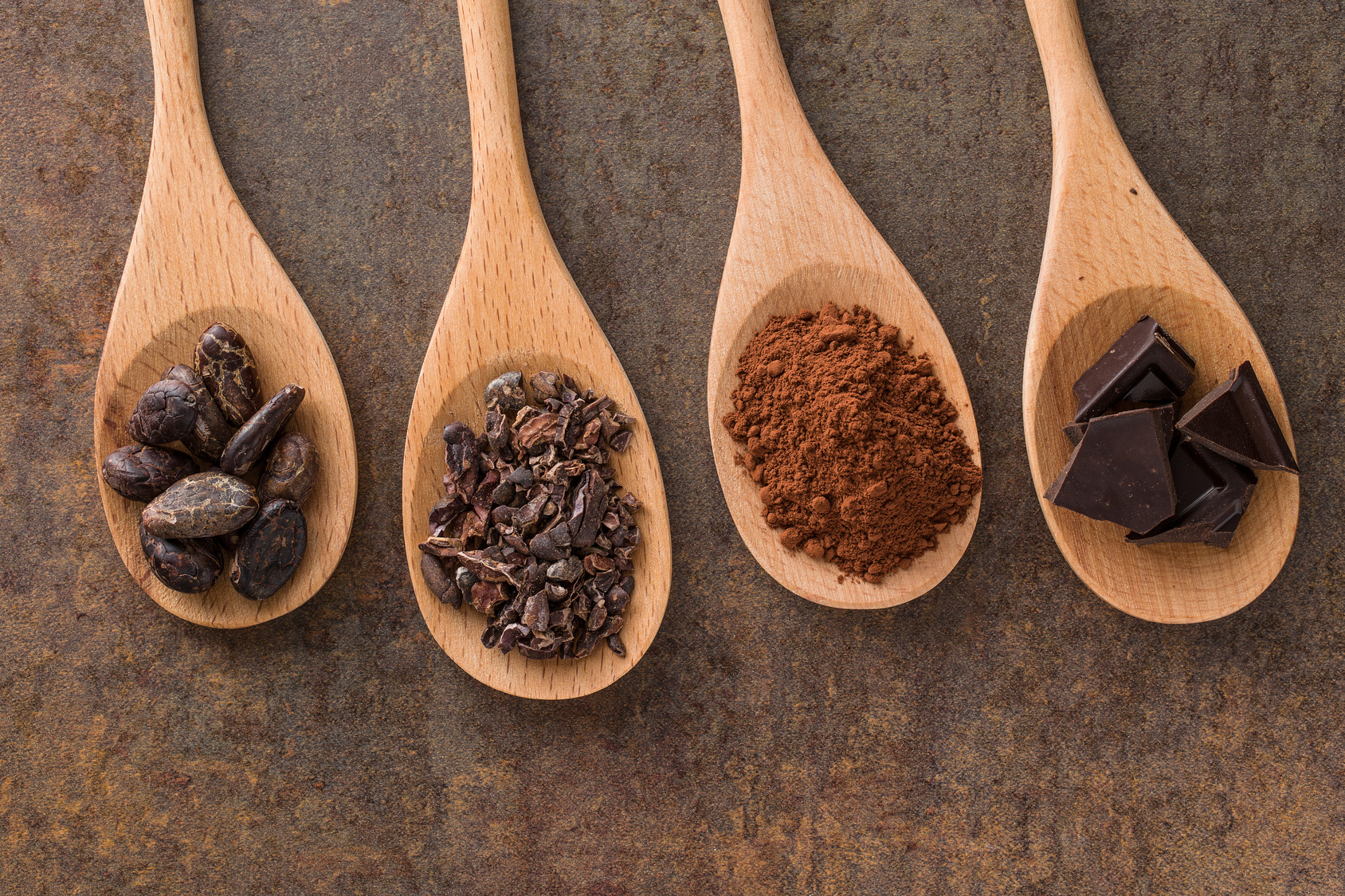
cocoa and dark chocolate in wooden spoonsAmericans buy more than 58 million pounds of chocolate around the holiday of love. Besides the delicious taste, smell and aphrodisiac effects, researchers are continually discovering more health benefits.

The use of cacao for health benefits dates back at least 3000 years. It was revered as a food, medicine and currency in Mexico, Central and South America, where it was also celebrated and incorporated into artwork, legends and sacred rituals. Now, because of extensive research, we know the main health benefits of cacao come from the flavonol epicatechin. The process of manufacturing dark chocolate retains epicatechin, whereas milk chocolate does not contain significant amounts. You can have your chocolate and eat it too, but if you want to enjoy its extensive health benefits be sure to eat high-quality dark chocolate. Or go one step further and enjoy raw cacao, which might take some getting used to for the simple reason we are used to sweetened chocolate. And if you just want the pure and simple health benefits, forego the chocolate and take raw cacao capsules. Although I definitely wouldn’t recommend giving your sweetheart a bottle of cacao capsules on Valentine’s Day. Indulge in the good-tasting stuff!

  1. Chocolate contains good-for-you antioxidants Chocolate comes from the cacao bean, which thrives in hot, rainy climates in South America, Africa and Indonesia. Similar to grapes, the local soil and climate affects the taste of the harvested beans. When you buy a chocolate bar that has the percentage number on the bar wrapper, that represents the weight that comes from the cacao bean content, according to Robert L. Wolke, author of What Einstein Told His Cook: Kitchen Science Explained. The higher the number, the lower the percentage of sugar and the more bitter and complex the flavor, he says. And the higher the number the more antioxidants.
  2. Cacao is rich in magnesium, sulfur, calcium, iron, zinc, copper, potassium and manganese, all essential minerals . . . and antioxidants that support immune health.
  3. Chocolate reduces your risk of Type 2 Diabetes Researchers discovered that the flavanols in chocolate have beneficial effects on insulin resistance, a risk factor for Type 2 diabetes. In a 30-year-long study of 953 men and women from the Maine-Syracuse Longitudinal Study (MSLS), researchers found that the individuals who never or rarely ate chocolate had a significantly higher chance of developing Type 2 diabetes after five years when compared to individuals who ate chocolate more than once a week. Habitual chocolate intake and type 2 diabetes mellitus in the Maine-Syracuse Longitudinal Study: (1975-2010): Prospective observations.
  4. Protects you from heart disease A 2012 report published in the American Journal of Clinical Nutrition found that dark chocolate has a beneficial effect on blood pressure, vascular dilation and cholesterol levels, and can play a role in reducing metabolic precursors that lead to diabetes and eventually to heart disease. However, a study published in October 2016 (John Wiley & Sons, Ltd.) found that out of 32 cocoa product samples analyzed, the cocoa flavanol dose must be about 900 mg or above to decrease blood pressure, and contain 100 mg of epicatechin. So if you want to eat chocolate for health benefits, be sure to check the ingredient label. The aim of the study was to review the effect of cocoa flavanols on cardiovascular health, with emphasis on the doses ingested, and to analyze a range of cocoa products for content of these compounds. PubMed was searched from 2010 to locate systematic reviews (SR) on clinical effects of chocolate consumption.
  5. Supports mental function In a study carried out by the University of L’Aquila in Italy, 90 elderly participants with mild cognitive impairment (MCI) drank cocoa containing high, medium or low levels of flavanoids. At the end of the eight-week study researchers found improvements in the motor response, working memory, task switching, and verbal memory in the participants who drank cocoa with a higher flavanol content. (Hypertension, Aug. 14, 2012) Alzheimer’s and dementia patients are especially fond of sweets because the taste of sweetness is the last taste to disappear.  So if your loved one has Alzheimer’s or dementia, indulge him/her in chocolate. Just remember not to overdo it and make sure to include good dental hygiene in your loved one’s daily regimen.
  6. Helps you think better after a sleepless night The next time you have a bad night’s sleep, instead of indulging in a cup of Joe drink hot chocolate. Sleep deprivation is a risk factor for cardiovascular disease, and scientists have found that flavanol-rich chocolate counteracted vascular impairment after sleep deprivation and restored working memory performance. Their theory is that the study’s participants had improved cognitive performance because of the effects of cocoa flavonoids on blood pressure and blood flow.Flavanol-rich chocolate acutely improves arterial function and working memory performance counteracting the effects of sleep deprivation in healthy individuals.
  7. Makes you feel gooood Scientists have discovered why chocolate uplifts your mood. Serotonin is the neurotransmitter responsible for keeping us happy, and cacao stops the amino acid tryptophan from breaking down. Since tryptophan is one of the amino acids that make serotonin this, in turn, limits the breakdown of serotonin. (Frontiers in Experimental Pharmacology and Drug Discovery, Dec. 2013)

On Valentine’s Day celebrate with your loved one by enjoy a steaming cup of delicious hot chocolate made with whole milk or rice or flax milk. Or indulge in a dark chocolate truffle, candy bar or chocolate ice cream. It’ll boost your spirit and your immunity. Just be careful not to overdo it because the calories can add up quickly.

As an added treat, make this yummy chocolate souffle. It’s easier than you think.

Chocolate Souffle

Ingredients

  • 1⁄3 cup sugar, plus additional for sprinkling
  • 5 ounces bittersweet chocolate chips
  • 3 large egg yolks, at room temperature
  • 6 large egg whites
  • 1⁄8 tablespoon butter

Directions

  • Preheat oven to 375°F.
  • Measure out sugar, chocolate and separate eggs.
  • Butter soufflé dish entirely and then add sugar (additional) coating the entire dish.
  • Melt chocolate in a double boiler, or directly on the stove.
  • Add yolks to chocolate (this will harden the chocolate so don’t be alarmed).
  • Beat egg whites with a pinch of salt. Slowly add sugar, a little at a time. Beat until egg whites hold stiff peaks.
  • Fold white mixture into chocolate slowly and stir until smooth.
  • Pour into large soufflé dish or 4 ramekins and run the end of your thumb around inside to remove any extra batter.
  • Bake until puffed and crusted on top but still jiggly in center, 20 to 25 minutes.
  • Serve immediately with whipped cream or ice cream.

Yay chocolate!

For more articles like this one, please subscribe to barbracohn.com : thehealthycaregiverblog.com


Five surprising causes of memory loss

Mind concept graphic for memory loss or alzheimer's diseaseAfter my husband had a surgical procedure that required anesthesia, not only did he wake up groggy, but his early stage Alzheimer’s disease worsened. He got lost driving in our home town and had more difficulty with everyday activities. Years later, it was a kidney stone that sent him over the edge into a downward spiral. It’s not a surprise that anesthesia can cause memory loss, temporary or permanent. But it came as a surprise when something as common as a kidney stone had a severe impact on my husband’s mental condition and overall health.

There is a link between common infections such as UTIs (urinary tract infections), the flu, colds, and stomach viruses and their effect on memory in the elderly and dementia populations. A significant study found that people with Alzheimer’s, who get even a mild respiratory or gastrointestinal infection, or a bump or bruise are at risk for having a significant, permanent memory loss, according to a report that was published in the September 8, 2009 issue of the journal Neurology. These patients can have high levels of tumor necrosis factor—alpha (TNF-a)—a protein that is linked to inflammation and is associated with memory loss and cognitive decline.

In the study done at the Clinical Neurosciences Research Division at the University of Southampton, United Kingdom, 222 Alzheimer’s patients were followed for six months. Of those, 110 people had an infection or injury that resulted in inflammation. These individuals had twice the memory loss during that period of time as the individuals who did not have an illness or injury. Researchers attribute the memory loss to inflammation. In patients whose TNF-a levels were high to begin with, an infection increased their memory loss to 10 times more than those who had low TNF-a levels. Clive Holmes, PhD, lead researcher, said that this population should be vaccinated against the flu, and infections and injuries should be treated as soon as possible.

Other surprising causes of memory loss

  1. UTIs–Urinary tract infections are notorious for causing delirium and delusional behavior in the elderly. When younger people get a urinary tract infection, they typically experience painful urination, an urgent need to urinate, lower abdominal pain, back pain on one side, and fever and chills. However, an older adult might not experience those symptoms. As we get older our immune system changes and it responds differently to infection. Instead of pain symptoms, seniors with a UTI may show increased signs of confusion, agitation or withdrawal. In older adults with dementia, these behavioral changes may come across as part of that condition or signs of advanced aging. If the underlying UTI goes unrecognized and untreated for too long, it can spread to the bloodstream and become life-threatening. In fact, I have a dear friend who recently died from a UTI that quickly became septic.
  2. Vitamin B12 is essential for normal nerve function. A deficiency can lead to confusion and dementia. It is vital to get 2.4 micrograms of B12 in your diet every day from sources such as dairy products, meat and fish, or from foods fortified with vitamin B12. Vegans must take a B12 supplement since the vitamin is found in animal foods.
  3. Sleep apnea causes one to stop breathing during the night. It can be very brief and very frequent, but it is treatable. Unfortunately, sleep apnea islinked to memory loss and dementia, according to Constantine Lyketsos, MD, director of the Memory and Alzheimer’s Treatment Center at Johns Hopkins Medicine and professor and chair of psychiatry at Johns Hopkins Bayview. You might have sleep apnea if you wake up with a headache and have daytime fatigue — or if your partner complains of loud snoring. A study published in The Journal of Neuroscience found that untreated sleep apnea affects spatial navigational memory. This type of memory includes being able to remember directions or where you put things like your keys. The research suggests that deep sleep, also known as rapid eye movement (REM) sleep, plays an important role in memory. Dr. Lyketsos explains that for people with sleep apnea, oxygen delivery to the brain is interrupted several hundred times during the night . He says, The brain is stressed, so people wake up, and the injury sleep apnea causes can show up as a variety of memory loss symptoms. If you or someone you know has sleep apnea, please make an appointment with your health practitioner.
  4. Some medications such as statins (cholesterol-lowering drugs), sleeping pills, antidepressants, anti-anxiety medications and some painkillers have been found to increase the risk for reversible cognitive side effects, including memory loss and confusion. A commonly prescribed type 2 diabetes drug, metformin, has also been associated with memory problems. A study published in Diabetes Care found that people with diabetes who took the drug had worse cognitive performance than those who did not take it.
  5. Thyroid disease can cause poor memory, especially in seniors. Hypothyroidism is very common in people over 60 and it steadily increases with age. It is believed that up to one in four individuals in nursing homes may have undiagnosed hypothyroidism. Memory loss or declining cognitive functioning which is frequently attributed to old age, might be the only symptom of hypothyroidism in an elderly person. If there is a family history of thyroid disease, past treatment for hyperthyroidism or a history of surgery and/or radiotherapy to the neck, a physician might be able to better establish a link leading to a diagnosis. Thyroid disease is a lifelong disorder that can be treated with medication, but the patient must be closely monitored to make sure the correct dosage is prescribed.

Tips for protecting your memory and keeping you and your loved one healthy and safe

  • Inoculate against flu, pneumonia and shingles
    Boost immunity with zinc, vitamin D and vitamin C
  • Take a complete B-vitamin supplement to make sure you are getting a balanced amount of B vitamins.
  • Prevent falls and accidents (recommended: Complete Guide to Alzheimer’s Proofing Your Home by Mark Warner http://store.nexternal.com/shared/StoreFront/default.asp?CS=ageless&StoreType=BtoC&Count1=668834865&Count2=585975289&CategoryID=3&Target=products.asp
  • Reduce systemic inflammation with a curcumin (turmeric extract) supplement
  • Use a humidifier to moisturize nasal passages and mucous membranes to help keep them healthy
  • Engage in gentle exercise to reduce inflammation
  • Keep hydrated by drinking at least 6-8 glasses of water each day
  • Encourage seniors to use the bathroom several times a day, approximately every two to three hours.
  • Make sure the senior is maintaining good hygiene, with showers at least several times a week.
  • If the person is incontinent, make sure he or she changes undergarments frequently.

There are other articles on my blog that discuss how to support your memory and cognition. Please subscribe today, and feel free to send me your questions.

To your health.

Sincerely,

Barbra Cohn

Turmeric does a body good

fresh turmeric roots on wooden table

Fresh turmeric 


Tumeric is the spice that gives curry its yellow hue and tang. But it does a lot more than flavor the most popular Indian dish. Several studies have found a protective effect of curcumin in Alzheimer’s disease and dementia, and it’s no surprise. The senior population in rural Indian has one of the lowest rates of Alzheimer’s disease in the world, and scientists believe it is due to the antioxidant and anti-inflammatory properties of turmeric,1,2 and its ability to inhibit the build up of amyloid plaque.3

The buzz about inflammation

Inflammation in the body is a good thing; it is the body’s natural response to a cut or injury. When we cut our finger, white blood cells accumulate at the site in order to prevent infection and promote healing. Inflammation serves a vital role in the body. Inflammation is one of the primary mechanisms selected by nature to maintain the integrity of our body against the thousand environmental attacks that we receive every day, according to Luigi Ferrucci, the scientific director of the National Institute on Aging“Inflammation is part of our maintenance and repair system. Without it, we can’t heal.” (“Inflamed”by Jerome Groopman, The New Yorker, Nov 30, 2015.)

Some researchers believe that a chronic state of low-level inflammation in the body can contribute to or trigger chronic diseases such as arthritis and Alzheimer’s disease. Connecting the dots between causation and manifestation of a disease are sketchy. But there are plenty of studies that back up the anti-inflammatory properties of the turmeric.

Turmeric has numerous health benefits. More than 900 published research papers attest to the anti-cancer activity of curcumin, turmeric’s potent extract. And Diabetes Care, a journal of the American Diabetes Association, published a study about curcumin’s ability to help pre-diabetic patients from developing full-blown diabetes.

A study done by researchers from the University of Melbourne indicated that curcumin might prevent or improve age-related cognitive decline, dementia and mood disorders. The study included 60 adults between 60 and 85 years old. An hour after taking a curcumin supplement (400 mg) the participants experienced a higher attention span and better memory when compared to the participants who took a placebo. After four weeks of taking the supplement, the curcumin group showed improvement in mood, memory, alertness and feelings of well-being. 4

How much to take? You can find dietary supplements in tablet and capsule form at health food stores with curcumin extracts in dosages of 400 to 600 mg. The general advice is to take one dose three times daily or as directed on the product.

Use as a cold, flu and congestion remedy
Turmeric has been used as a natural remedy for centuries to help boost immunity and prevent and shorten respiratory illnesses. The next time you get a cold, try adding it to hot water with grated ginger and a teaspoon of honey. It will perk you up and possibly reduce the length of time you are sick. You might also discover that it enhances your memory.

How to get more turmeric into your diet?
1. One way is to drink turmeric tea, which is popular among Okinawans, who are known for their longevity.
• Bring four cups of water to a boil.
• Add one teaspoon of ground turmeric and reduce to a simmer for 10 minutes.
• Strain the tea through a fine sieve into a cup, add honey and/or lemon to taste

2. Sprinkle it on your food—turmeric is especially good added to braised greens. Saute onion in olive oil, add greens of your choice (kale, spinach, Swiss chard), and add 1 tsp of turmeric and a sprinkle of salt.
Add turmeric to eggs, scrambled tofu, soups, potato pancakes, casseroles, rice, etc. You can’t go wrong, and you can’t overdose on turmeric.

Recipes

Golden Milk Recipe

1 cup of almond or coconut milk, ½ t ground turmeric, ½ t ground ginger, ¼ t cardamom and 1 tsp honey. You can also add a pinch of black pepper if you wish. Whisk the ingredients together, strain over a mug

 Ingredients:

• 8 ounces milk (dairy, soy milk, coconut, or nut milk), warmed
• 1⁄2 teaspoon (1⁄4 teaspoon for kids younger than 6) turmeric
• 1⁄4 teaspoon honey

Directions: Combine warm milk and turmeric in a mug and add honey.

Vegetable Curry

  • 1 sweet potato, peeled and cubed
  • 1 medium eggplant, peeled and cubed
  • 2 carrots, chopped,
  • 1 medium onion, chopped
  • 1 Bell pepper, chopped
  • 1 zucchini, sliced
  • 2 cloves garlic, minced
  • 1 15-oz can drained garbanzo beans
  • 1/4 cup cashews
  • 6 Tbs. coconut or olive oil
  • 1 tsp ground turmeric
  • 1 Tbs. curry powder
  • 1 tsp ground cinnamon
  • 1 tsp sea salt
  • 3/4 tsp. cayenne pepper
  • 2 Tbs raisins
  • 1 cup orange juice

Directions

In a large pan or pot saute sweet potato, eggplant, peppers, carrots, onion in six tablespoons oil for 5 minutes.

Add garlic, turmeric, curry powder, cinnamon, salt and pepper and cook for 3 minutes.

Add the garbanzo beans, cashews, zucchini, raisins, and orange juice. Cover and simmer 20 minutes. Serve over rice or quinoa.

Enjoy!

References
1. Chin D1, Huebbe P, Pallauf K, Rimbach G. Neuroprotective properties of curcumin in Alzheimer’s disease–merits and limitations. Curr Med Chem. 2013;20(32):3955-85.
2. Nahar PP1, Slitt AL, Seeram NP. Anti-Inflammatory Effects of Novel Standardized Solid Lipid Curcumin Formulations. J Med Food. 2015 Jul;18(7):786-92. doi: 10.1089/jmf.2014.0053. Epub 2014 Dec 9.
3. Endo H1, Nikaido Y1, Nakadate M1, Ise S1, Konno H2. Structure activity relationship study of curcumin analogues toward the amyloid-beta aggregation inhibitor. Bioorg Med Chem Lett. 2014 Dec 15;24(24):5621-6. doi: 10.1016/j.bmcl.2014.10.076. Epub 2014 Oct 30.
4. Cox KH1, Pipingas A1, Scholey AB2. Investigation of the effects of solid lipid curcumin on cognition and mood in a healthy older population. Journal of Psychopharmacology 2014 Oct 2. pii: 0269881114552744.


Summertime Eating Tips to Help Caregivers Keep Their Cool

Background texture of pink and white rose petals

Rose Petals Make a Delicious Cooling Drink and Jelly


It’s summertime and the livin’ is easy—or at least we’d like it to be. If you’re tired and stressed out from caregiving, here are some tips to help you stay cooler in summer.

According to the ancient Indian system of Ayurveda our body consists of three main elements or doshas—Vatta, Pitta and Kapha. Pitta consists of water and fire. It’s hot, so during summer when the temperature rises we want to eat cooling foods. Eating cooling foods not only keeps us from overheating, it reduces the tendency to get irritable, impatient and angry.

  • 1) First and foremost, stay hydrated. It’s especially important to make sure you and your loved ones are getting enough liquids because when we forget to drink we can become dehydrated quickly, which leads to other health problems. It’s also crucial to keep the brain hydrated in order to maintain mental alertness. Drink plenty of water and stay away from carbonated and caffeinated drinks. Herbal teas, and fresh fruit or vegetable juices are great in summer. Just remember that fruit juices are high in sugar and calories.
  • 2) Enjoy the bounty of summer fruits and vegetables. The summer fruits such as peaches, apricots, cherries, watermelon, cantaloupe, and berries are especially good for helping the body reduce the fiery heat of summer. According to Ayurveda, some of the recommended summer vegetables include cucumber, green leafy vegetables, green beans, squash, zucchini, asparagus, beets and eggplant.
  • 3) Sprinkle on the herbs and spices. They’re easy to use and contribute added flavor and antioxidants to your diet. Cooling spices include cardamom, coriander, fennel and tumeric. Cooling herbs include cilantro, mint and dill.
  • 4) Avoid hot, sour and salty foods including fermented food, red meat, and greasy and spicy food. Excess pitta aggravates the tendency towards heartburn and gastric hyperacidity.
  • 5) Here’s some good news—Ayurveda recommends ice cream during the hot summer months! So by all means, enjoy! Dementia patients are especially fond of ice cream. If the person you are caring for refuses to eat or eats very little, try serving ice cream. It contains protein, calcium and calories, and it’s easy to serve and eat. If weight gain or cholesterol is a concern, select a dairy-free version of America’s favorite dessert. Rice Cream, Coconut Bliss and Soy Delicious make delicious non-dairy, frozen desserts.
  • 6) My roses are bursting with fragrance and beauty. Roses are especially cooling and ff you have rose bushes that are free of chemicals, here’s a special treat to make: Rose Petal Jam. It’s fun and easy and the person you are caring for might even like to get into the act. It’s also very cooling and pacifies irritability. Spread it on toast, put a teaspoon on top of a scoop of ice or add it to warm milk for a yummy nightcap. (see recipe below)
  • 7) Make a lassi using a tablespoon of rose petal jam. Or use this delicious recipe to make the classic, cooling Indian-style milkshake.

Rose Petal Jam

Ingredients

  • ◦ 1 cup fresh rose petals (must never have been sprayed with any chemicals)
  • ◦ 3/4 cup water
  • ◦ 1 lemon, juice of (1/4 cup)
  • ◦ 2 1/2 cups sugar or evaporated cane juice crystals
  • ◦ 1 package pectin
  • ◦ 3/4 cup water

Directions

  1. Puree rose petals, 3/4 cup water and lemon juice in blender until smooth.
  2. Slowly add sugar.
  3. Blend till all sugar has dissolved; (leave in blender) Stir 1 package pectin into 3/4 cup water, bring to a boil, and boil hard for 1 minute. Pour mixture into blender with rose petal mixture until well blended.
  4. Do this very quickly – it sets up FAST!! Pour into small, sterilized jelly jars.
  5. Let set for 6 hours, till firm.
  6. Will keep one month in refrigerator.
  7. Freezes well.


Rose Water Lassi

  • 2 1⁄2 cups plain yogurt
  • 1/2-teaspoon fine sugar
  • ¼ tsp of ground cardamom
  • 2 teaspoons pure rosewater
  • 3⁄4 cups Ice water
  • 1 cup Ice cube cracked
  • Fragrant rose petals for garnish

Blend the yogurt, sugar, cardamom, rose water and iced water in a blender for 2 minutes. Add the ice and process for another 2 minutes. Pour the lassi into tall, refrigerated glasses and garnish with rose petals. Chill out and enjoy!

When the Patient has Trouble Eating

99f56ed5-402e-4a79-87fc-038e8b868a49

Three delicious and nutritous protein shakes

Find more food and nutrition tips in my new book “Calmer Waters: The Caregiver’s Journey Through Alzheimer’s and Dementia”–available wherever books are sold.

Elderly people, people who are ill, and especially people with dementia, sometimes have eating difficulties, which can arise for a number of reasons.

  • Some medications affect taste and decrease appetite.
  • Eating might be one of the few things that a person with Alzheimer’s or dementia still has control over. The memory loss individual might refuse food simply because it’s a way of exerting personal power.
  • A new diet that is introduced due to a health concern such as diabetes, or the introduction of pureed food might cause an individual to refuse food.
  • Depression can result in a lack of interest in food.
  • The sense of taste is the last one to go, but it might be diminished along with the sense of smell.
  • Inactivity can cause loss of appetite, so try to engage the memory loss person in some sort of physical activity. Even a stroll around the block helps.

End-stage Alzheimer’s patients almost always have trouble eating, and ultimately most have trouble swallowing. But if the person you are caring for is losing weight for no particular reason and is still mobile, it is a concern that needs to be addressed. Please consult with your physician when there is any question about weight loss and refusal to eat.

12 Tips for Getting Someone to Eat

  1. Finger foods might be easier to manage than a fork and knife.
  2. Eliminate foods that present a choking risk (hotdogs, chicken or fish that contain bones, etc.)
  3. Provide several small meals throughout the day instead of three large meals.
  4. Make the food tasty by including salt, herbs and spices.
  5. Dementia patients love ice cream. If cholesterol is an issue, substitute a dairy ice cream with a non-dairy frozen dessert such as Rice Dream®, Coconut Bliss or Soy Dream.
  6. Offer healthy snacks throughout the day, such as cheese and apple slices, nut butter on apple slices, smoothies, and diced fresh fruit.
  7. Create a soothing ambience by placing flowers and candles on the table, and playing soft classical music.
  8. Make sure to keep the patient hydrated, especially during the hot summer months.
  9. Provide a comfortable place to eat. If the patient has a bad back, it might be necessary to put a cushion on the chair.
  10. Do a happy, engaging activity before mealtime. Have the memory loss person help set the table or peel vegetables, if possible. Painting, listening to music, playing an instrument, or going for a walk might be all it takes to work up an appetite.
  11. It might be hard for the person to differentiate foods on a plate, especially if they are the same color. Use contrasting colors. For example, serve beets and carrots on white instead of white mashed potatoes on a white plate.
  12. Aromatherapy
  • Bergamot is the flavoring used in Earl Grey Tea. If your patient likes to drink tea, this might be an easy solution. Or, have the person smell bergamot oil, which is used for depression.
  • Citrus oils such as orange, lemon and lime along with ylang-ylang can help alleviate depression.
  • Peppermint and Spearmint are energizing and might stimulate appetite.


Protein shake recipes

Protein shakes are nutritious, filling, and nourishing. Use ingredients of your choice without relying on the sugary nutrition drinks that are generously handed out in institutions.

My favorite delicious and easy-to-make shakes

Banana Berry Shake

  • 1 frozen banana
  • ¼ cup sliced strawberries
  • 8 ounces of milk or non-dairy drink such as soy, almond, or coconut milk
  • 1 scoop of whey protein powder
  • Blend together until smooth.

Berry Sunrise Shake

  • 1/3 cup frozen blueberries
  • 3 medium strawberries
  • 8 ounces of orange juice
  • 1 scoop of whey protein powder
  • Blend together until smooth.

Chocolate, Banana, Peanut Butter Protein Shake

  • 1 banana
  • 2 Tablespoons peanut butter
  • 1-cup almond, soy or coconut milk
  • 1 scoop chocolate protein powder
  • 3-5 ice cubes
  • Blend together until smooth

Enjoy!

Is it really important to eat a good breakfast?

For more information on the importance of good nutrition to prevent caregiver burn-out, including recipes, read my new book “Calmer Waters: The Caregiver’s Journey Through Alzheimer’s and Dementia”—available June 1, 2016 where all books are sold.

Yes! It is absolutely important to eat a good breakfast, and here’s why. This is true for everyone, but especially important for caregivers. It’s recommended that we eat within one hour after waking to stabilize our blood sugar—which has dropped during sleep—so that your mood stays even and you can perform at your best.  If not, you’ll be more apt to reach for a bagel or doughnut or another cup of coffee. After loading up on carbs and empty calories (lacking in nutrition), it’s typical to feel hungry again within a couple hours. And every time our blood sugar crashes, it’s a signal to the body to store calories. The same goes for a hungry body. If you don’t eat breakfast, your blood sugar will be low, and this too is a signal to the body to store calories, which adds fat around your middle.

One of the most critical things you can do for your health and your mood is to keep your glucose levels stable. And that means it’s important to include a healthy protein with breakfast. 

Low blood sugar impairs your concentration and judgment, leaves you tired and fuzzy-headed, and sometimes makes you irritable. These symptoms often disappear after you eat something and your blood sugar rises. Part of the solution is emphasizing a diet rich in protein and non-starchy, high-fiber vegetables. Both protein and fiber help stabilize blood-sugar and insulin levels, which helps to prevent mood swings.

Some things to be aware of

What if you feel hungrier after breakfast? Your body has adapted to not eating breakfast or to eating a poor breakfast. Try eating less at night, or if you eat breakfast at 8am and get hungry at 10am, have a snack that contains protein, such as a protein shake, a small handful of nuts, yoghurt and fruit, or cottage cheese and fruit. You don’t want to get ravenous before lunch and then make a poor food choice.

What if you’re nauseous in the morning but you’re not pregnant? This might be an indication that your blood sugar is too low, and it’s important that you eat!

I need my caffeine fix! Is that bad? Studies show that those who drink the most coffee often suffer from chronic depression because caffeine depletes the body of B vitamins—crucial for dealing with the stress of caregiving —, vitamin C, calcium, potassium and zinc. Caffeine increases thirst because it dehydrates the body, and it overstimulates and weakens the kidneys, pancreas, liver, nervous system, stomach and intestines.

According to the Mayo Clinic, 2-3 cups of coffee can spike systolic pressure up to 13 points and diastolic pressure up to 14 points. If you have high blood pressure, limit your coffee intake to 3 cups a day, and avoid drinking it before exercise or physical labor, which both naturally raise blood pressure.

On the other hand, studies have show that caffeine can delay Alzheimer’s disease in people who are at risk. A study published in the Journal of Alzheimer’s Disease (2012) found that people older than 65 who had higher blood levels of caffeine developed Alzheimer’s disease 2-4 years later than people with lower caffeine levels. The study included 124 people who had mild cognitive impairment (MCI). Typically, 15% of people with MCI will go on to develop full-blown Alzheimer’s disease each year.

The study participants who had less than 1,2000 ng/ml of caffeine levels in their blood developed Alzheimer’s. This is equivalent to drinking several cups of coffee a few hours before their blood was taken. The people whose memory loss did not progress to full-blown Alzheimer’s had higher levels of caffeine in their blood. Coffee appeared to be the only source of caffeine for the participants in the study.

So monitor how you feel after you drink coffee. A safer choice might be a cup of chai or green tea, which has numerous heath benefits, including antioxidant protection.

Breakfasts of Champions

Instead of eating a bowl of cornflakes with a banana and low-fat milk, have a 2-egg omelet, slice of whole grain toast, a cup of fresh fruit and a cup of steamed greens such as kale. Then notice the difference in how you feel. You’ll have more stamina, less anxiety and depression, and will able to get through the whole day more easily.

Other ideas

  • Whole-grain mini-quiche with 1/2 cup berries
  • Oatmeal with prunes or raisins, walnuts or almonds, and cinnamon, whole milk
  • Multigrain hot cereal, Greek yoghurt and fresh fruit, almonds
  • Eggs with beans, salsa, and a side of greens
  • Bagel with hummus, tomato and goat cheese
  • Smoothie with greens, fruit, protein and flax

Recipe for Gluten-free Flax Meal Muffins

  •  ¾ cup brown rice flour
  • ¾ cup buckwheat flour
  • ½ cup ground flaxseed
  • ½ cup date sugar (or sweetener of your choice)
  • 1 tsp baking soda
  • ½ tsp ground cinnamon
  • ¼ tsp ground nutmeg
  • ¼ tsp salt
  • ½ cup raisins
  • 2 eggs
  • ¼ cup oil of your choice (I used grape seed oil)
  • 1/2 cup unsweetened applesauce
  • 1 cup buttermilk or coconut milk

Preheat oven to 375º. Line a 12-cup muffin tin with unbleached paper liners and set aside. In a large bowl, whisk together brown rice flour, buckwheat flour, flaxseed, sweetener, baking soda, cinnamon, nutmeg, salt and raisins.

In a second large bowl, whisk together eggs, oil, applesauce and buttermilk. Add flour mixture to buttermilk mixture and stir until just combined.

Spoon batter into prepared muffin tins and bake until golden brown and a toothpick inserted in the center of a muffin comes out clean, about 30 minutes. Cool muffins in pan for 5 minutes before transferring to a wire rack to finish cooling.

Recipe for overnight oatmeal made in a slow cooker

  • 2 cups old fashioned rolled oats –do not use the instant oats. (serves 4)
  • 1 3/4 cups water

or

  • 1 cup steel cut oats (serves2)
  • 4 cups water
  • Mix oats and water in slow cooker and set for 8-9 hours. These recipes work in a 1 1/2 – 2 1/2 quart capacity slow cooker.

The possibilities of things to add are endless. Some ideas: maple syrup, honey, butter, milk, coconut milk, brown sugar, raisins, dried apricots, prunes, dried cherries, dried coconut, fresh fruit, cinnamon, ginger, almond butter, apple butter, chia seeds, chopped walnuts or almonds, flax meal, etc.

Try some of these recipe and let me know how you feel. Have a great breakfast, and a great day!


Healthy Holiday Sweets for People with Dementia and for Everyone Else

It seems that people with dementia, and the elderly population in general, really love ice cream and sweets. A healthy, vital human being has between 10,000 and 15,000 taste buds. But as we age we start to lose sensitivity to salty and bitter tastes. Simultaneously, the sense of smell begins to wane, impacting the sense of taste even more. Additionally, some medications have a tendency to deplete our sensitivity to certain tastes.

The sense of taste in people with Alzheimer’s or Parkinson’s disease is more dramatically affected by the progression of the disease. The taste of sweet is the first taste we are exposed to as infants, and the last one that we enjoy as we reach the end of life. So it makes sense that as people progress through the stages of Alzheimer’s disease they enjoy sweets more than other foods

The problem is sugar is not a healthy food. It wreaks havoc on the immune system and blood glucose levels. Here are two healthy alternatives to white sugar.

Stevia is a South American herb that is processed into a white powder or liquid. It has been used for more than 30 years in foods in Japan. Stevia contains no calories and no carbs and is 25 to 30 times sweeter than sugar. The best thing about stevia is that it is good for you, and is much healthier than artificial sweeteners such as aspartame, saccharin and sucralose. Stevia does not contribute to tooth decay and helps control normal blood sugar levels, making it a safe, healthy sweetener for diabetics. The one downside of stevia is that it has a unique flavor that doesn’t appeal to everyone.

Stevia in available in most health food stores. You can also buy 12 different liquid stevia flavors (vanilla cream, English toffee, dark chocolate, root beer, etc.) from the Healthy Shopping Network, http://www.healthyshopping.com/Stores/List.asp?Sid=12

In general, when substituting stevia for sugar, follow these guidelines:

1 Tsp Stevia (powered)=1 Cup Sugar
1 Tsp Stevia (liquid)=1 Cup Sugar
1/2 Tsp Stevia=1 Tbsp Sugar
6 Drops liquid Stevia=1 Tbsp Sugar
A pinch of Stevia=1 Tsp sugar
2 drops liquid stevia=1 Tsp sugar

Recipes using stevia

Banana Bread
Pre-heat oven to 325°
Oil and dust a bread pan with a bit of flour

Ingredients
3 bananas
1-¾ cups flour (substitute gluten-free flour or almond flour, if you like)
1/4 tsp powdered stevia extract
1/2 tsp stevia concentrate
1 tsp. baking soda
½ cup canola oil
1 egg
½ cup chopped walnuts (optional)

Puree bananas in a food processor. Add the dry ingredients, and then the egg and oil. Don’t over process! Blend until the mixture is moist and evenly blended. Mix in the walnuts. Bake for 50 minutes to 1 hour, or until an inserted toothpick comes out clean. Turn out the loaf and cool on a rack.

The following two recipes are from
Rita DePuydt”s Stevia: Naturally Sweet Recipes for Desserts, Drinks and More! Published by Book Publishing Company

Hot Cocoa
(4 to 5 servings)
3 tbsp cocoa
1/2 tsp powdered stevia extract
4 to 5 cups of soymilk, coconut milk or cow’s milk
2 tbsp honey or maple syrup
1 tsp vanilla extract
Mix the cocoa and stevia extract together in a medium-sized saucepan. Add about 1/2 cup of the soymilk or milk to the dry ingredients to make a paste. Gradually thin the paste with about ½ cup of the milk. Add the hone or maple syrup while bringing to a low boil. Boil for 2 to 3 minutes. Add the rest of the milk to the desired richness. Add the vanilla and return to burner until heated through.

Coconut Fig Chews

1/2 cup chopped figs
1/2 cup unsweetened fruit juice or water
1 cup unsweetened coconut
1/2 cup unsweetened sesame seeds
1/8 tsp salt
1/2 tsp powdered stevia extract
2 tablespoons cashew butter
1/3 cup whole-wheat pastry flour
Preheat the oven to 350 degrees F. Oil a cookie sheet
Stew the chopped figs in the fruit juice or water for 8 to 10 minutes. Add the coconut to the pan, mix and set aside.
Grind the sesame seeds in a blender. In a mixing bowl, place the stewed figs and coconut, ground sesame seeds, salt, stevia extract, cashew butter, and flour. Mix well. Shape the cookies with your hands. Place on the cookie sheet and flatten slightly.
Bake for 12 to 14 minutes

Coconut sugar is another healthy sweetener that can be used as a sugar replacement in all baked goods. It doesn’t taste like coconut and isn’t quite as sweet as white sugar. Coconut sugar comes from the nectar of tropical coconut palm blossoms. The sweet sap from the blossoms is boiled until it thickens and caramelizes. It is then ground into very fine crystals that are called coconut sap sugar. Substitute the same amount of coconut sugar for white sugar in your recipes.

Coconut sugar has a low glycemic index of 35. The glycemic index provides a measure of how quickly blood sugar levels (i.e. levels of glucose in the blood) rise after eating a particular type of food. The higher the glycemic index the faster your blood sugar levels rise.
White sugar has a glycemic index of 60 to 65. Corn syrup has a glycemic index of 100 to 115. Brown sugar has a glycemic index of 70.

Coconut sugar contains 16 of the 20 amino acids, including glutamine, which helps reduce sugar cravings. Glutamine is also important for healthy brain function. Coconut sugar is also rich in minerals and contains the vitamin B complex.

Granulated coconut sugar is available at health food stores and online. http://astore.amazon.com/livheamom-20/detail/B0043Q3LH6
Makes sure to look on the level to make sure it is 100% coconut sap sugar.

Enjoy your holidays and enjoy sharing your sweets made with healthy sweeteners!

7 Summertime Eating Tips for Care Partners

It’s summertime, and the livin’ is easy—or at least we’d like it to be. If you’re tired and stressed out from care giving, here are some tips to make mealtime easier, for you and your care partner.

According to the ancient Indian system of Ayurveda our body consists of three main elements or doshas—Vatta, Pitta and Kapha. Pitta consists of water and fire. It’s hot, so during summer when the temperature rises we want to eat cooling foods. Eating cooling foods not only keeps us from overheating, it reduces the tendency to get irritable, impatient and angry.

1)   First and foremost, stay hydrated. It’s especially important to make sure dementia patients are getting enough liquids because they forget to drink and can become dehydrated quickly, which leads to other health problems. It’s also crucial to keep the brain hydrated in order to maintain cognition. Drink plenty of water and stay away from carbonated and caffeinated drinks. Herbal teas, and fresh fruit or vegetable juices are great in summer. Just remember that fruit juices are high in sugar and calories.

2)   Enjoy the bounty of summer fruits and vegetables. The summer fruits such as peaches, apricots, cherries, watermelon, cantaloupe, and berries are especially good for helping the body reduce the fiery heat of summer. According to Ayurveda, some of the recommended summer vegetables include cucumber, green leafy vegetables, green beans, squash, zucchini, asparagus, beets and eggplant.

3)   Sprinkle on the herbs and spices. They’re easy to use and contribute added flavor and antioxidants to your diet. Cooling spices include cardamom, coriander, fennel and tumeric. Cooling herbs include cilantro, mint and dill.

4)   Avoid hot, sour and salty foods including fermented food, red meat, and greasy and spicy food. Excess pitta aggravates the tendency towards heartburn and gastric hyperacidity.

5)   Here’s some good news—Ayurveda recommends ice cream during the hot summer months! So by all means, enjoy! Dementia patients are especially fond of ice cream. If the person you are caring for refuses to eat or eats very little, try serving ice cream. It contains protein, calcium and calories, and it’s easy to serve and eat. If weight gain or cholesterol is a concern, select a dairy-free version of America’s favorite dessert. Rice Cream, Coconut Bliss and Soy Delicious make delicious non-dairy, frozen desserts.

6)   My roses are bursting with fragrance and beauty. Roses are especially cooling and ff you have rose bushes that are free of chemicals, here’s a special treat to make: Rose Petal Jam. It’s fun and easy and the person you are caring for might even like to get into the act. It’s also very cooling and pacifies irritability. Spread it on toast, put a teaspoon on top of a scoop of ice or add it to warm milk for a yummy nightcap. (see recipe below)

7)    Make a lassi using a tablespoon of rose petal jam. Or use this delicious recipe to make the classic, cooling Indian-style milkshake.

Rose Petal Jam

 Ingredients

  • 1 cup fresh rose petals (must never have been sprayed with any chemicals)
  •  3/4 cup water
  • 1 lemon, juice of (1/4 cup)
  • 2 1/2 cups sugar or evaporated cane juice crystals
  • 1 package pectin
  • 3/4 cup water


Directions

  1. Puree rose petals, 3/4 cup water and lemon juice in blender until smooth.
  2. Slowly add sugar.
  3. Blend till all sugar has dissolved; (leave in blender) Stir 1 package pectin into 3/4 cup water, bring to a boil, and boil hard for 1 minute. Pour mixture into blender with rose petal mixture until well blended.
  4. Do this very quickly – it sets up FAST!! Pour into small, sterilized jelly jars.
  5.  Let set for 6 hours, till firm.
  6. Will keep one month in refrigerator.
  7. Freezes well.

Rose Water Lassi

  • 2 1⁄2 cups plain yogurt

  • 1/2-teaspoon fine sugar

  • ¼ tsp of ground cardamom
  • 2 teaspoons pure rosewater

  • 3⁄4 cups Ice water

  • 1 cup Ice cube cracked

  • Fragrant rose petals for garnish

Blend the yogurt, sugar, cardamom, rose water and iced water in a blender for 2 minutes. Add the ice and process for another 2 minutes. Pour the lassi into tall, refrigerated glasses and garnish with rose petals. Chill out and enjoy!