

It’s a shock to receive a dire prognosis. The day I listened to the doctor tell my husband that he had Alzheimer’s remains as one of those pivotal, earth-shaking moments that changed the course of my family’s life.
I’ve been hearing about more and more people, young and old, who are getting an Alzheimer’s diagnosis. It’s okay to cry, to throw a tantrum, and to feel numb. I remember calling my parents in disbelief and saying that my life wasn’t supposed to turn out this way. I was only 48 years old. I lost my spouse at 58. Now at 71, I look back and see how far I’ve come. Ten years of navigating the Alzheimer’s world, taking care of my husband, having him live in a memory care home, and seeing it through until the end, definitely took a toll on me — physically and emotionally. I still tear up when I think about it.
Whether you are the caregiver or the person who has dementia, the important thing to tell yourself is that you will get through this. But there are things you must do — starting today — to help yourself and your loved one(s).
- Get in touch with your local Alzheimer’s Association. https://www.alz.org/ They are a godsend and do amazing work helping caregivers and people with dementia, and funding research. Check out their education programs such as “Managing Money: A Caregiver’s Guide to Finances” https://training.alz.org/products/4355/managing-money-a-caregivers-guide-to-finances?_gl=1*ec354i*_ga*MTkxNzM3NzMxOS4xNzAzMDk3NDQ5*_ga_9JTEWVX24V*MTcwMzA5NzQ0OC4xLjEuMTcwMzA5NzU4MS4xOC4wLjA. Or, “Living with Alzheimer’s: For People with Alzheimer’s Disease.”
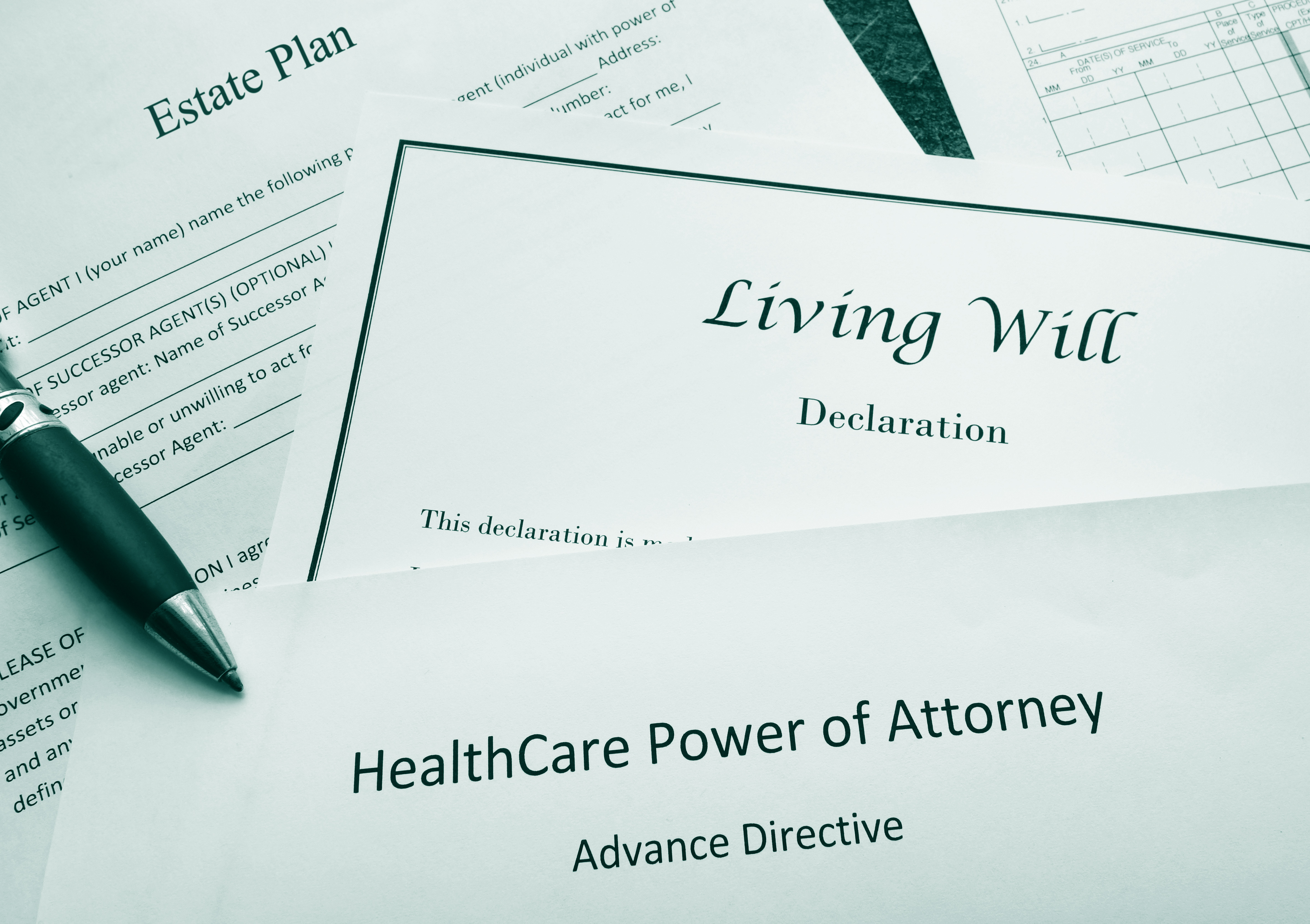
- Make an appointment with an elder attorney to figure out how to best plan for the future. (http://National Academy of Elder Law Attorneys). As soon as possible, designate who will be your powers of attorney, including durable general power of attorney and medical power of attorney. Put a lot of thought into it. You want to make sure the people you put your trust in are people you know will have your best interests and wishes in mind.
- Consult with a professional about long-term care Medicaid to see if you qualify and what you might do to qualify if you currently don’t. Making these plans while you or your loved one are still able to is a great gift.
- Enlist family members and neighbors who you can count on to be helpful. Designate someone as an emergency contact. Share your contact information with them and let them know you might need their help at some point.
- Share your feelings with your closest friends and family. Don’t do what I did and try to keep the diagnosis a secret. That became a huge stressor for me.
- Consider adult daycare programs that provide care, companionship, and supervision during the day. To find out more about centers where you live, contact your local aging information and assistance provider or Area Agency on Aging (AAA). For help connecting to these agencies, contact the Eldercare Locator at 1-800-677-1116 or https://eldercare.acl.gov.
The National Adult Day Services Association is a good source for general information about adult daycare centers, programs, and associations. Call 1-877-745-1440 or visit http://www.nadsa.org. - Schedule a weekly walk with a friend or neighbor. The exercise and socialization will do you good.
- Remove area rugs from the house and other items that may pose a fall risk. And make sure there is sufficient lighting in the house.
- Do everything you can to reduce stress. Have a family meeting in which everyone can participate in the sharing of care. It’s important to divvy up tasks because there will be plenty of them in the long, fraught Alzheimer’s journey. Even if someone lives across the country, that person can share the responsibility of calling in prescription drugs, ordering food to be delivered, setting up appointments, etc.
- Stay engaged in activities that you’ve always enjoyed. Dance, sing in a choir, play an instrument, garden, play a sport or cards. Alzheimer’s and other dementias are not contagious. Enjoy your life the best way you can by staying engaged in your favorite activities for as long as possible.

Barbra Cohn cared for her husband Morris for 10 years. He passed away from younger-onset Alzheimer’s disease in 2010. Afterward, she was compelled to write “Calmer Waters: The Caregiver’s Journey Through Alzheimer’s & Dementia”—Winner of the 2018 Book Excellence Award in Self-Help—in order to help other caregivers feel healthier and happier, have more energy, sleep better, feel more confident, deal with feelings of guilt and grief, and to ultimately experience inner peace. “Calmer Waters” is available at Amazon, Barnes & Noble, Boulder Book Store, Tattered Cover Book Store, Indie Bound.org, and many other fine independent bookstores, as well as public libraries.


 thehealthycaregiverblog