7 “mistakes” you’re making as a caregiver for someone with Alzheimer’s and what to do about it.

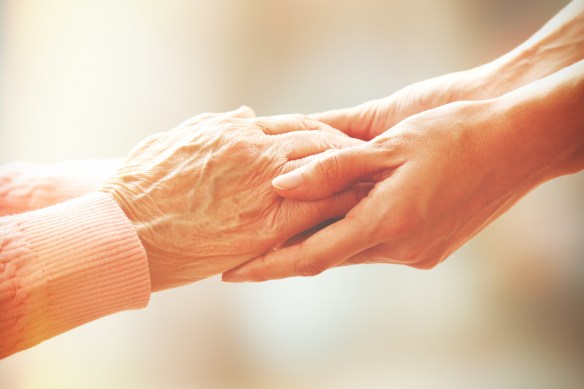
Helping hands, care for the elderly concept

If you’re like most caregivers you are tired, stressed, and some days just can’t wait to crawl into bed. Are you taking care of yourself? Are you getting enough rest? Do you have the support you need? Are you listening carefully to the person you lovingly care for? Here’s a quick check-list for assessing how well you are caring for yourself and your loved one.

  1. Are you eating a poor breakfast or skipping breakfast? It is so important to begin the day with a nourishing meal. This is true for everyone, but especially important for caregivers. It’s recommended that we eat within one hour after waking to stabilize our blood sugar—which has dropped during sleep—so that your mood stays even and you can perform at your best.  If not, you’ll be more apt to reach for a bagel or doughnut or another cup of coffee. After loading up on carbs and empty calories, it’s typical to feel hungry again within a couple of hours. And every time our blood sugar crashes, it’s a signal to the body to store calories. The same goes for a hungry body. If you don’t eat breakfast, your blood sugar will be low, and this too is a signal to the body to store calories, which adds fat around your middle. And, of course, the same applies to the person you care for.

Breakfasts of Champions

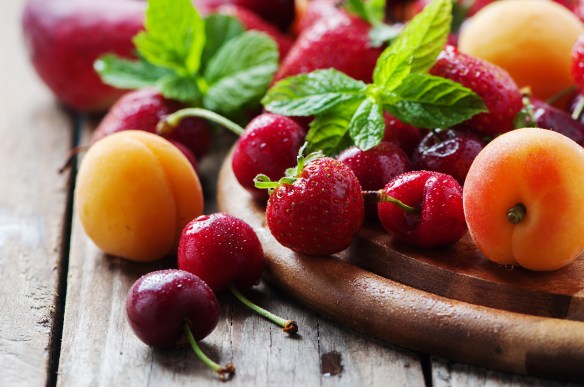
Instead of eating a bowl of corn flakes with a banana and low-fat milk, have a 2-egg omelet, slice of whole grain toast, a cup of fresh fruit and a cup of steamed greens such as kale. Then notice the difference in how you feel. You’ll have more stamina, less anxiety and depression, and will able to get through the whole day more easily.

Other ideas

  • Whole-grain mini-quiche with 1/2 cup berries
  • Oatmeal with prunes or raisins, walnuts or almonds, and cinnamon, whole milk
  • Multigrain hot cereal, Greek yoghurt and fresh fruit, almonds
  • Eggs with beans, salsa, and a side of greens
  • Bagel with hummus, tomato and goat cheese
  • Smoothie with greens, fruit, protein and flax

2. Do you say “Remember when . . . .or, I told you already . . .”

People with dementia typically do not remember what they said a few minutes ago. If your loved one repeats the same question over and over again, try not to get annoyed. Instead of reminding the person that they forgot what you told them a second ago rephrase it, breaking it down into a simple sentence . . . or completely change the subject.

If you reminisce about something instead of saying, “Remember when we were kids and we’d ride around the neighborhood on our bikes, etc.” tell the story: “You had a red bike and I had a blue bike and we loved to ride through the woods on the bike path, etc.”

If he or she asks about a spouse or parent who has passed away, change the subject to something like this: “Mom and Dad met in New York City at a dance, etc.” If the person keeps asking when he or she can go “home” ask the person to tell you about “home.” You might have to distract your loved one by taking a walk, listening to music, looking at pictures in a book or magazine. Saying “You are already home,” probably will not work.

3. Unusual irritability or anger can be the sign of a UTI or other physical ailment that requires attention. Acting out or acting differently than what is the person’s usual behavior can be a cry for help, especially if the person is non-verbal. Make an appointment to see a doctor to rule out anything suspicious.

4. How well are you sleeping? There are plenty of studies linking poor sleep to a host of physical and psychological ailments: poor immunity, elevated levels of cortisol and insulin, weight gain, diabetes, cardiovascular disease and even Alzheimer’s disease. And irritability, foggy thinking and anxiety, depression and low energy can directly impact your ability to care for another person, do household chores and get in the way of your interpersonal relationships. Good sleep hygiene is the first step to improving your sleep. Click here to read a list of things to try when you are stressed, your mind is on overload, or when you’ve just had too much stimulation and can’t fall asleep or stay asleep.

5. Are you and/or your loved one lonely? Caregiving can isolate us from our friends and family.  You may feel that your social network has disappeared or that your friends have “jumped ship.” This may also be true for the person you care for. Set up times for family and friends to visit or take your loved one on an outing. And don’t be afraid to ask your own friends for support. Find respite care and set up a lunch date with a friend. It’s vital to have social interaction for your mental, physical and emotional health.

6. Is there adequate lighting in the home where your loved one lives? People with dementia can become fearful because they don’t see things spatially the same way we do. Their sense of space is distorted and their vision gets skewed, not because there is something physically wrong with their eyes. But rather, the brain interprets what the eyes see, and when the brain doesn’t work right our perception gets distorted. Two things you can do to help are to put extra lights in dark areas of the living quarters and remove throw rugs in order to reduce falls.

7. Are you and your loved adequately hydrated? Drink at least 6-8 glasses of water each day to keep your body hydrated and to flush out toxins. The brain is 70% water when fully hydrated. When it is dehydrated, neurotransmission—which is heavily dependent on water—is impaired, resulting in poor memory, concentration and impaired abstract thinking. The same goes for your loved one. Memory is much improved when the brain is hydrated. Seniors often lose the signal that they are thirsty and dehydration can be a serious problem for the frail and elderly. If your loved one lives in a memory care home or nursing home, make sure water is provided throughout the day–not just that it is available but that it is offered.


Caregiving is probably the hardest thing you will ever do. You are doing the best that you can, but please remember to take care of yourself.

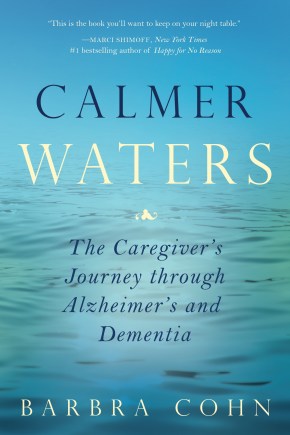
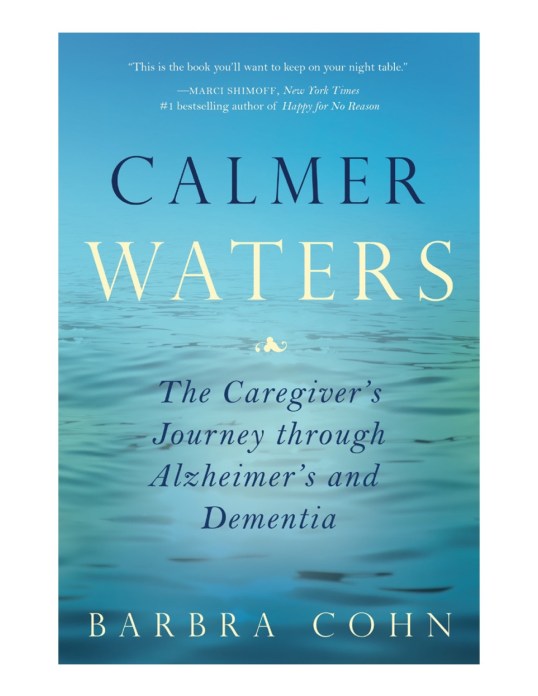
For more information on how you can reduce stress and boost your happiness and health, read Calmer Waters: The Caregiver’s Journey Through Alzheimer’s & Dementia.
 

12 quick energy and stress fixes to use throughout the holiday season . . . and all year long

Young ambitious executive enjoying his business success as he stThe holidays are stressful for everyone, but especially for caregivers. Here’s a list of some of my favorite stress relievers and energy boosters.
  1. Breathe! When we are stressed, we tend to hold our breath. Take a 5-minute break and sit down in a comfortable chair. Close your eyes and take a deep breath, in and out. Then focus on your breath and watch how your mind quiets down and your muscles relax. Then remember to breathe throughout the day. Whenever you feel yourself getting anxious or tight, take a deep breath and let it go.
  2. Drink water. We’ve heard it a million times but it’s always good to be reminded. Forget about sodas and limit the wine and alcohol. Staying hydrated, especially at this time of year, is vital to supporting the immune system and reducing inflammation. It’s also important to support healthy cognitive function and memory.
  3. Eat walnuts. A daily dose of about 9 whole walnuts or 1 Tbs. walnut oil helps your blood pressure from spiking during stress. Walnuts contain L-arginine, an amino acid that helps relax blood vessels, which in turn helps reduce hypertension.
  4. Drink green tea. L-Theanine is the main chemical constituent in green tea. It is an ideal nutritional aid for stress because it produces alpha-wave activity that leads to deep relaxation and mental alertness. This is especially important because in order to mitigate stressful situations, it’s important to remain calm and alert. Theanine also stimulates the release of the neurotransmitters GABA, serotonin and dopamine, which help us feel happy, motivated and calm. Green tea extract is available as a nutritional supplement, which might be easier and quicker to take, and it’ll save you a lot of trips to the bathroom.
  5. While we’re on the topic of “green,” be sure to eat green leafy vegetables for vitamin B and magnesium, both of which help your body cope with stress.
  6. Two handfuls of cashews (make that a small handful, please; one ounce of cashews contains 157 calories.) provide the equivalent mood-boosting effect as a therapeutic dose of Prozac because they are one of the highest natural sources of tryptophan, the precursor for serotonin, the feel-good neurotransmitter.
  7. Did someone mention dark chocolate? It reduces cortisol, the stress hormone that causes anxiety symptoms. Just a couple of pieces should do the trick.
  8. Walk around the block. Just getting out into fresh air will instantly relieve stress, and moving your body gets your blood pumping and will clear your mind.
  9. Light candles and play relaxing music while you eat. It will change the mood instantly.
  10. Aromatherapy is a miracle cure for stress and anxiety. Use a wall plug-in to diffuse the aroma of lavender oil to uplift mood, or place a few drops on a handkerchief and tuck it into a shirt pocket or on a pillow. Other oils to try: vetiver, frankincense, myrrh, orange, lemon, bergamot, and grapefruit.
  11. Music is the universal language, and it is also the universal stress reliever. Whether it’s jazz, classical, or hard rock that makes you feel better, by all means, play it loud, play it soft, dance to it, drive to it, go to sleep to it. It will definitely help.
  12. Getting the proper rest is vital to staying healthy and reducing stress. Prepare yourself for a deep night’s sleep by unplugging from electronics at least an hour before bed, taking an Epsom salt bath (put several drops of lavender oil in the water for added relaxation), and making sure the room temperature isn’t too warm.  Good night, sleep tight!

If you, or someone you care about, tend to suffer from stress, anxiety, or depression, these recommendations might just “take the edge off” and improve your quality of life … without the risk of side effects. May the holiday season begin!

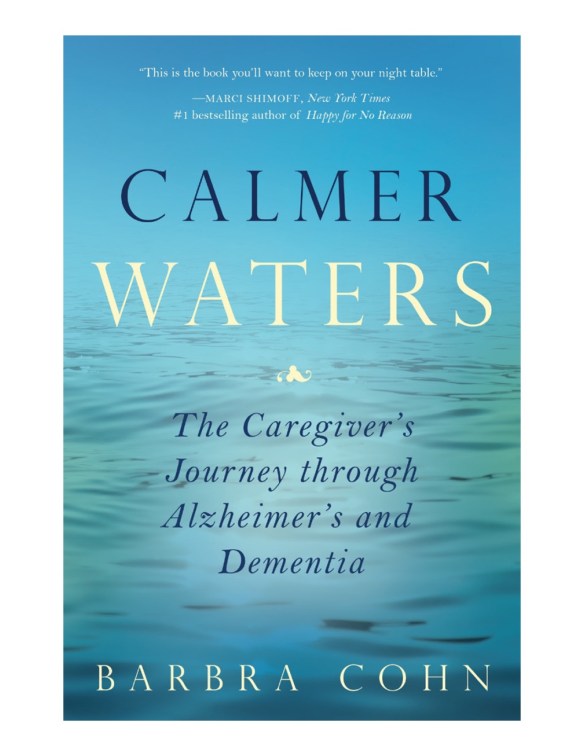
For dozens more tools and techniques for reducing stress, uplifting mood, supporting your immune system, and finding ways to connect on a spiritual and emotional level with the person you care for, read Calmer Waters: The Caregiver’s Journey Through Alzheimer’s and Dementia.

BarbraCohn__

A UTI, fall or a cold can lead to cognitive decline and even death in a person with Alzheimer’s disease

Dementia disease and a loss of brain function and memories

November is Alzheimer’s Awareness Month 

People with Alzheimer’s who get even a mild respiratory or gastrointestinal infection, or a bump or bruise are at risk for having a significant, permanent memory loss, according to a report that was published in the September 8, 2009 issue of the journal Neurology. These patients can have high levels of tumor necrosis factor—alpha (TNF-a)—a protein that is linked to inflammation and is associated with memory loss and cognitive decline.

In the study, which was done at the Clinical Neurosciences Research Division at the University of Southampton, United Kingdom, 222 Alzheimer’s patients were followed for six months. Of those, 110 people had an infection or injury that resulted in inflammation. These individuals had twice the memory loss during that period of time as the individuals who did not have an illness or injury. Researchers attribute the memory loss to inflammation. In patients whose TNF-a levels were high to begin with, an infection increased their memory loss to 10 times more than those who had low TNF-a levels.

Clive Holmes, PhD, lead researcher, said that this population should be vaccinated against the flu, and infections and injuries should be treated as soon as possible.

It is not uncommon for an elderly person to die from a urinary tract infection, especially someone who has dementia. Even a mild cold can develop into a serious pneumonia and lead to death in an elderly person. My husband developed a kidney stone, and died six weeks later. He progressed from a person in mid- to late-stage Alzheimer’s to someone in the final stage of Alzheimer’s, unable to walk or talk.

Tips for keeping you and your loved one healthy and safe

  • Inoculate against flu, pneumonia and shingles
  • Boost immunity with zinc, vitamin D and vitamin C
  • Prevent falls and accidents (recommended: Complete Guide to Alzheimer’s Proofing Your Home by Mark L. Warner
  • Reduce systemic inflammation with a curcumin (turmeric extract) supplement
  • Use a humidifier to moisturize nasal passages and mucous membranes to help keep them healthy
  • Engage in gentle exercise to reduce inflammation
  • Keep hydrated by drinking at least 6-8 glasses of water each day
  • Reduce risk of urinary tract infections with D-Mannose powder and cranberry extract 
  • Use essential oils (lemon, peppermint, lavender, frankincense, bergamot, thyme, sandalwood, vetiver, myrrh) to boost immunity. For more information about the use of aromatherapy to reduce stress, improve immunity, reduce agitation, and to promote relaxation read chapter 18 “Aromatherapy” in “Calmer Waters: The Caregiver’s Journey Through Alzheimer’s & Dementia” by Barbra Cohn
  • Eat yogurt. 70% of your immune system lies in your gut. Probiotics are live bacterial microorganisms that populate the human gastrointestinal tract. They combat the daily bombardment of toxins and pathogens (bacteria, fungus, parasites, and viruses) that enter our digestive system every day through contaminated food and other toxins. Recent studies show that the bacteria in your gut can also affect your mental health, mood and stress levels. Fermented foods such as kombucha, Greek yogurt, kefir, sauerkraut, miso, cottage cheese are probiotics. Probiotic bacteria colonize the digestive tract with good bacteria. Prebiotics are the food and nutrients that feed probiotics. Prebiotic fiber is found in fruits and vegetables such as artichokes, jicama, wild yams, onions and garlic, asparagus, beans, oats, chicory root and Jerusalem artichokes. Prebiotics support mineral absorption, vitamin utilization, and healthy blood sugar levels. Your gut needs both pro- and prebiotics in order to stay healthy and keep you healthy.
  • Drink mineral broth. It helps alkalinize the body and warm the system. It also helps counter the negative effects of stress. Have it as a bowl of soup or sip it throughout the day. Use your vegetables scraps or chop 2 cups yams, 1 medium potato, 1 cup zucchini, 1 cup cabbage, 1 cup green beans, 2 cups celery, 1 cup onions. Add herbs, garlic, parsley–anything you like. Place in a large pot, cover with water, bring to a boil, turn down to a simmer, and cover for 3-5 hours. For more information read chapter  31 “Nutrition” in “Calmer Waters: The Caregiver’s Journey Through Alzheimer’s & Dementia” by Barbra Cohn

BarbraCohn__

Could leaky gut cause Alzheimer’s?

Leaky Gut Syndrome - Irritable Bowel Syndrome

When I took my husband to a “holistic” neurologist almost two decades ago she questioned him for hours about his medical and lifestyle history. Together, we came up with a hypothesis that my husband’s Alzheimer’s could have been triggered by his life-long inflammation issues and digestive problems. As a child Morris suffered from eczema and severe asthma. He was an allergic adult with poor digestion.

We theorized that Morris had leaky gut syndrome caused by intestinal permeability. Although this is not typically taught in medical school, the term “leaky gut syndrome” is being studied more and more as people complain of various symptoms such as bloating, gas, food sensitivities and unexplained aches and pains.

Basically, the syndrome occurs when tight junctions in the gut, which control what passes through the lining of the small intestine, don’t work properly. Inflammation in the gut, due to poor eating habits, low levels of healthy intestinal bacteria, infections, intestinal parasites, over-use of medications (especially NSAIDs such as aspirin, ibuprofen, and other non-steroidal anti-inflammatory drugs), and imbalanced gastric juices can all lead to a weakening of the intestinal lining. Tiny breaks in the tissue lining can result in leaky gut syndrome, allowing protein molecules to travel via the blood throughout the body all the way to the brain. Antibodies attack the proteins which are viewed as foreign enemies in the blood bathing the brain, which results in inflammation.

(Chapters 20 and 31 in “Calmer Waters: The Caregiver’s Journey through Alzheimer’s and Dementia” contain more information about ayurveda and nutrition that calms down the nervous system and supports immunity.)  

What is Inflammation?
Inflammation is part of the immune system’s response to defend you against microbial
infections. It is the body’s first line of defense against the invasion of microorganisms such as bacteria and viruses, and it is activated rapidly after infection. The microbes are detected as foreign to the body by immune cells such as macrophages, which literally means “big eater.” Macrophages engulf foreign microorganisms and then release cytokines and chemokines that attract other cells that help in regulating the infected or affected area. Blood flow to the area is increased, which you notice when the area around a cut swells, turns red and feels warm. These are all signs of external inflammation. The chronic internal inflammation caused by leaky gut can result in inflammatory conditions leading to a host of diseases, including Alzheimer’s disease.

Approximately 70% of your immune system cells are found in your gut.

In one study, researchers found that when they compared healthy mice to mice with induced Alzheimer’s symptoms the sick mice had a different composition of gut bacteria. The researchers also studied Alzheimer’s disease in mice that completely lacked bacteria to further test the relationship between intestinal bacteria and the disease. Mice without bacteria had a significantly smaller amount of beta-amyloid plaque in the brain. (Beta-amyloid plaques are the lumps that form at the nerve fibres in the brain and are considered the main culprit of Alzheimer’s disease.)

To clarify the link between intestinal flora and the occurrence of Alzheimer’s, the researchers transferred intestinal bacteria from diseased mice to germ-free healthy mice. They discovered that the mice with the unhealthy bacteria developed more beta-amyloid plaques in the brain compared to the healthy mice.

“Our study is unique as it shows a direct causal link between gut bacteria and Alzheimer’s disease. It was striking that the mice which completely lacked bacteria developed much less plaque in the brain,” says researcher Frida Fåk Hållenius, at the Food for Health Science Centre.

The important thing to note here, though, is that the bacteria found in the “Alzheimer’s” mice was abnormal. It was not the healthy bacteria crucial to healthy immunity and digestion in the human body.

Other recent studies are pointing to possible links between Alzheimer’s disease and infections. As reported by Gina Kolata in the New York Times (May 25, 2016), Harvard researchers  reported in the journal “Science Translational Medicine” this hypothesis: “that a virus, fungus or bacterium gets into the brain, passing through a membrane — the blood-brain barrier — that becomes leaky as people age. The brain’s defense system rushes in to stop the invader by making a sticky cage out of proteins, called beta amyloid. The microbe, like a fly in a spider web, becomes trapped in the cage and dies. What is left behind is the cage — a plaque that is the hallmark of Alzheimer’s.”

David Perlmutter, MD, a neurologist, author and Fellow of the American College of Nutrition, offers this interesting article about probiotics as being a possible  tool for reversing Alzheimer’s disease. http://www.drperlmutter.com/reversing-alzheimers-with-probiotics/

Researchers evaluated 60 patients with Alzheimer’s for 12 weeks. First the group went through a blood test to determine their levels of highly sensitive c-reactive protein (hs-CRP) a powerful marker of inflammation. They also took the mini-mental status exam (MMSE), the most commonly used cognitive assessment tool for memory impairment.

Half the group was given a placebo, with the other half taking a probiotic milk containing the probiotic species, Lactobacillus acidophilus, Lactobacillus casei, Bifidobacterium bifidum, and Lactobacillus fermentum. The results of the study were stunning. The placebo group showed an increase in hs-CRP, an inflammation marker, by an impressive 45%. In the group taking the probiotic, hs-CRP actually declined by 18% indicating a dramatic reduction in inflammation.
Dr. Perlmutter says, “But here’s the truly exciting news. Over the 12 weeks, the patients in the placebo continued to decline mentally, as you might expect. Their MMSE score dropped from 8.47 to 8.00, a substantial reduction. But the group on the inflammation reducing probiotics actually demonstrated, not a decline in brain function, but an actual improvement, with their MMSE scores going from 8.67 up to 10.57, and that’s a huge improvement. Again, not only was their mental decline stopped in it’s tracks, these individuals regained brain function!

He continues, “The message here is that inflammation is directly determined by the health and diversity of our gut bacteria, and this has major implications in terms of brain health, function, and disease resistance. Recognizing that inflammation is the mechanism underlying not just Alzheimer’s disease, but Parkinson’s, multiple sclerosis, diabetes, coronary artery disease, and even cancer means that the findings in this report may have wide implications.”

Healing the gut. . .reducing inflammation

It seems there might be a two-pronged approach to healing the gut by reducing inflammation and restoring beneficial bacterial.

  1. Restore beneficial bacteria
  • Eat fermented foods such as yogurt, kefir, kimchi, Sauerkraut, apple cider vinegar, and Japanese foods like miso, kombucha and natto.
  • Take a daily probiotic such as Garden of Life’s Raw Probiotics Colon Care or MegaFloria Probiotics, or check out the reviewed probiotic supplements at The Best Probiotic Supplement site.
  • Take L-glutamine, an amino acid, which is essential to a healthy immune and digestive system, heals leaky gut and reduces sugar cravings.

2. To reduce inflammation

Reduce consumption of foods that are known to cause inflammation

  • sugary drinks and desserts
  • white flour products
  • fried foods
  • artificial sweeteners and additives
  • vegetables oils such as canola, sunflower, soy, corn, safflower or palm oil which have a high concentration of the inflammatory fat omega 6 and are low in the anti-inflammatory fat omega-3. Instead, use olive, avocado, walnut and coconut oils.
  • saturated fats
  • meat—reduce your consumption and try to eat only grass-fed beef and chicken that is free-range
  • alcohol


It also helps to reduce your stress, get a good nights’ sleep, drink plenty of water, and exercise!


10 Summertime eating tips to help caregivers keep their cool

Concept of healthy vegan dessert

It’s summertime and the livin’ is easy—or at least we’d like it to be. If you’re tired and stressed out from caregiving, here are some tips to help you stay cooler in summer.

According to the ancient Indian system of Ayurveda our body consists of three main elements or doshas—Vatta, Pitta and Kapha. Pitta consists of water and fire. It’s hot, so during summer when the temperature rises we want to eat cooling foods. Eating cooling foods not only keeps us from overheating, it reduces the tendency to get irritable, impatient and angry.  (Chapters 20 and 31 in “Calmer Waters: The Caregiver’s Journey through Alzheimer’s and Dementia” contain more information about ayurveda and nutrition that calms down the nervous system and supports immunity.)

COVER.indd


1) First and foremost, stay hydrated. It’s especially important to make sure you and your loved ones are getting enough liquids because when we forget to drink we can become dehydrated quickly, which leads to other health problems. It’s also crucial to keep the brain hydrated in order to maintain mental alertness. Drink plenty of water and stay away from carbonated and caffeinated drinks. Herbal teas, and fresh fruit or vegetable juices are great in summer. Just remember that fruit juices are high in sugar and calories.

  • 2) Enjoy the bounty of summer fruits and vegetables. The summer fruits such as peaches, apricots, cherries, watermelon, cantaloupe, and berries are especially good for helping the body reduce the fiery heat of summer. According to Ayurveda, some of the recommended summer vegetables include cucumber, green leafy vegetables, green beans, squash, zucchini, asparagus, beets and eggplant.
  • 3) Sprinkle on the herbs and spices. They’re easy to use and contribute added flavor and antioxidants to your diet. Cooling spices include cardamom, coriander, fennel and tumeric. Cooling herbs include cilantro, mint and dill.
  • 4) Avoid hot, sour and salty foods including fermented food, red meat, and greasy and spicy food. Excess pitta aggravates the tendency towards heartburn and gastric hyperacidity.
  • 5) Here’s some good news—Ayurveda recommends ice cream during the hot summer months! So by all means, enjoy! Dementia patients are especially fond of ice cream. If the person you are caring for refuses to eat or eats very little, try serving ice cream. It contains protein, calcium and calories, and it’s easy to serve and eat. If weight gain or cholesterol is a concern, select a dairy-free version of America’s favorite dessert. Rice Cream, Coconut Bliss and Soy Delicious make delicious non-dairy, frozen desserts.
  • 6) Cooling grains include amaranth, barley, quinoa, rice, tapioca and wheat. Use them in salads mixed with veggies. One of my favorites is quinoa salad. Cook 1 cup of quinoa. (Be sure to rinse it first to remove saponin, a naturally occurring chemical that coats each grain to ward off insects. It has a strong, bitter flavor. And yes, it is a pain to rinse quinoa. First soak it and then place it in a very fine mesh strainer and rinse.)  Sauté onion and zucchini, add a handful of fresh corn cut off the cob, mix with the quinoa. Add fresh tomatoes, black beans, and a dressing made with olive oil and balsamic vinegar. Delicious!
  • 7) Make your own granola. Once you do, you’ll never go back to buying store-bought granola, which is typically filled with sugar. Plus, it is expensive. Oats, almonds, and coconut are all cooling. First toast 1/2 cup of slivered almonds on a cookie sheet in the oven. Watch carefully so they don’t burn. Add to 4 cups of oats, along with 1/2 cup coconut flakes, 1/4 cup coconut oil, 1/4 cup maple syrup. Add 1/2 tsp of cinnamon, if desired. (Cinnamon is warming, but a little bit won’t hurt.) Stir and bake at 325 degrees for about 20 minutes. Add raisins if desired.
  • 8) For added protein, top your salads with these cooling legumes: garbanzo, pinto, white beans, azuki beans, and black-eyed peas.
  • 9) If you eat meat try to avoid beef, chicken, and pork during the hot months and use cooling meats such as buffalo, turkey rabbit or venison instead.
  • 10) My roses are bursting with fragrance and beauty. Roses are especially cooling and ff you have rose bushes that are free of chemicals, here’s a special treat to make: Rose Petal Jam. It’s fun and easy and the person you are caring for might even like to get into the act. It’s also very cooling and pacifies irritability. Spread it on toast, put a teaspoon on top of a scoop of ice or add it to warm milk for a yummy nightcap. (see recipe below) You can also make a rose petal lassi using a tablespoon of rose petal jam. Or use the delicious recipe below to make the classic, cooling Indian-style milkshake.

Rose Petal Jam

Ingredients

  • ◦ 1 cup fresh rose petals (must never have been sprayed with any chemicals)
  • ◦ 3/4 cup water
  • ◦ 1 lemon, juice of (1/4 cup)
  • ◦ 2 1/2 cups sugar or evaporated cane juice crystals
  • ◦ 1 package pectin
  • ◦ 3/4 cup water

Directions

  1. Puree rose petals, 3/4 cup water and lemon juice in blender until smooth.
  2. Slowly add sugar.
  3. Blend till all sugar has dissolved; (leave in blender) Stir 1 package pectin into 3/4 cup water, bring to a boil, and boil hard for 1 minute. Pour mixture into blender with rose petal mixture until well blended.
  4. Do this very quickly – it sets up FAST!! Pour into small, sterilized jelly jars.
  5. Let set for 6 hours, till firm.
  6. Will keep one month in refrigerator.
  7. Freezes well.

Rose Water Lassi

  • 2 1⁄2 cups plain yogurt
  • 1/2-teaspoon fine sugar
  • ¼ tsp of ground cardamom
  • 2 teaspoons pure rosewater
  • 3⁄4 cups Ice water
  • 1 cup Ice cube cracked
  • Fragrant rose petals for garnish

Blend the yogurt, sugar, cardamom, rose water and iced water in a blender for 2 minutes. Add the ice and process for another 2 minutes. Pour the lassi into tall, refrigerated glasses and garnish with rose petals. Chill out and enjoy!

20 Ways to give your body the nutrition it deserves

Health food fitness. Food sources of omega 3 on dark background top view. Foods high in fatty acids including vegetables, seafood, nut and seedsIt’s National Nutrition Month and a perfect time to think about ways to increase your nutritional intake. By now most folks have forgotten about their New Year’s resolutions to lose weight, eat healthier, become a vegetarian, reduce sugar intake, etc. It doesn’t matter. New Year’s resolutions are made to be broken.
This is a good time to develop a new plan that makes sense. Whether you want to support your brain health, relieve stress and anxiety about caregiving responsibilities, or just want to rev up your energy, stamina and immunity, here are some ways to protect your health and support your mood.

  1. Did you know that 70% of your immune system lies in your gut? Probiotics are live bacterial microorganisms that populate the human gastrointestinal tract. They combat the daily bombardment of toxins and pathogens (bacteria, fungus, parasites, and viruses) that enter our digestive system every day through contaminated food and other toxins. Recent studies show that the bacteria in your gut can also affect your mental health, mood and stress levels. Fermented foods such as kombucha, Greek yogurt, kefir, sauerkraut, miso, cottage cheese are probiotics. Probiotic bacteria colonize the digestive tract with good bacteria. Prebiotics are the food and nutrients that feed probiotics. Prebiotic fiber is found in fruits and vegetables such as artichokes, jicama, wild yams, onions and garlic, asparagus, beans, oats, chicory root and Jerusalem artichokes. Prebiotics support mineral absorption, vitamin utilization, and healthy blood sugar levels. Your gut needs both pro- and prebiotics in order to stay healthy and keep you healthy.
  2. The brain is very sensitive to the food we eat. A new study published in The New England Journal of Medicine (Aug. 8, 2016) evaluated 242 participants, measuring fasting blood sugar and neuro-cognitive functioning. Those with elevated blood sugar, including people who did not have diabetes, had a dramatic increase of developing dementia. Just remember that what is good for your heart is good for your brain. So try eating a Mediterranean based diet of olive oil, fish, and lots of fruits and vegetables, whole grains, beans, and nuts and seeds, with less meat, cheese and sweets.
  3. Drink plenty of water to keep your body hydrated and to flush out toxins. Your brain is 70% water when fully hydrated, and it gets dehydrated just like your body. When it is dehydrated neurotransmission—which is heavily dependent on water—is impaired, resulting in poor memory, concentration and impaired abstract thinking. The next time your mind is muddled, drink a tall glass of water and notice the difference.
  4. Take a complete B-vitamin supplement to make sure you are getting a balanced amount of B vitamins. Vitamin B complex optimizes cognitive activity and brain function, has a positive effect on memory, learning capacity and attention span, and supports a healthy nervous system and a stable mood. Vitamins B6 and B12, in particular, play a role in the synthesis of serotonin, the neurotransmitter linked to improving memory, lifting mood and regulating sleep.
  5. Berries are berry good for your health. Blueberries, strawberries, raspberries, cherries, cranberries, as well as some others you may never have heard of, contain unique phytochemicals that may help prevent cancer, heart disease, age-related brain declines, and much more. Blueberries score highest on the Oxygen Radical Absorbance Capacity (ORAC) test—a measurement that rates the total antioxidant score of foods, and many berries, such as raspberries, blackberries, cranberries, and strawberries contain ellagic acid, which preliminary research suggests may help to prevent certain types of cancer. Summer is almost here, so enjoy your berries. They are good for you!
  6. Eat more healthy fats and skip the hydrogenated and trans fats found in doughnuts, potato chips and other pastries and desserts.  Omega-3 fatty acids are rich in DHA, the major unsaturated fat in the brain. This long-chain fatty acid provides the necessary fluid quality to the membranes of the nerve cells so that electrical nerve impulses can flow easily along the circuits of the brain. One study found that Alzheimer’s patients given an omega-3-rich supplement experienced a significant improvement in their quality of life. Eating fish such as wild-caught salmon, sardines and other cold-water fish can protect you against Alzheimer’s disease and other forms of dementia. Numerous studies have shown that elderly people who did not have dementia had high blood levels of docosahexaenoic acid (DHA), an essential fatty acid found in cold-water fish, in comparison to those with dementia, who had on average 30% to 40% lower blood levels of DHA. Ways to increase your DHA intake: eat cold-water fish such as wild-caught salmon, sardines and mackerel, at least twice a week. Add flax meal to cereal and baked goods, sprinkle flax oil on your salad, eat a small handful of walnuts at least several times a week.
  7. Eat breakfast! It is the meal that you break your fast with. During the night our blood sugar levels drop, so it’s especially important to eat within one hour of arising and by 10am. Eating breakfast restores healthy blood sugar levels, but make sure your breakfast isn’t coffee and a doughnut. Have some protein and a healthy fat such as an omelet and avocado and a piece of whole grain or gluten-free toast. It’ll provide you with the energy you need to get through the morning while maintaining a sense of equilibrium. My favorite cool weather breakfast is eggs (any way you like them), a side of beans such as black or pinto, and a pile of sautéed greens. When the weather is hot, I prefer home-made granola made with oats, a bit of coconut oil and maple syrup, coconut flakes, and lots of nuts including almonds, walnuts, cashews, and pumpkin seeds. Add chia seeds, flax meal, yogurt and fresh berries and you’ve got a breakfast for champions.
  8. Avoid commercially processed meats and favor grass-fed meats, free-range chickens and eggs fed an organic, non-GMO diet. And limit your meat consumption to no more than twice a week.
  9. Eat like a rabbit to reduce your risk of stroke, dementia, macular degeneration, and other chronic illness. Veggies are low in calories and high in fiber. Fruits are also high in fiber and like veggies, contain numerous vitamins and minerals. Just like people, fruits and vegetables come in a variety of shapes, sizes and colors. And it’s the colors that identify many of the bioactive substances called phytonutrients that give us antioxidant protection and other special health benefits. The scientific community has produced a large body of research showing the potential of these super nutrients. Compared with people who eat few fruits and vegetables, populations that consume a large variety and generous amounts of plant foods enjoy longevity and reduced risk of disease. For example, the people of Okinawa have a long life expectancy, numerous centenarians, and a low-risk of age-associated diseases. Their diet is low in calories, fat, sugar, salt, and meat and dairy products. Instead, Okinawans eat fish, tofu, whole grains, and lots of fruit, dark green leafy vegetables, onions, green peppers, sea vegetables and sweet potatoes—which are all dense in phytonutrients and antioxidants. These islanders are known for a low-stress, carefree and relaxed attitude. Their rates of stroke, dementia, cancer and heart disease are also the lowest in the world. For every 100,000 people in Okinawa, 30 have passed their 100th birthday, one of the highest rates in the world.
  10. A cup of Joe will do you good . . . just don’t overdo it and don’t add lots of cream and sugar. Researchers from the University of Scranton found that coffee is the number one source of antioxidants in the U.S. diet. Coffee has been shown to improve mental acuity. In fact, a study published in the Journal of Alzheimer’s Disease (2012) found that people older than 65 who had higher blood levels of caffeine developed Alzheimer’s disease two to four years later than people with lower caffeine levels. The study included 124 people who had mild cognitive impairment (MCI). Typically, 15% of people with MCI will go on to develop full-blown Alzheimer’s disease each year. The study participants who had less than 1,200 ng/ml of caffeine levels in their blood developed Alzheimer’s disease. This is equivalent to drinking several cups of coffee a few hours before their blood was taken. The people whose memory loss did not progress to full-blown Alzheimer’s disease had higher levels of caffeine in their blood. Coffee appeared to be the only source of caffeine for the participants in the study. Some big caveats: if you have high blood pressure limit your coffee intake to 2 cups a day, and avoid drinking it before exercise or physical labor which both naturally raise blood pressure. Coffee acts as a diuretic, depleting the body of necessary fluids, so make sure you drink a glass of water for every cup of coffee you drink. Coffee can raise homocysteine levels, an indicator and risk factor for cardiovascular disease. It can also cause headaches, fatigue, depression, anxiety and drowsiness if a coffee drinker forgoes his or her usual daily dose of caffeine. So be smart and listen to your body.
  11. Drink green tea if you don’t like coffee or are unable to drink it. Scientists have found evidence that green tea extract can help fight everything from glaucoma to prostate cancer and leukemia. Now a research team composed of chemists, biochemists and biophysicists at the University of Michigan has found a new potential benefit of green tea extract: preventing the clumping of proteins associated amyloids in the brain, which is associated with Alzheimer’s disease and other neurodegenerative conditions. The study found that the specific molecule in green tea, ( — )-epigallocatechin-3-gallate, also known as EGCG, prevented aggregate formation and broke down existing aggregate structures in the proteins that contained the metals copper, iron and zinc. At Tohoku University Graduate School of Medicine, researchers tracked the green tea consumption of nearly 14,000 people over age 65 for three years. The participants’ quality of life (measured in day-to-day activities such as getting dressed, walking the dog, and performing household chores) was examined in relation to how much green tea they drank. The authors found that the more green tea participants consumed, the longer they were able to ward off the difficulties associated with old age. The people who drank at least five cups a day were one-third less likely to develop disabilities than those who had less than a cup per day. Those people who averaged three or four cups a day had a 25 percent lower risk. Just remember that while green tea and its extracts are considered safe in small amounts, they do contain caffeine and small amounts of vitamin K, which means it could interfere with drugs that prevent blood clotting. So the next time you feel the need for a cup of coffee or black tea, consider drinking a cup of green tea instead. It just might help you maintain clarity of mind, healthy bones, and cardiovascular health well into your senior years.
  12. Herbs or adaptogens can be helpful for increasing energy without stimulation. An adaptogen is a natural substance—usually an herb—that helps the body adapt to stress by producing a calming effect on the whole physiology, and stress is often blamed with being the root cause of many illnesses and diseases. Phytosterols, the plant compounds in the herbs ashwaghanda, gotu kola, passion flower, schizandra, skullcap, rhodiola, and cordyceps have been scientifically shown to support the adrenal glands and healthy blood chemistry, and enhance the body’s ability to resist the ravages of stress. Valerian, Siberian ginseng, kava kava, oat straw, and hops also help reduce stress. These herbs can be taken as a tea or in the form of a nutritional supplement. Culinary herbs also have numerous health benefits. Turmeric, the spice used in Indian cooking, has dozens of studies backing up its ability to reduce inflammation, another major cause of chronic disease, and risk of Alzheimer’s disease. Cinnamon helps to stabilize blood sugar levels, which is vital to healthy aging. Oregano contains antioxidants that offer antibacterial protection. Garlic has been called the natural antibiotic, and ginger root has been used for thousands of years for its anti-inflammatory and anti-microbial effects. The list goes on and on.
  13. Magnesium is the fourth most abundant mineral in your body—which means it is absolutely essential to your healthy blood pressure, cardiovascular health, bone and overall health. In fact, you cannot live without it! Magnesium is involved in more than 300 biochemical reactions, particularly as a catalyst for food metabolism and the release of energy. Yet, only about 25% of Americans meet the Recommended Dietary Allowance (RDA) of 400 mg per day for magnesium. Good sources of magnesium include: dark green, leafy vegetables such as spinach, Swiss chard and kale dark green, legumes, peas and beans (especially soybeans), seeds and nuts (especially almonds, cashews and pumpkin seeds) whole, unrefined grains, including oatmeal and bran, and halibut
  14. Go nuts on Brazil nuts. They are rich in selenium, a potent antioxidant which is concentrated in the thyroid gland. They also contain copper, which helps to support a healthy thyroid. Regardless of whether you have thyroid issues, selenium is a good all-round antioxidant. According to the Institute of Medicine, the tolerable upper intake level (UL) (i.e., the highest level of intake that is known to avoid toxicity) for selenium is 400μcg per day. On average, Brazil nuts have 544 mcg selenium per ounce, but studies indicate that the selenium content may vary widely depending on country of origin, cultivation methods, etc. With that in mind, a good starting point for most folks would be to consume 2 – 3 Brazil nuts per day.
  15. Eat more tomatoes. Recent epidemiological studies have suggested that eating tomatoes and tomato-based food products can reduce the risk of prostate cancer and macular degeneration.  This protective effect has been attributed to carotenoids, which are one of the major classes of phytochemicals in this fruit. The most abundant carotenoid in tomato is lycopene. Cooking tomatoes in olive oil helps you digest and assimilate the lycopene so if you like tomato sauce on your pasta, go for it. Just make sure you are eating a healthy pasta product–think whole grain, quinoa, etc.
  16. Include flax oil, flax meal or flax oil in your diet. They are the best source of lignans. Lignans are compounds that form the building blocks of plant cell walls. They contain phytoestrogens that help regulate the body’s estrogen production. When we eat plant foods the lignan compounds are converted in our intestines by good bacteria to produce a form that the body can assimilate. Enterolactone—the primary lignan metabolite (a substance produced by metabolism) that circulates in our blood—produces weak estrogenic activity. Dozens of reports have revealed that high levels of enterolactone in our blood help to reduce risk of breast, prostate and colon cancers, and cardiovascular disease. Studies have also shown that high levels of lignans can support healthy weight and glucose metabolism, reducing the risk of insulin sensitivity, metabolic syndrome and diabetes. Most plant foods contain small amounts of lignans, but flax seeds are by far the best source. Other good sources include high fiber foods such as whole grains (wheat, barley), sesame seeds, sunflower seeds, cashews, kale, broccoli, carrots, legumes, garlic, asparagus and berries.
  17. Lutein and zeaxanthin reduce eye health risks. What are they? They are antioxidants in the carotenoid family—a group of naturally occurring, fat-soluble pigments found in plants—that play a key role in our the health of our eyes.  Carotenoids are the red, orange and yellow plant pigments that give fruits and vegetables their vivid colors.  All fruits and vegetables contain varying concentrations of carotenoids.  But their colors are often covered up by green chlorophyll contained in the plant. Lutein is found in spinach, kale, collard greens, romaine lettuce, leeks, peas, egg yolks, tomatoes, carrots, marigold flowers, and fruits. Zeaxanthin is found in corn, kale, mustard greens, spinach, egg yolk, orange peppers, collard greens, lycii berry fruit, green algae spirulina and other types of commercially produced algae. Lutein and zeaxanthin accumulate in the macula, the prominent, bright yellow spot in the center of the retina that allows you to clearly distinguish fine detail. And studies are showing that people with macular degeneration—the slow deterioration of the cells in the macula, which affects your central vision, the vision you use for reading, writing, driving and identifying faces—have low concentrations of these two pigments in the macula. So make sure you are eating plenty of the above mentioned fruits and veggies.
  18. Chromium is a first class blood sugar and insulin regulator. Yet, nine out of 10 American diets fall short of this trace mineral, which is essential for the transfer of sugar from the bloodstream to muscle cells, giving them the fuel they need to work.  Chromium is also involved in maintaining cholesterol and triglyceride levels, and supporting healthy muscles.  Chromium levels decrease with age and are often low due to poor diet. Eat more foods that are naturally high in chromium: broccoli, barley, oats, green beans, tomatoes, Romaine lettuce, black pepper, Brewer’s yeast.
  19. Coenzyme Q10, or CoQ10, is a vitamin-like compound and an important antioxidant. It exists in every cell of your body and you could not survive without it. CoQ10 is essential in the body’s production of adenosine triphosphate (ATP), which produces energy within the cells and is the basis for normal functioning of all body systems and organs. If you think of the body’s cells as little engines that use oxygen to burn the organic fuels that come from food, you may think of CoQ10 as the part of the engine that provides the spark for this process. No other substance will substitute for CoQ10. Without it there is no spark and therefore no production of energy for the cell. And without energy there is no life! As we age, it becomes more and more difficult for the body to produce enough CoQ10. An 80-year-old person has about half the CoQ10 levels of a 20-year-old.  Body levels of CoQ10 are also influenced by stress, cold, illness, high blood pressure, hormone concentrations, physical activity and prescription drugs, which can deplete CoQ10 levels. Scientists estimate that once levels drop below the 25% deficient level, a variety of health problems can take hold. But your cells’ energy and efficiency can be restored with supplementation and/or by eating eggs, dairy products, meat, and poultry, fatty fish, nuts and seeds, broccoli, cauliflower, and some fruits and vegetables.
  20. Are you getting enough vitamin D? Most people, especially the elderly, are vitamin D deficient.  Researchers have found a correlation between vitamin D deficiency and low mood, depression and worse cognitive performance in older adults. In a recent study, 1618 patients who averaged 73.8 years old were tested for vitamin D deficiency. Those with severe vitamin D deficiency were twice as likely to suffer from depression. Vitamin D is most commonly known for helping the digestive system absorb calcium and phosphorus. In that way it helps the body build and maintain healthy bones. But it does much more. Adequate vitamin D is believed to play a role in the reduction of falls, as well as supporting cardiovascular health, a strong immune system and cognitive function. Also, scientists theorize that one of the reasons that influenza occurs in the wintertime is that we do not manufacture enough vitamin D, and the resulting vitamin D deficiency might promote our susceptibility to the flu virus. Which foods contain vitamin D? Fatty fish such as salmon, trout, tuna and sardines, milk, and fortified cereals provide more than 100 IU per serving. And mushroom is the only food in the produce section that has vitamin D. But you’d have to eat an awful lot of these foods to get the recommended daily dose of vitamin D, which is 2400 IU, according to a study published in the Journal of Nutrition. For instance, you would have to eat at least five servings of salmon a day or drink 20 cups of fortified milk. Play it safe and take a vitamin D dietary supplement. According to a study published in the Journal of Nutrition (March 9, 2009) adults need at least four times the current recommended dose of 600 IU of vitamin D. In 2008 The American Academy of Pediatrics (AAP) doubled its recommended minimum intake for infants, children and teens from 200 IU to 400 IU per day.

Be well, be heathy, and please subscribe to my blog for more articles filled with information on how you can support your health and the health of your loved ones.


image

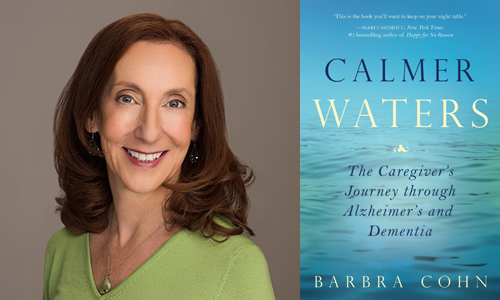
Barbra Cohn cared for her husband Morris for 10 years. He passed away from younger-onset Alzheimer’s disease in 2010. Afterward, she was compelled to write “Calmer Waters: The Caregiver’s Journey Through Alzheimer’s & Dementia”—Winner of the 2018 Book Excellence Award in Self-Help—in order to help other caregivers feel healthier and happier, have more energy, sleep better, feel more confident, deal with feelings of guilt and grief, and to ultimately experience inner peace. “Calmer Waters” is available at AmazonBarnes & NobleBoulder Book StoreTattered Cover Book Store,  Indie Bound.org, and many other fine independent bookstores, as well as public libraries.

7 Reasons to Indulge in Chocolate on Valentine’s Day and All Year Long

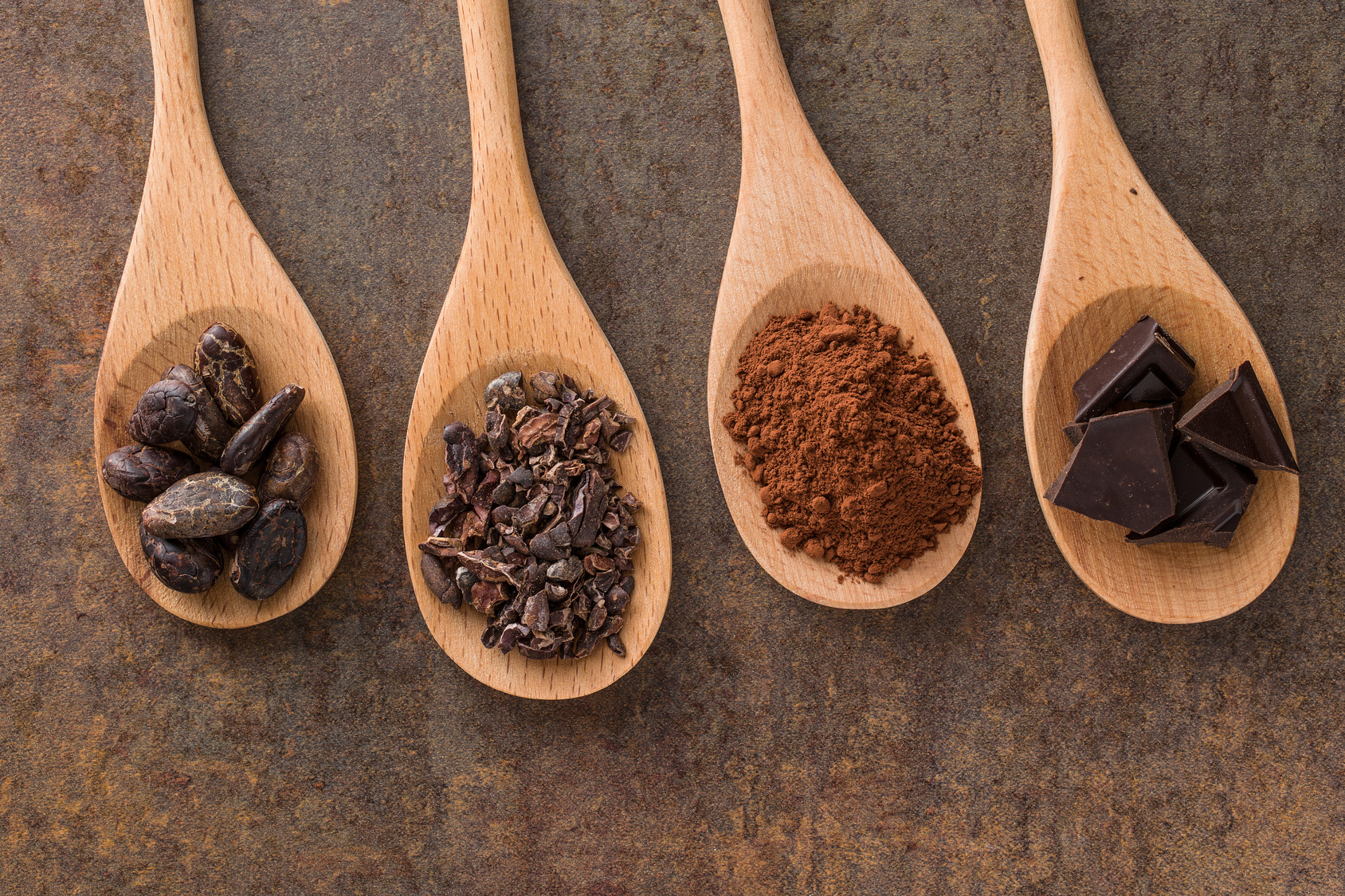
cocoa and dark chocolate in wooden spoonsAmericans buy more than 58 million pounds of chocolate around the holiday of love. Besides the delicious taste, smell and aphrodisiac effects, researchers are continually discovering more health benefits.

The use of cacao for health benefits dates back at least 3000 years. It was revered as a food, medicine and currency in Mexico, Central and South America, where it was also celebrated and incorporated into artwork, legends and sacred rituals. Now, because of extensive research, we know the main health benefits of cacao come from the flavonol epicatechin. The process of manufacturing dark chocolate retains epicatechin, whereas milk chocolate does not contain significant amounts. You can have your chocolate and eat it too, but if you want to enjoy its extensive health benefits be sure to eat high-quality dark chocolate. Or go one step further and enjoy raw cacao, which might take some getting used to for the simple reason we are used to sweetened chocolate. And if you just want the pure and simple health benefits, forego the chocolate and take raw cacao capsules. Although I definitely wouldn’t recommend giving your sweetheart a bottle of cacao capsules on Valentine’s Day. Indulge in the good-tasting stuff!

  1. Chocolate contains good-for-you antioxidants Chocolate comes from the cacao bean, which thrives in hot, rainy climates in South America, Africa and Indonesia. Similar to grapes, the local soil and climate affects the taste of the harvested beans. When you buy a chocolate bar that has the percentage number on the bar wrapper, that represents the weight that comes from the cacao bean content, according to Robert L. Wolke, author of What Einstein Told His Cook: Kitchen Science Explained. The higher the number, the lower the percentage of sugar and the more bitter and complex the flavor, he says. And the higher the number the more antioxidants.
  2. Cacao is rich in magnesium, sulfur, calcium, iron, zinc, copper, potassium and manganese, all essential minerals . . . and antioxidants that support immune health.
  3. Chocolate reduces your risk of Type 2 Diabetes Researchers discovered that the flavanols in chocolate have beneficial effects on insulin resistance, a risk factor for Type 2 diabetes. In a 30-year-long study of 953 men and women from the Maine-Syracuse Longitudinal Study (MSLS), researchers found that the individuals who never or rarely ate chocolate had a significantly higher chance of developing Type 2 diabetes after five years when compared to individuals who ate chocolate more than once a week. Habitual chocolate intake and type 2 diabetes mellitus in the Maine-Syracuse Longitudinal Study: (1975-2010): Prospective observations.
  4. Protects you from heart disease A 2012 report published in the American Journal of Clinical Nutrition found that dark chocolate has a beneficial effect on blood pressure, vascular dilation and cholesterol levels, and can play a role in reducing metabolic precursors that lead to diabetes and eventually to heart disease. However, a study published in October 2016 (John Wiley & Sons, Ltd.) found that out of 32 cocoa product samples analyzed, the cocoa flavanol dose must be about 900 mg or above to decrease blood pressure, and contain 100 mg of epicatechin. So if you want to eat chocolate for health benefits, be sure to check the ingredient label. The aim of the study was to review the effect of cocoa flavanols on cardiovascular health, with emphasis on the doses ingested, and to analyze a range of cocoa products for content of these compounds. PubMed was searched from 2010 to locate systematic reviews (SR) on clinical effects of chocolate consumption.
  5. Supports mental function In a study carried out by the University of L’Aquila in Italy, 90 elderly participants with mild cognitive impairment (MCI) drank cocoa containing high, medium or low levels of flavanoids. At the end of the eight-week study researchers found improvements in the motor response, working memory, task switching, and verbal memory in the participants who drank cocoa with a higher flavanol content. (Hypertension, Aug. 14, 2012) Alzheimer’s and dementia patients are especially fond of sweets because the taste of sweetness is the last taste to disappear.  So if your loved one has Alzheimer’s or dementia, indulge him/her in chocolate. Just remember not to overdo it and make sure to include good dental hygiene in your loved one’s daily regimen.
  6. Helps you think better after a sleepless night The next time you have a bad night’s sleep, instead of indulging in a cup of Joe drink hot chocolate. Sleep deprivation is a risk factor for cardiovascular disease, and scientists have found that flavanol-rich chocolate counteracted vascular impairment after sleep deprivation and restored working memory performance. Their theory is that the study’s participants had improved cognitive performance because of the effects of cocoa flavonoids on blood pressure and blood flow.Flavanol-rich chocolate acutely improves arterial function and working memory performance counteracting the effects of sleep deprivation in healthy individuals.
  7. Makes you feel gooood Scientists have discovered why chocolate uplifts your mood. Serotonin is the neurotransmitter responsible for keeping us happy, and cacao stops the amino acid tryptophan from breaking down. Since tryptophan is one of the amino acids that make serotonin this, in turn, limits the breakdown of serotonin. (Frontiers in Experimental Pharmacology and Drug Discovery, Dec. 2013)

On Valentine’s Day celebrate with your loved one by enjoy a steaming cup of delicious hot chocolate made with whole milk or rice or flax milk. Or indulge in a dark chocolate truffle, candy bar or chocolate ice cream. It’ll boost your spirit and your immunity. Just be careful not to overdo it because the calories can add up quickly.

As an added treat, make this yummy chocolate souffle. It’s easier than you think.

Chocolate Souffle

Ingredients

  • 1⁄3 cup sugar, plus additional for sprinkling
  • 5 ounces bittersweet chocolate chips
  • 3 large egg yolks, at room temperature
  • 6 large egg whites
  • 1⁄8 tablespoon butter

Directions

  • Preheat oven to 375°F.
  • Measure out sugar, chocolate and separate eggs.
  • Butter soufflé dish entirely and then add sugar (additional) coating the entire dish.
  • Melt chocolate in a double boiler, or directly on the stove.
  • Add yolks to chocolate (this will harden the chocolate so don’t be alarmed).
  • Beat egg whites with a pinch of salt. Slowly add sugar, a little at a time. Beat until egg whites hold stiff peaks.
  • Fold white mixture into chocolate slowly and stir until smooth.
  • Pour into large soufflé dish or 4 ramekins and run the end of your thumb around inside to remove any extra batter.
  • Bake until puffed and crusted on top but still jiggly in center, 20 to 25 minutes.
  • Serve immediately with whipped cream or ice cream.

Yay chocolate!

For more articles like this one, please subscribe to barbracohn.com : thehealthycaregiverblog.com


8 Ways to Eat Your Way to Healthy Aging

It’s Healthy Aging Month and it’s a good time to ask yourself “what am I doing to stave off chronic illnesses such as cardiovascular and Alzheimer’s disease, arthritis, Parkinson’s, osteoporosis and other age-related diseases? How can I age gracefully?”

Senior African American Couple Drinking Orange Juice


  1. Eating fish such as wild-caught salmon, sardines and other cold-water fish can protect you against Alzheimer’s disease and other forms of dementia. Numerous studies have shown that elderly people who did not have dementia had high blood levels of docosahexaenoic acid (DHA), an essential fatty acid found in cold-water fish, in comparison to those with dementia, who had on average 30% to 40% lower blood levels of DHA. Ways to increase your DHA intake: eat cold-water fish such as wild-caught salmon, sardines and mackerel, at least twice a week. Add flax meal to cereal and baked goods, sprinkle flax oil on your salad, eat a small handful of walnuts at least several times a week.
  2. Eat breakfast! It is the meal that you break your fast with. During the night our blood sugar levels drop, so it’s especially important to eat within one hour of arising and by 10am. Eating breakfast restores healthy blood sugar levels, but make sure your breakfast isn’t coffee and a doughnut. Have some protein and a healthy fat such as an omelet and avocado and a piece of whole grain or gluten-free toast. It’ll provide you with the energy you need to get through the morning while maintaining a sense of equilibrium. My favorite cool weather breakfast is eggs (any way you like them), a side of beans such as black or pinto, and a pile of sautéed greens. When the weather is hot, I prefer home-made granola made with oats, a bit of coconut oil and maple syrup, coconut flakes, and lots of nuts including almonds, walnuts, cashews, and pumpkin seeds. Add chia seeds, flax meal, yogurt and fresh berries and you’ve got a breakfast for champions.
  3. Avoid commercially processed meats and favor grass-fed meats, free-range chickens and eggs fed an organic, non-GMO diet. And limit your meat consumption to no more than twice a week.
  4. Eat like a rabbit to reduce your risk of stroke, dementia, macular degeneration, and other chronic illness. Veggies are low in calories and high in fiber. Fruits are also high in fiber and like veggies, contain numerous vitamins and minerals. Just like people, fruits and vegetables come in a variety of shapes, sizes and colors. And it’s the colors that identify many of the bioactive substances called phytonutrients that give us antioxidant protection and other special health benefits. The scientific community has produced a large body of research showing the potential of these super nutrients. Compared with people who eat few fruits and vegetables, populations that consume a large variety and generous amounts of plant foods enjoy longevity and reduced risk of disease. For example, the people of Okinawa have a long life expectancy, numerous centenarians, and a low-risk of age-associated diseases. Their diet is low in calories, fat, sugar, salt, and meat and dairy products. Instead, Okinawans eat fish, tofu, whole grains, and lots of fruit, dark green leafy vegetables, onions, green peppers, sea vegetables and sweet potatoes—which are all dense in phytonutrients and antioxidants. These islanders are known for a low-stress, carefree and relaxed attitude. Their rates of stroke, dementia, cancer and heart disease are also the lowest in the world. For every 100,000 people in Okinawa, 30 have passed their 100th birthday, one of the highest rates in the world.
  5. Eliminate soft drinks; they increase your risk of insulin resistance and diabetes. Instead, drink plenty of water to hydrate your brain and body.
  6. A cup of Joe will do you good . . . just don’t overdo it and don’t add lots of cream of sugar. Researchers from the University of Scranton found that coffee is the number one source of antioxidants in the U.S. diet. Coffee has been shown to improve mental acuity. In fact, a study published in the Journal of Alzheimer’s Disease (2012) found that people older than 65 who had higher blood levels of caffeine developed Alzheimer’s disease two to four years later than people with lower caffeine levels. The study included 124 people who had mild cognitive impairment (MCI). Typically, 15% of people with MCI will go on to develop full-blown Alzheimer’s disease each year. The study participants who had less than 1,200 ng/ml of caffeine levels in their blood developed Alzheimer’s disease. This is equivalent to drinking several cups of coffee a few hours before their blood was taken. The people whose memory loss did not progress to full-blown Alzheimer’s disease had higher levels of caffeine in their blood. Coffee appeared to be the only source of caffeine for the participants in the study. Some big caveats: if you have high blood pressure limit your coffee intake to 2 cups a day, and avoid drinking it before exercise or physical labor which both naturally raise blood pressure. Coffee acts as a diuretic, depleting the body of necessary fluids, so make sure you drink a glass of water for every cup of coffee you drink. Coffee can raise homocysteine levels, an indicator and risk factor for cardiovascular disease. It can also cause headaches, fatigue, depression, anxiety and drowsiness if a coffee drinker forgoes his or her usual daily dose of caffeine. So be smart and listen to your body.
  7. If you can’t drink coffee, consider green tea. Scientists have found evidence that green tea extract can help fight everything from glaucoma to prostate cancer and leukemia. Now, a research team composed of chemists, biochemists and biophysicists at the University of Michigan has found a new potential benefit of green tea extract: preventing the clumping of proteins associated amyloids in the brain, which is associated with Alzheimer’s disease and other neurodegenerative conditions. The study found that the specific molecule in green tea, ( — )-epigallocatechin-3-gallate, also known as EGCG, prevented aggregate formation and broke down existing aggregate structures in the proteins that contained the metals copper, iron and zinc.At Tohoku University Graduate School of Medicine, researchers tracked the green tea consumption of nearly 14,000 people over age 65 for three years. The participants’ quality of life (measured in day-to-day activities such as getting dressed, walking the dog, and performing household chores) was examined in relation to how much green tea they drank. The authors found that the more green tea participants consumed, the longer they were able to ward off the difficulties associated with old age. The people who drank at least five cups a day were one-third less likely to develop disabilities than those who had less than a cup per day. Those people who averaged three or four cups a day had a 25 percent lower risk. Just remember that while green tea and its extracts are considered safe in small amounts, they do contain caffeine and small amounts of vitamin K, which means it could interfere with drugs that prevent blood clotting. So the next time you feel the need for a cup of coffee or black tea, consider drinking a cup of green tea instead. It just might help you maintain clarity of mind, healthy bones, and cardiovascular health well into your senior years.
  8. Herbs or adaptogens can be helpful for increasing energy without stimulation. An adaptogen is a natural substance—usually an herb—that helps the body adapt to stress by producing a calming effect on the whole physiology, and stress is often blamed with being the root cause of many illnesses and diseases. Phytosterols, the plant compounds in the herbs ashwaghanda, gotu kola, passion flower, schizandra, skullcap, rhodiola, and cordyceps have been scientifically shown to support the adrenal glands and healthy blood chemistry, and enhance the body’s ability to resist the ravages of stress. Valerian, Siberian ginseng, kava kava, oat straw, and hops also help reduce stress. These herbs can be taken as a tea or in the form of a nutritional supplement. Culinary herbs also have numerous health benefits. Turmeric, the spice used in Indian cooking, has dozens of studies backing up its ability to reduce inflammation, another major cause of chronic disease, and risk of Alzheimer’s disease. Cinnamon helps to stabilize blood sugar levels, which is vital to healthy aging. Oregano contains antioxidants that offer antibacterial protection. Garlic has been called the natural antibiotic, and ginger root has been used for thousands of years for its anti-inflammatory and anti-microbial effects. The list goes on and on.

Bon appetite!

Please subscribe to my blog for more articles like this one on ways to stay healthy and active throughout your life.


Summertime Eating Tips to Help Caregivers Keep Their Cool

Background texture of pink and white rose petals

Rose Petals Make a Delicious Cooling Drink and Jelly


It’s summertime and the livin’ is easy—or at least we’d like it to be. If you’re tired and stressed out from caregiving, here are some tips to help you stay cooler in summer.

According to the ancient Indian system of Ayurveda our body consists of three main elements or doshas—Vatta, Pitta and Kapha. Pitta consists of water and fire. It’s hot, so during summer when the temperature rises we want to eat cooling foods. Eating cooling foods not only keeps us from overheating, it reduces the tendency to get irritable, impatient and angry.

  • 1) First and foremost, stay hydrated. It’s especially important to make sure you and your loved ones are getting enough liquids because when we forget to drink we can become dehydrated quickly, which leads to other health problems. It’s also crucial to keep the brain hydrated in order to maintain mental alertness. Drink plenty of water and stay away from carbonated and caffeinated drinks. Herbal teas, and fresh fruit or vegetable juices are great in summer. Just remember that fruit juices are high in sugar and calories.
  • 2) Enjoy the bounty of summer fruits and vegetables. The summer fruits such as peaches, apricots, cherries, watermelon, cantaloupe, and berries are especially good for helping the body reduce the fiery heat of summer. According to Ayurveda, some of the recommended summer vegetables include cucumber, green leafy vegetables, green beans, squash, zucchini, asparagus, beets and eggplant.
  • 3) Sprinkle on the herbs and spices. They’re easy to use and contribute added flavor and antioxidants to your diet. Cooling spices include cardamom, coriander, fennel and tumeric. Cooling herbs include cilantro, mint and dill.
  • 4) Avoid hot, sour and salty foods including fermented food, red meat, and greasy and spicy food. Excess pitta aggravates the tendency towards heartburn and gastric hyperacidity.
  • 5) Here’s some good news—Ayurveda recommends ice cream during the hot summer months! So by all means, enjoy! Dementia patients are especially fond of ice cream. If the person you are caring for refuses to eat or eats very little, try serving ice cream. It contains protein, calcium and calories, and it’s easy to serve and eat. If weight gain or cholesterol is a concern, select a dairy-free version of America’s favorite dessert. Rice Cream, Coconut Bliss and Soy Delicious make delicious non-dairy, frozen desserts.
  • 6) My roses are bursting with fragrance and beauty. Roses are especially cooling and ff you have rose bushes that are free of chemicals, here’s a special treat to make: Rose Petal Jam. It’s fun and easy and the person you are caring for might even like to get into the act. It’s also very cooling and pacifies irritability. Spread it on toast, put a teaspoon on top of a scoop of ice or add it to warm milk for a yummy nightcap. (see recipe below)
  • 7) Make a lassi using a tablespoon of rose petal jam. Or use this delicious recipe to make the classic, cooling Indian-style milkshake.

Rose Petal Jam

Ingredients

  • ◦ 1 cup fresh rose petals (must never have been sprayed with any chemicals)
  • ◦ 3/4 cup water
  • ◦ 1 lemon, juice of (1/4 cup)
  • ◦ 2 1/2 cups sugar or evaporated cane juice crystals
  • ◦ 1 package pectin
  • ◦ 3/4 cup water

Directions

  1. Puree rose petals, 3/4 cup water and lemon juice in blender until smooth.
  2. Slowly add sugar.
  3. Blend till all sugar has dissolved; (leave in blender) Stir 1 package pectin into 3/4 cup water, bring to a boil, and boil hard for 1 minute. Pour mixture into blender with rose petal mixture until well blended.
  4. Do this very quickly – it sets up FAST!! Pour into small, sterilized jelly jars.
  5. Let set for 6 hours, till firm.
  6. Will keep one month in refrigerator.
  7. Freezes well.


Rose Water Lassi

  • 2 1⁄2 cups plain yogurt
  • 1/2-teaspoon fine sugar
  • ¼ tsp of ground cardamom
  • 2 teaspoons pure rosewater
  • 3⁄4 cups Ice water
  • 1 cup Ice cube cracked
  • Fragrant rose petals for garnish

Blend the yogurt, sugar, cardamom, rose water and iced water in a blender for 2 minutes. Add the ice and process for another 2 minutes. Pour the lassi into tall, refrigerated glasses and garnish with rose petals. Chill out and enjoy!

7 Summertime Eating Tips for Care Partners

It’s summertime, and the livin’ is easy—or at least we’d like it to be. If you’re tired and stressed out from care giving, here are some tips to make mealtime easier, for you and your care partner.

According to the ancient Indian system of Ayurveda our body consists of three main elements or doshas—Vatta, Pitta and Kapha. Pitta consists of water and fire. It’s hot, so during summer when the temperature rises we want to eat cooling foods. Eating cooling foods not only keeps us from overheating, it reduces the tendency to get irritable, impatient and angry.

1)   First and foremost, stay hydrated. It’s especially important to make sure dementia patients are getting enough liquids because they forget to drink and can become dehydrated quickly, which leads to other health problems. It’s also crucial to keep the brain hydrated in order to maintain cognition. Drink plenty of water and stay away from carbonated and caffeinated drinks. Herbal teas, and fresh fruit or vegetable juices are great in summer. Just remember that fruit juices are high in sugar and calories.

2)   Enjoy the bounty of summer fruits and vegetables. The summer fruits such as peaches, apricots, cherries, watermelon, cantaloupe, and berries are especially good for helping the body reduce the fiery heat of summer. According to Ayurveda, some of the recommended summer vegetables include cucumber, green leafy vegetables, green beans, squash, zucchini, asparagus, beets and eggplant.

3)   Sprinkle on the herbs and spices. They’re easy to use and contribute added flavor and antioxidants to your diet. Cooling spices include cardamom, coriander, fennel and tumeric. Cooling herbs include cilantro, mint and dill.

4)   Avoid hot, sour and salty foods including fermented food, red meat, and greasy and spicy food. Excess pitta aggravates the tendency towards heartburn and gastric hyperacidity.

5)   Here’s some good news—Ayurveda recommends ice cream during the hot summer months! So by all means, enjoy! Dementia patients are especially fond of ice cream. If the person you are caring for refuses to eat or eats very little, try serving ice cream. It contains protein, calcium and calories, and it’s easy to serve and eat. If weight gain or cholesterol is a concern, select a dairy-free version of America’s favorite dessert. Rice Cream, Coconut Bliss and Soy Delicious make delicious non-dairy, frozen desserts.

6)   My roses are bursting with fragrance and beauty. Roses are especially cooling and ff you have rose bushes that are free of chemicals, here’s a special treat to make: Rose Petal Jam. It’s fun and easy and the person you are caring for might even like to get into the act. It’s also very cooling and pacifies irritability. Spread it on toast, put a teaspoon on top of a scoop of ice or add it to warm milk for a yummy nightcap. (see recipe below)

7)    Make a lassi using a tablespoon of rose petal jam. Or use this delicious recipe to make the classic, cooling Indian-style milkshake.

Rose Petal Jam

 Ingredients

  • 1 cup fresh rose petals (must never have been sprayed with any chemicals)
  •  3/4 cup water
  • 1 lemon, juice of (1/4 cup)
  • 2 1/2 cups sugar or evaporated cane juice crystals
  • 1 package pectin
  • 3/4 cup water


Directions

  1. Puree rose petals, 3/4 cup water and lemon juice in blender until smooth.
  2. Slowly add sugar.
  3. Blend till all sugar has dissolved; (leave in blender) Stir 1 package pectin into 3/4 cup water, bring to a boil, and boil hard for 1 minute. Pour mixture into blender with rose petal mixture until well blended.
  4. Do this very quickly – it sets up FAST!! Pour into small, sterilized jelly jars.
  5.  Let set for 6 hours, till firm.
  6. Will keep one month in refrigerator.
  7. Freezes well.

Rose Water Lassi

  • 2 1⁄2 cups plain yogurt

  • 1/2-teaspoon fine sugar

  • ¼ tsp of ground cardamom
  • 2 teaspoons pure rosewater

  • 3⁄4 cups Ice water

  • 1 cup Ice cube cracked

  • Fragrant rose petals for garnish

Blend the yogurt, sugar, cardamom, rose water and iced water in a blender for 2 minutes. Add the ice and process for another 2 minutes. Pour the lassi into tall, refrigerated glasses and garnish with rose petals. Chill out and enjoy!