Falling in love while caring for your spouse with Alzheimer’s

This is a controversial and delicate topic. Is it possible to judge someone unless we’ve walked in their shoes? Watch the video and let me know what you think.

In the meanwhile, you might want to check out my article “Sexual intimacy between care partners” at The topic of sex is often uncomfortable in the best of relationships in the best of times. The topic is especially prickly when one of the partners has Alzheimer’s disease.


image-1

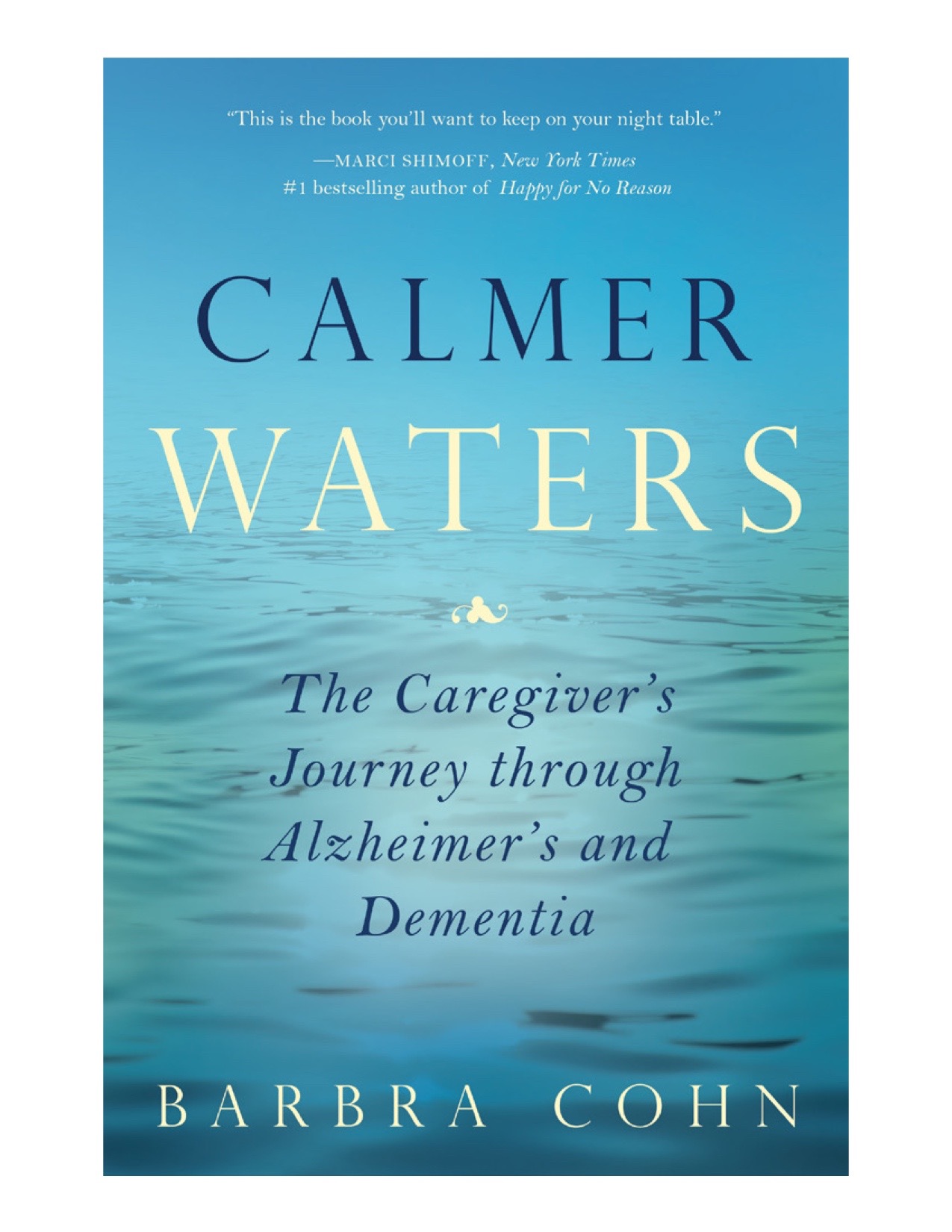
Barbra Cohn cared for her husband Morris for 10 years. He passed away from younger-onset Alzheimer’s disease in 2010. Afterward, she was compelled to write “Calmer Waters: The Caregiver’s Journey Through Alzheimer’s & Dementia”–winner of the 2018 Book Excellence Award in self-help– in order to help other caregivers feel healthier and happier, have more energy, sleep better, feel more confident, deal with feelings of guilt and grief, and to ultimately experience inner peace. “Calmer Waters” is available at AmazonBarnes & NobleBoulder Book StoreTattered Cover Book Store,  Indie Bound.org, and many other fine independent bookstores, as well as public libraries.

What are you doing for your brain health?

Brain Nutrition

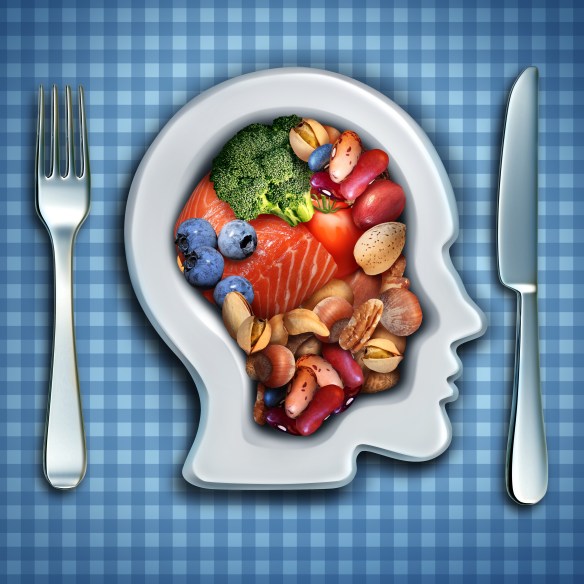
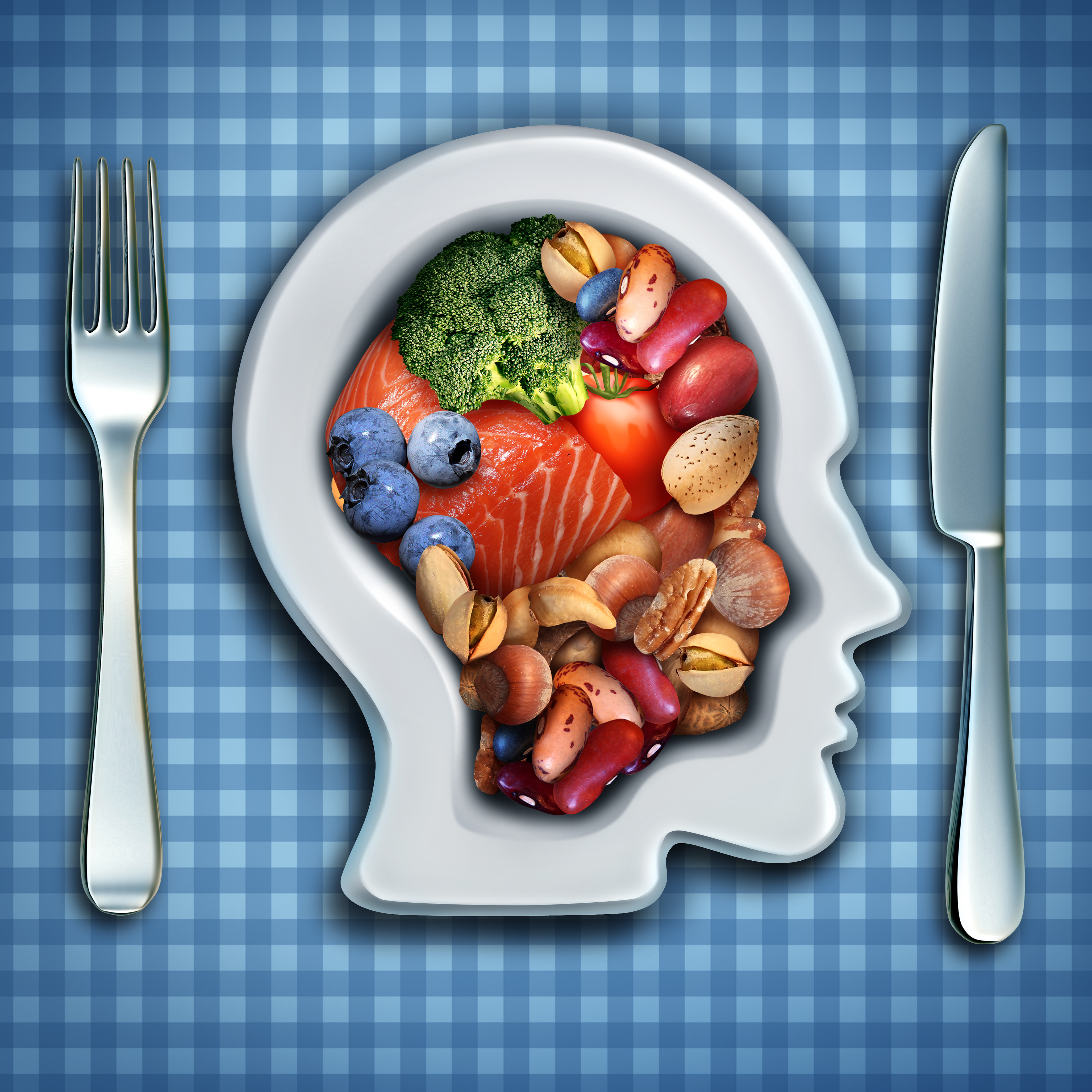
MIND diet includes salmon, beans, greens, nuts, berries

This week is Brain Health Awareness Week, and I’m reposting this piece so you can evaluate your diet and make improvements to support your brain–and heart health. Here’s to your healthy brain and heart!

Have you heard of the MIND diet? It’s the Mediterranean diet and DASH diet slightly remade and combined to form the MIND diet. (MIND is an acronym that stands for the Mediterranean-DASH intervention for Neurodegenerative Delay.)

In a study published in September 2015 in Alzheimer’s & Dementia, the nutritional epidemiologist Martha Clare Morris and her colleagues at Rush University Medical Center borrowed concepts from the Mediterranean diet and the DASH diet. The result is the MIND diet.

The study followed 923 participantsages 58 to 98 years, for an average 4.5 years, and found the MIND diet lowered Alzheimer’s risk by about 35 percent for people who followed it moderately well and up to 53 percent for those who adhered to it rigorously. While more study is needed to better understand the long-term impact of the diet, Morris’s team’s second paper on the MIND diet notes that it’s superior to the DASH and Mediterranean diets for preventing cognitive decline. But it should be noted that high adherence to all three diets may reduce risk of Alzheimer’s disease.

Food to eat on the MIND Diet

  • Green leafy vegetables: a minimum of 6 servings a week (kale, Swiss chard, spinach, collard, etc.)
  • Nuts: a minimum of 5 servings a week (walnuts, pistachios, almonds, cashews, etc)
  • Berries: a minimum of 2 servings a week
  • Beans: a minimum of 3 servings a week (garbanzo, red, black, kidney, white, pinto, etc.)
  • Whole grains: a minimum of 3 servings a day (millet, oats, brown rice, quinoa, wheat berries, etc.)
  • Fish: at least 1 serving a week
  • Poultry (like chicken or turkey): at least twice a week
  • Olive oil as the primary oil used
  • Wine: no more than 1 glass a day

Foods to limit or avoid

  • Red meat: no more than 4 servings a week
  • Butter and margarine: no more than 1 tablespoon (tbsp) daily
  • Cheese: no more than 1 serving a week
  • Sweets: no more than 5 servings a week
  • Fried or fast food: no more than 1 serving a week

To summarize the MIND DIET—

On a daily basis you eat at least three servings of whole grains, a salad and another vegetable, along with drinking a glass of wine. The jury is still out on whether a little alcohol consumption is better for the brain than none at all. I just heard a panel of researchers and neuroscientist address this issue. If you don’t consumer alcohol, there is certainly no reason for you to start now. But if you do, limit your consumption to one glass of wine a day.)

It’s advised that on most days you should snack on nuts, and every other day eat half a cup of beans. At least twice a week eat poultry and a half-cup serving of berries (blueberries are best), and eat fish at least weekly. Olive oil is the preferred cooking oil.

What is the DASH diet?

The healthy DASH diet plan was developed to lower blood pressure without medication in research sponsored by the US National Institutes of Health, Dietary Approaches to Stop Hypertension. The first DASH diet research showed that it could lower blood pressure as well as the first line blood pressure medications, even with a sodium intake of 3300 mg/day!  Since then, numerous studies have shown that the DASH diet reduces the risk of many diseases, including some kinds of cancer, stroke, heart disease, heart failure, kidney stones, and diabetes. It has been proven to be an effective way to lose weight and become healthier at the same time.

The DASH diet eating plan is a diet rich in fruits, vegetables, low-fat or non-fat dairy. It also includes mostly whole grains; lean meats, fish and poultry; nuts and beans. It is high fiber and low to moderate in fat. It is a plan that follows US guidelines for sodium content, along with vitamins and minerals. In addition to lowering blood pressure, the DASH eating plan lowers cholesterol and makes it easy to lose weight. It is a healthy way of eating, designed to be flexible enough to meet the lifestyle and food preferences of most people.

How is it different from the Mediterranean diet? It can be considered to be an Americanized version of the Mediterranean diet, and to be easier to follow, since it has more specific guidelines. But if you love tabouli, hummus, and olives, you might prefer the Mediterranean diet.

Although there are similarities among all three diets, the MIND diet is the only one that encourages the consumption of foods that have been found to promote cognitive health.

There is a saying that “what’s good for your heart is good for your brain.” So please start switching over to the MIND diet while eliminating foods high in calories and low in nutrients. You will feel better and your brain will stay healthier longer.


image

Barbra Cohn cared for her husband Morris for 10 years. He passed away from younger-onset Alzheimer’s disease in 2010. Afterward, she was compelled to write “Calmer Waters: The Caregiver’s Journey Through Alzheimer’s & Dementia”–winner of the 2018 Book Excellence Award in self-help– in order to help other caregivers feel healthier and happier, have more energy, sleep better, feel more confident, deal with feelings of guilt and grief, and to ultimately experience inner peace. “Calmer Waters” is available at AmazonBarnes & NobleBoulder Book StoreTattered Cover Book Store,  Indie Bound.org, and many other fine independent bookstores, as well as public libraries.

Urinary incontinence, UTIs, and dementia

Incontinence inscription isolated

There are lots of reasons that people develop incontinence. This blog focuses on people with dementia: their care and ways to prevent urinary tract infections, a serious consequence of incontinence in the elderly.

People with Alzheimer’s disease and dementia often have problems with urinary incontinence. This can be a result of not realizing they need to urinate, forgetting to go to the bathroom, not being able to find the toilet, or limited mobility.

Ways a caregiver can help

  • Avoid giving drinks like caffeinated coffee, tea, and sodas that may increase urination. It is important, however, that healthy liquids including water, smoothies, and fresh fruit juices are not restricted. Hydration is vital to overall health and to prevent urinary tract infections.
  • Keep pathways clear and the bathroom clutter-free, with a light on at all times.
  • Make sure you provide regular bathroom breaks–at least every 2-3 hours.
  • Mark the bathroom door with a large sign that says “Bathroom.”
  • Provide a portable commode or a toilet frame with handrails or grab bars to make getting on and off easier. Make sure it’s the right height.
  • Supply underwear that is easy to get on and off.
  • Use absorbent underclothes for trips away from home and/or adult diapers.
  • When going to a restaurant or public place such as a movie theater, try to sit as close to the bathroom as possible.
  • Limit liquid intake after dinner

Talking to the doctor

  • Ask if it’s possible to cut back on prescribed medications such as water pills that increase urination
  • Does the patient have undiagnosed diabetes? Diabetes increases urination.
  • Is an enlarged prostate the problem? Rule out any medical issues that increase urination or block urination.

Preventing urinary tract infections

Urinary tract infections, commonly called UTIsare more common in people who are elderly, bed-ridden and incontinent. Symptoms can include general weakness, confusion, nausea, dizziness, sudden incontinence or increased severity of incontinence. Often these symptoms seem connected to other conditions that are unrelated to a UTI, and can make it difficult to determine that the cause is an infection.

  • The most important method of prevention is to keep the genital area clean and healthy. Wipe from front to back to avoid transferring bacteria to the urinary tract, especially in women.
  • Remove used diapers from front to back.
  • Dry the skin when changing or after bathing since bacteria grows better in moist areas.
  • Use recommended hygienic products for washing that are not drying to the urogenital area.
  • Keep the patient hydrated since urination can flush out unwanted bacteria from the urinary tract.
  • Try to make sure your loved one gets help to empty their bladder entirely, since urine remaining in the bladder can help bacteria thrive and multiply.
  • Help to prevent constipation by providing plenty of fruit (applesauce, apples, berries, prunes, figs) and other foods high in fiber, such as oatmeal, legumes, peas, chia seeds, carrots, beets, broccoli, Brussels sprouts, popcorn, nuts, and whole grains.

The dangers of UTIs

Urinary tract infections are notorious for causing delirium and delusional behavior in the elderly. When younger people get a urinary tract infection, they typically experience painful urination, an urgent need to urinate, lower abdominal pain, back pain on one side, and fever and chills. However, an older adult might not experience those symptoms. As we get older our immune system changes and it responds differently to infection. Instead of pain symptoms, seniors with a UTI may show increased signs of confusion, agitation or withdrawal. In older adults with dementia, these behavioral changes may come across as part of that condition or signs of advanced aging. If the underlying UTI goes unrecognized and untreated for too long, it can spread to the bloodstream and become life-threatening. In fact, I have a dear friend who died from a UTI that quickly became septic.

If you suspect a UTI

  • Get medical help, especially if your loved one has fever or complains of nausea or back pain. An antibiotic will be prescribed. Make sure the entire prescription is taken even if the symptoms subside. Otherwise, the infection can come back with a vengeance.
  • If it is appropriate, have the patient drink unsweetened cranberry juice on a regular basis, and/or take a cranberry/D-Mannose supplement to help stave off future infections.
  • Give the patient plenty of water to flush out the harmful bacteria
  • Apply a heating pad to the lower abdomen and/or back to help with discomfort
  • A pain reliever such as Advil can help alleviate pain and fever

Urinary tract infections are nothing to mess around with. Please get your loved one medical help if you suspect an infection.


image-1

Barbra Cohn cared for her husband Morris for 10 years. He passed away from younger-onset Alzheimer’s disease in 2010. Afterward, she was compelled to write “Calmer Waters: The Caregiver’s Journey Through Alzheimer’s & Dementia”—Winner of the 2018 Book Excellence Award in Self-Help—in order to help other caregivers feel healthier and happier, have more energy, sleep better, feel more confident, deal with feelings of guilt and grief, and to ultimately experience inner peace. “Calmer Waters” is available at AmazonBarnes & NobleBoulder Book StoreTattered Cover Book Store,  Indie Bound.org, and many other fine independent bookstores, as well as public libraries.

Motivating family members to help

Until age eight, I lived in an extended family house with my parents, brother and me on the top floor, my grandparents on the middle floor, and my aunt, uncle and cousin on the bottom floor. We all took care of each other, no questions asked. It was a close, loving family.

But that was then, this is now. Times have changed. People move away, and families don’t always stick together. I was lucky that my daughter and her newly-wed husband live near me and helped care for my husband (her father) who had Alzheimer’s disease. Every Sunday afternoon they took him out to a movie or to lunch. It gave me a break and it uplifted his spirit. My son, who was in graduate school, came home when he could to take his dad to a football game. And friends took my husband out to lunch on a regular basis.

But I needed extra help so I hired two graduate psychology students. I had promised myself that I wouldn’t become a martyr to my husband’s illness. I took care of myself by pursuing my interests and meeting with friends. Because I had time for myself, I had more energy to be present for my husband. Still, caring for someone with Alzheimer’s disease was a daunting task, as is caring for anyone with a chronic disease.

It really does take a village to provide care for someone with a chronic illness. If you have family that offers to help, you are lucky. Sadly, it’s often the case that one family member bears the brunt of the caregiving, which can lead to conflict and bad feelings.

What can you do to encourage family and friends to help?

  • If your loved one has Alzheimer’s or another form of dementia you are well aware of the difficult task of caregiving. But if your sister or brother, son or daughter, etc. only sees the ill person once in a while they might not realize the full impact of the disease. Try to plan a respite day or weekend by having another family member care for your loved one. This is the best way to help your family realize how much care your loved one needs and what the task requires.
  • Plan a conference call and divvy up the caregiving. If your family is spread out, encourage a rotation of caregiving. In some cases, the ill person stays with a daughter or son for a few months and then moves on to stay with another family member. This eliminates guilt and bad feelings among siblings. The logistics are complicated, but it can work.
  • If it is impossible for others to share in the physical caregiving because of where they live or other circumstances, encourage family members to take on a specific responsibility such as: refilling medications, driving to and/or making doctor appointments, providing meals, researching community assistance programs that include respite care and volunteer programs, setting up automatic bill payments and/or dealing with financial issues, providing a housecleaner or cleaning the house once a month, mowing the lawn, shoveling the snow, etc.
  • Speak your truth. Do you need a night out with friends? Time to go for a walk or to the gym? Say so, and don’t be afraid of offending anyone. The worst that can happen is that your sister or brother, or son or daughter will say “no.”
  • Is it possible for you to get paid for the help you provide? Discuss the options with your financial planner and other family members.
  • Ask a family member to create an online caring community such as “Share The Care” https://sharethecare.org/getting-started/ or “Caring Bridge.”  “Share The Care” is a system that creates a support network among caregivers that lets everyone share responsibilities. “Caring Bridge” https://www.caringbridge.org/how-it-workshelps you create a site that enables you to share updates about your loved one, coordinate help, and get emotional support.
  • It’s a fact of life that you can’t force another family member to help. Even if you do get help, you might be the one who does the disproportionate amount of caregiving. Try to accept it and be grateful that you will not feel guilty for not being there for your loved one. You are appreciated and even if your loved one can no longer communicate, he or she appreciates you and loves you. Just know that you are doing the best that you can . . . and that is all you can do.. 

Barbra Cohn cared for her husband Morris for 10 years. He passed away from younger-onset Alzheimer’s disease in 2010. Afterward, she was compelled to write “Calmer Waters: The Caregiver’s Journey Through Alzheimer’s & Dementia”—Winner of the 2018 Book Excellence Award in Self-Help—in order to help other caregivers feel healthier and happier, have more energy, sleep better, feel more confident, deal with feelings of guilt and grief, and to ultimately experience inner peace. “Calmer Waters” is available at AmazonBarnes & NobleBoulder Book StoreTattered Cover Book Store,  Indie Bound.org, and many other fine independent bookstores, as well as public libraries.

Does gum disease really cause Alzheimer’s disease?

Doctor holding blue crystal ball with gum disease sign on medical background.A study published January 23, 2019 in Science Advances caused a lot of people to freak out. It implied that the bacteria called Prophyromonas gingivalis that cause gum disease—gingivitis– might be the culprit in Alzheimer’s disease. It sounded too good to be true. But can you reduce your risk by getting regular dental check-ups, and brushing and flossing every day?

I posted a link to the study on my Facebook page and got some heated responses such as “I don’t believe that. My mom and husband always went to the dentist??????” Another person called the study “BS.” 

So, what is the bottom line? And what is the response of scientists who were not involved in the research paid for and conducted in part by employees of Cortexyme, Inc., a San Francisco–based biotech company? 

Here’s the gist of the Cortexyme study: the researchers found that enzymes made by P. gingivalis, called gingipains, interact with amyloid-beta and tau (the proteins implicated in Alzheimer’s disease) in test tube experiments and in the brains of mice. According to the study, gingipains cause A-beta to accumulate and tau to behave abnormally. These are the primary signposts of Alzheimer’s disease in the brains of humans.  The Cortexyme group also found genetic material from P. gingivalis in the cerebral cortex – an area involved in conceptual thinking – in the three Alzheimer’s brains they examined. Cortexyme, Inc. is developing compounds that block gingipains, which their scientists claim reduce the amount of A-beta in the infected mice.

In a previous study, Sim Singhrao at the University of Central Lancashire, UK, found that P. gingivalis can migrate from the mouth to the brain in mice with gum infections. Her group of researchers concluded that periodontal disease is a polymicrobial inflammatory disease that leads to chronic systemic inflammation and direct infiltration of bacteria/bacterial components, which may contribute to the development of Alzheimer’s disease.

A cautious response

Rudolph Tanzi,PhD, an Alzheimer’s researcher at Massachusetts General Hospital in Boston says that the Science Advances study is inconclusive.  An interview in Science News (January 31, 2019) conducted by Laura Sanders reported Tanzi’s responses to the following questions:

Do we now know what causes Alzheimer’s disease?

No. “It would be a complete fantasy to say that now we’ve solved Alzheimer’s based on this,” Tanzi says.  “People need to know that this was a small study…. It’s way too early to say that this result is valid.  We need to see many more samples. We need much more replication.”

Headlines that claim gum bacteria causes Alzheimer’s disease stretch the science way too far, he says. “It got out of hand. People should not be freaking out just because they didn’t floss enough. It doesn’t mean you’re going to get Alzheimer’s.”

But did it make sense to look at whether gum bacteria play a role in Alzheimer’s?

Yes. Tanzi and his colleagues suspect that Alzheimer’s is kicked off by brain inflammation, perhaps prodded along by bacteria, viruses or fungi. His team has been looking at large swaths of genetic material found in brains to figure out exactly which infectious entities might be in the brains of people with Alzheimer’s.

“We went in expecting to see periodontal bacteria in the brain. That was a leading hypothesis. One of the biggest pools of bacteria in your body lives in your gums if your gums are not clean. We expected to find them, but we didn’t.” (Those negative results, from dozens of brains, are unpublished.)

What you need to know

Periodontitis is the most common infectious inflammatory disease of humans. A recent survey in the USA concluded that 47.2% of adults aged 30 years and older had periodontitis. The disease is characterized by the loss of periodontal ligament, connective tissue, and alveolar bone, and is a major cause of tooth loss. 

Now we know that virulent strains of P. gingivalis can affect the central nervous system, which can result in Alzheimer’s and dementia. Although the research is still in its early stages, it’s a good idea to amp up your dental care and get thee to a dentist at least once a year for an exam and cleaning. It is certainly worth the bucks if it will help reduce your risk of Alzheimer’s disease. Don’t you think?

For more information about periodontal disease and why it’s important to floss please take a look at my previously published blog Do you still need to floss


image-1

Barbra Cohn cared for her husband Morris for 10 years. He passed away from younger-onset Alzheimer’s disease in 2010. Afterward, she was compelled to write “Calmer Waters: The Caregiver’s Journey Through Alzheimer’s & Dementia”—Winner of the 2018 Book Excellence Award in Self-Help—in order to help other caregivers feel healthier and happier, have more energy, sleep better, feel more confident, deal with feelings of guilt and grief, and to ultimately experience inner peace. “Calmer Waters” is available at AmazonBarnes & NobleBoulder Book StoreTattered Cover Book Store,  Indie Bound.org, and many other fine independent bookstores, as well as public libraries.

What does end-stage Alzheimer’s and dementia look like?

Brain disease with memory loss due to Dementia and Alzheimer’s illness

Nine years after my husband Morris was diagnosed with Alzheimer’s disease he developed a kidney stone. At that point he was still walking, but shuffling and sometimes losing his balance. He was speaking, although he often didn’t make any sense. He was laughing–sometimes. And he usually knew his family and friends. It was difficult for him to eat and he often didn’t know what he was eating. But mostly he fed himself.

The day he went to the emergency for severe pain from a kidney stone, Morris was propelled on a downward spiral into end-stage Alzheimer’s. He died six weeks later. In just a matter of days my husband lost his ability to walk, toilet, speak and eat by himself. He needed to be lifted out of bed into a wheel chair and spoon fed. The memory care home he had lived in for two years wouldn’t accept him back because he was no longer ambulatory.

Morris was released from the hospital on a Friday afternoon to a rehabilitation center for physical therapy, which attempted to help he walk–which he never did again. At the rehab center he didn’t sleep at night. The floor attendant kept him in a wheel chair in the hall so he wouldn’t get out of bed and fall. They ended up putting his mattress on the floor because he did fall out and required stitches on his forehead. He’d go days without sleep and my son-in-law predicted that the lack of sleep would get him in the end.

I moved Morris back to his original memory care home on the condition that I had to hire outside help. The rehab facility was understaffed and the food provided little nutrition. The first night I left him there I felt as though I was leaving him to the “wolves.”

When I first placed him in the memory care home two years previous to this time, I was promised that my husband could stay there throughout the course of his illness. So if you are planning to place a loved one in a home, read the contract very carefully.  After he was back at the home for a couple weeks I had to move him again because it was costing way too much at this point to pay the monthly bill of $6,000 dollars plus an additional hourly fee for the outside care agency. Morris lived only two more weeks in an end-stage hospice facility. The staff was top notch and compassionate and I’m grateful that I moved him there.

End-stage Alzheimer’s is not pretty.

It includes:

  • incontinence
  • difficulty eating and swallowing
  • loss of speech
  • inability to walk and get out of bed
  • total assistance with personal care
  • not recognizing family members—but not all the time
  • secondary illnesses
  • sleep issues or sleeping most of the time

What can you do?

  1. Make sure you have all your loved one’s legal and financial papers in place well before this stage. (durable power of attorney, will, trust, advance directives, DNR-do not resuscitate, etc., final arrangements-cremation or burial, memorial service, etc.)
  2. Ask family and friends for support, and be specific. Do you need help with yard maintenance or with walking your dog?
  3. Do you need someone to shovel the driveway or sidewalk if you are spending a lot of time with your loved one?
  4. Ask someone at your place of worship to set up a meal-train or to set up a CaringBridge account to keep friends and family abreast of the current situation.
  5. AFA–Alzheimer’s Foundation of America’s licensed social workers are available Monday through Friday, from 9am to 9 pm EST, and Saturdays from 9am to 1pm EST, via AFA’s National Toll-free helpline–866-232-8484. They are also available by e-mail, chat and Skype.
  6. The Alzheimer’s Association Helpline is open 24/7-800-272-3900.
  7. Hospital chaplains console families and help in times of grief and the difficult period of waiting for a loved one to recover or pass.
  8. Hospice offers support to the patient by providing personal services that include bathing, and palliative care. Hospice also offers grief counseling to families.
  9. It is important that as a caregiver you take care of yourself. On days that I was too exhausted to make dinner, I would heat a pan with a bit of olive oil, saute pre-washed spinach, and pour over a couple of eggs for a healthy, quick meal. Protein is important and so are greens that contain the stress-reducing nutrients vitamin B and magnesium. If you have difficulty eating because of nerves and emotions or time limitations, make yourself a protein shake with berries and/or a banana, a scoop of protein powder and liquid of your choice.
  10. Aromatherapy is a miracle cure for stress and anxiety. Use a wall plug-in to diffuse the aroma of lavender oil to uplift mood, or place a few drops on a handkerchief and tuck it into a shirt pocket or on a pillow. Other oils to try: vetiver, frankincense, myrrh, orange, lemon, bergamot, and grapefruit.

Blessings to you, your family and your loved one.

Barbra Cohn cared for her husband Morris for 10 years. He passed away from younger-onset Alzheimer’s disease in 2010. Afterward, she was compelled to write “Calmer Waters: The Caregiver’s Journey Through Alzheimer’s & Dementia”—Winner of the 2018 Book Excellence Award in Self-Help—in order to help other caregivers feel healthier and happier, have more energy, sleep better, feel more confident, deal with feelings of guilt and grief, and to ultimately experience inner peace. “Calmer Waters” is available at AmazonBarnes & NobleBoulder Book StoreTattered Cover Book Store,  Indie Bound.org, and many other fine independent bookstores, as well as public libraries.

The best gifts for people with Alzheimer’s and dementia

Christmas gift or New Year with blue ribbon and greeting card on wood table on bokeh background. Tiny and Handmade gift box concept.Instead of worrying about what to give a friend or loved one who suffers from Alzheimer’s disease or dementia consider this. What that person really wants more than anything is to just be with you. So here’s a list of things you can do together.

  1. People with dementia love ice cream. Share a pint of his or her favorite. Bring the toppings and arrange them on a table in little bowls—sprinkles, chocolate chips, chopped fruit, whipped cream, butterscotch or chocolate sauce, etc.
  2. Watch a comedy together. It doesn’t matter if your loved one can follow the plot or not. If you laugh, he or she will probably join in the merriment. Laughter triggers the production of endorphins; the brain chemicals that reduce the sensation of pain and make you feel good.
  3. Bring a dog to visit your loved one. If you don’t have one, borrow one. There’s nothing like a friendly pup to cheer someone up and add some excitement. Listen to music together.
  4. Put on a CD and sing together. Big Band Music is usually a hit with most 70, 80 and 90 year olds. If your loved one is younger, you can try classic rock.
  5. Get out the paint brush, paper and water colors. You don’t have to be an artist or art teacher to have fun with your loved one. Painting and drawing is a great way to share time together, and to even express feelings of frustration, irritation and fear—on paper.
  6. Dance to the music. If your loved one is still mobile help him or her get up and move. The exercise will enhance memories, even if temporarily. A short surge of condensed exercise boosts the compression of memories in both elders in good mental shape as well as those with slight cognitive impairment, according to new research by a team of scientists from UC Irvine’s Center for the Neurobiology of Learning & Memory.http://www.cnlm.uci.edu/
  7. Go for a drive and get some fresh air. Just getting out of the house or memory care home does a body good.
  8. Hold hands, give a foot massage. Use aromatherapy oils (see chapter 18 “Aromatherapy” in The Caregiver’s Journey Through Alzheimer’s and Dementia
  9. Create a book of photos that depict your loved one’s life and share memories without saying “remember when. . .”
  10. Just breathe together and be still in the silence. It’s the greatest gift of all.

Treat yourself to the perfect gift for all caregivers to help you feel healthier and happier, less stressed, sleep better, deal with feelings of guilt and grief and find inner peace. The Caregiver’s Journey Through Alzheimer’s and Dementia

BarbraCohn__

Significant study points to MIND diet for improving brain health and preventing Alzheimer’s disease

Brain Nutrition

MIND diet includes salmon, beans, greens, nuts, berries


Have you heard of the MIND diet? It’s the Mediterranean diet and DASH diet slightly remade and combined to form the MIND diet. (MIND is an acronym that stands for the Mediterranean-DASH intervention for Neurodegenerative Delay.)

In a study published in September 2015 in Alzheimer’s & Dementia, the nutritional epidemiologist Martha Clare Morris and her colleagues at Rush University Medical Center borrowed concepts from the Mediterranean diet and the DASH diet. The result is the MIND diet.

The study followed 923 participantsages 58 to 98 years, for an average 4.5 years, and found the MIND diet lowered Alzheimer’s risk by about 35 percent for people who followed it moderately well and up to 53 percent for those who adhered to it rigorously. While more study is needed to better understand the long-term impact of the diet, Morris’s team’s second paper on the MIND diet notes that it’s superior to the DASH and Mediterranean diets for preventing cognitive decline. But it should be noted that high adherence to all three diets may reduce risk of Alzheimer’s disease.

Food to eat on the MIND Diet

  • Green leafy vegetables: a minimum of 6 servings a week (kale, Swiss chard, spinach, collard, etc.)
  • Nuts: a minimum of 5 servings a week (walnuts, pistachios, almonds, cashews, etc)
  • Berries: a minimum of 2 servings a week
  • Beans: a minimum of 3 servings a week (garbanzo, red, black, kidney, white, pinto, etc.)
  • Whole grains: a minimum of 3 servings a day (millet, oats, brown rice, quinoa, wheat berries, etc.)
  • Fish: at least 1 serving a week
  • Poultry (like chicken or turkey): at least twice a week
  • Olive oil as the primary oil used
  • Wine: no more than 1 glass a day

Foods to limit or avoid

  • Red meat: no more than 4 servings a week
  • Butter and margarine: no more than 1 tablespoon (tbsp) daily
  • Cheese: no more than 1 serving a week
  • Sweets: no more than 5 servings a week
  • Fried or fast food: no more than 1 serving a week

To summarize the MIND DIET—

On a daily basis you eat at least three servings of whole grains, a salad and another vegetable, along with drinking a glass of wine. The jury is still out on whether a little alcohol consumption is better for the brain than none at all. I just heard a panel of researchers and neuroscientist address this issue. If you don’t consumer alcohol, there is certainly no reason for you to start now. But if you do, limit your consumption to one glass of wine a day.)

It’s advised that on most days you should snack on nuts, and every other day eat half a cup of beans. At least twice a week eat poultry and a half-cup serving of berries (blueberries are best), and eat fish at least weekly. Olive oil is the preferred cooking oil.

What is the DASH diet?

The healthy DASH diet plan was developed to lower blood pressure without medication in research sponsored by the US National Institutes of Health, Dietary Approaches to Stop Hypertension. The first DASH diet research showed that it could lower blood pressure as well as the first line blood pressure medications, even with a sodium intake of 3300 mg/day!  Since then, numerous studies have shown that the DASH diet reduces the risk of many diseases, including some kinds of cancer, stroke, heart disease, heart failure, kidney stones, and diabetes. It has been proven to be an effective way to lose weight and become healthier at the same time.

The DASH diet eating plan is a diet rich in fruits, vegetables, low-fat or non-fat dairy. It also includes mostly whole grains; lean meats, fish and poultry; nuts and beans. It is high fiber and low to moderate in fat. It is a plan that follows US guidelines for sodium content, along with vitamins and minerals. In addition to lowering blood pressure, the DASH eating plan lowers cholesterol and makes it easy to lose weight. It is a healthy way of eating, designed to be flexible enough to meet the lifestyle and food preferences of most people.

How is it different from the Mediterranean diet? It can be considered to be an Americanized version of the Mediterranean diet, and to be easier to follow, since it has more specific guidelines. But if you love tabouli, hummus, and olives, you might prefer the Mediterranean diet.

Although there are similarities among all three diets, the MIND diet is the only one that encourages the consumption of foods that have been found to promote cognitive health.

There is a saying that “what’s good for your heart is good for your brain.” So please start switching over to the MIND diet while eliminating foods high in calories and low in nutrients. You will feel better and your brain will stay healthier longer.


image

Barbra Cohn cared for her husband Morris for 10 years. He passed away from younger-onset Alzheimer’s disease in 2010. Afterward, she was compelled to write “Calmer Waters: The Caregiver’s Journey Through Alzheimer’s & Dementia”–winner of the 2018 Book Excellence Award in self-help– in order to help other caregivers feel healthier and happier, have more energy, sleep better, feel more confident, deal with feelings of guilt and grief, and to ultimately experience inner peace. “Calmer Waters” is available at AmazonBarnes & NobleBoulder Book StoreTattered Cover Book Store,  Indie Bound.org, and many other fine independent bookstores, as well as public libraries.

Have you had your blueberries today? They are proven to improve cognition in older adults.

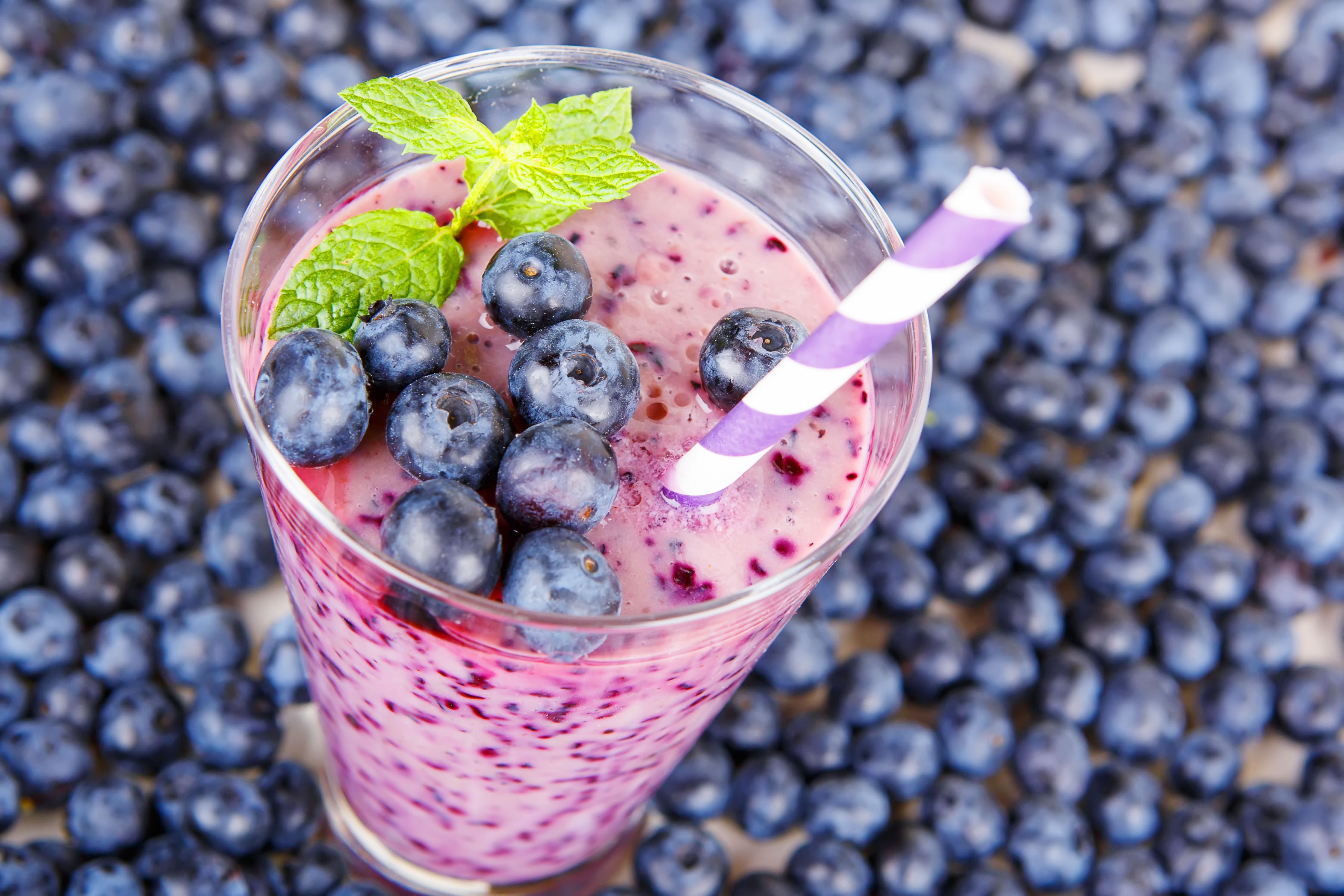
Blueberry smoothie in a glass jar with a straw and sprig of mintIf you’ve ever had the pleasure of picking wild blueberries or strawberries, you’ve experienced the incredible burst of fragrance and flavor offered by each berry. It is easy to get the impression that something that good MUST be incredibly good for you. That might not be a reliable test of healthfulness but, in this case, it happens to be so. Blueberries, as well as strawberries, raspberries, cherries, cranberries and other berries all have remarkable health benefits.

New studies reveal that eating blueberries every day make a significant difference in  cognition in older adults.

A double-blind controlled trial in which 13 men and 24 women, between 60 and 75 years old, ate the equivalent of one cup of fresh blueberries every day for 90 days or a blueberry placebo had an interesting result. The group that ate blueberries showed significantly fewer repetition errors in the California Verbal Learning test.*  These findings show that the addition of easily achievable quantities of blueberry to the diets of older adults can improve some aspects of cognition.

*The California Verbal Learning test is one of the most widely used neuropsychological tests in North America. It is a relatively new approach to clinical psychology and computer science. It is a measure of episodic verbal learning and memory, which demonstrates sensitivity to a range of clinical conditions.

A second study found enhanced neural activation after 16 weeks of daily blueberry supplementation in older adults with mild cognitive impairment at risk for dementia. The researchers concluded that these data demonstrate, for the first time, enhanced neural response during a working memory challenge in blueberry-treated older adults with cognitive decline and are consistent with prior trials showing neurocognitive benefit with blueberry supplementation in this at-risk population.

What’s so special about blueberries?

You’re already familiar with antioxidants, which include vitamins, minerals, herbs, and other nutrients that protect us from free radical damage. Phytochemicals fall under the category of antioxidants, but more specifically, they are compounds found in plants that have been recognized for their potential to fight and protect us from disease. More than 900 different phytochemicals have been identified as components of food, and many more phytochemicals continue to be discovered, it seems, on a weekly basis. It is estimated that there may be more than 100 different phytochemicals in just one serving of vegetables—which is one of the reasons health experts urge us to eat at least five to eight servings of fruit and vegetables each day.

Researchers have known for a long time that the phytochemicals in plants protect them from disease. But it wasn’t until 1980 when The National Cancer Institute began evaluating phytochemicals for their safety, efficacy and potential for preventing and treating human diseases that health experts recommended that we increase our consumption of fruit and vegetables as a valuable way to ward off illness and disease.

Blueberries come out on top

In a test that measures the antioxidant potency of a variety of foods—the Oxygen Radical Absorbance Capacity (ORAC) test—blueberries came out on top.  This tiny, magnificent berry contains a huge serving of antioxidants that have been demonstrated to benefit numerous health conditions, including the prevention of oxidative and inflammatory stress on the lining of blood vessels and red blood cells. Berry anthocyanins also improve neuronal and cognitive brain functions, ocular health as well as protect genomic DNA integrity.

Berries as Smart Nutrients

In a landmark study in 1999, researchers at Tufts University discovered just how powerful this berry is by feeding old rats the equivalent of one cup of blueberries a day. The results were dramatic. The old rats that were fed the blueberries:

  • learned faster than the young rats
  • were more coordinated
  • showed improved motor skills
  • outperformed the young rats in memory tests

In one test, 6-month-old rats were able to run on a rod an average of 14 seconds, when compared to old rats, which fell off after six seconds. But remarkably, the old rats that were fed a blueberry supplement could stay on the rod for 10 seconds. Although the rats didn’t become young again, their skills improved tremendously. When the researchers examined the rats’ brains, they found that the brain neurons of the rats that ate the blueberries were able to communicate better.

The study was significant because the researchers discovered blueberry’s potential for reversing some age-related impairments in both memory and motor coordination. The researchers concluded that these findings suggest that, in addition to their known beneficial effects on cancer and heart disease, phytochemicals present in antioxidant-rich foods may be beneficial in reversing the course of neuronal and behavioral aging.

An earlier study done by researchers at the Jean Mayer USDA Human Nutrition Research Center on Aging at Tufts University published research showing that nutritional antioxidants, such as the polyphenols found in blueberries, can reverse age-related declines in brain function, namely the cognitive and motor deficits associated with Alzheimer’s and Parkinson’s disease. Since then, hundreds of studies have been done showing that all kinds of berries exert a protective effect against oxidation—a principal cause of cellular damage and death—which ultimately results in illness and disease.

 Protects against brain damage

Among blueberry varieties, wild or lowbush blueberries contain the highest antioxidant power and were shown to protect laboratory animals from brain damage from an induced stroke, after they ate blueberries for six weeks. The researchers concluded that this study suggests that inclusion of blueberries in the diet may improve ischemic stroke outcomes.

Conclusion

There are thousands of health-promoting phytochemicals in plants—which is why it’s so important to eat a wide variety of colorful fruits and vegetables every day. Berries contain numerous phytochemicals (including anthocyanins, lutein, carotenoids, ellagic acid, chlorogenic acid, and caffeic acid) that have potent antioxidant and inflammatory effects—that have specifically been shown to protect us from numerous health ailments and diseases.

But most Americans do not meet the Recommended Daily Allowance of five to eight fruits and vegetables a day. The good news is that taking a daily nutritional supplement containing a mixture of berry extracts is an excellent way to get a variety of unique phytochemicals, and cover your antioxidant protection needs.

Berry good for you recipes

Berry Smoothie

Ingredients

  • 2 frozen bananas
  • 4-5 strawberries
  • 1/2 cup of blueberries
  • 1/2 cup of raspberries
  • 1 tsp. of maple syrup or stevia (optional)

Blend in a food processor or blender. About 500 calories (if you use the maple syrup) and 0 fat

Serves: 1-2

 Two berry crisp

Ingredients

  • 1 pint blueberries
  • 1 pint strawberries, hulled, sliced
  • 2 cups sugar-free granola
  • 2 TB coconut oil

Preparation:

Preheat oven to 375°. Toss prepared berries in an 8-inch square glass baking dish. Blend coconut oil with the granola and sprinkle the mixture over the berries.Cover dish with foil and bake for 30 minutes. Remove foil and bake another 10 minutes, until topping is browned. Serve warm or at room temperature, with ice cream or whipped topping.

Serves 6-8

Enjoy!


image

Barbra Cohn cared for her husband Morris for 10 years. He passed away from younger-onset Alzheimer’s disease in 2010. Afterward, she was compelled to write “Calmer Waters: The Caregiver’s Journey Through Alzheimer’s & Dementia”—Winner of the 2018 Book Excellence Award in Self-Helpin order to help other caregivers feel healthier and happier, have more energy, sleep better, feel more confident, deal with feelings of guilt and grief, and to ultimately experience inner peace. “Calmer Waters” is available at AmazonBarnes & NobleBoulder Book StoreTattered Cover Book Store,  Indie Bound.org, and many other fine independent bookstores, as well as public libraries.

Caring for yourself and others with good nutrition

Mary Collette Rogers interviewed me on her podcast “The Healthy Kitchen Companion.”

Find out more about Mary’s programs around The New Kitchen Way: cookhappylivehealthy.org/blog/

Discover insights and tools for handling the challenges of caregiving, particularly stress. Sobering statistics highlight the need for addressing this topic: In 2017, fully 16 million friends and family provided 18 billion hours of unpaid care for 5½ million Americans with Alzheimer’s. That figure, of course, accounts for just one of many chronic conditions that required the services of caregivers.

Equally important is the need for self-care since it is said that at some point you’ll either be a caregiver or be cared for yourself. Self-care can minimize the need for care from others, or make it possible to provide care to those you love.

In this conversation, Barbra Cohn and Mary Collette Rogers share a wealth of knowledge and strategies for using the power of good nutrition to alleviate the stress of caregiving–whether for yourself or others.

Barbra, author of Calmer Waters: The Caregiver’s Journey Through Alzheimer’s & Dementia, provides solid nutritional advice for
** Introducing the Stress Vitamins and minerals, and foods where they can be found
** How neurotransmitters like serotonin improve mood and how to use natural mood boosters in foods to uplift mood
** Why breakfast is the most important meal of the day for caregivers and key breakfast foods
** Barbra’s secret for boosting immunity, staying hydrated and replenishing nutrients drained by stress

Mary Collette, Healthy Kitchen Companion, explores how to ensure that Barbra’s nutritional wisdom doesn’t just get parked at the kitchen door. With The New Kitchen Way, her integrated approach to meal making, you’ll see good nutrition advice actually show up on your table–deliciously and easily. Learn
** About the power of organization and why it works as well in the kitchen as the business world
** How chaos and lack of control are the true culprits that sabotage kitchen fun and success
** How organization alleviates stress when you invite it into your kitchen and meal making
** How the kitchen and meal making can be broken down into just six areas, and
** How the 6 KitchenSmart Strategies easily guide you to get those six areas under control, leaving you relieved and confident about making nourishing meals.