Can depression be a sign of dementia?

Depressed Senior Woman Sitting OutsideDepression can affect our memory, and it can result from not being able to do the things that were once easy for us, as in the case of Alzheimer’s or dementia. Depression can result from a number of factors and it often appears differently in different people

Some people are able to hide the fact that they are terribly depressed. I did. I tried to put on a happy face during my husband’s illness, but inside I often felt as though I was dying. Following the recent suicides of Kate Spade and Anthony Bourdain, we have to remind ourselves that we usually don’t know what is happening inside someone else’s head.

Before my husband was diagnosed with younger-onset Alzheimer’s disease he was withdrawn and depressed. I didn’t know what exactly what was going on, and he was unable to articulate how he felt. I eventually realized that he was depressed because the things that were once effortless for him to do, such as driving around town or figuring out how much tip to leave in a restaurant, had become difficult.

Alzheimer’s and depression often occur simultaneously, which often makes it difficult for physicians to make a diagnosis without further testing. According to James M. Ellison, MD of the Swank Memory Care Center, Christiana Care Health System, approximately half of individuals affected by Alzheimer’s disease will experience clinically significant depressive symptoms at some point.  Depression can occur during any phase of the illness.

Symptoms common to Alzheimer’s and depression

  • Loss of interest in things that were once enjoyable
  • Memory issues
  • Sleeping too much or too little
  • Social withdrawal or isolation
  • Impaired concentration
  • Eating too much or too little
  • Crying, feelings of hopelessness, despair
  • Unmotivated
  • Lack of energy, lethargy, apathy
  • Irritability
  • Thoughts of death or suicide

A case of the chicken or the egg: which came first, Alzheimer’s or depression?

Some health professionals think that depression can put one at greater risk for Alzheimer’s. There is also a belief that depression is a symptom of Alzheimer’s. In any case, physicians feel that a person with dementia who is depressed can experience a quicker cognitive decline and need to rely more on caregivers.

What to do?

8 natural ways to combat depression.

Antidepressants may not work as well with people who have Alzheimer’s and are depressed. Before resorting to antidepressants and other drugs,  try these options:

  1. Provide a safe and calm environment. Light candles at dinner, play classical music, have a vase of fresh flowers on the table.
  2. Get some physical exercise every day; even just a 20 minute walk helps tremendously.
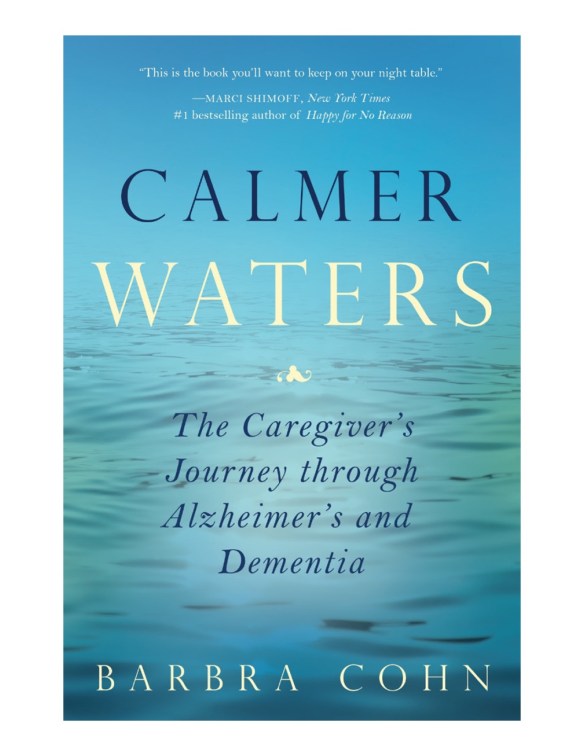
  3. Use aromatherapy oils. For more information about the use of aromatherapy to reduce stress, improve immunity, reduce agitation, and to promote relaxation read chapter 18 “Aromatherapy” in “Calmer Waters: The Caregiver’s Journey Through Alzheimer’s & Dementia” by Barbra Cohn
  4.  I gave my husband Ginkgo biloba for depression (and also took it myself). It helped right up until he was in late stage Alzheimer’s. One word of advice, not all brands are efficacious, so pick one carefully. Also note that it takes about 6 weeks to notice an effect. This is a typical difference of taking a pharmaceutical versus a natural remedy.
  5. Vitamin B complex optimizes cognitive activity and brain function, has a positive effect on memory, learning capacity and attention span, and supports a healthy nervous system and a stable mood. Vitamins B6 and B12, in particular, play a role in the synthesis of serotonin, the neurotransmitter linked to improving memory, lifting mood and regulating sleep.
  6. Omega-3 fatty acids are rich in DHA, the major unsaturated fat in the brain. This long-chain fatty acid provides the necessary fluid quality to the membranes of the nerve cells so that electrical nerve impulses can flow easily along the circuits of the brain. One study found that Alzheimer’s patients given an omega-3-rich supplement experienced a significant improvement in their quality of life.
  7. Maintain your social connections. Loneliness can actually lead to health problems and mental decline. Join a group—any kind of group: worship,  hiking, scrabble, table tennis, knitting, discussion group, or book club. Volunteer at a food bank, soup kitchen or animal shelter. It’s important to stay connected and to feel as though you are a contributing member of society.
  8. Sleep well by getting to bed before 11:00 pm, eating your last meal before 8pm, turning off your electronic devices, and eliminating light in your bedroom. Studies have indicated that sleep deprivation can increase risk of dementia and Alzheimer’s disease. If you have trouble sleeping consider using a lavender essential oil spray on your pillow or a sachet of lavender inserted into the pillowcase. There are lots of natural sleep aids available at your local health food store, such as melatonin, calcium/magnesium, valerian, hops, etc. Consult with a nutritional consultant about what might work best for you.
image

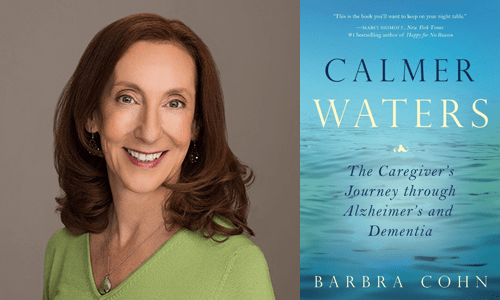
Barbra Cohn cared for her husband Morris for 10 years. He passed away from younger-onset Alzheimer’s disease in 2010. Afterward, she was compelled to write “Calmer Waters: The Caregiver’s Journey Through Alzheimer’s & Dementia” in order to help other caregivers feel healthier and happier, have more energy, sleep better, feel more confident, deal with feelings of guilt and grief, and to ultimately experience inner peace. “Calmer Waters” is available at AmazonBarnes & NobleBoulder Book StoreTattered Cover Book Store,  Indie Bound.org, and many other fine independent bookstores, as well as public libraries.

Men: Are you taking care of yourself?

仲の良い父と娘Happy Father’s Day to all men who play a caring role in the life of a child, and kudos for  all that you do. But let me ask you this: Do you take care of yourself? Typically, most men take better care of their cars than themselves. Most men wait until a symptom pops up, and by then the illness or disease has progressed.

I’m not going to give you a lecture about how you should make an appointment tomorrow to get a routine preventative check-up, but hopefully after going through the following list, you’ll see my point.

Take this quiz to see how much you really know about men’s health. 

1) As a man gets older, it’s almost inevitable that he:

  1. loses interest in sex
  2. has a difficult time maintaining an erection
  3. doesn’t need to exercise as much
  4. develops an enlarged prostate

2) To detect prostate cancer early, a man should:

  1. have a colonoscopy
  2. practice a monthly self prostate examination
  3. have a digital rectal exam and PSA blood test
  4. have a sonogram of his prostate every year

3) Impotence can result from:

  1. drinking too much alcohol
  2. recreational drug use (smoking marijuana)
  3. high blood pressure
  4. diabetes
  5. all of the above

4) 75% of prostate cancer occurs in:

  1. Hispanic men
  2. men over 65
  3. men who eat a low-fat diet
  4. men with low testosterone levels

5) The most common cancer among men is:

  1. prostate cancer
  2. lung cancer
  3. skin cancer
  4. colon cancer

6) Which racial/ethnic group is most likely to develop prostate cancer?

  1. Caucasian
  2. Asian
  3. Hispanic
  4. African-American

7) A common risk factor for developing prostate cancer is:

  1. lack of exercise
  2. high fat diet
  3. high testosterone levels
  4. growing older
  5. all of the above

8) What beverage has been found to support prostate health?

  1. beer
  2. green tea
  3. orange juice
  4. red wine

9) What common food has been found to support prostate health?

  1. oranges
  2. tomatoes
  3. beef
  4. cheese

10) Which disease is considered the number one cause of death among American males?

  1. diabetes
  2. prostate cancer
  3. obesity
  4. cardiovascular disease

11) Cardiovascular disease kills far more men and women than cancer.

  1. True
  2. False

12) Eating a diet that includes plenty of pasta, potatoes and white rice can reduce your risk of heart disease.

  1. True
  2. False

13) The heart muscle is totally responsible for maintaining normal blood pressure levels.

  1. True
  2. False

14) Cardiovascular disease is hereditary and cannot be prevented.

  1. True
  2. False

15) CVD starts in the teenage years.

  1. True
  2. False

16) An aspirin a day is the best way to thin the blood, in order to reduce the chance of stroke and heart attack.

  1. True
  2. False

17) High blood cholesterol is the best overall indicator of cardiovascular disease.

  1. True
  2. False

18) Statistics show that the stress of caregiving can result in chronic disease for the caregiver and take as many as ten years off one’s life.


Answers:

1) d

2) g

3) e- all of the above. Not smoking, eating a healthy diet, not overdoing it when it comes to drinking, regular exercise, getting enough sleep, will all help support normal blood flow. Also, Ginkgo biloba extract helps support normal blood flow to the penis

4) b. Simply growing older increases a man’s risk. Seventy-five percent of prostate cancer occurs in men over 65 with only 7% diagnosed in men under 60 years of age.

5) c. Skin cancer is the number one form of cancer in the US. Prostate cancer is the most common cancer among men next to skin cancer and the second leading cause of cancer death in men after lung cancer.

6) d. African-American males have the highest incidence of prostate cancer, a third higher than white males, and African-American males are also twice as likely to die from it.

7) e. Also, men who have higher testosterone levels, or who eat a high fat diet have been shown to have an increased risk of developing prostate cancer.

8) b. Green tea is chock full of antioxidants that have been shown to reduce cancer. Red wine, on the other hand, is a natural preventative against cardiovascular disease.

9) b. Tomatoes contain lycopene, especially potent in the fight against prostate cancer.

10) d. Among major disease groups, heart disease is the leading cause of death within the elderly population.

11) True. Although cancer fears are more common, cardiovascular disease is the chief cause of death and disability in the United States today. It affects close to 60 million Americans and every year more than a million people suffer from new or recurrent heart attacks. In fact,every 20 seconds a person in the United States has a heart attack, and one-third of these attacks leads to death. The American Heart Association calls CVD “the silent epidemic.”

12) False. For years we were told that a heart-healthy diet included foods low in fat and high in carbohydrates, such as fruits, veggies, legumes, grains and other starches. But now experts are saying that overloading on carbohydrates (especially the wrong kind) can make you fat and increase your risk of heart disease. Eating foods with a high glycemic index—such as cookies, cake, candy, bagels, pasta, white rice, refined bread and grains, potatoes and potato chips—raises blood sugar and insulin levels, which in turn stimulates the production of triglycerides (blood fats that raise heart disease risk).

13) False. Your kidneys, blood vessels and heart all control blood pressure. In order to maintain healthy blood pressure and keep blood moving, the walls of your arteries, capillaries and veins need to be flexible and strong. Research has shown that nutrients such as Co-Q10, hawthorne, red wine polyphenols, notoginseng (a cousin of ginseng), and astragalus help strengthen blood flow throughout the entire body, maintaining healthy blood pressure. In addition, EDTA (the main ingredient in Health Freedom Nutrition’s Cardio Clear) removes heavy metals and toxins that interfere with the production of nitric oxide, a major factor in controlling blood pressure.

14) False. Even if there’s heart disease in your family, and even if you have high cholesterol, combining an regular exercise program with and a Mediterranean based diet and healthy lifestyle (no smoking, reduced alcohol consumption) can dramatically reduce your risk of heart attack and stroke.

15) True. Dr. Scoot Calig, M.D., a pediatrician at West Hills Medical Center and an assistant clinical professor at the University of Southern California, Los Angeles, says, “It’s important to keep in mind that the development of cardiovascular disease begins in the teenage years. Studies have shown that by that time, arterial plaque formation is well under way.”  Just another reason to exercise, eat a healthy diet, and take nutritional supplements such as oral EDTA to strengthen the heart and arteries and clear out toxic metals that inhibit the production of nitric oxide.

16) False. For years, aspirin has been prescribed after a heart attack, in order to avoid a subsequent heart attack. And now, a panel of experts is recommending aspirin as a precaution against heart disease for all at-risk, healthy adults over 40. But Alfred Berg, M.D., of the University of Washington, head of the panel says, “Do not assume that an aspirin a day is without risk.” Aspirin can cause intestinal bleeding and hemorrhagic stroke. Herbs such as hawthorne, nattokinase, garlic and Ginkgo biloba have the ability to thin the blood like aspirin, without damaging the esophageal and intestinal linings, or exacerbating ulcers.

17) False. Homocysteine—a by-product of the amino acid methionine— is a more sensitive indicator of cardiovascular health than cholesterol. Too much of it increases injury to arterial walls, as well as accelerates oxidation and accumulation of cholesterol in blood vessel. The good news is that folic acid, and vitamins B6 and B12 help keep homocysteine levels low!

18) True—for men and women! Click here to read 16 Stress-busters to nourish your body, mind and soul

Have a happy Father’s Day, and please take care of your health so you can continue to enjoy life and be a support and friend to everyone who loves you.


For dozens of general health tips and caregiving help read Calmer Waters: The Caregiver’s Journey Through Alzheimer’s and Dementia  by Barbra Cohn.image

You have a dementia diagnosis, now what?

Senior doctor talking with patient and tablet in officeJune is Alzheimer’s & Brain Awareness Month. It’s a good time to have a physical exam, especially if you are worried about your memory not being as sharp as it used to be or if you’re having trouble coping with daily life. If you’ve noticed that someone close to you is showing signs of withdrawal, depression or confusion, please strongly suggest that he or she make an appointment for an exam, too.

Here’s the scenario of how my husband Morris and I received his diagnosis. I’ve provided a list below it to help you tread water when you feel as though you’re drowning.


There were several indications that something was wrong with my husband two years before he was diagnosed. This tall, good-looking man, a graduate of the Wharton School of Business at the University of Pennsylvania, was having trouble calculating how much tip to leave a waitress. When we went to Spain for our twenty-fifth anniversary, Morris couldn’t figure out how much money the hotel would cost in dollars. This man, who once memorized train and airplane schedules without even trying, followed me around the city like a puppy dog as we boarded a subway or bus en route to tourist attractions.

That following fall—our daughter’s last year in high school—Morris couldn’t give directions to a friend who was taking the SAT at the high school my husband had attended in Denver. I got out the map to help him, but he couldn’t read the map. That was the moment I knew something was very wrong. When he left for a road trip to California with our son and forgot his suitcase, I sat on the stairs and cried. I couldn’t deny it any longer. I had a strong suspicion that Morris had Alzheimer’s disease, and although I pleaded with him for two years to see a neurologist, he refused.

Finally, he agreed. The doctor (I’ll call her “Dr. Fitzgerald”) asked Morris why he had come in. “My wife thinks I might have Alzheimer’s disease,” he said.

“You wouldn’t be able to drive here yourself if you had Alzheimer’s,” she replied.

Nonetheless, Dr. Fitzgerald gave Morris the Mini-Mental State Exam (MMSE, a thirty point questionnaire used to screen cognitive impairment), asking questions such as, “What are the year, season, date, day, and month?” and progressing to more difficult questions that included counting backward from one hundred by serial sevens. I don’t know about you, but I’d probably be slow on the draw to count backward by sevens. At least I’d have to stop and think about it before responding. Morris botched up that question, and he wasn’t able to draw the face of a clock either. The concept of time was already an elusive abstraction.

Dr. Fitzgerald ordered a blood work-up to rule out an organic problem such as hypoactive thyroid—which can cause memory problems—and an MRI scan (magnetic resonance imaging) to rule out a brain tumor. To tell you the truth, I was hoping for a brain tumor because at least you can take the bull by the horns and really go at the darn thing with radiation and a scalpel. Well, there was no brain tumor and his blood panel looked just fine.

A week later, just as we were investigating the cost of long-term health insurance, Dr. Fitzgerald called to ask Morris to bring in his wife to the follow-up appointment. I’m sorry to say that one of the biggest mistakes I’ve ever made was to schedule that appointment without first buying long-term care insurance. Once you get a diagnosis such as Alzheimer’s, there’s no way you’re going to qualify for long-term care insurance, which could potentially save a family thousands of dollars in catastrophic health care costs.

In the early afternoon of January 3, 2001, Morris and I sat in a dimly lit exam room on wooden frame chairs with hunter green cushions on the seat and back. He wore a sweater woven from various shades of blue and gray that highlighted his eyes. We waited for the doctor to knock on the door, the way they usually do. Morris didn’t appear nervous; probably because he didn’t think there was anything wrong with him. But my stomach was wound tight from anxiety and my lungs were working hard to expel phlegm. It didn’t help that the stale re-circulated air had a metallic odor of fear that was probably generated by patients who had received bad news.

Dr. Fitzgerald finally came in and sat on Morris’s left. She had cropped hair and spoke in a blunt, choppy cadence that matched her no-nonsense appearance. Without much of an introduction, the doctor asked me a few questions about Morris, speaking as if he were invisible.

“How is his driving?” she asked.

“He tends to get lost driving in familiar neighborhoods,” I responded, noting the twitch in Morris’s right cheek. I felt my lungs squeeze, and a high-pitched wheeze escaped from my chest.

“Here is the Mini-Mental State Exam Morris took the last time we met.”

His drawing of a house looked like a dilapidated mine shaft. Without waiting for a response, Dr. Fitzgerald turned to Morris and said, “You have Alzheimer’s disease.” Morris froze and his face turned white, while I burst out crying.


I hope that if you ever get a diagnosis such as Alzheimer’s, Parkinson’s, vascular dementia or a similar devastating disease, your doctor is compassionate and gentle about the delivery of the news that will forever change your life and the lives of your loved ones. I wrote “Calmer Waters: The Caregiver’s Journey Through Alzheimer’s and Dementia” after caring for my husband for 10 years, in order to help other caregivers feel more confident, happier, healthier, and deal with feelings of guilt and grief.

For hundreds of other caregiving tips, find “Calmer Waters: The Caregiver’s Journey Through Alzheimer’s and Dementia” on AmazonBarnes and Noble, at other fine book stores, and many libraries.


image.png

What can and should you do after getting a diagnosis?

It is understandable that you will have many conflicting feelings such as disbelief, anger, depression, sadness, fear, grief, and shock. You may even feel relieved that you finally know why you are not feeling like yourself. It can be helpful to talk about what you’re feeling and thinking rather than to keep things bottled up inside. In addition to talking with people who are close to you, you can contact the Alzheimer’s Association® at 1.800.272.3900.

You don’t have to tell everyone about your diagnosis if you don’t want to. But if you are still working, or if your boss has questioned your work habits, etc., it’s a good idea to inform him or her of your diagnosis, especially since you might be eligible for  Social Security Disability Insurance.

Your health is more important than ever

Just because you receive a diagnosis doesn’t mean you should give up trying to live a healthy life. You probably still have a lot of years ahead of you, so enjoy them as much as you can. Continue to get daily physical exercise such as walking, biking, hiking, dancing, swimming. Eat a Mediterranean based diet that includes lots of fresh veggies, fruits, nuts,  fish, whole grains, avocado and olive oil.

Stay socially connected as much as possible. It’s normal to feel depressed and it’s okay if you don’t feel like “going out” as much as you used to. But it’s important not to isolate yourself. Keep golfing, bowling, playing cards, as much as you can. Continue to meet with friends for lunch or a movie. If you feel the need to talk, make an appointment with a therapist who specializes in helping people with dementia.

Visit museums, spend time with grandchildren, get a pet (if you don’t already have one), attend an Alzheimer’s Association Memory Cafe. The Alzheimer’s Association’s Memory Cafés offer a fun and relaxed way for people living with early-stage memory loss to get connected with one another through social events that promote interaction and companionship. This is a place where the care partner can receive information while connecting and sharing with other people in similar situations.  Keep busy!

 Legal and Financial Planning for the Future

This is the time to start planning for the future. Taking the time to make decisions about matters that will affect your health care and your finances before you are unable to manage them is one of the most important steps you can take for yourself and your family.

There are many legal and financial documents that will help you formalize your plans and wishes such as:

Durable Power of Attorney

In this document you appoint a person you trust to make legal and financial decisions on your behalf, if you become unable to do so for yourself.

Health Care Proxy

In this document you appoint a person to make medical decisions on your behalf, if you become unable to do so for yourself. It’s important that you speak with the person you appoint about the kind of medical care you would or wouldn’t like so that they can carry out your wishes.

Living Will

Some people also want to make a Living Will in addition to having a Health Care Proxy. In this document, you can state your wishes about end-of-life care.

Last Will & Testament

The purpose of this document is to designate how your assets will be distributed after your death. This will must be completed with the assistance of an attorney.

All the best to you and your families. 

With love,

Barbra Cohn


The Brain Support awards: The Best, Worst, and Weirdest

Blank award ribbon set

It’s Brain Awareness Week and a good time to assess what we are doing to enhance our memory, focus, cognition and other mental processes.

I recently read “In Pursuit of Memory: The Fight Against Alzheimer’s” by Dr. Joseph Jebelli, a British neuroscientist. It is a wonderfully written comprehensive analysis of the disease, including a history of research, theories, clinical trials, and possible ways to stave off the disease. Although the research and scientific language might dissuade some readers, I found the book very readable and accessible, especially since Jebelli includes his personal account of his grandfather’s Alzheimer’s disease. Here are some of his recommendations for supporting brain health.

The Best Brain Support Awards

  • Staying socially and physically active has a positive effect on mood and well-being.
  • Eating a healthy diet, especially the Mediterranean diet (lots of fresh fruits and veggies, cold-water fish such as wild salmon and sardines, whole grains, and healthy oils (olive, walnut, avocado) and nuts). For more ideas on how to eat well, read 20 Ways to give your body the best nutrition it deserves.
  • Using turmeric to season your food or taking a turmeric supplement. Dr. Jebelli writes about an in vitro (in a petri dish) study in which curcumin, the bioactive ingredient in turmeric, actually dissolves the beta-amyloid plaque found in the Alzheimer’s brain. Beta-amyloid is responsible for creating the plaques that inhibit the communication between neurotransmitters, leading to loss of memory and other functions. For more information about turmeric read Turmeric does a body good.
  • Maintaining a positive attitude

Additionally, here are a couple of my favorite brain support aids.

1. Coconut oil–I was skeptical when I first heard that Alzheimer’s patients were having a reversal of the disease process after consuming coconut oil. But after hearing anecdotal stories, I am very curious about how coconut oil improves cognitive performance in individuals with Alzheimer’s. A Spanish study published in March 2017 concluded that after consuming 40 ml of coconut oil each day for 21 days, (divided into two servings) 44 patients with Alzheimer’s exhibited a significant improvement in language skills. Read more about it: How does coconut oil affect cognitive performance in alzheimer patients?

Coconut oil contains medium-chain triglycerides, which go directly to your liver. The liver naturally converts the oil into ketones. Ketones are chemicals made in your liver. You produce them when you don’t have enough insulin in your body to turn sugar (or glucose) into energy. Ketones are released into the bloodstream where they are transported to the brain as an alternative fuel. Other fats are not readily released into the blood stream and are typically mixed with bile released from the gallbladder before they can be broken down in the digestive system.

Dr. Mary Newport, author of the 2011 book “Alzheimer’s Disease: What if there was a cure?: The story of ketones,” discovered that when her husband ingested coconut oil his Alzheimer’s-impaired cognition improved. In fact, it improved so much that “by the fifth day I felt as though I had gotten my husband back,” says Newport. “His personality and sense of humor returned, he was less depressed, and was able to walk normally again. And he started running and resumed the activities of vacuuming and mowing the lawn.” Additionally, two months after he started taking coconut oil his Mini Mental State Examination (MMSE) score went from 12 to 20 out of 30 points, and he was able to draw the face of the clock, says Newport.

Therapeutic levels of medium chain triglycerides (MCTs) have been studied at 20 grams a day, or about 7 level teaspoons. That comes to about 240 calories per day, since one tablespoon of coconut oil is about 120 calories. But there are no significant long-term human clinical studies completed at this point in time.

groundbreaking research study of a ketone ester in an Alzheimer’s mouse model was released for publication January 4, 2012 in Neurobiology of Aging. This study showed that compared to animals fed a normal control diet, the Alzheimer’s model mice that were fed ketones had significantly less amyloid plaques and tangles in their brain. The animals also showed reduced anxiety, and improved learning and memory compared to the mice fed the control diet.

Mild to moderate Alzheimer’s patients are having good results from a medical food called Axona® which contains a proprietary formulation of medium-chain triglycerides. Axona, which provides an alternative fuel for the brain, as does coconut oil, is a medical food product and not a drug or a dietary supplement. Medical food products are regulated by the FDA, but are in a unique category separate from drugs and dietary supplements. Axona is available by prescription, and is used in conjunction with other Alzheimer’s medications. For more information visit: http://about-axona.com/

Since we have yet to see long-term human clinical trials, I would not call coconut a miracle remedy for Alzheimer’s disease as indicated by Dr. Mary Drew. But if my husband were still alive I would definitely try giving him coconut oil or Axona. Besides some possible minor gastrointestinal side effects and a slight weight gain, adding medium-chain triglycerides to the health regimen of someone with Alzheimer’s disease might just make a difference.

2. Phosphatidylserine (PS) is one of my favorite daily supplements. I notice a difference in my mental acuity when I take it. And when I forget to take it, I am definitely not as sharp as I like to be. PS protects the integrity of brain cell membranes, facilitates the efficient transport of energy-producing nutrients into cells, and enhances brain cell energy metabolism. PS has been sanctioned by the FDA as a safe “brain booster.”Because there are global concerns about mad cow disease, commercial sources of PS, once derived from cows, are now made from soy-derived PS.How does phosphatidylserine work? Phosphatidylserine keeps fatty substances soluble and cell membranes fluid.  It also helps to increase glucose metabolism in the brain. This is especially significant because Alzheimer’s disease has been called a type of diabetes–diabetes 3- because the Alzheimer’s brain is inefficient in metabolizing glucose. PS has also been found to increase the number of neurotransmitter receptor sites in the brain.

A study published in August 2015 found that PS decreased cholinesterase, the enzyme that interferes with the brain’s uptake of choline. Most importantly, the patients who took supplemental PS showed an improvement in their memory. In conclusion, PS decreased cholinesterase, improved memory.

The Worst Brain Support Awards 

You have probably heard it before, but it’s worth repeating. Refrain or at least cut back on eating these foods. They really do a body harm, and especially your brain.

  • Alcohol
  • Refined carbs
  • Soda, and high fructose corn syrup, which tricks your brain into thinking you’re hungry when you’re not
  • Trans Fatty acids in processed foods, margarines, salad oils, bakery goods, potato and corn ships, candies
  • Saturated fats meat, chicken skin, full fat dairy products and butter

Lack of sleep has been demonstrated to increase risk of dementia and other health concerns. For more information about the importance of sleep, read 16 ways to sleep better . . . so you can be a better caregiver.

Sitting all day and not getting enough exercise is bad for the body and bad for the brain. If you have an office job where you sit most of the day try to get up and move every hour or so. And during your lunch break, go outside for a walk. You will feel so much better!

The Weirdest Brain Support Awards

Stress has a big impact on brain health.  But there are dozens of ways to reduce stress and protect our overall health and brain health. Here are some that were a surprise to me.

  • Applying pressure to the space between your second and third knuckle (the joints at the base of your pointer and middle fingers) supposedly calms you down instantly because it activates a nerve that, according to Sharon Melnick, author of “Success Under Stress,” “loosens the area around the heart, so any fluttery feeling you feel when you’re nervous goes away.”
  • Kissing helps your brain release endorphins, the feel-good neurotransmitters. Laura Berman, Ph.D., a Northwestern University researcher found that in a study of 2,000 couples, those who only kissed when they had sex were eight times more likely to report feeling chronically stressed or depressed. So kiss often and more passionately.
  • I see “the lemon trick” every so often on Facebook. Well, it’s not a trick and it’s not lemon. Rather, this post is about a dietary supplement made from a lemon balm plant called Blueness that is grown only in Bavaria, Germany. The marketing copy claims that if you take this supplement within one hour you will be thinking “I can do anything if I just set my ind to it.” It supposedly improves rapid fire oscillation, which means you’ll be able to remember where you parked your car and the names of people you haven’t seen in years), and you won’t be destined to a life of “What’s this thingamajig called?” It sounds too good to be true, but the hype convinced me to continue reading to the end, where I discovered that the supplement is pretty expensive. No thanks.

I’d love to hear about your favorite brain support tips.

I will send to the first 10 people who respond a chapter from my book “Calmer Waters: The Caregiver’s Journey Through Alzheimer’s and Dementia” called “Living in the Now.” The chapter includes affirmations for staying positive throughout the day and techniques for staying present when you are worried about the futurefrom my book.

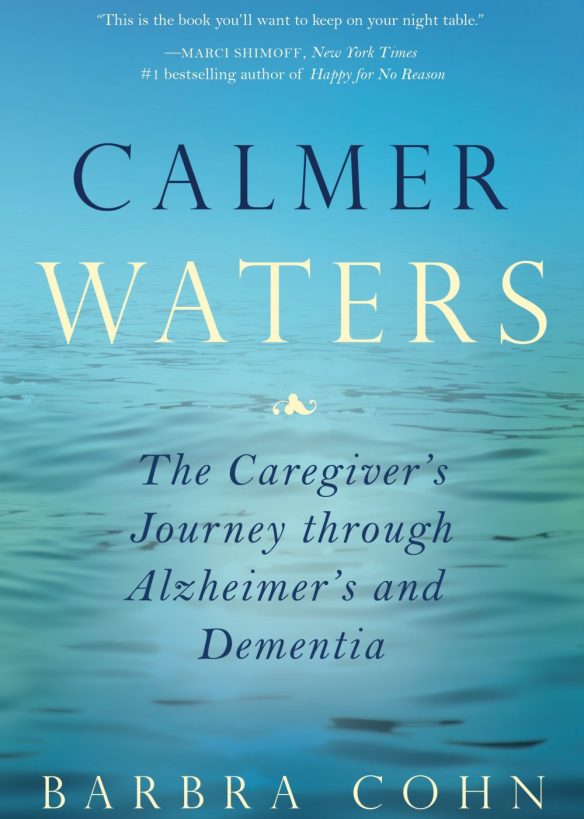
“Calmer Waters: The Caregiver’s Journey Through Alzheimer’s & Dementia” by Barbra Cohn contains a treasure trove of information on how to stay connected with your loved one, keep calm, improve immunity, reduce stress and feel happier and healthier. Plus, it includes 20 healing modalities that the caregiver can do alone or with their loved one. Available wherever fine books are sold and on Amazon.

cropped-front-cover-42316.jpg


A UTI, fall or a cold can lead to cognitive decline and even death in a person with Alzheimer’s disease

Dementia disease and a loss of brain function and memories

November is Alzheimer’s Awareness Month 

People with Alzheimer’s who get even a mild respiratory or gastrointestinal infection, or a bump or bruise are at risk for having a significant, permanent memory loss, according to a report that was published in the September 8, 2009 issue of the journal Neurology. These patients can have high levels of tumor necrosis factor—alpha (TNF-a)—a protein that is linked to inflammation and is associated with memory loss and cognitive decline.

In the study, which was done at the Clinical Neurosciences Research Division at the University of Southampton, United Kingdom, 222 Alzheimer’s patients were followed for six months. Of those, 110 people had an infection or injury that resulted in inflammation. These individuals had twice the memory loss during that period of time as the individuals who did not have an illness or injury. Researchers attribute the memory loss to inflammation. In patients whose TNF-a levels were high to begin with, an infection increased their memory loss to 10 times more than those who had low TNF-a levels.

Clive Holmes, PhD, lead researcher, said that this population should be vaccinated against the flu, and infections and injuries should be treated as soon as possible.

It is not uncommon for an elderly person to die from a urinary tract infection, especially someone who has dementia. Even a mild cold can develop into a serious pneumonia and lead to death in an elderly person. My husband developed a kidney stone, and died six weeks later. He progressed from a person in mid- to late-stage Alzheimer’s to someone in the final stage of Alzheimer’s, unable to walk or talk.

Tips for keeping you and your loved one healthy and safe

  • Inoculate against flu, pneumonia and shingles
  • Boost immunity with zinc, vitamin D and vitamin C
  • Prevent falls and accidents (recommended: Complete Guide to Alzheimer’s Proofing Your Home by Mark L. Warner
  • Reduce systemic inflammation with a curcumin (turmeric extract) supplement
  • Use a humidifier to moisturize nasal passages and mucous membranes to help keep them healthy
  • Engage in gentle exercise to reduce inflammation
  • Keep hydrated by drinking at least 6-8 glasses of water each day
  • Reduce risk of urinary tract infections with D-Mannose powder and cranberry extract 
  • Use essential oils (lemon, peppermint, lavender, frankincense, bergamot, thyme, sandalwood, vetiver, myrrh) to boost immunity. For more information about the use of aromatherapy to reduce stress, improve immunity, reduce agitation, and to promote relaxation read chapter 18 “Aromatherapy” in “Calmer Waters: The Caregiver’s Journey Through Alzheimer’s & Dementia” by Barbra Cohn
  • Eat yogurt. 70% of your immune system lies in your gut. Probiotics are live bacterial microorganisms that populate the human gastrointestinal tract. They combat the daily bombardment of toxins and pathogens (bacteria, fungus, parasites, and viruses) that enter our digestive system every day through contaminated food and other toxins. Recent studies show that the bacteria in your gut can also affect your mental health, mood and stress levels. Fermented foods such as kombucha, Greek yogurt, kefir, sauerkraut, miso, cottage cheese are probiotics. Probiotic bacteria colonize the digestive tract with good bacteria. Prebiotics are the food and nutrients that feed probiotics. Prebiotic fiber is found in fruits and vegetables such as artichokes, jicama, wild yams, onions and garlic, asparagus, beans, oats, chicory root and Jerusalem artichokes. Prebiotics support mineral absorption, vitamin utilization, and healthy blood sugar levels. Your gut needs both pro- and prebiotics in order to stay healthy and keep you healthy.
  • Drink mineral broth. It helps alkalinize the body and warm the system. It also helps counter the negative effects of stress. Have it as a bowl of soup or sip it throughout the day. Use your vegetables scraps or chop 2 cups yams, 1 medium potato, 1 cup zucchini, 1 cup cabbage, 1 cup green beans, 2 cups celery, 1 cup onions. Add herbs, garlic, parsley–anything you like. Place in a large pot, cover with water, bring to a boil, turn down to a simmer, and cover for 3-5 hours. For more information read chapter  31 “Nutrition” in “Calmer Waters: The Caregiver’s Journey Through Alzheimer’s & Dementia” by Barbra Cohn

BarbraCohn__

10 Ways caregivers can reduce stress and feel instant relief

Spa still-life.

June is Alzheimer’s & Brain Awareness Month, and in celebration of the anniversary of the release of my book “Calmer Waters: The Caregiver’s Journey Through Alzheimer’s & Dementia” this month I will be posting ways that caregivers can relieve stress, feel better and more energetic, and forge a stronger connection to the person they lovingly care for.

  1. Before you get out of bed in the morning, breathe deeply and for a minute or two repeat an affirmation such as: “Today will be a good day.” “I am a loving, patient person.” “I’m feeling strong and healthy today.” “I am grateful for my family and friends.” “I am a kind, compassionate caregiver.”
  2. Eat a good breakfast. Your blood sugar is low when you awake after fasting for 6-8 hours. Support healthy blood glucose levels by eating protein, a complex carbohydrate, and colorful fruits or veggies for vitamins and antioxidants. A bowl of cereal with low or no-fat milk doesn’t cut it. As a caregiver you need the energy to get you through the morning. My favorite energy-boosting, neurotransmitter supporting breakfast is eggs (anyway you like them), sautéed kale or spinach with onions, a side of beans and melon or strawberries to finish it off. Yes, it sounds like a lot, and it is. But the portions can be small and you can use your left-over veggies from dinner the night before. Of if you want a lighter breakfast during summer, have a protein smoothie with yogurt, protein powder and fruit. Just make sure that whatever you eat includes high-quality protein.
  3. Go for a walk. If your care partner is ambulatory, take him or her with you. Research published in the March 2017 issue of “Cell Metabolism” found that a brisk walk could help slow the aging process. In “Calmer Waters,” researcher Monika Fleshner, PhD writes “Based on the research that my colleagues and I have done in the past thirteen years, we know that regular physical activity promotes stress robustness (resistance to stress) and changes the way the brain and body respond to stressors. . . If you are highly conditioned from a regular exercise routine, then you can respond better psychologically and physically.” (pg. 174, “Calmer Waters”)
  4. Sing in the shower, sing with your care partner, sing in a spiritual setting. “Music engagement can help you connect with your loved ones and care partner. Oxytocin, the chemical in our brain that is released during intimate interactions such as breastfeeding and intercourse, helps us to form trust and bonds with other humans. It is fascinating that this chemical is also emitted when people sing and make music together,” says neurologic music therapist Rebekah Stewart, MA. (pg. 224 “Calmer Waters”)
  5. Stay present. Learning how to stay present enhances how you relate to the person you are caring for, allowing you to create community with that person. The simple act of breathing with someone—of matching your breath to his or hers—enables you to create a spiritual connection with that person.
  6. Create a soothing space. Light a candle, enjoy a vase of fresh flowers, light incense, listen to uplifting music.
  7. Use aromatherapy oils to uplift the spirit and calm you down. Explore the variety of essential oils which can be used in a diffuser, spritzed on a pillow case, shirt collar or handkerchief or tissue that you can tuck in your shirt pocket.
  8. Dance as though no one is watching you. Dance alone in your living room to your favorite music, or with your care partner. It is an easy way to get the blood flowing, loosen up stiff muscles, and a fast and easy way to uplift your mood.
  9. Get a dog (if you don’t have one). “Animal Assisted Therapy is recognized by the National Institute of Mental Health as a type of psychotherapy for treating depression and other mood disorders. Spending time with an animal seems to promote a sense of emotional connectedness and well-being. Touching and playing with animals is a wonderful way for families coping with Alzheimer’s disease to experience joy, fun, and laughter,” says Diana McQuarrie, Founder and Executive Director Emeritus of Denver Pet Partners. (pg. 107 “Calmer Waters)
  10. Laugh. Charlie Chaplin once said that “A day without humor is a day wasted.” No matter how hard things seem, even if you are a caregiver to someone who has been ill for many years, try to find the humor in everyday things. My husband had Alzheimer’s disease and toward the end of his life he had trouble eating a sandwich. Once he asked, “What is this?” after I handed him a chicken salad sandwich. When I told him what it was he responded by throwing the sandwich across the table and exclaiming, “This chicken is dead!” I burst out laughing and because laughter is contagious so did he. Watch YouTube funny videos of animals, children, etc. when you’re feeling down. You will soon be laughing and the endorphins will flow and uplift your mood.

How lack of sleep can lead to osteoporosis . . . and what to do about it.

Radiography

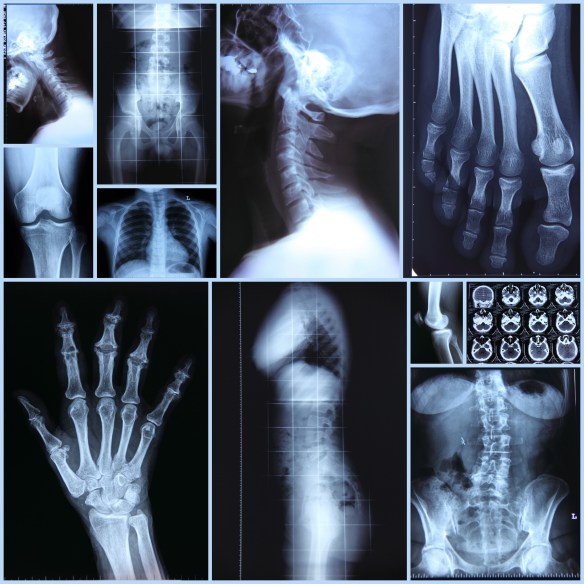
May is Osteoporosis Awareness Month, and just when we thought we didn’t need one more thing to worry about, The Endocrine Society has published a new study linking prolonged sleep disturbance with bone loss in men.

The study researchers found that healthy men had reduced levels of a marker of bone formation in their blood after just three weeks of restricted sleep and circadian disruption similar to that seen in jet lag or night shift work. A biological marker of bone resorption, or breakdown, was unchanged.

“This altered bone balance creates a potential bone loss window that could lead to osteoporosis and bone fractures,” said lead investigator Christine Swanson, M.D., an assistant professor at the University of Colorado in Aurora, Colorado.

“If chronic sleep disturbance is identified as a new risk factor for osteoporosis, it could help explain why there is no clear cause for osteoporosis in the approximately 50 percent of the estimated 54 million Americans with low bone mass or osteoporosis,” Swanson said.

Inadequate sleep is also prevalent, affecting more than 25 percent of the U.S. population occasionally and 10 percent frequently, the Centers for Disease Control and Prevention report.

The 10 men in this study were part of a larger study that some of Swanson’s co-authors conducted in 2012 at Brigham and Women’s Hospital in Boston, Mass. That study evaluated health consequences of sleep restriction combined with circadian disruption. Swanson defined circadian disruption as “a mismatch between your internal body clock and the environment caused by living on a shorter or longer day than 24 hours.”

Study subjects stayed in a lab, where for three weeks they went to sleep each day four hours later than the prior day, resulting in a 28-hour “day.” Swanson likened this change to “flying four time zones west every day for three weeks.” The men were allowed to sleep only 5.6 hours per 24-hour period, since short sleep is also common for night and shift workers. While awake, the men ate the same amounts of calories and nutrients throughout the study. Blood samples were obtained at baseline and again after the three weeks of sleep manipulation for measurement of bone biomarkers. Six of the men were ages 20 to 27, and the other four were ages 55 to 65. Limited funding prevented the examination of serum from the women in this study initially, but the group plans to investigate sex differences in the sleep-bone relationship in subsequent studies.

After three weeks, all men had significantly reduced levels of a bone formation marker called P1NP compared with baseline, the researchers reported. This decline was greater for the younger men than the older men: a 27 percent versus 18 percent decrease. She added that levels of the bone resorption marker CTX remained unchanged, an indication that old bone could break down without new bone being formed.

“These data suggest that sleep disruption may be most detrimental to bone metabolism earlier in life, when bone growth and accrual are crucial for long-term skeletal health,” she said. “Further studies are needed to confirm these findings and to explore if there are differences in women.”

What to do about it?

The first line of defense is to improve sleep hygiene. Find more ways to get a good night’s sleep in my book “Calmer Waters: The Caregiver’s Journey Through Alzheimer’s & Dementia,” (Blue River Press) available wherever books are sold.cropped-front-cover-42316.jpg

  1. Exercise early, not in the last two hours before going to bed. Regular exercise has been shown to help people fall asleep faster and benefit from deeper and more restful sleep.
  2. Alleviate the stress and fatigue of the day with safe, proven herbs such as passion flower, magnolia, and valerian, and amino acids taurine, theanine and GABA, and melatonin which have been scientifically shown to produce a gentle calming effect on the whole physiology.
  3. Get thyself outside! Researchers found that bright light in the early morning and avoidance of light in the evening promotes a healthy circadian rhythm, whereas bright light in the evening disrupts the sleep cycle. And make sure you sleep with the lights off in you room.
  4. People with stressful lives often take their stress into bed with them and are unable to turn off the mental chatter. Eat dinner earlier, and don’t watch an exciting or scary movie before bed (that goes for reading matter as well), and certainly do not smoke, or drink alcohol or caffeine in the evening.
  5. Go to bed earlier. Research shows that the hours of sleep before 2 a.m. are more rejuvenating than all the hours after.
  6. Take a warm bath with soothing lavender oil to help you unwind.
  7. Establish a regular bedtime, but don’t go to bed if you feel wide awake.
  8. Once in bed, use creative imagery and relaxation techniques to pacify your mind.
  9. Avoid staying in bed for long periods of time while awake, or going to bed because of boredom.
  10. Take your TV or computer out of your bedroom. If not, your brain becomes used to the stimulation and starts to expect it when you are there. This makes it harder for you to fall asleep.
  11. A snack before bedtime helps many people. Foods such as warm milk, turkey, tuna, nuts, banana, grapefruit, dates and figs are high in the amino acid L-tryptophan, which promotes the production of serotonin, a natural relaxant. Avoid eating heavy meals at least two hours prior to going to sleep.
  12. Sex can be a natural sleep inducer for some people.
  13. Avoid emotional upset or stressful situations prior to bedtime.
  14. Relax with an inspirational book, soft music, and a cup of herbal tea.
  15. Talk with your health care provider if you’ve tried the above and are still having difficulty falling asleep, awaken several times throughout the night, have early morning awakenings or have marked difficulty getting out to bed in the morning.
  16. Good night, sleep tight.