
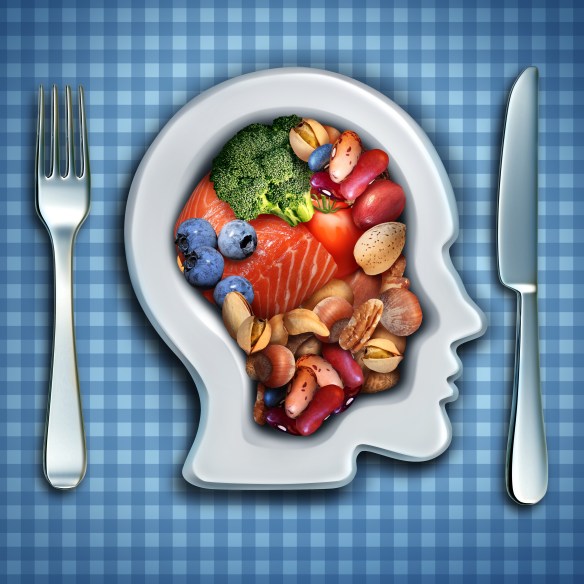
MIND diet includes salmon, beans, greens, nuts, berries
Have you heard of the MIND diet? It’s the Mediterranean diet and DASH diet slightly remade and combined to form the MIND diet. (MIND is an acronym that stands for the Mediterranean-DASH intervention for Neurodegenerative Delay.)
In a study published in September 2015 in Alzheimer’s & Dementia, the nutritional epidemiologist Martha Clare Morris and her colleagues at Rush University Medical Center borrowed concepts from the Mediterranean diet and the DASH diet. The result is the MIND diet.
The study followed 923 participants, ages 58 to 98 years, for an average 4.5 years, and found the MIND diet lowered Alzheimer’s risk by about 35 percent for people who followed it moderately well and up to 53 percent for those who adhered to it rigorously. While more study is needed to better understand the long-term impact of the diet, Morris’s team’s second paper on the MIND diet notes that it’s superior to the DASH and Mediterranean diets for preventing cognitive decline. But it should be noted that high adherence to all three diets may reduce risk of Alzheimer’s disease.
Food to eat on the MIND Diet
- Green leafy vegetables: a minimum of 6 servings a week (kale, Swiss chard, spinach, collard, etc.)
- Nuts: a minimum of 5 servings a week (walnuts, pistachios, almonds, cashews, etc)
- Berries: a minimum of 2 servings a week
- Beans: a minimum of 3 servings a week (garbanzo, red, black, kidney, white, pinto, etc.)
- Whole grains: a minimum of 3 servings a day (millet, oats, brown rice, quinoa, wheat berries, etc.)
- Fish: at least 1 serving a week
- Poultry (like chicken or turkey): at least twice a week
- Olive oil as the primary oil used
- Wine: no more than 1 glass a day
Foods to limit or avoid
- Red meat: no more than 4 servings a week
- Butter and margarine: no more than 1 tablespoon (tbsp) daily
- Cheese: no more than 1 serving a week
- Sweets: no more than 5 servings a week
- Fried or fast food: no more than 1 serving a week
To summarize the MIND DIET—
On a daily basis you eat at least three servings of whole grains, a salad and another vegetable, along with drinking a glass of wine. The jury is still out on whether a little alcohol consumption is better for the brain than none at all. I just heard a panel of researchers and neuroscientist address this issue. If you don’t consumer alcohol, there is certainly no reason for you to start now. But if you do, limit your consumption to one glass of wine a day.)
It’s advised that on most days you should snack on nuts, and every other day eat half a cup of beans. At least twice a week eat poultry and a half-cup serving of berries (blueberries are best), and eat fish at least weekly. Olive oil is the preferred cooking oil.
What is the DASH diet?
The healthy DASH diet plan was developed to lower blood pressure without medication in research sponsored by the US National Institutes of Health, Dietary Approaches to Stop Hypertension. The first DASH diet research showed that it could lower blood pressure as well as the first line blood pressure medications, even with a sodium intake of 3300 mg/day! Since then, numerous studies have shown that the DASH diet reduces the risk of many diseases, including some kinds of cancer, stroke, heart disease, heart failure, kidney stones, and diabetes. It has been proven to be an effective way to lose weight and become healthier at the same time.
The DASH diet eating plan is a diet rich in fruits, vegetables, low-fat or non-fat dairy. It also includes mostly whole grains; lean meats, fish and poultry; nuts and beans. It is high fiber and low to moderate in fat. It is a plan that follows US guidelines for sodium content, along with vitamins and minerals. In addition to lowering blood pressure, the DASH eating plan lowers cholesterol and makes it easy to lose weight. It is a healthy way of eating, designed to be flexible enough to meet the lifestyle and food preferences of most people.
How is it different from the Mediterranean diet? It can be considered to be an Americanized version of the Mediterranean diet, and to be easier to follow, since it has more specific guidelines. But if you love tabouli, hummus, and olives, you might prefer the Mediterranean diet.
Although there are similarities among all three diets, the MIND diet is the only one that encourages the consumption of foods that have been found to promote cognitive health.
There is a saying that “what’s good for your heart is good for your brain.” So please start switching over to the MIND diet while eliminating foods high in calories and low in nutrients. You will feel better and your brain will stay healthier longer.

Barbra Cohn cared for her husband Morris for 10 years. He passed away from younger-onset Alzheimer’s disease in 2010. Afterward, she was compelled to write “Calmer Waters: The Caregiver’s Journey Through Alzheimer’s & Dementia”–winner of the 2018 Book Excellence Award in self-help– in order to help other caregivers feel healthier and happier, have more energy, sleep better, feel more confident, deal with feelings of guilt and grief, and to ultimately experience inner peace. “Calmer Waters” is available at Amazon, Barnes & Noble, Boulder Book Store, Tattered Cover Book Store, Indie Bound.org, and many other fine independent bookstores, as well as public libraries.
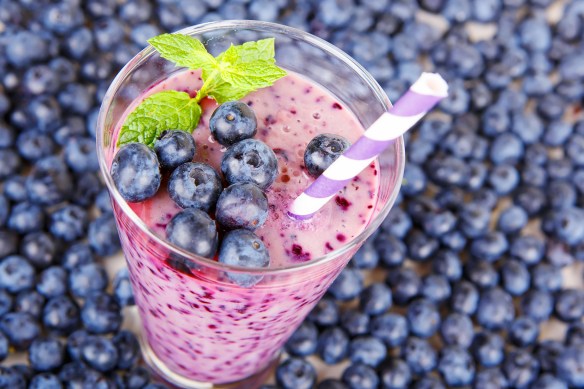 If you’ve ever had the pleasure of picking wild blueberries or strawberries, you’ve experienced the incredible burst of fragrance and flavor offered by each berry. It is easy to get the impression that something that good MUST be incredibly good for you. That might not be a reliable test of healthfulness but, in this case, it happens to be so. Blueberries, as well as strawberries, raspberries, cherries, cranberries and other berries all have remarkable health benefits.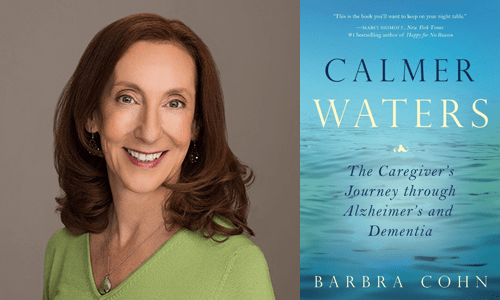
 It’s summertime and the livin’ is easy—or at least we’d like it to be. This summer is especially hot all over the world. If you’re tired and stressed out from caregiving, these tips will help you stay cooler in summer. The same information applies to those we care for. . . and for everyone.
 Happy Father’s Day to all men who play a caring role in the life of a child, and kudos for all that you do. But let me ask you this: Do you take care of yourself? Typically, most men take better care of their cars than themselves. Most men wait until a symptom pops up, and by then the illness or disease has progressed.
 June is Alzheimer’s & Brain Awareness Month. It’s a good time to have a physical exam, especially if you are worried about your memory not being as sharp as it used to be or if you’re having trouble coping with daily life. If you’ve noticed that someone close to you is showing signs of withdrawal, depression or confusion, please strongly suggest that he or she make an appointment for an exam, too.
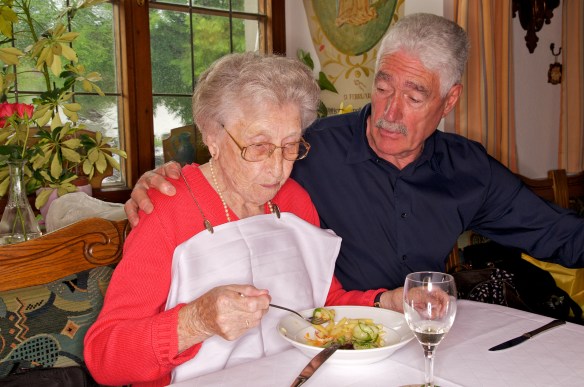 It seems that ice cream is the favorite food of most Alzheimer’s patients. It was certainly my husband’s. Sometimes it was the only thing that he found appealing. It’s no wonder: ice cream is cold, slippery and delicious! However, there are lots of healthy frozen desserts available that are low in fat and calories that contain little or no cholesterol. Try Rice Dream®, Coconut Bliss, Soy Dream, or Halo Top. If you have a food processor, puree frozen strawberries or bananas. You won’t even miss the sugar and cream.

 Americans buy more than 58 million pounds of chocolate around the holiday of love. Besides the delicious taste, smell and aphrodisiac effects, researchers are continually discovering more health benefits.
 thehealthycaregiverblog