Keep your cool this holiday season and all year long

The holiday season is stressful for everyone, but especially for caregivers. Here’s a list of my favorite ways to destress any time of the year.

  1. Breathe! When we are stressed, we tend to hold our breath. Take a 5-minute break and sit down in a comfortable chair. Close your eyes and take a deep breath, in and out. Then focus on your breath and watch how your mind quiets down and your muscles relax. Then remember to breathe throughout the day. Whenever you feel yourself getting anxious or tight, take a deep breath and let it go.
  2. Drink water. We’ve heard it a million times but it’s always good to be reminded. Forget about sodas and limit the wine and alcohol. Staying hydrated, especially at this time of year, is vital to supporting the immune system and reducing inflammation. It’s also important to support healthy cognitive function and memory.
  3. Eat walnuts. A daily dose of about 9 whole walnuts or 1 Tbs. walnut oil helps your blood pressure from spiking during stress. Walnuts contain L-arginine, an amino acid that helps relax blood vessels, which in turn helps reduce hypertension.
  4. Drink green tea. L-Theanine is the main chemical constituent in green tea. It is an ideal nutritional aid for stress because it produces alpha-wave activity that leads to deep relaxation and mental alertness. This is especially important because to mitigate stressful situations, it’s important to remain calm and alert. Theanine also stimulates the release of the neurotransmitters GABA, serotonin, and dopamine, which help us feel happy, motivated, and calm. Green tea extract is available as a nutritional supplement, which might be easier and quicker to take, and it’ll save you a lot of trips to the bathroom.
  5. While we’re on the topic of “green,” be sure to eat green leafy vegetables for vitamin B and magnesium, both of which help your body cope with stress.
  6. Two handfuls of cashews (make that a small handful, please; one ounce of cashews contains 157 calories.) provide the equivalent mood-boosting effect as a therapeutic dose of Prozac because they are one of the highest natural sources of tryptophan, the precursor for serotonin, the feel-good neurotransmitter.
  7. Did someone mention dark chocolate? It reduces cortisol, the stress hormone that causes anxiety symptoms. Just a couple of pieces should do the trick.
  8. Walk around the block. Just getting out into fresh air will instantly relieve stress, and moving your body gets your blood pumping and will clear your mind.
  9. Light candles and play relaxing music while you eat. It will change the mood instantly.
  10. Aromatherapy is a miracle cure for stress and anxiety. Use a wall plug-in to diffuse the aroma of lavender oil to uplift mood, or place a few drops on a handkerchief and tuck it into a shirt pocket or on a pillow. Other oils to try: vetiver, frankincense, myrrh, orange, lemon, bergamot, and grapefruit.
  11. Music is the universal language, and it is also the universal stress reliever. Whether it’s jazz, classical, or hard rock that makes you feel better, by all means, play it loud, play it soft, dance to it, drive to it, go to sleep to it. It will definitely help.
  12. Getting the proper rest is vital to staying healthy and reducing stress. Prepare yourself for a deep night’s sleep by unplugging from electronics at least an hour before bed, taking an Epsom salt bath (put several drops of lavender oil in the water for added relaxation), and making sure the room temperature isn’t too warm.  Good night, sleep tight!

If you, or someone you care about, tend to suffer from stress, anxiety, or depression, these recommendations might just “take the edge off” and improve your quality of life … without the risk of side effects. May the holiday season begin!

Have a safe, healthy, and fun holiday season, and many blessings for a year filled with ease and peace.

For dozens more tools and techniques for reducing stress, uplifting mood, supporting your immune system and finding ways to connect on a spiritual and emotional level with the person you care for, read Calmer Waters: The Caregiver’s Journey Through Alzheimer’s and Dementia.

The secrets to hydrating your brain and body to ward off cognitive and health issues

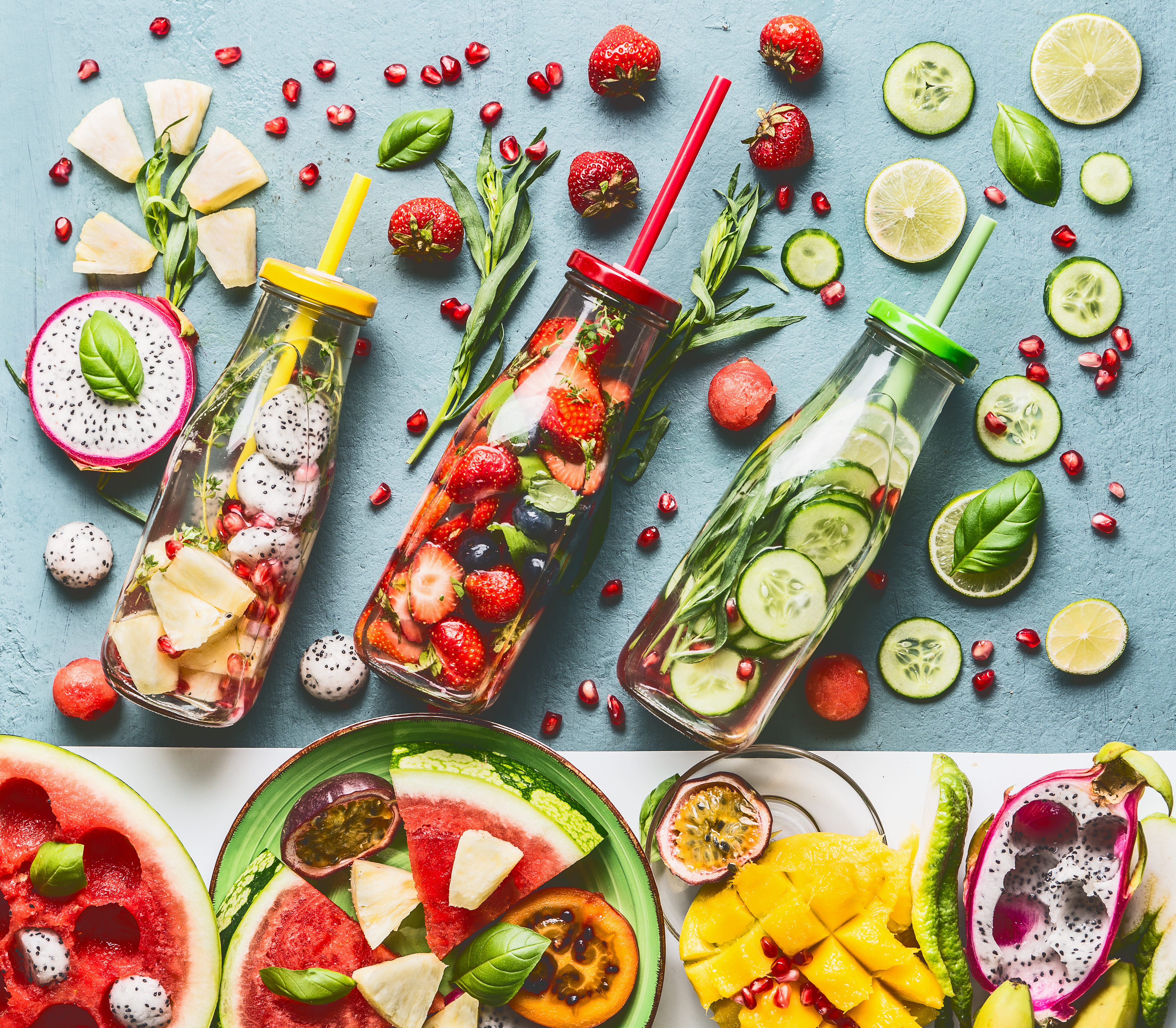
Summer refreshing and extra hydrating infused water in bottles with fruits and berries

It’s too darn hot. But there are ways to keep cool.

  1. Turn up the air conditioner, which raises your gas and electric bill, not to mention puts a strain on the electric grid.

2. Wear little to no clothing, but then you’d probably have to stay home all day.

3. Sit in a cold pool for hours, but then you’d look like a wrinkled prune.

4. Or learn the new science of increasing your hydration.

Did you know that when your brain isn’t hydrated you can experience cognitive issues? You might forget words or get confused. In fact, when my mother was hospitalized toward the end of her life for dehydration, a psychiatrist called to tell me “Your mother has full-blown dementia. I’d like to put her on an Alzheimer’s drug.” I responded by saying, “No she doesn’t. I spoke to her yesterday and she sounded fine.” As my mother’s medical health proxy, I did not give the doctor permission to put her on any drug. In fact, after she was infused with saline solution she bounced back to her normal status and was released from the hospital.

The book QUENCH: Beat Fatigue, Drop Weight, and Heal Your Body Through the New Science of Optimum Hydration by Dana Cohen, MD and Gina Bria (Hachette Books, 2018) reveals the science behind hydration (which I’m not going to get into in detail here) and ways to hydrate your body other than drinking water all day.

Why is it important to stay hydrated?

Our body is 50-65% water. It needs water to stay hydrated and flush out toxins. The brain, which is 70% water, gets dehydrated just like your body. When it’s dehydrated, neurotransmission — which is heavily dependent on water — is impaired, resulting in poor memory, concentration, and impaired abstract thinking. The next time your mind is muddled, drink a tall glass of water and notice the difference.

Water supports the flow of blood throughout the body, and helps the body eliminate waste. Water enables us to sweat in order to help cool the body, and is crucial to hormonal balance. Dana Cohen adds that staying hydrated is the most important thing we can do to prevent chronic illness, and suggests that many of the chronic conditions that people attribute to eating too much sugar and gluten and getting too little exercise may be due to not giving the body the hydration it needs for optimum health.

How much water do you need?

Drinking half your body weight in water in ounces is the general rule. So if you weigh 120 pounds, you should aim for drinking 60 ounces of water a day.

The book QUENCH provides lists of foods that contain a lot of water that are just as valuable as drinking liquids, and suggests that we eat our water. Food contains minerals, which are electrolytes, that help regulate chemical reactions and maintain the balance between fluids inside and outside your cells.

For example, sodium is the most abundant electrolyte in the body. It’s important for keeping the right balance of fluid in your cells and helps cells absorb nutrients. So make sure you’re eating plenty of fruits and vegetables both for the electrolytes and the water they naturally provide.

Eat Your Food

The Top 12 Hydrating Fruits are watermelon, starfruit, strawberries, grapefruit, cantaloupe, pineapple, raspberries, blueberries, kiwi, apples, pears, and grapes.

The Top 12 Hydrating Vegetables are cucumbers, Romain lettuce, celery, radishes, zucchini, tomatoes, peppers, cauliflower, spinach, broccoli, carrots, and sprouts.

Dr. Dana Cohen and Gina Bria recommend drinking a tall glass of warm or hot water with a squeeze of lemon and a pinch of salt first thing in the morning. It provides electrolytes and an instant hydrating boost.

They also suggest drinking a hydrating shake with greens such as 1 cup of spinach, juice of 1/2 lime, 1/2 cup of coconut milk, 1 to 2 cups of water, a cored and quartered apple, and 1/2 cucumber. If you like, add herbs like mint, parsley, basil, and celery. Blend everything in a blender, rather than extract the juice in a juicer in order to get the benefits of fiber.

Stay away from carbonated and caffeinated drinks. herbal teas and fresh fruit or vegetable juices are great in summer. Just remember that fruit juices are high in sugar and calories. Coconut water is cooling and helps to replenish electrolytes, which is especially important during and after an illness.

Enjoy these smoothie and popsicle recipes. They provide hydration, vitamins, and minerals, and are perfect for kids as well as for folks with dementia and Alzheimer’s who may forget to eat or lose interest in food.

Popsicles

Watermelon and Kiwi–makes 8

4 kiwis, peeled and sliced

3 cups of pureed watermelon

Place kiwi inside the sides of the popsicle molds. Pour in the watermelon. You can make this with other fruits: watermelon and strawberries, etc. Add basil or mint; lemon or lime juice with or without the rind.

For a beautiful popsicle with 3 layers: Add watermelon puree but leave room for 2 more layers. Freeze for 30 minutes. Take out of the freezer and pour in a small amount of coconut milk, the full-fat canned variety. Freeze again. Take out and add pureed kiwi and freeze. This is a treat for the eyes as well as your taste buds.

Strawberries and Cream–makes 8

2 cups of pureed strawberries (leave some chopped for texture)

2 cups cream of vanilla yogurt.

Blend and freeze.

Coco-Mango–makes 4-6

2 cups pureed mango

1/2 cup canned coconut milk

Optional: Add coconut flakes.

Blend and freeze.

Orange Cream–makes 4-6 popsicles

1 cup orange juice

1 cup vanilla yogurt

Blend together and freeze.

Protein shake recipes

My favorite delicious and easy-to-make shakes

Banana Berry Shake

  • 1 frozen banana
  • ¼ cup sliced strawberries
  • 8 ounces of milk or non-dairy drink such as soy, almond, or coconut milk
  • 1 scoop of whey protein powder
  • Blend together until smooth.

Berry Sunrise Shake

  • 1/3 cup frozen blueberries
  • 3 medium strawberries
  • 8 ounces of orange juice
  • 1 scoop of whey protein powder
  • Blend together until smooth.

Stay cool and enjoy your summer!

Barbra Cohn cared for her husband Morris for 10 years. He passed away from younger-onset Alzheimer’s disease in 2010. Afterward, she was compelled to write “Calmer Waters: The Caregiver’s Journey Through Alzheimer’s & Dementia”—Winner of the 2018 Book Excellence Award in Self-Help—in order to help other caregivers feel healthier and happier, have more energy, sleep better, feel more confident, deal with feelings of guilt and grief, and to ultimately experience inner peace. “Calmer Waters” is available at AmazonBarnes & NobleBoulder Book StoreTattered Cover Book Store,  Indie Bound.org, and many other fine independent bookstores, as well as public libraries.

10 ways for caregivers to reduce holiday stress

Happy holidays! Thanksgiving is almost here! It’s almost inevitable that most of us feel more stressed during the holiday season. There’s always so much to do if you’re planning to get together with friends and family. And for those who are grieving or alone, the stress can be debilitating. If you’re a caregiver, you’re undoubtedly even more stressed.

The most important thing is to take care of YOU. If you get stressed and exhibit anxiety, those around you are going to feel it. It becomes a vicious cycle. You get stressed, and then the person you care for may get irritable, nervous, or anxious.

Make this your mantra: eat healthily, drink water, take a daily walk, and sleep well. It sounds easy, but how do you do that when your time is limited and you feel stretched in every which way.

Or how do you take care of yourself when you’re so depressed it’s hard to get out of bed? (This is a huge topic that I won’t address here, but you might want to read: Have you tried any of these natural ways to combat depression? https://barbracohn.2018/10/03/have-you-tried-any-of-these-natural-ways-to-combat-depression/

  1. Make a pot of soup that will last several days. Lentil, split pea, vegetable, chicken, butternut squash, and tomato soups are chockful of goodness. See below for a yummy recipe.
  2. Do you really need to drink 8 glasses of water each day? According to an article that recently appeared in the New York Times, the answer is no. It depends on a lot of things: how big you are, how active you are, and how much liquid you’re getting through foods and other drinks such as tea and coffee. I had always thought that caffeinated tea and coffee dehydrate you. But according to this article they don’t. Juicy fruits such as oranges, melons, and pears (not to mention summer fruits), contribute water to your total intake. Just make sure that you’re drinking enough so that you don’t get to the point where you feel thirsty or where your lips feel dry.
  3. Exercise is vital to overall health and stress reduction. Whether you live in a cold or hot climate, dress appropriately and find at least 15 minutes a day to get outside and walk.
  4. Show your care partner (the person you care for) a bit of extra attention if you’re able to. Take them for a drive to see holiday lights. Have an afternoon tea in a charming café. Visit your care partner’s best friend, or have them come for a visit. Buy a new CD of their favorite music and play it for them. Light candles at dinnertime. Have them help you with decorations, if possible.
  5. Plan a visit from a music therapist or animal-assisted (AAT)therapist, or find out where you might find them visiting facilities.
  6. Aromatherapy can be a resource of comfort to you and your care partner by providing an easy, natural way to reduce stress and anxiety and uplift mood. To make sure you are buying a pure essential oil and not synthetic fragrance oil, look for the botanical name of the plant and the phrase “pure essential oil” on the label. Essential oils can be used in a wide variety of ways, but the most common methods are by inhalation or topical use, such as lotion, body oil, or in a bath. My favorite method which I used for my husband is an electric micro-mist diffuser, and available by mail order or at health food stores. These disperse essential oils into the air in a cool mist or can be gently warmed in a candle-heated aroma lamp that releases the aroma into the air. Another easy way is to add 30-40 drops of essential oils to a 4-ounce water spritz bottle. Favorite oils for reducing stress and anxiety include: lavender, Holy basil, clary sage, geranium, rose, and ylang ylang. Citrus oils uplift the mind and emotions, relieve stress and anxiety, and are useful for appetite support: bergamot, grapefruit, lemon, and orange.
  7. Making art can help you regain a sense of balance. If you’re feeling out of control, and are inclined to create art, set aside a table just for art and make it sacred. Gather your materials and have them easily accessible so that the space is prepared for you to focus on the “now” without a lot of distraction. It’s amazing how making art can melt stress once you get into the creative zone. The same goes for playing an instrument. It doesn’t matter what is going on in the world or how I feel, when I sit down at the piano, everything becomes part of the past and I’m able to enjoy the moment. It actually becomes a meditation.
  8. Speaking of meditation, the buzzword these days is “mindfulness.” There are numerous apps and classes that can teach you how to stay present and act with kindness and compassion. You can also take a meditation class such as Transcendental Meditation, where you learn how to meditate twice a day for 20 minutes. TM has been proven to reduce blood pressure, and help the body recharge by reducing stress. It’s easy and anyone who can think a thought can do it.
  9. Keep it simple. You don’t have to make an elaborate feast (unless you’re a cook and love to do that) to make the holidays special. If you want to make it really easy on yourself, order a meal for the number of people at your table. Grocery stores like Whole Foods provide dinners that are yummy and healthy (and yes, a little expensive). Or make the essentials and buy a pie.
  10. This holiday season stop and smell the flavors and enjoy the little things: a walk in the woods, a new baby’s smile, a toddler’s romp, a new sweater, or a pair of socks. Get out the photo albums and reminisce. Watch funny YouTube videos of animals and children. Watch a comedy together. Borrow your neighbor’s dog to take on a walk. Walk in the snow (please wear treaded boots so you don’t fall). Enjoy the moment because time passes quickly and what’s here this year may not be here next year.

While most families are hoping to get together for the first time in a couple of years due to COVID, it’s important to keep abreast of the latest health and safety directives in your area. The number of COVID cases is on the rise again. Please wear a mask when flying, traveling by train or bus, and when you’re in crowded places such as a grocery store. Get a COVID booster and seasonal flu shot. If you feel sick, please stay home! There’s nothing like exposing your loved ones to an illness and having them get sick to make you feel guilty and everyone stressed.

One of my favorite soup recipes to enjoy throughout the winter

Pasta y Fagioli—a one-pot meal, 4 servings

  • 2 tbsp olive oil
  • 1 large onion, chopped
  • 3 carrots cut into 1/4 inch pieces
  • 2 stalks of celery, cut into 1/4-inch pieces
  • 1 leek, peeled and cut into 1/4-inch pieces (discard the top, tough stalk or keep to use when making vegetable broth)
  • 1 zucchini, cut into 1/4-inch pieces
  • 1 yellow squash, cut into 1/4-inch pieces
  • 2 large garlic cloves, finely chopped
  • Herbs of your choice: basil or thyme
  • 1 28-ounce can of chopped tomatoes
  • 1 quart of stock –vegetable or chicken. Add water if needed to cover the veggies
  • 2 cans of white beans (navy, butter, or cannellini)
  • 8 oz of pasta of your choice
  • salt and pepper to taste
  • Grated parmesan cheese

Heat the oil in a soup pot on medium. Add the onion and cook for about 5 mins., occasionally stirring. Add the other vegetables, until they begin to soften, about 8 minutes. Stir in the garlic, and cook for 2 minutes. Add the broth and tomatoes and their juice.

Separately, cook the amount of pasta you want to put in the soup. Keep the pasta separate or it will turn to mush. Add a serving of pasta to the soup and top with grated cheese. Serve with bread and salad. Delicious!

Happy Thanksgiving!

Barbra Cohn cared for her husband Morris for 10 years. He passed away from younger-onset Alzheimer’s disease in 2010. Afterward, she was compelled to write “Calmer Waters: The Caregiver’s Journey Through Alzheimer’s & Dementia”–winner of the 2018 Book Excellence Award in self-help– in order to help other caregivers feel healthier and happier, have more energy, sleep better, feel more confident, deal with feelings of guilt and grief, and to ultimately experience inner peace. “Calmer Waters” is available at AmazonBarnes & NobleBoulder Book StoreTattered Cover Book Store,  Indie Bound.org, and many other fine independent bookstores, as well as public libraries.

Dental hygiene for people with dementia

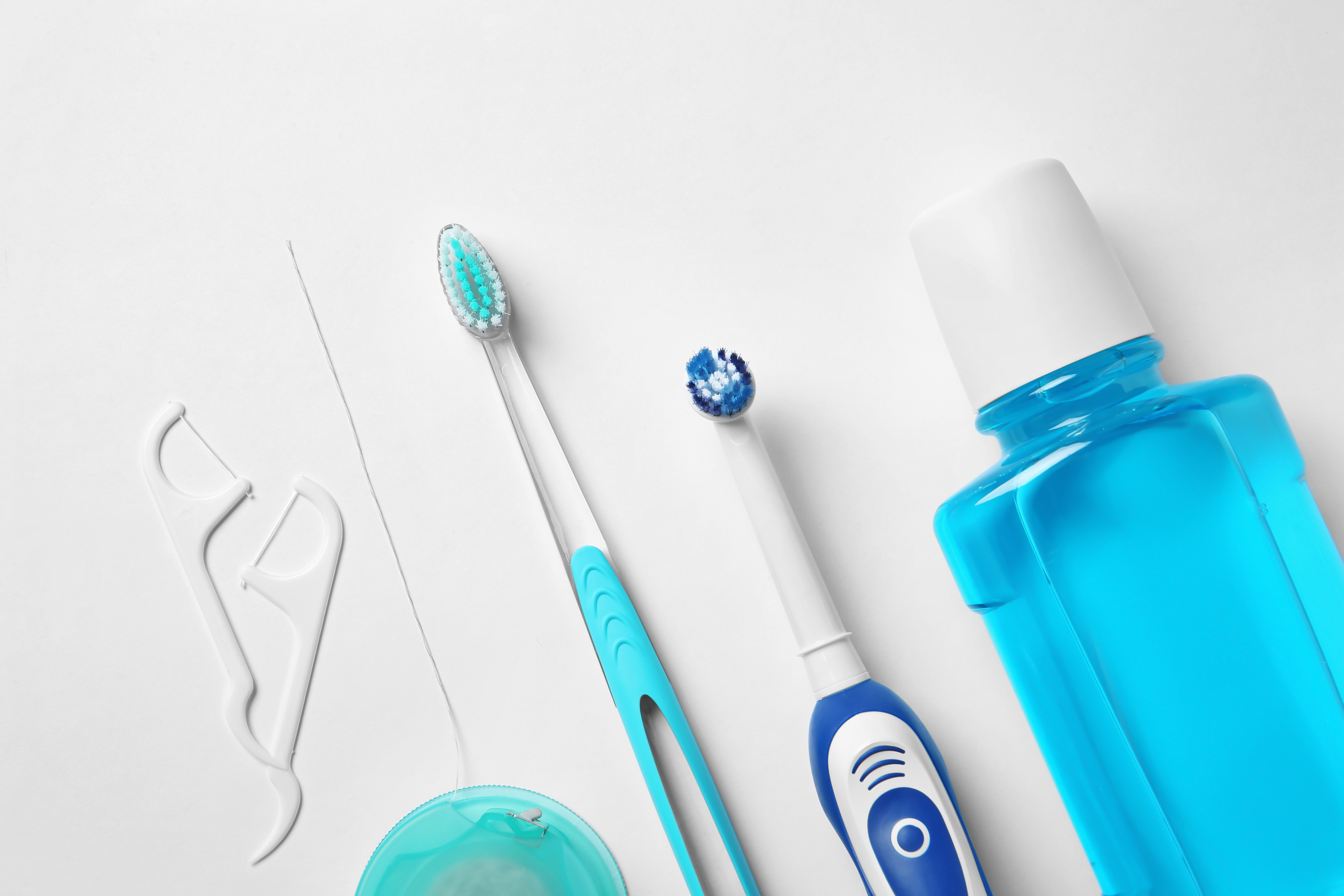
oral hygiene products

As with any debilitating disease, Alzheimer’s and other dementias pose limitations to what a patient can and can’t do. Good dental hygiene is one of the self-care daily habits that, unfortunately, often fall by the wayside in cognitively impaired individuals.

In the beginning stages of Alzheimer’s, a daily reminder might be all it takes to ensure that a person with dementia continues with their dental hygiene routine. As the disease progresses, the individual might need a more hands-on approach.

Why is dental care for dementia patients important?

It doesn’t matter whether you have dementia or are in tip top shape, dental care is a primary factor in overall health. Maintaining your dental health is much more than having a beautiful smile. Tooth decay and gum disease can affect your heart, your lungs, and your brain.

Periodontal disease has been linked to diabetes, heart disease, and Alzheimer’s disease.

According to the U.S. Centers for Disease Control and Prevention, one out of every two American adults over the age of 30 has some form of gum disease. Oral bacteria can migrate to distant sites in the body. Elderly and immuno-compromised patients, such as those suffering from cancer, diabetes or rheumatoid arthritis, may be especially vulnerable to systemic oral pathogens.

Periodontal disease is also associated with weight loss and wasting, which might contribute to cognitive decline. Gum disease often results in tooth loss, which often leads to problems with chewing, swallowing and food selection. And individuals don’t absorb nutrients from food efficiently if it is not chewed well. Evidence from several studies indicates deterioration in nutritional status in individuals missing teeth.

Certain medications can cause dry mouth

Decongestants, antihistamines, painkillers, diuretics and antidepressants are known to reduce saliva flow. Saliva neutralizes acids produced by bacteria in the mouth and helps protect you from microbes that can multiply and lead to infection and disease. The problem is, salivary glands are less productive as we age. Individuals with dementia also forget to drink when they’re thirsty. It’s important to be alert to cracked lips and dry mouth in your care partner in order to know when an individual is dehydrated.

8 Tips for preventing dry mouth

  • Sip water throughout the day—carry a water bottle.
  • Suck on hard, sour candies.
  • Chew sugarless gum.
  • Avoid or reducing the medications listed above.
  • Use Biotene, Plax, or ACT mouthwash which contain no alcohol.
  • Eat fibrous foods like apples, carrots and celery. They’re mildly abrasive and sweep bacteria and plaque off the teeth.
  • Use a humidifier to keep the membranes moist.
  • Get regular dental check-ups and alert the dentist about dry mouth. The teeth can sometimes be coated with protective substances that protect the teeth from bacteria and plaque.

12 Ways to assist dementia patients with oral hygiene

  • Talk your patient through the steps of brushing, if necessary. Put your hand over their hand that is holding the brush to guide them.
  • We typically brush our teeth in the bathroom. However, if it’s more comfortable for someone to brush while sitting down on a chair or in bed, by all means provide a plastic tub and glass of water for the patient.
  • As dementia progresses, it becomes more difficult for patients to visit their dentist for regular cleanings. It also becomes more difficult for caregivers to help with daily brushing, which is why caregivers must be more diligent in trying other techniques.
  • If a regular toothbrush is hard to hold and manipulate, try an electric toothbrush. Or, provide a toothbrush with a large handle. Some caregivers get creative and put the handle through a tennis ball to give the patient something heftier to hold onto.
  • Don’t use fluoride toothpaste if the patient is inclined to swallow it. If the patient doesn’t like toothpaste, try using baking soda and water, or just plain water.
  • Flossing is very important. See “Does gum disease really cause Alzheimer’s disease?” https://barbracohn.com/?s=flossing&submit=Search. Flexi-Floss, Stim-u-dent-or a tiny brush makes the job a bit easier.
  • If you can trust the patient not to swallow mouthwash, try an anti-plaque mouthwash when brushing is not feasible.
  • Ask your dentist about using a super soft toothbrush or one with a sponge head instead of a bristle head. Foam oral swabs are available at medical supply companies.
  • If your patient wears dentures, make sure to take them out and clean them daily. Use a soft brush to clean the patient’s gums and roof of their mouth when the dentures are removed.
  • Be alert to dental pain which may be exhibited by rubbing of the jaw or cheek, flinching while being shaved or having their face washed, refusing to put dentures back in, moaning, flinching, etc.
  • As mentioned in the above section, eating fibrous foods like apples and celery, and drinking plenty of water can help prevent plaque build-up.
  • It’s important to find a dentist who is patient and knowledgeable about dementia in order to make your patient’s dental visits as pleasant as possible. Let the staff know ahead of time about any concerns. If your patient gets agitated, ask his/her physician for an anti-anxiety medication beforehand. Or, use a homeopathic remedy such as calcarea carbonica or aconite, or an essential oil such as lavender oil to reduce anxiety. For a list of herbal remedies that reduce anxiety see “20 Natural Remedies for Depressed Caregivers (and everyone else).” https://barbracohn.com/category/aromatherapy/

References

  1. Hee Lee, K, Wu, B, and Plassman, B. Cognitive function and oral health—related quality of life in older adults. JAGS. 2013: 61: 1602-1607.

2. Elsig, F, Schimmel, M, Duvernay, E, Giannelli, SV, Graf, CE, Carlier, S, Herrmann, FR, Michel, JP, Gold, G, Zekry, D and Muller, F. Tooth loss, chewing efficiency and cognitive impairment in geriatric patients. Gerodontology. 2013: 1-8.

3. Chalmers, JM, Carter, KD, and Spencer, AJ. Oral diseases and conditions in community-living older adults with and without dementia. Spec Care Dentist. 2003: 23: 7-17.

4. Fabiano, JA. Oral health management in the patient with dementia. Medscape. May 24, 2011.

14 ways that caregivers can achieve a healthier, more relaxed 2021

You’re tired, you’re stressed – You and 45 million or so American caregivers, including the 16 million adult family members caring for a someone with Alzheimer’s. So what are you going to do about it? Don’t say that “I don’t have time to take care of myself.” I’ve been there and done that. But I always promised myself that I was not going to be a martyr and sacrifice my health for my husband’s illness. Because if both of us were sick that wasn’t going to help anyone, least of all our children. They were barely adults when my husband was in the throes of Alzheimer’s disease. Our kids needed at least one healthy parent. And whether you are taking care of a spouse, parent or child, there are other people in your life who love and need you, not necessarily to take care of them, but to love and support them emotionally.

When you’re a caregiver, it’s hard to find the time to get the exercise you need or even take a shower, somedays. But it’s absolutely vital that you take care of yourself or you’ll end up getting sick and then who will take care of your loved one? Who will take care of YOU?

14 easy ways to take the edge off your stress and fatigue so you feel some relief.

  1. Say a positive affirmation before you get out of bed. “This day is going to be a good one.” “I am grateful for my friends and family.” “I am healthy and full of energy.” “I am strong and competent.” Say something positive to set the tone of the day.
  2. Before you reach for a cup of coffee, drink a glass of hot water with lemon. It hydrates your body and brain, the lemon helps to alkalize the system (yes, it’s counter intuitive), which is usually too acidic, and it helps with regularity.
  3. Ask for help! You don’t have to do it all by yourself. No one is going to think badly of you if you take some time for yourself. If your loved one resents your going out, it’s okay. Don’t become a slave to their wishes and rants. If you can’t leave your loved one alone, please ask a neighbor, friend or home care professional to help at least a couple hours a week. Some social service programs provide free respite care.
  4. Many cities throughout the U.S. offer volunteer snowbusters (volunteers who will shovel your walk and driveway), fix-it volunteers who will help with easy home repairs, and yard maintenance volunteers.
  5. Meet a friend for a chat over coffee. Having a good chat and/or laugh, either via telephone or in person does wonders.
  6. Find a walking partner in your neighborhood and try to walk at least once a week (preferably 3 times a week).
  7. Put on a CD, vinyl record or the radio and listen to your favorite music. If your care partner is mobile, ask him/her to dance. There is nothing like music or dance to uplift the spirit.
  8. Find a virtual class online. Yoga, Pilates, Barre fitness, Zumba, Les Mills Bodypump and more are offered through the YMCA for free if you have Silver Sneakers. There are hundreds of other classes available online.
  9. Use essential oils to immediately diffuse feelings of sadness, depression, anxiety, etc. Lavender oil is the most frequently used fragrance. You can also try bergamot, grapefruit, lemon, orange, clary sage, geranium, rose, and ylang ylang, frankincense, and myrrh. Put the oil in a diffuser or spray bottle to mist your collar or pillow. Find a fragrance that is pleasing to your care partner. It’ll help him/her also.
  10. Eat breakfast! It is the meal that you break your fast with. During the night our blood sugar levels drop, so it’s especially important to eat within one hour of arising and by 10am. Eating breakfast restores healthy blood sugar levels, but make sure your breakfast isn’t coffee and a doughnut. Have some protein and a healthy fat such as an omelet and avocado and a piece of whole grain or gluten-free toast. It’ll provide you with the energy you need to get through the morning while maintaining a sense of equilibrium.
  11. Take a multi-vitamin mineral supplement to support your overall health, well-being, and immunity.
  12. Include more fruits and veggies in your diet. Veggies are low in calories and high in fiber. Fruits are also high in fiber and like veggies, contain numerous vitamins and minerals. Just like people, fruits and vegetables come in a variety of shapes, sizes and colors. And it’s the colors that identify many of the bioactive substances called phytonutrients that give us antioxidant protection and other special health benefits.
  13. Avoid isolation. Staying connected, especially during the pandemic, is sooooo important! Join an online support group if you don’t have friends and family nearby to listen to your woes and help out. Here are two great ways to make meaningful connections online: https://wordpress.com/post/barbracohn.com/3517
  14. It’s important to get at least 6 hours (preferably 7 or 8) of sleep every night. Of course, this isn’t always possible if you are caring for someone and need to get up at night, or are worried about paying the bills, taking care of the car, getting a new stove, etc. If you can’t get in the hours at night, put your feet up for 10 minutes during the day when your care partner naps. Or take a power nap. It really helps.

Wishing you and your loved ones a healthy, happy New Year! And remember that “this too shall pass.”

image

Barbra Cohn cared for her husband Morris for 10 years. He passed away from younger-onset Alzheimer’s disease in 2010. Afterward, she was compelled to write “Calmer Waters: The Caregiver’s Journey Through Alzheimer’s & Dementia”—Winner of the 2018 Book Excellence Award in Self-Help—in order to help other caregivers feel healthier and happier, have more energy, sleep better, feel more confident, deal with feelings of guilt and grief, and to ultimately experience inner peace. “Calmer Waters” is available at AmazonBarnes & NobleBoulder Book StoreTattered Cover Book Store,  Indie Bound.org, and many other fine independent bookstores, as well as public libraries.

How to prevent and ease tension headaches without drugs

There’s been an increase in the incidence of stress headaches, no matter whether you’re a caregiver, someone who’s lost a job or a loved one, a parent juggling virtual school and a job, or dealing with loneliness and pandemic stress.

If you’re concerned that your headache may be a symptom of COVID-19, Dr. Emad Estemalik, director of the headache section at the Cleveland Clinic, said that although respiratory viruses often involve headaches, if a headache is your only symptom, it’s unlikely that it is related to COVID-19. https://www.news5cleveland.com/news/local-news/having-more-headaches-during-the-pandemic-its-not-just-you

On the other hand, “If you suddenly are short of breath or you have a fever out of the blue and you have an excruciating headache, that’s a different story,” he said.

What is a tension headache?

Tension headaches are typically caused by muscle contractions in the head and neck. They can be mild, moderate, or intense pain that you may feel in your head and neck or behind your eyes. Often they feel like a tight band around your head. They can be chronic or episodic, once or twice a month. Women are twice as likely as men to have tension headaches, and according to the Cleveland Clinic, chronic headaches affect approximately three percent of people in the U.S and can last more than 15 days a month.

Common causes of headache

  • Allergies and certain foods including MSG, artificial sweeteners, aged cheese, cured meats, salty foods, chocolate, pickled and fermented foods, frozen foods (i.e brain freeze)
  • Alcohol, caffeine, smoking
  • Depression, stress and anxiety
  • Dehydration
  • Eye strain and dry eyes
  • Emotional stress
  • Peri-menopause and pre-menstrual hormone fluctuations
  • Lack of sleep
  • Poor posture, especially looking down at our devices and at our computers for long stretches of time.
  • Cold, flu, or sinus infections
  • Vertebrae misalignment, especially of the atlas and axis
  • Over exercising
  • Hunger, not eating enough or on time
  • Air pollutants such as nitrogen dioxide, particulate matters from wildfires, and benzene from fracking
  • Change in the weather

Ways to prevent and ease a tension headache

According to the National center for Complementary and Integrative Health, these supplements may help prevent tension headaches:

  • Butterbur
  • Coenzyme CoQ10
  • Feverfew
  • Magnesium
  • Vitamin B-12 (riboflavin)

Yoga postures help by increasing circulation to your head. Remember to breathe. For more information about deep breathing as a stress reliever, including two easy breathing exercises, visit: “Support your lungs with deep breathing exercises” https://barbracohn.com/2020/03/26/support-your-lungs-with-deep-breathing-exercises/

More ways to ease a tension headache

  • Dab some lavender essential oil on your temples. Some people report instant relief.
  • Drink at least 6-8 glasses of water each day.
  • Get plenty of sleep. If you have trouble sleeping read this: https://barbracohn.com/2017/10/25/16-ways-to-sleep-better-so-you-can-be-a-better-caregiver/
  • Exercise regularly and walk outside in fresh air.
  • Get an air purifier to clean the air in your house.
  • Set boundaries for yourself. Don’t take on more than you can handle.
  • Support your emotional well being. Avoid movies that elevate cortisol (stress hormone), avoid family arguments, engage socially on facetime or zoom to avoid loneliness. Take a walk with a neighbor with masks on, etc.
  • Get a massage or chiropractic adjustment.
  • Do something soothing for yourself at least once a day. Listen to some classical, religious or meditative music to uplift your spirit. Take an Epsom salt bath with lavender aromatherapy oil. Take time out to read a book. Keep a gratitude journal. Get a dog or cat.

Please make a telehealth appointment with your doctor if your headaches continue and to rule out other illness.

Barbra Cohn cared for her husband Morris for 10 years. He passed away from younger-onset Alzheimer’s disease in 2010. Afterward, she was compelled to write “Calmer Waters: The Caregiver’s Journey Through Alzheimer’s & Dementia”–winner of the 2018 Book Excellence Award in self-help– in order to help other caregivers feel healthier and happier, have more energy, sleep better, feel more confident, deal with feelings of guilt and grief, and to ultimately experience inner peace. “Calmer Waters” is available at AmazonBarnes & NobleBoulder Book StoreTattered Cover Book Store,  Indie Bound.org, and online at Target and Walmart, and many other fine independent bookstores, as well as public libraries.

Why it’s important to get an early diagnosis when cognitive problems appear

Doctor talking with patient

There were several indications that something was wrong with my husband two years before he was diagnosed. This tall, good-looking man, a graduate of the Wharton School of Business at the University of Pennsylvania, was having trouble calculating how much tip to leave a waitress. When we went to Spain for our twenty-fifth anniversary, Morris couldn’t figure out how much money the hotel would cost in dollars. This man, who once memorized trains and airplane schedules without even trying, followed me around the city like a puppy dog as we boarded a subway or bus enroute to tourist attractions.

That following fall — our daughter’s last year in high school — Morris couldn’t give directions to a friend who was taking the SAT at the high school my husband had attended. I got out the map to help him, but he couldn’t read the map. That was the moment I knew something was very wrong. When he left for a road trip to California without our son and forgot his suitcase, I sat on the stairs and cried. I couldn’t deny it any longer. I had a strong suspicion that Morris had Alzheimer’s disease, and although I pleaded with him for two years to see a neurologist, he refused.

What if he had gotten an early diagnosis? Would it have helped?

There’s no way to know for sure, but probably it would have. Because as soon as he started taking Aricept he stopped getting lost driving around our small city. And I started giving him nutritional supplements, which also seemed to help. Read “5 Things that Help Dementia that your Doctor Probably Hasn’t Mentioned.” https://barbracohn.com/2019/09/25/5-things-that-help-dementia-that-your-doctor-probably-hasnt-mentioned/

Professionals, both researchers and physicians and the Alzheimer’s Association, recommend that an early, accurate diagnosis is the key to living a less stressful life for both the patient and the family.

Here’s why:

  1. Cognitive problems can be caused by a number of physical conditions other than Alzheimer’s disease, vascular cognitive impairment, Lewy Bodies dementia and Frontotemporal dementia (FTD). These include thyroid problems, hydrocephalus, a brain tumor, and even depression. When my mother was severely dehydrated and hospitalized with a urinary tract infection (UTI), a psychiatrist called to tell me that she had full-blown dementia. “No she doesn’t,” I said. And sure enough, after being put on an IV saline drip Mom regained her full mental capacity. Memory problems can result from dehydration, severe diabetes and some forms of Parkinson’s disease, traumatic brain injury, HIV, and Huntington’s disease.

Certain medications can affect mental clarity and balance. Be sure to ask your pharmacist about drug contraindications, and interactions with natural supplements. Alcohol abuse and binge drinking can destroy brain cells that are critical for memory, thinking, and decision making and mimic or lead to dementia.

2. Cognitive symptoms may be reversible. There are a number of holistic doctors who claim that their protocol can treat the root cause of cognitive decline and Alzheimer’s disease. Please read my blog ” Significant study points to MIND diet for improving brain health and preventing Alzheimer’s disease.” https://barbracohn.com/2018/11/09/significant-study-points-to-mind-diet-for-improving-brain-health-and-preventing-alzheimers-disease/

Dale Bredesen, MD, a physician scientist in the Department of Pharmacology at UCLA who’s published more than 220 papers on Alzheimer’s, has spent 30 years looking at the root causes of the neurodegenerative phenomenon in hopes of eradicating it. In 2018, Bredesen published the case studies of more than 100 patients in cognitive decline in the Journal of Alzheimer’s Disease & Parkinsonism. https://www.omicsonline.org/open-access/reversal-of-cognitive-decline-100-patients-2161-0460-1000450.pdf

In her editorial in the Lancet Neurology, published in May 2020, Joanna Hellmuth, MD, of the UCSF Memory and Aging Center, said the “Bredesen protocol” – named by neurologist Dale Bredesen, MD – has reeled in patients and their families seeking hope outside of the physician’s office for a disease that is currently incurable.

The Bredesen protocol is propounded in his 2017 bestseller The End of Alzheimer’s Program and can be accessed for $1,399, which includes protocol assessments, lab tests and contact with practitioners, who provide the regimen for additional fees. Online support and cognitive games are available for an additional monthly charge. This protocol is timely, costly and requires steadfastness. But if you have the time and means, it’s probably worth a try.

3. An early diagnosis is empowering. Before the disease has progressed to the point where decision making is difficult, the patient can be included in financial and estate planning, creating end-of-life wishes and durable power of attorney decisions, etc.

4. An early diagnosis is easier for the physician to make when the patient is able to answer questions. Later in the progression of the disease, the patient isn’t able to make observations or answer accurately.

5. Family and loved ones who might be confused by particular behaviors such as anger, depression, disinterest, can better understand why their parent or spouse or significant other is behaving the way they are. This helps to preserve the person’s dignity rather than have someone close to them yell at them, treat them poorly, or want to distance them self, etc.

6. Individuals diagnosed early can take advantage of support groups, and caregivers can learn ways to better manage medications, and learn strategies for coping with unexpected and unusual behaviors and the ordinary progression of the disease. The Alzheimer’s Association was a godsend for me. I was able to connect with other caregivers who knew exactly what I was going through. I could talk about what was happening all day with my best friend, but there was no way she would be able to fully understand the stress of caregiving and the grief of losing a partner to Alzheimer’s. https://www.alz.org/alzheimers-dementia/research_progress/clinical-trials/about-clinical-trials

7. Getting an early diagnosis provides the opportunity to possibly enroll in a clinical trial. TrialMatch is a clinical trial matching service for Alzheimer’s and other dementias. It is a free, easy-to-use service that connects individuals living with AD, caregivers, and healthy volunteers with current research studies. Their continuously updated database of AD clinical studies includes hundreds of pharmacological and non-pharmacological studies being conducted at sites throughout the U.S. and online.

8. An early diagnosis allows the patient to prioritize what is important to them, whether it’s creating a masterpiece or traveling the world. There is still time at this point in the disease to enjoy a happy, satisfying life.

————————————————————————————————————–

Barbra Cohn cared for her husband Morris for 10 years. He passed away from younger-onset Alzheimer’s disease in 2010. Afterward, she was compelled to write “Calmer Waters: The Caregiver’s Journey Through Alzheimer’s & Dementia”—Winner of the 2018 Book Excellence Award in Self-Help—in order to help other caregivers feel healthier and happier, have more energy, sleep better, feel more confident, deal with feelings of guilt and grief, and to ultimately experience inner peace. “Calmer Waters” is available at AmazonBarnes & NobleBoulder Book StoreTattered Cover Book Store,  Indie Bound.org, and many other fine independent bookstores, as well as public libraries.

Keep your cool with healthy summertime smoothies and popsicles.

Mango banana popsicles on ice
Mango banana popsicles on ice with fresh fruits and berries

It’s hot and you’re probably stressed like most of the world. It’s especially important to keep up with your supplement and exercise regimen, and eat well. But that doesn’t mean you shouldn’t enjoy the bounty of summer fruits and delicious smoothies and popsicles.

If you’ve been reading my blog for any length of time, you’ve heard me say repeatedly how important it is to stay hydrated — all year-long. It’s even more important during the summer and now during the pandemic.

Our body is 50-65% water. Drink plenty of water to stay hydrated and to flush out toxins. The brain, which is 70% water, gets dehydrated just like your body. When it is dehydrated, neurotransmission — which is heavily dependent on water — is impaired, resulting in poor memory, concentration and impaired abstract thinking. The next time your mind is muddled, drink a tall glass of water and notice the difference.

Stay away from carbonated and caffeinated drinks. herbal teas and fresh fruit or vegetable juices are great in summer. Just remember that fruit juices are high in sugar and calories. Coconut water is cooling and helps to replenish electrolytes, which is especially important during and after an illness.

Enjoy these smoothie and popsicle recipes. They provide hydration, vitamins and minerals, and are perfect for kids as well as for folks with dementia and Alzheimer’s who may forget to eat or lose interest in food.

Popsicles

Watermelon and Kiwi–makes 8

4 kiwis, peeled and sliced

3 cups of pureed watermelon

Place kiwi inside the sides of the popsicle molds. Pour in the watermelon. You can make this with other fruits: watermelon and strawberries, etc. Add basil or mint; lemon or lime juice with or without the rind.

For a beautiful popsicle with 3 layers: Add watermelon puree but leave room for 2 more layers. Freeze for 30 minutes. Take out of the freezer and pour in a small amount of coconut milk, the full-fat canned variety. Freeze again. Take out and add pureed kiwi and freeze. This is a treat for the eyes as well as your taste buds.

Strawberries and Cream–makes 8

2 cups of pureed strawberries (leave some chopped for texture)

2 cups cream of vanilla yogurt.

Blend and freeze.

Coco-Mango–makes 4-6

2 cups pureed mango

1/2 cup canned coconut milk

Optional: Add coconut flakes.

Blend and freeze.

Orange Cream–makes 4-6 popsicles

1 cup orange juice

1 cup vanilla yogurt

Blend together and freeze.

Protein shake recipes

My favorite delicious and easy-to-make shakes

Banana Berry Shake

  • 1 frozen banana
  • ¼ cup sliced strawberries
  • 8 ounces of milk or non-dairy drink such as soy, almond, or coconut milk
  • 1 scoop of whey protein powder
  • Blend together until smooth.

Berry Sunrise Shake

  • 1/3 cup frozen blueberries
  • 3 medium strawberries
  • 8 ounces of orange juice
  • 1 scoop of whey protein powder
  • Blend together until smooth.

Chocolate, Banana, Peanut Butter Protein Shake

  • 1 banana
  • 2 Tablespoons peanut butter
  • 1-cup almond, soy or coconut milk
  • 1 scoop chocolate protein powder
  • 3-5 ice cubes
  • Blend together until smooth

Enjoy!

Barbra Cohn cared for her husband Morris for 10 years. He passed away from younger-onset Alzheimer’s disease in 2010. Afterward, she was compelled to write “Calmer Waters: The Caregiver’s Journey Through Alzheimer’s & Dementia”—Winner of the 2018 Book Excellence Award in Self-Help—in order to help other caregivers feel healthier and happier, have more energy, sleep better, feel more confident, deal with feelings of guilt and grief, and to ultimately experience inner peace. “Calmer Waters” is available at AmazonBarnes & NobleBoulder Book StoreTattered Cover Book Store,  Indie Bound.org, and many other fine independent bookstores, as well as public libraries.

20 Natural Remedies for Depressed Caregivers (and everyone else)

Forest MeditationLots of us have experienced some form of depression during this pandemic. It may have been fleeting or may have set in for a longer period of time. If you’re a caregiver your “blues” may have cascaded into feelings of anger, resentment, anxiety, and or depression.

If you’re a caregiver you may not feel like it but remember that you are a hero/heroine. You are doing the best you can under duress, whether you’re caregiving during a pandemic or on just an ordinary day during a “normal” year.

Please, if you have suicidal thoughts or just can’t seem to shake the blues, get help.  Call the national suicide prevention lifeline: 1-800-273-8255.  The Lifeline provides 24/7 free and confidential support for people in distress, prevention and crisis resources for you or your loved ones.

Have you considered getting professional help? Like so many things nowadays, you can even get online therapy sessions. Check out his website for in-depth reviews on the best online therapy. https://www.consumersadvocate.org/online-therapy

Here are 20+ ways to combat depression

Natural supplements for depression

  1. St. John’s Wort (Hypericum perforatum) is a flowering plant which is used to make liquid extracts, nutritional supplements, and teas. 
  • It is a safe and effective way to treat mild to moderate depression over long periods of time
  • Is similarly effective as standard antidepressants
  • It has minimal side effects when compared to standard antidepressants
  • Understand that it can take 3-6 weeks until you feel the full benefits.
  • Please consult your health practitioner if you are taking an anti-depressant or other medications before taking St. John’s Wort.

One study done on laboratory animals found that St, John’s wort (Hypericum perforatum) has antidepressant properties similar to standard antidepressants. The antidepressant profile of H. perforatum is closely related to the selective serotonin reuptake inhibitors class of antidepressants.

A Swiss study evaluated 440 patients suffering from mild to moderate depression and treated them with 500 mg. of St. John’s wort for up to one year. Although mild side effects such as upset stomach were reported—which may or may NOT have been related to the treatment—the researchers reported that is a safe and effective way to treat mild to moderate depression over long periods of time. They also found that it is especially suitable for preventing a relapse.

A meta-analysis at the Centre for Complementary Medicine Research, Technische Universitaet Muenchen, Munich, Germany analyzed 29 trials (which included 5,489 patients), comparing St. John’s wort with placebo or standard antidepressants. The evidence suggests that the hypericum extracts tested in the included trials a) are superior to placebo in patients with major depression; b) are similarly effective as standard antidepressants; c) and have fewer side effects than standard antidepressants.

2. Vitamin B complex optimizes cognitive activity and brain function, has a positive effect on memory, learning capacity and attention span, and supports a healthy nervous system and a stable mood. Vitamins B6 and B12, in particular, play a role in the synthesis of serotonin, the neurotransmitter linked to improving memory, lifting mood and regulating sleep.

3. Nervines

According to David Hoffmann, a leading herbalist and spokesperson for a return to herbal medicines, a nervine is a plant remedy that has a beneficial effect upon the nervous system in some way.  Nervines are especially useful during times of stress because they have a strong relaxing and calming effect without producing a dulling, “hang-over” side effect.  They also tone and restore the nervous system to a more balanced state.  Some nervines are also anti-spasmodic, meaning they relax the peripheral nerves and the muscle tissue, which in turn has a relaxing effect on the whole system.

The main types of nervines are tonics, relaxants, and stimulants.

  • Nervine Tonics – are fundamental to any long-term change in the individual’s ability to cope with their lives and make changes to their health regimen and lifestyle. They are particularly helpful for strengthening the nervous system and restoring balance. In addition to having a relaxing effect, they appear to have a vaso-dilating action on the blood vessels of the brain.  This increases oxygen availability to brain cells and helps with mental agility and mood.
  • Nervine Relaxants – are especially beneficial for short-term use, for example in treating mild depression or acute anxiety. “This group of nervines are most important in times of stress and confusion, alleviating many of the accompanying symptoms. They should always be used in a broad holistic way, not simply to tranquilize.  Too much tranquilizing, even that achieved through herbal medication, can in time deplete and weigh heavily on the whole nervous system,” says Hoffman.
  • Nervine Stimulants– are used as a restorative “pick-me-up” when the individual needs an energetic boost without that revved up feeling produced by caffeine.

Recommended nervines:

  • Passion flower- is beneficial for anxiety, insomnia, tension headaches, muscle aches and spasms, pain, hyperactivity, epilepsy, and to alleviate anger and help lower blood pressure.
  • Skullcap – is antispasmodic and relaxing and is recommended to relieve headaches, mood swings, insomnia, premenstrual syndrome, and nervous tension and exhaustion.
  • Blue Vervain – is a nervine herb that may help when you’re feeling overwhelmed and stressed, and just want to relax. It promotes relaxation and calmness.
  • Hops – the female flower from the top of the humulus lupulus creeping vine, does a lot more than make your beer taste good! It may reduce occasional stress, nervousness and restlessness.
  • Valerian – is the most researched herb for sleep. Interestingly, the word valerian is derived from the Latin verb valere, which means to be strong or healthy. It may provide relief of occasional sleeplessness and promote relaxation.
  • Catnip is a milder nervine that may soothe and promote a calming feeling and reduce irritability.

4. Support serotonin levels. Omega 3 fatty acids are rich in DHA, the major unsaturated fat in the brain. Your brain is 60% fat and depends on the fat you ingest from food. Healthy fats found in cold-water fish such as salmon, mackerel, sardines, and in olive oil, walnuts, flax and avocado will improve your mood. It is important to cook with a healthy fat such as olive oil, walnut or avocado in order to feed your brain! Canola oil, peanut oil, and safflower are not able to provide you with the fat your brain needs.

As a nutrition educator, I also like to recommend foods that increase the “happy” neurotransmitter serotonin. Whole grains, sweet potatoes, brown rice, oatmeal, buckwheat, millet, quinoa, support your brain’s ability to process more serotonin.

5. Drink water. Your brain needs to stay hydrated. Make sure you drink at least six tall glasses of water every day. When my mom went into the hospital for severe dehydration, among other things, she began hallucinating. A psychiatrist called to tell me “your mom has full-blown dementia.” I said, “No she doesn’t,”  and refused to allow the doctor to prescribe an anti-psychotic prescription. Sure enough, several days later my mom sounded completely normal. Her body had been dehydrated, as well as her brain. The simple habit of drinking water is sometimes all we need to maintain mood and mental health.

6. The Canadian Network for Mood and Anxiety Treatments published a report in the “Canadian Journal of Psychiatry” in 2016 with this conclusion: For the management of mild to moderate depression it says exercise, light therapy, St. John’s wort, omega-3 fatty acids, SAM-e, and yoga are recommended as first- or second-line treatments.

7. A recently published study in the “Journal of Clinical Medicine” concluded that individuals who engaged in a meditative movement practice of Tai Chi, Qigong, or Yoga showed significantly improved treatment remission rates. The researchers conclude that emphasizing the therapeutic effects of meditative movements for treating MDD (Major Depressive Disorder) is critical because it may provide a useful alternative to existing mainstream treatments (drug therapy and psychotherapy) for MDD. Given the fact that meditative movements are safe and easily accessible, clinicians may consider recommending meditative movements for symptomatic management in this population.

8. Music is the universal language as well as one of the most common ways to affect mood.  My husband was never without head phones as he listened to music and wandered through the halls of the memory care home where he lived the last two years of his life. Music made him happy. It makes toddlers spin until they’re dizzy, teens hand bang until their necks get sore, and adults drum their car’s steering wheel. Music also helps decrease anxiety and improves functioning of depressed individuals as found in a meta-analysis that concluded music therapy provides short-term beneficial effects for people with depression. 

9. Dance! I was feeling pretty low the other day. My body hurt and I was lonely. I made myself get off the couch and stream a zumba class on my desktop. Within 30 minutes I felt like a new person.

10. Create a calm environment. Light candles at dinner, play classical music, have a vase of fresh flowers on the table.

11. Take a walk in a green environment, if possible. Forest bathing provides physiological and psychological benefits and there’s plenty of research to back it up.

12. Use aromatherapy oils to immediately diffuse feelings of sadness, depression, anxiety, etc. Lavender oil is the most frequently used fragrance. You can also try bergamot, grapefruit, lemon, orange, clary sage, geranium, rose, and ylang ylang, frankincense, and myrrh. Put the oil in a diffuser or spray bottle to mist your collar or pillow. Check online for ways to order aromatherapy oils. For more information about the use of aromatherapy to reduce stress, improve immunity, reduce agitation, and to promote relaxation read chapter 18 “Aromatherapy” in “Calmer Waters: The Caregiver’s Journey Through Alzheimer’s & Dementia” by Barbra Cohn.

13. Maintain your social connections. Loneliness can actually lead to health problems and mental decline. Join a group—any kind of group: worship,  hiking, scrabble, table tennis, knitting, discussion group or book club. Volunteer at a food bank, soup kitchen or animal shelter. It’s important to stay connected and to feel as though you are a contributing member of society.

14. If you’re lucky to have a caring partner, give each other a massage. It’s a wonderful way to tune out the world and relax. Or do a self massage with warm oil. Olive or coconut works perfectly.

15. Avoid an excess of alcohol, caffeine and sugar. These will just make you feel more jittery in the long run, and add extra calories.

16. Avoid listening to the news before bed. When the coronavirus outbreak first occurred, I found myself glued to the news and I suffered the price. My sleep was restless and I had nightmares. Limit yourself to tuning in 2 or 3 times a day at most, for a limited period of time. Don’t keep the TV or radio on all day, and certainly not while you’re eating or before bed.

17. Limit your social media time, too. There are a lot of scary things on Facebook, etc. While it’s important to stay informed, too much information can overwhelm us and make us even more frightened.

18. Stay in close contact with family and friends. Reach out to those you haven’t been in touch with for a while. Laugh about old times.

19. Watch a comedy or funny You tube videos (cats, dogs, babies) that will make you laugh. Even when we’re depressed, we can laugh. And laughter is the very best medicine.

20. Sleep well by getting to bed before 11:00 pm, eating your last meal before 8pm, turning off your electronic devices, and eliminating light in your bedroom. If you have trouble sleeping consider using a lavender essential oil spray on your pillow or a sachet of lavender inserted into the pillowcase. There are lots of natural sleep aids available at your local health food store, such as melatonin, calcium/magnesium, valerian, hops, etc. Consult with a nutritional consultant about what might work best for you.

“Surround yourself with people who are only going to lift you higher.” anonymous


image

Barbra Cohn cared for her husband Morris for 10 years. He passed away from younger-onset Alzheimer’s disease in 2010. Afterward, she was compelled to write “Calmer Waters: The Caregiver’s Journey Through Alzheimer’s & Dementia”—Winner of the 2018 Book Excellence Award in Self-Help—in order to help other caregivers feel healthier and happier, have more energy, sleep better, feel more confident, deal with feelings of guilt and grief, and to ultimately experience inner peace. “Calmer Waters” is available at AmazonBarnes & NobleBoulder Book StoreTattered Cover Book Store,  Indie Bound.org, and many other fine independent bookstores, as well as public libraries.

Why hydration is crucial, especially during the pandemic

Glass of waterAdipsia is the fancy name for the loss of the sense of thirst. As we get older, our sense of thirst diminishes, just as our sense of smell and taste diminish. Chronic dehydration  is one of the most common problems among seniors and the elderly who reside in care facilities.

If you have a loved one at home with dementia or in a care facility it’s important that you learn the signs of dehydration (below) and offer water or another beverage to your patient every hour and throughout the day.

Many older adults often limit their fluid intake because they may be incontinent or fear accidents. Those who have limited mobility may try to avoid another trip to the toilet. Individuals who have aphasia (inability to speak due to dementia or brain damage from  stroke, etc.) may not be able to express their thirst.

Better monitoring of fluid intake is needed at care facilities

Studies have shown that nearly all nursing home residents suffer from inadequate hydration. Additionally, in one study, 25 out of 40 participants suffered from diseases that may have been caused or exacerbated by their being dehydrated.

If your loved one is in a care facility now—during the COVID-19 pandemic–it is more important than ever to try to encourage them to drink. Ask the staff to put signs up in their room as a reminder. It’s especially important if your loved one has dementia and forgets to drink or is not thirsty.

What happens when you are dehydrated?

Your blood begins to thicken, which interferes with normal blood flow and viscosity. This is one of the reasons why, especially during the  pandemic, it’s crucial to stay hydrated. There have been many reports of blood clots and other cardiovascular episodes in patients with COVID-19. The kidneys, liver, pancreas and other organs can be severely affected from dehydration, and severe dehydration can lead to acute pancreatitis in some individuals.

Dehydration can interfere with brain function

This is a good example of what happens when our brains are dehydrated. My mom wasn’t able to walk the last two years of her life, and was dependent upon two private caregivers. She also drank thickened water, which is a disgusting thickened pudding-like liquid that substitutes for water. The reason?  She aspirated water and food into her lungs, which caused her to cough. Sometimes, the result was pneumonia. She may have felt thirsty and not wanted to bother with the thickened water, or maybe she wasn’t thirsty. But she ended up being severely dehydrated on more than one occasion.

When Mom was admitted to the hospital for a UTI (urinary tract infection), she developed delirium. A psychiatrist called me to report that my mom was exhibiting full-blown dementia. I had just spoken to Mom a day before and she sounded fine. I refused the offer of an antipsychotic drug for her, knowing well the high risk of putting an older adult on those drugs. (see Why you should throw away that antipsychotic drug prescribed for your loved one). As it turned out, my mom was severely dehydrated. After a couple days on a hydrating intravenous solution she returned to her normal self.

It’s important to learn the signs of dehydration in everyone, but especially in seniors and young children. The physical symptoms are usually clear:

  • dry lips and sticky or dry mouth
  • no tears when crying
  • dry, papery skin that tents when it is pressed
  • decreased urine output
  • sunken eyes
  • headache
  • lethargy
  • dark urine
  • extreme thirst
  • unable to sweat
  • fast breath rate
  • low blood pressure
  • the mental symptoms are not as obvious, but can result in mental confusion, irritability, delirium
  • extreme cases of dehydration can lead to loss of consciousness, coma, kidney failure, and seizures.

Ways to stay hydrated

If you are a caregiver (and that includes caring for yourself!) here are some helpful guidelines:

The rule of thumb is to have 48 to 64 ounces of non-sweetened, non-artificially sweetened drinks. Hydration keeps the body in proper pH (how acidic or alkaline your body is) and protects it from getting dehydrated, which is a cause of inflammation and other kinds of imbalances. Dehydration can also contribute to urinary tract infections (UTIs).

  • Encourage and remind your care partner to drink.
  • Drinking healthy fluids is important as eating healthy foods. Water is the top choice, followed by herbal teas, milk, vegetable and fruit juices. Remember that juices contain a lot of sugar, both natural and added, so don’t overdo them. Soups are nourishing and hydrating but be aware of the sodium content. Avoid carbonated and caffeinated drinks which have a diuretic effect.
  • Serve liquids at a temperature that your care partner likes. Not everyone enjoys ice water.
  • Flavor water with lime or lemon.
  • Remind your care partner not to wait until s/he is thirsty. By then s/he is already dehydrated.
  • Serve juicy fruits such as watermelon, which contain lots of water.
  • Offer healthy popsicles as an addition to drinks and to those who refuse water.
  • Smoothies and shakes are nourishing and filling.

The next time your mind is muddled, drink a tall glass of water and notice the difference. Drink plenty of water, fresh juices, and herbal teas to stay hydrated, flush out toxins and enjoy mental clarity. It is especially important now as we head into summer and during the COVID-19 pandemic. But it’s just as important all year round.


image-1