
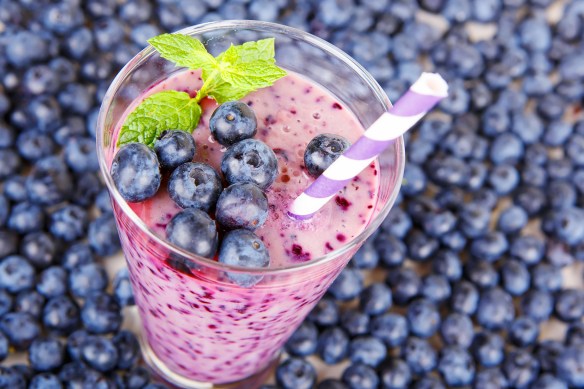
 If you’ve ever had the pleasure of picking wild blueberries or strawberries, you’ve experienced the incredible burst of fragrance and flavor offered by each berry. It is easy to get the impression that something that good MUST be incredibly good for you. That might not be a reliable test of healthfulness but, in this case, it happens to be so. Blueberries, as well as strawberries, raspberries, cherries, cranberries and other berries all have remarkable health benefits.
New studies reveal that eating blueberries every day make a significant difference in cognition in older adults.
A double-blind controlled trial in which 13 men and 24 women, between 60 and 75 years old, ate the equivalent of one cup of fresh blueberries every day for 90 days or a blueberry placebo had an interesting result. The group that ate blueberries showed significantly fewer repetition errors in the California Verbal Learning test.* These findings show that the addition of easily achievable quantities of blueberry to the diets of older adults can improve some aspects of cognition.
*The California Verbal Learning test is one of the most widely used neuropsychological tests in North America. It is a relatively new approach to clinical psychology and computer science. It is a measure of episodic verbal learning and memory, which demonstrates sensitivity to a range of clinical conditions.
A second study found enhanced neural activation after 16 weeks of daily blueberry supplementation in older adults with mild cognitive impairment at risk for dementia. The researchers concluded that these data demonstrate, for the first time, enhanced neural response during a working memory challenge in blueberry-treated older adults with cognitive decline and are consistent with prior trials showing neurocognitive benefit with blueberry supplementation in this at-risk population.
What’s so special about blueberries?
You’re already familiar with antioxidants, which include vitamins, minerals, herbs, and other nutrients that protect us from free radical damage. Phytochemicals fall under the category of antioxidants, but more specifically, they are compounds found in plants that have been recognized for their potential to fight and protect us from disease. More than 900 different phytochemicals have been identified as components of food, and many more phytochemicals continue to be discovered, it seems, on a weekly basis. It is estimated that there may be more than 100 different phytochemicals in just one serving of vegetables—which is one of the reasons health experts urge us to eat at least five to eight servings of fruit and vegetables each day.
Researchers have known for a long time that the phytochemicals in plants protect them from disease. But it wasn’t until 1980 when The National Cancer Institute began evaluating phytochemicals for their safety, efficacy and potential for preventing and treating human diseases that health experts recommended that we increase our consumption of fruit and vegetables as a valuable way to ward off illness and disease.
Blueberries come out on top
In a test that measures the antioxidant potency of a variety of foods—the Oxygen Radical Absorbance Capacity (ORAC) test—blueberries came out on top. This tiny, magnificent berry contains a huge serving of antioxidants that have been demonstrated to benefit numerous health conditions, including the prevention of oxidative and inflammatory stress on the lining of blood vessels and red blood cells. Berry anthocyanins also improve neuronal and cognitive brain functions, ocular health as well as protect genomic DNA integrity.
Berries as Smart Nutrients
In a landmark study in 1999, researchers at Tufts University discovered just how powerful this berry is by feeding old rats the equivalent of one cup of blueberries a day. The results were dramatic. The old rats that were fed the blueberries:
- learned faster than the young rats
- were more coordinated
- showed improved motor skills
- outperformed the young rats in memory tests
In one test, 6-month-old rats were able to run on a rod an average of 14 seconds, when compared to old rats, which fell off after six seconds. But remarkably, the old rats that were fed a blueberry supplement could stay on the rod for 10 seconds. Although the rats didn’t become young again, their skills improved tremendously. When the researchers examined the rats’ brains, they found that the brain neurons of the rats that ate the blueberries were able to communicate better.
The study was significant because the researchers discovered blueberry’s potential for reversing some age-related impairments in both memory and motor coordination. The researchers concluded that these findings suggest that, in addition to their known beneficial effects on cancer and heart disease, phytochemicals present in antioxidant-rich foods may be beneficial in reversing the course of neuronal and behavioral aging.
An earlier study done by researchers at the Jean Mayer USDA Human Nutrition Research Center on Aging at Tufts University published research showing that nutritional antioxidants, such as the polyphenols found in blueberries, can reverse age-related declines in brain function, namely the cognitive and motor deficits associated with Alzheimer’s and Parkinson’s disease. Since then, hundreds of studies have been done showing that all kinds of berries exert a protective effect against oxidation—a principal cause of cellular damage and death—which ultimately results in illness and disease.
Protects against brain damage
Among blueberry varieties, wild or lowbush blueberries contain the highest antioxidant power and were shown to protect laboratory animals from brain damage from an induced stroke, after they ate blueberries for six weeks. The researchers concluded that this study suggests that inclusion of blueberries in the diet may improve ischemic stroke outcomes.
Conclusion
There are thousands of health-promoting phytochemicals in plants—which is why it’s so important to eat a wide variety of colorful fruits and vegetables every day. Berries contain numerous phytochemicals (including anthocyanins, lutein, carotenoids, ellagic acid, chlorogenic acid, and caffeic acid) that have potent antioxidant and inflammatory effects—that have specifically been shown to protect us from numerous health ailments and diseases.
But most Americans do not meet the Recommended Daily Allowance of five to eight fruits and vegetables a day. The good news is that taking a daily nutritional supplement containing a mixture of berry extracts is an excellent way to get a variety of unique phytochemicals, and cover your antioxidant protection needs.
Berry good for you recipes
Berry Smoothie
Ingredients
- 2 frozen bananas
- 4-5 strawberries
- 1/2 cup of blueberries
- 1/2 cup of raspberries
- 1 tsp. of maple syrup or stevia (optional)
Blend in a food processor or blender. About 500 calories (if you use the maple syrup) and 0 fat
Serves: 1-2
Two berry crisp
Ingredients
- 1 pint blueberries
- 1 pint strawberries, hulled, sliced
- 2 cups sugar-free granola
- 2 TB coconut oil
Preparation:
Preheat oven to 375°. Toss prepared berries in an 8-inch square glass baking dish. Blend coconut oil with the granola and sprinkle the mixture over the berries.Cover dish with foil and bake for 30 minutes. Remove foil and bake another 10 minutes, until topping is browned. Serve warm or at room temperature, with ice cream or whipped topping.
Serves 6-8
Enjoy!
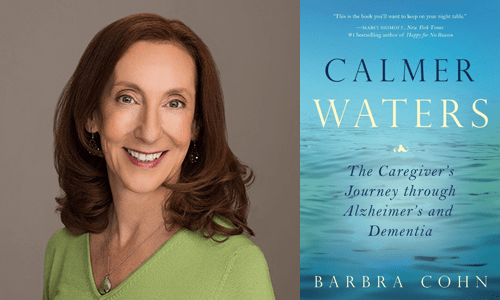
Barbra Cohn cared for her husband Morris for 10 years. He passed away from younger-onset Alzheimer’s disease in 2010. Afterward, she was compelled to write “Calmer Waters: The Caregiver’s Journey Through Alzheimer’s & Dementia”—Winner of the 2018 Book Excellence Award in Self-Help—in order to help other caregivers feel healthier and happier, have more energy, sleep better, feel more confident, deal with feelings of guilt and grief, and to ultimately experience inner peace. “Calmer Waters” is available at Amazon, Barnes & Noble, Boulder Book Store, Tattered Cover Book Store, Indie Bound.org, and many other fine independent bookstores, as well as public libraries.
 One of the hardest things about getting a diagnosis of Alzheimer’s disease is deciding when and whom to tell. When my husband was diagnosed with younger-onset Alzheimer’s disease at 60 years old we were afraid that people would treat him differently, and that our friends would write us off.
 My husband passed away eight years ago from younger-onset Alzheimer’s. Recreational marijuana is now legal in Colorado, but before medical marijuana was legal I’d find a way to obtain it for him to smoke or eat in cookies and brownies. It calmed him down and made him happy. It reduced his anxiety, but it definitely did not help his memory. And that’s not what I was looking for. I just wanted him to feel calmer, and in so doing, it helped me feel more at ease. (Please read
 I recently listened to a lecture about the dangers of digital dementia, and I think it’s an important topic to explore on the healthycaregiverblog. Essentially, it’s a condition that develops overtime after becoming addicted to and overusing digital technology. This includes smart phones, computers, reading devices, and tablets. The term was coined by German neuroscientist Manfred Spitzer and describes how the result of overuse of digital technology is resulting in the breakdown of cognitive abilities, which first appear as something similar to attention disorder.
 Depression can affect our memory, and it can result from not being able to do the things that were once easy for us, as in the case of Alzheimer’s or dementia. Depression can result from a number of factors and it often appears differently in different people
 June is Alzheimer’s & Brain Awareness Month. It’s a good time to have a physical exam, especially if you are worried about your memory not being as sharp as it used to be or if you’re having trouble coping with daily life. If you’ve noticed that someone close to you is showing signs of withdrawal, depression or confusion, please strongly suggest that he or she make an appointment for an exam, too.
 I recently participated in a caregiver symposium. I spoke to dozens of caregivers who expressed fatigue, frustration, and exasperation. Everyone was stressed and stretched to the limit. I detected little joy. Instead, people appeared resentful. “I didn’t sign up for this,” one man said. Another confided, “I read your book and am taking your advice. I will not let my wife’s illness ruin my life.”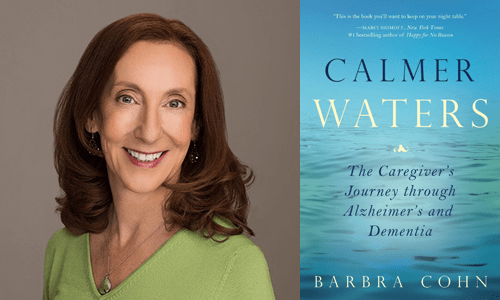
 According to Human Rights Watch
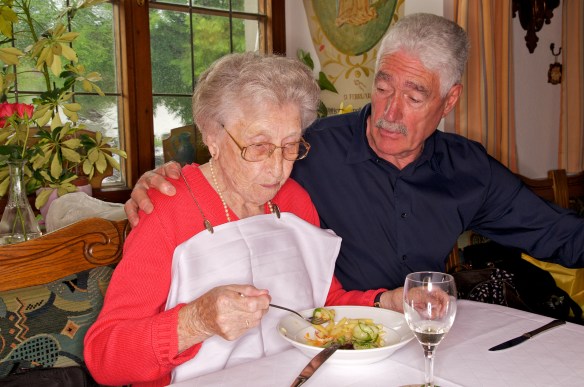 It seems that ice cream is the favorite food of most Alzheimer’s patients. It was certainly my husband’s. Sometimes it was the only thing that he found appealing. It’s no wonder: ice cream is cold, slippery and delicious! However, there are lots of healthy frozen desserts available that are low in fat and calories that contain little or no cholesterol. Try Rice Dream®, Coconut Bliss, Soy Dream, or Halo Top. If you have a food processor, puree frozen strawberries or bananas. You won’t even miss the sugar and cream.
 thehealthycaregiverblog