
6 often neglected health exams that can change your life

untitled-design-copylf you’ve live in an old house (or mature house) for a long time, you probably understand the frustration of having to repair leaky pipes, rusting pipes, root strangled pipes, or rotting wood, termite-infested wood, peeling paint on wood, or possibly loose roof shingles, hail-damaged shingles, or critter chewed shingles. You get the picture, right? After years of wear and tear our bodies also start to leak, ooze, slow down, strain, pain, creak and groan. Aging is inevitable, but certain medical tests can help alert us to the danger that is yet to come so we can better improve our nutrition and/or lifestyle.

Put these six tests/exams on your “to do” list and help prevent some potentially dangerous medical conditions.

  1. High blood pressure, also called hypertension,  is commonly referred to as the silent killer. You might have high blood pressure and not feel any symptoms. But hypertension could be causing lots of damage without your knowing it.High blood pressure occurs when the force of blood passing through blood vessels is above normal. The increase in pressure forces the blood to hit the blood vessel walls. It is usually a result of a combination of stress, high cholesterol, inflammation and sticky blood platelets. Insulin resistance—also known as metabolic syndrome—and too much body fat are major contributing factors, and heavy metal toxicity is another culprit.

The circulatory system is made up of the heart, blood and blood vessels. Arteries carry blood away from the left side of the heart to capillaries—the smaller vessels—throughout the body. The veins carry “used” blood from the capillaries back to the right side of the heart via the lungs, where the blood is oxygenated. This fresh blood is then pumped back to the left side of the heart, and the cycle continues.

When your doctor takes your blood pressure, he/she is measuring the pressure in your arteries as your heart pumps. The heart contracts and relaxes during each heartbeat. When it contracts, the blood is being pumped out of the two ventricles (chambers) and your blood pressure goes up. Systolic pressure (the top number in the blood pressure reading) is the peak reading of the pressure produced by this contraction. When the heart relaxes, blood fills the ventricles and your blood pressure goes down. The diastolic pressure (the bottom number in the blood pressure reading) measures the pressure between the beats as the heart relaxes.

What’s normal blood pressure?

According to the National Heart, Lung and Blood Institute (a division of the Institutes of Health), normal blood pressure is 120/80 or less.

Categories for blood pressure levels in adults (in mmHg, or millimeters of mercury

Category Systolic

(top number)

  Diastolic

(bottom number)

Normal Less than 120 And Less than 80
Prehypertension 120–139 Or 80–89
High blood pressure
     Stage 1 140–159 Or 90–99
     Stage 2 160 or higher Or 100 or higher

What can go wrong with your circulation?

Arteries can constrict due to inflammation, build-of plaque, constriction of blood vessels, and the formation of blood clots leading to:

  • Hypertension
  • Heart attack
  • Stroke

Natural remedies to support healthy blood pressure and circulation:

  • Vitamins B6, B12, C
  • Vitamin E complex
  • Folic acid
  • Vitamin C
  • Magnesium
  • CoQ10
  • Nattokinase

2. When is the last time you had a full-body dermatology screening? Your skin is the largest organ in the body and is constantly bombarded with pollutants from air, water, cosmetics, and radiation from computers, TVs, and UV radiation from the sun. Please make an appointment with a dermatologist soon! Don’t put it off. Melanoma, the deadliest form of skin cancer, can strike unexpectedly and spread quickly. A dermatology exam might very well save your life. It’s a good idea to ask your friends and family for a referral. Dermatologists might get a similar education, but the technique for doing biopsies can vary greatly from one doctor to another. A doctor my friends and I  used to see  would get “scalpel happy” in removing tissue, warts, moles, etc., which sometimes left a painful incision or unsightly scar. Newer, less invasive techniques are available, so do your homework before you let anyone take a scalpel to your skin.

Natural ways to support skin health

  • Eat a variety of brightly colored fruits and vegetables, especially orange and yellow which are rich in beta-carotene
  • Vitamins C, E and A curb the damage caused by free radicals
  • Omega 3 fatty acids
  • Avoid smoking and second-hand smoke
  • Use sun protection (hats, long sleeves, sun block) and avoid mid-day sun during the summer

3. Get an annual eye exam. Eye conditions can put you at risk for permanent vision loss and other serious illnesses. Regular checkups will help your doctor detect common eye diseases, such as glaucoma and diabetic retinopathy, making them more treatable.

Taking care of the eyes throughout your lifetime will not only extend the ability to see clearly, but having regular eye exams is vital to ensure overall health. There are many diseases which are not of the eyes, but will exhibit symptoms which affect vision. Diabetes and hypertension can adversely affect the eyes.  And other diseases such as thyroid disease and certain autoimmune diseases, as well as medications like Viagra®, can cause eye-related issues.

Nutritional support for the eyes

  • Vitamins C and E, zinc, lutein, zeaxanthin, and omega-3 fatty acids all play a role in eye health. They can help prevent cataracts, clouding of your eye lens. They may also fight the most-likely cause of vision loss when you’re older: age-related macular degeneration (AMD).
  • Spinach, kale and other leafy greens are rich in antioxidants that protect against eye damage from sunlight, cigarette smoke, and air pollution. These leafy greens are loaded with two of the best for eyes, lutein and zeaxanthin.

Get a full panel blood screening including the following:

4. C-Reactive Protein (CRP) is an inflammatory biomarker that can be predictive of future risk of heart attack, stroke, sudden cardiac death, and the development of peripheral arterial disease. Individuals with elevated levels of CRP have a risk about 2 to 3 times higher than the risk of those with low levels.

Natural ways to reduce CRP

  • Eating more fresh fruits and vegetables,
  • Foods high in fiber
  • Coenzyme Q10
  • Tumeric, an excellent anti-inflammatory
  • Vitamin C
  • Omega 3-fatty acids

5. Vitamin D

Vitamin D is made in the skin as a result of exposure to sunlight. The problem is, if you live at latitude of 42 degrees (a line approximately between the northern border of California and Boston) the sun’s rays are too low between November and February for your skin to get the sunlight needed for cutaneous vitamin D synthesis. If you live at latitude below 34 degrees north (a line between Los Angeles and Columbia, South Carolina) your body can make vitamin D from sun exposure year-long. However, it’s important to expose a large portion of bare skin (like your midriff) to mid-day sun for at least 15 minutes every day. Most people are unable to fit this into their schedule, so vitamin D supplementation is highly recommended, especially since so few foods contain it.

The highest levels of vitamin D are naturally found in farmers who spend a lot of time outdoors and in people who take vacations or live in areas that are sunny and warm in winter. But most people, and especially the elderly, are vitamin D deficient. Vitamin D deficiency is especially common in the elderly. Researchers have found a correlation between vitamin D deficiency and low mood, depression and worse cognitive performance in older adults. In a recent study, 1618 patients who averaged 73.8 years old were tested for vitamin D deficiency. Those with severe vitamin D deficiency were twice as likely to suffer from depression.

Adequate vitamin D is believed to play a role in the reduction of falls, as well as supporting cardiovascular health, a strong immune system and cognitive function. Higher vitamin D intake is associated with a lower risk of developing Alzheimer’s disease, according to research done at the Angers University Hospital in France. Another recent study at the VA medical center in Minneapolis found that low vitamin D levels among older women are associated with a higher risk of cognitive impairment and a higher risk of cognitive decline. Babies born with low levels of vitamin D may be more likely to develop multiple sclerosis (MS) later in life than babies with higher levels of vitamin D, according to a study published in the November 30, 2016, online issue of Neurology®, the medical journal of the American Academy of Neurology.

Vitamin D deficiency may exacerbate osteopenia, osteoporosis, muscle weakness, fractures, autoimmune diseases, infectious diseases, multiple sclerosis and cardiovascular disease, cognitive function.Recent studies have suggested that women and men who increase their vitamin D intake above 400 IU of vitamin D a day reduce risk of developing multiple sclerosis by approximately 40%. Also, scientists theorize that one of the reasons that influenza occurs in the wintertime is that we do not manufacture enough vitamin D, and the resulting vitamin D deficiency might promote our susceptibility to the flu virus.

How much is enough?

*According to a study published in the Journal of Nutrition (March 9, 2009) adults need at least four times the current recommended dose of 600 IU of vitamin D. In 2008 The American Academy of Pediatrics (AAP) doubled its recommended minimum intake for infants, children and teens from 200 IU to 400 IU per day.

6. Zinc – is a mineral that occurs in animal tissue, and in plants when they grow on rich soil. It is important for various enzyme reactions, for the reproduction system, and for the manufacture of body protein. Zinc is vital to a healthy immune system, and yet, most Americans are deficient in this important antioxidant nutrient which:

  • is necessary for protein synthesis and wound healing
  • is vital for the development of the reproductive organs, prostate functions and male hormone activity
  • governs the contractibility of muscles
  • is important for blood stability
  • maintains the body’s alkaline balance
  • helps in normal tissue function
  • aids in the digestion and metabolism of phosphorus

A deficiency of zinc may result in delayed sexual maturity, prolonged healing of wounds, white spots on finger nails, retarded growth, stretch marks, fatigue, decreased alertness, and susceptibility to infections. So make sure you are getting enough zinc in your diet.

Foods high in zinc

  • Oysters
  • Meat
  • Poultry
  • Nuts
  • Pumpkin seeds
  • Dark chocolate
  • Garlic
  • Wheat germ
  • Sesame seeds (tahini)
  • Chickpeas

If you choose to take a zinc supplement, make sure it contains some copper. Zinc and copper work together to help control metabolism and rid the body of free radicals.

How much to take?

Men and women men respectively need 11 and 8 milligrams of zinc daily, according to the Linus Pauling institute, and all adults need 900 micrograms of copper.

So do yourself and your loved ones a big favor. Be vigilant and responsible for your health. Your life and your family depend on it.
Are You Getting Enough Vitamin D?

Unless you live in the tropics, are a farmer, or take a winter vacation to a warm, sunny climate, you are most likely deficient in vitamin D. Find out why it’s so important to take a supplem… Sourc…

Source: Are You Getting Enough Vitamin D?

7 Reasons to Indulge in Chocolate on Valentine’s Day and All Year Long

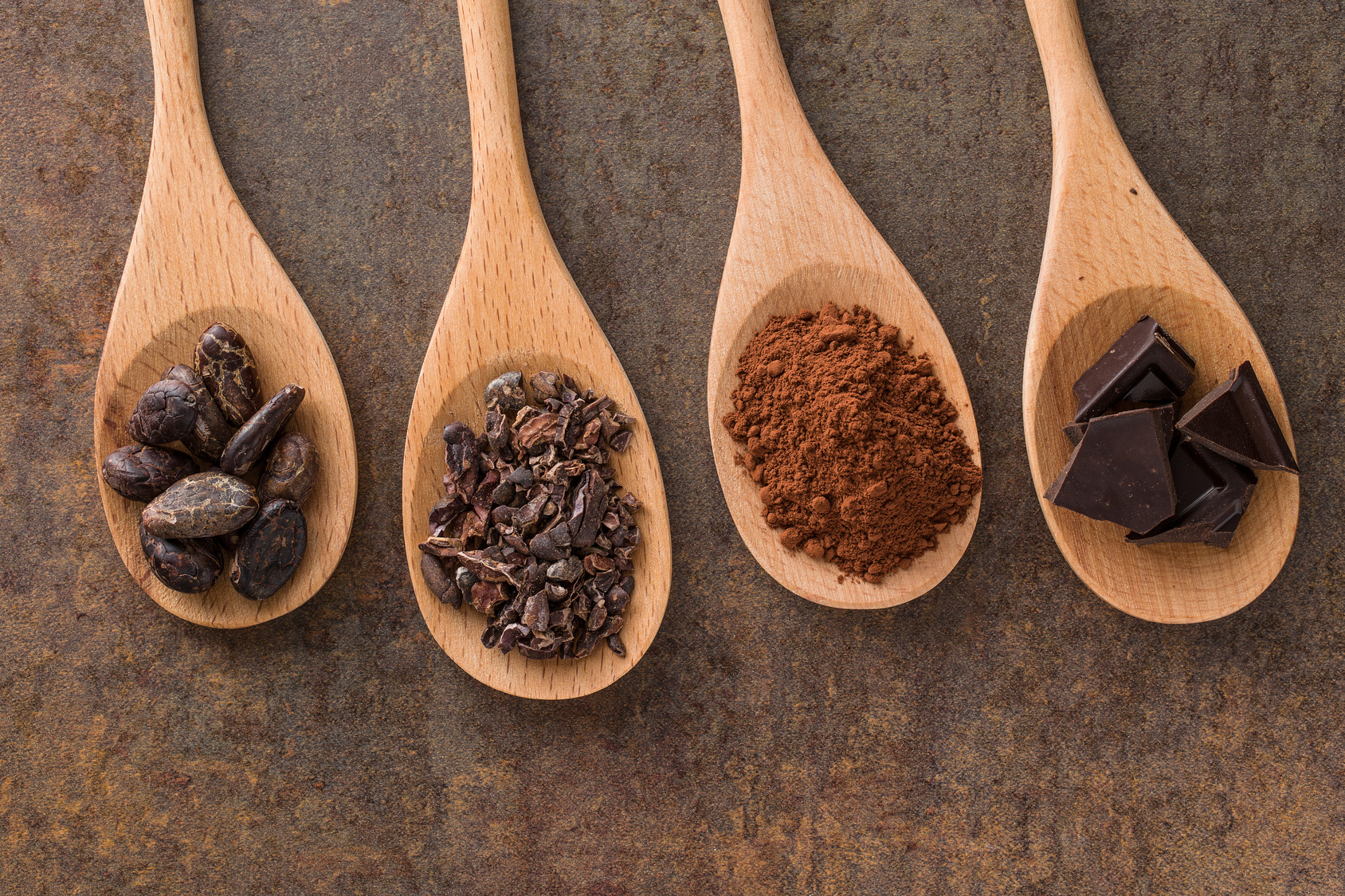
cocoa and dark chocolate in wooden spoonsAmericans buy more than 58 million pounds of chocolate around the holiday of love. Besides the delicious taste, smell and aphrodisiac effects, researchers are continually discovering more health benefits.

The use of cacao for health benefits dates back at least 3000 years. It was revered as a food, medicine and currency in Mexico, Central and South America, where it was also celebrated and incorporated into artwork, legends and sacred rituals. Now, because of extensive research, we know the main health benefits of cacao come from the flavonol epicatechin. The process of manufacturing dark chocolate retains epicatechin, whereas milk chocolate does not contain significant amounts. You can have your chocolate and eat it too, but if you want to enjoy its extensive health benefits be sure to eat high-quality dark chocolate. Or go one step further and enjoy raw cacao, which might take some getting used to for the simple reason we are used to sweetened chocolate. And if you just want the pure and simple health benefits, forego the chocolate and take raw cacao capsules. Although I definitely wouldn’t recommend giving your sweetheart a bottle of cacao capsules on Valentine’s Day. Indulge in the good-tasting stuff!

  1. Chocolate contains good-for-you antioxidants Chocolate comes from the cacao bean, which thrives in hot, rainy climates in South America, Africa and Indonesia. Similar to grapes, the local soil and climate affects the taste of the harvested beans. When you buy a chocolate bar that has the percentage number on the bar wrapper, that represents the weight that comes from the cacao bean content, according to Robert L. Wolke, author of What Einstein Told His Cook: Kitchen Science Explained. The higher the number, the lower the percentage of sugar and the more bitter and complex the flavor, he says. And the higher the number the more antioxidants.
  2. Cacao is rich in magnesium, sulfur, calcium, iron, zinc, copper, potassium and manganese, all essential minerals . . . and antioxidants that support immune health.
  3. Chocolate reduces your risk of Type 2 Diabetes Researchers discovered that the flavanols in chocolate have beneficial effects on insulin resistance, a risk factor for Type 2 diabetes. In a 30-year-long study of 953 men and women from the Maine-Syracuse Longitudinal Study (MSLS), researchers found that the individuals who never or rarely ate chocolate had a significantly higher chance of developing Type 2 diabetes after five years when compared to individuals who ate chocolate more than once a week. Habitual chocolate intake and type 2 diabetes mellitus in the Maine-Syracuse Longitudinal Study: (1975-2010): Prospective observations.
  4. Protects you from heart disease A 2012 report published in the American Journal of Clinical Nutrition found that dark chocolate has a beneficial effect on blood pressure, vascular dilation and cholesterol levels, and can play a role in reducing metabolic precursors that lead to diabetes and eventually to heart disease. However, a study published in October 2016 (John Wiley & Sons, Ltd.) found that out of 32 cocoa product samples analyzed, the cocoa flavanol dose must be about 900 mg or above to decrease blood pressure, and contain 100 mg of epicatechin. So if you want to eat chocolate for health benefits, be sure to check the ingredient label. The aim of the study was to review the effect of cocoa flavanols on cardiovascular health, with emphasis on the doses ingested, and to analyze a range of cocoa products for content of these compounds. PubMed was searched from 2010 to locate systematic reviews (SR) on clinical effects of chocolate consumption.
  5. Supports mental function In a study carried out by the University of L’Aquila in Italy, 90 elderly participants with mild cognitive impairment (MCI) drank cocoa containing high, medium or low levels of flavanoids. At the end of the eight-week study researchers found improvements in the motor response, working memory, task switching, and verbal memory in the participants who drank cocoa with a higher flavanol content. (Hypertension, Aug. 14, 2012) Alzheimer’s and dementia patients are especially fond of sweets because the taste of sweetness is the last taste to disappear.  So if your loved one has Alzheimer’s or dementia, indulge him/her in chocolate. Just remember not to overdo it and make sure to include good dental hygiene in your loved one’s daily regimen.
  6. Helps you think better after a sleepless night The next time you have a bad night’s sleep, instead of indulging in a cup of Joe drink hot chocolate. Sleep deprivation is a risk factor for cardiovascular disease, and scientists have found that flavanol-rich chocolate counteracted vascular impairment after sleep deprivation and restored working memory performance. Their theory is that the study’s participants had improved cognitive performance because of the effects of cocoa flavonoids on blood pressure and blood flow.Flavanol-rich chocolate acutely improves arterial function and working memory performance counteracting the effects of sleep deprivation in healthy individuals.
  7. Makes you feel gooood Scientists have discovered why chocolate uplifts your mood. Serotonin is the neurotransmitter responsible for keeping us happy, and cacao stops the amino acid tryptophan from breaking down. Since tryptophan is one of the amino acids that make serotonin this, in turn, limits the breakdown of serotonin. (Frontiers in Experimental Pharmacology and Drug Discovery, Dec. 2013)

On Valentine’s Day celebrate with your loved one by enjoy a steaming cup of delicious hot chocolate made with whole milk or rice or flax milk. Or indulge in a dark chocolate truffle, candy bar or chocolate ice cream. It’ll boost your spirit and your immunity. Just be careful not to overdo it because the calories can add up quickly.

As an added treat, make this yummy chocolate souffle. It’s easier than you think.

Chocolate Souffle

Ingredients

  • 1⁄3 cup sugar, plus additional for sprinkling
  • 5 ounces bittersweet chocolate chips
  • 3 large egg yolks, at room temperature
  • 6 large egg whites
  • 1⁄8 tablespoon butter

Directions

  • Preheat oven to 375°F.
  • Measure out sugar, chocolate and separate eggs.
  • Butter soufflé dish entirely and then add sugar (additional) coating the entire dish.
  • Melt chocolate in a double boiler, or directly on the stove.
  • Add yolks to chocolate (this will harden the chocolate so don’t be alarmed).
  • Beat egg whites with a pinch of salt. Slowly add sugar, a little at a time. Beat until egg whites hold stiff peaks.
  • Fold white mixture into chocolate slowly and stir until smooth.
  • Pour into large soufflé dish or 4 ramekins and run the end of your thumb around inside to remove any extra batter.
  • Bake until puffed and crusted on top but still jiggly in center, 20 to 25 minutes.
  • Serve immediately with whipped cream or ice cream.

Yay chocolate!

For more articles like this one, please subscribe to barbracohn.com : thehealthycaregiverblog.com


Loneliness vs. Aloneness: Why one is dangerous to your health

When I transferred to a university 2,000 miles from home my second semester sophomore year, I experienced loneliness for the first time. It emerged as a physical sensation in my chest and developed…

Source: Loneliness vs. Aloneness: Why one is dangerous to your health

Are You Getting Enough Vitamin D?

Unless you live in the tropics, are a farmer, or take a winter vacation to a warm, sunny climate, you are most likely deficient in vitamin D. Find out why it’s so important to take a supplem…

Source: Are You Getting Enough Vitamin D?

Are You Getting Enough Vitamin D?

561_winter-sun-dog_0267

Vitamin D is made in the skin as a result of exposure to sunlight. The problem is, if you live at latitude of 42 degrees (a line approximately between the northern border of California and Boston) the sun’s rays are too low between November and February for your skin to get the sunlight needed for cutaneous vitamin D synthesis.1, 2

If you live at latitude below 34 degrees north (a line between Los Angeles and Columbia, South Carolina) your body can make vitamin D from sun exposure year-long. However, it’s important to expose a large portion of bare skin (like your midriff) to mid-day sun for at least 15 minutes every day. Most people are unable to fit this into their schedule, so vitamin D supplementation is highly recommended, especially since so few foods contain it.

Foods containing vitamin D

Fatty fish such as salmon, trout, tuna and sardines, milk, and fortified cereals provide more than 100 IU per serving. And mushroom is the only food in the produce section that has vitamin D.  But you’d have to eat an awful lot of these foods to get the recommended daily dose of vitamin D, which is 2400 IU, according to a study published in the Journal of Nutrition.* For instance, you would have to eat at least five servings of salmon a day or drink 20 cups of fortified milk.

Who should take a vitamin D supplement?

The highest levels of vitamin D are naturally found in farmers who spend a lot of time outdoors and in people who take vacations or live in areas that are sunny and warm in winter.

But most people, and especially the elderly, are vitamin D deficient. Vitamin D deficiency is especially common in the elderly. Researchers have found a correlation between vitamin D deficiency and low mood, depression and worse cognitive performance in older adults. In a recent study, 1618 patients who averaged 73.8 years old were tested for vitamin D deficiency. Those with severe vitamin D deficiency were twice as likely to suffer from depression.3

Another study of a cross-section of 80 older adults, 40 with mild Alzheimer’s disease and 40 healthy adults, found that vitamin D deficiency was associated with low mood and impairment on two of four measures of cognitive performance. 58% of the participants had abnormally low vitamin D levels. After adjusting for age, race, gender, and the season in which vitamin D levels were studied, researchers correlated vitamin D deficiency with an active mood disorder. The deficiency was also related to a worse performance on the cognitive performance test called Short Blessed Test (SBY). There was no difference in performance on the Mini-Mental State Exam (MMSE). 4


Vital to overall health

We now know that every body cell has a receptor for vitamin D, which is why it is so crucial to overall health. Vitamin D is most commonly known for helping the digestive system absorb calcium and phosphorus. In that way it helps the body build and maintain healthy bones. But it does much more.

Adequate vitamin D is believed to play a role in the reduction of falls, as well as supporting cardiovascular health, a strong immune system and cognitive function. 5

Higher vitamin D intake is associated with a lower risk of developing Alzheimer’s disease, according to research done at the Angers University Hospital in France. Another recent study at the VA medical center in Minneapolis found that low vitamin D levels among older women are associated with a higher risk of cognitive impairment and a higher risk of cognitive decline. Both studies were published in the Dec. 3, 2012 issue of the Journals of Gerontology Series A: Biological Sciences and Medical Sciences.

Babies born with low levels of vitamin D may be more likely to develop multiple sclerosis (MS) later in life than babies with higher levels of vitamin D, according to a study published in the November 30, 2016, online issue of Neurology®, the medical journal of the American Academy of Neurology.

Vitamin D

  • Regulates blood serum calcium and phosphate levels
  • Stimulates calcification of the bone
  • Increases absorption of calcium from the intestines
  • Decreases excretion of calcium from the kidneys
  • Supports T-cell production and the immune system
  • Has been shown to reduce risk of some forms of cancer, MS, diabetes and cardiovascular disease (6-9)
  • Plays a role in regulation of blood pressure
  • Supports immunity and helps reduce stress

Vitamin D deficiency may exacerbate osteopenia, osteoporosis, muscle weakness, fractures, autoimmune diseases, infectious diseases, multiple sclerosis and cardiovascular disease, cognitive function.

Recent studies have suggested that women and men who increase their vitamin D intake above 400 IU of vitamin D a day reduce risk of developing multiple sclerosis by approximately 40%. 7

Also, scientists theorize that one of the reasons that influenza occurs in the wintertime is that we do not manufacture enough vitamin D, and the resulting vitamin D deficiency might promote our susceptibility to the flu virus. 10

How much is enough?

*According to a study published in the Journal of Nutrition (March 9, 2009) adults need at least four times the current recommended dose of 600 IU of vitamin D. 11

In 2008 The American Academy of Pediatrics (AAP) doubled its recommended minimum intake for infants, children and teens from 200 IU to 400 IU per day. 12

Why are co-factors important?        

Other nutrients are needed in order for Vitamin D to work optimally in the body. Make sure your nutritional supplement contains the following:

  • VITAMIN D3 (Colecalciferol 1,000 IU/g.) Vitamin D refers to two biologically inactive precursors – D3, also known as cholecalciferol, and D2, also known as ergocalciferol. Vitamin D3 is produced in the skin on exposure to UVB radiation (290 to 320 nm), and is more bioactive than D2.
  • BORON is involved in the action of Vitamin D on the cell wall. Most Americans do not consume enough of the foods that contain boron, such as green vegetables, fruit, nuts and whole grains.
  • MAGNESIUM–All the enzymes that metabolize Vitamin D require magnesium. It is also required in each of the steps concerned with replication, transcription and translation of genetic information, and thus it is also needed for the genetic mechanism of action of Vitamin D.
  • ZINC –A zinc molecule sits at the base of the vitamin D receptors on the cells in your body, which helps them to function properly.
  • VITAMIN K-2 helps direct Vitamin D to calcify bones while preventing the calcification of organs and blood vessels.
  • VITAMIN A —Vitamin D requires Vitamin A to bind to the Vitamin D receptor.

So unless you are going on a long vacation this winter to a tropical climate, make sure you take enough vitamin D to protect your overall health and reduce your risk of getting the flu.

References

  1. Holick MF. Vitamin D: the underappreciated D-lightful hormone that is important for skeletal and cellular health. Curr Opin Endocrinol Diabetes 2002;9:87-98.
  2. Holick MF. Vitamin D. In: Shils ME, Shike M, Ross AC, Caballero B, Cousins RJ, eds. Modern Nutrition in Health and Disease, 10th ed. Philadelphia: Lippincott Williams & Wilkins, 2006.
  3. Lapid MI, Cha SS, Takahashi PY.Clin Interv Aging. 2013;8:509-14. doi: 10.2147/CIA.S42838. Epub 2013 May 3.
  4. Wilkins CH, Sheline YI, Roe CM, Birge SJ, Morris JC. Vitamin D deficiency is associated with low mood and worse cognitive performance in older adults.Am J Geriatr Psychiatry. 2006 Dec;14(12):1032-40.
  5. Stechschulte SA, Kirsner RS, Federman DG. Vitamin D: bone and beyond, rationale and recommendations for supplementation. Am J Med. 2009 Sep;122(9):793-802.
  6. Garland, CF; Garland, FC; Gorham, ED; Lipkin, M; Newmark, H; Mohr, SB; Holick, MF (2006). “The role of vitamin D in cancer prevention”. American Journal of Public Health 96 (2): 252–61. doi:2105/AJPH.2004.045260. PMID16380576
  7. Munger KL, Zhang SM, O’Reilly E, Hernan MA, Olek MJ, Willett WC, Ascherio A.  Vitamin D intake and incidence of multiple sclerosis.  Neurology2004; 62(1):60-5.
  8. Penckofer S, Kouba J, Wallis DE, Emanuele MA. Vitamin D and diabetes: let the sunshine in. Diabetes Educ. 2008 Nov-Dec;34(6):939-40, 942, 944 passim.
  9. Wang TJ, Pencina MJ, Booth SL, Jacques PF, Ingelsson E, Lanier K, Benjamin EJ, D’Agostino RB, Wolf M, Vasan RS. Vitamin D deficiency and risk of cardiovascular disease. Circulation. 2008 Jan 29;117(4):503-11. Epub 2008 Jan 7.
  10. Cannell, J.J., Vieth, R., Umhau J.C., et.al. Epidemic influenza and vitamin D. Epidemiology and Infection (2006), 134:6:1129-1140 Cambridge University Press
  11. Nelson, M.L. Blum, J.M, Hollis, B.W., Rosen, C., Sullivan, S.S. Supplements of 20 ug/d Cholecalciferol Optimized Serum 25-Hydroxyvitamin D Concentrations in 80% of Premenopausal Women in Winter. Journal of Nutrition, March 9, 2009, Volume 139, Pages 540-546, doi:10.3945/jn.108.096180
  12. Wagner, C.L., Greer, F.R. Prevention of Rickets and Vitamin D Deficiency in Infants, Children, and Adolescents. Pediatrics 122 No. 5 November 2008, pp. 1142-1152 (doi:10.1542/peds.2008-1862)


5 Ways to stay calm during the holiday season . . . and all year long

A man is dealing with intense work rush hour traffic jam stress by getting relief doing yoga on top of his car in this humorous scene that shows PEACE on the license plate of the car he is sitting on.

I recently drove to Denver to give a book talk and got stuck in unexpected, late-morning bumper-to-bumper traffic. Even though I left plenty of time to reach my destination, I realized I was going to be late when it took 30 minutes to basically crawl 1/2 mile on the highway. I considered the ways I could react: cry, pound on the dashboard, or call a friend to whine. I decided to take the advice in my book Calmer Waters: The Caregiver’s Through Alzheimer’s and Dementia and to breathe slowly and deeply. Then I listened to Grieg’s gorgeous piano concerto. I finally called the venue and said I didn’t know if I’d make it. Ten minutes later I called again and said I would, but I’d  be a little late. I parked the car, ran a block, and arrived out of breath. It worked out in the end, and the talk went well.

Stress in America

According to the American Psychological Association’s “2015 Stress in America” report, almost one-third of adults report that stress has a very strong or strong impact on their body/physical health and mental health (31 and 32 percent in 2015, compared to 25 and 28 percent in 2014, respectively). Unfortunately, younger people are feeling more stressed than Baby Boomers, mostly because of financial and family obligations.

And now, because of post-election stress and the pressures of the holiday season, many people are going to feel even more stressed out. But there are specific things we can do to feel less anxious and calmer. Here are some ways that have been shown to work, both anecdotally and scientifically.

  1. Magnolia extract-–When I was taking care of my husband, who died from younger-onset Alzheimer’s disease, I often got stressed out, to put it mildly. One of the things I relied on was the nutritional supplement magnolia extract to relieve anxiety and to help me sleep. Magnolia bark (Magnolia officinalis) is a traditional Chinese medicine that has been used for thousands of years to treat “stagnation of qi” (low energy), and help ease asthma, digestive problems, and emotional distress. Even though the extract has been part of the classical Chinese pharmocopeia for centuries, scientists are just discovering the amazing benefits offered by its two phytochemicals, honokiol and magnolol.

One of the most impressive benefits is their ability to alleviate stress while producing a calming effect.  Dozens of animal studies have shown that they act as a non-addictive, non-sedating anxiolytic (anti-anxiety and anti-stress) agent at low doses. That means a small dose of Magnolia extract can help calm your nerves and alleviate anxiety, without making you sleepy.  The beauty of these two phytochemicals is that honokiol exerts a somewhat stronger anti-anxiety effect, and magnolol exerts a stronger antidepressant effect  … so that when you take Magnolia extract, you’re really “killing two birds with one stone”—anxiety and depression—in order to feel better mentally and emotionally. Caution: Do not use this nutritional supplement with an anti-anxiety medication. Look for Magnolia extract in your local health food store or online.

2. Passionflower is well documented as a safe and effective way to treat anxiety.

Passionflower Extract (4% Flavones) is a medicinal herb that is approved by the German Commission E in the treatment of insomnia and nervousness. Passionflower is a nervine relaxant that is beneficial for anxiety, insomnia, tension headaches, and irritability.

Researchers don’t know exactly how passionflower works, but they theorize that the flavonoids and alkaloids regulate neurotransmitters that reduce anxiety. Neurotransmitters are the brain chemicals that communicate information throughout your brain and body. The brain uses neurotransmitters to tell your heart to beat, your lungs to breathe, and your stomach to digest. They can also affect mood, sleep, concentration, weight, and can cause adverse symptoms when they are out of balance. Passionflower is available as an herbal tea or nutritional supplement.

3. L-Theanine is another outstanding treatment for anxiety. This unique amino acid is found almost solely in tea plants and is the main chemical constituent in green tea.

L-theanine is an ideal nutritional aid for stress because it produces alpha-wave activity that leads to deep relaxation and mental alertness. This is especially important because in order to mitigate stressful situations, it’s important to remain calm and alert. Theanine also stimulates the release of the neurotransmitters GABA, serotonin and dopamine, which help us feel happy, motivated and calm.

Research with human volunteers has shown that L-theanine stimulates production of alpha brain waves, resulting in a deep relaxed state, much like the state achieved during meditation. In human volunteers, α-waves were generated on the occipital and parietal regions of the brain surface within 40 minutes after the oral administration of theanine (50–200 mg), signifying relaxation without causing drowsiness. In another study, theanine was given to participants taking a mental arithmetic task. The results showed that when the participants took L-theanine their heart rate was reduced, as well. Green tea contains L-theanine but you’d have to drink a whole lot of cups to reap the full benefits. It’s available as a nutritional supplement, which might be easier and quicker to take, and it’ll save you a lot of trips to the bathroom.

4. Snacks that might calm you down

According to Dr. Andrew Saul from the Food Matters film, two handfuls of cashews (make that a small handful, please; one ounce of cashews contain 157 calories.) provide the equivalent mood-boosting effect as a therapeutic dose of Prozac because they are one of the highest natural sources of tryptophan, the precursor for serotonin, the feel-good neurotransmitter.

Dark chocolate reduces cortisol, the stress hormone that causes anxiety symptoms. Just a couple of pieces should do the trick. These two snacks can help when you’re stuck in traffic and they might even prevent you from swearing at the driver who just cut you off.


5. Music is the universal language, and it is also the universal stress reliever. Whether it’s jazz, classical, or hard rock that makes you feel better, by all means, play it loud, play it soft, dance to it, drive to it, go to sleep to it. It will definitely help.

If you, or someone you care about, tend to suffer from stress, anxiety, or depression, these recommendations might just “take the edge off” and improve your quality of life … without the risk of side effects. May the holiday season begin!

Meet Judith Henry, author of The Dutiful Daughter’s Guide to Caregiving: A Practical Memoir

RelatedMeet Carole Brecht, author of The Artistry of Caregiving, Letters to Inspire Your Caregiver JourneyIn \”Alzheimer\’s\”AlzAuthors Spotlights Writers on Alzheimer\’s and Dementia During June, Alz

Source: Meet Judith Henry, author of The Dutiful Daughter’s Guide to Caregiving: A Practical Memoir

The 10 best ways to observe National Alzheimer’s Awareness Month

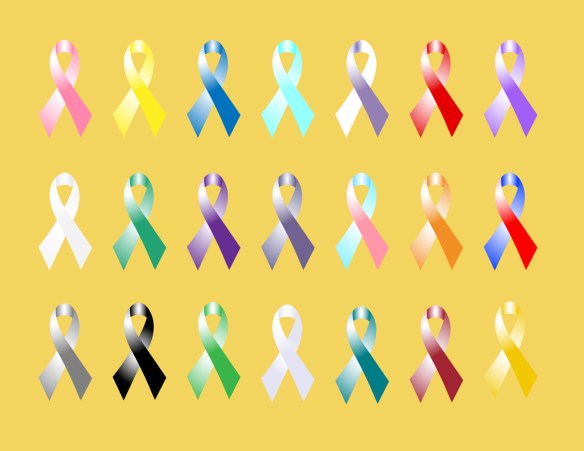
Ribbons of awarenessIt’s November, which means it’s time to enjoy your Thanksgiving with family and friends.
  1. It’s also time to do your brain a favor and take advantage of the free cognitive exam as part of Medicare’s Yearly Wellness Exam.

Despite clear signs that their memory and thinking abilities have gone downhill, researchers have found that more than half of seniors with these symptoms haven’t seen a doctor about them. University of Michigan researchers and their colleagues say their findings suggest that as many as 1.8 million Americans over the age of 70 with dementia are not evaluated for cognitive symptoms by a medical provider, which in some patients can lead to a failure to uncover modifiable causes of thinking or memory impairment.

The study, published in Neurology, the medical journal of the American Academy of Neurology, documents a clear lack of clinical testing for seniors with signs of cognitive problems.“Early evaluation and identification of people with dementia may help them receive care earlier,” says study author Vikas Kotagal, M.D., M.S., who sees patients at the University of Michigan Health System and is an assistant professor in the U-M Medical School’s Department of Neurology. “It can help families make plans for care, help with day-to-day tasks including observed medication administration, and watch for future problems that can occur. In some instances, these interventions could substantially improve the person’s quality of life.”

For instance, knowing that a stroke or vascular issues in the brain caused dementia means patients can work to control risk factors like blood pressure that might otherwise cause it to keep worsening. If your physician suspects Alzheimer’s disease, there are drugs that can help delay the onset of full-blown dementia, and the possibility of placement in a memory care facility, which can help offset the catastrophic cost of the disease.

If you’ve had Part B for longer than 12 months, you can get the free Medicare Annual Wellness Exam to develop or update a personalized plan to prevent disease and disability based on your current health and risk factors. The exam includes:
• A review of your medical and family history
• Developing or updating a list of current providers and prescriptions
• Height, weight, blood pressure, and other routine measurements
 Detection of any cognitive impairment
• Personalized health advice
• A list of risk factors and treatment options for you
• A screening schedule (like a checklist) for appropriate preventive services. Get details about coverage for screenings, shots, and other preventive services.
This visit is covered once every 12 months (11 full months must have passed since the last visit).

2. Combat stress by playing relaxing music, dancing, using an aromatherapy diffuser, taking an Epsom salt bath, turning off electronics at least an hour before bed, etc. Health professionals agree that stress can lead to chronic illness. And in the case of caregiving, it can actually take years off your life.

3. Become a savvy caregiver. The Alzheimer’s Association has chapters throughout the U.S. and offer free classes ranging from how to make financial plans to learning about the latest research in dementia care. Check out their  Education and Resource Center.

4. Maintain healthy weight. Women with a thick waistline are at increased risk for dementia. As if you don’t have enough to worry about. A 32-year-long study by Swedish researchers, which was recently published in the scientific journal Neurology, found that women who gain weight around their middle and live to at least 70 years old are at twice the risk for developing dementia.

Medical research has already established a link between fat around your middle and a higher risk of dying prematurely from heart attack or stroke. But this new research provides even more incentive for reducing calories obtained from refined carbohydrates such as breads, pastries, cookies, candy, ice cream and pasta.

The research included almost 1,500 women between the ages of 38 and 60 and was started at the end of the 1960s. Thirty-two years later a follow-up found that 161 women with the average age of 75, had developed dementia. This study shows that women who had a pear-shape figure, broader around the waist than hips, had more than twice the risk of developing dementia when they got old.

What is Metabolic Syndrome?

Also called Syndrome X, it’s caused by a diet filled with refined carbohydrates. The cycle goes like this: you eat a bagel with some orange juice and coffee for breakfast. Have an apple mid-morning. A salad with a piece of French bread for lunch. A handful of M & Ms mid-afternoon, pasta and salad for dinner, and some popcorn later while you’re watching TV. Doesn’t sound too terrible. But the thing is, these foods are mostly simple carbohydrates, which means your digestive system converts them into glucose, which causes your blood sugar to rise quickly. Your pancreas responds by pumping out insulin to convert the glucose into quick energy.

The problem is, the more carbohydrates you eat, the more your body pumps out insulin to deal with all the extra blood sugar. Eventually your body becomes overwhelmed by the amount of insulin and sluggish in response to it. Before you know it, you’ve developed insulin resistance, meaning your cells have lost their sensitivity to the hormone and require even more of it to maintain normal glucose levels. When blood sugar and insulin levels go up, Metabolic Syndrome (Syndrome X) and weight gain result.

What can you do about it?

  • If you tend to grow love handles around your middle, do something now to protect your heart and brain.
  • Limit the amount of carbohydrates you eat
  • Include a high-quality protein with every meal, such as salmon or chicken
  • Exercise regularly

Add whole foods to your diet instead of highly processed foods, including brown rice, quinoa, and whole oats, 5-9 servings of fruits and vegetables, cottage cheese, eggs

Take nutritional supplements proven to support healthy glucose levels: Bitter melon Momordica charantia), cinnamon, green tea extract, Salacia reticulata, Banaba leaf, chromium

5. Get regular dental check-ups. It’s hard to determine which comes first, Alzheimer’s disease or inflamed gums, but they seem to go hand in hand. A recent study done at the College of Dentistry, NYU, New York, NY proposes that chronic periodontitis might contribute to the onset and progression of Alzheimer’s disease. Inflammation and Alzheimer’s disease

And in the famous Nun Study, one of the first documented studies of Alzheimer’s in a specific population, the researchers found that the participants with the fewest teeth had a higher incidence of dementia. In fact, the researchers concluded that having very few teeth -one to nine-might be a predictor of dementia late in life

How to prevent gum disease

Frequent dental visits may become necessary to ensure a thorough cleaning of the teeth, roots and gums.

Supplementation with vitamin C is important in order to try to maintain healthy gum tissue.

Lycopene may be effective in treating and preventing gingivitis. Lycopene is the carotenoid which makes tomatoes red. It is a popular supplement for supporting prostate and cardiovascular health, and helps prevent macular degeneration and other types of cancer. A recent study compared just taking lycopene as a supplement to a combination treatment of taking lycopene and root scaling and planing in patients with gingivitis. The groups that were treated demonstrated significant reductions in gingivitis, but the group that received both lycopene and prophylaxis showed a statistically significant reduction in symptoms.The results presented in this study suggest that lycopene shows great promise as a treatment for gingivitis.

Gingvitis vs. Periodontitis

Gingivitis (gum inflammation) usually precedes periodontitis (gum disease). The gums can become swollen and red, and they may bleed while brushing your teeth. Although the gums may be irritated, the teeth are still firmly planted in their sockets, and at this stage, no bone or other tissue damage has occurred.

When gingivitis is left untreated, it can advance to periodontitis, which is an infection caused by bacteria under the gum tissue. The gums can pull away from the tooth, bone can be lost, and the teeth may loosen or even fall out.

Warning signs of periodontal disease:

  • Bad breath or bad taste that won’t go away
  • Red or swollen gums
  • Tender or bleeding gums
  • Painful chewing
  • Loose teeth
  • Sensitive teeth
  • Gums that have pulled away from your teeth
  • Any change in the way your teeth fit together when you bite
  • Any change in the fit of partial dentures

6. Buy a new pair of walking shoes and a comfortable workout outfit. You deserve it! You also owe it to yourself to move your body. For years, health professionals have been preaching about the importance of exercise to cardiovascular and overall health. “Whatever is good for the heart is good for the brain.” The latest study of older adults at increased risk for Alzheimer’s disease is the first evidence that physical activity may protect against cognitive decline and the onset of dementia symptoms in people who carry the genetic marker for Alzheimer’s.

The hippocampus, the brain region responsible for memory and spatial orientation, normally loses some volume as we age. But overtime, people with an increased genetic risk for Alzheimer’s disease experience greater atrophy in that area of the brain, which means they experience greater memory loss and cognitive dysfunction.

The good news is that Dr. J. Carson Smith, a kinesiology researcher in the University of Maryland School of Public Health, and his colleagues found clear evidence that being physically active has the potential to help protect the hippocampus in people at increased risk for Alzheimer’s disease. This is especially significant because if you know that exercise can help delay the onset of the disease and if you engage in an exercise regimen it could extend your longevity and ability to take care of yourself. This, in turn, would reduce the financial burden of needing a caregiver and other medical intervention.

Dr. Smith and colleagues tracked four groups of healthy older adults ages 65-89, who had normal cognitive abilities, over an 18-month period and measured the volume of their hippocampus (using structural magnetic resonance imaging or MRI) at the beginning and end of that time period. The groups were classified both for low or high Alzheimer’s risk (based on the absence or presence of the apolipoprotein E epsilon 4 allele) and for low or high physical activity levels.

Of all four groups studied, only those at high genetic risk for Alzheimer’s who did not exercise experienced a decrease in hippocampal volume (3%) over the 18-month period. All other groups, including those at high risk for Alzheimer’s but who were physically active, maintained the volume of their hippocampus.

Whether you are at high risk for Alzheimer’s or not, it’s never too late or too early to start a daily exercise regimen. If you are sedentary start walking 30 minutes three days a walk, and go from there. Park your car at the opposite end of the parking lot, from where you need to go. Get a walking buddy, or get a dog. Whatever you do, be serious about being physically active. It could have a huge impact on your life and the lives of your loved ones.

7. Sleep more soundly. There are plenty of studies linking poor sleep to a host of physical and psychological ailments: poor immunity, elevated levels of cortisol and insulin, weight gain, diabetes, cardiovascular disease and even Alzheimer’s disease. And irritability, foggy thinking and anxiety, depression and low energy can directly impact your ability to care for another person, do household chores and get in the way of your interpersonal relationships. Discover ways why Good sleep hygiene is the first step to improving your sleep.

8. Include turmeric in your diet. Turmeric is what gives curry its yellow hue and tang. But it does a lot more than flavor the most popular Indian dish. Turmeric has numerous health benefits. Several studies have found a protective effect of curcumin in Alzheimer’s disease and dementia, and it’s no surprise. The senior population in rural Indian has one of the lowest rates of Alzheimer’s disease in the world, and scientists believe it is due to the antioxidant and anti-inflammatory properties of turmeric, and its ability to inhibit the build up of amyloid plaque.

A study done by researchers from the University of Melbourne indicated that curcumin might prevent or improve age-related cognitive decline, dementia and mood disorders. The study included 60 adults between 60 and 85 years old. An hour after taking a curcumin supplement (400 mg) the participants experienced a higher attention span and better memory when compared to the participants who took a placebo. After four weeks of taking the supplement, the curcumin group showed improvement in mood, memory, alertness and feelings of well-being.

How much to take? You can find dietary supplements in tablet and capsule form at health food stores with curcumin extracts in dosages of 400 to 600 mg. The general advice is to take one dose three times daily or as directed on the product.

How to get more turmeric into your diet?

One way is to drink turmeric tea, which is popular among Okinawans, who are known for their longevity.
• Bring four cups of water to a boil.
• Add one teaspoon of ground turmeric and reduce to a simmer for 10 minutes.
• Strain the tea through a fine sieve into a cup, add honey and/or lemon to taste

Sprinkle it on your food—turmeric is especially good added to braised greens. Saute onion in olive oil, add greens of your choice (kale, spinach, Swiss chard), and add 1 tsp of turmeric and a sprinkle of salt.
Add turmeric to eggs, soups, potato pancakes, casseroles. You can’t go wrong, and you can’t overdose on turmeric.

Use as a cold, flu and congestion remedy
Turmeric has been used as a natural remedy for centuries to help prevent and cure respiratory illnesses. The next time you get a cold, try adding it to hot water with grated ginger and a teaspoon of honey. It will perk you up and possibly reduce the length of time you are sick. You might also discover that it helps your memory.

9. Is it time to move your loved one to a memory care home? If your loved one has Alzheimer’s or another form of dementia and it is getting difficult to provide a safe environment for him/her, please take the time NOW, before a crisis arises, is the time to investigate the memory care homes in your area. A good place to start is by calling the county’s senior social services office, or by speaking with an ombudsman who is knowledgeable about the pros and cons of the local memory care homes. Signs that it’s time to make the big move.

10. Evaluate your driving.  Play it safe. If you or a loved one has dementia, please park you car for good. Don’t take a risk of getting lost or worse, injuring yourself or someone else.

November is the perfect time to incorporate a new health regimen into your daily routine. Start today and get a head start at the beginning of the holiday season to maintain healthy weight, strengthen your immunity to flus and colds, and  protect your mental health and memory. 


HAPPY THANKSGIVING!!!!

For more information on how you can reduce stress and boost your happiness and health, read Calmer Waters: The Caregiver’s Journey Through Alzheimer’s & Dementia.

BarbraCohn__

Five surprising causes of memory loss

Mind concept graphic for memory loss or alzheimer's diseaseAfter my husband had a surgical procedure that required anesthesia, not only did he wake up groggy, but his early stage Alzheimer’s disease worsened. He got lost driving in our home town and had more difficulty with everyday activities. Years later, it was a kidney stone that sent him over the edge into a downward spiral. It’s not a surprise that anesthesia can cause memory loss, temporary or permanent. But it came as a surprise when something as common as a kidney stone had a severe impact on my husband’s mental condition and overall health.

There is a link between common infections such as UTIs (urinary tract infections), the flu, colds, and stomach viruses and their effect on memory in the elderly and dementia populations. A significant study found that people with Alzheimer’s, who get even a mild respiratory or gastrointestinal infection, or a bump or bruise are at risk for having a significant, permanent memory loss, according to a report that was published in the September 8, 2009 issue of the journal Neurology. These patients can have high levels of tumor necrosis factor—alpha (TNF-a)—a protein that is linked to inflammation and is associated with memory loss and cognitive decline.

In the study done at the Clinical Neurosciences Research Division at the University of Southampton, United Kingdom, 222 Alzheimer’s patients were followed for six months. Of those, 110 people had an infection or injury that resulted in inflammation. These individuals had twice the memory loss during that period of time as the individuals who did not have an illness or injury. Researchers attribute the memory loss to inflammation. In patients whose TNF-a levels were high to begin with, an infection increased their memory loss to 10 times more than those who had low TNF-a levels. Clive Holmes, PhD, lead researcher, said that this population should be vaccinated against the flu, and infections and injuries should be treated as soon as possible.

Other surprising causes of memory loss

  1. UTIs–Urinary tract infections are notorious for causing delirium and delusional behavior in the elderly. When younger people get a urinary tract infection, they typically experience painful urination, an urgent need to urinate, lower abdominal pain, back pain on one side, and fever and chills. However, an older adult might not experience those symptoms. As we get older our immune system changes and it responds differently to infection. Instead of pain symptoms, seniors with a UTI may show increased signs of confusion, agitation or withdrawal. In older adults with dementia, these behavioral changes may come across as part of that condition or signs of advanced aging. If the underlying UTI goes unrecognized and untreated for too long, it can spread to the bloodstream and become life-threatening. In fact, I have a dear friend who recently died from a UTI that quickly became septic.
  2. Vitamin B12 is essential for normal nerve function. A deficiency can lead to confusion and dementia. It is vital to get 2.4 micrograms of B12 in your diet every day from sources such as dairy products, meat and fish, or from foods fortified with vitamin B12. Vegans must take a B12 supplement since the vitamin is found in animal foods.
  3. Sleep apnea causes one to stop breathing during the night. It can be very brief and very frequent, but it is treatable. Unfortunately, sleep apnea islinked to memory loss and dementia, according to Constantine Lyketsos, MD, director of the Memory and Alzheimer’s Treatment Center at Johns Hopkins Medicine and professor and chair of psychiatry at Johns Hopkins Bayview. You might have sleep apnea if you wake up with a headache and have daytime fatigue — or if your partner complains of loud snoring. A study published in The Journal of Neuroscience found that untreated sleep apnea affects spatial navigational memory. This type of memory includes being able to remember directions or where you put things like your keys. The research suggests that deep sleep, also known as rapid eye movement (REM) sleep, plays an important role in memory. Dr. Lyketsos explains that for people with sleep apnea, oxygen delivery to the brain is interrupted several hundred times during the night . He says, The brain is stressed, so people wake up, and the injury sleep apnea causes can show up as a variety of memory loss symptoms. If you or someone you know has sleep apnea, please make an appointment with your health practitioner.
  4. Some medications such as statins (cholesterol-lowering drugs), sleeping pills, antidepressants, anti-anxiety medications and some painkillers have been found to increase the risk for reversible cognitive side effects, including memory loss and confusion. A commonly prescribed type 2 diabetes drug, metformin, has also been associated with memory problems. A study published in Diabetes Care found that people with diabetes who took the drug had worse cognitive performance than those who did not take it.
  5. Thyroid disease can cause poor memory, especially in seniors. Hypothyroidism is very common in people over 60 and it steadily increases with age. It is believed that up to one in four individuals in nursing homes may have undiagnosed hypothyroidism. Memory loss or declining cognitive functioning which is frequently attributed to old age, might be the only symptom of hypothyroidism in an elderly person. If there is a family history of thyroid disease, past treatment for hyperthyroidism or a history of surgery and/or radiotherapy to the neck, a physician might be able to better establish a link leading to a diagnosis. Thyroid disease is a lifelong disorder that can be treated with medication, but the patient must be closely monitored to make sure the correct dosage is prescribed.

Tips for protecting your memory and keeping you and your loved one healthy and safe

  • Inoculate against flu, pneumonia and shingles
    Boost immunity with zinc, vitamin D and vitamin C
  • Take a complete B-vitamin supplement to make sure you are getting a balanced amount of B vitamins.
  • Prevent falls and accidents (recommended: Complete Guide to Alzheimer’s Proofing Your Home by Mark Warner http://store.nexternal.com/shared/StoreFront/default.asp?CS=ageless&StoreType=BtoC&Count1=668834865&Count2=585975289&CategoryID=3&Target=products.asp
  • Reduce systemic inflammation with a curcumin (turmeric extract) supplement
  • Use a humidifier to moisturize nasal passages and mucous membranes to help keep them healthy
  • Engage in gentle exercise to reduce inflammation
  • Keep hydrated by drinking at least 6-8 glasses of water each day
  • Encourage seniors to use the bathroom several times a day, approximately every two to three hours.
  • Make sure the senior is maintaining good hygiene, with showers at least several times a week.
  • If the person is incontinent, make sure he or she changes undergarments frequently.

There are other articles on my blog that discuss how to support your memory and cognition. Please subscribe today, and feel free to send me your questions.

To your health.

Sincerely,

Barbra Cohn