The Truth about Caregiver Guilt

Concept of accusation guilty unhappy businesswoman personCaregivers can often feel guilty when taking care of a terminally ill family member. Am I doing enough? Did I make the right decision? What if… what if…? Here are ways to recognize your feelings, tips for accepting them, and ways to forgive yourself.


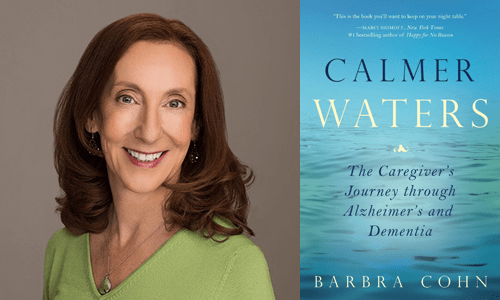
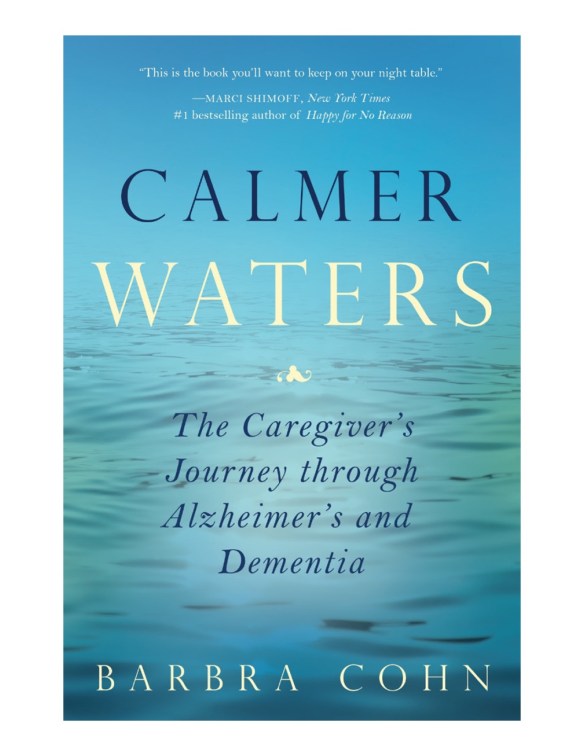
For dozens of tools and techniques to help caregivers feel happier, healthier, more confident, deal with feelings of guilt and find inner peace read “Calmer Waters: The Caregiver’s Journey Through Alzheimer’s and Dementia”
image

Some philosophers and psychologists believe guilt is mental and emotional anguish that is culturally imposed on us. Tibetans and Native Americans don’t even have a word for guilt, which might mean that it isn’t a basic human emotion. Yet, Jews and Christians are very adept at feeling guilty over trivial mistakes, as well as serious blunders.

The first time I felt guilt was when my brother was born. I’m two years older than he, and in 1954 the hospital rules didn’t allow siblings to visit newborns. My Uncle Irv placed me on his shoulders so I could see my mother, who waved to me from the window of her hospital room. I was angry with her for leaving me and I refused to look at her. She waved like the beautiful lady in the fancy red car that passed me by in the Memorial Day parade. But I wouldn’t look at her. The memory is a black and white movie that has replayed itself throughout my life, with the film always breaking at the point when I sullenly turn my head away.

For years afterwards, I would awaken in the night feeling guilty that I didn’t look at her. When I was four years old, I fell out of bed onto the wooden floor of the bedroom I shared with my brother because I was having a bad dream. I don’t recall the dream, but I  remember the ache inside my chest that has always been associated with not doing what my mother wanted me, or expected me, to do.

Over the years, up until my early fifties, I’d have a physical sensation that felt like sand paper or grains of sand inside the skin of my hands that would migrate to the skin and muscles of my arms and torso. Sometimes it felt like my arms and hands were paralyzed or had grown in size. It was hard to move, and the uneasiness of guilt was always associated with the sensation. I recently realized that I haven’t felt those sensations in a very long time.

Maybe I lost those sensations because the guilt of my childhood was replaced by the guilt I felt over placing my husband in a memory care home. I could have taken care of him until the end of his life, but I was drowning in misery and I promised myself I wouldn’t sacrifice everything for this illness. I prayed for his release and my relief, and knew that if I had taken care of him until the end, my own health would have suffered.

I tried to help my husband fight Alzheimer’s by bringing him to healers, holy people, and complementary medicine practitioners. I fed him an organic, whole-foods diet and gave him nutritional supplements, in addition to the prescribed pharmaceutical drugs. I ordered Memantine from Europe before it was FDA approved and prescribed as part of the Alzheimer’s drug protocol by U.S. physicians.

I did all this until I finally realized that my husband needed to take the solitary journey of being a victim of Alzheimer’s disease. Some call it fate and others call it karma. Whatever we name it, no matter how much we are loved and in close communion with family and friends, we have to travel the delicate path of life on our own. When we succumb to illness and disease, it becomes especially painful for others to helplessly stand by and watch, after doing everything humanly possible to assist.

There was always one more “magic bullet” for my husband Morris to try, and yet when I felt the possibility of divine intervention weaken, I began to give up hope and let destiny take its course. The first couple of years after Morris’s passing, the guilt—and grief—would unexpectedly grab me, wrapping its tentacles around my chest. It would twist the insides of my stomach, making it impossible to eat. It would swell into a lump in my throat or tighten a band  around my head, destroying my serenity for an hour or two —or an entire day.

Guilt came in layers, piled up like the blankets I tossed from my bed one by one during a cold winter’s night. The blankets came off as my temperature rose and drops of sweat pooled between my breasts. I shook off the feelings of guilt in a similar way when I heard my therapist’s words in the back of my mind reminding me that I did more than I could do; when I remembered that I’m a mere mortal who breaks and cries when I can’t move one more inch beyond the confines of this physical body; when my heart had expanded to the point where it can’t expand anymore, so it has to contract in order to plow through the walls of pain and deal with the guilt.

Why do I still feel guilt? I feel guilt about not being the perfect wife before Morris got sick. This man adored me and I didn’t reciprocate with a passion that matched his. I feel guilt because I’m alive and he’s not. (Survivor’s guilt is commonly felt by those who share in a tragic event in which the cherished partner dies, leaving the other one to live and put back the pieces of the life they once shared.) I feel guilt about the times I could have spent with Morris watching television or taking a walk instead of running out to be with friends or to dance. Feeling guilt for doing anything to get away from his asking me the same question over and over again, or so I wouldn’t have to watch the man who once stood tall and proud, stoop and stumble like a man way beyond his years.

I hear the therapist’s voice in my head asking, “What would you say to someone who just told you all this?” I’d say, “But you did the absolute best that you could do.” And then I feel better. It’s okay. I’m okay. I really did the best I knew how, and Morris lived longer than his prognosis because of it.

Now, almost eight years after his passing, the guilt appears much less frequently. It hovers momentarily like a hummingbird poking its beak into honeysuckle and hollyhock. The guilt is diluted and flavorless like cream that’s been frozen without added fruit or chocolate chips. It’s a color without pigment, a touch without pressure, a sound without notes. The guilt I feel now is background noise; not noticed until I turn off the other sounds in my world or mindlessly drive my car on a dark, damp day, which is unusual in sunny Colorado. The guilt now appears in various shades of dirty white and brown. It doesn’t reach inside my heart with its claw like it used to. The battle is over, and almost, but not quite, won.

Why do you feel guilty?

  • Do you feel that you aren’t doing enough for your care recipient? Make a list of everything you do for the person you care for. Preparing a meal, shopping for groceries, driving to appointments, making a bed, doing laundry, making a phone call, sitting next to the person, even just giving a hug: the list adds up! You are doing a lot more than you think you are!
  • Are you guilty about your negative feelings? Resentment, anger, grief are all normal. They are just feelings and they aren’t wrong. Feelings are complicated and you are entitled to them. You probably love the person you are caring for but the time you spend is precious and you might rather be outside gardening or hiking or traveling.
  • Do you feel badly about taking time for yourself? Don’t! If you don’t stay well, including eating and sleeping well, there’s a good chance you will get sick. And that is not going to help anyone! Please take some time for yourself. If you are a full-time caregiver, at least take a 15 minute walk every day. Get some respite care. Your local  county social services department can most likely provide you with some options for help.
  • Are you feeling inadequate at a caregiver? The Alzheimer’s Association offers free classes on caregiving. “The Savvy Caregiver” is an excellent five-session class for family caregivers. It helps caregivers better understand the changes their loved ones are experience, and how to best provide individualized care for their loved ones throughout the progression of Alzheimer’s or dementia.

Tips for easing guilt

  • Ask yourself what is bothering you. Talk with a close friend who will not judge you, or with a professional therapist, clergy person, spiritual teacher, or intuitive guide. Talk about your guilt until you feel your body release the tension that is stored in your muscles and cells.
  • Remember that you are human and not perfect. No one expects you to perform with absolute clarity and grace all the time.
  • You cannot control everything all the time. You are doing the best that you can with the information, strength, and inner resources that you have.
  • Have an “empty chair” dialogue by speaking out loud and pretending that your care partner is in the chair next to you. Express your feelings openly and wholeheartedly. Ask for forgiveness if you feel that you wronged your loved one in any way.
  • Write down your thoughts and feelings. Journaling is a wonderful, inexpensive way to release your concerns and worries on paper. It’s available when your therapist and best friend are not, and you can do it anywhere at your leisure.
  • Strong feelings of guilt, remorse, and grief will diminish over time.  If they continue to haunt you, seek professional help.

 

Why you should throw away that antipsychotic drug prescribed for your loved one

Elderly woman taking a medicineAccording to Human Rights Watch in an average week, nursing facilities in the United States administer antipsychotic drugs to over 179,000 people who do not have diagnoses for which the drugs are approved. Often, these drugs are dispensed like candy, without free and informed consent. . . without a family member or someone who holds durable power of attorney for the health care resident, to make a decision based on the benefits and risks of taking the medication.

Like my late husband, most of the patients who are given these drugs have some form of dementia or Alzheimer’s.  My husband was in a memory care home for two years. Towards the end of his illness, he was given an antipsychotic drug because his behavior became “difficult.” He was not combative, and he was mostly non-ambulatory. Once, though, while sitting, he swung out his arm and hit a woman who was bothering him. Since I wasn’t there, I don’t know the details. But in general, he was a sweet man up until the end. He did get annoyed, however, by other residents’ behavior. And so he was given a drug to pacify him. After visiting him over a period of a few weeks and noticing the deterioration in his overall wellbeing, including his inability to hold his head up, sit upright, or staying awake most of the day, I demanded that he be taken off a number of drugs. The improvement was dramatic and astounding.

According to the US Government Accountability Office (GAO) analysis, facilities often use antipsychotic drugs to control common symptoms of Alzheimer’s. These drugs are associated with clinically significant adverse effects, including death. Then why are they being prescribed to an extremely vulnerable, frail and “at risk” population? Because disruptive behaviors such as crying out “help me, help me” over a long period of time, or yelling out profanities, or exhibiting aggressive behavior can become a nuisance that caregivers –professional and family–are either not skilled in addressing or are too busy taking care of other patients to be bothered with.

What are the alternatives?

First:

  • Eliminate noise and disruption.
  • Make sure the patient does not have a urinary tract infection.
  • Evaluate physical needs. Is s/he thirsty, hungry, constipated, etc?
  • Encourage the patient to verbalize feelings and needs, if possible.
  • Limit or reduce caffeine.
  • Reduce external stimuli (loud TV or radio, etc.).
  • Dim the lighting.
  • Avoid confrontation and use a soft, sweet speaking voice.
  • Provide companionship.
  • Identify events or issues that trigger behaviors.

Once you know the patient is safe and free from pain due to an infection, create a calm and beautiful environment.

Creating a beautiful space

  • Maintain a clean environment without clutter.
  • Enjoy a vase of fresh flowers.
  • Burn incense to clear and purify the air, unless the smoke or odor is irritating.
  • Paint the walls a color that rejuvenates the spirit. For instance, green is healing and relaxing, red restores vitality in people who are depressed, and purple is powerful for those who need spiritual and emotional healing.
  • Gather gemstones. They exert healing effects. Lithium quartz is said to ease tension and stress, and keep nightmares at bay. Pink Calcite promotes compassion, healing, and universal love. Amethyst is for protection, purification, and spiritual/divine connection.
  • Listening to calming sounds can relax a tense body within minutes. Consider a wind chime, water fountain, or a CD of singing birds, ocean waves, or falling rain.]
  • Use essential oils or aromatherapy to have a specific effect on the body, mind, and spirit. (See Aromatherapy, Chapter 18 in “Calmer Waters: The Caregiver’s Journey Through Alzheimer’s & Dementia.”)
  • Create an outdoor sacred space with river rocks, a koi or lily pond, a flowering tree or shrub, pampas grass, colored sand—the possibilities are endless.
  • Include religious symbols, chakra symbols, animal totems, prayer flags, angel statues, rainbow banners, and lamps with colored bulbs.

Herbal remedies

  • A nervine is a plant remedy that has a beneficial effect upon the nervous system.  Nervines are especially useful during times of stress because they have a strong relaxing and calming effect without producing a dulling, “hang-over” side effect.  They also tone and restore the nervous system to a more balanced state.  Some nervines are also anti-spasmodic, meaning they relax the peripheral nerves and the muscle tissue, which in turn has a relaxing effect on the whole system.
  • The main types of nervines are tonics, relaxants, and stimulants.
  • Nervine Tonics – are particularly helpful for strengthening the nervous system and restoring balance. In addition to having a relaxing effect, they have a vaso-dilating action on the blood vessels of the brain.  This increases oxygen availability to brain cells and helps with mental agility and mood.
  • Nervine Relaxants – are especially beneficial for short-term use, for example in treating mild depression or acute anxiety. “This group of nervines are most important in times of stress and confusion, alleviating many of the accompanying symptoms. They should always be used in a broad holistic way, not simply to tranquillize.  Too much tranquilizing, even that achieved through herbal medication, can in time deplete and weigh heavily on the whole nervous system,” says renown herbalist David Hoffman.
  • Nervine Stimulants– are used as a restorative “pick-me-up” when you need an energetic boost without that revved up feeling produced by caffeine.
  • Recommended nervines:
  • Passion flower- helps soothe anxiety, insomnia, tension headaches, muscle aches and spasms, pain, hyperactivity, epilepsy, and helps alleviate anger and lower blood pressure.
  • Skullcap – is antispasmodic and relaxing and is recommended to relieve headaches, mood swings, insomnia, premenstrual syndrome, and nervous tension and exhaustion.
  • The next time your loved one is  feeling nervous, agitated, restless or hyped up, try calming him/her with a nervine herb or aromatherapy. If your loved one is on medication, please check with the physician to make sure the drugs do not interact with the nervine herbs.

Other ways to help a person with dementia relax and feel calm without the use of antipsychotic drugs.

  • Aromatherapy
  • Music
  • Pet therapy
  • Horticulture therapy
  • Color therapy

For detailed information on all of the above, read  “Calmer Waters: The Caregiver’s Journey Through Alzheimer’s and Dementia”

image

10 signs you need help with stress

Businessman sinking in heap of documentsStress is a part of life, and it can be a motivator or it can be a deadly menace. If you are stressed about an exam or need to be at church on time to get married, it can be a good thing. But if you’re a caregiver and have been stressed for years, it can be terrible for your health.

First described by Walter Cannon in the 1920s, the fight-or-flight response, also called the acute stress response, kicks in when we are presented with danger or an emergency. Our brains react quickly to keep us safe by preparing the body for action. Hunters who were responsible for killing game to provide food for their tribe and the animals being hunted experienced the fight-or-flight response on a regular basis. Today, because of the stressful world we live in, the fight-or- flight response is more commonly triggered by psychological threats than physical ones, such as an argument with a spouse, demanding bosses, out-of-control drivers, road rage, etc.

In the physiological response to stress, pupils dilate to sharpen vision, and heart rate and blood pressure increase to accelerate the delivery of oxygen to fuel muscles and critical organs. Blood flow is diverted from non-critical areas, such as the gastrointestinal tract, to the critical areas, such as the heart, skeletal muscles, and liver.

The liver releases glucose and fatty acids into the bloodstream. Glucose is for immediate energy; fat is needed when the fight-or-flight response lasts longer than expected. Bronchial tubes dilate to maximize the exchange of oxygen and carbon dioxide.

When the body is in a constant state of “emergency alert” due to chronic stress such as caregiving, the adrenal glands—the small walnut shaped glands that sit on top of your kidneys—get “stuck” in the on position. When this happens, the whole system goes into chronic fight-or-flight. Glucose that is dumped into your blood stream goes unused, so your body has to produce an enormous amount of insulin to handle it. Eventually, this can result in hypoglycemia or diabetes. Fat that is dumped into your blood also goes unused, so it clogs your arteries, leading to cardiovascular disease. If you drink three or more cups of coffee every day, the stress hormone cortisol becomes elevated, which can set you up for countless health problems, including poor quality of sleep, impaired immunity, and age-related deterioration.

The key is to be alert to stress triggers, recognize that you are stressed, and discover ways that help keep you on an even keel.

If you experience any of the following symptoms, it’s time for you to take charge of your stress before you succumb to a serious illness or disease.

  1. Fatigue and sluggishness
  2. Difficulty falling asleep and or staying asleep
  3. Chronic colds or other health issues
  4. Depression
  5. Suicidal thoughts
  6. Dependence on drugs, both recreational and pharmaceutical
  7. Too much alcohol and/or tobacco consumption
  8. Irritability, anger and/or anxiety
  9. Weight control issues including abdominal fat or weight loss
  10. Heart palpitations
  11. High blood pressure
  12. Mental fog or forgetfulness
  13. Headaches or back pain
  14. Jaw and/or tooth pain could indicate that you are clenching your jaw at night
  15. Unexplained hair loss
  16. Stomach pain or chronic diarrhea
  17. Twitching in a facial muscle
  18. Holding your breath, or taking sudden deep breaths because you have forgotten to breathe
  19. Painful adrenal band across the kidney region
  20. Skin irritations

If you want to learn more about stress and how you can prevent it, deal with it and conquer it, read 12 quick energy and stress fixes to use throughout the holiday season. . . and all year long.

For a resource guide containing 20 modalities for feeling less stressed, happier and healthier read: Calmer Waters: The Caregiver’s Journey Through Alzheimer’s and Dementia.   Available on Amazon and at all bookstores that sell quality books.

BarbraCohn__


Is it forgetfulness, dementia or Alzheimer’s?

Senior Woman Comforting Depressed Husband Sitting On Bench

At one time or another, most of us have forgotten where we put our keys, our phone, glasses, or even parked our car. Have you ever walked into a room and forgotten why you went in? Sure. Run into an acquaintance and forgotten the person’s name? Yes, and it’s embarrassing.

It doesn’t mean you have dementia or Alzheimer’s. I call memory blips “brain farts.” They become more common as we age because our brains form fewer connections so the memory is not as strong as it once was. Also, the speed at which our brain processes stored facts, figures and names becomes slower. Recall becomes slower. (One trick I have for bringing up a person’s forgotten name is to go through the alphabet. It almost always works.)

Forgetfulness can be a normal part of the aging process, or it could be triggered by these physical conditions:

  • insomnia, or lack of sleep (for help in this area read 16 ways to sleep better)
  • thyroid condition
  • drug interactions
  • too much caffeine and/or alcohol
  • stress (Read 16 Stress busters)
  • vitamin B12 deficiency
  • UTIs –urinary tract infections
  • dehydration (please remember to drink at least 6 glasses of water every day)
  • depression and/or mood disorders

The best way to rule out memory problems is to have a full physical exam including a blood panel. Please make an appointment with your doctor to discuss your concerns. Sometimes a memory issue can be cleared up by just getting more sleep or by taking a vitamin B complex supplement.

But if you find yourself putting your keys or your phone in strange places like the refrigerator, getting lost in the city you’ve lived in for decades, or forgetting how to scramble your eggs, this could be indicative of a more serious problem.

Dementia or Alzheimer’s? 

Dementia is the name for an umbrella of  brain disorders with the primary symptoms being memory loss, inability to think clearly or to express oneself, difficulty making decisions and solving problems, and trouble controlling emotions. The term dementia usually refers to degenerative conditions of the brain that result from trauma, as in the brain injuries found in athletes, but more commonly it is used to refer to conditions related to a disease.

Dementia is a major symptom of these diseases:

Alzheimer’s disease is the most common neurocognitive disorder and affects almost 6 million Americans. The number of Americans with Alzheimer’s disease is expected to nearly triple over the next generation. In the early stage of the disease, people with the disease will find it difficult to remember recent events such as what they had for dinner the night before, or even just a few hours ago. They will most likely be depressed because they can’t manage things as well as they used to. An active person might lose interest in things that used to excite them. And the person might forget names of people near and dear. As the disease progresses, emotional behavior will change, the ability to communicate will be impaired and confusion will take over. Everyday tasks such as bathing will become a challenge. Later, physical changes will occur such as the inability to walk or talk and eventually swallow, which often leads to death.

Frontotemporal dementia often emerges around the age of 60 years, but it can appear in people who are in their 20s. It involves a loss of nerve cells and affects behavior, language and movement.

Dementia with Lewy bodies can resemble those of Alzheimer’s disease, but there may also be sleep disturbances, visual hallucinations, and an unsteady walking pattern. Lewy bodies are collections of protein that develop inside nerve cells and prevent them from functioning properly.

Creutzfeldt-Jakob disease represents a number of brain diseases that cause problems throughout the body. They are thought to be triggered by prion proteins. A prion is neither a virus nor a bacterium, but it can cause a disease. Types of Creutzfeldt-Jakob disease (CJD) include bovine spongiform encephalopathy (BSE), or “mad cow disease.” Symptoms include rapid memory, behavior, and movement changes. It is a rare and fatal condition.

CTE–Chronic Traumatic Encephalopathy is a progressive degenerative disease which afflicts the brain of people who have suffered repeated concussions and traumatic brain injuries, such as athletes in contact sports such as football. s

Huntington’s disease is a genetic disorder that results from a defect on chromosome 4. It can lead to mood changes, abnormal movements, and depression. The person may experience an ongoing decline in thinking and reasoning skills. There could be slurred speech and problems with coordination. It tends to appear between the ages of 30 and 50 years.

Parkinson’s disease is a motor system disorder. The hallmark signs include trembling, especially tremor in the hands. It can also involve depression and behavioral changes. In the later stages, the individual may have difficulty speaking and sleep disturbances.

Vascular dementia, also known as post-stroke dementia, can appear after a stroke, when there is bleeding or vessel blockage in the brain. It affects a person’s thinking and physical movements. Early symptoms may include an inability to organize, plan, or make decisions.

Preventing dementia

Although there is no cure yet, there are measures you can take NOW to stave off brain and mental decline. Click here to read 8 Ways to Train Your Brain.

Additionally, here is my list of 10 recommendations for maintaining cognitive function and boosting brain power

  1. Drink at least 8-10 glasses of water to keep your body hydrated and to flush out toxins. The brain is 70% water when fully hydrated. When it is dehydrated, neurotransmission—which is heavily dependent on water—is impaired, resulting in poor memory, concentration and impaired abstract thinking.
  2. Ginkgo biloba has been proven in hundreds of studies to help blood circulation to the brain, sharpening mental performance, increasing concentration and short-term memory. A well-known study in The Journal of the American Medical Association showed that supplementation with 40 mg of ginkgo three times a day for one year had a positive effect on patients with Alzheimer’s disease. A placebo-controlled, double-blind, randomized trail of an extract of Ginkgo biloba for dementia.
  3. Vitamin B complex optimizes cognitive activity and brain function, has a positive effect on memory, learning capacity and attention span, and supports a healthy nervous system and a stable mood. Vitamins B6 and B12, in particular, play a role in the synthesis of serotonin, the neurotransmitter linked to improving memory, lifting mood and regulating sleep.
  4. Omega-3 fatty acids are rich in DHA, the major unsaturated fat in the brain. This long-chain fatty acid provides the necessary fluid quality to the membranes of the nerve cells so that electrical nerve impulses can flow easily along the circuits of the brain. One study found that Alzheimer’s patients given an omega-3-rich supplement experienced a significant improvement in their quality of life.
  5. Eat more blueberries! Their active antioxidants have been shown to protect and restore brain function. One recent study revealed that feeding blueberry extracts to mature mice partially reversed some signs of brain aging.
  6. Avoid alcohol. People who drink too much alcohol often show shrinkage or atrophy of the cerebral cortex, the seat of memory, learning, reasoning, intelligence, and emotions. Reduced cortical thickness in abstinent alcoholics and association with alcoholic behavior
  7. Avoid smoking. Smoking constricts blood vessels, making less blood, oxygen, and nutrients available to the brain. It also replaces oxygen with carbon monoxide, a chemical that damages brain cells.
  8. Incorporate a regular exercise program into your daily routine. An easy way to start is by walking 30 minutes a day at least five times a week. Yoga is wonderful for staving off arthritis pain, maintaining flexibility and for relaxation.
  9. Maintain your social connections. Loneliness can actually lead to health problems and mental decline. Join a group—any kind of group: worship, hiking, scrabble, table tennis, knitting, discussion group, or book club. Volunteer at a food bank, soup kitchen or animal shelter. It’s important to stay connected and to feel as though you are a contributing member of society.
  10. Sleep well by getting to bed before 11:00 pm, eating your last meal before 8pm, turning off your electronic devices, and eliminating light in your bedroom. Studies have indicated that sleep deprivation can increase risk of dementia and Alzheimer’s disease. If you have trouble sleeping consider using a lavender essential oil spray on your pillow or a sachet of lavender inserted into the pillowcase. There are lots of natural sleep aids available at your local health food store, such as melatonin, calcium/magnesium, valerian, hops, etc. Consult with a nutritional consultant about what might work best for you.

For more information on how you can reduce stress and boost your happiness and health, read Calmer Waters: The Caregiver’s Journey Through Alzheimer’s & Dementia.

BarbraCohn__


16 ways to sleep better . . . so you can be a better caregiver

Woman sleeping on a comfortable bed in the clouds

We’ve all had those sleepless nights in which we toss and turn, look at the clock and feel stressed that we aren’t going to get enough sleep. When you are caring for someone else–whether it’s a toddler, sick relative or someone with Alzheimer’s or dementia, it’s even more important to get a good night’s sleep.

There are plenty of studies linking poor sleep to a host of physical and psychological ailments: poor immunity, elevated levels of cortisol and insulin, weight gain, diabetes, cardiovascular disease and even Alzheimer’s disease. And irritability, foggy thinking and anxiety, depression and low energy can directly impact your ability to care for another person, do household chores and get in the way of your interpersonal relationships.

Here is a list of things to try when you are stressed, your mind is on overload, or when you’ve just had too much stimulation and can’t fall asleep or stay asleep.

Good sleep hygiene is the first step to improving your sleep.

  1. Refrain from drinking caffeine after 1:00 pm.
  2. If you need to visit the bathroom during the night, limit your fluid intake after dinner.
  3. Do not resort to alcohol to help you sleep. It usually impairs sleep, and you might wake up with a headache.
  4. Try valerian, passion-flower or skullcap herbal tea at least a couple of hours before bedtime.
  5. A cup of warm milk with a small pinch of cardamom, coriander, cinnamon, turmeric and cumin, and an 1/8 of a tsp of ghee is a tasty and relaxing bedtime drink. The calcium in the milk is a muscle relaxant and the Indian spices help induce relaxation. Experiment to see which spices you like.
  6. Turn off all electronics at least 30 minutes before bedtime. This is difficult for most people so it will take some effort. Instead, listen to soothing music or read a relaxing book.
  7. Do not watch the news or listen to the radio with current news before bed. World and political events can be upsetting and unsettling.
  8. Make your bed as comfortable as possible. Cotton sheets are usually more comfortable than synthetic. Is it time to replace your mattress? When is the last time you turned it over?
  9. A cool bedroom is usually more conducive to sleep than an overheated room. On the other hand, feeling cold will not help you sleep, either. If you feel cold at bedtime, warm up some neck wraps in the microwave and place them in your bed so it’s toasty when you get in. Then when you feel warm and are starting to fall asleep you can throw them on the floor. Or, warm up your bed with a heating pad. One of my favorite thing to do is to put on pajamas that have been heated in the clothes dryer for 5 minutes.
  10. Get black out curtains. It’s easier to sleep when there is no light coming through the windows.
  11. Eat a banana. Bananas contain potassium and magnesium that help reduce risk of muscle cramps. These two minerals also support heart health and cognitive function.
  12. A drop in blood sugar during the night can cause us to wake up. Although it’s better to not go to sleep on a full stomach, a small protein snack such as a slice of cheese or smear of peanut butter on a cracker can help maintain balanced blood sugar.
  13. Exercise during the day to get your heart pumping and to maintain overall health. Just don’t do it too close to bedtime because you will get energized.
  14. Go to sleep when you get sleepy but make sure it’s before 11:00. According to Ayurveda, the ancient Indian healthcare system, it’s best to be in bed by 10:00.
  15. Melatonin supplements help some people, but you might have to experiment with the dosage. I like Natural Vitality’s Natural Calm, a powdered calcium supplement that you put in water or juice. I also like the homeopathic remedy Hyland’s Calms Forte.
  16. Use ear plugs if it’s noisy in your neighborhood. Again, you might need to experiment in order to find the product you find is most comfortable.

As a caregiver you probably think of yourself last. But it’s crucial that you take care of yourself because if you don’t, it will be able to take care of your loved one(s). So take the time to experiment. Promise yourself that you will put an emphasis on trying to improve your sleep. You will notice a difference right away, and so will everyone in your life.

Good night, sleep tight!


“Calmer Waters: The Caregiver’s Journey Through Alzheimer’s & Dementia” by Barbra Cohn contains a treasure trove of information on how to stay connected with your loved one, keep calm, improve immunity, reduce stress and feel happier and healthier. Plus, it includes 20 healing modalities that the caregiver can do alone or with their loved one. Available wherever fine books are sold and on Amazon.

BarbraCohn__


10 Things to Remember if You Love a Person with Dementia

Assisting and helping elderly peopleToday is World Alzheimer’s Awareness Day. It’s a good day to repost this important article and to remind people about the book I wrote after caring for my husband who passsed away from younger-onset Alzheimer’s disease seven years ago. The book has helped so many people, which is what my intention was in writing it. “Calmer Waters: The Caregiver’s Journey Through Alzheimer’s & Dementia” contains a treasure trove of information on how to stay connected with your loved one, keep calm, improve immunity, reduce stress and feel happier and healthier. Plus, it includes 20 healing modalities that the caregiver can do alone or with their loved one. Available wherever fine books are sold and on Amazon.

It’s sometimes hard to love a family member who has dementia or Alzheimer’s disease. People with dementia can be quarrelsome, uncooperative, negative, whiney, belligerent or combative. They might get their nights and days mixed up, pace the floor for hours, wring their hands non-stop, or cry like a baby. They might ask you the same question twenty times in a row, refuse to budge when you need to get them to an appointment, or refuse to eat what you’ve made for dinner.

When the going gets tough, it helps to remember that you love the person who resides inside that body that is tight and tense and inflamed from amyloid plaque that has strangled the neurons and disrupted the neurotransmitters that allow thoughts to flow and emotions to stay even. He or she is the same person you married, the same loving parent who nurtured and guided you, the same sibling you shared holidays and outings with, or the same friend who offered a should to cry on or who helping you move to a new home.

When you’re about to lose it, walk out, or hide in the closet, stop for a moment and remember at least one of these 10 things about the person you lovingly take care of.

People with dementia and Alzheimer’s often feel:

  1. Embarrassed when you say, “ I just told you . . ..” Instead of reminding them that they forgot what you told them a second ago rephrase it, breaking it down into a simple sentence . . . or completely change the subject.
  2. Fearful because they don’t see things spatially the same way we do. Their sense of space is distorted and their vision gets skewed, not because there is something physically wrong with their eyes. But rather, the brain interprets what the eyes see, and when the brain doesn’t work right our perception gets distorted. Two things you can do to help are to put extra lights in dark areas of the living quarters and remove throw rugs in order to reduce falls.
  3. Lonely because they can’t communicate well, or some of their friends have “jumped ship.” Set up times for family or friends to visit or take your loved one on an outing.
  4. Confused because they don’t understand why they can’t drive anymore, or why they can’t go for a walk alone, or why they can’t remember where they live or what their son’s or daughter’s name is.
  5. Angry because the keys to the car have been taken away, or because they get frustrated when they can’t express their feelings or thoughts.
  6. Sad because they can’t read a book or newspaper, or can’t manage to engage in their favorite hobby or sport.
  7. Anxious because they can’t move as fast or get dressed by themselves or put on their shoes easily. Or, because they hear sounds that are disturbing or are bothered by someone else’s behavior.
  8. Nervous because they have lost their sense of balance and feel unsteady on their feet. Or because they don’t like the feel of water on their skin and don’t want to bathe and don’t want to be forced.
  9. Frustrated because they can’t write a check, figure out how much tip to leave, or remember how to use the TV remote control.
  10. Paranoid because they think someone is stealing their money or prized possessions.

When all else fails, take a deep breath and put on some music. It almost always uplifts the spirit—for both the caregiver and the person being cared for.

Please subscribe to my blog for more informative articles like this. Thank you!

16 Stress-busters to nourish your body, mind and soul

Girl can't sleep

Susan, a recent divorcee, is the 48-year-old mother of two college students. She works full-time as a legal secretary and after work she helps her mother, who is in the early stages of Alzheimer’s disease. On weekends Susan catches up on her errands and shops for her mom.  During the week she falls into bed exhausted at 9 p.m. . . . if her mom doesn’t require extra help. But Susan can’t sleep. She’s too worried about everything she has to do, and she is worried about her mom. Susan develops an ulcer and is diagnosed with hypertension. Unfortunately, Susan is a composite of the more than 16 million caregivers in the United States who spend 18 billion hours of unpaid time each year caring for a loved one with dementia.

Every day, one million Americans are absent from work because of stress-related disorders. Experts agree that stress is a factor in most diseases, and a major factor in disorders such as anxiety, insomnia, depression, ulcers, rheumatoid arthritis, headache, hypoglycemia, asthma, herpes, hypertension and heart disease.

Yet, stress is a fact of life. Even a positive experience like a new job, marriage or house can be a stress-provoking event—because stress is defined as a reaction to any stimulus that upsets our normal functioning. The bad news is we all have to face stress. The good news is, it’s easier than ever to neutralize stress before it takes its toll. The key is to maintain a balance, both mentally and physically, so stress doesn’t upset your equilibrium.

The Chemistry of Stress

First, let’s look at what happens to your body as a result of stress.

Once upon a time, stress was episodic. For instance, if a tiger approached you, your body released stress hormones to help you fight or flee. By the time the encounter was over, the entire stress response had been fully utilized and the body returned to normal.

The Fight-or-Flight Response looks something like this:

  • Pupils dilate to sharpen vision.
  • Heart rate and blood pressure increase to accelerate the delivery of oxygen to fuel the muscles and critical organs.
  • Blood flow is diverted from non-critical areas such as the gastrointestinal tract to the critical areas such as the heart, skeletal muscles and liver.
  • Liver releases glucose and fatty acids into the bloodstream. Glucose is for immediate energy; fat is needed when the fight-or-flight response lasts longer than expected.
  • Bronchial tubes dilate to maximize the exchange of oxygen and carbon dioxide.

Today, however, you may be sitting at a desk or driving your car when the stress mechanism is triggered. The modern response is not to fight or flee, but to gnash your teeth, grip the steering wheel, scream, yell or “stuff it.” Our bodies are in a constant state of “emergency alert,’ and the results can be devastating:

  • Blood pressure rises. Depending on how many stressful situations you encounter, it may stay elevated, damaging the sensitive tubules of your kidneys. Ultimately, kidney function is compromised, which raises your blood pressure even more, which contributes to further kidney damage, which raises blood pressure…
  • Glucose that is dumped into your bloodstream goes unused, so your body has to produce an enormous amount of insulin to handle it. Eventually, this may result in hypoglycemia or diabetes.
  • Fat that is dumped into your blood also goes unused, so it clogs your arteries, leading to cardiovascular disease.
  • If you drink caffeine, the stress hormone cortisol becomes elevated, which can set you up for countless health problems including: poor quality of sleep, impaired immunity and age-related deterioration.
  • The adrenal glands produce or contribute to the production of about 150 hormones—all vital to your health. When they are stressed, they become exhausted. Once the adrenal buffer is gone, you become a prime candidate for asthma, allergy, fibromyalgia, chronic fatigue syndrome and other autoimmune disorders.

Devise a Plan that Works for You

So, how do your live in the 21st century and not let stress affect your health?

First of all, you need a plan to help you deal with tough issues, so you can think more clearly and act from a calm, centered position. That plan should include a good diet, and excellent nutritional support with nutrients that enhance relaxation. Establish a daily routine that includes plenty of quality sleep, exercise and a stress-reducing or relaxation technique. Just keep in mind that even though it’s impossible not to have some stress in your life, you can strengthen and nourish yourself on a daily basis, so that you’re better prepared to deal with the next challenge life has to offer.

16 Stress-busters to nourish your body, mind and soul

Daytime

1) Get proper nutritional support to help stop free radical damage, and eat a balanced diet.

2) Exercise! It lowers stress hormones and gives you more energy. Choose an activity that you enjoy and is appropriate for your age and condition. And do it regularly!

3) Learn a relaxation technique such as meditation or yoga. Research has shown they both lower blood pressure, relieve anxiety, enhance overall health, accelerate weight loss, improve sleep and increase blood levels of DHEA. It also restores your sense of clarity and purpose.

4) Laughter is real medicine. It’s a tension tamer and your body produces endorphins (“feel good”chemicals) when you laugh. Rent a funny movie or play charades.

5) Learn to “let go.” Next time you’re in a traffic jam, instead of getting worked up about something you have no control over, use the time to visualize something you want to happen … or listen to a new book-on-tape.

6) Avoid stimulants such as tobacco, caffeine, sugar or coping-solutions that involve alcohol or drugs. Using a chemical means of reducing your stress leads to addiction and increases your problems.

7) Get outside! A little sunlight every day will enhance your body’s natural rhythms and provide you with vitamin D.

8) Take regular breaks at work. Get up and stretch, roll your neck and make sure you drink at least 8-10 glasses of water a day.


Nighttime

9) Wind down earlier in the evening. It’s difficult to fall asleep after working late or watching a suspenseful movie. Relax instead with an inspirational book, soft music and a cup of herbal tea or warm milk.

10) A warm bath helps increase circulation to the skin and relax the muscles. Add a few drops of pine needle essence, oil of eucalyptus, mustard powder or lavender oil for a soothing effect.

11) Take five minutes at the end of each day to prepare for the next. Don’t make long lists. Rather, prioritize. It will help you feel more in control.

12) Go to bed earlier. Research shows that the hours of sleep before 2 a.m. are more rejuvenating than the hours after 2 a.m. Sleeping from 10 p.m. to 5 a.m. will do you more good than sleeping from midnight to 7 a.m.

13) Don’t eat right before bed. Your digestive system won’t get the break it needs, and you won’t feel completely rested in the morning.

14) Cut back on caffeine. If you do consume caffeine, be moderate and try not to consume any after 2pm.

16) Put a sachet filled with lavender flowers under your pillow for sweet dreams.