10 signs you need help with stress

Businessman sinking in heap of documentsStress is a part of life, and it can be a motivator or it can be a deadly menace. If you are stressed about an exam or need to be at church on time to get married, it can be a good thing. But if you’re a caregiver and have been stressed for years, it can be terrible for your health.

First described by Walter Cannon in the 1920s, the fight-or-flight response, also called the acute stress response, kicks in when we are presented with danger or an emergency. Our brains react quickly to keep us safe by preparing the body for action. Hunters who were responsible for killing game to provide food for their tribe and the animals being hunted experienced the fight-or-flight response on a regular basis. Today, because of the stressful world we live in, the fight-or- flight response is more commonly triggered by psychological threats than physical ones, such as an argument with a spouse, demanding bosses, out-of-control drivers, road rage, etc.

In the physiological response to stress, pupils dilate to sharpen vision, and heart rate and blood pressure increase to accelerate the delivery of oxygen to fuel muscles and critical organs. Blood flow is diverted from non-critical areas, such as the gastrointestinal tract, to the critical areas, such as the heart, skeletal muscles, and liver.

The liver releases glucose and fatty acids into the bloodstream. Glucose is for immediate energy; fat is needed when the fight-or-flight response lasts longer than expected. Bronchial tubes dilate to maximize the exchange of oxygen and carbon dioxide.

When the body is in a constant state of “emergency alert” due to chronic stress such as caregiving, the adrenal glands—the small walnut shaped glands that sit on top of your kidneys—get “stuck” in the on position. When this happens, the whole system goes into chronic fight-or-flight. Glucose that is dumped into your blood stream goes unused, so your body has to produce an enormous amount of insulin to handle it. Eventually, this can result in hypoglycemia or diabetes. Fat that is dumped into your blood also goes unused, so it clogs your arteries, leading to cardiovascular disease. If you drink three or more cups of coffee every day, the stress hormone cortisol becomes elevated, which can set you up for countless health problems, including poor quality of sleep, impaired immunity, and age-related deterioration.

The key is to be alert to stress triggers, recognize that you are stressed, and discover ways that help keep you on an even keel.

If you experience any of the following symptoms, it’s time for you to take charge of your stress before you succumb to a serious illness or disease.

  1. Fatigue and sluggishness
  2. Difficulty falling asleep and or staying asleep
  3. Chronic colds or other health issues
  4. Depression
  5. Suicidal thoughts
  6. Dependence on drugs, both recreational and pharmaceutical
  7. Too much alcohol and/or tobacco consumption
  8. Irritability, anger and/or anxiety
  9. Weight control issues including abdominal fat or weight loss
  10. Heart palpitations
  11. High blood pressure
  12. Mental fog or forgetfulness
  13. Headaches or back pain
  14. Jaw and/or tooth pain could indicate that you are clenching your jaw at night
  15. Unexplained hair loss
  16. Stomach pain or chronic diarrhea
  17. Twitching in a facial muscle
  18. Holding your breath, or taking sudden deep breaths because you have forgotten to breathe
  19. Painful adrenal band across the kidney region
  20. Skin irritations

If you want to learn more about stress and how you can prevent it, deal with it and conquer it, read 12 quick energy and stress fixes to use throughout the holiday season. . . and all year long.

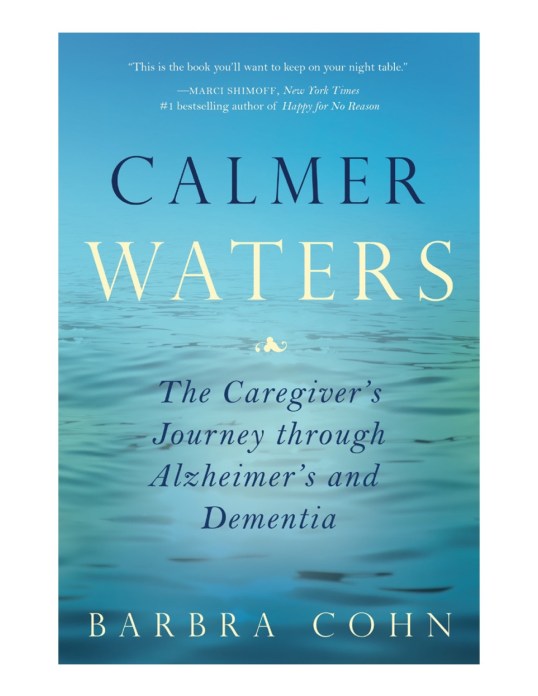
For a resource guide containing 20 modalities for feeling less stressed, happier and healthier read: Calmer Waters: The Caregiver’s Journey Through Alzheimer’s and Dementia.   Available on Amazon and at all bookstores that sell quality books.

BarbraCohn__


How to prevent people with Alzheimer’s from wandering


einsamer alter mann geht die Treppe hinauf

Wandering is a common symptom of Alzheimer’s disease. More than 60% of memory loss patients wander at some point during the course of their illness.  A man at the memory care facility where my husband lived used to scale a 10-foot wall. Luckily, staff personnel were able to find him before he was harmed. But that is not always the case.

A neighbor of mine had the tragic experience of having her husband take the car keys, drive off to another state, and disappear. The car was found and he was not.

Who is at risk? Anyone with Alzheimer’s or dementia and is mobile is at risk for wandering.

Also, individuals who:

  • Live in a memory care home and want to go home or are waiting for a loved one to pick them up.
  • Live at home yet repeatedly say, “I want to go home.”
  • Come home from a walk around the neighborhood or a drive later than usual.
  • Don’t remember how to get to a familiar location.
  • Are nervous, anxious or disoriented when out in public , i.e. restaurant, grocery store, etc.
  • Pace or repeatedly try to find things or familiar rooms in a house.
  • Ask the whereabouts of friends and family.
  • Seem busily occupied but in actuality don’t get anything done, such as moving dirt around without planting or watering, or shoveling snow but not clearing off the sidewalk or driveway.

Ways to prevent wandering

  • If you care for your loved one at home, put the car keys in a secure place where only able, designated drivers have access to them.
  • Hang bells on the doorknobs of exterior doors to alert you when a door is opened.
  • Install new locks on the doors and windows that your loved one cannot open.
  • Remove items from sight such as shoes, hats, gloves, umbrellas, etc. that your loved one might associate with going outside.
  • Put a black rug in front of the door. To some people with dementia, this looks like a hole, which they will not cross.
  • Put a large sign on the inside of the exit door that says, “Stop” or “Do Not Enter.”
  • Do not argue with your loved one if he or she insists on going outside. Instead, walk with him or her down the hall, or redirect their attention to an activity. Mentioning the word “ice cream” often works like magic.
  • Avoid going to crowded places such as shopping malls.

Make a plan

  • Keep a list of places where your loved one might wander such as a past job location, previous home, restaurant, library, etc.
  • Alert your neighbors to the situation at home, and make sure they phone you if they see him or her unaccompanied outside.
  • Be aware if the person is left or right-handed because wandering usually follows the direction of the dominant hand.
  • Put a close-up photo and medical information in an easy-to-find location to give to the police.
  • Search the immediate area that the person has wandered off to for no more than 15 minutes. Then call “911” to report to the police that a person with Alzheimer’s disease or dementia —also referred to as a “vulnerable adult”–is missing. A Missing Report should be filed. Then the police will begin to search for the person.
  • Many local police departments have a Project Lifesaver GPS bracelet or Safe Return® bracelet that can track an Alzheimer’s patient.
  • The Alzheimer’s Association offers MedicAlert® + Alzheimer’s Association Safe Return®, a 24-hour nationwide emergency response service for individuals with Alzheimer’s or a related dementia who wander or have a medical emergency.

How it works

  1. If an individual with Alzheimer’s or a related dementia wanders and becomes lost, caregivers can call the 24-hour emergency response line (1.800.625.3780) to report it.
  2. A community support network will be activated, including local Alzheimer Association chapters and law enforcement agencies, to help reunite the person who wandered with the caregiver or a family member. With this service, critical medical information will be provided to emergency responders when needed.
  3. If a citizen or emergency personnel finds the person with dementia, they can call the toll-free number listed on the person’s MedicAlert + Safe Return ID jewelry. MedicAlert + Safe Return will notify the listed contacts, making sure the person is returned home.

Most importantly, stay calm and don’t panic. 94% of people who wander are found within 1.5 miles of where they disappeared. But it is important to begin the search and rescue efforts immediately.

Remember this: Prevent the danger that has not come. Be prepared.

For more great information about how you can reduce stress, feel happier, more energetic, healthier, deal with issues of grief and depression, and ultimately experience inner peace, read Calmer Waters: The Caregiver’s Journey Through Alzheimer’s and Dementia.   Available on Amazon and at all bookstores that sell quality books.

BarbraCohn__


12 quick energy and stress fixes to use throughout the holiday season . . . and all year long

Young ambitious executive enjoying his business success as he stThe holidays are stressful for everyone, but especially for caregivers. Here’s a list of some of my favorite stress relievers and energy boosters.

  1. Breathe! When we are stressed, we tend to hold our breath. Take a 5-minute break and sit down in a comfortable chair. Close your eyes and take a deep breath, in and out. Then focus on your breath and watch how your mind quiets down and your muscles relax. Then remember to breathe throughout the day. Whenever you feel yourself getting anxious or tight, take a deep breath and let it go.
  2. Drink water. We’ve heard it a million times but it’s always good to be reminded. Forget about sodas and limit the wine and alcohol. Staying hydrated, especially at this time of year, is vital to supporting the immune system and reducing inflammation. It’s also important to support healthy cognitive function and memory.
  3. Eat walnuts. A daily dose of about 9 whole walnuts or 1 Tbs. walnut oil helps your blood pressure from spiking during stress. Walnuts contain L-arginine, an amino acid that helps relax blood vessels, which in turn helps reduce hypertension.
  4. Drink green tea. L-Theanine is the main chemical constituent in green tea. It is an ideal nutritional aid for stress because it produces alpha-wave activity that leads to deep relaxation and mental alertness. This is especially important because in order to mitigate stressful situations, it’s important to remain calm and alert. Theanine also stimulates the release of the neurotransmitters GABA, serotonin and dopamine, which help us feel happy, motivated and calm. Green tea extract is available as a nutritional supplement, which might be easier and quicker to take, and it’ll save you a lot of trips to the bathroom.
  5. While we’re on the topic of “green,” be sure to eat green leafy vegetables for vitamin B and magnesium, both of which help your body cope with stress.
  6. Two handfuls of cashews (make that a small handful, please; one ounce of cashews contains 157 calories.) provide the equivalent mood-boosting effect as a therapeutic dose of Prozac because they are one of the highest natural sources of tryptophan, the precursor for serotonin, the feel-good neurotransmitter.
  7. Did someone mention dark chocolate? It reduces cortisol, the stress hormone that causes anxiety symptoms. Just a couple of pieces should do the trick.
  8. Walk around the block. Just getting out into fresh air will instantly relieve stress, and moving your body gets your blood pumping and will clear your mind.
  9. Light candles and play relaxing music while you eat. It will change the mood instantly.
  10. Aromatherapy is a miracle cure for stress and anxiety. Use a wall plug-in to diffuse the aroma of lavender oil to uplift mood, or place a few drops on a handkerchief and tuck it into a shirt pocket or on a pillow. Other oils to try: vetiver, frankincense, myrrh, orange, lemon, bergamot, and grapefruit.
  11. Music is the universal language, and it is also the universal stress reliever. Whether it’s jazz, classical, or hard rock that makes you feel better, by all means, play it loud, play it soft, dance to it, drive to it, go to sleep to it. It will definitely help.
  12. Getting the proper rest is vital to staying healthy and reducing stress. Prepare yourself for a deep night’s sleep by unplugging from electronics at least an hour before bed, taking an Epsom salt bath (put several drops of lavender oil in the water for added relaxation), and making sure the room temperature isn’t too warm.  Good night, sleep tight!

If you, or someone you care about, tend to suffer from stress, anxiety, or depression, these recommendations might just “take the edge off” and improve your quality of life … without the risk of side effects. May the holiday season begin!

For dozens more tools and techniques for reducing stress, uplifting mood, supporting your immune system, and finding ways to connect on a spiritual and emotional level with the person you care for, read Calmer Waters: The Caregiver’s Journey Through Alzheimer’s and Dementia.

BarbraCohn__

The 10 best ways to observe National Alzheimer’s Awareness Month

Ribbons of awarenessIt’s November, which means it’s time to enjoy your Thanksgiving with family and friends.

  1. It’s also time to do your brain a favor and take advantage of the free cognitive exam as part of Medicare’s Yearly Wellness Exam. Despite clear signs that their memory and thinking abilities have gone downhill, researchers have found that more than half of seniors with these symptoms haven’t seen a doctor about them. University of Michigan researchers and their colleagues say their findings suggest that as many as 1.8 million Americans over the age of 70 with dementia are not evaluated for cognitive symptoms by a medical provider, which in some patients can lead to a failure to uncover modifiable causes of thinking or memory impairment.

The study, published in Neurology, the medical journal of the American Academy of Neurology, documents a clear lack of clinical testing for seniors with signs of cognitive problems.“Early evaluation and identification of people with dementia may help them receive care earlier,” says study author Vikas Kotagal, M.D., M.S., who sees patients at the University of Michigan Health System and is an assistant professor in the U-M Medical School’s Department of Neurology. “It can help families make plans for care, help with day-to-day tasks including observed medication administration, and watch for future problems that can occur. In some instances, these interventions could substantially improve the person’s quality of life.”

For instance, knowing that a stroke or vascular issues in the brain caused dementia means patients can work to control risk factors like blood pressure that might otherwise cause it to keep worsening. If your physician suspects Alzheimer’s disease, there are drugs that can help delay the onset of full-blown dementia, and the possibility of placement in a memory care facility, which can help offset the catastrophic cost of the disease.

If you’ve had Part B for longer than 12 months, you can get the free Medicare Annual Wellness Exam to develop or update a personalized plan to prevent disease and disability based on your current health and risk factors. The exam includes:
• A review of your medical and family history
• Developing or updating a list of current providers and prescriptions
• Height, weight, blood pressure, and other routine measurements
• Detection of any cognitive impairment
• Personalized health advice
• A list of risk factors and treatment options for you
• A screening schedule (like a checklist) for appropriate preventive services. Get details about coverage for screenings, shots, and other preventive services.
This visit is covered once every 12 months (11 full months must have passed since the last visit).

2. Combat stress by playing relaxing music, dancing, using an aromatherapy diffuser, taking an Epsom salt bath, turning off electronics at least an hour before bed, etc. Health professionals agree that stress can lead to chronic illness. And in the case of caregiving, it can actually take years off your life.

3. Become a savvy caregiver. The Alzheimer’s Association has chapters throughout the U.S. and offer free classes ranging from how to make financial plans to learning about the latest research in dementia care. Check out their Education and Resource Center.

4. Maintain healthy weight. Women with a thick waistline are at increased risk for dementia. As if you don’t have enough to worry about. A 32-year-long study by Swedish researchers, which was recently published in the scientific journal Neurology, found that women who gain weight around their middle and live to at least 70 years old are at twice the risk for developing dementia.

Medical research has already established a link between fat around your middle and a higher risk of dying prematurely from heart attack or stroke. But this new research provides even more incentive for reducing calories obtained from refined carbohydrates such as breads, pastries, cookies, candy, ice cream and pasta.

The research included almost 1,500 women between the ages of 38 and 60 and was started at the end of the 1960s. Thirty-two years later a follow-up found that 161 women with the average age of 75, had developed dementia. This study shows that women who had a pear-shape figure, broader around the waist than hips, had more than twice the risk of developing dementia when they got old.

What is Metabolic Syndrome?

Also called Syndrome X, it’s caused by a diet filled with refined carbohydrates. The cycle goes like this: you eat a bagel with some orange juice and coffee for breakfast. Have an apple mid-morning. A salad with a piece of French bread for lunch. A handful of M & Ms mid-afternoon, pasta and salad for dinner, and some popcorn later while you’re watching TV. Doesn’t sound too terrible. But the thing is, these foods are mostly simple carbohydrates, which means your digestive system converts them into glucose, which causes your blood sugar to rise quickly. Your pancreas responds by pumping out insulin to convert the glucose into quick energy.

The problem is, the more carbohydrates you eat, the more your body pumps out insulin to deal with all the extra blood sugar. Eventually your body becomes overwhelmed by the amount of insulin and sluggish in response to it. Before you know it, you’ve developed insulin resistance, meaning your cells have lost their sensitivity to the hormone and require even more of it to maintain normal glucose levels. When blood sugar and insulin levels go up, Metabolic Syndrome (Syndrome X) and weight gain result.

What can you do about it?

If you tend to grow love handles around your middle, do something now to protect your heart and brain.

  • Limit the amount of carbohydrates you eat
  • Include a high-quality protein with every meal, such as salmon or chicken
  • Exercise regularly
  • Add whole foods to your diet instead of highly processed foods, including brown rice, quinoa, and whole oats, 5-9 servings of fruits and vegetables, cottage cheese, eggs
  • Take nutritional supplements proven to support healthy glucose levels: Bitter melon Momordica charantia), cinnamon, green tea extract, Salacia reticulata, Banaba leaf, chromium

5. Get regular dental check-ups. It’s hard to determine which comes first, Alzheimer’s disease or inflamed gums, but they seem to go hand in hand. A recent study done at the College of Dentistry, NYU, New York, NY proposes that chronic periodontitis might contribute to the onset and progression of Alzheimer’s disease. Inflammation and Alzheimer’s disease

And in the famous Nun Study, one of the first documented studies of Alzheimer’s in a specific population, the researchers found that the participants with the fewest teeth had a higher incidence of dementia. In fact, the researchers concluded that having very few teeth -one to nine-might be a predictor of dementia late in life

How to prevent gum disease

Frequent dental visits may become necessary to ensure a thorough cleaning of the teeth, roots and gums.

Supplementation with vitamin C is important in order to try to maintain healthy gum tissue.

Lycopene may be effective in treating and preventing gingivitis. Lycopene is the carotenoid which makes tomatoes red. It is a popular supplement for supporting prostate and cardiovascular health, and helps prevent macular degeneration and other types of cancer. A recent study compared just taking lycopene as a supplement to a combination treatment of taking lycopene and root scaling and planing in patients with gingivitis. The groups that were treated demonstrated significant reductions in gingivitis, but the group that received both lycopene and prophylaxis showed a statistically significant reduction in symptoms.The results presented in this study suggest that lycopene shows great promise as a treatment for gingivitis.

Gingivitis vs. Periodontitis

Gingivitis (gum inflammation) usually precedes periodontitis (gum disease). The gums can become swollen and red, and they may bleed while brushing your teeth. Although the gums may be irritated, the teeth are still firmly planted in their sockets, and at this stage, no bone or other tissue damage has occurred.

When gingivitis is left untreated, it can advance to periodontitis, which is an infection caused by bacteria under the gum tissue. The gums can pull away from the tooth, bone can be lost, and the teeth may loosen or even fall out.

Warning signs of periodontal disease

  • Bad breath or bad taste that won’t go away
  • Red or swollen gums
  • Tender or bleeding gums
  • Painful chewing
  • Loose teeth
  • Sensitive teeth
  • Gums that have pulled away from your teeth
  • Any change in the way your teeth fit together when you bite
  • Any change in the fit of partial dentures

6. Buy a new pair of walking shoes and a comfortable workout outfit. You deserve it! You also owe it to yourself to move your body. For years, health professionals have been preaching about the importance of exercise to cardiovascular and overall health. “Whatever is good for the heart is good for the brain.” The latest study of older adults at increased risk for Alzheimer’s disease is the first evidence that physical activity may protect against cognitive decline and the onset of dementia symptoms in people who carry the genetic marker for Alzheimer’s.

The hippocampus, the brain region responsible for memory and spatial orientation, normally loses some volume as we age. But overtime, people with an increased genetic risk for Alzheimer’s disease experience greater atrophy in that area of the brain, which means they experience greater memory loss and cognitive dysfunction.

The good news is that Dr. J. Carson Smith, a kinesiology researcher in the University of Maryland School of Public Health, and his colleagues found clear evidence that being physically active has the potential to help protect the hippocampus in people at increased risk for Alzheimer’s disease. This is especially significant because if you know that exercise can help delay the onset of the disease and if you engage in an exercise regimen it could extend your longevity and ability to take care of yourself. This, in turn, would reduce the financial burden of needing a caregiver and other medical intervention.

Dr. Smith and colleagues tracked four groups of healthy older adults ages 65-89, who had normal cognitive abilities, over an 18-month period and measured the volume of their hippocampus (using structural magnetic resonance imaging or MRI) at the beginning and end of that time period. The groups were classified both for low or high Alzheimer’s risk (based on the absence or presence of the apolipoprotein E epsilon 4 allele) and for low or high physical activity levels.

Of all four groups studied, only those at high genetic risk for Alzheimer’s who did not exercise experienced a decrease in hippocampal volume (3%) over the 18-month period. All other groups, including those at high risk for Alzheimer’s but who were physically active, maintained the volume of their hippocampus.

Whether you are at high risk for Alzheimer’s or not, it’s never too late or too early to start a daily exercise regimen. If you are sedentary start walking 30 minutes three days a walk, and go from there. Park your car at the opposite end of the parking lot, from where you need to go. Get a walking buddy, or get a dog. Whatever you do, be serious about being physically active. It could have a huge impact on your life and the lives of your loved ones.

7. Sleep more soundly. There are plenty of studies linking poor sleep to a host of physical and psychological ailments: poor immunity, elevated levels of cortisol and insulin, weight gain, diabetes, cardiovascular disease and even Alzheimer’s disease. And irritability, foggy thinking and anxiety, depression and low energy can directly impact your ability to care for another person, do household chores and get in the way of your interpersonal relationships. Discover ways why Good sleep hygiene is the first step to improving your sleep.

8. Include turmeric in your diet. Turmeric is what gives curry its yellow hue and tang. But it does a lot more than flavor the most popular Indian dish. Turmeric has numerous health benefits. Several studies have found a protective effect of curcumin in Alzheimer’s disease and dementia, and it’s no surprise. The senior population in rural Indian has one of the lowest rates of Alzheimer’s disease in the world, and scientists believe it is due to the antioxidant and anti-inflammatory properties of turmeric, and its ability to inhibit the build up of amyloid plaque.

A study done by researchers from the University of Melbourne indicated that curcumin might prevent or improve age-related cognitive decline, dementia and mood disorders. The study included 60 adults between 60 and 85 years old. An hour after taking a curcumin supplement (400 mg) the participants experienced a higher attention span and better memory when compared to the participants who took a placebo. After four weeks of taking the supplement, the curcumin group showed improvement in mood, memory, alertness and feelings of well-being.

How much to take? You can find dietary supplements in tablet and capsule form at health food stores with curcumin extracts in dosages of 400 to 600 mg. The general advice is to take one dose three times daily or as directed on the product.

How to get more turmeric into your diet?

One way is to drink turmeric tea, which is popular among Okinawans, who are known for their longevity.
• Bring four cups of water to a boil.
• Add one teaspoon of ground turmeric and reduce to a simmer for 10 minutes.
• Strain the tea through a fine sieve into a cup, add honey and/or lemon to taste

Sprinkle it on your food—turmeric is especially good added to braised greens. Saute onion in olive oil, add greens of your choice (kale, spinach, Swiss chard), and add 1 tsp of turmeric and a sprinkle of salt.
Add turmeric to eggs, soups, potato pancakes, casseroles. You can’t go wrong, and you can’t overdose on turmeric.

Use as a cold, flu and congestion remedy
Turmeric has been used as a natural remedy for centuries to help prevent and cure respiratory illnesses. The next time you get a cold, try adding it to hot water with grated ginger and a teaspoon of honey. It will perk you up and possibly reduce the length of time you are sick. You might also discover that it helps your memory.

9. Is it time to move your loved one to a memory care home? If your loved one has Alzheimer’s or another form of dementia and it is getting difficult to provide a safe environment for him/her, please take the time NOW, before a crisis arises, is the time to investigate the memory care homes in your area. A good place to start is by calling the county’s senior social services office, or by speaking with an ombudsman who is knowledgeable about the pros and cons of the local memory care homes. Signs that it’s time to make the big move.

10. Evaluate your driving. Play it safe. If you or a loved one has dementia, please park you car for good. Don’t take a risk of getting lost or worse, injuring yourself or someone else.

November is the perfect time to incorporate a new health regimen into your daily routine. Start today and get a head start at the beginning of the holiday season to maintain healthy weight, strengthen your immunity to flues and colds, and protect your mental health and memory.

HAPPY THANKSGIVING!!!!


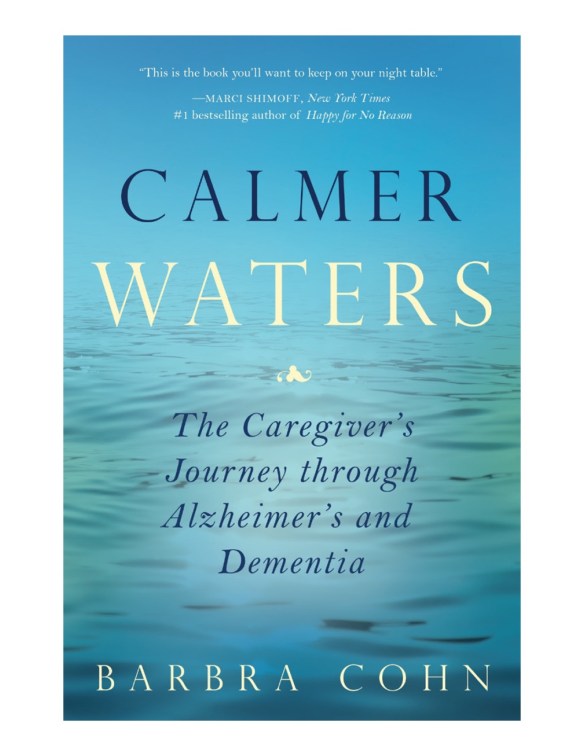
For more information on how you can reduce stress and boost your happiness and health, read Calmer Waters: The Caregiver’s Journey Through Alzheimer’s & Dementia.
BarbraCohn__

Is it forgetfulness, dementia or Alzheimer’s?

Senior Woman Comforting Depressed Husband Sitting On Bench

At one time or another, most of us have forgotten where we put our keys, our phone, glasses, or even parked our car. Have you ever walked into a room and forgotten why you went in? Sure. Run into an acquaintance and forgotten the person’s name? Yes, and it’s embarrassing.

It doesn’t mean you have dementia or Alzheimer’s. I call memory blips “brain farts.” They become more common as we age because our brains form fewer connections so the memory is not as strong as it once was. Also, the speed at which our brain processes stored facts, figures and names becomes slower. Recall becomes slower. (One trick I have for bringing up a person’s forgotten name is to go through the alphabet. It almost always works.)

Forgetfulness can be a normal part of the aging process, or it could be triggered by these physical conditions:

  • insomnia, or lack of sleep (for help in this area read 16 ways to sleep better)
  • thyroid condition
  • drug interactions
  • too much caffeine and/or alcohol
  • stress (Read 16 Stress busters)
  • vitamin B12 deficiency
  • UTIs –urinary tract infections
  • dehydration (please remember to drink at least 6 glasses of water every day)
  • depression and/or mood disorders

The best way to rule out memory problems is to have a full physical exam including a blood panel. Please make an appointment with your doctor to discuss your concerns. Sometimes a memory issue can be cleared up by just getting more sleep or by taking a vitamin B complex supplement.

But if you find yourself putting your keys or your phone in strange places like the refrigerator, getting lost in the city you’ve lived in for decades, or forgetting how to scramble your eggs, this could be indicative of a more serious problem.

Dementia or Alzheimer’s? 

Dementia is the name for an umbrella of  brain disorders with the primary symptoms being memory loss, inability to think clearly or to express oneself, difficulty making decisions and solving problems, and trouble controlling emotions. The term dementia usually refers to degenerative conditions of the brain that result from trauma, as in the brain injuries found in athletes, but more commonly it is used to refer to conditions related to a disease.

Dementia is a major symptom of these diseases:

Alzheimer’s disease is the most common neurocognitive disorder and affects almost 6 million Americans. The number of Americans with Alzheimer’s disease is expected to nearly triple over the next generation. In the early stage of the disease, people with the disease will find it difficult to remember recent events such as what they had for dinner the night before, or even just a few hours ago. They will most likely be depressed because they can’t manage things as well as they used to. An active person might lose interest in things that used to excite them. And the person might forget names of people near and dear. As the disease progresses, emotional behavior will change, the ability to communicate will be impaired and confusion will take over. Everyday tasks such as bathing will become a challenge. Later, physical changes will occur such as the inability to walk or talk and eventually swallow, which often leads to death.

Frontotemporal dementia often emerges around the age of 60 years, but it can appear in people who are in their 20s. It involves a loss of nerve cells and affects behavior, language and movement.

Dementia with Lewy bodies can resemble those of Alzheimer’s disease, but there may also be sleep disturbances, visual hallucinations, and an unsteady walking pattern. Lewy bodies are collections of protein that develop inside nerve cells and prevent them from functioning properly.

Creutzfeldt-Jakob disease represents a number of brain diseases that cause problems throughout the body. They are thought to be triggered by prion proteins. A prion is neither a virus nor a bacterium, but it can cause a disease. Types of Creutzfeldt-Jakob disease (CJD) include bovine spongiform encephalopathy (BSE), or “mad cow disease.” Symptoms include rapid memory, behavior, and movement changes. It is a rare and fatal condition.

CTE–Chronic Traumatic Encephalopathy is a progressive degenerative disease which afflicts the brain of people who have suffered repeated concussions and traumatic brain injuries, such as athletes in contact sports such as football. s

Huntington’s disease is a genetic disorder that results from a defect on chromosome 4. It can lead to mood changes, abnormal movements, and depression. The person may experience an ongoing decline in thinking and reasoning skills. There could be slurred speech and problems with coordination. It tends to appear between the ages of 30 and 50 years.

Parkinson’s disease is a motor system disorder. The hallmark signs include trembling, especially tremor in the hands. It can also involve depression and behavioral changes. In the later stages, the individual may have difficulty speaking and sleep disturbances.

Vascular dementia, also known as post-stroke dementia, can appear after a stroke, when there is bleeding or vessel blockage in the brain. It affects a person’s thinking and physical movements. Early symptoms may include an inability to organize, plan, or make decisions.

Preventing dementia

Although there is no cure yet, there are measures you can take NOW to stave off brain and mental decline. Click here to read 8 Ways to Train Your Brain.

Additionally, here is my list of 10 recommendations for maintaining cognitive function and boosting brain power

  1. Drink at least 8-10 glasses of water to keep your body hydrated and to flush out toxins. The brain is 70% water when fully hydrated. When it is dehydrated, neurotransmission—which is heavily dependent on water—is impaired, resulting in poor memory, concentration and impaired abstract thinking.
  2. Ginkgo biloba has been proven in hundreds of studies to help blood circulation to the brain, sharpening mental performance, increasing concentration and short-term memory. A well-known study in The Journal of the American Medical Association showed that supplementation with 40 mg of ginkgo three times a day for one year had a positive effect on patients with Alzheimer’s disease. A placebo-controlled, double-blind, randomized trail of an extract of Ginkgo biloba for dementia.
  3. Vitamin B complex optimizes cognitive activity and brain function, has a positive effect on memory, learning capacity and attention span, and supports a healthy nervous system and a stable mood. Vitamins B6 and B12, in particular, play a role in the synthesis of serotonin, the neurotransmitter linked to improving memory, lifting mood and regulating sleep.
  4. Omega-3 fatty acids are rich in DHA, the major unsaturated fat in the brain. This long-chain fatty acid provides the necessary fluid quality to the membranes of the nerve cells so that electrical nerve impulses can flow easily along the circuits of the brain. One study found that Alzheimer’s patients given an omega-3-rich supplement experienced a significant improvement in their quality of life.
  5. Eat more blueberries! Their active antioxidants have been shown to protect and restore brain function. One recent study revealed that feeding blueberry extracts to mature mice partially reversed some signs of brain aging.
  6. Avoid alcohol. People who drink too much alcohol often show shrinkage or atrophy of the cerebral cortex, the seat of memory, learning, reasoning, intelligence, and emotions. Reduced cortical thickness in abstinent alcoholics and association with alcoholic behavior
  7. Avoid smoking. Smoking constricts blood vessels, making less blood, oxygen, and nutrients available to the brain. It also replaces oxygen with carbon monoxide, a chemical that damages brain cells.
  8. Incorporate a regular exercise program into your daily routine. An easy way to start is by walking 30 minutes a day at least five times a week. Yoga is wonderful for staving off arthritis pain, maintaining flexibility and for relaxation.
  9. Maintain your social connections. Loneliness can actually lead to health problems and mental decline. Join a group—any kind of group: worship, hiking, scrabble, table tennis, knitting, discussion group, or book club. Volunteer at a food bank, soup kitchen or animal shelter. It’s important to stay connected and to feel as though you are a contributing member of society.
  10. Sleep well by getting to bed before 11:00 pm, eating your last meal before 8pm, turning off your electronic devices, and eliminating light in your bedroom. Studies have indicated that sleep deprivation can increase risk of dementia and Alzheimer’s disease. If you have trouble sleeping consider using a lavender essential oil spray on your pillow or a sachet of lavender inserted into the pillowcase. There are lots of natural sleep aids available at your local health food store, such as melatonin, calcium/magnesium, valerian, hops, etc. Consult with a nutritional consultant about what might work best for you.

For more information on how you can reduce stress and boost your happiness and health, read Calmer Waters: The Caregiver’s Journey Through Alzheimer’s & Dementia.

BarbraCohn__


16 ways to sleep better . . . so you can be a better caregiver

Woman sleeping on a comfortable bed in the clouds

We’ve all had those sleepless nights in which we toss and turn, look at the clock and feel stressed that we aren’t going to get enough sleep. When you are caring for someone else–whether it’s a toddler, sick relative or someone with Alzheimer’s or dementia, it’s even more important to get a good night’s sleep.

There are plenty of studies linking poor sleep to a host of physical and psychological ailments: poor immunity, elevated levels of cortisol and insulin, weight gain, diabetes, cardiovascular disease and even Alzheimer’s disease. And irritability, foggy thinking and anxiety, depression and low energy can directly impact your ability to care for another person, do household chores and get in the way of your interpersonal relationships.

Here is a list of things to try when you are stressed, your mind is on overload, or when you’ve just had too much stimulation and can’t fall asleep or stay asleep.

Good sleep hygiene is the first step to improving your sleep.

  1. Refrain from drinking caffeine after 1:00 pm.
  2. If you need to visit the bathroom during the night, limit your fluid intake after dinner.
  3. Do not resort to alcohol to help you sleep. It usually impairs sleep, and you might wake up with a headache.
  4. Try valerian, passion-flower or skullcap herbal tea at least a couple of hours before bedtime.
  5. A cup of warm milk with a small pinch of cardamom, coriander, cinnamon, turmeric and cumin, and an 1/8 of a tsp of ghee is a tasty and relaxing bedtime drink. The calcium in the milk is a muscle relaxant and the Indian spices help induce relaxation. Experiment to see which spices you like.
  6. Turn off all electronics at least 30 minutes before bedtime. This is difficult for most people so it will take some effort. Instead, listen to soothing music or read a relaxing book.
  7. Do not watch the news or listen to the radio with current news before bed. World and political events can be upsetting and unsettling.
  8. Make your bed as comfortable as possible. Cotton sheets are usually more comfortable than synthetic. Is it time to replace your mattress? When is the last time you turned it over?
  9. A cool bedroom is usually more conducive to sleep than an overheated room. On the other hand, feeling cold will not help you sleep, either. If you feel cold at bedtime, warm up some neck wraps in the microwave and place them in your bed so it’s toasty when you get in. Then when you feel warm and are starting to fall asleep you can throw them on the floor. Or, warm up your bed with a heating pad. One of my favorite thing to do is to put on pajamas that have been heated in the clothes dryer for 5 minutes.
  10. Get black out curtains. It’s easier to sleep when there is no light coming through the windows.
  11. Eat a banana. Bananas contain potassium and magnesium that help reduce risk of muscle cramps. These two minerals also support heart health and cognitive function.
  12. A drop in blood sugar during the night can cause us to wake up. Although it’s better to not go to sleep on a full stomach, a small protein snack such as a slice of cheese or smear of peanut butter on a cracker can help maintain balanced blood sugar.
  13. Exercise during the day to get your heart pumping and to maintain overall health. Just don’t do it too close to bedtime because you will get energized.
  14. Go to sleep when you get sleepy but make sure it’s before 11:00. According to Ayurveda, the ancient Indian healthcare system, it’s best to be in bed by 10:00.
  15. Melatonin supplements help some people, but you might have to experiment with the dosage. I like Natural Vitality’s Natural Calm, a powdered calcium supplement that you put in water or juice. I also like the homeopathic remedy Hyland’s Calms Forte.
  16. Use ear plugs if it’s noisy in your neighborhood. Again, you might need to experiment in order to find the product you find is most comfortable.

As a caregiver you probably think of yourself last. But it’s crucial that you take care of yourself because if you don’t, it will be able to take care of your loved one(s). So take the time to experiment. Promise yourself that you will put an emphasis on trying to improve your sleep. You will notice a difference right away, and so will everyone in your life.

Good night, sleep tight!


“Calmer Waters: The Caregiver’s Journey Through Alzheimer’s & Dementia” by Barbra Cohn contains a treasure trove of information on how to stay connected with your loved one, keep calm, improve immunity, reduce stress and feel happier and healthier. Plus, it includes 20 healing modalities that the caregiver can do alone or with their loved one. Available wherever fine books are sold and on Amazon.

BarbraCohn__


10 Things to Remember if You Love a Person with Dementia

Assisting and helping elderly peopleToday is World Alzheimer’s Awareness Day. It’s a good day to repost this important article and to remind people about the book I wrote after caring for my husband who passsed away from younger-onset Alzheimer’s disease seven years ago. The book has helped so many people, which is what my intention was in writing it. “Calmer Waters: The Caregiver’s Journey Through Alzheimer’s & Dementia” contains a treasure trove of information on how to stay connected with your loved one, keep calm, improve immunity, reduce stress and feel happier and healthier. Plus, it includes 20 healing modalities that the caregiver can do alone or with their loved one. Available wherever fine books are sold and on Amazon.

It’s sometimes hard to love a family member who has dementia or Alzheimer’s disease. People with dementia can be quarrelsome, uncooperative, negative, whiney, belligerent or combative. They might get their nights and days mixed up, pace the floor for hours, wring their hands non-stop, or cry like a baby. They might ask you the same question twenty times in a row, refuse to budge when you need to get them to an appointment, or refuse to eat what you’ve made for dinner.

When the going gets tough, it helps to remember that you love the person who resides inside that body that is tight and tense and inflamed from amyloid plaque that has strangled the neurons and disrupted the neurotransmitters that allow thoughts to flow and emotions to stay even. He or she is the same person you married, the same loving parent who nurtured and guided you, the same sibling you shared holidays and outings with, or the same friend who offered a should to cry on or who helping you move to a new home.

When you’re about to lose it, walk out, or hide in the closet, stop for a moment and remember at least one of these 10 things about the person you lovingly take care of.

People with dementia and Alzheimer’s often feel:

  1. Embarrassed when you say, “ I just told you . . ..” Instead of reminding them that they forgot what you told them a second ago rephrase it, breaking it down into a simple sentence . . . or completely change the subject.
  2. Fearful because they don’t see things spatially the same way we do. Their sense of space is distorted and their vision gets skewed, not because there is something physically wrong with their eyes. But rather, the brain interprets what the eyes see, and when the brain doesn’t work right our perception gets distorted. Two things you can do to help are to put extra lights in dark areas of the living quarters and remove throw rugs in order to reduce falls.
  3. Lonely because they can’t communicate well, or some of their friends have “jumped ship.” Set up times for family or friends to visit or take your loved one on an outing.
  4. Confused because they don’t understand why they can’t drive anymore, or why they can’t go for a walk alone, or why they can’t remember where they live or what their son’s or daughter’s name is.
  5. Angry because the keys to the car have been taken away, or because they get frustrated when they can’t express their feelings or thoughts.
  6. Sad because they can’t read a book or newspaper, or can’t manage to engage in their favorite hobby or sport.
  7. Anxious because they can’t move as fast or get dressed by themselves or put on their shoes easily. Or, because they hear sounds that are disturbing or are bothered by someone else’s behavior.
  8. Nervous because they have lost their sense of balance and feel unsteady on their feet. Or because they don’t like the feel of water on their skin and don’t want to bathe and don’t want to be forced.
  9. Frustrated because they can’t write a check, figure out how much tip to leave, or remember how to use the TV remote control.
  10. Paranoid because they think someone is stealing their money or prized possessions.

When all else fails, take a deep breath and put on some music. It almost always uplifts the spirit—for both the caregiver and the person being cared for.

Please subscribe to my blog for more informative articles like this. Thank you!

16 Stress-busters to nourish your body, mind and soul

Girl can't sleep

Susan, a recent divorcee, is the 48-year-old mother of two college students. She works full-time as a legal secretary and after work she helps her mother, who is in the early stages of Alzheimer’s disease. On weekends Susan catches up on her errands and shops for her mom.  During the week she falls into bed exhausted at 9 p.m. . . . if her mom doesn’t require extra help. But Susan can’t sleep. She’s too worried about everything she has to do, and she is worried about her mom. Susan develops an ulcer and is diagnosed with hypertension. Unfortunately, Susan is a composite of the more than 16 million caregivers in the United States who spend 18 billion hours of unpaid time each year caring for a loved one with dementia.

Every day, one million Americans are absent from work because of stress-related disorders. Experts agree that stress is a factor in most diseases, and a major factor in disorders such as anxiety, insomnia, depression, ulcers, rheumatoid arthritis, headache, hypoglycemia, asthma, herpes, hypertension and heart disease.

Yet, stress is a fact of life. Even a positive experience like a new job, marriage or house can be a stress-provoking event—because stress is defined as a reaction to any stimulus that upsets our normal functioning. The bad news is we all have to face stress. The good news is, it’s easier than ever to neutralize stress before it takes its toll. The key is to maintain a balance, both mentally and physically, so stress doesn’t upset your equilibrium.

The Chemistry of Stress

First, let’s look at what happens to your body as a result of stress.

Once upon a time, stress was episodic. For instance, if a tiger approached you, your body released stress hormones to help you fight or flee. By the time the encounter was over, the entire stress response had been fully utilized and the body returned to normal.

The Fight-or-Flight Response looks something like this:

  • Pupils dilate to sharpen vision.
  • Heart rate and blood pressure increase to accelerate the delivery of oxygen to fuel the muscles and critical organs.
  • Blood flow is diverted from non-critical areas such as the gastrointestinal tract to the critical areas such as the heart, skeletal muscles and liver.
  • Liver releases glucose and fatty acids into the bloodstream. Glucose is for immediate energy; fat is needed when the fight-or-flight response lasts longer than expected.
  • Bronchial tubes dilate to maximize the exchange of oxygen and carbon dioxide.

Today, however, you may be sitting at a desk or driving your car when the stress mechanism is triggered. The modern response is not to fight or flee, but to gnash your teeth, grip the steering wheel, scream, yell or “stuff it.” Our bodies are in a constant state of “emergency alert,’ and the results can be devastating:

  • Blood pressure rises. Depending on how many stressful situations you encounter, it may stay elevated, damaging the sensitive tubules of your kidneys. Ultimately, kidney function is compromised, which raises your blood pressure even more, which contributes to further kidney damage, which raises blood pressure…
  • Glucose that is dumped into your bloodstream goes unused, so your body has to produce an enormous amount of insulin to handle it. Eventually, this may result in hypoglycemia or diabetes.
  • Fat that is dumped into your blood also goes unused, so it clogs your arteries, leading to cardiovascular disease.
  • If you drink caffeine, the stress hormone cortisol becomes elevated, which can set you up for countless health problems including: poor quality of sleep, impaired immunity and age-related deterioration.
  • The adrenal glands produce or contribute to the production of about 150 hormones—all vital to your health. When they are stressed, they become exhausted. Once the adrenal buffer is gone, you become a prime candidate for asthma, allergy, fibromyalgia, chronic fatigue syndrome and other autoimmune disorders.

Devise a Plan that Works for You

So, how do your live in the 21st century and not let stress affect your health?

First of all, you need a plan to help you deal with tough issues, so you can think more clearly and act from a calm, centered position. That plan should include a good diet, and excellent nutritional support with nutrients that enhance relaxation. Establish a daily routine that includes plenty of quality sleep, exercise and a stress-reducing or relaxation technique. Just keep in mind that even though it’s impossible not to have some stress in your life, you can strengthen and nourish yourself on a daily basis, so that you’re better prepared to deal with the next challenge life has to offer.

16 Stress-busters to nourish your body, mind and soul

Daytime

1) Get proper nutritional support to help stop free radical damage, and eat a balanced diet.

2) Exercise! It lowers stress hormones and gives you more energy. Choose an activity that you enjoy and is appropriate for your age and condition. And do it regularly!

3) Learn a relaxation technique such as meditation or yoga. Research has shown they both lower blood pressure, relieve anxiety, enhance overall health, accelerate weight loss, improve sleep and increase blood levels of DHEA. It also restores your sense of clarity and purpose.

4) Laughter is real medicine. It’s a tension tamer and your body produces endorphins (“feel good”chemicals) when you laugh. Rent a funny movie or play charades.

5) Learn to “let go.” Next time you’re in a traffic jam, instead of getting worked up about something you have no control over, use the time to visualize something you want to happen … or listen to a new book-on-tape.

6) Avoid stimulants such as tobacco, caffeine, sugar or coping-solutions that involve alcohol or drugs. Using a chemical means of reducing your stress leads to addiction and increases your problems.

7) Get outside! A little sunlight every day will enhance your body’s natural rhythms and provide you with vitamin D.

8) Take regular breaks at work. Get up and stretch, roll your neck and make sure you drink at least 8-10 glasses of water a day.


Nighttime

9) Wind down earlier in the evening. It’s difficult to fall asleep after working late or watching a suspenseful movie. Relax instead with an inspirational book, soft music and a cup of herbal tea or warm milk.

10) A warm bath helps increase circulation to the skin and relax the muscles. Add a few drops of pine needle essence, oil of eucalyptus, mustard powder or lavender oil for a soothing effect.

11) Take five minutes at the end of each day to prepare for the next. Don’t make long lists. Rather, prioritize. It will help you feel more in control.

12) Go to bed earlier. Research shows that the hours of sleep before 2 a.m. are more rejuvenating than the hours after 2 a.m. Sleeping from 10 p.m. to 5 a.m. will do you more good than sleeping from midnight to 7 a.m.

13) Don’t eat right before bed. Your digestive system won’t get the break it needs, and you won’t feel completely rested in the morning.

14) Cut back on caffeine. If you do consume caffeine, be moderate and try not to consume any after 2pm.

16) Put a sachet filled with lavender flowers under your pillow for sweet dreams.


The 10 best ways to observe National Alzheimer’s Awareness Month

Ribbons of awarenessIt’s November, which means it’s time to enjoy your Thanksgiving with family and friends.

  1. It’s also time to do your brain a favor and take advantage of the free cognitive exam as part of Medicare’s Yearly Wellness Exam.

Despite clear signs that their memory and thinking abilities have gone downhill, researchers have found that more than half of seniors with these symptoms haven’t seen a doctor about them. University of Michigan researchers and their colleagues say their findings suggest that as many as 1.8 million Americans over the age of 70 with dementia are not evaluated for cognitive symptoms by a medical provider, which in some patients can lead to a failure to uncover modifiable causes of thinking or memory impairment.

The study, published in Neurology, the medical journal of the American Academy of Neurology, documents a clear lack of clinical testing for seniors with signs of cognitive problems.“Early evaluation and identification of people with dementia may help them receive care earlier,” says study author Vikas Kotagal, M.D., M.S., who sees patients at the University of Michigan Health System and is an assistant professor in the U-M Medical School’s Department of Neurology. “It can help families make plans for care, help with day-to-day tasks including observed medication administration, and watch for future problems that can occur. In some instances, these interventions could substantially improve the person’s quality of life.”

For instance, knowing that a stroke or vascular issues in the brain caused dementia means patients can work to control risk factors like blood pressure that might otherwise cause it to keep worsening. If your physician suspects Alzheimer’s disease, there are drugs that can help delay the onset of full-blown dementia, and the possibility of placement in a memory care facility, which can help offset the catastrophic cost of the disease.

If you’ve had Part B for longer than 12 months, you can get the free Medicare Annual Wellness Exam to develop or update a personalized plan to prevent disease and disability based on your current health and risk factors. The exam includes:
• A review of your medical and family history
• Developing or updating a list of current providers and prescriptions
• Height, weight, blood pressure, and other routine measurements
 Detection of any cognitive impairment
• Personalized health advice
• A list of risk factors and treatment options for you
• A screening schedule (like a checklist) for appropriate preventive services. Get details about coverage for screenings, shots, and other preventive services.
This visit is covered once every 12 months (11 full months must have passed since the last visit).

2. Combat stress by playing relaxing music, dancing, using an aromatherapy diffuser, taking an Epsom salt bath, turning off electronics at least an hour before bed, etc. Health professionals agree that stress can lead to chronic illness. And in the case of caregiving, it can actually take years off your life.

3. Become a savvy caregiver. The Alzheimer’s Association has chapters throughout the U.S. and offer free classes ranging from how to make financial plans to learning about the latest research in dementia care. Check out their  Education and Resource Center.

4. Maintain healthy weight. Women with a thick waistline are at increased risk for dementia. As if you don’t have enough to worry about. A 32-year-long study by Swedish researchers, which was recently published in the scientific journal Neurology, found that women who gain weight around their middle and live to at least 70 years old are at twice the risk for developing dementia.

Medical research has already established a link between fat around your middle and a higher risk of dying prematurely from heart attack or stroke. But this new research provides even more incentive for reducing calories obtained from refined carbohydrates such as breads, pastries, cookies, candy, ice cream and pasta.

The research included almost 1,500 women between the ages of 38 and 60 and was started at the end of the 1960s. Thirty-two years later a follow-up found that 161 women with the average age of 75, had developed dementia. This study shows that women who had a pear-shape figure, broader around the waist than hips, had more than twice the risk of developing dementia when they got old.

What is Metabolic Syndrome?

Also called Syndrome X, it’s caused by a diet filled with refined carbohydrates. The cycle goes like this: you eat a bagel with some orange juice and coffee for breakfast. Have an apple mid-morning. A salad with a piece of French bread for lunch. A handful of M & Ms mid-afternoon, pasta and salad for dinner, and some popcorn later while you’re watching TV. Doesn’t sound too terrible. But the thing is, these foods are mostly simple carbohydrates, which means your digestive system converts them into glucose, which causes your blood sugar to rise quickly. Your pancreas responds by pumping out insulin to convert the glucose into quick energy.

The problem is, the more carbohydrates you eat, the more your body pumps out insulin to deal with all the extra blood sugar. Eventually your body becomes overwhelmed by the amount of insulin and sluggish in response to it. Before you know it, you’ve developed insulin resistance, meaning your cells have lost their sensitivity to the hormone and require even more of it to maintain normal glucose levels. When blood sugar and insulin levels go up, Metabolic Syndrome (Syndrome X) and weight gain result.

What can you do about it?

  • If you tend to grow love handles around your middle, do something now to protect your heart and brain.
  • Limit the amount of carbohydrates you eat
  • Include a high-quality protein with every meal, such as salmon or chicken
  • Exercise regularly

Add whole foods to your diet instead of highly processed foods, including brown rice, quinoa, and whole oats, 5-9 servings of fruits and vegetables, cottage cheese, eggs

Take nutritional supplements proven to support healthy glucose levels: Bitter melon Momordica charantia), cinnamon, green tea extract, Salacia reticulata, Banaba leaf, chromium

5. Get regular dental check-ups. It’s hard to determine which comes first, Alzheimer’s disease or inflamed gums, but they seem to go hand in hand. A recent study done at the College of Dentistry, NYU, New York, NY proposes that chronic periodontitis might contribute to the onset and progression of Alzheimer’s disease. Inflammation and Alzheimer’s disease

And in the famous Nun Study, one of the first documented studies of Alzheimer’s in a specific population, the researchers found that the participants with the fewest teeth had a higher incidence of dementia. In fact, the researchers concluded that having very few teeth -one to nine-might be a predictor of dementia late in life

How to prevent gum disease

Frequent dental visits may become necessary to ensure a thorough cleaning of the teeth, roots and gums.

Supplementation with vitamin C is important in order to try to maintain healthy gum tissue.

Lycopene may be effective in treating and preventing gingivitis. Lycopene is the carotenoid which makes tomatoes red. It is a popular supplement for supporting prostate and cardiovascular health, and helps prevent macular degeneration and other types of cancer. A recent study compared just taking lycopene as a supplement to a combination treatment of taking lycopene and root scaling and planing in patients with gingivitis. The groups that were treated demonstrated significant reductions in gingivitis, but the group that received both lycopene and prophylaxis showed a statistically significant reduction in symptoms.The results presented in this study suggest that lycopene shows great promise as a treatment for gingivitis.

Gingvitis vs. Periodontitis

Gingivitis (gum inflammation) usually precedes periodontitis (gum disease). The gums can become swollen and red, and they may bleed while brushing your teeth. Although the gums may be irritated, the teeth are still firmly planted in their sockets, and at this stage, no bone or other tissue damage has occurred.

When gingivitis is left untreated, it can advance to periodontitis, which is an infection caused by bacteria under the gum tissue. The gums can pull away from the tooth, bone can be lost, and the teeth may loosen or even fall out.

Warning signs of periodontal disease:

  • Bad breath or bad taste that won’t go away
  • Red or swollen gums
  • Tender or bleeding gums
  • Painful chewing
  • Loose teeth
  • Sensitive teeth
  • Gums that have pulled away from your teeth
  • Any change in the way your teeth fit together when you bite
  • Any change in the fit of partial dentures

6. Buy a new pair of walking shoes and a comfortable workout outfit. You deserve it! You also owe it to yourself to move your body. For years, health professionals have been preaching about the importance of exercise to cardiovascular and overall health. “Whatever is good for the heart is good for the brain.” The latest study of older adults at increased risk for Alzheimer’s disease is the first evidence that physical activity may protect against cognitive decline and the onset of dementia symptoms in people who carry the genetic marker for Alzheimer’s.

The hippocampus, the brain region responsible for memory and spatial orientation, normally loses some volume as we age. But overtime, people with an increased genetic risk for Alzheimer’s disease experience greater atrophy in that area of the brain, which means they experience greater memory loss and cognitive dysfunction.

The good news is that Dr. J. Carson Smith, a kinesiology researcher in the University of Maryland School of Public Health, and his colleagues found clear evidence that being physically active has the potential to help protect the hippocampus in people at increased risk for Alzheimer’s disease. This is especially significant because if you know that exercise can help delay the onset of the disease and if you engage in an exercise regimen it could extend your longevity and ability to take care of yourself. This, in turn, would reduce the financial burden of needing a caregiver and other medical intervention.

Dr. Smith and colleagues tracked four groups of healthy older adults ages 65-89, who had normal cognitive abilities, over an 18-month period and measured the volume of their hippocampus (using structural magnetic resonance imaging or MRI) at the beginning and end of that time period. The groups were classified both for low or high Alzheimer’s risk (based on the absence or presence of the apolipoprotein E epsilon 4 allele) and for low or high physical activity levels.

Of all four groups studied, only those at high genetic risk for Alzheimer’s who did not exercise experienced a decrease in hippocampal volume (3%) over the 18-month period. All other groups, including those at high risk for Alzheimer’s but who were physically active, maintained the volume of their hippocampus.

Whether you are at high risk for Alzheimer’s or not, it’s never too late or too early to start a daily exercise regimen. If you are sedentary start walking 30 minutes three days a walk, and go from there. Park your car at the opposite end of the parking lot, from where you need to go. Get a walking buddy, or get a dog. Whatever you do, be serious about being physically active. It could have a huge impact on your life and the lives of your loved ones.

7. Sleep more soundly. There are plenty of studies linking poor sleep to a host of physical and psychological ailments: poor immunity, elevated levels of cortisol and insulin, weight gain, diabetes, cardiovascular disease and even Alzheimer’s disease. And irritability, foggy thinking and anxiety, depression and low energy can directly impact your ability to care for another person, do household chores and get in the way of your interpersonal relationships. Discover ways why Good sleep hygiene is the first step to improving your sleep.

8. Include turmeric in your diet. Turmeric is what gives curry its yellow hue and tang. But it does a lot more than flavor the most popular Indian dish. Turmeric has numerous health benefits. Several studies have found a protective effect of curcumin in Alzheimer’s disease and dementia, and it’s no surprise. The senior population in rural Indian has one of the lowest rates of Alzheimer’s disease in the world, and scientists believe it is due to the antioxidant and anti-inflammatory properties of turmeric, and its ability to inhibit the build up of amyloid plaque.

A study done by researchers from the University of Melbourne indicated that curcumin might prevent or improve age-related cognitive decline, dementia and mood disorders. The study included 60 adults between 60 and 85 years old. An hour after taking a curcumin supplement (400 mg) the participants experienced a higher attention span and better memory when compared to the participants who took a placebo. After four weeks of taking the supplement, the curcumin group showed improvement in mood, memory, alertness and feelings of well-being.

How much to take? You can find dietary supplements in tablet and capsule form at health food stores with curcumin extracts in dosages of 400 to 600 mg. The general advice is to take one dose three times daily or as directed on the product.

How to get more turmeric into your diet?

One way is to drink turmeric tea, which is popular among Okinawans, who are known for their longevity.
• Bring four cups of water to a boil.
• Add one teaspoon of ground turmeric and reduce to a simmer for 10 minutes.
• Strain the tea through a fine sieve into a cup, add honey and/or lemon to taste

Sprinkle it on your food—turmeric is especially good added to braised greens. Saute onion in olive oil, add greens of your choice (kale, spinach, Swiss chard), and add 1 tsp of turmeric and a sprinkle of salt.
Add turmeric to eggs, soups, potato pancakes, casseroles. You can’t go wrong, and you can’t overdose on turmeric.

Use as a cold, flu and congestion remedy
Turmeric has been used as a natural remedy for centuries to help prevent and cure respiratory illnesses. The next time you get a cold, try adding it to hot water with grated ginger and a teaspoon of honey. It will perk you up and possibly reduce the length of time you are sick. You might also discover that it helps your memory.

9. Is it time to move your loved one to a memory care home? If your loved one has Alzheimer’s or another form of dementia and it is getting difficult to provide a safe environment for him/her, please take the time NOW, before a crisis arises, is the time to investigate the memory care homes in your area. A good place to start is by calling the county’s senior social services office, or by speaking with an ombudsman who is knowledgeable about the pros and cons of the local memory care homes. Signs that it’s time to make the big move.

10. Evaluate your driving.  Play it safe. If you or a loved one has dementia, please park you car for good. Don’t take a risk of getting lost or worse, injuring yourself or someone else.

November is the perfect time to incorporate a new health regimen into your daily routine. Start today and get a head start at the beginning of the holiday season to maintain healthy weight, strengthen your immunity to flus and colds, and  protect your mental health and memory. 


HAPPY THANKSGIVING!!!!

For more information on how you can reduce stress and boost your happiness and health, read Calmer Waters: The Caregiver’s Journey Through Alzheimer’s & Dementia.

BarbraCohn__

8 Ways to Train Your Brain

Intelligence of the human brain

Intelligence of the human brain

National Train Your Brain Day is observed annually on October 13. The observance was created to encourage all of us to exercise our brain and improve our cognitive skills. Doing word puzzles and number games, playing Bridge and reading are every-day activities that are good for the brain. But there are many other things you can do.

  1. Dance as though no one is watching. My book “Calmer Waters: The Caregiver’s Journey Through Alzheimer’s and Dementia” includes a 21-year-long study that was summarized in an article that appeared in the New England Journal of Medicine in 2003. The study found that when compared to 11 other activities including team sports, swimming and bicycling, dancing is the best activity for supporting cognition and staving off mental decline. In fact, the more complex the dance, the better it is for enhancing problem-solving skills and memory. You don’t have to be a great dancer. Just put on your favorite dance music and let loose in your living room. Or, find a dance partner and learn how to salsa, tango, or swing.
  2. Play an instrument. Numerous studies have indicated that listening to music and playing an instrument can reduce anxiety and depression and support cognitive functioning. Playing an instrument sharpens your concentration, boosts listening skills, and supports your time management and organizational skills. The efficacy of music therapy A Study done at the Auditory Neuroscience Laboratory at Northwestern University in Evanston, Illinois, and led by Nina Kraus, shows that musicians suffer less from aging-related memory and hearing losses than non-musicians. It is believed to be the first study to provide biological evidence that lifelong musical experience has a good impact on the aging process. Kraus says the research shows that playing an instrument helps hearing and memory, which is among the most common complaints from normal aging.
  3. Exercise! Dr. Monika Fleshner, researcher/professor at the University of Colorado, Boulder, and contributor to “Calmer Waters,” has spent her career showing that exercise is vital to reducing stress and supporting healthy mental function. “Physically active individuals are stress robust,” says Fleshner. “They demonstrate both stress resistance and stress resilience.” Exercise seems to buffer many of the deleterious consequences of stress, including poor memory. Scientists have also found that exercise encourages the growth of new brain cells in the hippocampus, the area that is crucial to memory and learning.
  4. Say it out loud. When I meet someone for the first time, I inevitably look in the person’s eyes and don’t even listen to their spoken name. As a result, I rarely remember the person’s name. Next time, I will heed the expert advice of repeating the person’s name. This is considered the easiest way to remember everything from where you put your keys to your grocery list. Say it out loud to yourself, or mouth the words, in order to remember quickly.
  5. Get a good night’s sleep. According to a study published in the journal Neuroscience (June 30, 2005) sound sleep triggers changes in the brain that help to improve memory. New memories are formed within the brain when a person engages with information to be learned (for example, memorizing a list of words or mastering a piano concerto). However, these memories are initially fragile. In order to “stick” they must be solidified and improved. This process of “memory consolidation” occurs when connections between brain cells as well as between different brain regions are strengthened, and for many years was believed to develop merely as a passage of time. More recently, however, it has been demonstrated that time spent asleep also plays a key role in preserving memory. So, do your best to work on sleep hygiene. Unplug at least an hour before bed, soak in tub filled with Epsom salts, play soothing music, make sure the room is not too warm, etc. And, never go to bed mad.
  6. Doodle. In memory tests, doodlers performed 29% better than non-doodlers when asked to recall names and places, Experts say doodling doesn’t tax the mind and allows us to concentrate on the task at hand. It stops us daydreaming, too, which is distracting. The same theory holds for coloring in the beautiful new adult coloring books that have become popular the past several years.
  7. Learn something before bed. If you want to consolidate a memory go through the information right before you fall asleep. You’ll have few, if any, interfering memories so you’ll remember it the next day.
  8. Feed your neurotransmitters. These are the chemicals that allow your neurons to talk to one another. They are vital to memory, focus, learning, energy and happiness. Acetylcholine is the primary carrier of thought and memory, and if you don’t have enough of this important neurotransmitter, you will probably have memory and cognitive problems. For healthy acetylcholine production, make sure you’re getting the nutrients that it is made from. Dr. Dharma Singh Khalsa, author of Brain Longevity (Warner Books, Inc. 1997) and the president and medical director of the Alzheimer’s Research and Prevention Foundation in Tucson, Arizona, suggests supplementing with choline, which is present in high amounts in lecithin. Lecithin is available in capsule, granule, liquid, tablet and powder form. The recommended therapeutic dose is 2500 to 3000 mg. four times a day, for a total daily dose of 10,000 to 12,000 mg. In addition, it’s important to take 1000 mg. vitamin C, three times a day, along with 100 mg. of B5, which are needed to transform lecithin into acetylcholine. It’s also advisable to take B6 and zinc, which help in the synthesis of acetylcholine. The nutrient DMAE (dimethylaminoethanol) helps build acetylcholine levels. It is present in your brain in small quantities, and is also found in seafoods, including sardines. Since it is stimulating to the central nervous system, Dr. Khalsa suggests starting out with a low dose of about 40 mg. twice a day, and building up to 200 mg. daily, if you don’t feel overstimulated.