Unknown's avatar

About healthycaregiver

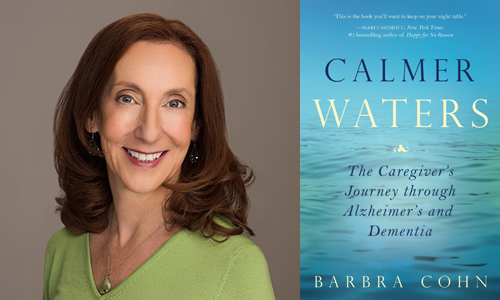
I took care of my husband for 10 years while he had earlier-onset Alzheimer's disease. My experience, along with my expertise as a wellness coach and health writer, prompted me to write a book on how caregivers can maintain their health, increase energy, and experience peace. My book "Calmer Waters: The Caregivers' Journey Through Alzheimer's and Dementia" will be released in June, 2016 by Cardinal Publishing Group. Please follow my blog for caregiving advice and the latest scientific studies on staving off dementia and supporting cognitive function.

Drumming for People with Alzheimer’s & Dementia

Group of people playing on drums - therapy by music

“The simple act of drumming can enable a non-verbal person with dementia to communicate–albeit temporarily—with loved ones.” For more information about the physical, mental and emotional benefits of drumming, read chapter 23 “Drumming” in “Calmer Waters: The Caregiver’s Journey Through Alzheimer’s & Dementia.” Book Reviews

Years ago, I attended a drumming circle with my husband Morris at the memory care home where he lived. The leader, John Crowder JD, trained directly with neurologist Barry Bittman, MD, and Christine Stevens, MSW, MT, BC, through the Health RhythmsTM program.

“You know, we all have a drum right here,” Crowder said, pointing to his heart. At least half of the members of the group understood exactly what he meant, as they shook their gourds to the rhythm of his drum.

But when Crowder handed out conga drums and other hand-held instruments, that’s when the fun really began. At the end of each rhythmic song, one patient would tell about his adventures in the military. And he didn’t miss a beat. More than once he broke into song, “Over hill, over dale, we would chase all kinds of tail.”

A woman talked about how her father and brother were drummers. Even though she insisted that she had never drummed, she apparently had learned by listening and watching because she was quite adept at following Crowder’s rhythms and creating rhythms for the rest of the group to follow. Throughout the forty- five minute session several people broke into song, which Crowder used to simultaneously lead the group in singing and playing. Several times he had the group mimic his rhythm. Overall, it was a calming, enjoyable experience for everyone.

Drumming for caregivers

Drumming is equally beneficial for caregivers. Dr. Bittman conducted landmark research published in Alternative Therapies in Health and Medicine, 2001, which showed that group drumming therapy releases stress and increases the disease fighting activity of white blood cells.

Another study showed that long-term care workers experienced less burnout, stress, and mood disturbances when they participated in a six-week program of recreational music-making, de ned as distinct from “regular” music making, as its purpose is the enjoyment and well-being of the participants, not an artistic or aesthetic outcome that requires talent or training.

Drumming circles are a fun and healthy way to connect with your care partner. To find a drumming circle in your location, visit the website: USA Drum Circle Finder. Or buy a couple of drums and create your own drumming experience. Visit the Drum Circles net website for information on drums, DVDs, and other information to help you get started.


My new book “Calmer Waters: The Caregiver’s Journey Through Alzheimer’s and Dementia” (Blue River Press) is now available wherever books are sold: Amazon, Barnes & Noble, Boulder Book Store, Barnes & NobleTattered Cover Book StoreIndie Bound.org, and many other fine independent bookstores, as well as public libraries.

Easy ways to calm down crazy full moon behaviors

Silhouette of full moon over family homes in typical neighborhood

The human body is 55 to 78% water (depending on sex and age) so it makes sense that the gravitational pull of the moon would affect us, right?  Many scientists point out that the biological tide theory doesn’t hold. On The Skeptics Dictionary website Robert Todd Carroll says, “Given the minute and bounded mass of fluid contained within the human body, compared to the enormous and free-flowing mass of ocean water, and given the enormous distance to the moon, the lunar pull on the human body is negligible.”

Theories about the moon’s influence on animal behavior are more widely accepted. Although the topic of whether or not the moon affects human behavior is controversial, there is plenty of anecdotal evidence and some scientific evidence indicating that it does.

I, for one, have a difficult time sleeping around the full moon. And my husband, who suffered from Alzheimer’s disease, exhibited more agitated behavior when the moon was full.

Studies have shown that the lunar cycle has an impact on fertility, menstruation, and birth rate.  Admittance to hospitals and emergency units due to cardiovascular and acute coronary events, arterial hemorrhages in the stomach and esophagus, diarrhea, and urinary retention correlate with moon phases. Other events linked to human behavior, such as traffic accidents, crimes, and suicides, seem to be influenced by the lunar cycle.

In the 1600’s Sr. William Hale, a distinguished British physician and medical biographer, wrote, “The moon has a great influence in all diseases of the brain, especially dementia.” The British Lunacy Act of 1842, which dismissed crazy behavior as being caused by the full moon, built on his theory.  In fact, as recently as 1940 a British soldier who was charged with murder pleaded “moon madness.”

Alan M. Beck of Purdue University conducted a longitudinal study to objectively examine the lunar influence on the frequency, duration, and intensity of behaviors in individuals with Alzheimer’s disease.

He examined wandering, anxiety, physical aggression, and verbal confrontation. His study concluded that individuals with Alzheimer’s disease did, in fact, exhibit significantly more erratic behaviors during periods of the full moon, and that these behaviors were of greater duration during that time. The objective analysis that a lunar influence on behavior in Alzheimer’s individuals exists validates a long-standing belief held by many healthcare providers.

If you’re a caregiver for someone with dementia, you’ve probably seen some odd behavior in your loved one around the full moon. And if you have trouble sleeping or feel restless or anxious during the full-moon, you’ve personally noticed the effects.

Here are some ways to calm the nerves and odd behaviors during the full moon or anytime.

From Calmer Waters: The Caregiver’s Journey Through Alzheimer’s & Dementia--“Aromatherapy” chapter 18 by Laraine Kyle Pounds, RN, MSN, BSN, CMT.

Aromatherapy can be a resource of comfort to you and your care partner by providing an easy, natural way to reduce stress and anxiety and uplift mood. The following oils can be used in a diffuser, or put in a bath or fragrance free moisturizer. They can also be sprayed on a pillow or handkerchief.

Citrus oils are generally refreshing and uplifting for the mind and emotions, relieve stress and anxiety, and are useful for odor management and appetite support. Consider: bergamot, grapefruit, lemon, and orange.

Floral oils are often used as a personal fragrance and are useful to relieve anxiety, depression, and irritability. These oils are useful as an inhaler, in a body lotion, and for the bath. Consider: clary sage, geranium, lavender, rose, and ylang ylang.

Tree oils are revitalizing with immune boosting properties, ease respiratory congestion, and are supportive to breathing ease. They are useful for pain relief, skin infections, and odor management, and can relieve nervous exhaustion and depression. Consider: eucalyptus (Eucalytpus citriodora or globulus), pine needle, sandalwood, or Tea Tree.

Herbal remedies

A nervine is a plant remedy that has a beneficial effect upon the nervous system.  Nervines are especially useful during times of stress because they have a strong relaxing and calming effect without producing a dulling, “hang-over” side effect.  They also tone and restore the nervous system to a more balanced state.  Some nervines are also anti-spasmodic, meaning they relax the peripheral nerves and the muscle tissue, which in turn has a relaxing effect on the whole system.

The main types of nervines are tonics, relaxants, and stimulants.

  • Nervine Tonics – are particularly helpful for strengthening the nervous system and restoring balance. In addition to having a relaxing effect, they have a vaso-dilating action on the blood vessels of the brain.  This increases oxygen availability to brain cells and helps with mental agility and mood.
  • Nervine Relaxants – are especially beneficial for short-term use, for example in treating mild depression or acute anxiety. “This group of nervines are most important in times of stress and confusion, alleviating many of the accompanying symptoms. They should always be used in a broad holistic way, not simply to tranquillize.  Too much tranquilizing, even that achieved through herbal medication, can in time deplete and weigh heavily on the whole nervous system,” says renown herbalist David Hoffman.
  • Nervine Stimulants– are used as a restorative “pick-me-up” when you need an energetic boost without that revved up feeling produced by caffeine.

Recommended nervines:

  • Passion flower- helps soothe anxiety, insomnia, tension headaches, muscle aches and spasms, pain, hyperactivity, epilepsy, and helps alleviate anger and lower blood pressure.
  • Skullcap – is antispasmodic and relaxing and is recommended to relieve headaches, mood swings, insomnia, premenstrual syndrome, and nervous tension and exhaustion.

The next time you’re feeling nervous, agitated, restless or hyped up, calm your nerves with a nervine herb or aromatherapy. If your loved one has Alzheimer’s or dementia and is on medication, please check with the physician to make sure they do not interact with the nervine herbs.  Use pure essential aromatherapy oils to lower risk of allergy.

If all else fails, you can always go outside and howl at the moon.


Studies showing we are affected by the full moon

1. More babies are born around the full moon. A study in Kyoto, Japan looked at 1007 natural births and found there was significant increase in births when the moon was closest to the earth. Results of this study suggest that the gravitational pull of the Moon has an  influence on the frequency of births.

2. Do you have trouble sleeping around the full moon? Sleep researcher Christian Cajochen at the Psychiatric Hospital of the University of Basel in Switzerland conducted a four-year lab study to see if he could show that it is physiologically true that many people have difficulty sleeping during the full moon.  His researchers monitored the brain activity, eye movements and hormone secretions of 33 volunteers in the lab while the participants slept. All the participants were healthy, good sleepers, and did not take any drugs or medication.Unexpectedly, the scientists found “the lunar cycle seems to influence human sleep, even when one does not see the moon and is not aware of the actual moon phase,” Cajochen said. After reviewing their data, the scientists found during the time of the full moon, brain activity related to deep sleep dropped by 30 percent. People also took five minutes longer on average to fall asleep, and they slept for 20 minutes less overall on full-moon nights. The volunteers felt as though their sleep was poorer when the moon was full, and they showed diminished levels of melatonin, a hormone known to regulate sleep and wake cycles. “It took me more than four years until I decided to publish the results, because I did not believe it myself,” Cajochen told LiveScience. “I was really skeptical about the finding, and I would love to see a replication.”


Barbra Cohn cared for her husband Morris for 10 years. He passed away from younger-onset Alzheimer’s disease in 2010. Afterward, she was compelled to write “Calmer Waters: The Caregiver’s Journey Through Alzheimer’s & Dementia” in order to help other caregivers feel healthier and happier, have more energy, sleep better, feel more confident, deal with feelings of guilt and grief, and to ultimately experience inner peace. “Calmer Waters” is available at AmazonBarnes & NobleBoulder Book StoreTattered Cover Book Store,  Indie Bound.org, and many other fine independent bookstores, as well as public libraries.

A popular prostate cancer treatment puts men at risk for Alzheimer’s & dementia

Man thinking.

I know several men with prostate cancer. In fact, one of them is on his death-bed. But don’t worry. It’s a slow-growing cancer, and it’s possible to live with it for a long time. It’s also possible to avoid. (see below) But first, here are some things you should know

The American Cancer Society predicts that 220,800 new cases of prostate cancer would be diagnosed in 2015. An estimated 27,640 men will die of it. African-American men are more likely to get prostate cancer and have the highest death rate. Other than skin cancer, prostate cancer is the most common cancer in American men. In other parts of the world — notably Asia, Africa, and Latin America — prostate cancer is rare.

If you are a man over 50 years old and don’t already suffer from prostate problems, the odds are 2 to 1 that you will before you turn 59.

Almost all men experience the symptoms of prostate enlargement and some form of prostate-induced discomfort during their lifetime, and especially after the age 50. These include frequent and urgent urination, urination through the night, a weak stream or one that is difficult to start or stop, and reduced sexual libido. The symptoms typically appear with the beginnings of hair loss and eventual baldness. The cause is an imbalance of sex hormones.

The connection between dementia and ADT therapy

A new study at the Perelman School of Medicine at the University of Pennsylvania found there is a connection between androgen deprivation therapy (ADT) — a testosterone-lowering therapy for prostate cancer– and dementia.

Their previous studies have shown men who undergo ADT may be at an increased risk of dementia, including Alzheimer’s disease, compared to men who were not treated with the therapy. This new analysis — the largest of its kind ever performed on this topic — shows that all existing studies taken together support the link to dementia and show a possible link to Alzheimer’s.

This is not good news. The common side effects of ADT are hot flashes and enlarged breasts, which are definitely annoying but symptoms you can live with. Dementia and Alzheimer’s are another story.

Other treatments for prostate cancer include surgery, radiation, and brachytherapy, a type of internal radiation that plants radioactive “seeds” in the prostate. But these treatments also carry risk of side effects including urine leakage, poor sexual function, and bowel problems. It’s important to speak with your doctor to determine which treatment is best for you and what side effects you are willing to live with.

Prevention is the key

  • b-Sitosterol is one of a group of phytosterols that promote prostrate and male uro-genital health. b-sitosterol and other phytosterols support male urinary and prostate health by inhibiting the uptake of cholesterol into the blood. This redirects the conversion of cholesterol into the steroids from which the sex hormones are made. As hundreds of scientific studies have demonstrated, the cells of the prostate respond to these rejuvenated hormones and de-proliferate, reducing the size of the prostate and the symptoms
  • Boron is found in red wine, raisins, peanuts, apples, pears, peaches, oranges, grapes, lima beans, and peanut butter. Studies have shown that men with the highest boron intake were 65 percent less likely to develop prostate cancer than men with the lower boron intake. Researcher found that boron’s cancer-fighting effects seem to be specific for prostate cancer, so make sure you eat your daily dose of apples and oranges.
  • If you like tomato sauce, you’re in luck. Lycopene is a powerful antioxidant found in red fruits and vegetables, especially tomatoes, watermelon, red grapefruit, and guava. Researchers have linked the frequent use of lycopene from tomatoes to a lower risk of prostate and other cancers. Interestingly, Lycopene is best assimilated and absorbed after eating tomatoes cooked in olive oil.
  • Selenium intake has been directly associated with lower risk of prostate cancer. In a Harvard School of Public Health study, men who received at least 200 micrograms of selenium in a daily nutritional supplement were one-third less likely to get prostate cancer than the men who received a placebo. Selenium is found in tuna, brazil nuts, and sunflower seeds.
  • Zinc is important for a healthy prostate gland. Since the prostate gland requires 10 times more zinc than any other gland or organ in the body, researchers believe that a zinc deficiency might contribute to BPH. Foods that are high in zinc: pumpkin seeds, oysters, beef, lamb, toasted wheat germ, spinach, squash seeds, nuts, dark chocolate, pork, chicken, beans, and mushrooms. Play it safe and take a zinc nutritional supplement. Make sure it contains some copper, which optimizes absorption.

What does the prostate gland do?

The prostate is the size and shape of a walnut and is located under the bladder and directly in front of the rectum. It secretes a thick, whitish fluid that provides about half the fluid in semen, and helps transport sperm.

What causes prostate problems?

After about age 40, the prostate begins to grow in just about every male because DHT (dihydrotestosterone), a potent form of the male hormone testosterone, isn’t excreted efficiently. DHT then accumulates in the prostate, causing prostate cells to rapidly reproduce. Sometimes the enlargement is a sign of cancer. But usually the result is a condition called benign prostatic hyperplasia. Most doctors refer to enlarged prostate simply as BPH.

As BPH develops, the prostate may press against the neck of the bladder or urethra, squeezing the pipe shut, like stepping on a garden hose. This pressure can make it difficult to urinate and may result in a variety of symptoms:

  • Urgency—the need to go immediately
  • During urination, there is a thin stream of urine that stops and starts instead of a full, steady stream
  • Hesitancy or difficulty starting urine flow
  • Dribbling after urinating
  • Nocturia — having to get up frequently at night to urinate
  • Increased frequency of urination
  • Increased risk of infection if the bladder does not empty entirely and urine is retained

Unlike BPH, prostate cancer may not give symptoms in its early, curable stage. This is why every year start in your 40s it’s important to get a PSA (Prostate Specific Antigen) test, in which the blood is analyzed for evidence of cancer.


Barbra Cohn cared for her husband Morris for 10 years. He passed away from younger-onset Alzheimer’s disease in 2010. Afterward, she was compelled to write “Calmer Waters: The Caregiver’s Journey Through Alzheimer’s & Dementia” in order to help other caregivers feel healthier and happier, have more energy, sleep better, feel more confident, deal with feelings of guilt and grief, and to ultimately experience inner peace. “Calmer Waters” is available at Amazon, Barnes & Noble, Boulder Book Store, Tattered Cover Book Store, Indie Bound.org, and many other fine independent bookstores, as well as public libraries.


20 Ways to give your body the nutrition it deserves

Health food fitness. Food sources of omega 3 on dark background top view. Foods high in fatty acids including vegetables, seafood, nut and seedsIt’s National Nutrition Month and a perfect time to think about ways to increase your nutritional intake. By now most folks have forgotten about their New Year’s resolutions to lose weight, eat healthier, become a vegetarian, reduce sugar intake, etc. It doesn’t matter. New Year’s resolutions are made to be broken.

This is a good time to develop a new plan that makes sense. Whether you want to support your brain health, relieve stress and anxiety about caregiving responsibilities, or just want to rev up your energy, stamina and immunity, here are some ways to protect your health and support your mood.

  1. Did you know that 70% of your immune system lies in your gut? Probiotics are live bacterial microorganisms that populate the human gastrointestinal tract. They combat the daily bombardment of toxins and pathogens (bacteria, fungus, parasites, and viruses) that enter our digestive system every day through contaminated food and other toxins. Recent studies show that the bacteria in your gut can also affect your mental health, mood and stress levels. Fermented foods such as kombucha, Greek yogurt, kefir, sauerkraut, miso, cottage cheese are probiotics. Probiotic bacteria colonize the digestive tract with good bacteria. Prebiotics are the food and nutrients that feed probiotics. Prebiotic fiber is found in fruits and vegetables such as artichokes, jicama, wild yams, onions and garlic, asparagus, beans, oats, chicory root and Jerusalem artichokes. Prebiotics support mineral absorption, vitamin utilization, and healthy blood sugar levels. Your gut needs both pro- and prebiotics in order to stay healthy and keep you healthy.
  2. The brain is very sensitive to the food we eat. A new study published in The New England Journal of Medicine (Aug. 8, 2016) evaluated 242 participants, measuring fasting blood sugar and neuro-cognitive functioning. Those with elevated blood sugar, including people who did not have diabetes, had a dramatic increase of developing dementia. Just remember that what is good for your heart is good for your brain. So try eating a Mediterranean based diet of olive oil, fish, and lots of fruits and vegetables, whole grains, beans, and nuts and seeds, with less meat, cheese and sweets.
  3. Drink plenty of water to keep your body hydrated and to flush out toxins. Your brain is 70% water when fully hydrated, and it gets dehydrated just like your body. When it is dehydrated neurotransmission—which is heavily dependent on water—is impaired, resulting in poor memory, concentration and impaired abstract thinking. The next time your mind is muddled, drink a tall glass of water and notice the difference.
  4. Take a complete B-vitamin supplement to make sure you are getting a balanced amount of B vitamins. Vitamin B complex optimizes cognitive activity and brain function, has a positive effect on memory, learning capacity and attention span, and supports a healthy nervous system and a stable mood. Vitamins B6 and B12, in particular, play a role in the synthesis of serotonin, the neurotransmitter linked to improving memory, lifting mood and regulating sleep.
  5. Berries are berry good for your health. Blueberries, strawberries, raspberries, cherries, cranberries, as well as some others you may never have heard of, contain unique phytochemicals that may help prevent cancer, heart disease, age-related brain declines, and much more. Blueberries score highest on the Oxygen Radical Absorbance Capacity (ORAC) test—a measurement that rates the total antioxidant score of foods, and many berries, such as raspberries, blackberries, cranberries, and strawberries contain ellagic acid, which preliminary research suggests may help to prevent certain types of cancer. Summer is almost here, so enjoy your berries. They are good for you!
  6. Eat more healthy fats and skip the hydrogenated and trans fats found in doughnuts, potato chips and other pastries and desserts.  Omega-3 fatty acids are rich in DHA, the major unsaturated fat in the brain. This long-chain fatty acid provides the necessary fluid quality to the membranes of the nerve cells so that electrical nerve impulses can flow easily along the circuits of the brain. One study found that Alzheimer’s patients given an omega-3-rich supplement experienced a significant improvement in their quality of life. Eating fish such as wild-caught salmon, sardines and other cold-water fish can protect you against Alzheimer’s disease and other forms of dementia. Numerous studies have shown that elderly people who did not have dementia had high blood levels of docosahexaenoic acid (DHA), an essential fatty acid found in cold-water fish, in comparison to those with dementia, who had on average 30% to 40% lower blood levels of DHA. Ways to increase your DHA intake: eat cold-water fish such as wild-caught salmon, sardines and mackerel, at least twice a week. Add flax meal to cereal and baked goods, sprinkle flax oil on your salad, eat a small handful of walnuts at least several times a week.
  7. Eat breakfast! It is the meal that you break your fast with. During the night our blood sugar levels drop, so it’s especially important to eat within one hour of arising and by 10am. Eating breakfast restores healthy blood sugar levels, but make sure your breakfast isn’t coffee and a doughnut. Have some protein and a healthy fat such as an omelet and avocado and a piece of whole grain or gluten-free toast. It’ll provide you with the energy you need to get through the morning while maintaining a sense of equilibrium. My favorite cool weather breakfast is eggs (any way you like them), a side of beans such as black or pinto, and a pile of sautéed greens. When the weather is hot, I prefer home-made granola made with oats, a bit of coconut oil and maple syrup, coconut flakes, and lots of nuts including almonds, walnuts, cashews, and pumpkin seeds. Add chia seeds, flax meal, yogurt and fresh berries and you’ve got a breakfast for champions.
  8. Avoid commercially processed meats and favor grass-fed meats, free-range chickens and eggs fed an organic, non-GMO diet. And limit your meat consumption to no more than twice a week.
  9. Eat like a rabbit to reduce your risk of stroke, dementia, macular degeneration, and other chronic illness. Veggies are low in calories and high in fiber. Fruits are also high in fiber and like veggies, contain numerous vitamins and minerals. Just like people, fruits and vegetables come in a variety of shapes, sizes and colors. And it’s the colors that identify many of the bioactive substances called phytonutrients that give us antioxidant protection and other special health benefits. The scientific community has produced a large body of research showing the potential of these super nutrients. Compared with people who eat few fruits and vegetables, populations that consume a large variety and generous amounts of plant foods enjoy longevity and reduced risk of disease. For example, the people of Okinawa have a long life expectancy, numerous centenarians, and a low-risk of age-associated diseases. Their diet is low in calories, fat, sugar, salt, and meat and dairy products. Instead, Okinawans eat fish, tofu, whole grains, and lots of fruit, dark green leafy vegetables, onions, green peppers, sea vegetables and sweet potatoes—which are all dense in phytonutrients and antioxidants. These islanders are known for a low-stress, carefree and relaxed attitude. Their rates of stroke, dementia, cancer and heart disease are also the lowest in the world. For every 100,000 people in Okinawa, 30 have passed their 100th birthday, one of the highest rates in the world.
  10. A cup of Joe will do you good . . . just don’t overdo it and don’t add lots of cream and sugar. Researchers from the University of Scranton found that coffee is the number one source of antioxidants in the U.S. diet. Coffee has been shown to improve mental acuity. In fact, a study published in the Journal of Alzheimer’s Disease (2012) found that people older than 65 who had higher blood levels of caffeine developed Alzheimer’s disease two to four years later than people with lower caffeine levels. The study included 124 people who had mild cognitive impairment (MCI). Typically, 15% of people with MCI will go on to develop full-blown Alzheimer’s disease each year. The study participants who had less than 1,200 ng/ml of caffeine levels in their blood developed Alzheimer’s disease. This is equivalent to drinking several cups of coffee a few hours before their blood was taken. The people whose memory loss did not progress to full-blown Alzheimer’s disease had higher levels of caffeine in their blood. Coffee appeared to be the only source of caffeine for the participants in the study. Some big caveats: if you have high blood pressure limit your coffee intake to 2 cups a day, and avoid drinking it before exercise or physical labor which both naturally raise blood pressure. Coffee acts as a diuretic, depleting the body of necessary fluids, so make sure you drink a glass of water for every cup of coffee you drink. Coffee can raise homocysteine levels, an indicator and risk factor for cardiovascular disease. It can also cause headaches, fatigue, depression, anxiety and drowsiness if a coffee drinker forgoes his or her usual daily dose of caffeine. So be smart and listen to your body.
  11. Drink green tea if you don’t like coffee or are unable to drink it. Scientists have found evidence that green tea extract can help fight everything from glaucoma to prostate cancer and leukemia. Now a research team composed of chemists, biochemists and biophysicists at the University of Michigan has found a new potential benefit of green tea extract: preventing the clumping of proteins associated amyloids in the brain, which is associated with Alzheimer’s disease and other neurodegenerative conditions. The study found that the specific molecule in green tea, ( — )-epigallocatechin-3-gallate, also known as EGCG, prevented aggregate formation and broke down existing aggregate structures in the proteins that contained the metals copper, iron and zinc. At Tohoku University Graduate School of Medicine, researchers tracked the green tea consumption of nearly 14,000 people over age 65 for three years. The participants’ quality of life (measured in day-to-day activities such as getting dressed, walking the dog, and performing household chores) was examined in relation to how much green tea they drank. The authors found that the more green tea participants consumed, the longer they were able to ward off the difficulties associated with old age. The people who drank at least five cups a day were one-third less likely to develop disabilities than those who had less than a cup per day. Those people who averaged three or four cups a day had a 25 percent lower risk. Just remember that while green tea and its extracts are considered safe in small amounts, they do contain caffeine and small amounts of vitamin K, which means it could interfere with drugs that prevent blood clotting. So the next time you feel the need for a cup of coffee or black tea, consider drinking a cup of green tea instead. It just might help you maintain clarity of mind, healthy bones, and cardiovascular health well into your senior years.
  12. Herbs or adaptogens can be helpful for increasing energy without stimulation. An adaptogen is a natural substance—usually an herb—that helps the body adapt to stress by producing a calming effect on the whole physiology, and stress is often blamed with being the root cause of many illnesses and diseases. Phytosterols, the plant compounds in the herbs ashwaghanda, gotu kola, passion flower, schizandra, skullcap, rhodiola, and cordyceps have been scientifically shown to support the adrenal glands and healthy blood chemistry, and enhance the body’s ability to resist the ravages of stress. Valerian, Siberian ginseng, kava kava, oat straw, and hops also help reduce stress. These herbs can be taken as a tea or in the form of a nutritional supplement. Culinary herbs also have numerous health benefits. Turmeric, the spice used in Indian cooking, has dozens of studies backing up its ability to reduce inflammation, another major cause of chronic disease, and risk of Alzheimer’s disease. Cinnamon helps to stabilize blood sugar levels, which is vital to healthy aging. Oregano contains antioxidants that offer antibacterial protection. Garlic has been called the natural antibiotic, and ginger root has been used for thousands of years for its anti-inflammatory and anti-microbial effects. The list goes on and on.
  13. Magnesium is the fourth most abundant mineral in your body—which means it is absolutely essential to your healthy blood pressure, cardiovascular health, bone and overall health. In fact, you cannot live without it! Magnesium is involved in more than 300 biochemical reactions, particularly as a catalyst for food metabolism and the release of energy. Yet, only about 25% of Americans meet the Recommended Dietary Allowance (RDA) of 400 mg per day for magnesium. Good sources of magnesium include: dark green, leafy vegetables such as spinach, Swiss chard and kale dark green, legumes, peas and beans (especially soybeans), seeds and nuts (especially almonds, cashews and pumpkin seeds) whole, unrefined grains, including oatmeal and bran, and halibut
  14. Go nuts on Brazil nuts. They are rich in selenium, a potent antioxidant which is concentrated in the thyroid gland. They also contain copper, which helps to support a healthy thyroid. Regardless of whether you have thyroid issues, selenium is a good all-round antioxidant. According to the Institute of Medicine, the tolerable upper intake level (UL) (i.e., the highest level of intake that is known to avoid toxicity) for selenium is 400μcg per day. On average, Brazil nuts have 544 mcg selenium per ounce, but studies indicate that the selenium content may vary widely depending on country of origin, cultivation methods, etc. With that in mind, a good starting point for most folks would be to consume 2 – 3 Brazil nuts per day.
  15. Eat more tomatoes. Recent epidemiological studies have suggested that eating tomatoes and tomato-based food products can reduce the risk of prostate cancer and macular degeneration.  This protective effect has been attributed to carotenoids, which are one of the major classes of phytochemicals in this fruit. The most abundant carotenoid in tomato is lycopene. Cooking tomatoes in olive oil helps you digest and assimilate the lycopene so if you like tomato sauce on your pasta, go for it. Just make sure you are eating a healthy pasta product–think whole grain, quinoa, etc.
  16. Include flax oil, flax meal or flax oil in your diet. They are the best source of lignans. Lignans are compounds that form the building blocks of plant cell walls. They contain phytoestrogens that help regulate the body’s estrogen production. When we eat plant foods the lignan compounds are converted in our intestines by good bacteria to produce a form that the body can assimilate. Enterolactone—the primary lignan metabolite (a substance produced by metabolism) that circulates in our blood—produces weak estrogenic activity. Dozens of reports have revealed that high levels of enterolactone in our blood help to reduce risk of breast, prostate and colon cancers, and cardiovascular disease. Studies have also shown that high levels of lignans can support healthy weight and glucose metabolism, reducing the risk of insulin sensitivity, metabolic syndrome and diabetes. Most plant foods contain small amounts of lignans, but flax seeds are by far the best source. Other good sources include high fiber foods such as whole grains (wheat, barley), sesame seeds, sunflower seeds, cashews, kale, broccoli, carrots, legumes, garlic, asparagus and berries.
  17. Lutein and zeaxanthin reduce eye health risks. What are they? They are antioxidants in the carotenoid family—a group of naturally occurring, fat-soluble pigments found in plants—that play a key role in our the health of our eyes.  Carotenoids are the red, orange and yellow plant pigments that give fruits and vegetables their vivid colors.  All fruits and vegetables contain varying concentrations of carotenoids.  But their colors are often covered up by green chlorophyll contained in the plant. Lutein is found in spinach, kale, collard greens, romaine lettuce, leeks, peas, egg yolks, tomatoes, carrots, marigold flowers, and fruits. Zeaxanthin is found in corn, kale, mustard greens, spinach, egg yolk, orange peppers, collard greens, lycii berry fruit, green algae spirulina and other types of commercially produced algae. Lutein and zeaxanthin accumulate in the macula, the prominent, bright yellow spot in the center of the retina that allows you to clearly distinguish fine detail. And studies are showing that people with macular degeneration—the slow deterioration of the cells in the macula, which affects your central vision, the vision you use for reading, writing, driving and identifying faces—have low concentrations of these two pigments in the macula. So make sure you are eating plenty of the above mentioned fruits and veggies.
  18. Chromium is a first class blood sugar and insulin regulator. Yet, nine out of 10 American diets fall short of this trace mineral, which is essential for the transfer of sugar from the bloodstream to muscle cells, giving them the fuel they need to work.  Chromium is also involved in maintaining cholesterol and triglyceride levels, and supporting healthy muscles.  Chromium levels decrease with age and are often low due to poor diet. Eat more foods that are naturally high in chromium: broccoli, barley, oats, green beans, tomatoes, Romaine lettuce, black pepper, Brewer’s yeast.
  19. Coenzyme Q10, or CoQ10, is a vitamin-like compound and an important antioxidant. It exists in every cell of your body and you could not survive without it. CoQ10 is essential in the body’s production of adenosine triphosphate (ATP), which produces energy within the cells and is the basis for normal functioning of all body systems and organs. If you think of the body’s cells as little engines that use oxygen to burn the organic fuels that come from food, you may think of CoQ10 as the part of the engine that provides the spark for this process. No other substance will substitute for CoQ10. Without it there is no spark and therefore no production of energy for the cell. And without energy there is no life! As we age, it becomes more and more difficult for the body to produce enough CoQ10. An 80-year-old person has about half the CoQ10 levels of a 20-year-old.  Body levels of CoQ10 are also influenced by stress, cold, illness, high blood pressure, hormone concentrations, physical activity and prescription drugs, which can deplete CoQ10 levels. Scientists estimate that once levels drop below the 25% deficient level, a variety of health problems can take hold. But your cells’ energy and efficiency can be restored with supplementation and/or by eating eggs, dairy products, meat, and poultry, fatty fish, nuts and seeds, broccoli, cauliflower, and some fruits and vegetables.
  20. Are you getting enough vitamin D? Most people, especially the elderly, are vitamin D deficient.  Researchers have found a correlation between vitamin D deficiency and low mood, depression and worse cognitive performance in older adults. In a recent study, 1618 patients who averaged 73.8 years old were tested for vitamin D deficiency. Those with severe vitamin D deficiency were twice as likely to suffer from depression. Vitamin D is most commonly known for helping the digestive system absorb calcium and phosphorus. In that way it helps the body build and maintain healthy bones. But it does much more. Adequate vitamin D is believed to play a role in the reduction of falls, as well as supporting cardiovascular health, a strong immune system and cognitive function. Also, scientists theorize that one of the reasons that influenza occurs in the wintertime is that we do not manufacture enough vitamin D, and the resulting vitamin D deficiency might promote our susceptibility to the flu virus. Which foods contain vitamin D? Fatty fish such as salmon, trout, tuna and sardines, milk, and fortified cereals provide more than 100 IU per serving. And mushroom is the only food in the produce section that has vitamin D. But you’d have to eat an awful lot of these foods to get the recommended daily dose of vitamin D, which is 2400 IU, according to a study published in the Journal of Nutrition. For instance, you would have to eat at least five servings of salmon a day or drink 20 cups of fortified milk. Play it safe and take a vitamin D dietary supplement. According to a study published in the Journal of Nutrition (March 9, 2009) adults need at least four times the current recommended dose of 600 IU of vitamin D. In 2008 The American Academy of Pediatrics (AAP) doubled its recommended minimum intake for infants, children and teens from 200 IU to 400 IU per day.

Be well, be heathy, and please subscribe to my blog for more articles filled with information on how you can support your health and the health of your loved ones.


image

Barbra Cohn cared for her husband Morris for 10 years. He passed away from younger-onset Alzheimer’s disease in 2010. Afterward, she was compelled to write “Calmer Waters: The Caregiver’s Journey Through Alzheimer’s & Dementia”—Winner of the 2018 Book Excellence Award in Self-Help—in order to help other caregivers feel healthier and happier, have more energy, sleep better, feel more confident, deal with feelings of guilt and grief, and to ultimately experience inner peace. “Calmer Waters” is available at AmazonBarnes & NobleBoulder Book StoreTattered Cover Book Store,  Indie Bound.org, and many other fine independent bookstores, as well as public libraries.

Stay calm by learning to diffuse anger

Written by Tina (USA) Founder of My Grateful Life In a perfect world everyone would be happy and live peacefully. People would let their perceived obstacles roll off their backs knowing that it is temporary and they would realize any misunderstandings or misconceptions are filtered through their eyes and experiences. Realistically, this just doesn’t happen. People get […]

via How to Diffuse Anger Mindfully — MakeItUltra™

Writing is good for your health

Writing every day has numerous benefits far beyond finally getting that novel of yours out in the open. Whether you’re aiming to improve your vocabulary, keep track of your dreams, or keep a journal of all the goings-on in your world, writing daily can bring about some stellar effects in your life. Much of the […]

via The Psychological Benefits of Writing — Positivity Now

6 often neglected health exams that can change your life

untitled-design-copylf you’ve live in an old house (or mature house) for a long time, you probably understand the frustration of having to repair leaky pipes, rusting pipes, root strangled pipes, or rotting wood, termite-infested wood, peeling paint on wood, or possibly loose roof shingles, hail-damaged shingles, or critter chewed shingles. You get the picture, right? After years of wear and tear our bodies also start to leak, ooze, slow down, strain, pain, creak and groan. Aging is inevitable, but certain medical tests can help alert us to the danger that is yet to come so we can better improve our nutrition and/or lifestyle.

Put these six tests/exams on your “to do” list and help prevent some potentially dangerous medical conditions.

  1. High blood pressure, also called hypertension,  is commonly referred to as the silent killer. You might have high blood pressure and not feel any symptoms. But hypertension could be causing lots of damage without your knowing it.High blood pressure occurs when the force of blood passing through blood vessels is above normal. The increase in pressure forces the blood to hit the blood vessel walls. It is usually a result of a combination of stress, high cholesterol, inflammation and sticky blood platelets. Insulin resistance—also known as metabolic syndrome—and too much body fat are major contributing factors, and heavy metal toxicity is another culprit.

The circulatory system is made up of the heart, blood and blood vessels. Arteries carry blood away from the left side of the heart to capillaries—the smaller vessels—throughout the body. The veins carry “used” blood from the capillaries back to the right side of the heart via the lungs, where the blood is oxygenated. This fresh blood is then pumped back to the left side of the heart, and the cycle continues.

When your doctor takes your blood pressure, he/she is measuring the pressure in your arteries as your heart pumps. The heart contracts and relaxes during each heartbeat. When it contracts, the blood is being pumped out of the two ventricles (chambers) and your blood pressure goes up. Systolic pressure (the top number in the blood pressure reading) is the peak reading of the pressure produced by this contraction. When the heart relaxes, blood fills the ventricles and your blood pressure goes down. The diastolic pressure (the bottom number in the blood pressure reading) measures the pressure between the beats as the heart relaxes.

What’s normal blood pressure?

According to the National Heart, Lung and Blood Institute (a division of the Institutes of Health), normal blood pressure is 120/80 or less.

Categories for blood pressure levels in adults (in mmHg, or millimeters of mercury

Category Systolic

(top number)

  Diastolic

(bottom number)

Normal Less than 120 And Less than 80
Prehypertension 120–139 Or 80–89
High blood pressure
     Stage 1 140–159 Or 90–99
     Stage 2 160 or higher Or 100 or higher

What can go wrong with your circulation?

Arteries can constrict due to inflammation, build-of plaque, constriction of blood vessels, and the formation of blood clots leading to:

  • Hypertension
  • Heart attack
  • Stroke

Natural remedies to support healthy blood pressure and circulation:

  • Vitamins B6, B12, C
  • Vitamin E complex
  • Folic acid
  • Vitamin C
  • Magnesium
  • CoQ10
  • Nattokinase

2. When is the last time you had a full-body dermatology screening? Your skin is the largest organ in the body and is constantly bombarded with pollutants from air, water, cosmetics, and radiation from computers, TVs, and UV radiation from the sun. Please make an appointment with a dermatologist soon! Don’t put it off. Melanoma, the deadliest form of skin cancer, can strike unexpectedly and spread quickly. A dermatology exam might very well save your life. It’s a good idea to ask your friends and family for a referral. Dermatologists might get a similar education, but the technique for doing biopsies can vary greatly from one doctor to another. A doctor my friends and I  used to see  would get “scalpel happy” in removing tissue, warts, moles, etc., which sometimes left a painful incision or unsightly scar. Newer, less invasive techniques are available, so do your homework before you let anyone take a scalpel to your skin.

Natural ways to support skin health

  • Eat a variety of brightly colored fruits and vegetables, especially orange and yellow which are rich in beta-carotene
  • Vitamins C, E and A curb the damage caused by free radicals
  • Omega 3 fatty acids
  • Avoid smoking and second-hand smoke
  • Use sun protection (hats, long sleeves, sun block) and avoid mid-day sun during the summer

3. Get an annual eye exam. Eye conditions can put you at risk for permanent vision loss and other serious illnesses. Regular checkups will help your doctor detect common eye diseases, such as glaucoma and diabetic retinopathy, making them more treatable.

Taking care of the eyes throughout your lifetime will not only extend the ability to see clearly, but having regular eye exams is vital to ensure overall health. There are many diseases which are not of the eyes, but will exhibit symptoms which affect vision. Diabetes and hypertension can adversely affect the eyes.  And other diseases such as thyroid disease and certain autoimmune diseases, as well as medications like Viagra®, can cause eye-related issues.

Nutritional support for the eyes

  • Vitamins C and E, zinc, lutein, zeaxanthin, and omega-3 fatty acids all play a role in eye health. They can help prevent cataracts, clouding of your eye lens. They may also fight the most-likely cause of vision loss when you’re older: age-related macular degeneration (AMD).
  • Spinach, kale and other leafy greens are rich in antioxidants that protect against eye damage from sunlight, cigarette smoke, and air pollution. These leafy greens are loaded with two of the best for eyes, lutein and zeaxanthin.

Get a full panel blood screening including the following:

4. C-Reactive Protein (CRP) is an inflammatory biomarker that can be predictive of future risk of heart attack, stroke, sudden cardiac death, and the development of peripheral arterial disease. Individuals with elevated levels of CRP have a risk about 2 to 3 times higher than the risk of those with low levels.

Natural ways to reduce CRP

  • Eating more fresh fruits and vegetables,
  • Foods high in fiber
  • Coenzyme Q10
  • Tumeric, an excellent anti-inflammatory
  • Vitamin C
  • Omega 3-fatty acids

5. Vitamin D

Vitamin D is made in the skin as a result of exposure to sunlight. The problem is, if you live at latitude of 42 degrees (a line approximately between the northern border of California and Boston) the sun’s rays are too low between November and February for your skin to get the sunlight needed for cutaneous vitamin D synthesis. If you live at latitude below 34 degrees north (a line between Los Angeles and Columbia, South Carolina) your body can make vitamin D from sun exposure year-long. However, it’s important to expose a large portion of bare skin (like your midriff) to mid-day sun for at least 15 minutes every day. Most people are unable to fit this into their schedule, so vitamin D supplementation is highly recommended, especially since so few foods contain it.

The highest levels of vitamin D are naturally found in farmers who spend a lot of time outdoors and in people who take vacations or live in areas that are sunny and warm in winter. But most people, and especially the elderly, are vitamin D deficient. Vitamin D deficiency is especially common in the elderly. Researchers have found a correlation between vitamin D deficiency and low mood, depression and worse cognitive performance in older adults. In a recent study, 1618 patients who averaged 73.8 years old were tested for vitamin D deficiency. Those with severe vitamin D deficiency were twice as likely to suffer from depression.

Adequate vitamin D is believed to play a role in the reduction of falls, as well as supporting cardiovascular health, a strong immune system and cognitive function. Higher vitamin D intake is associated with a lower risk of developing Alzheimer’s disease, according to research done at the Angers University Hospital in France. Another recent study at the VA medical center in Minneapolis found that low vitamin D levels among older women are associated with a higher risk of cognitive impairment and a higher risk of cognitive decline. Babies born with low levels of vitamin D may be more likely to develop multiple sclerosis (MS) later in life than babies with higher levels of vitamin D, according to a study published in the November 30, 2016, online issue of Neurology®, the medical journal of the American Academy of Neurology.

Vitamin D deficiency may exacerbate osteopenia, osteoporosis, muscle weakness, fractures, autoimmune diseases, infectious diseases, multiple sclerosis and cardiovascular disease, cognitive function.Recent studies have suggested that women and men who increase their vitamin D intake above 400 IU of vitamin D a day reduce risk of developing multiple sclerosis by approximately 40%. Also, scientists theorize that one of the reasons that influenza occurs in the wintertime is that we do not manufacture enough vitamin D, and the resulting vitamin D deficiency might promote our susceptibility to the flu virus.

How much is enough?

*According to a study published in the Journal of Nutrition (March 9, 2009) adults need at least four times the current recommended dose of 600 IU of vitamin D. In 2008 The American Academy of Pediatrics (AAP) doubled its recommended minimum intake for infants, children and teens from 200 IU to 400 IU per day.

6. Zinc – is a mineral that occurs in animal tissue, and in plants when they grow on rich soil. It is important for various enzyme reactions, for the reproduction system, and for the manufacture of body protein. Zinc is vital to a healthy immune system, and yet, most Americans are deficient in this important antioxidant nutrient which:

  • is necessary for protein synthesis and wound healing
  • is vital for the development of the reproductive organs, prostate functions and male hormone activity
  • governs the contractibility of muscles
  • is important for blood stability
  • maintains the body’s alkaline balance
  • helps in normal tissue function
  • aids in the digestion and metabolism of phosphorus

A deficiency of zinc may result in delayed sexual maturity, prolonged healing of wounds, white spots on finger nails, retarded growth, stretch marks, fatigue, decreased alertness, and susceptibility to infections. So make sure you are getting enough zinc in your diet.

Foods high in zinc

  • Oysters
  • Meat
  • Poultry
  • Nuts
  • Pumpkin seeds
  • Dark chocolate
  • Garlic
  • Wheat germ
  • Sesame seeds (tahini)
  • Chickpeas

If you choose to take a zinc supplement, make sure it contains some copper. Zinc and copper work together to help control metabolism and rid the body of free radicals.

How much to take?

Men and women men respectively need 11 and 8 milligrams of zinc daily, according to the Linus Pauling institute, and all adults need 900 micrograms of copper.

So do yourself and your loved ones a big favor. Be vigilant and responsible for your health. Your life and your family depend on it.

Are You Getting Enough Vitamin D?

Unless you live in the tropics, are a farmer, or take a winter vacation to a warm, sunny climate, you are most likely deficient in vitamin D. Find out why it’s so important to take a supplem… Sourc…

Source: Are You Getting Enough Vitamin D?

7 Reasons to Indulge in Chocolate on Valentine’s Day and All Year Long

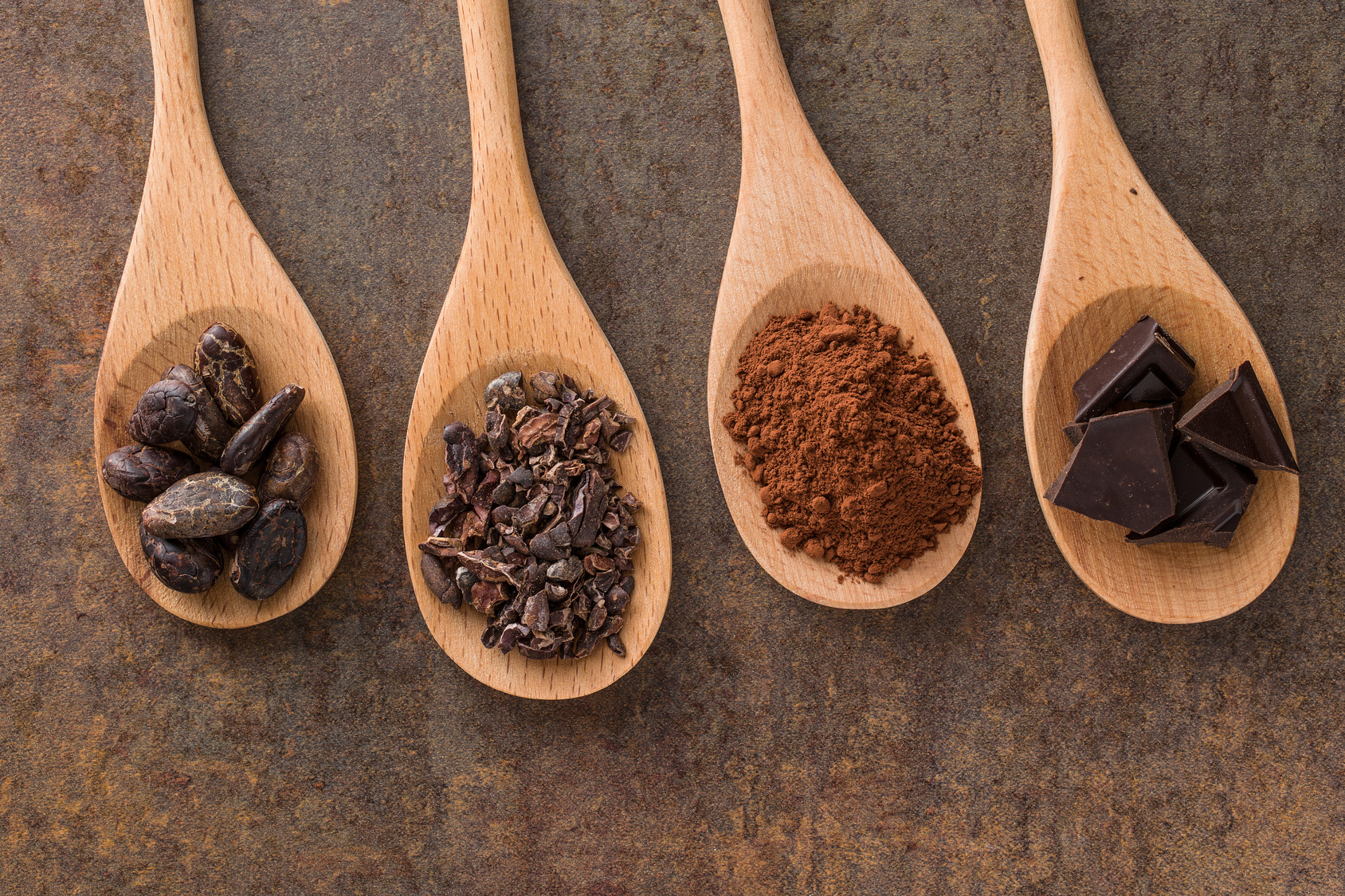
cocoa and dark chocolate in wooden spoonsAmericans buy more than 58 million pounds of chocolate around the holiday of love. Besides the delicious taste, smell and aphrodisiac effects, researchers are continually discovering more health benefits.

The use of cacao for health benefits dates back at least 3000 years. It was revered as a food, medicine and currency in Mexico, Central and South America, where it was also celebrated and incorporated into artwork, legends and sacred rituals. Now, because of extensive research, we know the main health benefits of cacao come from the flavonol epicatechin. The process of manufacturing dark chocolate retains epicatechin, whereas milk chocolate does not contain significant amounts. You can have your chocolate and eat it too, but if you want to enjoy its extensive health benefits be sure to eat high-quality dark chocolate. Or go one step further and enjoy raw cacao, which might take some getting used to for the simple reason we are used to sweetened chocolate. And if you just want the pure and simple health benefits, forego the chocolate and take raw cacao capsules. Although I definitely wouldn’t recommend giving your sweetheart a bottle of cacao capsules on Valentine’s Day. Indulge in the good-tasting stuff!

  1. Chocolate contains good-for-you antioxidants Chocolate comes from the cacao bean, which thrives in hot, rainy climates in South America, Africa and Indonesia. Similar to grapes, the local soil and climate affects the taste of the harvested beans. When you buy a chocolate bar that has the percentage number on the bar wrapper, that represents the weight that comes from the cacao bean content, according to Robert L. Wolke, author of What Einstein Told His Cook: Kitchen Science Explained. The higher the number, the lower the percentage of sugar and the more bitter and complex the flavor, he says. And the higher the number the more antioxidants.
  2. Cacao is rich in magnesium, sulfur, calcium, iron, zinc, copper, potassium and manganese, all essential minerals . . . and antioxidants that support immune health.
  3. Chocolate reduces your risk of Type 2 Diabetes Researchers discovered that the flavanols in chocolate have beneficial effects on insulin resistance, a risk factor for Type 2 diabetes. In a 30-year-long study of 953 men and women from the Maine-Syracuse Longitudinal Study (MSLS), researchers found that the individuals who never or rarely ate chocolate had a significantly higher chance of developing Type 2 diabetes after five years when compared to individuals who ate chocolate more than once a week. Habitual chocolate intake and type 2 diabetes mellitus in the Maine-Syracuse Longitudinal Study: (1975-2010): Prospective observations.
  4. Protects you from heart disease A 2012 report published in the American Journal of Clinical Nutrition found that dark chocolate has a beneficial effect on blood pressure, vascular dilation and cholesterol levels, and can play a role in reducing metabolic precursors that lead to diabetes and eventually to heart disease. However, a study published in October 2016 (John Wiley & Sons, Ltd.) found that out of 32 cocoa product samples analyzed, the cocoa flavanol dose must be about 900 mg or above to decrease blood pressure, and contain 100 mg of epicatechin. So if you want to eat chocolate for health benefits, be sure to check the ingredient label. The aim of the study was to review the effect of cocoa flavanols on cardiovascular health, with emphasis on the doses ingested, and to analyze a range of cocoa products for content of these compounds. PubMed was searched from 2010 to locate systematic reviews (SR) on clinical effects of chocolate consumption.
  5. Supports mental function In a study carried out by the University of L’Aquila in Italy, 90 elderly participants with mild cognitive impairment (MCI) drank cocoa containing high, medium or low levels of flavanoids. At the end of the eight-week study researchers found improvements in the motor response, working memory, task switching, and verbal memory in the participants who drank cocoa with a higher flavanol content. (Hypertension, Aug. 14, 2012) Alzheimer’s and dementia patients are especially fond of sweets because the taste of sweetness is the last taste to disappear.  So if your loved one has Alzheimer’s or dementia, indulge him/her in chocolate. Just remember not to overdo it and make sure to include good dental hygiene in your loved one’s daily regimen.
  6. Helps you think better after a sleepless night The next time you have a bad night’s sleep, instead of indulging in a cup of Joe drink hot chocolate. Sleep deprivation is a risk factor for cardiovascular disease, and scientists have found that flavanol-rich chocolate counteracted vascular impairment after sleep deprivation and restored working memory performance. Their theory is that the study’s participants had improved cognitive performance because of the effects of cocoa flavonoids on blood pressure and blood flow.Flavanol-rich chocolate acutely improves arterial function and working memory performance counteracting the effects of sleep deprivation in healthy individuals.
  7. Makes you feel gooood Scientists have discovered why chocolate uplifts your mood. Serotonin is the neurotransmitter responsible for keeping us happy, and cacao stops the amino acid tryptophan from breaking down. Since tryptophan is one of the amino acids that make serotonin this, in turn, limits the breakdown of serotonin. (Frontiers in Experimental Pharmacology and Drug Discovery, Dec. 2013)

On Valentine’s Day celebrate with your loved one by enjoy a steaming cup of delicious hot chocolate made with whole milk or rice or flax milk. Or indulge in a dark chocolate truffle, candy bar or chocolate ice cream. It’ll boost your spirit and your immunity. Just be careful not to overdo it because the calories can add up quickly.

As an added treat, make this yummy chocolate souffle. It’s easier than you think.

Chocolate Souffle

Ingredients

  • 1⁄3 cup sugar, plus additional for sprinkling
  • 5 ounces bittersweet chocolate chips
  • 3 large egg yolks, at room temperature
  • 6 large egg whites
  • 1⁄8 tablespoon butter

Directions

  • Preheat oven to 375°F.
  • Measure out sugar, chocolate and separate eggs.
  • Butter soufflé dish entirely and then add sugar (additional) coating the entire dish.
  • Melt chocolate in a double boiler, or directly on the stove.
  • Add yolks to chocolate (this will harden the chocolate so don’t be alarmed).
  • Beat egg whites with a pinch of salt. Slowly add sugar, a little at a time. Beat until egg whites hold stiff peaks.
  • Fold white mixture into chocolate slowly and stir until smooth.
  • Pour into large soufflé dish or 4 ramekins and run the end of your thumb around inside to remove any extra batter.
  • Bake until puffed and crusted on top but still jiggly in center, 20 to 25 minutes.
  • Serve immediately with whipped cream or ice cream.

Yay chocolate!

For more articles like this one, please subscribe to barbracohn.com : thehealthycaregiverblog.com


Loneliness vs. Aloneness: Why one is dangerous to your health

When I transferred to a university 2,000 miles from home my second semester sophomore year, I experienced loneliness for the first time. It emerged as a physical sensation in my chest and developed…

Source: Loneliness vs. Aloneness: Why one is dangerous to your health