Drumming for People with Alzheimer’s & Dementia

Group of people playing on drums - therapy by music

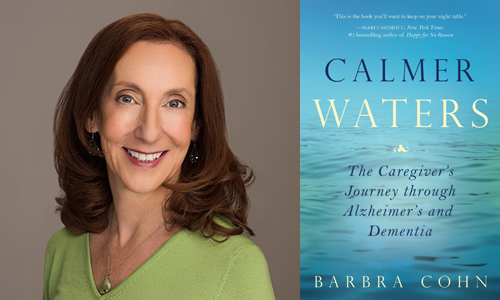
“The simple act of drumming can enable a non-verbal person with dementia to communicate–albeit temporarily—with loved ones.” For more information about the physical, mental and emotional benefits of drumming, read chapter 23 “Drumming” in “Calmer Waters: The Caregiver’s Journey Through Alzheimer’s & Dementia.” Book Reviews

Years ago, I attended a drumming circle with my husband Morris at the memory care home where he lived. The leader, John Crowder JD, trained directly with neurologist Barry Bittman, MD, and Christine Stevens, MSW, MT, BC, through the Health RhythmsTM program.

“You know, we all have a drum right here,” Crowder said, pointing to his heart. At least half of the members of the group understood exactly what he meant, as they shook their gourds to the rhythm of his drum.

But when Crowder handed out conga drums and other hand-held instruments, that’s when the fun really began. At the end of each rhythmic song, one patient would tell about his adventures in the military. And he didn’t miss a beat. More than once he broke into song, “Over hill, over dale, we would chase all kinds of tail.”

A woman talked about how her father and brother were drummers. Even though she insisted that she had never drummed, she apparently had learned by listening and watching because she was quite adept at following Crowder’s rhythms and creating rhythms for the rest of the group to follow. Throughout the forty- five minute session several people broke into song, which Crowder used to simultaneously lead the group in singing and playing. Several times he had the group mimic his rhythm. Overall, it was a calming, enjoyable experience for everyone.

Drumming for caregivers

Drumming is equally beneficial for caregivers. Dr. Bittman conducted landmark research published in Alternative Therapies in Health and Medicine, 2001, which showed that group drumming therapy releases stress and increases the disease fighting activity of white blood cells.

Another study showed that long-term care workers experienced less burnout, stress, and mood disturbances when they participated in a six-week program of recreational music-making, de ned as distinct from “regular” music making, as its purpose is the enjoyment and well-being of the participants, not an artistic or aesthetic outcome that requires talent or training.

Drumming circles are a fun and healthy way to connect with your care partner. To find a drumming circle in your location, visit the website: USA Drum Circle Finder. Or buy a couple of drums and create your own drumming experience. Visit the Drum Circles net website for information on drums, DVDs, and other information to help you get started.


My new book “Calmer Waters: The Caregiver’s Journey Through Alzheimer’s and Dementia” (Blue River Press) is now available wherever books are sold: Amazon, Barnes & Noble, Boulder Book Store, Barnes & NobleTattered Cover Book StoreIndie Bound.org, and many other fine independent bookstores, as well as public libraries.

Easy ways to calm down crazy full moon behaviors

Silhouette of full moon over family homes in typical neighborhood

The human body is 55 to 78% water (depending on sex and age) so it makes sense that the gravitational pull of the moon would affect us, right?  Many scientists point out that the biological tide theory doesn’t hold. On The Skeptics Dictionary website Robert Todd Carroll says, “Given the minute and bounded mass of fluid contained within the human body, compared to the enormous and free-flowing mass of ocean water, and given the enormous distance to the moon, the lunar pull on the human body is negligible.”

Theories about the moon’s influence on animal behavior are more widely accepted. Although the topic of whether or not the moon affects human behavior is controversial, there is plenty of anecdotal evidence and some scientific evidence indicating that it does.

I, for one, have a difficult time sleeping around the full moon. And my husband, who suffered from Alzheimer’s disease, exhibited more agitated behavior when the moon was full.

Studies have shown that the lunar cycle has an impact on fertility, menstruation, and birth rate.  Admittance to hospitals and emergency units due to cardiovascular and acute coronary events, arterial hemorrhages in the stomach and esophagus, diarrhea, and urinary retention correlate with moon phases. Other events linked to human behavior, such as traffic accidents, crimes, and suicides, seem to be influenced by the lunar cycle.

In the 1600’s Sr. William Hale, a distinguished British physician and medical biographer, wrote, “The moon has a great influence in all diseases of the brain, especially dementia.” The British Lunacy Act of 1842, which dismissed crazy behavior as being caused by the full moon, built on his theory.  In fact, as recently as 1940 a British soldier who was charged with murder pleaded “moon madness.”

Alan M. Beck of Purdue University conducted a longitudinal study to objectively examine the lunar influence on the frequency, duration, and intensity of behaviors in individuals with Alzheimer’s disease.

He examined wandering, anxiety, physical aggression, and verbal confrontation. His study concluded that individuals with Alzheimer’s disease did, in fact, exhibit significantly more erratic behaviors during periods of the full moon, and that these behaviors were of greater duration during that time. The objective analysis that a lunar influence on behavior in Alzheimer’s individuals exists validates a long-standing belief held by many healthcare providers.

If you’re a caregiver for someone with dementia, you’ve probably seen some odd behavior in your loved one around the full moon. And if you have trouble sleeping or feel restless or anxious during the full-moon, you’ve personally noticed the effects.

Here are some ways to calm the nerves and odd behaviors during the full moon or anytime.

From Calmer Waters: The Caregiver’s Journey Through Alzheimer’s & Dementia--“Aromatherapy” chapter 18 by Laraine Kyle Pounds, RN, MSN, BSN, CMT.

Aromatherapy can be a resource of comfort to you and your care partner by providing an easy, natural way to reduce stress and anxiety and uplift mood. The following oils can be used in a diffuser, or put in a bath or fragrance free moisturizer. They can also be sprayed on a pillow or handkerchief.

Citrus oils are generally refreshing and uplifting for the mind and emotions, relieve stress and anxiety, and are useful for odor management and appetite support. Consider: bergamot, grapefruit, lemon, and orange.

Floral oils are often used as a personal fragrance and are useful to relieve anxiety, depression, and irritability. These oils are useful as an inhaler, in a body lotion, and for the bath. Consider: clary sage, geranium, lavender, rose, and ylang ylang.

Tree oils are revitalizing with immune boosting properties, ease respiratory congestion, and are supportive to breathing ease. They are useful for pain relief, skin infections, and odor management, and can relieve nervous exhaustion and depression. Consider: eucalyptus (Eucalytpus citriodora or globulus), pine needle, sandalwood, or Tea Tree.

Herbal remedies

A nervine is a plant remedy that has a beneficial effect upon the nervous system.  Nervines are especially useful during times of stress because they have a strong relaxing and calming effect without producing a dulling, “hang-over” side effect.  They also tone and restore the nervous system to a more balanced state.  Some nervines are also anti-spasmodic, meaning they relax the peripheral nerves and the muscle tissue, which in turn has a relaxing effect on the whole system.

The main types of nervines are tonics, relaxants, and stimulants.

  • Nervine Tonics – are particularly helpful for strengthening the nervous system and restoring balance. In addition to having a relaxing effect, they have a vaso-dilating action on the blood vessels of the brain.  This increases oxygen availability to brain cells and helps with mental agility and mood.
  • Nervine Relaxants – are especially beneficial for short-term use, for example in treating mild depression or acute anxiety. “This group of nervines are most important in times of stress and confusion, alleviating many of the accompanying symptoms. They should always be used in a broad holistic way, not simply to tranquillize.  Too much tranquilizing, even that achieved through herbal medication, can in time deplete and weigh heavily on the whole nervous system,” says renown herbalist David Hoffman.
  • Nervine Stimulants– are used as a restorative “pick-me-up” when you need an energetic boost without that revved up feeling produced by caffeine.

Recommended nervines:

  • Passion flower- helps soothe anxiety, insomnia, tension headaches, muscle aches and spasms, pain, hyperactivity, epilepsy, and helps alleviate anger and lower blood pressure.
  • Skullcap – is antispasmodic and relaxing and is recommended to relieve headaches, mood swings, insomnia, premenstrual syndrome, and nervous tension and exhaustion.

The next time you’re feeling nervous, agitated, restless or hyped up, calm your nerves with a nervine herb or aromatherapy. If your loved one has Alzheimer’s or dementia and is on medication, please check with the physician to make sure they do not interact with the nervine herbs.  Use pure essential aromatherapy oils to lower risk of allergy.

If all else fails, you can always go outside and howl at the moon.


Studies showing we are affected by the full moon

1. More babies are born around the full moon. A study in Kyoto, Japan looked at 1007 natural births and found there was significant increase in births when the moon was closest to the earth. Results of this study suggest that the gravitational pull of the Moon has an  influence on the frequency of births.

2. Do you have trouble sleeping around the full moon? Sleep researcher Christian Cajochen at the Psychiatric Hospital of the University of Basel in Switzerland conducted a four-year lab study to see if he could show that it is physiologically true that many people have difficulty sleeping during the full moon.  His researchers monitored the brain activity, eye movements and hormone secretions of 33 volunteers in the lab while the participants slept. All the participants were healthy, good sleepers, and did not take any drugs or medication.Unexpectedly, the scientists found “the lunar cycle seems to influence human sleep, even when one does not see the moon and is not aware of the actual moon phase,” Cajochen said. After reviewing their data, the scientists found during the time of the full moon, brain activity related to deep sleep dropped by 30 percent. People also took five minutes longer on average to fall asleep, and they slept for 20 minutes less overall on full-moon nights. The volunteers felt as though their sleep was poorer when the moon was full, and they showed diminished levels of melatonin, a hormone known to regulate sleep and wake cycles. “It took me more than four years until I decided to publish the results, because I did not believe it myself,” Cajochen told LiveScience. “I was really skeptical about the finding, and I would love to see a replication.”


Barbra Cohn cared for her husband Morris for 10 years. He passed away from younger-onset Alzheimer’s disease in 2010. Afterward, she was compelled to write “Calmer Waters: The Caregiver’s Journey Through Alzheimer’s & Dementia” in order to help other caregivers feel healthier and happier, have more energy, sleep better, feel more confident, deal with feelings of guilt and grief, and to ultimately experience inner peace. “Calmer Waters” is available at AmazonBarnes & NobleBoulder Book StoreTattered Cover Book Store,  Indie Bound.org, and many other fine independent bookstores, as well as public libraries.

A popular prostate cancer treatment puts men at risk for Alzheimer’s & dementia

Man thinking.

I know several men with prostate cancer. In fact, one of them is on his death-bed. But don’t worry. It’s a slow-growing cancer, and it’s possible to live with it for a long time. It’s also possible to avoid. (see below) But first, here are some things you should know

The American Cancer Society predicts that 220,800 new cases of prostate cancer would be diagnosed in 2015. An estimated 27,640 men will die of it. African-American men are more likely to get prostate cancer and have the highest death rate. Other than skin cancer, prostate cancer is the most common cancer in American men. In other parts of the world — notably Asia, Africa, and Latin America — prostate cancer is rare.

If you are a man over 50 years old and don’t already suffer from prostate problems, the odds are 2 to 1 that you will before you turn 59.

Almost all men experience the symptoms of prostate enlargement and some form of prostate-induced discomfort during their lifetime, and especially after the age 50. These include frequent and urgent urination, urination through the night, a weak stream or one that is difficult to start or stop, and reduced sexual libido. The symptoms typically appear with the beginnings of hair loss and eventual baldness. The cause is an imbalance of sex hormones.

The connection between dementia and ADT therapy

A new study at the Perelman School of Medicine at the University of Pennsylvania found there is a connection between androgen deprivation therapy (ADT) — a testosterone-lowering therapy for prostate cancer– and dementia.

Their previous studies have shown men who undergo ADT may be at an increased risk of dementia, including Alzheimer’s disease, compared to men who were not treated with the therapy. This new analysis — the largest of its kind ever performed on this topic — shows that all existing studies taken together support the link to dementia and show a possible link to Alzheimer’s.

This is not good news. The common side effects of ADT are hot flashes and enlarged breasts, which are definitely annoying but symptoms you can live with. Dementia and Alzheimer’s are another story.

Other treatments for prostate cancer include surgery, radiation, and brachytherapy, a type of internal radiation that plants radioactive “seeds” in the prostate. But these treatments also carry risk of side effects including urine leakage, poor sexual function, and bowel problems. It’s important to speak with your doctor to determine which treatment is best for you and what side effects you are willing to live with.

Prevention is the key

  • b-Sitosterol is one of a group of phytosterols that promote prostrate and male uro-genital health. b-sitosterol and other phytosterols support male urinary and prostate health by inhibiting the uptake of cholesterol into the blood. This redirects the conversion of cholesterol into the steroids from which the sex hormones are made. As hundreds of scientific studies have demonstrated, the cells of the prostate respond to these rejuvenated hormones and de-proliferate, reducing the size of the prostate and the symptoms
  • Boron is found in red wine, raisins, peanuts, apples, pears, peaches, oranges, grapes, lima beans, and peanut butter. Studies have shown that men with the highest boron intake were 65 percent less likely to develop prostate cancer than men with the lower boron intake. Researcher found that boron’s cancer-fighting effects seem to be specific for prostate cancer, so make sure you eat your daily dose of apples and oranges.
  • If you like tomato sauce, you’re in luck. Lycopene is a powerful antioxidant found in red fruits and vegetables, especially tomatoes, watermelon, red grapefruit, and guava. Researchers have linked the frequent use of lycopene from tomatoes to a lower risk of prostate and other cancers. Interestingly, Lycopene is best assimilated and absorbed after eating tomatoes cooked in olive oil.
  • Selenium intake has been directly associated with lower risk of prostate cancer. In a Harvard School of Public Health study, men who received at least 200 micrograms of selenium in a daily nutritional supplement were one-third less likely to get prostate cancer than the men who received a placebo. Selenium is found in tuna, brazil nuts, and sunflower seeds.
  • Zinc is important for a healthy prostate gland. Since the prostate gland requires 10 times more zinc than any other gland or organ in the body, researchers believe that a zinc deficiency might contribute to BPH. Foods that are high in zinc: pumpkin seeds, oysters, beef, lamb, toasted wheat germ, spinach, squash seeds, nuts, dark chocolate, pork, chicken, beans, and mushrooms. Play it safe and take a zinc nutritional supplement. Make sure it contains some copper, which optimizes absorption.

What does the prostate gland do?

The prostate is the size and shape of a walnut and is located under the bladder and directly in front of the rectum. It secretes a thick, whitish fluid that provides about half the fluid in semen, and helps transport sperm.

What causes prostate problems?

After about age 40, the prostate begins to grow in just about every male because DHT (dihydrotestosterone), a potent form of the male hormone testosterone, isn’t excreted efficiently. DHT then accumulates in the prostate, causing prostate cells to rapidly reproduce. Sometimes the enlargement is a sign of cancer. But usually the result is a condition called benign prostatic hyperplasia. Most doctors refer to enlarged prostate simply as BPH.

As BPH develops, the prostate may press against the neck of the bladder or urethra, squeezing the pipe shut, like stepping on a garden hose. This pressure can make it difficult to urinate and may result in a variety of symptoms:

  • Urgency—the need to go immediately
  • During urination, there is a thin stream of urine that stops and starts instead of a full, steady stream
  • Hesitancy or difficulty starting urine flow
  • Dribbling after urinating
  • Nocturia — having to get up frequently at night to urinate
  • Increased frequency of urination
  • Increased risk of infection if the bladder does not empty entirely and urine is retained

Unlike BPH, prostate cancer may not give symptoms in its early, curable stage. This is why every year start in your 40s it’s important to get a PSA (Prostate Specific Antigen) test, in which the blood is analyzed for evidence of cancer.


Barbra Cohn cared for her husband Morris for 10 years. He passed away from younger-onset Alzheimer’s disease in 2010. Afterward, she was compelled to write “Calmer Waters: The Caregiver’s Journey Through Alzheimer’s & Dementia” in order to help other caregivers feel healthier and happier, have more energy, sleep better, feel more confident, deal with feelings of guilt and grief, and to ultimately experience inner peace. “Calmer Waters” is available at Amazon, Barnes & Noble, Boulder Book Store, Tattered Cover Book Store, Indie Bound.org, and many other fine independent bookstores, as well as public libraries.


20 Ways to give your body the nutrition it deserves

Health food fitness. Food sources of omega 3 on dark background top view. Foods high in fatty acids including vegetables, seafood, nut and seedsIt’s National Nutrition Month and a perfect time to think about ways to increase your nutritional intake. By now most folks have forgotten about their New Year’s resolutions to lose weight, eat healthier, become a vegetarian, reduce sugar intake, etc. It doesn’t matter. New Year’s resolutions are made to be broken.

This is a good time to develop a new plan that makes sense. Whether you want to support your brain health, relieve stress and anxiety about caregiving responsibilities, or just want to rev up your energy, stamina and immunity, here are some ways to protect your health and support your mood.

  1. Did you know that 70% of your immune system lies in your gut? Probiotics are live bacterial microorganisms that populate the human gastrointestinal tract. They combat the daily bombardment of toxins and pathogens (bacteria, fungus, parasites, and viruses) that enter our digestive system every day through contaminated food and other toxins. Recent studies show that the bacteria in your gut can also affect your mental health, mood and stress levels. Fermented foods such as kombucha, Greek yogurt, kefir, sauerkraut, miso, cottage cheese are probiotics. Probiotic bacteria colonize the digestive tract with good bacteria. Prebiotics are the food and nutrients that feed probiotics. Prebiotic fiber is found in fruits and vegetables such as artichokes, jicama, wild yams, onions and garlic, asparagus, beans, oats, chicory root and Jerusalem artichokes. Prebiotics support mineral absorption, vitamin utilization, and healthy blood sugar levels. Your gut needs both pro- and prebiotics in order to stay healthy and keep you healthy.
  2. The brain is very sensitive to the food we eat. A new study published in The New England Journal of Medicine (Aug. 8, 2016) evaluated 242 participants, measuring fasting blood sugar and neuro-cognitive functioning. Those with elevated blood sugar, including people who did not have diabetes, had a dramatic increase of developing dementia. Just remember that what is good for your heart is good for your brain. So try eating a Mediterranean based diet of olive oil, fish, and lots of fruits and vegetables, whole grains, beans, and nuts and seeds, with less meat, cheese and sweets.
  3. Drink plenty of water to keep your body hydrated and to flush out toxins. Your brain is 70% water when fully hydrated, and it gets dehydrated just like your body. When it is dehydrated neurotransmission—which is heavily dependent on water—is impaired, resulting in poor memory, concentration and impaired abstract thinking. The next time your mind is muddled, drink a tall glass of water and notice the difference.
  4. Take a complete B-vitamin supplement to make sure you are getting a balanced amount of B vitamins. Vitamin B complex optimizes cognitive activity and brain function, has a positive effect on memory, learning capacity and attention span, and supports a healthy nervous system and a stable mood. Vitamins B6 and B12, in particular, play a role in the synthesis of serotonin, the neurotransmitter linked to improving memory, lifting mood and regulating sleep.
  5. Berries are berry good for your health. Blueberries, strawberries, raspberries, cherries, cranberries, as well as some others you may never have heard of, contain unique phytochemicals that may help prevent cancer, heart disease, age-related brain declines, and much more. Blueberries score highest on the Oxygen Radical Absorbance Capacity (ORAC) test—a measurement that rates the total antioxidant score of foods, and many berries, such as raspberries, blackberries, cranberries, and strawberries contain ellagic acid, which preliminary research suggests may help to prevent certain types of cancer. Summer is almost here, so enjoy your berries. They are good for you!
  6. Eat more healthy fats and skip the hydrogenated and trans fats found in doughnuts, potato chips and other pastries and desserts.  Omega-3 fatty acids are rich in DHA, the major unsaturated fat in the brain. This long-chain fatty acid provides the necessary fluid quality to the membranes of the nerve cells so that electrical nerve impulses can flow easily along the circuits of the brain. One study found that Alzheimer’s patients given an omega-3-rich supplement experienced a significant improvement in their quality of life. Eating fish such as wild-caught salmon, sardines and other cold-water fish can protect you against Alzheimer’s disease and other forms of dementia. Numerous studies have shown that elderly people who did not have dementia had high blood levels of docosahexaenoic acid (DHA), an essential fatty acid found in cold-water fish, in comparison to those with dementia, who had on average 30% to 40% lower blood levels of DHA. Ways to increase your DHA intake: eat cold-water fish such as wild-caught salmon, sardines and mackerel, at least twice a week. Add flax meal to cereal and baked goods, sprinkle flax oil on your salad, eat a small handful of walnuts at least several times a week.
  7. Eat breakfast! It is the meal that you break your fast with. During the night our blood sugar levels drop, so it’s especially important to eat within one hour of arising and by 10am. Eating breakfast restores healthy blood sugar levels, but make sure your breakfast isn’t coffee and a doughnut. Have some protein and a healthy fat such as an omelet and avocado and a piece of whole grain or gluten-free toast. It’ll provide you with the energy you need to get through the morning while maintaining a sense of equilibrium. My favorite cool weather breakfast is eggs (any way you like them), a side of beans such as black or pinto, and a pile of sautéed greens. When the weather is hot, I prefer home-made granola made with oats, a bit of coconut oil and maple syrup, coconut flakes, and lots of nuts including almonds, walnuts, cashews, and pumpkin seeds. Add chia seeds, flax meal, yogurt and fresh berries and you’ve got a breakfast for champions.
  8. Avoid commercially processed meats and favor grass-fed meats, free-range chickens and eggs fed an organic, non-GMO diet. And limit your meat consumption to no more than twice a week.
  9. Eat like a rabbit to reduce your risk of stroke, dementia, macular degeneration, and other chronic illness. Veggies are low in calories and high in fiber. Fruits are also high in fiber and like veggies, contain numerous vitamins and minerals. Just like people, fruits and vegetables come in a variety of shapes, sizes and colors. And it’s the colors that identify many of the bioactive substances called phytonutrients that give us antioxidant protection and other special health benefits. The scientific community has produced a large body of research showing the potential of these super nutrients. Compared with people who eat few fruits and vegetables, populations that consume a large variety and generous amounts of plant foods enjoy longevity and reduced risk of disease. For example, the people of Okinawa have a long life expectancy, numerous centenarians, and a low-risk of age-associated diseases. Their diet is low in calories, fat, sugar, salt, and meat and dairy products. Instead, Okinawans eat fish, tofu, whole grains, and lots of fruit, dark green leafy vegetables, onions, green peppers, sea vegetables and sweet potatoes—which are all dense in phytonutrients and antioxidants. These islanders are known for a low-stress, carefree and relaxed attitude. Their rates of stroke, dementia, cancer and heart disease are also the lowest in the world. For every 100,000 people in Okinawa, 30 have passed their 100th birthday, one of the highest rates in the world.
  10. A cup of Joe will do you good . . . just don’t overdo it and don’t add lots of cream and sugar. Researchers from the University of Scranton found that coffee is the number one source of antioxidants in the U.S. diet. Coffee has been shown to improve mental acuity. In fact, a study published in the Journal of Alzheimer’s Disease (2012) found that people older than 65 who had higher blood levels of caffeine developed Alzheimer’s disease two to four years later than people with lower caffeine levels. The study included 124 people who had mild cognitive impairment (MCI). Typically, 15% of people with MCI will go on to develop full-blown Alzheimer’s disease each year. The study participants who had less than 1,200 ng/ml of caffeine levels in their blood developed Alzheimer’s disease. This is equivalent to drinking several cups of coffee a few hours before their blood was taken. The people whose memory loss did not progress to full-blown Alzheimer’s disease had higher levels of caffeine in their blood. Coffee appeared to be the only source of caffeine for the participants in the study. Some big caveats: if you have high blood pressure limit your coffee intake to 2 cups a day, and avoid drinking it before exercise or physical labor which both naturally raise blood pressure. Coffee acts as a diuretic, depleting the body of necessary fluids, so make sure you drink a glass of water for every cup of coffee you drink. Coffee can raise homocysteine levels, an indicator and risk factor for cardiovascular disease. It can also cause headaches, fatigue, depression, anxiety and drowsiness if a coffee drinker forgoes his or her usual daily dose of caffeine. So be smart and listen to your body.
  11. Drink green tea if you don’t like coffee or are unable to drink it. Scientists have found evidence that green tea extract can help fight everything from glaucoma to prostate cancer and leukemia. Now a research team composed of chemists, biochemists and biophysicists at the University of Michigan has found a new potential benefit of green tea extract: preventing the clumping of proteins associated amyloids in the brain, which is associated with Alzheimer’s disease and other neurodegenerative conditions. The study found that the specific molecule in green tea, ( — )-epigallocatechin-3-gallate, also known as EGCG, prevented aggregate formation and broke down existing aggregate structures in the proteins that contained the metals copper, iron and zinc. At Tohoku University Graduate School of Medicine, researchers tracked the green tea consumption of nearly 14,000 people over age 65 for three years. The participants’ quality of life (measured in day-to-day activities such as getting dressed, walking the dog, and performing household chores) was examined in relation to how much green tea they drank. The authors found that the more green tea participants consumed, the longer they were able to ward off the difficulties associated with old age. The people who drank at least five cups a day were one-third less likely to develop disabilities than those who had less than a cup per day. Those people who averaged three or four cups a day had a 25 percent lower risk. Just remember that while green tea and its extracts are considered safe in small amounts, they do contain caffeine and small amounts of vitamin K, which means it could interfere with drugs that prevent blood clotting. So the next time you feel the need for a cup of coffee or black tea, consider drinking a cup of green tea instead. It just might help you maintain clarity of mind, healthy bones, and cardiovascular health well into your senior years.
  12. Herbs or adaptogens can be helpful for increasing energy without stimulation. An adaptogen is a natural substance—usually an herb—that helps the body adapt to stress by producing a calming effect on the whole physiology, and stress is often blamed with being the root cause of many illnesses and diseases. Phytosterols, the plant compounds in the herbs ashwaghanda, gotu kola, passion flower, schizandra, skullcap, rhodiola, and cordyceps have been scientifically shown to support the adrenal glands and healthy blood chemistry, and enhance the body’s ability to resist the ravages of stress. Valerian, Siberian ginseng, kava kava, oat straw, and hops also help reduce stress. These herbs can be taken as a tea or in the form of a nutritional supplement. Culinary herbs also have numerous health benefits. Turmeric, the spice used in Indian cooking, has dozens of studies backing up its ability to reduce inflammation, another major cause of chronic disease, and risk of Alzheimer’s disease. Cinnamon helps to stabilize blood sugar levels, which is vital to healthy aging. Oregano contains antioxidants that offer antibacterial protection. Garlic has been called the natural antibiotic, and ginger root has been used for thousands of years for its anti-inflammatory and anti-microbial effects. The list goes on and on.
  13. Magnesium is the fourth most abundant mineral in your body—which means it is absolutely essential to your healthy blood pressure, cardiovascular health, bone and overall health. In fact, you cannot live without it! Magnesium is involved in more than 300 biochemical reactions, particularly as a catalyst for food metabolism and the release of energy. Yet, only about 25% of Americans meet the Recommended Dietary Allowance (RDA) of 400 mg per day for magnesium. Good sources of magnesium include: dark green, leafy vegetables such as spinach, Swiss chard and kale dark green, legumes, peas and beans (especially soybeans), seeds and nuts (especially almonds, cashews and pumpkin seeds) whole, unrefined grains, including oatmeal and bran, and halibut
  14. Go nuts on Brazil nuts. They are rich in selenium, a potent antioxidant which is concentrated in the thyroid gland. They also contain copper, which helps to support a healthy thyroid. Regardless of whether you have thyroid issues, selenium is a good all-round antioxidant. According to the Institute of Medicine, the tolerable upper intake level (UL) (i.e., the highest level of intake that is known to avoid toxicity) for selenium is 400μcg per day. On average, Brazil nuts have 544 mcg selenium per ounce, but studies indicate that the selenium content may vary widely depending on country of origin, cultivation methods, etc. With that in mind, a good starting point for most folks would be to consume 2 – 3 Brazil nuts per day.
  15. Eat more tomatoes. Recent epidemiological studies have suggested that eating tomatoes and tomato-based food products can reduce the risk of prostate cancer and macular degeneration.  This protective effect has been attributed to carotenoids, which are one of the major classes of phytochemicals in this fruit. The most abundant carotenoid in tomato is lycopene. Cooking tomatoes in olive oil helps you digest and assimilate the lycopene so if you like tomato sauce on your pasta, go for it. Just make sure you are eating a healthy pasta product–think whole grain, quinoa, etc.
  16. Include flax oil, flax meal or flax oil in your diet. They are the best source of lignans. Lignans are compounds that form the building blocks of plant cell walls. They contain phytoestrogens that help regulate the body’s estrogen production. When we eat plant foods the lignan compounds are converted in our intestines by good bacteria to produce a form that the body can assimilate. Enterolactone—the primary lignan metabolite (a substance produced by metabolism) that circulates in our blood—produces weak estrogenic activity. Dozens of reports have revealed that high levels of enterolactone in our blood help to reduce risk of breast, prostate and colon cancers, and cardiovascular disease. Studies have also shown that high levels of lignans can support healthy weight and glucose metabolism, reducing the risk of insulin sensitivity, metabolic syndrome and diabetes. Most plant foods contain small amounts of lignans, but flax seeds are by far the best source. Other good sources include high fiber foods such as whole grains (wheat, barley), sesame seeds, sunflower seeds, cashews, kale, broccoli, carrots, legumes, garlic, asparagus and berries.
  17. Lutein and zeaxanthin reduce eye health risks. What are they? They are antioxidants in the carotenoid family—a group of naturally occurring, fat-soluble pigments found in plants—that play a key role in our the health of our eyes.  Carotenoids are the red, orange and yellow plant pigments that give fruits and vegetables their vivid colors.  All fruits and vegetables contain varying concentrations of carotenoids.  But their colors are often covered up by green chlorophyll contained in the plant. Lutein is found in spinach, kale, collard greens, romaine lettuce, leeks, peas, egg yolks, tomatoes, carrots, marigold flowers, and fruits. Zeaxanthin is found in corn, kale, mustard greens, spinach, egg yolk, orange peppers, collard greens, lycii berry fruit, green algae spirulina and other types of commercially produced algae. Lutein and zeaxanthin accumulate in the macula, the prominent, bright yellow spot in the center of the retina that allows you to clearly distinguish fine detail. And studies are showing that people with macular degeneration—the slow deterioration of the cells in the macula, which affects your central vision, the vision you use for reading, writing, driving and identifying faces—have low concentrations of these two pigments in the macula. So make sure you are eating plenty of the above mentioned fruits and veggies.
  18. Chromium is a first class blood sugar and insulin regulator. Yet, nine out of 10 American diets fall short of this trace mineral, which is essential for the transfer of sugar from the bloodstream to muscle cells, giving them the fuel they need to work.  Chromium is also involved in maintaining cholesterol and triglyceride levels, and supporting healthy muscles.  Chromium levels decrease with age and are often low due to poor diet. Eat more foods that are naturally high in chromium: broccoli, barley, oats, green beans, tomatoes, Romaine lettuce, black pepper, Brewer’s yeast.
  19. Coenzyme Q10, or CoQ10, is a vitamin-like compound and an important antioxidant. It exists in every cell of your body and you could not survive without it. CoQ10 is essential in the body’s production of adenosine triphosphate (ATP), which produces energy within the cells and is the basis for normal functioning of all body systems and organs. If you think of the body’s cells as little engines that use oxygen to burn the organic fuels that come from food, you may think of CoQ10 as the part of the engine that provides the spark for this process. No other substance will substitute for CoQ10. Without it there is no spark and therefore no production of energy for the cell. And without energy there is no life! As we age, it becomes more and more difficult for the body to produce enough CoQ10. An 80-year-old person has about half the CoQ10 levels of a 20-year-old.  Body levels of CoQ10 are also influenced by stress, cold, illness, high blood pressure, hormone concentrations, physical activity and prescription drugs, which can deplete CoQ10 levels. Scientists estimate that once levels drop below the 25% deficient level, a variety of health problems can take hold. But your cells’ energy and efficiency can be restored with supplementation and/or by eating eggs, dairy products, meat, and poultry, fatty fish, nuts and seeds, broccoli, cauliflower, and some fruits and vegetables.
  20. Are you getting enough vitamin D? Most people, especially the elderly, are vitamin D deficient.  Researchers have found a correlation between vitamin D deficiency and low mood, depression and worse cognitive performance in older adults. In a recent study, 1618 patients who averaged 73.8 years old were tested for vitamin D deficiency. Those with severe vitamin D deficiency were twice as likely to suffer from depression. Vitamin D is most commonly known for helping the digestive system absorb calcium and phosphorus. In that way it helps the body build and maintain healthy bones. But it does much more. Adequate vitamin D is believed to play a role in the reduction of falls, as well as supporting cardiovascular health, a strong immune system and cognitive function. Also, scientists theorize that one of the reasons that influenza occurs in the wintertime is that we do not manufacture enough vitamin D, and the resulting vitamin D deficiency might promote our susceptibility to the flu virus. Which foods contain vitamin D? Fatty fish such as salmon, trout, tuna and sardines, milk, and fortified cereals provide more than 100 IU per serving. And mushroom is the only food in the produce section that has vitamin D. But you’d have to eat an awful lot of these foods to get the recommended daily dose of vitamin D, which is 2400 IU, according to a study published in the Journal of Nutrition. For instance, you would have to eat at least five servings of salmon a day or drink 20 cups of fortified milk. Play it safe and take a vitamin D dietary supplement. According to a study published in the Journal of Nutrition (March 9, 2009) adults need at least four times the current recommended dose of 600 IU of vitamin D. In 2008 The American Academy of Pediatrics (AAP) doubled its recommended minimum intake for infants, children and teens from 200 IU to 400 IU per day.

Be well, be heathy, and please subscribe to my blog for more articles filled with information on how you can support your health and the health of your loved ones.


image

Barbra Cohn cared for her husband Morris for 10 years. He passed away from younger-onset Alzheimer’s disease in 2010. Afterward, she was compelled to write “Calmer Waters: The Caregiver’s Journey Through Alzheimer’s & Dementia”—Winner of the 2018 Book Excellence Award in Self-Help—in order to help other caregivers feel healthier and happier, have more energy, sleep better, feel more confident, deal with feelings of guilt and grief, and to ultimately experience inner peace. “Calmer Waters” is available at AmazonBarnes & NobleBoulder Book StoreTattered Cover Book Store,  Indie Bound.org, and many other fine independent bookstores, as well as public libraries.

16 Stress-busters to nourish your body, mind and soul

Girl can't sleep

Susan, a recent divorcee, is the 48-year-old mother of two college students. She works full-time as a legal secretary and after work she helps her mother, who is in the early stages of Alzheimer’s disease. On weekends Susan catches up on her errands and shops for her mom.  During the week she falls into bed exhausted at 9 p.m. . . . if her mom doesn’t require extra help. But Susan can’t sleep. She’s too worried about everything she has to do, and she is worried about her mom. Susan develops an ulcer and is diagnosed with hypertension. Unfortunately, Susan is a composite of the more than 16 million caregivers in the United States who spend 18 billion hours of unpaid time each year caring for a loved one with dementia.

Every day, one million Americans are absent from work because of stress-related disorders. Experts agree that stress is a factor in most diseases, and a major factor in disorders such as anxiety, insomnia, depression, ulcers, rheumatoid arthritis, headache, hypoglycemia, asthma, herpes, hypertension and heart disease.

Yet, stress is a fact of life. Even a positive experience like a new job, marriage or house can be a stress-provoking event—because stress is defined as a reaction to any stimulus that upsets our normal functioning. The bad news is we all have to face stress. The good news is, it’s easier than ever to neutralize stress before it takes its toll. The key is to maintain a balance, both mentally and physically, so stress doesn’t upset your equilibrium.

The Chemistry of Stress

First, let’s look at what happens to your body as a result of stress.

Once upon a time, stress was episodic. For instance, if a tiger approached you, your body released stress hormones to help you fight or flee. By the time the encounter was over, the entire stress response had been fully utilized and the body returned to normal.

The Fight-or-Flight Response looks something like this:

  • Pupils dilate to sharpen vision.
  • Heart rate and blood pressure increase to accelerate the delivery of oxygen to fuel the muscles and critical organs.
  • Blood flow is diverted from non-critical areas such as the gastrointestinal tract to the critical areas such as the heart, skeletal muscles and liver.
  • Liver releases glucose and fatty acids into the bloodstream. Glucose is for immediate energy; fat is needed when the fight-or-flight response lasts longer than expected.
  • Bronchial tubes dilate to maximize the exchange of oxygen and carbon dioxide.

Today, however, you may be sitting at a desk or driving your car when the stress mechanism is triggered. The modern response is not to fight or flee, but to gnash your teeth, grip the steering wheel, scream, yell or “stuff it.” Our bodies are in a constant state of “emergency alert,’ and the results can be devastating:

  • Blood pressure rises. Depending on how many stressful situations you encounter, it may stay elevated, damaging the sensitive tubules of your kidneys. Ultimately, kidney function is compromised, which raises your blood pressure even more, which contributes to further kidney damage, which raises blood pressure…
  • Glucose that is dumped into your bloodstream goes unused, so your body has to produce an enormous amount of insulin to handle it. Eventually, this may result in hypoglycemia or diabetes.
  • Fat that is dumped into your blood also goes unused, so it clogs your arteries, leading to cardiovascular disease.
  • If you drink caffeine, the stress hormone cortisol becomes elevated, which can set you up for countless health problems including: poor quality of sleep, impaired immunity and age-related deterioration.
  • The adrenal glands produce or contribute to the production of about 150 hormones—all vital to your health. When they are stressed, they become exhausted. Once the adrenal buffer is gone, you become a prime candidate for asthma, allergy, fibromyalgia, chronic fatigue syndrome and other autoimmune disorders.

Devise a Plan that Works for You

So, how do your live in the 21st century and not let stress affect your health?

First of all, you need a plan to help you deal with tough issues, so you can think more clearly and act from a calm, centered position. That plan should include a good diet, and excellent nutritional support with nutrients that enhance relaxation. Establish a daily routine that includes plenty of quality sleep, exercise and a stress-reducing or relaxation technique. Just keep in mind that even though it’s impossible not to have some stress in your life, you can strengthen and nourish yourself on a daily basis, so that you’re better prepared to deal with the next challenge life has to offer.

16 Stress-busters to nourish your body, mind and soul

Daytime

1) Get proper nutritional support to help stop free radical damage, and eat a balanced diet.

2) Exercise! It lowers stress hormones and gives you more energy. Choose an activity that you enjoy and is appropriate for your age and condition. And do it regularly!

3) Learn a relaxation technique such as meditation or yoga. Research has shown they both lower blood pressure, relieve anxiety, enhance overall health, accelerate weight loss, improve sleep and increase blood levels of DHEA. It also restores your sense of clarity and purpose.

4) Laughter is real medicine. It’s a tension tamer and your body produces endorphins (“feel good”chemicals) when you laugh. Rent a funny movie or play charades.

5) Learn to “let go.” Next time you’re in a traffic jam, instead of getting worked up about something you have no control over, use the time to visualize something you want to happen … or listen to a new book-on-tape.

6) Avoid stimulants such as tobacco, caffeine, sugar or coping-solutions that involve alcohol or drugs. Using a chemical means of reducing your stress leads to addiction and increases your problems.

7) Get outside! A little sunlight every day will enhance your body’s natural rhythms and provide you with vitamin D.

8) Take regular breaks at work. Get up and stretch, roll your neck and make sure you drink at least 8-10 glasses of water a day.


Nighttime

9) Wind down earlier in the evening. It’s difficult to fall asleep after working late or watching a suspenseful movie. Relax instead with an inspirational book, soft music and a cup of herbal tea or warm milk.

10) A warm bath helps increase circulation to the skin and relax the muscles. Add a few drops of pine needle essence, oil of eucalyptus, mustard powder or lavender oil for a soothing effect.

11) Take five minutes at the end of each day to prepare for the next. Don’t make long lists. Rather, prioritize. It will help you feel more in control.

12) Go to bed earlier. Research shows that the hours of sleep before 2 a.m. are more rejuvenating than the hours after 2 a.m. Sleeping from 10 p.m. to 5 a.m. will do you more good than sleeping from midnight to 7 a.m.

13) Don’t eat right before bed. Your digestive system won’t get the break it needs, and you won’t feel completely rested in the morning.

14) Cut back on caffeine. If you do consume caffeine, be moderate and try not to consume any after 2pm.

16) Put a sachet filled with lavender flowers under your pillow for sweet dreams.


The 10 best ways to observe National Alzheimer’s Awareness Month

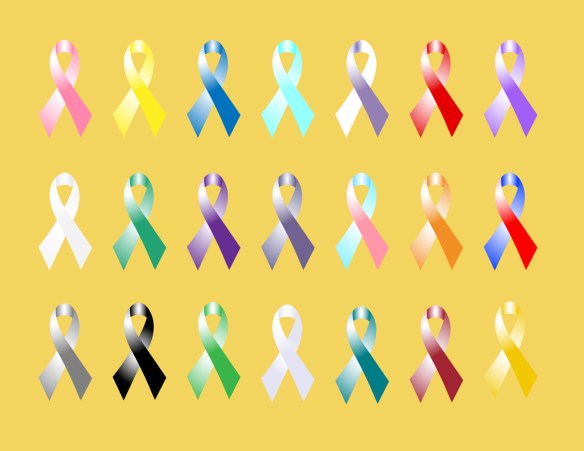
Ribbons of awarenessIt’s November, which means it’s time to enjoy your Thanksgiving with family and friends.

  1. It’s also time to do your brain a favor and take advantage of the free cognitive exam as part of Medicare’s Yearly Wellness Exam.

Despite clear signs that their memory and thinking abilities have gone downhill, researchers have found that more than half of seniors with these symptoms haven’t seen a doctor about them. University of Michigan researchers and their colleagues say their findings suggest that as many as 1.8 million Americans over the age of 70 with dementia are not evaluated for cognitive symptoms by a medical provider, which in some patients can lead to a failure to uncover modifiable causes of thinking or memory impairment.

The study, published in Neurology, the medical journal of the American Academy of Neurology, documents a clear lack of clinical testing for seniors with signs of cognitive problems.“Early evaluation and identification of people with dementia may help them receive care earlier,” says study author Vikas Kotagal, M.D., M.S., who sees patients at the University of Michigan Health System and is an assistant professor in the U-M Medical School’s Department of Neurology. “It can help families make plans for care, help with day-to-day tasks including observed medication administration, and watch for future problems that can occur. In some instances, these interventions could substantially improve the person’s quality of life.”

For instance, knowing that a stroke or vascular issues in the brain caused dementia means patients can work to control risk factors like blood pressure that might otherwise cause it to keep worsening. If your physician suspects Alzheimer’s disease, there are drugs that can help delay the onset of full-blown dementia, and the possibility of placement in a memory care facility, which can help offset the catastrophic cost of the disease.

If you’ve had Part B for longer than 12 months, you can get the free Medicare Annual Wellness Exam to develop or update a personalized plan to prevent disease and disability based on your current health and risk factors. The exam includes:
• A review of your medical and family history
• Developing or updating a list of current providers and prescriptions
• Height, weight, blood pressure, and other routine measurements
 Detection of any cognitive impairment
• Personalized health advice
• A list of risk factors and treatment options for you
• A screening schedule (like a checklist) for appropriate preventive services. Get details about coverage for screenings, shots, and other preventive services.
This visit is covered once every 12 months (11 full months must have passed since the last visit).

2. Combat stress by playing relaxing music, dancing, using an aromatherapy diffuser, taking an Epsom salt bath, turning off electronics at least an hour before bed, etc. Health professionals agree that stress can lead to chronic illness. And in the case of caregiving, it can actually take years off your life.

3. Become a savvy caregiver. The Alzheimer’s Association has chapters throughout the U.S. and offer free classes ranging from how to make financial plans to learning about the latest research in dementia care. Check out their  Education and Resource Center.

4. Maintain healthy weight. Women with a thick waistline are at increased risk for dementia. As if you don’t have enough to worry about. A 32-year-long study by Swedish researchers, which was recently published in the scientific journal Neurology, found that women who gain weight around their middle and live to at least 70 years old are at twice the risk for developing dementia.

Medical research has already established a link between fat around your middle and a higher risk of dying prematurely from heart attack or stroke. But this new research provides even more incentive for reducing calories obtained from refined carbohydrates such as breads, pastries, cookies, candy, ice cream and pasta.

The research included almost 1,500 women between the ages of 38 and 60 and was started at the end of the 1960s. Thirty-two years later a follow-up found that 161 women with the average age of 75, had developed dementia. This study shows that women who had a pear-shape figure, broader around the waist than hips, had more than twice the risk of developing dementia when they got old.

What is Metabolic Syndrome?

Also called Syndrome X, it’s caused by a diet filled with refined carbohydrates. The cycle goes like this: you eat a bagel with some orange juice and coffee for breakfast. Have an apple mid-morning. A salad with a piece of French bread for lunch. A handful of M & Ms mid-afternoon, pasta and salad for dinner, and some popcorn later while you’re watching TV. Doesn’t sound too terrible. But the thing is, these foods are mostly simple carbohydrates, which means your digestive system converts them into glucose, which causes your blood sugar to rise quickly. Your pancreas responds by pumping out insulin to convert the glucose into quick energy.

The problem is, the more carbohydrates you eat, the more your body pumps out insulin to deal with all the extra blood sugar. Eventually your body becomes overwhelmed by the amount of insulin and sluggish in response to it. Before you know it, you’ve developed insulin resistance, meaning your cells have lost their sensitivity to the hormone and require even more of it to maintain normal glucose levels. When blood sugar and insulin levels go up, Metabolic Syndrome (Syndrome X) and weight gain result.

What can you do about it?

  • If you tend to grow love handles around your middle, do something now to protect your heart and brain.
  • Limit the amount of carbohydrates you eat
  • Include a high-quality protein with every meal, such as salmon or chicken
  • Exercise regularly

Add whole foods to your diet instead of highly processed foods, including brown rice, quinoa, and whole oats, 5-9 servings of fruits and vegetables, cottage cheese, eggs

Take nutritional supplements proven to support healthy glucose levels: Bitter melon Momordica charantia), cinnamon, green tea extract, Salacia reticulata, Banaba leaf, chromium

5. Get regular dental check-ups. It’s hard to determine which comes first, Alzheimer’s disease or inflamed gums, but they seem to go hand in hand. A recent study done at the College of Dentistry, NYU, New York, NY proposes that chronic periodontitis might contribute to the onset and progression of Alzheimer’s disease. Inflammation and Alzheimer’s disease

And in the famous Nun Study, one of the first documented studies of Alzheimer’s in a specific population, the researchers found that the participants with the fewest teeth had a higher incidence of dementia. In fact, the researchers concluded that having very few teeth -one to nine-might be a predictor of dementia late in life

How to prevent gum disease

Frequent dental visits may become necessary to ensure a thorough cleaning of the teeth, roots and gums.

Supplementation with vitamin C is important in order to try to maintain healthy gum tissue.

Lycopene may be effective in treating and preventing gingivitis. Lycopene is the carotenoid which makes tomatoes red. It is a popular supplement for supporting prostate and cardiovascular health, and helps prevent macular degeneration and other types of cancer. A recent study compared just taking lycopene as a supplement to a combination treatment of taking lycopene and root scaling and planing in patients with gingivitis. The groups that were treated demonstrated significant reductions in gingivitis, but the group that received both lycopene and prophylaxis showed a statistically significant reduction in symptoms.The results presented in this study suggest that lycopene shows great promise as a treatment for gingivitis.

Gingvitis vs. Periodontitis

Gingivitis (gum inflammation) usually precedes periodontitis (gum disease). The gums can become swollen and red, and they may bleed while brushing your teeth. Although the gums may be irritated, the teeth are still firmly planted in their sockets, and at this stage, no bone or other tissue damage has occurred.

When gingivitis is left untreated, it can advance to periodontitis, which is an infection caused by bacteria under the gum tissue. The gums can pull away from the tooth, bone can be lost, and the teeth may loosen or even fall out.

Warning signs of periodontal disease:

  • Bad breath or bad taste that won’t go away
  • Red or swollen gums
  • Tender or bleeding gums
  • Painful chewing
  • Loose teeth
  • Sensitive teeth
  • Gums that have pulled away from your teeth
  • Any change in the way your teeth fit together when you bite
  • Any change in the fit of partial dentures

6. Buy a new pair of walking shoes and a comfortable workout outfit. You deserve it! You also owe it to yourself to move your body. For years, health professionals have been preaching about the importance of exercise to cardiovascular and overall health. “Whatever is good for the heart is good for the brain.” The latest study of older adults at increased risk for Alzheimer’s disease is the first evidence that physical activity may protect against cognitive decline and the onset of dementia symptoms in people who carry the genetic marker for Alzheimer’s.

The hippocampus, the brain region responsible for memory and spatial orientation, normally loses some volume as we age. But overtime, people with an increased genetic risk for Alzheimer’s disease experience greater atrophy in that area of the brain, which means they experience greater memory loss and cognitive dysfunction.

The good news is that Dr. J. Carson Smith, a kinesiology researcher in the University of Maryland School of Public Health, and his colleagues found clear evidence that being physically active has the potential to help protect the hippocampus in people at increased risk for Alzheimer’s disease. This is especially significant because if you know that exercise can help delay the onset of the disease and if you engage in an exercise regimen it could extend your longevity and ability to take care of yourself. This, in turn, would reduce the financial burden of needing a caregiver and other medical intervention.

Dr. Smith and colleagues tracked four groups of healthy older adults ages 65-89, who had normal cognitive abilities, over an 18-month period and measured the volume of their hippocampus (using structural magnetic resonance imaging or MRI) at the beginning and end of that time period. The groups were classified both for low or high Alzheimer’s risk (based on the absence or presence of the apolipoprotein E epsilon 4 allele) and for low or high physical activity levels.

Of all four groups studied, only those at high genetic risk for Alzheimer’s who did not exercise experienced a decrease in hippocampal volume (3%) over the 18-month period. All other groups, including those at high risk for Alzheimer’s but who were physically active, maintained the volume of their hippocampus.

Whether you are at high risk for Alzheimer’s or not, it’s never too late or too early to start a daily exercise regimen. If you are sedentary start walking 30 minutes three days a walk, and go from there. Park your car at the opposite end of the parking lot, from where you need to go. Get a walking buddy, or get a dog. Whatever you do, be serious about being physically active. It could have a huge impact on your life and the lives of your loved ones.

7. Sleep more soundly. There are plenty of studies linking poor sleep to a host of physical and psychological ailments: poor immunity, elevated levels of cortisol and insulin, weight gain, diabetes, cardiovascular disease and even Alzheimer’s disease. And irritability, foggy thinking and anxiety, depression and low energy can directly impact your ability to care for another person, do household chores and get in the way of your interpersonal relationships. Discover ways why Good sleep hygiene is the first step to improving your sleep.

8. Include turmeric in your diet. Turmeric is what gives curry its yellow hue and tang. But it does a lot more than flavor the most popular Indian dish. Turmeric has numerous health benefits. Several studies have found a protective effect of curcumin in Alzheimer’s disease and dementia, and it’s no surprise. The senior population in rural Indian has one of the lowest rates of Alzheimer’s disease in the world, and scientists believe it is due to the antioxidant and anti-inflammatory properties of turmeric, and its ability to inhibit the build up of amyloid plaque.

A study done by researchers from the University of Melbourne indicated that curcumin might prevent or improve age-related cognitive decline, dementia and mood disorders. The study included 60 adults between 60 and 85 years old. An hour after taking a curcumin supplement (400 mg) the participants experienced a higher attention span and better memory when compared to the participants who took a placebo. After four weeks of taking the supplement, the curcumin group showed improvement in mood, memory, alertness and feelings of well-being.

How much to take? You can find dietary supplements in tablet and capsule form at health food stores with curcumin extracts in dosages of 400 to 600 mg. The general advice is to take one dose three times daily or as directed on the product.

How to get more turmeric into your diet?

One way is to drink turmeric tea, which is popular among Okinawans, who are known for their longevity.
• Bring four cups of water to a boil.
• Add one teaspoon of ground turmeric and reduce to a simmer for 10 minutes.
• Strain the tea through a fine sieve into a cup, add honey and/or lemon to taste

Sprinkle it on your food—turmeric is especially good added to braised greens. Saute onion in olive oil, add greens of your choice (kale, spinach, Swiss chard), and add 1 tsp of turmeric and a sprinkle of salt.
Add turmeric to eggs, soups, potato pancakes, casseroles. You can’t go wrong, and you can’t overdose on turmeric.

Use as a cold, flu and congestion remedy
Turmeric has been used as a natural remedy for centuries to help prevent and cure respiratory illnesses. The next time you get a cold, try adding it to hot water with grated ginger and a teaspoon of honey. It will perk you up and possibly reduce the length of time you are sick. You might also discover that it helps your memory.

9. Is it time to move your loved one to a memory care home? If your loved one has Alzheimer’s or another form of dementia and it is getting difficult to provide a safe environment for him/her, please take the time NOW, before a crisis arises, is the time to investigate the memory care homes in your area. A good place to start is by calling the county’s senior social services office, or by speaking with an ombudsman who is knowledgeable about the pros and cons of the local memory care homes. Signs that it’s time to make the big move.

10. Evaluate your driving.  Play it safe. If you or a loved one has dementia, please park you car for good. Don’t take a risk of getting lost or worse, injuring yourself or someone else.

November is the perfect time to incorporate a new health regimen into your daily routine. Start today and get a head start at the beginning of the holiday season to maintain healthy weight, strengthen your immunity to flus and colds, and  protect your mental health and memory. 


HAPPY THANKSGIVING!!!!

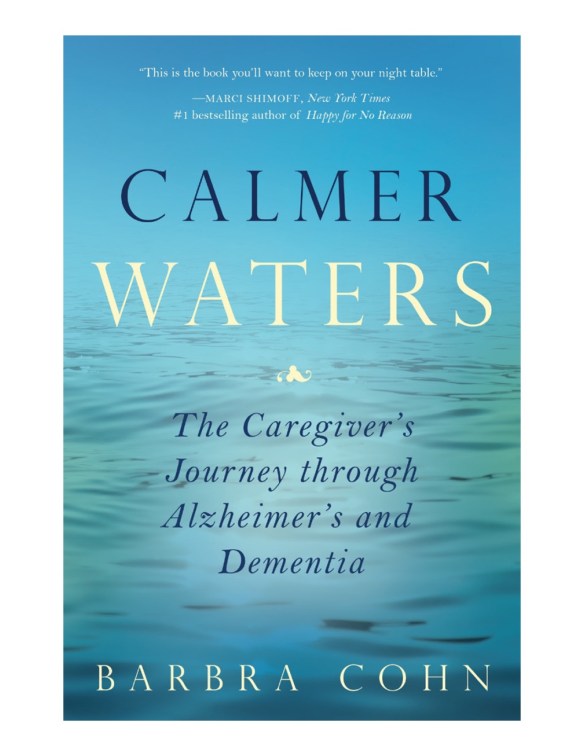
For more information on how you can reduce stress and boost your happiness and health, read Calmer Waters: The Caregiver’s Journey Through Alzheimer’s & Dementia.
BarbraCohn__

Five surprising causes of memory loss

Mind concept graphic for memory loss or alzheimer's diseaseAfter my husband had a surgical procedure that required anesthesia, not only did he wake up groggy, but his early stage Alzheimer’s disease worsened. He got lost driving in our home town and had more difficulty with everyday activities. Years later, it was a kidney stone that sent him over the edge into a downward spiral. It’s not a surprise that anesthesia can cause memory loss, temporary or permanent. But it came as a surprise when something as common as a kidney stone had a severe impact on my husband’s mental condition and overall health.

There is a link between common infections such as UTIs (urinary tract infections), the flu, colds, and stomach viruses and their effect on memory in the elderly and dementia populations. A significant study found that people with Alzheimer’s, who get even a mild respiratory or gastrointestinal infection, or a bump or bruise are at risk for having a significant, permanent memory loss, according to a report that was published in the September 8, 2009 issue of the journal Neurology. These patients can have high levels of tumor necrosis factor—alpha (TNF-a)—a protein that is linked to inflammation and is associated with memory loss and cognitive decline.

In the study done at the Clinical Neurosciences Research Division at the University of Southampton, United Kingdom, 222 Alzheimer’s patients were followed for six months. Of those, 110 people had an infection or injury that resulted in inflammation. These individuals had twice the memory loss during that period of time as the individuals who did not have an illness or injury. Researchers attribute the memory loss to inflammation. In patients whose TNF-a levels were high to begin with, an infection increased their memory loss to 10 times more than those who had low TNF-a levels. Clive Holmes, PhD, lead researcher, said that this population should be vaccinated against the flu, and infections and injuries should be treated as soon as possible.

Other surprising causes of memory loss

  1. UTIs–Urinary tract infections are notorious for causing delirium and delusional behavior in the elderly. When younger people get a urinary tract infection, they typically experience painful urination, an urgent need to urinate, lower abdominal pain, back pain on one side, and fever and chills. However, an older adult might not experience those symptoms. As we get older our immune system changes and it responds differently to infection. Instead of pain symptoms, seniors with a UTI may show increased signs of confusion, agitation or withdrawal. In older adults with dementia, these behavioral changes may come across as part of that condition or signs of advanced aging. If the underlying UTI goes unrecognized and untreated for too long, it can spread to the bloodstream and become life-threatening. In fact, I have a dear friend who recently died from a UTI that quickly became septic.
  2. Vitamin B12 is essential for normal nerve function. A deficiency can lead to confusion and dementia. It is vital to get 2.4 micrograms of B12 in your diet every day from sources such as dairy products, meat and fish, or from foods fortified with vitamin B12. Vegans must take a B12 supplement since the vitamin is found in animal foods.
  3. Sleep apnea causes one to stop breathing during the night. It can be very brief and very frequent, but it is treatable. Unfortunately, sleep apnea islinked to memory loss and dementia, according to Constantine Lyketsos, MD, director of the Memory and Alzheimer’s Treatment Center at Johns Hopkins Medicine and professor and chair of psychiatry at Johns Hopkins Bayview. You might have sleep apnea if you wake up with a headache and have daytime fatigue — or if your partner complains of loud snoring. A study published in The Journal of Neuroscience found that untreated sleep apnea affects spatial navigational memory. This type of memory includes being able to remember directions or where you put things like your keys. The research suggests that deep sleep, also known as rapid eye movement (REM) sleep, plays an important role in memory. Dr. Lyketsos explains that for people with sleep apnea, oxygen delivery to the brain is interrupted several hundred times during the night . He says, The brain is stressed, so people wake up, and the injury sleep apnea causes can show up as a variety of memory loss symptoms. If you or someone you know has sleep apnea, please make an appointment with your health practitioner.
  4. Some medications such as statins (cholesterol-lowering drugs), sleeping pills, antidepressants, anti-anxiety medications and some painkillers have been found to increase the risk for reversible cognitive side effects, including memory loss and confusion. A commonly prescribed type 2 diabetes drug, metformin, has also been associated with memory problems. A study published in Diabetes Care found that people with diabetes who took the drug had worse cognitive performance than those who did not take it.
  5. Thyroid disease can cause poor memory, especially in seniors. Hypothyroidism is very common in people over 60 and it steadily increases with age. It is believed that up to one in four individuals in nursing homes may have undiagnosed hypothyroidism. Memory loss or declining cognitive functioning which is frequently attributed to old age, might be the only symptom of hypothyroidism in an elderly person. If there is a family history of thyroid disease, past treatment for hyperthyroidism or a history of surgery and/or radiotherapy to the neck, a physician might be able to better establish a link leading to a diagnosis. Thyroid disease is a lifelong disorder that can be treated with medication, but the patient must be closely monitored to make sure the correct dosage is prescribed.

Tips for protecting your memory and keeping you and your loved one healthy and safe

  • Inoculate against flu, pneumonia and shingles
    Boost immunity with zinc, vitamin D and vitamin C
  • Take a complete B-vitamin supplement to make sure you are getting a balanced amount of B vitamins.
  • Prevent falls and accidents (recommended: Complete Guide to Alzheimer’s Proofing Your Home by Mark Warner http://store.nexternal.com/shared/StoreFront/default.asp?CS=ageless&StoreType=BtoC&Count1=668834865&Count2=585975289&CategoryID=3&Target=products.asp
  • Reduce systemic inflammation with a curcumin (turmeric extract) supplement
  • Use a humidifier to moisturize nasal passages and mucous membranes to help keep them healthy
  • Engage in gentle exercise to reduce inflammation
  • Keep hydrated by drinking at least 6-8 glasses of water each day
  • Encourage seniors to use the bathroom several times a day, approximately every two to three hours.
  • Make sure the senior is maintaining good hygiene, with showers at least several times a week.
  • If the person is incontinent, make sure he or she changes undergarments frequently.

There are other articles on my blog that discuss how to support your memory and cognition. Please subscribe today, and feel free to send me your questions.

To your health.

Sincerely,

Barbra Cohn

5 Ways to get into the Zen of Caregiving

purity of the zen massageI have caregiver burnout. I cared for my husband, who had Alzheimer’s disease, for 10 years. Before that I flew back and forth from Colorado to Florida whenever one of my parents had a health crisis (which was frequent). My daughter just had a baby, and I’d love to be there for her, but my mother has pneumonia and congestive heart failure. I am torn between helping my daughter and her beautiful, young family, and my elderly failing mother. I am flying to Florida for a few days and then back to Colorado. And I will probably be doing this again in the coming month. I tell myself, “you need to take care of yourself. You need to keep your head above water.” Easier said than done. But I learned a lot during the course of my husband’s illness. I know how important it is to meditate, do yoga, dance and eat and sleep well.
Caregiving is a huge challenge, and it’s very easy to let the responsibility of caring for an ill friend or relative become a yoke around one’s neck. But with practice and mindfulness it can turn into a spiritual practice. How?

  1. When you wake up in the morning let your first thought be, “I’m going to have a great day. It will be filled with joy and laughter, and I will maintain equanimity.” Be grateful for your ability to see, hear, walk, and serve your loved one. Other affirmations that you might like: I will remain calm and present throughout the day. I welcome peace, trust, and acceptance into my life. I’m feeling strong and healthy today. I am a kind, compassionate caregiver.
  2. Instead of reacting with anxiety or impatience to a stressful situation or annoying behavior such as constant complaining, asking the same question repeatedly, pacing up and down the hall, stop and breathe. Take a deep breath and let it out slowly. Do it again, and again. Now stop and ask yourself how you feel? Not too bad. Stretch your arms straight up towards the ceiling. Lower them and do it again, one at a time. Roll your head gently to the right and then to the left, and then slowly in a circle. Look to your right, center and then to the left. Take another deep breath and let it out slowly. Feel your body relax.
  3. Focus on the present. Instead of worrying about taking your loved one to a doctor’s appointment and anticipating how he or she will react or what news you will hear, put your attention on something beautiful—inside your home or out the window. If the sky is blue, appreciate its beauty. Listen to the birds singing and appreciate the miracle of their song. Look at a painting on the wall and really look at the colors, the brush strokes, and the image. Imagine the spark that inspired the artist during the creative process, and let it inspire you to get through the day while maintaining a positive outlook.
  4. Light a candle and have your care partner sit down next to you. Enjoy the glow, letting it calm your nerves. Match your breathing to your care partner’s and find your peace.
  5. Keep a journal. It’s a wonderful, easy way to get your concerns, fears, hopes, and dreams out without relying on your therapist or best friend. Use a writing prompt to get you going such as “I never thought. . . . It’s so hard to . .. “I’ll always remember . . .

These are just a few things that can ease the stress of caregiving. Have courage; find strength from the simple things.

Do you still need to floss?

Teeth with dental floss for healthcare

Recently the Associated Press reported that there is very little scientific evidence backing the effectiveness of flossing. However, dentists agree that you absolutely should still floss. Here’s why: More than 500 different types of bacteria are found in dental plaque. Brushing removes most of the plaque from the surface of your teeth. But the plaque that hides in the hard-to-reach places, such as between your teeth and along your gum, can trigger an inflammatory response leading to gum disease (periodontal disease).

What is dental plaque?

Bacterial plaque is the principal cause of cavities and tartar. It is a thin, invisible film to the naked eye, which adheres firmly to the surface of teeth and gums. The bacteria in plaque develop by feeding on the residuals of food (especially the ones rich in sugar). These bacteria these bacteria then produce enzymes and acid substances that attack the enamel of the teeth, which gives rise to cavities. Eventually, dental plaque transforms into tartar and then into gum disease, which can degenerate into pyorrhea, a slow and relentless loss of teeth. This is how bacteria destroy the teeth.

Periodontal disease has been linked to diabetes, heart disease and Alzheimer’s disease.

Oral bacteria can migrate to distant sites in the body. Elderly and immuno-compromised patients, such as those suffering from cancer, diabetes or rheumatoid arthritis, may be especially vulnerable to systemic oral pathogens. Now researchers are asking if oral pathogens can also infect the brain with subsequent neuropathological consequences. Another theory is that pathogenic periodontal bacteria do not “infect” the brain but rather induce a systemic inflammatory response leading to injury of brain tissue.

Periodontal disease is also associated with weight loss and wasting, which might contribute to cognitive decline. Gum disease often results in tooth loss, which often leads to problems with chewing, swallowing and food selection. Individuals also poorly absorb nutrients from food when it is not chewed well. Evidence from several studies indicates deterioration in nutritional status in individuals missing teeth.

One study examined lifestyle factors of more than 100 pairs of identical twins. All of the pairs included one twin who had developed dementia and one who hadn’t. Because identical twins are genetically indistinguishable, the study involved only risk factors that could be modified to help protect against dementia.

Twins who had severe periodontal disease before they were 35 years old had a five-fold increase in risk of developing Alzheimer’s disease, the researchers found. Periodontal disease may be a marker for chronic exposure to disease that provokes an inflammatory response. Chronic inflammation can damage tissue, including the brain, which may contribute to the development of the disease. Based on the association with tooth loss, further investigation of inflammatory load as a risk factor for Alzheimer’s disease is warranted.

According to the U.S. Centers for Disease Control and Prevention, one out of every two American adults over the age of 30 has some form of gum disease. Flossing is a low-cost and low-risk way to prevent gum disease. Dentistry is definitely a medical profession that is attempting to decrease the number of patients it sees every year. With that said, despite what the Associated Press found in its research, almost every dentist in America will tell you to floss on. It’s a very easy way to prevent a host of other health problems.


10 Things to Remember if You Love a Person with Dementia

Mother and daughter

Daughter caring for her mother

It’s sometimes hard to love a family member who has dementia or Alzheimer’s disease. People with dementia can be quarrelsome, uncooperative, negative, whiney, belligerent or combative. They might get their nights and days mixed up, pace the floor for hours, wring their hands non-stop, or cry like a baby. They might ask you the same question twenty times in a row, refuse to budge when you need to get them to an appointment, or refuse to eat what you’ve made for dinner.

When the going gets tough, it helps to remember that you love the person who resides inside that body that is tight and tense and inflamed from amyloid plaque that has strangled the neurons and disrupted the neurotransmitters that allow thoughts to flow and emotions to stay even. He or she is the same person you married, the same loving parent who nurtured and guided you, the same sibling you shared holidays and outings with, or the same friend who offered a should to cry on or who helping you move to a new home.

When you’re about to lose it, walk out, or hide in the closet, stop for a moment and remember at least one of these 10 things about the person you lovingly take care of.

People with dementia and Alzheimer’s often feel:

  1. Embarrassed when you say, “ I just told you . . ..” Instead of reminding them that they forgot what you told them a second ago rephrase it, breaking it down into a simple sentence . . . or completely change the subject.
  2. Fearful because they don’t see things spatially the same way we do. Their sense of space is distorted and their vision gets skewed, not because there is something physically wrong with their eyes. But rather, the brain interprets what the eyes see, and when the brain doesn’t work right our perception gets distorted. Two things you can do to help are to put extra lights in dark areas of the living quarters and remove throw rugs in order to reduce falls.
  3. Lonely because they can’t communicate well, or some of their friends have “jumped ship.” Set up times for family or friends to visit or take your loved one on an outing.
  4. Confused because they don’t understand why they can’t drive anymore, or why they can’t go for a walk alone, or why they can’t remember where they live or what their son’s or daughter’s name is.
  5. Angry because the keys to the car have been taken away, or because they get frustrated when they can’t express their feelings or thoughts.
  6. Sad because they can’t read a book or newspaper, or can’t manage to engage in their favorite hobby or sport.
  7. Anxious because they can’t move as fast or get dressed by themselves or put on their shoes easily. Or, because they hear sounds that are disturbing or are bothered by someone else’s behavior.
  8. Nervous because they have lost their sense of balance and feel unsteady on their feet. Or because they don’t like the feel of water on their skin and don’t want to bathe and don’t want to be forced.
  9. Frustrated because they can’t write a check, figure out how much tip to leave, or remember how to use the TV remote control.
  10. Paranoid because they think someone is stealing their money or prized possessions.

When all else fails, take a deep breath and put on some music. It almost always uplifts the spirit—for both the caregiver and the person being cared for.

Please subscribe to my blog for more informative articles like this. Thank you!