Need something to help your loved one find a purpose? How one caregiver discovered that art therapy can be rewarding and stress reducing for herself and her mom.

I’d like to introduce guest blogger Heather O’Neil of Yorkshire, United Kingdom. She graduated in 1984 with a degree in Art & Textile design and writes a blog on how art therapy can help those living with Alzheimers.  Creative Carer

Read how she has used her skills to engage her dear mother in productive and satisfying art projects. Heather and her mum are amazing!

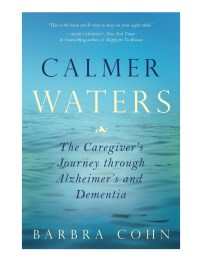
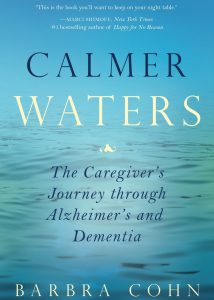
Find more information about art therapy, including simple art projects that both caregivers and loved ones with dementia can enjoy, in chapter 19 of my book “Calmer Waters: The Caregiver’s Journey Through Alzheimer’s & Dementia.” Available wherever fine books are sold. BarbraCohn__
 

By Heather O’Neil

My mum was diagnosed with mixed dementia – Alzheimer’s & Vascular Dementia – in 2012 when she was 82. Since then I have constantly researched how best to cope with the disease and have looked for different ways to stimulate her memory and keep her active, happy and engaged despite her Dementia.

Studies show that Art Therapy stimulates the brain, reduces agitation and creates a sense of accomplishment and purpose. This has been the perfect therapy for my mum as she has always been a very creative person.

She passed on her love of arts & crafts to me and I graduated in 1984 with a degree in Art & Textile design. I have been able to introduce my inherited creativity into my caring and I was called the ‘Creative Carer’ by mum’s memory clinic!

I started our Creative Carer Face Book page a couple of years ago to share our activities & ideas. We now have followers from all over the world and have made some wonderful friends.

www.facebook.com/CreativeCarer

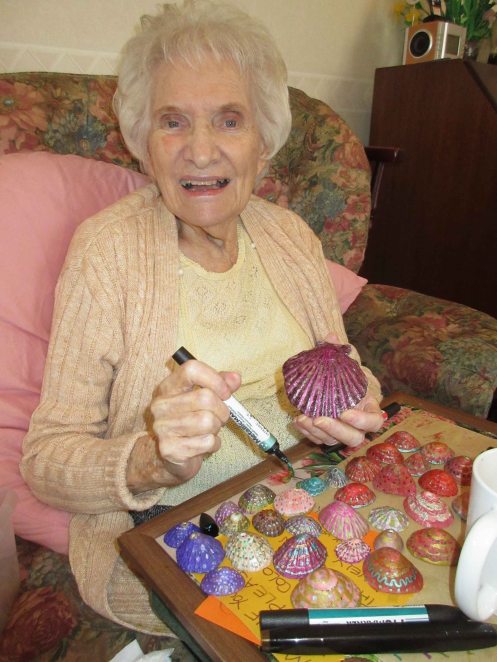
I spend time every morning with my mum and make sure she always engages in some form of artistic activity … from colouring to card making … shell craft to painting stones!
3a

IMG_4021.JPG

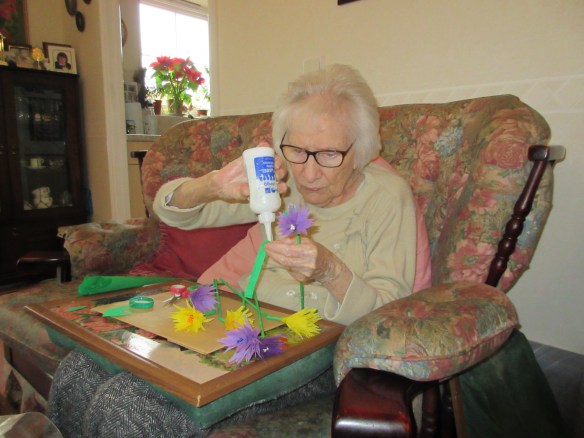
My mum’s favourite hobby is making beautiful crepe paper flowers. This is a craft she enjoyed when she was much younger … I remember wonderful displays in our home when I was growing up so it has been lovely for her to be able to enjoy her flower making once again!

Due to the Alzheimer’s my mum has lost a lot of confidence and she can no longer design and cut out shapes freehand. However, if I supply a cardboard template she is happy to follow the pattern and will sit for hours cutting out pretty petals and leaves. She particularly enjoys covering wooden kebab skewers with long strips of green crepe paper to create the stems! Making the stems is an activity she can do all on her own and she can cover a pack of 100 skewers in an afternoon 😊

Together we glue the stamens and petals to the stems and once she’s done two or three with me, she’s usually able to carry on by herself! Beautiful crepe paper flowers fill the house and are a constant reminder to her that she is wonderfully creative!

IMG_2506
IMG_3649

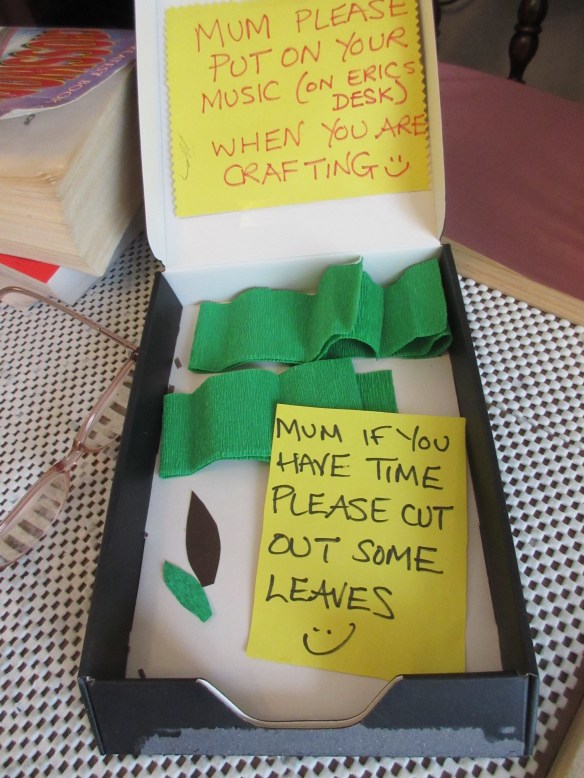
I had the idea to introduce a “Job Box” a few months ago with amazing success! My mum loves to be busy during the day but without me there to encourage and suggest activities she struggled to start any projects. The “Job Box” gives her a reminder of what she can do in the afternoon when I’m not with her. Every day I will leave her a “job” … cutting out petals for example … when I return the next morning the box will be full of her work and she’s always so proud to show me what she’s accomplished.
 

IMG_4475

IMG_4521

Mum’s flowers have been greatly admired on our Face Book page and my blog and we have been asked many times if she sells them. With so much stock around thanks to the “Job Box”, I decided to fulfil her ambition of having her own little business!! On the 29th of August 2017 I opened an Etsy shop for her! We pledge to give 25% to the Alzheimer’s Society and already have made over £110 for them!! Mum’s flowers have been shipped all round the world … from the UK to America, Canada and Australia!!! Absolute proof that you are never too old to fulfil your dreams and with a little support and creative encouragement there really can be a future after an Alzheimer’s diagnosis.


3 (2)

1


www.creative-carer.com

http://creative-carer.blogspot.co.uk/2016/06/making-paper-flowers-art-therapy-for.html


10 Things to Remember if You Love a Person with Dementia

Assisting and helping elderly peopleToday is World Alzheimer’s Awareness Day. It’s a good day to repost this important article and to remind people about the book I wrote after caring for my husband who passsed away from younger-onset Alzheimer’s disease seven years ago. The book has helped so many people, which is what my intention was in writing it. “Calmer Waters: The Caregiver’s Journey Through Alzheimer’s & Dementia” contains a treasure trove of information on how to stay connected with your loved one, keep calm, improve immunity, reduce stress and feel happier and healthier. Plus, it includes 20 healing modalities that the caregiver can do alone or with their loved one. Available wherever fine books are sold and on Amazon.

It’s sometimes hard to love a family member who has dementia or Alzheimer’s disease. People with dementia can be quarrelsome, uncooperative, negative, whiney, belligerent or combative. They might get their nights and days mixed up, pace the floor for hours, wring their hands non-stop, or cry like a baby. They might ask you the same question twenty times in a row, refuse to budge when you need to get them to an appointment, or refuse to eat what you’ve made for dinner.

When the going gets tough, it helps to remember that you love the person who resides inside that body that is tight and tense and inflamed from amyloid plaque that has strangled the neurons and disrupted the neurotransmitters that allow thoughts to flow and emotions to stay even. He or she is the same person you married, the same loving parent who nurtured and guided you, the same sibling you shared holidays and outings with, or the same friend who offered a should to cry on or who helping you move to a new home.

When you’re about to lose it, walk out, or hide in the closet, stop for a moment and remember at least one of these 10 things about the person you lovingly take care of.

People with dementia and Alzheimer’s often feel:

  1. Embarrassed when you say, “ I just told you . . ..” Instead of reminding them that they forgot what you told them a second ago rephrase it, breaking it down into a simple sentence . . . or completely change the subject.
  2. Fearful because they don’t see things spatially the same way we do. Their sense of space is distorted and their vision gets skewed, not because there is something physically wrong with their eyes. But rather, the brain interprets what the eyes see, and when the brain doesn’t work right our perception gets distorted. Two things you can do to help are to put extra lights in dark areas of the living quarters and remove throw rugs in order to reduce falls.
  3. Lonely because they can’t communicate well, or some of their friends have “jumped ship.” Set up times for family or friends to visit or take your loved one on an outing.
  4. Confused because they don’t understand why they can’t drive anymore, or why they can’t go for a walk alone, or why they can’t remember where they live or what their son’s or daughter’s name is.
  5. Angry because the keys to the car have been taken away, or because they get frustrated when they can’t express their feelings or thoughts.
  6. Sad because they can’t read a book or newspaper, or can’t manage to engage in their favorite hobby or sport.
  7. Anxious because they can’t move as fast or get dressed by themselves or put on their shoes easily. Or, because they hear sounds that are disturbing or are bothered by someone else’s behavior.
  8. Nervous because they have lost their sense of balance and feel unsteady on their feet. Or because they don’t like the feel of water on their skin and don’t want to bathe and don’t want to be forced.
  9. Frustrated because they can’t write a check, figure out how much tip to leave, or remember how to use the TV remote control.
  10. Paranoid because they think someone is stealing their money or prized possessions.

When all else fails, take a deep breath and put on some music. It almost always uplifts the spirit—for both the caregiver and the person being cared for.

Please subscribe to my blog for more informative articles like this. Thank you!

10 Ways caregivers can reduce stress and feel instant relief

Spa still-life.

June is Alzheimer’s & Brain Awareness Month, and in celebration of the anniversary of the release of my book “Calmer Waters: The Caregiver’s Journey Through Alzheimer’s & Dementia” this month I will be posting ways that caregivers can relieve stress, feel better and more energetic, and forge a stronger connection to the person they lovingly care for.

  1. Before you get out of bed in the morning, breathe deeply and for a minute or two repeat an affirmation such as: “Today will be a good day.” “I am a loving, patient person.” “I’m feeling strong and healthy today.” “I am grateful for my family and friends.” “I am a kind, compassionate caregiver.”
  2. Eat a good breakfast. Your blood sugar is low when you awake after fasting for 6-8 hours. Support healthy blood glucose levels by eating protein, a complex carbohydrate, and colorful fruits or veggies for vitamins and antioxidants. A bowl of cereal with low or no-fat milk doesn’t cut it. As a caregiver you need the energy to get you through the morning. My favorite energy-boosting, neurotransmitter supporting breakfast is eggs (anyway you like them), sautéed kale or spinach with onions, a side of beans and melon or strawberries to finish it off. Yes, it sounds like a lot, and it is. But the portions can be small and you can use your left-over veggies from dinner the night before. Of if you want a lighter breakfast during summer, have a protein smoothie with yogurt, protein powder and fruit. Just make sure that whatever you eat includes high-quality protein.
  3. Go for a walk. If your care partner is ambulatory, take him or her with you. Research published in the March 2017 issue of “Cell Metabolism” found that a brisk walk could help slow the aging process. In “Calmer Waters,” researcher Monika Fleshner, PhD writes “Based on the research that my colleagues and I have done in the past thirteen years, we know that regular physical activity promotes stress robustness (resistance to stress) and changes the way the brain and body respond to stressors. . . If you are highly conditioned from a regular exercise routine, then you can respond better psychologically and physically.” (pg. 174, “Calmer Waters”)
  4. Sing in the shower, sing with your care partner, sing in a spiritual setting. “Music engagement can help you connect with your loved ones and care partner. Oxytocin, the chemical in our brain that is released during intimate interactions such as breastfeeding and intercourse, helps us to form trust and bonds with other humans. It is fascinating that this chemical is also emitted when people sing and make music together,” says neurologic music therapist Rebekah Stewart, MA. (pg. 224 “Calmer Waters”)
  5. Stay present. Learning how to stay present enhances how you relate to the person you are caring for, allowing you to create community with that person. The simple act of breathing with someone—of matching your breath to his or hers—enables you to create a spiritual connection with that person.
  6. Create a soothing space. Light a candle, enjoy a vase of fresh flowers, light incense, listen to uplifting music.
  7. Use aromatherapy oils to uplift the spirit and calm you down. Explore the variety of essential oils which can be used in a diffuser, spritzed on a pillow case, shirt collar or handkerchief or tissue that you can tuck in your shirt pocket.
  8. Dance as though no one is watching you. Dance alone in your living room to your favorite music, or with your care partner. It is an easy way to get the blood flowing, loosen up stiff muscles, and a fast and easy way to uplift your mood.
  9. Get a dog (if you don’t have one). “Animal Assisted Therapy is recognized by the National Institute of Mental Health as a type of psychotherapy for treating depression and other mood disorders. Spending time with an animal seems to promote a sense of emotional connectedness and well-being. Touching and playing with animals is a wonderful way for families coping with Alzheimer’s disease to experience joy, fun, and laughter,” says Diana McQuarrie, Founder and Executive Director Emeritus of Denver Pet Partners. (pg. 107 “Calmer Waters)
  10. Laugh. Charlie Chaplin once said that “A day without humor is a day wasted.” No matter how hard things seem, even if you are a caregiver to someone who has been ill for many years, try to find the humor in everyday things. My husband had Alzheimer’s disease and toward the end of his life he had trouble eating a sandwich. Once he asked, “What is this?” after I handed him a chicken salad sandwich. When I told him what it was he responded by throwing the sandwich across the table and exclaiming, “This chicken is dead!” I burst out laughing and because laughter is contagious so did he. Watch YouTube funny videos of animals, children, etc. when you’re feeling down. You will soon be laughing and the endorphins will flow and uplift your mood.

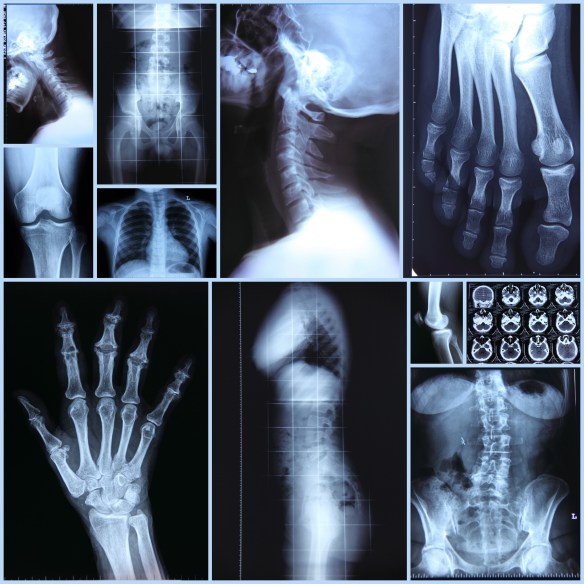
How lack of sleep can lead to osteoporosis . . . and what to do about it.

Radiography

May is Osteoporosis Awareness Month, and just when we thought we didn’t need one more thing to worry about, The Endocrine Society has published a new study linking prolonged sleep disturbance with bone loss in men.

The study researchers found that healthy men had reduced levels of a marker of bone formation in their blood after just three weeks of restricted sleep and circadian disruption similar to that seen in jet lag or night shift work. A biological marker of bone resorption, or breakdown, was unchanged.

“This altered bone balance creates a potential bone loss window that could lead to osteoporosis and bone fractures,” said lead investigator Christine Swanson, M.D., an assistant professor at the University of Colorado in Aurora, Colorado.

“If chronic sleep disturbance is identified as a new risk factor for osteoporosis, it could help explain why there is no clear cause for osteoporosis in the approximately 50 percent of the estimated 54 million Americans with low bone mass or osteoporosis,” Swanson said.

Inadequate sleep is also prevalent, affecting more than 25 percent of the U.S. population occasionally and 10 percent frequently, the Centers for Disease Control and Prevention report.

The 10 men in this study were part of a larger study that some of Swanson’s co-authors conducted in 2012 at Brigham and Women’s Hospital in Boston, Mass. That study evaluated health consequences of sleep restriction combined with circadian disruption. Swanson defined circadian disruption as “a mismatch between your internal body clock and the environment caused by living on a shorter or longer day than 24 hours.”

Study subjects stayed in a lab, where for three weeks they went to sleep each day four hours later than the prior day, resulting in a 28-hour “day.” Swanson likened this change to “flying four time zones west every day for three weeks.” The men were allowed to sleep only 5.6 hours per 24-hour period, since short sleep is also common for night and shift workers. While awake, the men ate the same amounts of calories and nutrients throughout the study. Blood samples were obtained at baseline and again after the three weeks of sleep manipulation for measurement of bone biomarkers. Six of the men were ages 20 to 27, and the other four were ages 55 to 65. Limited funding prevented the examination of serum from the women in this study initially, but the group plans to investigate sex differences in the sleep-bone relationship in subsequent studies.

After three weeks, all men had significantly reduced levels of a bone formation marker called P1NP compared with baseline, the researchers reported. This decline was greater for the younger men than the older men: a 27 percent versus 18 percent decrease. She added that levels of the bone resorption marker CTX remained unchanged, an indication that old bone could break down without new bone being formed.

“These data suggest that sleep disruption may be most detrimental to bone metabolism earlier in life, when bone growth and accrual are crucial for long-term skeletal health,” she said. “Further studies are needed to confirm these findings and to explore if there are differences in women.”

What to do about it?

The first line of defense is to improve sleep hygiene. Find more ways to get a good night’s sleep in my book “Calmer Waters: The Caregiver’s Journey Through Alzheimer’s & Dementia,” (Blue River Press) available wherever books are sold.cropped-front-cover-42316.jpg

  1. Exercise early, not in the last two hours before going to bed. Regular exercise has been shown to help people fall asleep faster and benefit from deeper and more restful sleep.
  2. Alleviate the stress and fatigue of the day with safe, proven herbs such as passion flower, magnolia, and valerian, and amino acids taurine, theanine and GABA, and melatonin which have been scientifically shown to produce a gentle calming effect on the whole physiology.
  3. Get thyself outside! Researchers found that bright light in the early morning and avoidance of light in the evening promotes a healthy circadian rhythm, whereas bright light in the evening disrupts the sleep cycle. And make sure you sleep with the lights off in you room.
  4. People with stressful lives often take their stress into bed with them and are unable to turn off the mental chatter. Eat dinner earlier, and don’t watch an exciting or scary movie before bed (that goes for reading matter as well), and certainly do not smoke, or drink alcohol or caffeine in the evening.
  5. Go to bed earlier. Research shows that the hours of sleep before 2 a.m. are more rejuvenating than all the hours after.
  6. Take a warm bath with soothing lavender oil to help you unwind.
  7. Establish a regular bedtime, but don’t go to bed if you feel wide awake.
  8. Once in bed, use creative imagery and relaxation techniques to pacify your mind.
  9. Avoid staying in bed for long periods of time while awake, or going to bed because of boredom.
  10. Take your TV or computer out of your bedroom. If not, your brain becomes used to the stimulation and starts to expect it when you are there. This makes it harder for you to fall asleep.
  11. A snack before bedtime helps many people. Foods such as warm milk, turkey, tuna, nuts, banana, grapefruit, dates and figs are high in the amino acid L-tryptophan, which promotes the production of serotonin, a natural relaxant. Avoid eating heavy meals at least two hours prior to going to sleep.
  12. Sex can be a natural sleep inducer for some people.
  13. Avoid emotional upset or stressful situations prior to bedtime.
  14. Relax with an inspirational book, soft music, and a cup of herbal tea.
  15. Talk with your health care provider if you’ve tried the above and are still having difficulty falling asleep, awaken several times throughout the night, have early morning awakenings or have marked difficulty getting out to bed in the morning.
  16. Good night, sleep tight.

Drumming for People with Alzheimer’s & Dementia

Group of people playing on drums - therapy by music

“The simple act of drumming can enable a non-verbal person with dementia to communicate–albeit temporarily—with loved ones.” For more information about the physical, mental and emotional benefits of drumming, read chapter 23 “Drumming” in “Calmer Waters: The Caregiver’s Journey Through Alzheimer’s & Dementia.” Book Reviews

Years ago, I attended a drumming circle with my husband Morris at the memory care home where he lived. The leader, John Crowder JD, trained directly with neurologist Barry Bittman, MD, and Christine Stevens, MSW, MT, BC, through the Health RhythmsTM program.

“You know, we all have a drum right here,” Crowder said, pointing to his heart. At least half of the members of the group understood exactly what he meant, as they shook their gourds to the rhythm of his drum.

But when Crowder handed out conga drums and other hand-held instruments, that’s when the fun really began. At the end of each rhythmic song, one patient would tell about his adventures in the military. And he didn’t miss a beat. More than once he broke into song, “Over hill, over dale, we would chase all kinds of tail.”

A woman talked about how her father and brother were drummers. Even though she insisted that she had never drummed, she apparently had learned by listening and watching because she was quite adept at following Crowder’s rhythms and creating rhythms for the rest of the group to follow. Throughout the forty- five minute session several people broke into song, which Crowder used to simultaneously lead the group in singing and playing. Several times he had the group mimic his rhythm. Overall, it was a calming, enjoyable experience for everyone.

Drumming for caregivers

Drumming is equally beneficial for caregivers. Dr. Bittman conducted landmark research published in Alternative Therapies in Health and Medicine, 2001, which showed that group drumming therapy releases stress and increases the disease fighting activity of white blood cells.

Another study showed that long-term care workers experienced less burnout, stress, and mood disturbances when they participated in a six-week program of recreational music-making, de ned as distinct from “regular” music making, as its purpose is the enjoyment and well-being of the participants, not an artistic or aesthetic outcome that requires talent or training.

Drumming circles are a fun and healthy way to connect with your care partner. To find a drumming circle in your location, visit the website: USA Drum Circle Finder. Or buy a couple of drums and create your own drumming experience. Visit the Drum Circles net website for information on drums, DVDs, and other information to help you get started.


My new book “Calmer Waters: The Caregiver’s Journey Through Alzheimer’s and Dementia” (Blue River Press) is now available wherever books are sold: Amazon, Barnes & Noble, Boulder Book Store, Barnes & NobleTattered Cover Book StoreIndie Bound.org, and many other fine independent bookstores, as well as public libraries.

Easy ways to calm down crazy full moon behaviors

Silhouette of full moon over family homes in typical neighborhood

The human body is 55 to 78% water (depending on sex and age) so it makes sense that the gravitational pull of the moon would affect us, right?  Many scientists point out that the biological tide theory doesn’t hold. On The Skeptics Dictionary website Robert Todd Carroll says, “Given the minute and bounded mass of fluid contained within the human body, compared to the enormous and free-flowing mass of ocean water, and given the enormous distance to the moon, the lunar pull on the human body is negligible.”

Theories about the moon’s influence on animal behavior are more widely accepted. Although the topic of whether or not the moon affects human behavior is controversial, there is plenty of anecdotal evidence and some scientific evidence indicating that it does.

I, for one, have a difficult time sleeping around the full moon. And my husband, who suffered from Alzheimer’s disease, exhibited more agitated behavior when the moon was full.

Studies have shown that the lunar cycle has an impact on fertility, menstruation, and birth rate.  Admittance to hospitals and emergency units due to cardiovascular and acute coronary events, arterial hemorrhages in the stomach and esophagus, diarrhea, and urinary retention correlate with moon phases. Other events linked to human behavior, such as traffic accidents, crimes, and suicides, seem to be influenced by the lunar cycle.

In the 1600’s Sr. William Hale, a distinguished British physician and medical biographer, wrote, “The moon has a great influence in all diseases of the brain, especially dementia.” The British Lunacy Act of 1842, which dismissed crazy behavior as being caused by the full moon, built on his theory.  In fact, as recently as 1940 a British soldier who was charged with murder pleaded “moon madness.”

Alan M. Beck of Purdue University conducted a longitudinal study to objectively examine the lunar influence on the frequency, duration, and intensity of behaviors in individuals with Alzheimer’s disease.

He examined wandering, anxiety, physical aggression, and verbal confrontation. His study concluded that individuals with Alzheimer’s disease did, in fact, exhibit significantly more erratic behaviors during periods of the full moon, and that these behaviors were of greater duration during that time. The objective analysis that a lunar influence on behavior in Alzheimer’s individuals exists validates a long-standing belief held by many healthcare providers.

If you’re a caregiver for someone with dementia, you’ve probably seen some odd behavior in your loved one around the full moon. And if you have trouble sleeping or feel restless or anxious during the full-moon, you’ve personally noticed the effects.

Here are some ways to calm the nerves and odd behaviors during the full moon or anytime.

From Calmer Waters: The Caregiver’s Journey Through Alzheimer’s & Dementia--“Aromatherapy” chapter 18 by Laraine Kyle Pounds, RN, MSN, BSN, CMT.

Aromatherapy can be a resource of comfort to you and your care partner by providing an easy, natural way to reduce stress and anxiety and uplift mood. The following oils can be used in a diffuser, or put in a bath or fragrance free moisturizer. They can also be sprayed on a pillow or handkerchief.

Citrus oils are generally refreshing and uplifting for the mind and emotions, relieve stress and anxiety, and are useful for odor management and appetite support. Consider: bergamot, grapefruit, lemon, and orange.

Floral oils are often used as a personal fragrance and are useful to relieve anxiety, depression, and irritability. These oils are useful as an inhaler, in a body lotion, and for the bath. Consider: clary sage, geranium, lavender, rose, and ylang ylang.

Tree oils are revitalizing with immune boosting properties, ease respiratory congestion, and are supportive to breathing ease. They are useful for pain relief, skin infections, and odor management, and can relieve nervous exhaustion and depression. Consider: eucalyptus (Eucalytpus citriodora or globulus), pine needle, sandalwood, or Tea Tree.

Herbal remedies

A nervine is a plant remedy that has a beneficial effect upon the nervous system.  Nervines are especially useful during times of stress because they have a strong relaxing and calming effect without producing a dulling, “hang-over” side effect.  They also tone and restore the nervous system to a more balanced state.  Some nervines are also anti-spasmodic, meaning they relax the peripheral nerves and the muscle tissue, which in turn has a relaxing effect on the whole system.

The main types of nervines are tonics, relaxants, and stimulants.

  • Nervine Tonics – are particularly helpful for strengthening the nervous system and restoring balance. In addition to having a relaxing effect, they have a vaso-dilating action on the blood vessels of the brain.  This increases oxygen availability to brain cells and helps with mental agility and mood.
  • Nervine Relaxants – are especially beneficial for short-term use, for example in treating mild depression or acute anxiety. “This group of nervines are most important in times of stress and confusion, alleviating many of the accompanying symptoms. They should always be used in a broad holistic way, not simply to tranquillize.  Too much tranquilizing, even that achieved through herbal medication, can in time deplete and weigh heavily on the whole nervous system,” says renown herbalist David Hoffman.
  • Nervine Stimulants– are used as a restorative “pick-me-up” when you need an energetic boost without that revved up feeling produced by caffeine.

Recommended nervines:

  • Passion flower- helps soothe anxiety, insomnia, tension headaches, muscle aches and spasms, pain, hyperactivity, epilepsy, and helps alleviate anger and lower blood pressure.
  • Skullcap – is antispasmodic and relaxing and is recommended to relieve headaches, mood swings, insomnia, premenstrual syndrome, and nervous tension and exhaustion.

The next time you’re feeling nervous, agitated, restless or hyped up, calm your nerves with a nervine herb or aromatherapy. If your loved one has Alzheimer’s or dementia and is on medication, please check with the physician to make sure they do not interact with the nervine herbs.  Use pure essential aromatherapy oils to lower risk of allergy.

If all else fails, you can always go outside and howl at the moon.


Studies showing we are affected by the full moon

1. More babies are born around the full moon. A study in Kyoto, Japan looked at 1007 natural births and found there was significant increase in births when the moon was closest to the earth. Results of this study suggest that the gravitational pull of the Moon has an  influence on the frequency of births.

2. Do you have trouble sleeping around the full moon? Sleep researcher Christian Cajochen at the Psychiatric Hospital of the University of Basel in Switzerland conducted a four-year lab study to see if he could show that it is physiologically true that many people have difficulty sleeping during the full moon.  His researchers monitored the brain activity, eye movements and hormone secretions of 33 volunteers in the lab while the participants slept. All the participants were healthy, good sleepers, and did not take any drugs or medication.Unexpectedly, the scientists found “the lunar cycle seems to influence human sleep, even when one does not see the moon and is not aware of the actual moon phase,” Cajochen said. After reviewing their data, the scientists found during the time of the full moon, brain activity related to deep sleep dropped by 30 percent. People also took five minutes longer on average to fall asleep, and they slept for 20 minutes less overall on full-moon nights. The volunteers felt as though their sleep was poorer when the moon was full, and they showed diminished levels of melatonin, a hormone known to regulate sleep and wake cycles. “It took me more than four years until I decided to publish the results, because I did not believe it myself,” Cajochen told LiveScience. “I was really skeptical about the finding, and I would love to see a replication.”


Barbra Cohn cared for her husband Morris for 10 years. He passed away from younger-onset Alzheimer’s disease in 2010. Afterward, she was compelled to write “Calmer Waters: The Caregiver’s Journey Through Alzheimer’s & Dementia” in order to help other caregivers feel healthier and happier, have more energy, sleep better, feel more confident, deal with feelings of guilt and grief, and to ultimately experience inner peace. “Calmer Waters” is available at AmazonBarnes & NobleBoulder Book StoreTattered Cover Book Store,  Indie Bound.org, and many other fine independent bookstores, as well as public libraries.

A popular prostate cancer treatment puts men at risk for Alzheimer’s & dementia

Man thinking.

I know several men with prostate cancer. In fact, one of them is on his death-bed. But don’t worry. It’s a slow-growing cancer, and it’s possible to live with it for a long time. It’s also possible to avoid. (see below) But first, here are some things you should know

The American Cancer Society predicts that 220,800 new cases of prostate cancer would be diagnosed in 2015. An estimated 27,640 men will die of it. African-American men are more likely to get prostate cancer and have the highest death rate. Other than skin cancer, prostate cancer is the most common cancer in American men. In other parts of the world — notably Asia, Africa, and Latin America — prostate cancer is rare.

If you are a man over 50 years old and don’t already suffer from prostate problems, the odds are 2 to 1 that you will before you turn 59.

Almost all men experience the symptoms of prostate enlargement and some form of prostate-induced discomfort during their lifetime, and especially after the age 50. These include frequent and urgent urination, urination through the night, a weak stream or one that is difficult to start or stop, and reduced sexual libido. The symptoms typically appear with the beginnings of hair loss and eventual baldness. The cause is an imbalance of sex hormones.

The connection between dementia and ADT therapy

A new study at the Perelman School of Medicine at the University of Pennsylvania found there is a connection between androgen deprivation therapy (ADT) — a testosterone-lowering therapy for prostate cancer– and dementia.

Their previous studies have shown men who undergo ADT may be at an increased risk of dementia, including Alzheimer’s disease, compared to men who were not treated with the therapy. This new analysis — the largest of its kind ever performed on this topic — shows that all existing studies taken together support the link to dementia and show a possible link to Alzheimer’s.

This is not good news. The common side effects of ADT are hot flashes and enlarged breasts, which are definitely annoying but symptoms you can live with. Dementia and Alzheimer’s are another story.

Other treatments for prostate cancer include surgery, radiation, and brachytherapy, a type of internal radiation that plants radioactive “seeds” in the prostate. But these treatments also carry risk of side effects including urine leakage, poor sexual function, and bowel problems. It’s important to speak with your doctor to determine which treatment is best for you and what side effects you are willing to live with.

Prevention is the key

  • b-Sitosterol is one of a group of phytosterols that promote prostrate and male uro-genital health. b-sitosterol and other phytosterols support male urinary and prostate health by inhibiting the uptake of cholesterol into the blood. This redirects the conversion of cholesterol into the steroids from which the sex hormones are made. As hundreds of scientific studies have demonstrated, the cells of the prostate respond to these rejuvenated hormones and de-proliferate, reducing the size of the prostate and the symptoms
  • Boron is found in red wine, raisins, peanuts, apples, pears, peaches, oranges, grapes, lima beans, and peanut butter. Studies have shown that men with the highest boron intake were 65 percent less likely to develop prostate cancer than men with the lower boron intake. Researcher found that boron’s cancer-fighting effects seem to be specific for prostate cancer, so make sure you eat your daily dose of apples and oranges.
  • If you like tomato sauce, you’re in luck. Lycopene is a powerful antioxidant found in red fruits and vegetables, especially tomatoes, watermelon, red grapefruit, and guava. Researchers have linked the frequent use of lycopene from tomatoes to a lower risk of prostate and other cancers. Interestingly, Lycopene is best assimilated and absorbed after eating tomatoes cooked in olive oil.
  • Selenium intake has been directly associated with lower risk of prostate cancer. In a Harvard School of Public Health study, men who received at least 200 micrograms of selenium in a daily nutritional supplement were one-third less likely to get prostate cancer than the men who received a placebo. Selenium is found in tuna, brazil nuts, and sunflower seeds.
  • Zinc is important for a healthy prostate gland. Since the prostate gland requires 10 times more zinc than any other gland or organ in the body, researchers believe that a zinc deficiency might contribute to BPH. Foods that are high in zinc: pumpkin seeds, oysters, beef, lamb, toasted wheat germ, spinach, squash seeds, nuts, dark chocolate, pork, chicken, beans, and mushrooms. Play it safe and take a zinc nutritional supplement. Make sure it contains some copper, which optimizes absorption.

What does the prostate gland do?

The prostate is the size and shape of a walnut and is located under the bladder and directly in front of the rectum. It secretes a thick, whitish fluid that provides about half the fluid in semen, and helps transport sperm.

What causes prostate problems?

After about age 40, the prostate begins to grow in just about every male because DHT (dihydrotestosterone), a potent form of the male hormone testosterone, isn’t excreted efficiently. DHT then accumulates in the prostate, causing prostate cells to rapidly reproduce. Sometimes the enlargement is a sign of cancer. But usually the result is a condition called benign prostatic hyperplasia. Most doctors refer to enlarged prostate simply as BPH.

As BPH develops, the prostate may press against the neck of the bladder or urethra, squeezing the pipe shut, like stepping on a garden hose. This pressure can make it difficult to urinate and may result in a variety of symptoms:

  • Urgency—the need to go immediately
  • During urination, there is a thin stream of urine that stops and starts instead of a full, steady stream
  • Hesitancy or difficulty starting urine flow
  • Dribbling after urinating
  • Nocturia — having to get up frequently at night to urinate
  • Increased frequency of urination
  • Increased risk of infection if the bladder does not empty entirely and urine is retained

Unlike BPH, prostate cancer may not give symptoms in its early, curable stage. This is why every year start in your 40s it’s important to get a PSA (Prostate Specific Antigen) test, in which the blood is analyzed for evidence of cancer.


Barbra Cohn cared for her husband Morris for 10 years. He passed away from younger-onset Alzheimer’s disease in 2010. Afterward, she was compelled to write “Calmer Waters: The Caregiver’s Journey Through Alzheimer’s & Dementia” in order to help other caregivers feel healthier and happier, have more energy, sleep better, feel more confident, deal with feelings of guilt and grief, and to ultimately experience inner peace. “Calmer Waters” is available at Amazon, Barnes & Noble, Boulder Book Store, Tattered Cover Book Store, Indie Bound.org, and many other fine independent bookstores, as well as public libraries.


Are You Getting Enough Vitamin D?

561_winter-sun-dog_0267

Vitamin D is made in the skin as a result of exposure to sunlight. The problem is, if you live at latitude of 42 degrees (a line approximately between the northern border of California and Boston) the sun’s rays are too low between November and February for your skin to get the sunlight needed for cutaneous vitamin D synthesis.1, 2

If you live at latitude below 34 degrees north (a line between Los Angeles and Columbia, South Carolina) your body can make vitamin D from sun exposure year-long. However, it’s important to expose a large portion of bare skin (like your midriff) to mid-day sun for at least 15 minutes every day. Most people are unable to fit this into their schedule, so vitamin D supplementation is highly recommended, especially since so few foods contain it.

Foods containing vitamin D

Fatty fish such as salmon, trout, tuna and sardines, milk, and fortified cereals provide more than 100 IU per serving. And mushroom is the only food in the produce section that has vitamin D.  But you’d have to eat an awful lot of these foods to get the recommended daily dose of vitamin D, which is 2400 IU, according to a study published in the Journal of Nutrition.* For instance, you would have to eat at least five servings of salmon a day or drink 20 cups of fortified milk.

Who should take a vitamin D supplement?

The highest levels of vitamin D are naturally found in farmers who spend a lot of time outdoors and in people who take vacations or live in areas that are sunny and warm in winter.

But most people, and especially the elderly, are vitamin D deficient. Vitamin D deficiency is especially common in the elderly. Researchers have found a correlation between vitamin D deficiency and low mood, depression and worse cognitive performance in older adults. In a recent study, 1618 patients who averaged 73.8 years old were tested for vitamin D deficiency. Those with severe vitamin D deficiency were twice as likely to suffer from depression.3

Another study of a cross-section of 80 older adults, 40 with mild Alzheimer’s disease and 40 healthy adults, found that vitamin D deficiency was associated with low mood and impairment on two of four measures of cognitive performance. 58% of the participants had abnormally low vitamin D levels. After adjusting for age, race, gender, and the season in which vitamin D levels were studied, researchers correlated vitamin D deficiency with an active mood disorder. The deficiency was also related to a worse performance on the cognitive performance test called Short Blessed Test (SBY). There was no difference in performance on the Mini-Mental State Exam (MMSE). 4


Vital to overall health

We now know that every body cell has a receptor for vitamin D, which is why it is so crucial to overall health. Vitamin D is most commonly known for helping the digestive system absorb calcium and phosphorus. In that way it helps the body build and maintain healthy bones. But it does much more.

Adequate vitamin D is believed to play a role in the reduction of falls, as well as supporting cardiovascular health, a strong immune system and cognitive function. 5

Higher vitamin D intake is associated with a lower risk of developing Alzheimer’s disease, according to research done at the Angers University Hospital in France. Another recent study at the VA medical center in Minneapolis found that low vitamin D levels among older women are associated with a higher risk of cognitive impairment and a higher risk of cognitive decline. Both studies were published in the Dec. 3, 2012 issue of the Journals of Gerontology Series A: Biological Sciences and Medical Sciences.

Babies born with low levels of vitamin D may be more likely to develop multiple sclerosis (MS) later in life than babies with higher levels of vitamin D, according to a study published in the November 30, 2016, online issue of Neurology®, the medical journal of the American Academy of Neurology.

Vitamin D

  • Regulates blood serum calcium and phosphate levels
  • Stimulates calcification of the bone
  • Increases absorption of calcium from the intestines
  • Decreases excretion of calcium from the kidneys
  • Supports T-cell production and the immune system
  • Has been shown to reduce risk of some forms of cancer, MS, diabetes and cardiovascular disease (6-9)
  • Plays a role in regulation of blood pressure
  • Supports immunity and helps reduce stress

Vitamin D deficiency may exacerbate osteopenia, osteoporosis, muscle weakness, fractures, autoimmune diseases, infectious diseases, multiple sclerosis and cardiovascular disease, cognitive function.

Recent studies have suggested that women and men who increase their vitamin D intake above 400 IU of vitamin D a day reduce risk of developing multiple sclerosis by approximately 40%. 7

Also, scientists theorize that one of the reasons that influenza occurs in the wintertime is that we do not manufacture enough vitamin D, and the resulting vitamin D deficiency might promote our susceptibility to the flu virus. 10

How much is enough?

*According to a study published in the Journal of Nutrition (March 9, 2009) adults need at least four times the current recommended dose of 600 IU of vitamin D. 11

In 2008 The American Academy of Pediatrics (AAP) doubled its recommended minimum intake for infants, children and teens from 200 IU to 400 IU per day. 12

Why are co-factors important?        

Other nutrients are needed in order for Vitamin D to work optimally in the body. Make sure your nutritional supplement contains the following:

  • VITAMIN D3 (Colecalciferol 1,000 IU/g.) Vitamin D refers to two biologically inactive precursors – D3, also known as cholecalciferol, and D2, also known as ergocalciferol. Vitamin D3 is produced in the skin on exposure to UVB radiation (290 to 320 nm), and is more bioactive than D2.
  • BORON is involved in the action of Vitamin D on the cell wall. Most Americans do not consume enough of the foods that contain boron, such as green vegetables, fruit, nuts and whole grains.
  • MAGNESIUM–All the enzymes that metabolize Vitamin D require magnesium. It is also required in each of the steps concerned with replication, transcription and translation of genetic information, and thus it is also needed for the genetic mechanism of action of Vitamin D.
  • ZINC –A zinc molecule sits at the base of the vitamin D receptors on the cells in your body, which helps them to function properly.
  • VITAMIN K-2 helps direct Vitamin D to calcify bones while preventing the calcification of organs and blood vessels.
  • VITAMIN A —Vitamin D requires Vitamin A to bind to the Vitamin D receptor.

So unless you are going on a long vacation this winter to a tropical climate, make sure you take enough vitamin D to protect your overall health and reduce your risk of getting the flu.

References

  1. Holick MF. Vitamin D: the underappreciated D-lightful hormone that is important for skeletal and cellular health. Curr Opin Endocrinol Diabetes 2002;9:87-98.
  2. Holick MF. Vitamin D. In: Shils ME, Shike M, Ross AC, Caballero B, Cousins RJ, eds. Modern Nutrition in Health and Disease, 10th ed. Philadelphia: Lippincott Williams & Wilkins, 2006.
  3. Lapid MI, Cha SS, Takahashi PY.Clin Interv Aging. 2013;8:509-14. doi: 10.2147/CIA.S42838. Epub 2013 May 3.
  4. Wilkins CH, Sheline YI, Roe CM, Birge SJ, Morris JC. Vitamin D deficiency is associated with low mood and worse cognitive performance in older adults.Am J Geriatr Psychiatry. 2006 Dec;14(12):1032-40.
  5. Stechschulte SA, Kirsner RS, Federman DG. Vitamin D: bone and beyond, rationale and recommendations for supplementation. Am J Med. 2009 Sep;122(9):793-802.
  6. Garland, CF; Garland, FC; Gorham, ED; Lipkin, M; Newmark, H; Mohr, SB; Holick, MF (2006). “The role of vitamin D in cancer prevention”. American Journal of Public Health 96 (2): 252–61. doi:2105/AJPH.2004.045260. PMID16380576
  7. Munger KL, Zhang SM, O’Reilly E, Hernan MA, Olek MJ, Willett WC, Ascherio A.  Vitamin D intake and incidence of multiple sclerosis.  Neurology2004; 62(1):60-5.
  8. Penckofer S, Kouba J, Wallis DE, Emanuele MA. Vitamin D and diabetes: let the sunshine in. Diabetes Educ. 2008 Nov-Dec;34(6):939-40, 942, 944 passim.
  9. Wang TJ, Pencina MJ, Booth SL, Jacques PF, Ingelsson E, Lanier K, Benjamin EJ, D’Agostino RB, Wolf M, Vasan RS. Vitamin D deficiency and risk of cardiovascular disease. Circulation. 2008 Jan 29;117(4):503-11. Epub 2008 Jan 7.
  10. Cannell, J.J., Vieth, R., Umhau J.C., et.al. Epidemic influenza and vitamin D. Epidemiology and Infection (2006), 134:6:1129-1140 Cambridge University Press
  11. Nelson, M.L. Blum, J.M, Hollis, B.W., Rosen, C., Sullivan, S.S. Supplements of 20 ug/d Cholecalciferol Optimized Serum 25-Hydroxyvitamin D Concentrations in 80% of Premenopausal Women in Winter. Journal of Nutrition, March 9, 2009, Volume 139, Pages 540-546, doi:10.3945/jn.108.096180
  12. Wagner, C.L., Greer, F.R. Prevention of Rickets and Vitamin D Deficiency in Infants, Children, and Adolescents. Pediatrics 122 No. 5 November 2008, pp. 1142-1152 (doi:10.1542/peds.2008-1862)


16 Stress-busters to nourish your body, mind and soul

Girl can't sleep

Susan, a recent divorcee, is the 48-year-old mother of two college students. She works full-time as a legal secretary and after work she helps her mother, who is in the early stages of Alzheimer’s disease. On weekends Susan catches up on her errands and shops for her mom.  During the week she falls into bed exhausted at 9 p.m. . . . if her mom doesn’t require extra help. But Susan can’t sleep. She’s too worried about everything she has to do, and she is worried about her mom. Susan develops an ulcer and is diagnosed with hypertension. Unfortunately, Susan is a composite of the more than 16 million caregivers in the United States who spend 18 billion hours of unpaid time each year caring for a loved one with dementia.

Every day, one million Americans are absent from work because of stress-related disorders. Experts agree that stress is a factor in most diseases, and a major factor in disorders such as anxiety, insomnia, depression, ulcers, rheumatoid arthritis, headache, hypoglycemia, asthma, herpes, hypertension and heart disease.

Yet, stress is a fact of life. Even a positive experience like a new job, marriage or house can be a stress-provoking event—because stress is defined as a reaction to any stimulus that upsets our normal functioning. The bad news is we all have to face stress. The good news is, it’s easier than ever to neutralize stress before it takes its toll. The key is to maintain a balance, both mentally and physically, so stress doesn’t upset your equilibrium.

The Chemistry of Stress

First, let’s look at what happens to your body as a result of stress.

Once upon a time, stress was episodic. For instance, if a tiger approached you, your body released stress hormones to help you fight or flee. By the time the encounter was over, the entire stress response had been fully utilized and the body returned to normal.

The Fight-or-Flight Response looks something like this:

  • Pupils dilate to sharpen vision.
  • Heart rate and blood pressure increase to accelerate the delivery of oxygen to fuel the muscles and critical organs.
  • Blood flow is diverted from non-critical areas such as the gastrointestinal tract to the critical areas such as the heart, skeletal muscles and liver.
  • Liver releases glucose and fatty acids into the bloodstream. Glucose is for immediate energy; fat is needed when the fight-or-flight response lasts longer than expected.
  • Bronchial tubes dilate to maximize the exchange of oxygen and carbon dioxide.

Today, however, you may be sitting at a desk or driving your car when the stress mechanism is triggered. The modern response is not to fight or flee, but to gnash your teeth, grip the steering wheel, scream, yell or “stuff it.” Our bodies are in a constant state of “emergency alert,’ and the results can be devastating:

  • Blood pressure rises. Depending on how many stressful situations you encounter, it may stay elevated, damaging the sensitive tubules of your kidneys. Ultimately, kidney function is compromised, which raises your blood pressure even more, which contributes to further kidney damage, which raises blood pressure…
  • Glucose that is dumped into your bloodstream goes unused, so your body has to produce an enormous amount of insulin to handle it. Eventually, this may result in hypoglycemia or diabetes.
  • Fat that is dumped into your blood also goes unused, so it clogs your arteries, leading to cardiovascular disease.
  • If you drink caffeine, the stress hormone cortisol becomes elevated, which can set you up for countless health problems including: poor quality of sleep, impaired immunity and age-related deterioration.
  • The adrenal glands produce or contribute to the production of about 150 hormones—all vital to your health. When they are stressed, they become exhausted. Once the adrenal buffer is gone, you become a prime candidate for asthma, allergy, fibromyalgia, chronic fatigue syndrome and other autoimmune disorders.

Devise a Plan that Works for You

So, how do your live in the 21st century and not let stress affect your health?

First of all, you need a plan to help you deal with tough issues, so you can think more clearly and act from a calm, centered position. That plan should include a good diet, and excellent nutritional support with nutrients that enhance relaxation. Establish a daily routine that includes plenty of quality sleep, exercise and a stress-reducing or relaxation technique. Just keep in mind that even though it’s impossible not to have some stress in your life, you can strengthen and nourish yourself on a daily basis, so that you’re better prepared to deal with the next challenge life has to offer.

16 Stress-busters to nourish your body, mind and soul

Daytime

1) Get proper nutritional support to help stop free radical damage, and eat a balanced diet.

2) Exercise! It lowers stress hormones and gives you more energy. Choose an activity that you enjoy and is appropriate for your age and condition. And do it regularly!

3) Learn a relaxation technique such as meditation or yoga. Research has shown they both lower blood pressure, relieve anxiety, enhance overall health, accelerate weight loss, improve sleep and increase blood levels of DHEA. It also restores your sense of clarity and purpose.

4) Laughter is real medicine. It’s a tension tamer and your body produces endorphins (“feel good”chemicals) when you laugh. Rent a funny movie or play charades.

5) Learn to “let go.” Next time you’re in a traffic jam, instead of getting worked up about something you have no control over, use the time to visualize something you want to happen … or listen to a new book-on-tape.

6) Avoid stimulants such as tobacco, caffeine, sugar or coping-solutions that involve alcohol or drugs. Using a chemical means of reducing your stress leads to addiction and increases your problems.

7) Get outside! A little sunlight every day will enhance your body’s natural rhythms and provide you with vitamin D.

8) Take regular breaks at work. Get up and stretch, roll your neck and make sure you drink at least 8-10 glasses of water a day.


Nighttime

9) Wind down earlier in the evening. It’s difficult to fall asleep after working late or watching a suspenseful movie. Relax instead with an inspirational book, soft music and a cup of herbal tea or warm milk.

10) A warm bath helps increase circulation to the skin and relax the muscles. Add a few drops of pine needle essence, oil of eucalyptus, mustard powder or lavender oil for a soothing effect.

11) Take five minutes at the end of each day to prepare for the next. Don’t make long lists. Rather, prioritize. It will help you feel more in control.

12) Go to bed earlier. Research shows that the hours of sleep before 2 a.m. are more rejuvenating than the hours after 2 a.m. Sleeping from 10 p.m. to 5 a.m. will do you more good than sleeping from midnight to 7 a.m.

13) Don’t eat right before bed. Your digestive system won’t get the break it needs, and you won’t feel completely rested in the morning.

14) Cut back on caffeine. If you do consume caffeine, be moderate and try not to consume any after 2pm.

16) Put a sachet filled with lavender flowers under your pillow for sweet dreams.


5 Ways to stay calm during the holiday season . . . and all year long

A man is dealing with intense work rush hour traffic jam stress by getting relief doing yoga on top of his car in this humorous scene that shows PEACE on the license plate of the car he is sitting on.

I recently drove to Denver to give a book talk and got stuck in unexpected, late-morning bumper-to-bumper traffic. Even though I left plenty of time to reach my destination, I realized I was going to be late when it took 30 minutes to basically crawl 1/2 mile on the highway. I considered the ways I could react: cry, pound on the dashboard, or call a friend to whine. I decided to take the advice in my book Calmer Waters: The Caregiver’s Through Alzheimer’s and Dementia and to breathe slowly and deeply. Then I listened to Grieg’s gorgeous piano concerto. I finally called the venue and said I didn’t know if I’d make it. Ten minutes later I called again and said I would, but I’d  be a little late. I parked the car, ran a block, and arrived out of breath. It worked out in the end, and the talk went well.

Stress in America

According to the American Psychological Association’s “2015 Stress in America” report, almost one-third of adults report that stress has a very strong or strong impact on their body/physical health and mental health (31 and 32 percent in 2015, compared to 25 and 28 percent in 2014, respectively). Unfortunately, younger people are feeling more stressed than Baby Boomers, mostly because of financial and family obligations.

And now, because of post-election stress and the pressures of the holiday season, many people are going to feel even more stressed out. But there are specific things we can do to feel less anxious and calmer. Here are some ways that have been shown to work, both anecdotally and scientifically.

  1. Magnolia extract-–When I was taking care of my husband, who died from younger-onset Alzheimer’s disease, I often got stressed out, to put it mildly. One of the things I relied on was the nutritional supplement magnolia extract to relieve anxiety and to help me sleep. Magnolia bark (Magnolia officinalis) is a traditional Chinese medicine that has been used for thousands of years to treat “stagnation of qi” (low energy), and help ease asthma, digestive problems, and emotional distress. Even though the extract has been part of the classical Chinese pharmocopeia for centuries, scientists are just discovering the amazing benefits offered by its two phytochemicals, honokiol and magnolol.

One of the most impressive benefits is their ability to alleviate stress while producing a calming effect.  Dozens of animal studies have shown that they act as a non-addictive, non-sedating anxiolytic (anti-anxiety and anti-stress) agent at low doses. That means a small dose of Magnolia extract can help calm your nerves and alleviate anxiety, without making you sleepy.  The beauty of these two phytochemicals is that honokiol exerts a somewhat stronger anti-anxiety effect, and magnolol exerts a stronger antidepressant effect  … so that when you take Magnolia extract, you’re really “killing two birds with one stone”—anxiety and depression—in order to feel better mentally and emotionally. Caution: Do not use this nutritional supplement with an anti-anxiety medication. Look for Magnolia extract in your local health food store or online.

2. Passionflower is well documented as a safe and effective way to treat anxiety.

Passionflower Extract (4% Flavones) is a medicinal herb that is approved by the German Commission E in the treatment of insomnia and nervousness. Passionflower is a nervine relaxant that is beneficial for anxiety, insomnia, tension headaches, and irritability.

Researchers don’t know exactly how passionflower works, but they theorize that the flavonoids and alkaloids regulate neurotransmitters that reduce anxiety. Neurotransmitters are the brain chemicals that communicate information throughout your brain and body. The brain uses neurotransmitters to tell your heart to beat, your lungs to breathe, and your stomach to digest. They can also affect mood, sleep, concentration, weight, and can cause adverse symptoms when they are out of balance. Passionflower is available as an herbal tea or nutritional supplement.

3. L-Theanine is another outstanding treatment for anxiety. This unique amino acid is found almost solely in tea plants and is the main chemical constituent in green tea.

L-theanine is an ideal nutritional aid for stress because it produces alpha-wave activity that leads to deep relaxation and mental alertness. This is especially important because in order to mitigate stressful situations, it’s important to remain calm and alert. Theanine also stimulates the release of the neurotransmitters GABA, serotonin and dopamine, which help us feel happy, motivated and calm.

Research with human volunteers has shown that L-theanine stimulates production of alpha brain waves, resulting in a deep relaxed state, much like the state achieved during meditation. In human volunteers, α-waves were generated on the occipital and parietal regions of the brain surface within 40 minutes after the oral administration of theanine (50–200 mg), signifying relaxation without causing drowsiness. In another study, theanine was given to participants taking a mental arithmetic task. The results showed that when the participants took L-theanine their heart rate was reduced, as well. Green tea contains L-theanine but you’d have to drink a whole lot of cups to reap the full benefits. It’s available as a nutritional supplement, which might be easier and quicker to take, and it’ll save you a lot of trips to the bathroom.

4. Snacks that might calm you down

According to Dr. Andrew Saul from the Food Matters film, two handfuls of cashews (make that a small handful, please; one ounce of cashews contain 157 calories.) provide the equivalent mood-boosting effect as a therapeutic dose of Prozac because they are one of the highest natural sources of tryptophan, the precursor for serotonin, the feel-good neurotransmitter.

Dark chocolate reduces cortisol, the stress hormone that causes anxiety symptoms. Just a couple of pieces should do the trick. These two snacks can help when you’re stuck in traffic and they might even prevent you from swearing at the driver who just cut you off.


5. Music is the universal language, and it is also the universal stress reliever. Whether it’s jazz, classical, or hard rock that makes you feel better, by all means, play it loud, play it soft, dance to it, drive to it, go to sleep to it. It will definitely help.

If you, or someone you care about, tend to suffer from stress, anxiety, or depression, these recommendations might just “take the edge off” and improve your quality of life … without the risk of side effects. May the holiday season begin!