Easy ways to calm down crazy full moon behaviors

ヨガThe human body is 55 to 78% water (depending on sex and age) so it makes sense that the gravitational pull of the moon would affect us, right?  Many scientists point out that the biological tide theory doesn’t hold. On The Skeptics Dictionary website Robert Todd Carroll says, “Given the minute and bounded mass of fluid contained within the human body, compared to the enormous and free-flowing mass of ocean water, and given the enormous distance to the moon, the lunar pull on the human body is negligible.”

Theories about the moon’s influence on animal behavior are more widely accepted. Although the topic of whether or not the moon affects human behavior is controversial, there is plenty of anecdotal evidence and some scientific evidence indicating that it does.

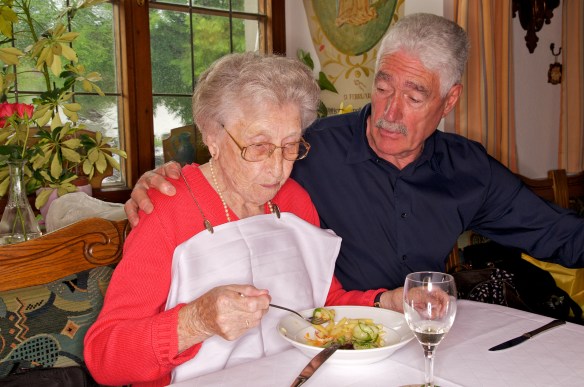
I, for one, have a difficult time sleeping around the full moon. And my husband, who suffered from Alzheimer’s disease, exhibited more agitated behavior when the moon was full.

Studies have shown that the lunar cycle has an impact on fertility, menstruation, and birth rate.  Admittance to hospitals and emergency units due to cardiovascular and acute coronary events, arterial hemorrhages in the stomach and esophagus, diarrhea, and urinary retention correlate with moon phases. Other events linked to human behavior, such as traffic accidents, crimes, and suicides, seem to be influenced by the lunar cycle.

In the 1600’s Sr. William Hale, a distinguished British physician and medical biographer, wrote, “The moon has a great influence in all diseases of the brain, especially dementia.” The British Lunacy Act of 1842, which dismissed crazy behavior as being caused by the full moon, built on his theory.  In fact, as recently as 1940 a British soldier who was charged with murder pleaded “moon madness.”

Alan M. Beck of Purdue University conducted a longitudinal study to objectively examine the lunar influence on the frequency, duration, and intensity of behaviors in individuals with Alzheimer’s disease.

He examined wandering, anxiety, physical aggression, and verbal confrontation. His study concluded that individuals with Alzheimer’s disease did, in fact, exhibit significantly more erratic behaviors during periods of the full moon, and that these behaviors were of greater duration during that time. The objective analysis that a lunar influence on behavior in Alzheimer’s individuals exists validates a long-standing belief held by many healthcare providers.

If you’re a caregiver for someone with dementia, you’ve probably seen some odd behavior in your loved one around the full moon. And if you have trouble sleeping or feel restless or anxious during the full-moon, you’ve personally noticed the effects.

Here are some ways to calm the nerves and odd behaviors during the full moon or anytime.

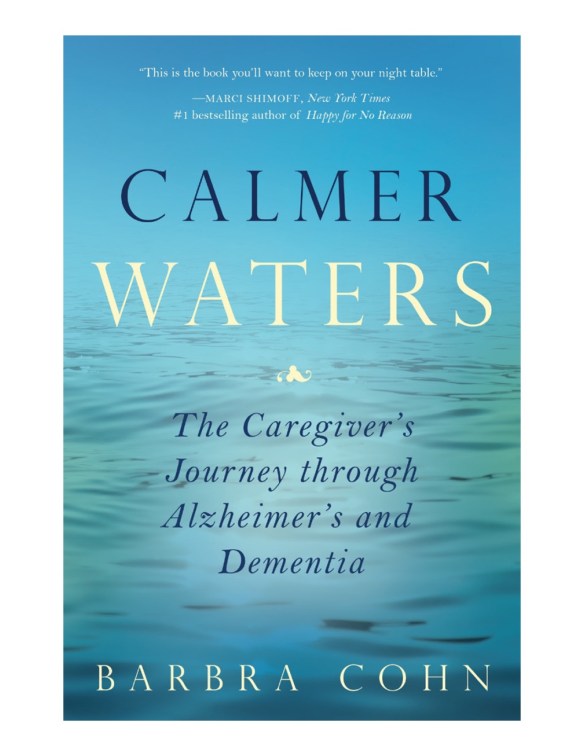
From Calmer Waters: The Caregiver’s Journey Through Alzheimer’s & Dementia--“Aromatherapy” chapter 18 by Laraine Kyle Pounds, RN, MSN, BSN, CMT.

Aromatherapy can be a resource of comfort to you and your care partner by providing an easy, natural way to reduce stress and anxiety and uplift mood. The following oils can be used in a diffuser, or put in a bath or fragrance free moisturizer. They can also be sprayed on a pillow or handkerchief.

Citrus oils are generally refreshing and uplifting for the mind and emotions, relieve stress and anxiety, and are useful for odor management and appetite support. Consider: bergamot, grapefruit, lemon, and orange.

Floral oils are often used as a personal fragrance and are useful to relieve anxiety, depression, and irritability. These oils are useful as an inhaler, in a body lotion, and for the bath. Consider: clary sage, geranium, lavender, rose, and ylang ylang.

Tree oils are revitalizing with immune boosting properties, ease respiratory congestion, and are supportive to breathing ease. They are useful for pain relief, skin infections, and odor management, and can relieve nervous exhaustion and depression. Consider: eucalyptus (Eucalytpus citriodora or globulus), pine needle, sandalwood, or Tea Tree.


Herbal remedies (from chapter 31, Nutritional Support for Caregivers, in “Calmer Waters: The Caregiver’s Journey Through Alzheimer’s & Dementia”

A nervine is a plant remedy that has a beneficial effect upon the nervous system.  Nervines are especially useful during times of stress because they have a strong relaxing and calming effect without producing a dulling, “hang-over” side effect.  They also tone and restore the nervous system to a more balanced state.  Some nervines are also anti-spasmodic, meaning they relax the peripheral nerves and the muscle tissue, which in turn has a relaxing effect on the whole system.

The main types of nervines are tonics, relaxants, and stimulants.

  • Nervine Tonics – are particularly helpful for strengthening the nervous system and restoring balance. In addition to having a relaxing effect, they have a vaso-dilating action on the blood vessels of the brain.  This increases oxygen availability to brain cells and helps with mental agility and mood.
  • Nervine Relaxants – are especially beneficial for short-term use, for example in treating mild depression or acute anxiety. “This group of nervines are most important in times of stress and confusion, alleviating many of the accompanying symptoms. They should always be used in a broad holistic way, not simply to tranquillize.  Too much tranquilizing, even that achieved through herbal medication, can in time deplete and weigh heavily on the whole nervous system,” says renown herbalist David Hoffman.
  • Nervine Stimulants– are used as a restorative “pick-me-up” when you need an energetic boost without that revved up feeling produced by caffeine.

Recommended nervines:

  • Passion flower- helps soothe anxiety, insomnia, tension headaches, muscle aches and spasms, pain, hyperactivity, epilepsy, and helps alleviate anger and lower blood pressure.
  • Skullcap – is antispasmodic and relaxing and is recommended to relieve headaches, mood swings, insomnia, premenstrual syndrome, and nervous tension and exhaustion.

The next time you’re feeling nervous, agitated, restless or hyped up, calm your nerves with a nervine herb or aromatherapy. If your loved one has Alzheimer’s or dementia and is on medication, please check with the physician to make sure they do not interact with the nervine herbs.  Use pure essential aromatherapy oils to lower risk of allergy.

If all else fails, you can always go outside and howl at the moon.


Studies showing we are affected by the full moon

1. More babies are born around the full moon. A study in Kyoto, Japan looked at 1007 natural births and found there was significant increase in births when the moon was closest to the earth. Results of this study suggest that the gravitational pull of the Moon has an  influence on the frequency of births.

2. Do you have trouble sleeping around the full moon? Sleep researcher Christian Cajochen at the Psychiatric Hospital of the University of Basel in Switzerland conducted a four-year lab study to see if he could show that it is physiologically true that many people have difficulty sleeping during the full moon.  His researchers monitored the brain activity, eye movements and hormone secretions of 33 volunteers in the lab while the participants slept. All the participants were healthy, good sleepers, and did not take any drugs or medication.Unexpectedly, the scientists found “the lunar cycle seems to influence human sleep, even when one does not see the moon and is not aware of the actual moon phase,” Cajochen said. After reviewing their data, the scientists found during the time of the full moon, brain activity related to deep sleep dropped by 30 percent. People also took five minutes longer on average to fall asleep, and they slept for 20 minutes less overall on full-moon nights. The volunteers felt as though their sleep was poorer when the moon was full, and they showed diminished levels of melatonin, a hormone known to regulate sleep and wake cycles. “It took me more than four years until I decided to publish the results, because I did not believe it myself,” Cajochen told LiveScience. “I was really skeptical about the finding, and I would love to see a replication.”


Barbra Cohn cared for her husband Morris for 10 years. He passed away from younger-onset Alzheimer’s disease in 2010. Afterward, she was compelled to write “Calmer Waters: The Caregiver’s Journey Through Alzheimer’s & Dementia” in order to help other caregivers feel healthier and happier, have more energy, sleep better, feel more confident, deal with feelings of guilt and grief, and to ultimately experience inner peace. “Calmer Waters” is available at AmazonBarnes & NobleBoulder Book StoreTattered Cover Book Store,  Indie Bound.org, and many other fine independent bookstores, as well as public libraries.
Why you should throw away that antipsychotic drug prescribed for your loved one

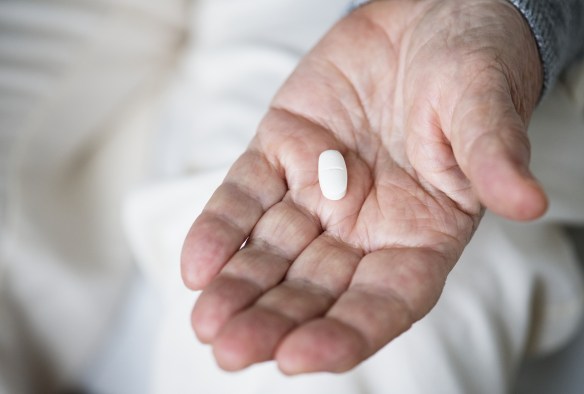
Elderly woman taking a medicineAccording to Human Rights Watch in an average week, nursing facilities in the United States administer antipsychotic drugs to over 179,000 people who do not have diagnoses for which the drugs are approved. Often, these drugs are dispensed like candy, without free and informed consent. . . without a family member or someone who holds durable power of attorney for the health care resident, to make a decision based on the benefits and risks of taking the medication.

Like my late husband, most of the patients who are given these drugs have some form of dementia or Alzheimer’s.  My husband was in a memory care home for two years. Towards the end of his illness, he was given an antipsychotic drug because his behavior became “difficult.” He was not combative, and he was mostly non-ambulatory. Once, though, while sitting, he swung out his arm and hit a woman who was bothering him. Since I wasn’t there, I don’t know the details. But in general, he was a sweet man up until the end. He did get annoyed, however, by other residents’ behavior. And so he was given a drug to pacify him. After visiting him over a period of a few weeks and noticing the deterioration in his overall wellbeing, including his inability to hold his head up, sit upright, or staying awake most of the day, I demanded that he be taken off a number of drugs. The improvement was dramatic and astounding.

According to the US Government Accountability Office (GAO) analysis, facilities often use antipsychotic drugs to control common symptoms of Alzheimer’s. These drugs are associated with clinically significant adverse effects, including death. Then why are they being prescribed to an extremely vulnerable, frail and “at risk” population? Because disruptive behaviors such as crying out “help me, help me” over a long period of time, or yelling out profanities, or exhibiting aggressive behavior can become a nuisance that caregivers –professional and family–are either not skilled in addressing or are too busy taking care of other patients to be bothered with.

What are the alternatives?

First:

  • Eliminate noise and disruption.
  • Make sure the patient does not have a urinary tract infection.
  • Evaluate physical needs. Is s/he thirsty, hungry, constipated, etc?
  • Encourage the patient to verbalize feelings and needs, if possible.
  • Limit or reduce caffeine.
  • Reduce external stimuli (loud TV or radio, etc.).
  • Dim the lighting.
  • Avoid confrontation and use a soft, sweet speaking voice.
  • Provide companionship.
  • Identify events or issues that trigger behaviors.

Once you know the patient is safe and free from pain due to an infection, create a calm and beautiful environment.

Creating a beautiful space

  • Maintain a clean environment without clutter.
  • Enjoy a vase of fresh flowers.
  • Burn incense to clear and purify the air, unless the smoke or odor is irritating.
  • Paint the walls a color that rejuvenates the spirit. For instance, green is healing and relaxing, red restores vitality in people who are depressed, and purple is powerful for those who need spiritual and emotional healing.
  • Gather gemstones. They exert healing effects. Lithium quartz is said to ease tension and stress, and keep nightmares at bay. Pink Calcite promotes compassion, healing, and universal love. Amethyst is for protection, purification, and spiritual/divine connection.
  • Listening to calming sounds can relax a tense body within minutes. Consider a wind chime, water fountain, or a CD of singing birds, ocean waves, or falling rain.]
  • Use essential oils or aromatherapy to have a specific effect on the body, mind, and spirit. (See Aromatherapy, Chapter 18 in “Calmer Waters: The Caregiver’s Journey Through Alzheimer’s & Dementia.”)
  • Create an outdoor sacred space with river rocks, a koi or lily pond, a flowering tree or shrub, pampas grass, colored sand—the possibilities are endless.
  • Include religious symbols, chakra symbols, animal totems, prayer flags, angel statues, rainbow banners, and lamps with colored bulbs.

Herbal remedies

  • A nervine is a plant remedy that has a beneficial effect upon the nervous system.  Nervines are especially useful during times of stress because they have a strong relaxing and calming effect without producing a dulling, “hang-over” side effect.  They also tone and restore the nervous system to a more balanced state.  Some nervines are also anti-spasmodic, meaning they relax the peripheral nerves and the muscle tissue, which in turn has a relaxing effect on the whole system.
  • The main types of nervines are tonics, relaxants, and stimulants.
  • Nervine Tonics – are particularly helpful for strengthening the nervous system and restoring balance. In addition to having a relaxing effect, they have a vaso-dilating action on the blood vessels of the brain.  This increases oxygen availability to brain cells and helps with mental agility and mood.
  • Nervine Relaxants – are especially beneficial for short-term use, for example in treating mild depression or acute anxiety. “This group of nervines are most important in times of stress and confusion, alleviating many of the accompanying symptoms. They should always be used in a broad holistic way, not simply to tranquillize.  Too much tranquilizing, even that achieved through herbal medication, can in time deplete and weigh heavily on the whole nervous system,” says renown herbalist David Hoffman.
  • Nervine Stimulants– are used as a restorative “pick-me-up” when you need an energetic boost without that revved up feeling produced by caffeine.
  • Recommended nervines:
  • Passion flower- helps soothe anxiety, insomnia, tension headaches, muscle aches and spasms, pain, hyperactivity, epilepsy, and helps alleviate anger and lower blood pressure.
  • Skullcap – is antispasmodic and relaxing and is recommended to relieve headaches, mood swings, insomnia, premenstrual syndrome, and nervous tension and exhaustion.
  • The next time your loved one is  feeling nervous, agitated, restless or hyped up, try calming him/her with a nervine herb or aromatherapy. If your loved one is on medication, please check with the physician to make sure the drugs do not interact with the nervine herbs.

Other ways to help a person with dementia relax and feel calm without the use of antipsychotic drugs.

  • Aromatherapy
  • Music
  • Pet therapy
  • Horticulture therapy
  • Color therapy

For detailed information on all of the above, read  “Calmer Waters: The Caregiver’s Journey Through Alzheimer’s and Dementia”

image

12 tips to encourage your Alzheimer’s patient to eat

Seniorin mit BetreuerinIt seems that ice cream is the favorite food of most Alzheimer’s patients. It was certainly my husband’s. Sometimes it was the only thing that he found appealing. It’s no wonder: ice cream is cold, slippery and delicious! However, there are lots of healthy frozen desserts available that are low in fat and calories that contain little or no cholesterol. Try Rice Dream®, Coconut Bliss, Soy Dream, or Halo Top. If you have a food processor, puree frozen strawberries or bananas. You won’t even miss the sugar and cream.

Getting adequate nutrition and even the sheer act of eating can be a challenge for both patients and caregivers. Here’s a list of ways to create a tranquil setting, and some easy-to-eat foods to uplift mood and support immunity for everyone.

  1. Play classical or another type of relaxing music. My husband loved to listen to Nina Simone’s jazzy voice while he ate. Whatever the preference is, play the music softly to create an inviting atmosphere. If your loved one lives in a memory care home, the other residents will probably appreciate the music, as well.
  2. Light a candle. Set the table with a table cloth and vase of flowers. Beauty, color and light always create a magical, calming effect.
  3. Aromatherapy oils including peppermint and spearmint are energizing and might stimulate appetite.
  4. Make the chair as comfortable as possible, especially if the person has a bad back. Place a cushion on the seat and back, if necessary.
  5. Use soft lighting. Replace glaring light bulbs with a warmer color light bulb, or install a dimmer.
  6. It might be hard for the person to differentiate foods on a plate, especially if they are the same color. Use contrasting colors. For example, serve beets and carrots on white instead of white mashed potatoes on a white plate.
  7. If your patient has trouble using a fork and knife, serve finger foods. Sandwiches cut in quarters or even eighths, pieces of fruit rather than whole fruits, baked potatoes cut into chunks, etc. are easier to manage.
  8. Use herbs and spices to flavor foods instead of salt. Herbs and spices have healing benefits. For instance, basil can relieve gas and soothe stomach upsets. Cinnamon has a tranquilizing effect that helps reduce anxiety and stress. It also helps regulate blood sugar. Dill soothes the digestive tract and reduces heartburn. Mint promotes digestion and boosts mental alertness.
  9. Puree soups such as split pea, potato/leek. cauliflower, and vegetable, and serve with a wide straw, if necessary. This relieves the chore of chewing and helps hydrate as well as nourish the patient.

One of my all-time favorite recipes is for Indian kicheree, also called a “meal in a pot.”

This traditional soup is wonderful during times of stress, stomach upset, and any time the appetite is diminished due to sickness or stress.

Kicheree

4 Tbs organic Basmati rice

4 Tbs mung dal or red lentils

4 1/2 cups water (more or less, depending on whether you like it soupy or thick)

2 tsp grated fresh ginger

2 Tbs fresh lemon juice

1 cup assorted veggies cut bite-sized (zucchini, yam, carrot, cauliflower, broccoli, etc.)

1 tsp ground coriander seed

1 tsp ground cumin seed

1/4 tsp turmeric

salt and pepper to taste

Combine the rice, dal ginger, veggies and water in pot. Add the spices. Bring to a boil over medium heat; then lower to a simmer for 45-50 minutes. Add water if it gets too thick. Remove from the stove. Add the lemon juice, salt and pepper.

10. Protein shakes are nutritious, filling, and nourishing. Use ingredients of your choice without relying on the sugary nutrition drinks that are generously handed out in institutions. Bananas, strawberries, blueberries, kale, spinach, peanut butter, coconut milk, almond milk, hemp milk, soy milk, and cow’s milk are some of the popular ingredients to try. Protein powders are concentrated sources of protein from animal or plant foods, such as dairy, eggs, rice or peas. The most popular include whey, casein, egg, pea, hemp, brown rice, and mixed plant proteins.

11. Offer healthy snacks throughout the day such as cheese and apple slices, nut butter on apples slices, fresh fruit, humus and carrot sticks.

12. Eggs are my favorite “go to” food for protein. They are easy to eat, can be made in a variety of ways and contain 13 essential vitamins and minerals! Vitamin D for bone health and immune function, lutein and zeaxanthin, antioxidants important for reducing the risk of cataracts and macular degeneration, vitamins B 12 and B6, thiamin, riboflavin, folate, choline, vitamin E, vitamin A, iron, zinc and more. Add pureed veggies for extra vitamins and minerals. Devil eggs are always a hit as a delicious and highly nutritious snack.

For hundreds of other caregiving tips, read “Calmer Waters: The Caregiver’s Journey Through Alzheimer’s and Dementia”


image.png


The Brain Support awards: The Best, Worst, and Weirdest

Blank award ribbon set

It’s Brain Awareness Week and a good time to assess what we are doing to enhance our memory, focus, cognition and other mental processes.

I recently read “In Pursuit of Memory: The Fight Against Alzheimer’s” by Dr. Joseph Jebelli, a British neuroscientist. It is a wonderfully written comprehensive analysis of the disease, including a history of research, theories, clinical trials, and possible ways to stave off the disease. Although the research and scientific language might dissuade some readers, I found the book very readable and accessible, especially since Jebelli includes his personal account of his grandfather’s Alzheimer’s disease. Here are some of his recommendations for supporting brain health.

The Best Brain Support Awards

  • Staying socially and physically active has a positive effect on mood and well-being.
  • Eating a healthy diet, especially the Mediterranean diet (lots of fresh fruits and veggies, cold-water fish such as wild salmon and sardines, whole grains, and healthy oils (olive, walnut, avocado) and nuts). For more ideas on how to eat well, read 20 Ways to give your body the best nutrition it deserves.
  • Using turmeric to season your food or taking a turmeric supplement. Dr. Jebelli writes about an in vitro (in a petri dish) study in which curcumin, the bioactive ingredient in turmeric, actually dissolves the beta-amyloid plaque found in the Alzheimer’s brain. Beta-amyloid is responsible for creating the plaques that inhibit the communication between neurotransmitters, leading to loss of memory and other functions. For more information about turmeric read Turmeric does a body good.
  • Maintaining a positive attitude

Additionally, here are a couple of my favorite brain support aids.

1. Coconut oil–I was skeptical when I first heard that Alzheimer’s patients were having a reversal of the disease process after consuming coconut oil. But after hearing anecdotal stories, I am very curious about how coconut oil improves cognitive performance in individuals with Alzheimer’s. A Spanish study published in March 2017 concluded that after consuming 40 ml of coconut oil each day for 21 days, (divided into two servings) 44 patients with Alzheimer’s exhibited a significant improvement in language skills. Read more about it: How does coconut oil affect cognitive performance in alzheimer patients?

Coconut oil contains medium-chain triglycerides, which go directly to your liver. The liver naturally converts the oil into ketones. Ketones are chemicals made in your liver. You produce them when you don’t have enough insulin in your body to turn sugar (or glucose) into energy. Ketones are released into the bloodstream where they are transported to the brain as an alternative fuel. Other fats are not readily released into the blood stream and are typically mixed with bile released from the gallbladder before they can be broken down in the digestive system.

Dr. Mary Newport, author of the 2011 book “Alzheimer’s Disease: What if there was a cure?: The story of ketones,” discovered that when her husband ingested coconut oil his Alzheimer’s-impaired cognition improved. In fact, it improved so much that “by the fifth day I felt as though I had gotten my husband back,” says Newport. “His personality and sense of humor returned, he was less depressed, and was able to walk normally again. And he started running and resumed the activities of vacuuming and mowing the lawn.” Additionally, two months after he started taking coconut oil his Mini Mental State Examination (MMSE) score went from 12 to 20 out of 30 points, and he was able to draw the face of the clock, says Newport.

Therapeutic levels of medium chain triglycerides (MCTs) have been studied at 20 grams a day, or about 7 level teaspoons. That comes to about 240 calories per day, since one tablespoon of coconut oil is about 120 calories. But there are no significant long-term human clinical studies completed at this point in time.

groundbreaking research study of a ketone ester in an Alzheimer’s mouse model was released for publication January 4, 2012 in Neurobiology of Aging. This study showed that compared to animals fed a normal control diet, the Alzheimer’s model mice that were fed ketones had significantly less amyloid plaques and tangles in their brain. The animals also showed reduced anxiety, and improved learning and memory compared to the mice fed the control diet.

Mild to moderate Alzheimer’s patients are having good results from a medical food called Axona® which contains a proprietary formulation of medium-chain triglycerides. Axona, which provides an alternative fuel for the brain, as does coconut oil, is a medical food product and not a drug or a dietary supplement. Medical food products are regulated by the FDA, but are in a unique category separate from drugs and dietary supplements. Axona is available by prescription, and is used in conjunction with other Alzheimer’s medications. For more information visit: http://about-axona.com/

Since we have yet to see long-term human clinical trials, I would not call coconut a miracle remedy for Alzheimer’s disease as indicated by Dr. Mary Drew. But if my husband were still alive I would definitely try giving him coconut oil or Axona. Besides some possible minor gastrointestinal side effects and a slight weight gain, adding medium-chain triglycerides to the health regimen of someone with Alzheimer’s disease might just make a difference.

2. Phosphatidylserine (PS) is one of my favorite daily supplements. I notice a difference in my mental acuity when I take it. And when I forget to take it, I am definitely not as sharp as I like to be. PS protects the integrity of brain cell membranes, facilitates the efficient transport of energy-producing nutrients into cells, and enhances brain cell energy metabolism. PS has been sanctioned by the FDA as a safe “brain booster.”Because there are global concerns about mad cow disease, commercial sources of PS, once derived from cows, are now made from soy-derived PS.How does phosphatidylserine work? Phosphatidylserine keeps fatty substances soluble and cell membranes fluid.  It also helps to increase glucose metabolism in the brain. This is especially significant because Alzheimer’s disease has been called a type of diabetes–diabetes 3- because the Alzheimer’s brain is inefficient in metabolizing glucose. PS has also been found to increase the number of neurotransmitter receptor sites in the brain.

A study published in August 2015 found that PS decreased cholinesterase, the enzyme that interferes with the brain’s uptake of choline. Most importantly, the patients who took supplemental PS showed an improvement in their memory. In conclusion, PS decreased cholinesterase, improved memory.

The Worst Brain Support Awards 

You have probably heard it before, but it’s worth repeating. Refrain or at least cut back on eating these foods. They really do a body harm, and especially your brain.

  • Alcohol
  • Refined carbs
  • Soda, and high fructose corn syrup, which tricks your brain into thinking you’re hungry when you’re not
  • Trans Fatty acids in processed foods, margarines, salad oils, bakery goods, potato and corn ships, candies
  • Saturated fats meat, chicken skin, full fat dairy products and butter

Lack of sleep has been demonstrated to increase risk of dementia and other health concerns. For more information about the importance of sleep, read 16 ways to sleep better . . . so you can be a better caregiver.

Sitting all day and not getting enough exercise is bad for the body and bad for the brain. If you have an office job where you sit most of the day try to get up and move every hour or so. And during your lunch break, go outside for a walk. You will feel so much better!

The Weirdest Brain Support Awards

Stress has a big impact on brain health.  But there are dozens of ways to reduce stress and protect our overall health and brain health. Here are some that were a surprise to me.

  • Applying pressure to the space between your second and third knuckle (the joints at the base of your pointer and middle fingers) supposedly calms you down instantly because it activates a nerve that, according to Sharon Melnick, author of “Success Under Stress,” “loosens the area around the heart, so any fluttery feeling you feel when you’re nervous goes away.”
  • Kissing helps your brain release endorphins, the feel-good neurotransmitters. Laura Berman, Ph.D., a Northwestern University researcher found that in a study of 2,000 couples, those who only kissed when they had sex were eight times more likely to report feeling chronically stressed or depressed. So kiss often and more passionately.
  • I see “the lemon trick” every so often on Facebook. Well, it’s not a trick and it’s not lemon. Rather, this post is about a dietary supplement made from a lemon balm plant called Blueness that is grown only in Bavaria, Germany. The marketing copy claims that if you take this supplement within one hour you will be thinking “I can do anything if I just set my ind to it.” It supposedly improves rapid fire oscillation, which means you’ll be able to remember where you parked your car and the names of people you haven’t seen in years), and you won’t be destined to a life of “What’s this thingamajig called?” It sounds too good to be true, but the hype convinced me to continue reading to the end, where I discovered that the supplement is pretty expensive. No thanks.

I’d love to hear about your favorite brain support tips.

I will send to the first 10 people who respond a chapter from my book “Calmer Waters: The Caregiver’s Journey Through Alzheimer’s and Dementia” called “Living in the Now.” The chapter includes affirmations for staying positive throughout the day and techniques for staying present when you are worried about the futurefrom my book.

“Calmer Waters: The Caregiver’s Journey Through Alzheimer’s & Dementia” by Barbra Cohn contains a treasure trove of information on how to stay connected with your loved one, keep calm, improve immunity, reduce stress and feel happier and healthier. Plus, it includes 20 healing modalities that the caregiver can do alone or with their loved one. Available wherever fine books are sold and on Amazon.

cropped-front-cover-42316.jpg


A UTI, fall or a cold can lead to cognitive decline and even death in a person with Alzheimer’s disease

Dementia disease and a loss of brain function and memories

November is Alzheimer’s Awareness Month 

People with Alzheimer’s who get even a mild respiratory or gastrointestinal infection, or a bump or bruise are at risk for having a significant, permanent memory loss, according to a report that was published in the September 8, 2009 issue of the journal Neurology. These patients can have high levels of tumor necrosis factor—alpha (TNF-a)—a protein that is linked to inflammation and is associated with memory loss and cognitive decline.

In the study, which was done at the Clinical Neurosciences Research Division at the University of Southampton, United Kingdom, 222 Alzheimer’s patients were followed for six months. Of those, 110 people had an infection or injury that resulted in inflammation. These individuals had twice the memory loss during that period of time as the individuals who did not have an illness or injury. Researchers attribute the memory loss to inflammation. In patients whose TNF-a levels were high to begin with, an infection increased their memory loss to 10 times more than those who had low TNF-a levels.

Clive Holmes, PhD, lead researcher, said that this population should be vaccinated against the flu, and infections and injuries should be treated as soon as possible.

It is not uncommon for an elderly person to die from a urinary tract infection, especially someone who has dementia. Even a mild cold can develop into a serious pneumonia and lead to death in an elderly person. My husband developed a kidney stone, and died six weeks later. He progressed from a person in mid- to late-stage Alzheimer’s to someone in the final stage of Alzheimer’s, unable to walk or talk.

Tips for keeping you and your loved one healthy and safe

  • Inoculate against flu, pneumonia and shingles
  • Boost immunity with zinc, vitamin D and vitamin C
  • Prevent falls and accidents (recommended: Complete Guide to Alzheimer’s Proofing Your Home by Mark L. Warner
  • Reduce systemic inflammation with a curcumin (turmeric extract) supplement
  • Use a humidifier to moisturize nasal passages and mucous membranes to help keep them healthy
  • Engage in gentle exercise to reduce inflammation
  • Keep hydrated by drinking at least 6-8 glasses of water each day
  • Reduce risk of urinary tract infections with D-Mannose powder and cranberry extract 
  • Use essential oils (lemon, peppermint, lavender, frankincense, bergamot, thyme, sandalwood, vetiver, myrrh) to boost immunity. For more information about the use of aromatherapy to reduce stress, improve immunity, reduce agitation, and to promote relaxation read chapter 18 “Aromatherapy” in “Calmer Waters: The Caregiver’s Journey Through Alzheimer’s & Dementia” by Barbra Cohn
  • Eat yogurt. 70% of your immune system lies in your gut. Probiotics are live bacterial microorganisms that populate the human gastrointestinal tract. They combat the daily bombardment of toxins and pathogens (bacteria, fungus, parasites, and viruses) that enter our digestive system every day through contaminated food and other toxins. Recent studies show that the bacteria in your gut can also affect your mental health, mood and stress levels. Fermented foods such as kombucha, Greek yogurt, kefir, sauerkraut, miso, cottage cheese are probiotics. Probiotic bacteria colonize the digestive tract with good bacteria. Prebiotics are the food and nutrients that feed probiotics. Prebiotic fiber is found in fruits and vegetables such as artichokes, jicama, wild yams, onions and garlic, asparagus, beans, oats, chicory root and Jerusalem artichokes. Prebiotics support mineral absorption, vitamin utilization, and healthy blood sugar levels. Your gut needs both pro- and prebiotics in order to stay healthy and keep you healthy.
  • Drink mineral broth. It helps alkalinize the body and warm the system. It also helps counter the negative effects of stress. Have it as a bowl of soup or sip it throughout the day. Use your vegetables scraps or chop 2 cups yams, 1 medium potato, 1 cup zucchini, 1 cup cabbage, 1 cup green beans, 2 cups celery, 1 cup onions. Add herbs, garlic, parsley–anything you like. Place in a large pot, cover with water, bring to a boil, turn down to a simmer, and cover for 3-5 hours. For more information read chapter  31 “Nutrition” in “Calmer Waters: The Caregiver’s Journey Through Alzheimer’s & Dementia” by Barbra Cohn

BarbraCohn__

10 Summertime eating tips to help caregivers keep their cool

Concept of healthy vegan dessert

It’s summertime and the livin’ is easy—or at least we’d like it to be. If you’re tired and stressed out from caregiving, here are some tips to help you stay cooler in summer.

According to the ancient Indian system of Ayurveda our body consists of three main elements or doshas—Vatta, Pitta and Kapha. Pitta consists of water and fire. It’s hot, so during summer when the temperature rises we want to eat cooling foods. Eating cooling foods not only keeps us from overheating, it reduces the tendency to get irritable, impatient and angry.  (Chapters 20 and 31 in “Calmer Waters: The Caregiver’s Journey through Alzheimer’s and Dementia” contain more information about ayurveda and nutrition that calms down the nervous system and supports immunity.)

COVER.indd


1) First and foremost, stay hydrated. It’s especially important to make sure you and your loved ones are getting enough liquids because when we forget to drink we can become dehydrated quickly, which leads to other health problems. It’s also crucial to keep the brain hydrated in order to maintain mental alertness. Drink plenty of water and stay away from carbonated and caffeinated drinks. Herbal teas, and fresh fruit or vegetable juices are great in summer. Just remember that fruit juices are high in sugar and calories.

  • 2) Enjoy the bounty of summer fruits and vegetables. The summer fruits such as peaches, apricots, cherries, watermelon, cantaloupe, and berries are especially good for helping the body reduce the fiery heat of summer. According to Ayurveda, some of the recommended summer vegetables include cucumber, green leafy vegetables, green beans, squash, zucchini, asparagus, beets and eggplant.
  • 3) Sprinkle on the herbs and spices. They’re easy to use and contribute added flavor and antioxidants to your diet. Cooling spices include cardamom, coriander, fennel and tumeric. Cooling herbs include cilantro, mint and dill.
  • 4) Avoid hot, sour and salty foods including fermented food, red meat, and greasy and spicy food. Excess pitta aggravates the tendency towards heartburn and gastric hyperacidity.
  • 5) Here’s some good news—Ayurveda recommends ice cream during the hot summer months! So by all means, enjoy! Dementia patients are especially fond of ice cream. If the person you are caring for refuses to eat or eats very little, try serving ice cream. It contains protein, calcium and calories, and it’s easy to serve and eat. If weight gain or cholesterol is a concern, select a dairy-free version of America’s favorite dessert. Rice Cream, Coconut Bliss and Soy Delicious make delicious non-dairy, frozen desserts.
  • 6) Cooling grains include amaranth, barley, quinoa, rice, tapioca and wheat. Use them in salads mixed with veggies. One of my favorites is quinoa salad. Cook 1 cup of quinoa. (Be sure to rinse it first to remove saponin, a naturally occurring chemical that coats each grain to ward off insects. It has a strong, bitter flavor. And yes, it is a pain to rinse quinoa. First soak it and then place it in a very fine mesh strainer and rinse.)  Sauté onion and zucchini, add a handful of fresh corn cut off the cob, mix with the quinoa. Add fresh tomatoes, black beans, and a dressing made with olive oil and balsamic vinegar. Delicious!
  • 7) Make your own granola. Once you do, you’ll never go back to buying store-bought granola, which is typically filled with sugar. Plus, it is expensive. Oats, almonds, and coconut are all cooling. First toast 1/2 cup of slivered almonds on a cookie sheet in the oven. Watch carefully so they don’t burn. Add to 4 cups of oats, along with 1/2 cup coconut flakes, 1/4 cup coconut oil, 1/4 cup maple syrup. Add 1/2 tsp of cinnamon, if desired. (Cinnamon is warming, but a little bit won’t hurt.) Stir and bake at 325 degrees for about 20 minutes. Add raisins if desired.
  • 8) For added protein, top your salads with these cooling legumes: garbanzo, pinto, white beans, azuki beans, and black-eyed peas.
  • 9) If you eat meat try to avoid beef, chicken, and pork during the hot months and use cooling meats such as buffalo, turkey rabbit or venison instead.
  • 10) My roses are bursting with fragrance and beauty. Roses are especially cooling and ff you have rose bushes that are free of chemicals, here’s a special treat to make: Rose Petal Jam. It’s fun and easy and the person you are caring for might even like to get into the act. It’s also very cooling and pacifies irritability. Spread it on toast, put a teaspoon on top of a scoop of ice or add it to warm milk for a yummy nightcap. (see recipe below) You can also make a rose petal lassi using a tablespoon of rose petal jam. Or use the delicious recipe below to make the classic, cooling Indian-style milkshake.

Rose Petal Jam

Ingredients

  • ◦ 1 cup fresh rose petals (must never have been sprayed with any chemicals)
  • ◦ 3/4 cup water
  • ◦ 1 lemon, juice of (1/4 cup)
  • ◦ 2 1/2 cups sugar or evaporated cane juice crystals
  • ◦ 1 package pectin
  • ◦ 3/4 cup water

Directions

  1. Puree rose petals, 3/4 cup water and lemon juice in blender until smooth.
  2. Slowly add sugar.
  3. Blend till all sugar has dissolved; (leave in blender) Stir 1 package pectin into 3/4 cup water, bring to a boil, and boil hard for 1 minute. Pour mixture into blender with rose petal mixture until well blended.
  4. Do this very quickly – it sets up FAST!! Pour into small, sterilized jelly jars.
  5. Let set for 6 hours, till firm.
  6. Will keep one month in refrigerator.
  7. Freezes well.

Rose Water Lassi

  • 2 1⁄2 cups plain yogurt
  • 1/2-teaspoon fine sugar
  • ¼ tsp of ground cardamom
  • 2 teaspoons pure rosewater
  • 3⁄4 cups Ice water
  • 1 cup Ice cube cracked
  • Fragrant rose petals for garnish

Blend the yogurt, sugar, cardamom, rose water and iced water in a blender for 2 minutes. Add the ice and process for another 2 minutes. Pour the lassi into tall, refrigerated glasses and garnish with rose petals. Chill out and enjoy!

Easy ways to calm down crazy full moon behaviors

Silhouette of full moon over family homes in typical neighborhood

The human body is 55 to 78% water (depending on sex and age) so it makes sense that the gravitational pull of the moon would affect us, right?  Many scientists point out that the biological tide theory doesn’t hold. On The Skeptics Dictionary website Robert Todd Carroll says, “Given the minute and bounded mass of fluid contained within the human body, compared to the enormous and free-flowing mass of ocean water, and given the enormous distance to the moon, the lunar pull on the human body is negligible.”

Theories about the moon’s influence on animal behavior are more widely accepted. Although the topic of whether or not the moon affects human behavior is controversial, there is plenty of anecdotal evidence and some scientific evidence indicating that it does.

I, for one, have a difficult time sleeping around the full moon. And my husband, who suffered from Alzheimer’s disease, exhibited more agitated behavior when the moon was full.

Studies have shown that the lunar cycle has an impact on fertility, menstruation, and birth rate.  Admittance to hospitals and emergency units due to cardiovascular and acute coronary events, arterial hemorrhages in the stomach and esophagus, diarrhea, and urinary retention correlate with moon phases. Other events linked to human behavior, such as traffic accidents, crimes, and suicides, seem to be influenced by the lunar cycle.

In the 1600’s Sr. William Hale, a distinguished British physician and medical biographer, wrote, “The moon has a great influence in all diseases of the brain, especially dementia.” The British Lunacy Act of 1842, which dismissed crazy behavior as being caused by the full moon, built on his theory.  In fact, as recently as 1940 a British soldier who was charged with murder pleaded “moon madness.”

Alan M. Beck of Purdue University conducted a longitudinal study to objectively examine the lunar influence on the frequency, duration, and intensity of behaviors in individuals with Alzheimer’s disease.

He examined wandering, anxiety, physical aggression, and verbal confrontation. His study concluded that individuals with Alzheimer’s disease did, in fact, exhibit significantly more erratic behaviors during periods of the full moon, and that these behaviors were of greater duration during that time. The objective analysis that a lunar influence on behavior in Alzheimer’s individuals exists validates a long-standing belief held by many healthcare providers.

If you’re a caregiver for someone with dementia, you’ve probably seen some odd behavior in your loved one around the full moon. And if you have trouble sleeping or feel restless or anxious during the full-moon, you’ve personally noticed the effects.

Here are some ways to calm the nerves and odd behaviors during the full moon or anytime.

From Calmer Waters: The Caregiver’s Journey Through Alzheimer’s & Dementia--“Aromatherapy” chapter 18 by Laraine Kyle Pounds, RN, MSN, BSN, CMT.

Aromatherapy can be a resource of comfort to you and your care partner by providing an easy, natural way to reduce stress and anxiety and uplift mood. The following oils can be used in a diffuser, or put in a bath or fragrance free moisturizer. They can also be sprayed on a pillow or handkerchief.

Citrus oils are generally refreshing and uplifting for the mind and emotions, relieve stress and anxiety, and are useful for odor management and appetite support. Consider: bergamot, grapefruit, lemon, and orange.

Floral oils are often used as a personal fragrance and are useful to relieve anxiety, depression, and irritability. These oils are useful as an inhaler, in a body lotion, and for the bath. Consider: clary sage, geranium, lavender, rose, and ylang ylang.

Tree oils are revitalizing with immune boosting properties, ease respiratory congestion, and are supportive to breathing ease. They are useful for pain relief, skin infections, and odor management, and can relieve nervous exhaustion and depression. Consider: eucalyptus (Eucalytpus citriodora or globulus), pine needle, sandalwood, or Tea Tree.

Herbal remedies

A nervine is a plant remedy that has a beneficial effect upon the nervous system.  Nervines are especially useful during times of stress because they have a strong relaxing and calming effect without producing a dulling, “hang-over” side effect.  They also tone and restore the nervous system to a more balanced state.  Some nervines are also anti-spasmodic, meaning they relax the peripheral nerves and the muscle tissue, which in turn has a relaxing effect on the whole system.

The main types of nervines are tonics, relaxants, and stimulants.

  • Nervine Tonics – are particularly helpful for strengthening the nervous system and restoring balance. In addition to having a relaxing effect, they have a vaso-dilating action on the blood vessels of the brain.  This increases oxygen availability to brain cells and helps with mental agility and mood.
  • Nervine Relaxants – are especially beneficial for short-term use, for example in treating mild depression or acute anxiety. “This group of nervines are most important in times of stress and confusion, alleviating many of the accompanying symptoms. They should always be used in a broad holistic way, not simply to tranquillize.  Too much tranquilizing, even that achieved through herbal medication, can in time deplete and weigh heavily on the whole nervous system,” says renown herbalist David Hoffman.
  • Nervine Stimulants– are used as a restorative “pick-me-up” when you need an energetic boost without that revved up feeling produced by caffeine.

Recommended nervines:

  • Passion flower- helps soothe anxiety, insomnia, tension headaches, muscle aches and spasms, pain, hyperactivity, epilepsy, and helps alleviate anger and lower blood pressure.
  • Skullcap – is antispasmodic and relaxing and is recommended to relieve headaches, mood swings, insomnia, premenstrual syndrome, and nervous tension and exhaustion.

The next time you’re feeling nervous, agitated, restless or hyped up, calm your nerves with a nervine herb or aromatherapy. If your loved one has Alzheimer’s or dementia and is on medication, please check with the physician to make sure they do not interact with the nervine herbs.  Use pure essential aromatherapy oils to lower risk of allergy.

If all else fails, you can always go outside and howl at the moon.


Studies showing we are affected by the full moon

1. More babies are born around the full moon. A study in Kyoto, Japan looked at 1007 natural births and found there was significant increase in births when the moon was closest to the earth. Results of this study suggest that the gravitational pull of the Moon has an  influence on the frequency of births.

2. Do you have trouble sleeping around the full moon? Sleep researcher Christian Cajochen at the Psychiatric Hospital of the University of Basel in Switzerland conducted a four-year lab study to see if he could show that it is physiologically true that many people have difficulty sleeping during the full moon.  His researchers monitored the brain activity, eye movements and hormone secretions of 33 volunteers in the lab while the participants slept. All the participants were healthy, good sleepers, and did not take any drugs or medication.Unexpectedly, the scientists found “the lunar cycle seems to influence human sleep, even when one does not see the moon and is not aware of the actual moon phase,” Cajochen said. After reviewing their data, the scientists found during the time of the full moon, brain activity related to deep sleep dropped by 30 percent. People also took five minutes longer on average to fall asleep, and they slept for 20 minutes less overall on full-moon nights. The volunteers felt as though their sleep was poorer when the moon was full, and they showed diminished levels of melatonin, a hormone known to regulate sleep and wake cycles. “It took me more than four years until I decided to publish the results, because I did not believe it myself,” Cajochen told LiveScience. “I was really skeptical about the finding, and I would love to see a replication.”


Barbra Cohn cared for her husband Morris for 10 years. He passed away from younger-onset Alzheimer’s disease in 2010. Afterward, she was compelled to write “Calmer Waters: The Caregiver’s Journey Through Alzheimer’s & Dementia” in order to help other caregivers feel healthier and happier, have more energy, sleep better, feel more confident, deal with feelings of guilt and grief, and to ultimately experience inner peace. “Calmer Waters” is available at AmazonBarnes & NobleBoulder Book StoreTattered Cover Book Store,  Indie Bound.org, and many other fine independent bookstores, as well as public libraries.