Do you have any of these risk factors for Alzheimers?

Woman with hypertension treating by a nurse

  1. Dizziness when standing up
  2. Reduced levels of plasmalogens
  3. High blood pressure
  4. Obesity
  5. Alcohol
  6. Head trauma
  7. Family history
  8. Smoking
  9. Age
  10. Social Isolation (see Loneliness vs. Aloneness: Why one is dangerous to your health

Most people know that old age is a risk factor for Alzheimer’s disease. In fact, after age 65 the risk of Alzheimer’s doubles every five years. And after age 85 one out of three seniors dies with Alzheimer’s or other form of dementia. You’ve probably also heard that obesity, alcohol consumption, head trauma, family history, smoking, and social isolation put you at increase risk.

But here are a few risk factors that you may not have heard about.

Dizziness when standing up

A new risk factor, and a concern for me personally, is orthostatic hypotension (OH), a fancy name for feeling  dizzy when you stand up. According to a new study, middle-aged people who experience orthostatic hypotension may have a higher risk of developing dementia later in life. The study analyzed data from 11,709 participants without a history of coronary heart disease or stroke. It concluded that individuals who experience a drop in systolic blood pressure (the bottom number) of at least 20 mm Hg or a drop in diastolic blood pressure (the top number) of at least 10 mm Hg on standing are said to have orthostatic hypotension.

Over a 25-year period, 1,068 participants developed dementia and 842 had an ischemic stroke. Compared to persons without OH at baseline, those with OH had a higher risk of dementia and ischemic stroke. Persons with OH had greater, although insignificant, cognitive decline over 20 years. But since the study doesn’t take any other risk factors into consideration, I’m not going to lose sleep over this.

2. We’ve heard how omega 3 fatty acids are necessary for a healthy cardiovascular system. But if your liver doesn’t process these key lipids properly it can spell trouble in your brain.

Reduced levels of plasmalogens — a class of lipids created in the liver that are integral to cell membranes in the brain — are associated with an increased risk of Alzheimer’s Disease, according to new research presented at the Alzheimer’s Association International Conference (AAIC) 2018 by Mitchel A. Kling, MD, an associate professor of Psychiatry in the Perelman School of Medicine at the University of Pennsylvania and the Veterans Affairs Medical Center. A reduced level is also implicated in Down’s Syndrome and Parkinson’s disease.

In 2012, scientists found a 40% reduction in plasmalogen content of white matter in the brain in individuals with early stage Alzheimer’s.

Plasmalogens are created in the liver and are dispersed through the blood stream in the form of lipoproteins, which also transport cholesterol and other lipids to and from cells and tissues throughout the body, including the brain. The researchers measured several plasmalogens including those containing omega-3 fatty acids docosahexaenoic acid (DHA), eicosapentaenoic acid (EPA), as well as an omega-6 fatty acid and closely-related non-plasmalogen lipids, in blood-based fluids collected from two groups. The first group included 1,547 subjects that have Alzheimer’s disease, MCI or significant memory concerns (SMC), and subjects who were cognitively normal (CN) and who are enrolled in the Alzheimer’s Disease Neuroimaging Initiative. The second group included 112 subjects from the Penn Memory Center, including those with Alzheimer’s, MCI, and CN.

“Our findings provide renewed hope for the creation of new treatment and prevention approaches for Alzheimer’s disease,” Kling said. “Moving forward, we’re examining the connections between plasmalogens, other lipids, and cognition, in addition to gene expression in the liver and the brain. While we’re in the early stages of discovering how the liver, lipids, and diet are related to Alzheimer’s disease and neurodegeneration, it’s been promising.”


You would think that taking omega 3s would help, right? Well, according to the study, they don’t. However, plasmalogens from mussels are being sold in Japan and Singapore as a health supplement for Alzheimer’s disease. See Scallop-derived PLASMALOGEN. There is also a Singapore product for sale in the U.S. that supposedly helps your body increase the level of plasmalogens. It’s called NeuroREGAIN. You can read about it here: NeuroREGAIN

According to the first study cited, these products don’t help because of the pH in the
digestive system and the ability to utilize the ingredients.
But it’s up to you. I tried lots of things with my husband, and if he were still alive I’d probably try this product, too.


3. Recently, researchers from the Rush Alzheimer’s Disease Center at Rush University Medical Center in Chicago, IL, set up a study funded by the National Institutes of Health to look for links between blood pressure and physical markers of brain health in older adults. The findings are published in the July 11, 2018, online issue of Neurology. Study co-author Dr. Zoe Arvanitakis explains the types of pathology they were searching for.

“We researched whether blood pressure in later life was associated with signs of brain aging that include plaques and tangles linked to Alzheimer’s disease, and brain lesions called infarcts, areas of dead tissue caused by a blockage of the blood supply, which can increase with age, often go undetected and can lead to stroke, said Arvanitakis.”

Healthy blood pressure is less than 120/80 millimeters of mercury (mmHg). The higher number is called systolic blood pressure, the pressure in the blood vessels when the heart beats. The lower number is called diastolic blood pressure, the pressure when the heart is at rest.

For the study, 1,288 older people were followed until they died, which was an average of eight years later. The average age at death was 89 years. Blood pressure was documented yearly for each participant and autopsies were conducted on their brains after death. The average systolic blood pressure for those enrolled in the study was 134 mmHg and the average diastolic blood pressure was 71 mmHg. Two-thirds of the participants had a history of high blood pressure, and 87 percent were taking high blood pressure medication. A total of 48 percent of the participants had one or more brain infarct lesions.

Researchers found that the risk of brain lesions was higher in people with higher average systolic blood pressure across the years. For a person with one standard deviation above the average systolic blood pressure, for example 147 mmHg versus 134 mmHg, there was a 46 percent increased risk of having one or more brain lesions, specifically infarcts. For comparison, the effect of an increase by one standard deviation on the risk of having one or more brain infarcts was the equivalent of nine years of brain aging.

Those with one standard deviation above the average systolic blood pressure also had a 46 percent greater chance of having large lesions and a 36 percent greater risk of very small lesions. Arvanitakis noted that an important additional result of the study was that people with a declining systolic blood pressure also had an increased risk of one or more brain lesions, so it was not just the level but also the declining blood pressure which was associated with brain lesions.

Separately, higher average diastolic blood pressure was also related to brain infarct lesions. People who had an increase of one standard deviation from an average diastolic blood pressure, for example from 71 mmHg to 79 mmHg, had a 28 percent greater risk of one or more brain lesions.

The results did not change when researchers controlled for other factors that could affect the risk of brain lesions, such as whether they used high blood pressure drugs.

When looking for signs of Alzheimer’s disease in the brain at autopsy, researchers found a link between higher average late-life systolic blood pressure across the years before death and a higher number of tangles, but not plaques. Arvanitakis said this link is difficult to interpret and will need more research.

 The bottom line is be aware of your blood pressure and how to maintain healthy levels.

Natural remedies to support healthy blood pressure and circulation:

  • Magnesium
  • Potassium
  • Vitamin B complex
  • Vitamin C
  • CoQ10
  • Resveratrol
  • Astaxanthin
  • Nattokinase
  • Pomegranate
  • Acetyl-L-carnitine

A healthy heart supports a healthy brain. Here are 12 ways to support both.

12 ways to support a healthy heart

  1. Eat a nutritious, high-fiber, low-fat heart healthy diet.
  2. Include foods high in phytonutrients (the nutrients found in plants)
  3. Get plenty of foods containing omega-3 fatty acids (found in cold water fish). Vegetarians should take flax-seed oil or ground flax seed.
  4. Take nutritional supplements proven to support a healthy heart
  5. Practice a stress reduction technique such as yoga or meditation
  6. Exercise
  7. Stop smoking!
  8. Reduce and/or avoid alcohol
  9. Get an annual physical exam to rule out other health factor risks
  10. Protect yourself from environmental toxins
  11. Drink 6 to 8 glasses of purified, filtered water every day
  12. Get plenty of restful sleep!


image


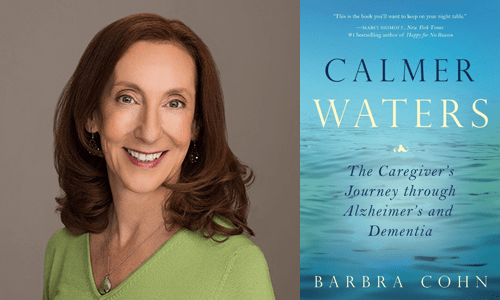
Barbra Cohn cared for her husband Morris for 10 years. He passed away from younger-onset Alzheimer’s disease in 2010. Afterward, she was compelled to write “Calmer Waters: The Caregiver’s Journey Through Alzheimer’s & Dementia”—Winner of the 2018 Book Excellence Award in Self-Helpin order to help other caregivers feel healthier and happier, have more energy, sleep better, feel more confident, deal with feelings of guilt and grief, and to ultimately experience inner peace. “Calmer Waters” is available at AmazonBarnes & NobleBoulder Book StoreTattered Cover Book Store,  Indie Bound.org, and many other fine independent bookstores, as well as public libraries.

What does marijuana do for Alzheimer’s and dementia patients?

Medical marijuana from the DoctorMy husband passed away eight years ago from younger-onset Alzheimer’s.  Recreational marijuana is now legal in Colorado, but before medical marijuana was legal I’d find a way to obtain it for him to smoke or eat in cookies and brownies. It calmed him down and made him happy. It reduced his anxiety, but it definitely did not help his memory. And that’s not what I was looking for. I just wanted him to feel calmer, and in so doing, it helped me feel more at ease. (Please read Is it a good idea for Alzheimer’s and dementia patients to use marijuana?)

I am not a scientist, but having interpreted studies for the nutritional supplement industry for several decades I can say that it’s possible to find a pro and con study for almost any drug, nutraceutical, herb, vitamin or mineral. Every person is unique, every situation is unique and every environmental factor will influence the outcome of a scientific study in some way. This fact is especially interesting: Because of the federal restrictions, researchers’ only legal source of cannabis for study is a Mississippi farm. But the marijuana plants there are not necessarily identical to those that people get at the dispensary or on the street. Just another indication that studies don’t always demonstrate accurate findings.

Marijuana studies vary in quality and the conclusions are frequently conflicting, according to experts on the issue. What we do know is that marijuana contains hundreds of chemical compounds, the most powerful of which are delta-9-tetrahydrocannabinol, or THC, and cannabidiol, or CBD. THC produces the psychoactive effects — the marijuana high. CBD has a role in pain control and also moderates the effect of THC. But many strains of marijuana in use today have high concentrations of THC and little CBD to balance it. The long-term effects of this shift are unknown.

Here are some recent studies showing the effects of marijuana use on cognition, dementia and heart health.

  1. It’s a known fact that high beta-amyloid—the culprit in Alzheimer’s disease—triggers inflammation and nerve cell death. This leads to memory loss and cognitive deficits. A study published in the journal Aging and Mechanisms of Disease (Amyloid proteotoxicity initiates an inflammatory response blocked by cannabinoids) found that the compound THC (tetrahydrocannabinol) reduced beta-amyloid levels and eradicated the inflammatory response to beta-amyloid, preventing nerve cellular death. While clinical trials are needed to confirm the role THC might play in protecting nerve cells against beta-amyloid, the researchers believe their findings shed more light on the role beta-amyloid plays in Alzheimer’s disease, which could pave the way for new treatments.
  2. Another study examined mice with induced symptoms of Alzheimer’s. The laboratory animals were given a combination of THC and CBD.  The animals displayed improved learning and had less evidence of amyloid clumps in their bodies. Other researchers believe that targeting the CB2 receptor could control the activity of microglia, (a type of cell located throughout the brain and spinal cord) preventing the potentially harmful overactivation of the immune system in the brain.
  3. A Harvard study indicates that medical marijuana has a positive impact on executive functioning in adults. The study points out that medical marijuana products themselves may protect against the executive function deficits that affect most recreational marijuana users because of the inherent differences between medical and recreational products. Medical products are usually low in THC, the primary psychoactive constituent of the plant, and high in other cannabinoids, including CBD. CBD is a non-psychoactive component touted for its therapeutic potential, which may also mitigate some of the negative effects of THC. On self-report questionnaires, patients also indicated moderate improvements in quality of sleep and depression. Obviously, individuals with dementia and Alzheimer’s are not  making important decisions, but this study shows how cannabis can help with sleep and mood.
  4. Research presented in March 2017 at the American College of Cardiology’s 66th Annual Scientific Session showed that using marijuana raises the vascular risks of stroke and heart failure, both major risk factors leading to vascular dementia. Research in cell cultures shows that heart muscle cells have cannabis receptors relevant to contractility, or squeezing ability, suggesting that those receptors might be one mechanism through which marijuana use could affect the cardiovascular system. The study drew data from the Nationwide Inpatient Sample, which includes the health records of patients admitted at more than 1,000 hospitals comprising about 20 percent of U.S. medical centers. Researchers extracted records from young and middle-aged patients—age 18-55 years—who were discharged from hospitals in 2009 and 2010, when marijuana use was illegal in most states. Marijuana use was diagnosed in about 1.5 percent (316,000) of more than 20 million health records included in the analysis. Comparing cardiovascular disease rates in these patients to disease rates in patients not reporting marijuana use, researchers found marijuana use was associated with a significantly increased risk for cardiovascular events such as stroke, heart failure, coronary artery disease and sudden cardiac death. Marijuana use was also linked with a variety of factors known to increase cardiovascular risk, such as obesity, high blood pressure, smoking and alcohol use. After researchers adjusted the analysis to account for these factors, marijuana use was independently associated with a 26 percent increase in the risk of stroke and a 10 percent increase in the risk of developing heart failure.

“Even when we corrected for known risk factors, we still found a higher rate of both stroke and heart failure in these patients, so that leads us to believe that there is something else going on besides just obesity or diet-related cardiovascular side effects,” the lead researcher said. “More research will be needed to understand the pathophysiology behind this effect.”

Conclusion

A lot of clinical research needs to be done in order for the medical community and Alzheimer’s Association to recommend the use of cannabis for Alzheimer’s and dementia.

As with any pharmaceutical, it’s important to understand that no drugs are, as a general rule, 100% safe. But if they can fix something, we take a calculated risk by using them. If cannabis calms down an agitated person, helps with sleep, puts a smile on one’s frozen face, it might be worth trying. If you do decide to give it to an individual with Alzheimer’s, please be cautious. Start with a very small dose in a cookie or brownie and see what the reaction is. Watch for signs of distress and nausea. And hope for some sense of calm and joy.

It helped my husband relax and appear as his old, happy self. But it certainly didn’t help his cognition.


image

Barbra Cohn cared for her husband Morris for 10 years. He passed away from younger-onset Alzheimer’s disease in 2010. Afterward, she was compelled to write “Calmer Waters: The Caregiver’s Journey Through Alzheimer’s & Dementia” in order to help other caregivers feel healthier and happier, have more energy, sleep better, feel more confident, deal with feelings of guilt and grief, and to ultimately experience inner peace. “Calmer Waters” is available at AmazonBarnes & NobleBoulder Book StoreTattered Cover Book Store,  Indie Bound.org, and many other fine independent bookstores, as well as public libraries.


Are you putting yourself at risk for dementia with OTC medications and prescription drugs?

Reading Instructions from PharmacyA new study links the increased risk of dementia with certain medications. (Anticholinergic drugs and risk of dementia: case-control study) The focus of the study was on drugs that have anticholinergic effects. Acetylcholine is vital to memory and learning. There are lower levels of this neurotransmitter in the brains of people with Alzheimer’s disease. Additionally, animal studies have shown that anticholinergic drugs may contribute to brain inflammation, another risk factor for dementia.

It’s estimated that approximately 50% of adults in the U.S. take one or more medications with an anticholinergic effect. Some of the most common are:

  • amitriptyline (Endep, Elavil), paroxetine (Paxil, Pexeva), and bupropion (Aplenzin, Wellbutin). These drugs are commonly taken for depression)
  • oxybutynin and tolterodine, taken for an overactive bladder, found in Ditropan, Oxytrol.
  • diphenhydramine, a common antihistamine found in: Advil PM, Aleve PM, Bayer PM, Benadryl, Excedrin PM, Nytol, Simply Sleep, Sominex, Tylenol PM, Unisom, etc.
  • Chlorpheniramine, found in Actifed, Allergy & Congestion RElief, Chlor-Trimeton, Codeprex, Efidac-24 Chlorpheniramine, etc.

According to Shelly Gray, professor pharmacy at the University of Washington, and author of  Cumulative Use of Strong Anticholinergics and Incident Dementia” (March 2015, JAMA Internal Med.), the longer people took the drugs and the higher the dose, the higher the risk of dementia, although it’s important to note that short-term use was not linked to higher risks.

Gray suggested that people, especially seniors, who have trouble sleeping find a non-drug therapy for insomnia Celexa and Prozac for depression and Claritin for allergies.  She emphasized that it is important to speak with one’s doctor before stopping a medication that you have been taking.

Natural alternatives

Help for depression

  1. Get some physical exercise every day; even just a 20 minute walk helps tremendously.
  2. Use aromatherapy oils. For more information about the use of aromatherapy to reduce stress, improve immunity, reduce agitation, and to promote relaxation read chapter 18 “Aromatherapy” in “Calmer Waters: The Caregiver’s Journey Through Alzheimer’s & Dementia” by Barbra Cohn
  3.  I gave my husband Ginkgo biloba for depression (and also took it myself). It helped right up until he was in late stage Alzheimer’s. One word of advice, not all brands are efficacious, so pick one carefully. Also note that it takes about 6 weeks to notice an effect. This is a typical difference of taking a pharmaceutical versus a natural remedy.
  4. Vitamin B complex optimizes cognitive activity and brain function, has a positive effect on memory, learning capacity and attention span, and supports a healthy nervous system and a stable mood. Vitamins B6 and B12, in particular, play a role in the synthesis of serotonin, the neurotransmitter linked to improving memory, lifting mood and regulating sleep.
  5. Omega-3 fatty acids are rich in DHA, the major unsaturated fat in the brain. This long-chain fatty acid provides the necessary fluid quality to the membranes of the nerve cells so that electrical nerve impulses can flow easily along the circuits of the brain. One study found that Alzheimer’s patients given an omega-3-rich supplement experienced a significant improvement in their quality of life.
  6. Maintain your social connections. Loneliness can actually lead to health problems and mental decline. Join a group—any kind of group: worship,  hiking, scrabble, table tennis, knitting, discussion group, or book club. Volunteer at a food bank, soup kitchen or animal shelter. It’s important to stay connected and to feel as though you are a contributing member of society.

Natural sleep aids

  1. Try valerian, passion-flower or skullcap herbal tea at least a couple of hours before bedtime.
  2. A cup of warm milk with a small pinch of cardamom, coriander, cinnamon, turmeric and cumin, and an 1/8 of a tsp of ghee is a tasty and relaxing bedtime drink. The calcium in the milk is a muscle relaxant and the Indian spices help induce relaxation. Experiment to see which spices you like.
  3. Eat a banana. Bananas contain potassium and magnesium that help reduce risk of muscle cramps. These two minerals also support heart health and cognitive function.
  4. A drop in blood sugar during the night can cause us to wake up. Although it’s better to not go to sleep on a full stomach, a small protein snack such as a slice of cheese or smear of peanut butter on a cracker can help maintain balanced blood sugar.
  5. Melatonin supplements help some people, but you might have to experiment with the dosage. I like Natural Vitality’s Natural Calm, a powdered calcium supplement that you put in water or juice. I also like the homeopathic remedy Hyland’s Calms Forte.
  6. Spritz lavender oil on your pillow or put a sachet of lavender flowers under your pillow.

Natural antihistamines

  1. Quercetin is a bioflavonoid that is naturally found in plant foods such as apples, cruciferous vegetables (like broccoli or cauliflower), onions/shallots, green tea and citrus fruits. It stabilizes the release of histamines and helps to naturally control allergy symptoms.
  2. Apple cider vinegar is my new “go to” remedy for almost everything. I take 1 Tablespoon everyday by pinching my nose and drinking water to flush it down. It helps alkalize the body and supports immune function.
  3. Butterbur is a natural herb that is sold as an extract. A study published in August 2005 in Phytotherapy Research found that when compared to an antihistamine, the butterbur extract worked just as well, without the side effect of drowsiness.
  4. Remember that Claritin does not contain diphenhydramine, so use it by all means if these other remedies do not do the trick.

image

Barbra Cohn cared for her husband Morris for 10 years. He passed away from younger-onset Alzheimer’s disease in 2010. Afterward, she was compelled to write “Calmer Waters: The Caregiver’s Journey Through Alzheimer’s & Dementia” in order to help other caregivers feel healthier and happier, have more energy, sleep better, feel more confident, deal with feelings of guilt and grief, and to ultimately experience inner peace. “Calmer Waters” is available at AmazonBarnes & NobleBoulder Book StoreTattered Cover Book Store,  Indie Bound.org, and many other fine independent bookstores, as well as public libraries.

Do you worry about developing digital dementia?

Cropped Group of friends standing on table and browsing in their divices in modern roomI recently listened to a lecture about the dangers of digital dementia, and I think it’s an important topic to explore on the healthycaregiverblog. Essentially, it’s a condition that develops overtime after becoming addicted to and overusing digital technology. This includes smart phones, computers, reading devices, and tablets. The term was coined by German neuroscientist Manfred Spitzer and describes how the result of overuse of digital technology is resulting in the breakdown of cognitive abilities, which first appear as something similar to attention disorder.

Our kids are on their phones too much, they play video games for hours, and studies have shown they are having an increasingly harder time concentrating on schoolwork. An article in Psychology Today (Susan Greenfield Ph.D., 7.1.15) says “We know that action video gaming is linked with greater brain volume in the striatum (1) but this may be at the expense of a reduction in hippocampal volume. (2) Although this proposal requires further investigation, previous research has shown that reduced grey matter in the hippocampus is associated with an increased risk for schizophrenia, post-traumatic stress disorder, depression and dementia, amongst other disorders.”

According to the Kaiser Foundation’s shocking report, elementary-age children use entertainment technology for an average of 7.5 hours a day.

  • 75% of these children have televisions in their bedrooms
  • 68% of two-year-olds regularly use tablets
  • 59% have smartphones
  • 44% have game consoles.

While occasional digital screen time may be okay, many parents rely on them for babysitting and some peace and quiet. An ASHA Survey of the U.S. states that:

“…more than half of parents surveyed say they use technology to keep kids ages 0–3 entertained; nearly 50% of parents of children age 8 report they often rely on technology to prevent behavior problems and tantrums.”

However, just because something is common doesn’t mean it’s okay. What exactly should we be worried about?

Spitzer proposes that short-term memory pathways will start to deteriorate from underuse if we overuse technology. I know for my self that I am addicted to checking my email and friends’ Facebook posts. I have also realized that it is more difficult for me to concentrate on reading the newspaper because I can get the nugget of information more quickly online than reading an entire article. I’m just thankful my overuse of technology hasn’t gotten in the way of my love for reading hand-held old-fashioned books.

But what about putting myself at risk for dementia? Should I worry? Should you worry?

YES!

Here’s why: All digital devices emit high levels of blue light and blue light has been proven to increase cortisol levels.  Cortisol is the stress hormone.  Chronically elevated cortisol levels can lead to shrinkage in some brain areas, most notably the hippocampus, which is what is associated with memory and recall. This is the area first affected in Alzheimer’s disease.  Elevated cortisol is also a major contributor to obesity and Type II Diabetes.  It also disrupts our normal circadian rhythm leading to sleep disorders. Over 25,000 articles have been published in scientific journals over the last 30 years about the effects of EMF’s (electromagnetic fields) on human health.

I think we all need to be cognizant of how much time we spend behind the screen–any screen, including TV. Here are some ways to turn of the technology, re-establish healthy social interaction and get healthier at the same time.

Include your family in setting these parameters

  1. Get outside as much as possible. Walk more. Get a dog so you have to go outside and walk. Exposure to natural sun light is much preferred over sitting in front of a digital device that emits blue light.
  2. Limit the time digital technology is used in your home. Set a specific time and limit that time.
  3. Read more, read together.
  4. Enjoy a joint or individual project. Have a game night or an ongoing puzzle set up in the family room.
  5. Make it a strict rule: no phones or TV at the dinner table. That includes at  restaurants.
  6. Learn games on non-electronic formats. For instance, instead of learning how to play chess on a computer, get a chess set and set up the board. Leave it out; don’t put it away. It’ll encourage your family to play more often.
  7. Write a play and then act it out for the family or neighborhood
  8. Learn how to play a musical instrument.
  9. Join a sports team.
  10. Walk a neighbor’s dog or babysit.

You will enjoy more social interaction, feel happier, healthier and more at peace with yourself and the world around you.


  1. Kühn S, Romanowski A, Schilling C, Lorenz R, Mörsen C, Seiferth N, … & Gallinat J. (2011). The neural basis of video gaming. Translational Psychiatry, 1(11), e53
  2. West GL, Drisdelle BL, Konishi K, Jackson J, Jolicoeur P, & Bohbot VD. (2015). Habitual action video game playing is associated with caudate nucleus-dependent navigational strategies. Proceedings of the Royal Society B, 282(1808)


Can depression be a sign of dementia?

Depressed Senior Woman Sitting OutsideDepression can affect our memory, and it can result from not being able to do the things that were once easy for us, as in the case of Alzheimer’s or dementia. Depression can result from a number of factors and it often appears differently in different people
Some people are able to hide the fact that they are terribly depressed. I did. I tried to put on a happy face during my husband’s illness, but inside I often felt as though I was dying. Following the recent suicides of Kate Spade and Anthony Bourdain, we have to remind ourselves that we usually don’t know what is happening inside someone else’s head.

Before my husband was diagnosed with younger-onset Alzheimer’s disease he was withdrawn and depressed. I didn’t know what exactly what was going on, and he was unable to articulate how he felt. I eventually realized that he was depressed because the things that were once effortless for him to do, such as driving around town or figuring out how much tip to leave in a restaurant, had become difficult.

Alzheimer’s and depression often occur simultaneously, which often makes it difficult for physicians to make a diagnosis without further testing. According to James M. Ellison, MD of the Swank Memory Care Center, Christiana Care Health System, approximately half of individuals affected by Alzheimer’s disease will experience clinically significant depressive symptoms at some point.  Depression can occur during any phase of the illness.

Symptoms common to Alzheimer’s and depression

  • Loss of interest in things that were once enjoyable
  • Memory issues
  • Sleeping too much or too little
  • Social withdrawal or isolation
  • Impaired concentration
  • Eating too much or too little
  • Crying, feelings of hopelessness, despair
  • Unmotivated
  • Lack of energy, lethargy, apathy
  • Irritability
  • Thoughts of death or suicide

A case of the chicken or the egg: which came first, Alzheimer’s or depression?

Some health professionals think that depression can put one at greater risk for Alzheimer’s. There is also a belief that depression is a symptom of Alzheimer’s. In any case, physicians feel that a person with dementia who is depressed can experience a quicker cognitive decline and need to rely more on caregivers.

What to do?

8 natural ways to combat depression.

Antidepressants may not work as well with people who have Alzheimer’s and are depressed. Before resorting to antidepressants and other drugs,  try these options:

  1. Provide a safe and calm environment. Light candles at dinner, play classical music, have a vase of fresh flowers on the table.
  2. Get some physical exercise every day; even just a 20 minute walk helps tremendously.
  3. Use aromatherapy oils. For more information about the use of aromatherapy to reduce stress, improve immunity, reduce agitation, and to promote relaxation read chapter 18 “Aromatherapy” in “Calmer Waters: The Caregiver’s Journey Through Alzheimer’s & Dementia” by Barbra Cohn
  4.  I gave my husband Ginkgo biloba for depression (and also took it myself). It helped right up until he was in late stage Alzheimer’s. One word of advice, not all brands are efficacious, so pick one carefully. Also note that it takes about 6 weeks to notice an effect. This is a typical difference of taking a pharmaceutical versus a natural remedy.
  5. Vitamin B complex optimizes cognitive activity and brain function, has a positive effect on memory, learning capacity and attention span, and supports a healthy nervous system and a stable mood. Vitamins B6 and B12, in particular, play a role in the synthesis of serotonin, the neurotransmitter linked to improving memory, lifting mood and regulating sleep.
  6. Omega-3 fatty acids are rich in DHA, the major unsaturated fat in the brain. This long-chain fatty acid provides the necessary fluid quality to the membranes of the nerve cells so that electrical nerve impulses can flow easily along the circuits of the brain. One study found that Alzheimer’s patients given an omega-3-rich supplement experienced a significant improvement in their quality of life.
  7. Maintain your social connections. Loneliness can actually lead to health problems and mental decline. Join a group—any kind of group: worship,  hiking, scrabble, table tennis, knitting, discussion group, or book club. Volunteer at a food bank, soup kitchen or animal shelter. It’s important to stay connected and to feel as though you are a contributing member of society.
  8. Sleep well by getting to bed before 11:00 pm, eating your last meal before 8pm, turning off your electronic devices, and eliminating light in your bedroom. Studies have indicated that sleep deprivation can increase risk of dementia and Alzheimer’s disease. If you have trouble sleeping consider using a lavender essential oil spray on your pillow or a sachet of lavender inserted into the pillowcase. There are lots of natural sleep aids available at your local health food store, such as melatonin, calcium/magnesium, valerian, hops, etc. Consult with a nutritional consultant about what might work best for you.

image

Barbra Cohn cared for her husband Morris for 10 years. He passed away from younger-onset Alzheimer’s disease in 2010. Afterward, she was compelled to write “Calmer Waters: The Caregiver’s Journey Through Alzheimer’s & Dementia” in order to help other caregivers feel healthier and happier, have more energy, sleep better, feel more confident, deal with feelings of guilt and grief, and to ultimately experience inner peace. “Calmer Waters” is available at AmazonBarnes & NobleBoulder Book StoreTattered Cover Book Store,  Indie Bound.org, and many other fine independent bookstores, as well as public libraries.

Easy ways to calm down crazy full moon behaviors

ヨガThe human body is 55 to 78% water (depending on sex and age) so it makes sense that the gravitational pull of the moon would affect us, right?  Many scientists point out that the biological tide theory doesn’t hold. On The Skeptics Dictionary website Robert Todd Carroll says, “Given the minute and bounded mass of fluid contained within the human body, compared to the enormous and free-flowing mass of ocean water, and given the enormous distance to the moon, the lunar pull on the human body is negligible.”

Theories about the moon’s influence on animal behavior are more widely accepted. Although the topic of whether or not the moon affects human behavior is controversial, there is plenty of anecdotal evidence and some scientific evidence indicating that it does.

I, for one, have a difficult time sleeping around the full moon. And my husband, who suffered from Alzheimer’s disease, exhibited more agitated behavior when the moon was full.

Studies have shown that the lunar cycle has an impact on fertility, menstruation, and birth rate.  Admittance to hospitals and emergency units due to cardiovascular and acute coronary events, arterial hemorrhages in the stomach and esophagus, diarrhea, and urinary retention correlate with moon phases. Other events linked to human behavior, such as traffic accidents, crimes, and suicides, seem to be influenced by the lunar cycle.

In the 1600’s Sr. William Hale, a distinguished British physician and medical biographer, wrote, “The moon has a great influence in all diseases of the brain, especially dementia.” The British Lunacy Act of 1842, which dismissed crazy behavior as being caused by the full moon, built on his theory.  In fact, as recently as 1940 a British soldier who was charged with murder pleaded “moon madness.”

Alan M. Beck of Purdue University conducted a longitudinal study to objectively examine the lunar influence on the frequency, duration, and intensity of behaviors in individuals with Alzheimer’s disease.

He examined wandering, anxiety, physical aggression, and verbal confrontation. His study concluded that individuals with Alzheimer’s disease did, in fact, exhibit significantly more erratic behaviors during periods of the full moon, and that these behaviors were of greater duration during that time. The objective analysis that a lunar influence on behavior in Alzheimer’s individuals exists validates a long-standing belief held by many healthcare providers.

If you’re a caregiver for someone with dementia, you’ve probably seen some odd behavior in your loved one around the full moon. And if you have trouble sleeping or feel restless or anxious during the full-moon, you’ve personally noticed the effects.

Here are some ways to calm the nerves and odd behaviors during the full moon or anytime.

From Calmer Waters: The Caregiver’s Journey Through Alzheimer’s & Dementia--“Aromatherapy” chapter 18 by Laraine Kyle Pounds, RN, MSN, BSN, CMT.

Aromatherapy can be a resource of comfort to you and your care partner by providing an easy, natural way to reduce stress and anxiety and uplift mood. The following oils can be used in a diffuser, or put in a bath or fragrance free moisturizer. They can also be sprayed on a pillow or handkerchief.

Citrus oils are generally refreshing and uplifting for the mind and emotions, relieve stress and anxiety, and are useful for odor management and appetite support. Consider: bergamot, grapefruit, lemon, and orange.

Floral oils are often used as a personal fragrance and are useful to relieve anxiety, depression, and irritability. These oils are useful as an inhaler, in a body lotion, and for the bath. Consider: clary sage, geranium, lavender, rose, and ylang ylang.

Tree oils are revitalizing with immune boosting properties, ease respiratory congestion, and are supportive to breathing ease. They are useful for pain relief, skin infections, and odor management, and can relieve nervous exhaustion and depression. Consider: eucalyptus (Eucalytpus citriodora or globulus), pine needle, sandalwood, or Tea Tree.


Herbal remedies (from chapter 31, Nutritional Support for Caregivers, in “Calmer Waters: The Caregiver’s Journey Through Alzheimer’s & Dementia”

A nervine is a plant remedy that has a beneficial effect upon the nervous system.  Nervines are especially useful during times of stress because they have a strong relaxing and calming effect without producing a dulling, “hang-over” side effect.  They also tone and restore the nervous system to a more balanced state.  Some nervines are also anti-spasmodic, meaning they relax the peripheral nerves and the muscle tissue, which in turn has a relaxing effect on the whole system.

The main types of nervines are tonics, relaxants, and stimulants.

  • Nervine Tonics – are particularly helpful for strengthening the nervous system and restoring balance. In addition to having a relaxing effect, they have a vaso-dilating action on the blood vessels of the brain.  This increases oxygen availability to brain cells and helps with mental agility and mood.
  • Nervine Relaxants – are especially beneficial for short-term use, for example in treating mild depression or acute anxiety. “This group of nervines are most important in times of stress and confusion, alleviating many of the accompanying symptoms. They should always be used in a broad holistic way, not simply to tranquillize.  Too much tranquilizing, even that achieved through herbal medication, can in time deplete and weigh heavily on the whole nervous system,” says renown herbalist David Hoffman.
  • Nervine Stimulants– are used as a restorative “pick-me-up” when you need an energetic boost without that revved up feeling produced by caffeine.

Recommended nervines:

  • Passion flower- helps soothe anxiety, insomnia, tension headaches, muscle aches and spasms, pain, hyperactivity, epilepsy, and helps alleviate anger and lower blood pressure.
  • Skullcap – is antispasmodic and relaxing and is recommended to relieve headaches, mood swings, insomnia, premenstrual syndrome, and nervous tension and exhaustion.

The next time you’re feeling nervous, agitated, restless or hyped up, calm your nerves with a nervine herb or aromatherapy. If your loved one has Alzheimer’s or dementia and is on medication, please check with the physician to make sure they do not interact with the nervine herbs.  Use pure essential aromatherapy oils to lower risk of allergy.

If all else fails, you can always go outside and howl at the moon.


Studies showing we are affected by the full moon

1. More babies are born around the full moon. A study in Kyoto, Japan looked at 1007 natural births and found there was significant increase in births when the moon was closest to the earth. Results of this study suggest that the gravitational pull of the Moon has an  influence on the frequency of births.

2. Do you have trouble sleeping around the full moon? Sleep researcher Christian Cajochen at the Psychiatric Hospital of the University of Basel in Switzerland conducted a four-year lab study to see if he could show that it is physiologically true that many people have difficulty sleeping during the full moon.  His researchers monitored the brain activity, eye movements and hormone secretions of 33 volunteers in the lab while the participants slept. All the participants were healthy, good sleepers, and did not take any drugs or medication.Unexpectedly, the scientists found “the lunar cycle seems to influence human sleep, even when one does not see the moon and is not aware of the actual moon phase,” Cajochen said. After reviewing their data, the scientists found during the time of the full moon, brain activity related to deep sleep dropped by 30 percent. People also took five minutes longer on average to fall asleep, and they slept for 20 minutes less overall on full-moon nights. The volunteers felt as though their sleep was poorer when the moon was full, and they showed diminished levels of melatonin, a hormone known to regulate sleep and wake cycles. “It took me more than four years until I decided to publish the results, because I did not believe it myself,” Cajochen told LiveScience. “I was really skeptical about the finding, and I would love to see a replication.”


Barbra Cohn cared for her husband Morris for 10 years. He passed away from younger-onset Alzheimer’s disease in 2010. Afterward, she was compelled to write “Calmer Waters: The Caregiver’s Journey Through Alzheimer’s & Dementia” in order to help other caregivers feel healthier and happier, have more energy, sleep better, feel more confident, deal with feelings of guilt and grief, and to ultimately experience inner peace. “Calmer Waters” is available at AmazonBarnes & NobleBoulder Book StoreTattered Cover Book Store,  Indie Bound.org, and many other fine independent bookstores, as well as public libraries.

The Brain Support awards: The Best, Worst, and Weirdest

Blank award ribbon set

It’s Brain Awareness Week and a good time to assess what we are doing to enhance our memory, focus, cognition and other mental processes.

I recently read “In Pursuit of Memory: The Fight Against Alzheimer’s” by Dr. Joseph Jebelli, a British neuroscientist. It is a wonderfully written comprehensive analysis of the disease, including a history of research, theories, clinical trials, and possible ways to stave off the disease. Although the research and scientific language might dissuade some readers, I found the book very readable and accessible, especially since Jebelli includes his personal account of his grandfather’s Alzheimer’s disease. Here are some of his recommendations for supporting brain health.

The Best Brain Support Awards

  • Staying socially and physically active has a positive effect on mood and well-being.
  • Eating a healthy diet, especially the Mediterranean diet (lots of fresh fruits and veggies, cold-water fish such as wild salmon and sardines, whole grains, and healthy oils (olive, walnut, avocado) and nuts). For more ideas on how to eat well, read 20 Ways to give your body the best nutrition it deserves.
  • Using turmeric to season your food or taking a turmeric supplement. Dr. Jebelli writes about an in vitro (in a petri dish) study in which curcumin, the bioactive ingredient in turmeric, actually dissolves the beta-amyloid plaque found in the Alzheimer’s brain. Beta-amyloid is responsible for creating the plaques that inhibit the communication between neurotransmitters, leading to loss of memory and other functions. For more information about turmeric read Turmeric does a body good.
  • Maintaining a positive attitude

Additionally, here are a couple of my favorite brain support aids.

1. Coconut oil–I was skeptical when I first heard that Alzheimer’s patients were having a reversal of the disease process after consuming coconut oil. But after hearing anecdotal stories, I am very curious about how coconut oil improves cognitive performance in individuals with Alzheimer’s. A Spanish study published in March 2017 concluded that after consuming 40 ml of coconut oil each day for 21 days, (divided into two servings) 44 patients with Alzheimer’s exhibited a significant improvement in language skills. Read more about it: How does coconut oil affect cognitive performance in alzheimer patients?

Coconut oil contains medium-chain triglycerides, which go directly to your liver. The liver naturally converts the oil into ketones. Ketones are chemicals made in your liver. You produce them when you don’t have enough insulin in your body to turn sugar (or glucose) into energy. Ketones are released into the bloodstream where they are transported to the brain as an alternative fuel. Other fats are not readily released into the blood stream and are typically mixed with bile released from the gallbladder before they can be broken down in the digestive system.

Dr. Mary Newport, author of the 2011 book “Alzheimer’s Disease: What if there was a cure?: The story of ketones,” discovered that when her husband ingested coconut oil his Alzheimer’s-impaired cognition improved. In fact, it improved so much that “by the fifth day I felt as though I had gotten my husband back,” says Newport. “His personality and sense of humor returned, he was less depressed, and was able to walk normally again. And he started running and resumed the activities of vacuuming and mowing the lawn.” Additionally, two months after he started taking coconut oil his Mini Mental State Examination (MMSE) score went from 12 to 20 out of 30 points, and he was able to draw the face of the clock, says Newport.

Therapeutic levels of medium chain triglycerides (MCTs) have been studied at 20 grams a day, or about 7 level teaspoons. That comes to about 240 calories per day, since one tablespoon of coconut oil is about 120 calories. But there are no significant long-term human clinical studies completed at this point in time.

groundbreaking research study of a ketone ester in an Alzheimer’s mouse model was released for publication January 4, 2012 in Neurobiology of Aging. This study showed that compared to animals fed a normal control diet, the Alzheimer’s model mice that were fed ketones had significantly less amyloid plaques and tangles in their brain. The animals also showed reduced anxiety, and improved learning and memory compared to the mice fed the control diet.

Mild to moderate Alzheimer’s patients are having good results from a medical food called Axona® which contains a proprietary formulation of medium-chain triglycerides. Axona, which provides an alternative fuel for the brain, as does coconut oil, is a medical food product and not a drug or a dietary supplement. Medical food products are regulated by the FDA, but are in a unique category separate from drugs and dietary supplements. Axona is available by prescription, and is used in conjunction with other Alzheimer’s medications. For more information visit: http://about-axona.com/

Since we have yet to see long-term human clinical trials, I would not call coconut a miracle remedy for Alzheimer’s disease as indicated by Dr. Mary Drew. But if my husband were still alive I would definitely try giving him coconut oil or Axona. Besides some possible minor gastrointestinal side effects and a slight weight gain, adding medium-chain triglycerides to the health regimen of someone with Alzheimer’s disease might just make a difference.

2. Phosphatidylserine (PS) is one of my favorite daily supplements. I notice a difference in my mental acuity when I take it. And when I forget to take it, I am definitely not as sharp as I like to be. PS protects the integrity of brain cell membranes, facilitates the efficient transport of energy-producing nutrients into cells, and enhances brain cell energy metabolism. PS has been sanctioned by the FDA as a safe “brain booster.”Because there are global concerns about mad cow disease, commercial sources of PS, once derived from cows, are now made from soy-derived PS.How does phosphatidylserine work? Phosphatidylserine keeps fatty substances soluble and cell membranes fluid.  It also helps to increase glucose metabolism in the brain. This is especially significant because Alzheimer’s disease has been called a type of diabetes–diabetes 3- because the Alzheimer’s brain is inefficient in metabolizing glucose. PS has also been found to increase the number of neurotransmitter receptor sites in the brain.

A study published in August 2015 found that PS decreased cholinesterase, the enzyme that interferes with the brain’s uptake of choline. Most importantly, the patients who took supplemental PS showed an improvement in their memory. In conclusion, PS decreased cholinesterase, improved memory.

The Worst Brain Support Awards 

You have probably heard it before, but it’s worth repeating. Refrain or at least cut back on eating these foods. They really do a body harm, and especially your brain.

  • Alcohol
  • Refined carbs
  • Soda, and high fructose corn syrup, which tricks your brain into thinking you’re hungry when you’re not
  • Trans Fatty acids in processed foods, margarines, salad oils, bakery goods, potato and corn ships, candies
  • Saturated fats meat, chicken skin, full fat dairy products and butter

Lack of sleep has been demonstrated to increase risk of dementia and other health concerns. For more information about the importance of sleep, read 16 ways to sleep better . . . so you can be a better caregiver.

Sitting all day and not getting enough exercise is bad for the body and bad for the brain. If you have an office job where you sit most of the day try to get up and move every hour or so. And during your lunch break, go outside for a walk. You will feel so much better!

The Weirdest Brain Support Awards

Stress has a big impact on brain health.  But there are dozens of ways to reduce stress and protect our overall health and brain health. Here are some that were a surprise to me.

  • Applying pressure to the space between your second and third knuckle (the joints at the base of your pointer and middle fingers) supposedly calms you down instantly because it activates a nerve that, according to Sharon Melnick, author of “Success Under Stress,” “loosens the area around the heart, so any fluttery feeling you feel when you’re nervous goes away.”
  • Kissing helps your brain release endorphins, the feel-good neurotransmitters. Laura Berman, Ph.D., a Northwestern University researcher found that in a study of 2,000 couples, those who only kissed when they had sex were eight times more likely to report feeling chronically stressed or depressed. So kiss often and more passionately.
  • I see “the lemon trick” every so often on Facebook. Well, it’s not a trick and it’s not lemon. Rather, this post is about a dietary supplement made from a lemon balm plant called Blueness that is grown only in Bavaria, Germany. The marketing copy claims that if you take this supplement within one hour you will be thinking “I can do anything if I just set my ind to it.” It supposedly improves rapid fire oscillation, which means you’ll be able to remember where you parked your car and the names of people you haven’t seen in years), and you won’t be destined to a life of “What’s this thingamajig called?” It sounds too good to be true, but the hype convinced me to continue reading to the end, where I discovered that the supplement is pretty expensive. No thanks.

I’d love to hear about your favorite brain support tips.

I will send to the first 10 people who respond a chapter from my book “Calmer Waters: The Caregiver’s Journey Through Alzheimer’s and Dementia” called “Living in the Now.” The chapter includes affirmations for staying positive throughout the day and techniques for staying present when you are worried about the futurefrom my book.

“Calmer Waters: The Caregiver’s Journey Through Alzheimer’s & Dementia” by Barbra Cohn contains a treasure trove of information on how to stay connected with your loved one, keep calm, improve immunity, reduce stress and feel happier and healthier. Plus, it includes 20 healing modalities that the caregiver can do alone or with their loved one. Available wherever fine books are sold and on Amazon.

cropped-front-cover-42316.jpg


7 “mistakes” you’re making as a caregiver for someone with Alzheimer’s and what to do about it.

Helping hands, care for the elderly concept

If you’re like most caregivers you are tired, stressed, and some days just can’t wait to crawl into bed. Are you taking care of yourself? Are you getting enough rest? Do you have the support you need? Are you listening carefully to the person you lovingly care for? Here’s a quick check-list for assessing how well you are caring for yourself and your loved one.

  1. Are you eating a poor breakfast or skipping breakfast? It is so important to begin the day with a nourishing meal. This is true for everyone, but especially important for caregivers. It’s recommended that we eat within one hour after waking to stabilize our blood sugar—which has dropped during sleep—so that your mood stays even and you can perform at your best.  If not, you’ll be more apt to reach for a bagel or doughnut or another cup of coffee. After loading up on carbs and empty calories, it’s typical to feel hungry again within a couple of hours. And every time our blood sugar crashes, it’s a signal to the body to store calories. The same goes for a hungry body. If you don’t eat breakfast, your blood sugar will be low, and this too is a signal to the body to store calories, which adds fat around your middle. And, of course, the same applies to the person you care for.

Breakfasts of Champions

Instead of eating a bowl of corn flakes with a banana and low-fat milk, have a 2-egg omelet, slice of whole grain toast, a cup of fresh fruit and a cup of steamed greens such as kale. Then notice the difference in how you feel. You’ll have more stamina, less anxiety and depression, and will able to get through the whole day more easily.

Other ideas

  • Whole-grain mini-quiche with 1/2 cup berries
  • Oatmeal with prunes or raisins, walnuts or almonds, and cinnamon, whole milk
  • Multigrain hot cereal, Greek yoghurt and fresh fruit, almonds
  • Eggs with beans, salsa, and a side of greens
  • Bagel with hummus, tomato and goat cheese
  • Smoothie with greens, fruit, protein and flax

2. Do you say “Remember when . . . .or, I told you already . . .”

People with dementia typically do not remember what they said a few minutes ago. If your loved one repeats the same question over and over again, try not to get annoyed. Instead of reminding the person that they forgot what you told them a second ago rephrase it, breaking it down into a simple sentence . . . or completely change the subject.

If you reminisce about something instead of saying, “Remember when we were kids and we’d ride around the neighborhood on our bikes, etc.” tell the story: “You had a red bike and I had a blue bike and we loved to ride through the woods on the bike path, etc.”

If he or she asks about a spouse or parent who has passed away, change the subject to something like this: “Mom and Dad met in New York City at a dance, etc.” If the person keeps asking when he or she can go “home” ask the person to tell you about “home.” You might have to distract your loved one by taking a walk, listening to music, looking at pictures in a book or magazine. Saying “You are already home,” probably will not work.

3. Unusual irritability or anger can be the sign of a UTI or other physical ailment that requires attention. Acting out or acting differently than what is the person’s usual behavior can be a cry for help, especially if the person is non-verbal. Make an appointment to see a doctor to rule out anything suspicious.

4. How well are you sleeping? There are plenty of studies linking poor sleep to a host of physical and psychological ailments: poor immunity, elevated levels of cortisol and insulin, weight gain, diabetes, cardiovascular disease and even Alzheimer’s disease. And irritability, foggy thinking and anxiety, depression and low energy can directly impact your ability to care for another person, do household chores and get in the way of your interpersonal relationships. Good sleep hygiene is the first step to improving your sleep. Click here to read a list of things to try when you are stressed, your mind is on overload, or when you’ve just had too much stimulation and can’t fall asleep or stay asleep.

5. Are you and/or your loved one lonely? Caregiving can isolate us from our friends and family.  You may feel that your social network has disappeared or that your friends have “jumped ship.” This may also be true for the person you care for. Set up times for family and friends to visit or take your loved one on an outing. And don’t be afraid to ask your own friends for support. Find respite care and set up a lunch date with a friend. It’s vital to have social interaction for your mental, physical and emotional health.

6. Is there adequate lighting in the home where your loved one lives? People with dementia can become fearful because they don’t see things spatially the same way we do. Their sense of space is distorted and their vision gets skewed, not because there is something physically wrong with their eyes. But rather, the brain interprets what the eyes see, and when the brain doesn’t work right our perception gets distorted. Two things you can do to help are to put extra lights in dark areas of the living quarters and remove throw rugs in order to reduce falls.

7. Are you and your loved adequately hydrated? Drink at least 6-8 glasses of water each day to keep your body hydrated and to flush out toxins. The brain is 70% water when fully hydrated. When it is dehydrated, neurotransmission—which is heavily dependent on water—is impaired, resulting in poor memory, concentration and impaired abstract thinking. The same goes for your loved one. Memory is much improved when the brain is hydrated. Seniors often lose the signal that they are thirsty and dehydration can be a serious problem for the frail and elderly. If your loved one lives in a memory care home or nursing home, make sure water is provided throughout the day–not just that it is available but that it is offered.


Caregiving is probably the hardest thing you will ever do. You are doing the best that you can, but please remember to take care of yourself.

For more information on how you can reduce stress and boost your happiness and health, read Calmer Waters: The Caregiver’s Journey Through Alzheimer’s & Dementia.


12 quick energy and stress fixes to use throughout the holiday season . . . and all year long

Young ambitious executive enjoying his business success as he stThe holidays are stressful for everyone, but especially for caregivers. Here’s a list of some of my favorite stress relievers and energy boosters.
  1. Breathe! When we are stressed, we tend to hold our breath. Take a 5-minute break and sit down in a comfortable chair. Close your eyes and take a deep breath, in and out. Then focus on your breath and watch how your mind quiets down and your muscles relax. Then remember to breathe throughout the day. Whenever you feel yourself getting anxious or tight, take a deep breath and let it go.
  2. Drink water. We’ve heard it a million times but it’s always good to be reminded. Forget about sodas and limit the wine and alcohol. Staying hydrated, especially at this time of year, is vital to supporting the immune system and reducing inflammation. It’s also important to support healthy cognitive function and memory.
  3. Eat walnuts. A daily dose of about 9 whole walnuts or 1 Tbs. walnut oil helps your blood pressure from spiking during stress. Walnuts contain L-arginine, an amino acid that helps relax blood vessels, which in turn helps reduce hypertension.
  4. Drink green tea. L-Theanine is the main chemical constituent in green tea. It is an ideal nutritional aid for stress because it produces alpha-wave activity that leads to deep relaxation and mental alertness. This is especially important because in order to mitigate stressful situations, it’s important to remain calm and alert. Theanine also stimulates the release of the neurotransmitters GABA, serotonin and dopamine, which help us feel happy, motivated and calm. Green tea extract is available as a nutritional supplement, which might be easier and quicker to take, and it’ll save you a lot of trips to the bathroom.
  5. While we’re on the topic of “green,” be sure to eat green leafy vegetables for vitamin B and magnesium, both of which help your body cope with stress.
  6. Two handfuls of cashews (make that a small handful, please; one ounce of cashews contains 157 calories.) provide the equivalent mood-boosting effect as a therapeutic dose of Prozac because they are one of the highest natural sources of tryptophan, the precursor for serotonin, the feel-good neurotransmitter.
  7. Did someone mention dark chocolate? It reduces cortisol, the stress hormone that causes anxiety symptoms. Just a couple of pieces should do the trick.
  8. Walk around the block. Just getting out into fresh air will instantly relieve stress, and moving your body gets your blood pumping and will clear your mind.
  9. Light candles and play relaxing music while you eat. It will change the mood instantly.
  10. Aromatherapy is a miracle cure for stress and anxiety. Use a wall plug-in to diffuse the aroma of lavender oil to uplift mood, or place a few drops on a handkerchief and tuck it into a shirt pocket or on a pillow. Other oils to try: vetiver, frankincense, myrrh, orange, lemon, bergamot, and grapefruit.
  11. Music is the universal language, and it is also the universal stress reliever. Whether it’s jazz, classical, or hard rock that makes you feel better, by all means, play it loud, play it soft, dance to it, drive to it, go to sleep to it. It will definitely help.
  12. Getting the proper rest is vital to staying healthy and reducing stress. Prepare yourself for a deep night’s sleep by unplugging from electronics at least an hour before bed, taking an Epsom salt bath (put several drops of lavender oil in the water for added relaxation), and making sure the room temperature isn’t too warm.  Good night, sleep tight!

If you, or someone you care about, tend to suffer from stress, anxiety, or depression, these recommendations might just “take the edge off” and improve your quality of life … without the risk of side effects. May the holiday season begin!

For dozens more tools and techniques for reducing stress, uplifting mood, supporting your immune system, and finding ways to connect on a spiritual and emotional level with the person you care for, read Calmer Waters: The Caregiver’s Journey Through Alzheimer’s and Dementia.

BarbraCohn__

The 10 best ways to observe National Alzheimer’s Awareness Month

Ribbons of awarenessIt’s November, which means it’s time to enjoy your Thanksgiving with family and friends.

  1. It’s also time to do your brain a favor and take advantage of the free cognitive exam as part of Medicare’s Yearly Wellness Exam. Despite clear signs that their memory and thinking abilities have gone downhill, researchers have found that more than half of seniors with these symptoms haven’t seen a doctor about them. University of Michigan researchers and their colleagues say their findings suggest that as many as 1.8 million Americans over the age of 70 with dementia are not evaluated for cognitive symptoms by a medical provider, which in some patients can lead to a failure to uncover modifiable causes of thinking or memory impairment.

The study, published in Neurology, the medical journal of the American Academy of Neurology, documents a clear lack of clinical testing for seniors with signs of cognitive problems.“Early evaluation and identification of people with dementia may help them receive care earlier,” says study author Vikas Kotagal, M.D., M.S., who sees patients at the University of Michigan Health System and is an assistant professor in the U-M Medical School’s Department of Neurology. “It can help families make plans for care, help with day-to-day tasks including observed medication administration, and watch for future problems that can occur. In some instances, these interventions could substantially improve the person’s quality of life.”

For instance, knowing that a stroke or vascular issues in the brain caused dementia means patients can work to control risk factors like blood pressure that might otherwise cause it to keep worsening. If your physician suspects Alzheimer’s disease, there are drugs that can help delay the onset of full-blown dementia, and the possibility of placement in a memory care facility, which can help offset the catastrophic cost of the disease.

If you’ve had Part B for longer than 12 months, you can get the free Medicare Annual Wellness Exam to develop or update a personalized plan to prevent disease and disability based on your current health and risk factors. The exam includes:
• A review of your medical and family history
• Developing or updating a list of current providers and prescriptions
• Height, weight, blood pressure, and other routine measurements
• Detection of any cognitive impairment
• Personalized health advice
• A list of risk factors and treatment options for you
• A screening schedule (like a checklist) for appropriate preventive services. Get details about coverage for screenings, shots, and other preventive services.
This visit is covered once every 12 months (11 full months must have passed since the last visit).

2. Combat stress by playing relaxing music, dancing, using an aromatherapy diffuser, taking an Epsom salt bath, turning off electronics at least an hour before bed, etc. Health professionals agree that stress can lead to chronic illness. And in the case of caregiving, it can actually take years off your life.

3. Become a savvy caregiver. The Alzheimer’s Association has chapters throughout the U.S. and offer free classes ranging from how to make financial plans to learning about the latest research in dementia care. Check out their Education and Resource Center.

4. Maintain healthy weight. Women with a thick waistline are at increased risk for dementia. As if you don’t have enough to worry about. A 32-year-long study by Swedish researchers, which was recently published in the scientific journal Neurology, found that women who gain weight around their middle and live to at least 70 years old are at twice the risk for developing dementia.

Medical research has already established a link between fat around your middle and a higher risk of dying prematurely from heart attack or stroke. But this new research provides even more incentive for reducing calories obtained from refined carbohydrates such as breads, pastries, cookies, candy, ice cream and pasta.

The research included almost 1,500 women between the ages of 38 and 60 and was started at the end of the 1960s. Thirty-two years later a follow-up found that 161 women with the average age of 75, had developed dementia. This study shows that women who had a pear-shape figure, broader around the waist than hips, had more than twice the risk of developing dementia when they got old.

What is Metabolic Syndrome?

Also called Syndrome X, it’s caused by a diet filled with refined carbohydrates. The cycle goes like this: you eat a bagel with some orange juice and coffee for breakfast. Have an apple mid-morning. A salad with a piece of French bread for lunch. A handful of M & Ms mid-afternoon, pasta and salad for dinner, and some popcorn later while you’re watching TV. Doesn’t sound too terrible. But the thing is, these foods are mostly simple carbohydrates, which means your digestive system converts them into glucose, which causes your blood sugar to rise quickly. Your pancreas responds by pumping out insulin to convert the glucose into quick energy.

The problem is, the more carbohydrates you eat, the more your body pumps out insulin to deal with all the extra blood sugar. Eventually your body becomes overwhelmed by the amount of insulin and sluggish in response to it. Before you know it, you’ve developed insulin resistance, meaning your cells have lost their sensitivity to the hormone and require even more of it to maintain normal glucose levels. When blood sugar and insulin levels go up, Metabolic Syndrome (Syndrome X) and weight gain result.

What can you do about it?

If you tend to grow love handles around your middle, do something now to protect your heart and brain.

  • Limit the amount of carbohydrates you eat
  • Include a high-quality protein with every meal, such as salmon or chicken
  • Exercise regularly
  • Add whole foods to your diet instead of highly processed foods, including brown rice, quinoa, and whole oats, 5-9 servings of fruits and vegetables, cottage cheese, eggs
  • Take nutritional supplements proven to support healthy glucose levels: Bitter melon Momordica charantia), cinnamon, green tea extract, Salacia reticulata, Banaba leaf, chromium

5. Get regular dental check-ups. It’s hard to determine which comes first, Alzheimer’s disease or inflamed gums, but they seem to go hand in hand. A recent study done at the College of Dentistry, NYU, New York, NY proposes that chronic periodontitis might contribute to the onset and progression of Alzheimer’s disease. Inflammation and Alzheimer’s disease

And in the famous Nun Study, one of the first documented studies of Alzheimer’s in a specific population, the researchers found that the participants with the fewest teeth had a higher incidence of dementia. In fact, the researchers concluded that having very few teeth -one to nine-might be a predictor of dementia late in life

How to prevent gum disease

Frequent dental visits may become necessary to ensure a thorough cleaning of the teeth, roots and gums.

Supplementation with vitamin C is important in order to try to maintain healthy gum tissue.

Lycopene may be effective in treating and preventing gingivitis. Lycopene is the carotenoid which makes tomatoes red. It is a popular supplement for supporting prostate and cardiovascular health, and helps prevent macular degeneration and other types of cancer. A recent study compared just taking lycopene as a supplement to a combination treatment of taking lycopene and root scaling and planing in patients with gingivitis. The groups that were treated demonstrated significant reductions in gingivitis, but the group that received both lycopene and prophylaxis showed a statistically significant reduction in symptoms.The results presented in this study suggest that lycopene shows great promise as a treatment for gingivitis.

Gingivitis vs. Periodontitis

Gingivitis (gum inflammation) usually precedes periodontitis (gum disease). The gums can become swollen and red, and they may bleed while brushing your teeth. Although the gums may be irritated, the teeth are still firmly planted in their sockets, and at this stage, no bone or other tissue damage has occurred.

When gingivitis is left untreated, it can advance to periodontitis, which is an infection caused by bacteria under the gum tissue. The gums can pull away from the tooth, bone can be lost, and the teeth may loosen or even fall out.

Warning signs of periodontal disease

  • Bad breath or bad taste that won’t go away
  • Red or swollen gums
  • Tender or bleeding gums
  • Painful chewing
  • Loose teeth
  • Sensitive teeth
  • Gums that have pulled away from your teeth
  • Any change in the way your teeth fit together when you bite
  • Any change in the fit of partial dentures

6. Buy a new pair of walking shoes and a comfortable workout outfit. You deserve it! You also owe it to yourself to move your body. For years, health professionals have been preaching about the importance of exercise to cardiovascular and overall health. “Whatever is good for the heart is good for the brain.” The latest study of older adults at increased risk for Alzheimer’s disease is the first evidence that physical activity may protect against cognitive decline and the onset of dementia symptoms in people who carry the genetic marker for Alzheimer’s.

The hippocampus, the brain region responsible for memory and spatial orientation, normally loses some volume as we age. But overtime, people with an increased genetic risk for Alzheimer’s disease experience greater atrophy in that area of the brain, which means they experience greater memory loss and cognitive dysfunction.

The good news is that Dr. J. Carson Smith, a kinesiology researcher in the University of Maryland School of Public Health, and his colleagues found clear evidence that being physically active has the potential to help protect the hippocampus in people at increased risk for Alzheimer’s disease. This is especially significant because if you know that exercise can help delay the onset of the disease and if you engage in an exercise regimen it could extend your longevity and ability to take care of yourself. This, in turn, would reduce the financial burden of needing a caregiver and other medical intervention.

Dr. Smith and colleagues tracked four groups of healthy older adults ages 65-89, who had normal cognitive abilities, over an 18-month period and measured the volume of their hippocampus (using structural magnetic resonance imaging or MRI) at the beginning and end of that time period. The groups were classified both for low or high Alzheimer’s risk (based on the absence or presence of the apolipoprotein E epsilon 4 allele) and for low or high physical activity levels.

Of all four groups studied, only those at high genetic risk for Alzheimer’s who did not exercise experienced a decrease in hippocampal volume (3%) over the 18-month period. All other groups, including those at high risk for Alzheimer’s but who were physically active, maintained the volume of their hippocampus.

Whether you are at high risk for Alzheimer’s or not, it’s never too late or too early to start a daily exercise regimen. If you are sedentary start walking 30 minutes three days a walk, and go from there. Park your car at the opposite end of the parking lot, from where you need to go. Get a walking buddy, or get a dog. Whatever you do, be serious about being physically active. It could have a huge impact on your life and the lives of your loved ones.

7. Sleep more soundly. There are plenty of studies linking poor sleep to a host of physical and psychological ailments: poor immunity, elevated levels of cortisol and insulin, weight gain, diabetes, cardiovascular disease and even Alzheimer’s disease. And irritability, foggy thinking and anxiety, depression and low energy can directly impact your ability to care for another person, do household chores and get in the way of your interpersonal relationships. Discover ways why Good sleep hygiene is the first step to improving your sleep.

8. Include turmeric in your diet. Turmeric is what gives curry its yellow hue and tang. But it does a lot more than flavor the most popular Indian dish. Turmeric has numerous health benefits. Several studies have found a protective effect of curcumin in Alzheimer’s disease and dementia, and it’s no surprise. The senior population in rural Indian has one of the lowest rates of Alzheimer’s disease in the world, and scientists believe it is due to the antioxidant and anti-inflammatory properties of turmeric, and its ability to inhibit the build up of amyloid plaque.

A study done by researchers from the University of Melbourne indicated that curcumin might prevent or improve age-related cognitive decline, dementia and mood disorders. The study included 60 adults between 60 and 85 years old. An hour after taking a curcumin supplement (400 mg) the participants experienced a higher attention span and better memory when compared to the participants who took a placebo. After four weeks of taking the supplement, the curcumin group showed improvement in mood, memory, alertness and feelings of well-being.

How much to take? You can find dietary supplements in tablet and capsule form at health food stores with curcumin extracts in dosages of 400 to 600 mg. The general advice is to take one dose three times daily or as directed on the product.

How to get more turmeric into your diet?

One way is to drink turmeric tea, which is popular among Okinawans, who are known for their longevity.
• Bring four cups of water to a boil.
• Add one teaspoon of ground turmeric and reduce to a simmer for 10 minutes.
• Strain the tea through a fine sieve into a cup, add honey and/or lemon to taste

Sprinkle it on your food—turmeric is especially good added to braised greens. Saute onion in olive oil, add greens of your choice (kale, spinach, Swiss chard), and add 1 tsp of turmeric and a sprinkle of salt.
Add turmeric to eggs, soups, potato pancakes, casseroles. You can’t go wrong, and you can’t overdose on turmeric.

Use as a cold, flu and congestion remedy
Turmeric has been used as a natural remedy for centuries to help prevent and cure respiratory illnesses. The next time you get a cold, try adding it to hot water with grated ginger and a teaspoon of honey. It will perk you up and possibly reduce the length of time you are sick. You might also discover that it helps your memory.

9. Is it time to move your loved one to a memory care home? If your loved one has Alzheimer’s or another form of dementia and it is getting difficult to provide a safe environment for him/her, please take the time NOW, before a crisis arises, is the time to investigate the memory care homes in your area. A good place to start is by calling the county’s senior social services office, or by speaking with an ombudsman who is knowledgeable about the pros and cons of the local memory care homes. Signs that it’s time to make the big move.

10. Evaluate your driving. Play it safe. If you or a loved one has dementia, please park you car for good. Don’t take a risk of getting lost or worse, injuring yourself or someone else.

November is the perfect time to incorporate a new health regimen into your daily routine. Start today and get a head start at the beginning of the holiday season to maintain healthy weight, strengthen your immunity to flues and colds, and protect your mental health and memory.

HAPPY THANKSGIVING!!!!


For more information on how you can reduce stress and boost your happiness and health, read Calmer Waters: The Caregiver’s Journey Through Alzheimer’s & Dementia.

BarbraCohn__