The Truth about Caregiver Guilt

Concept of accusation guilty unhappy businesswoman personCaregivers can often feel guilty when taking care of a terminally ill family member. Am I doing enough? Did I make the right decision? What if… what if…? Here are ways to recognize your feelings, tips for accepting them, and ways to forgive yourself.


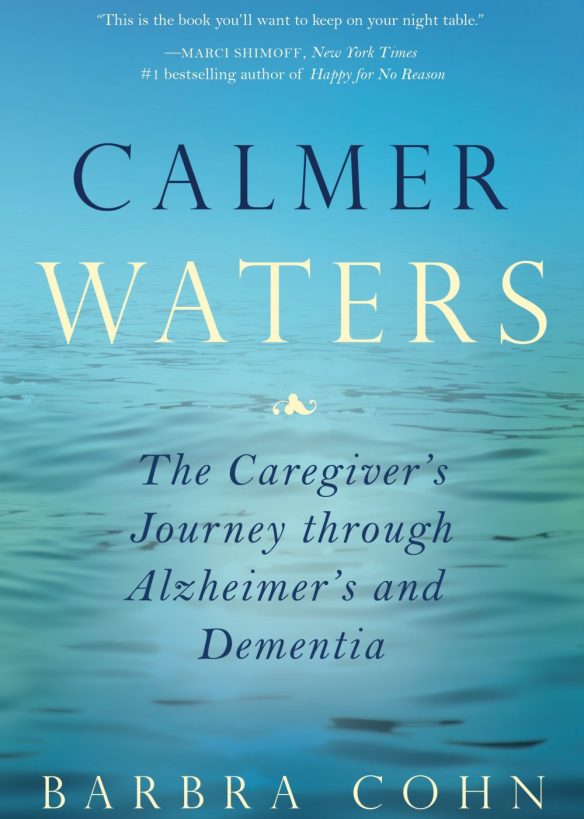
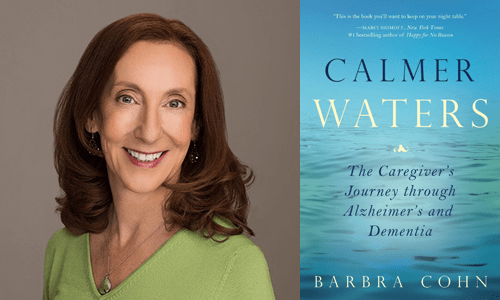
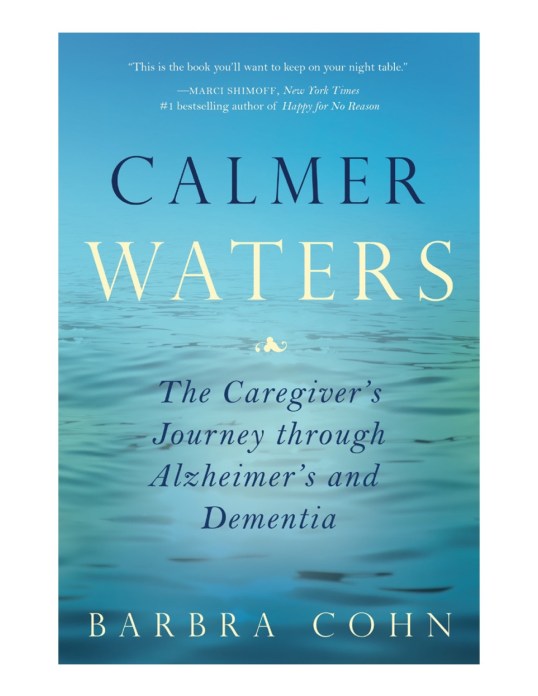
For dozens of tools and techniques to help caregivers feel happier, healthier, more confident, deal with feelings of guilt and find inner peace read “Calmer Waters: The Caregiver’s Journey Through Alzheimer’s and Dementia”
image

Some philosophers and psychologists believe guilt is mental and emotional anguish that is culturally imposed on us. Tibetans and Native Americans don’t even have a word for guilt, which might mean that it isn’t a basic human emotion. Yet, Jews and Christians are very adept at feeling guilty over trivial mistakes, as well as serious blunders.

The first time I felt guilt was when my brother was born. I’m two years older than he, and in 1954 the hospital rules didn’t allow siblings to visit newborns. My Uncle Irv placed me on his shoulders so I could see my mother, who waved to me from the window of her hospital room. I was angry with her for leaving me and I refused to look at her. She waved like the beautiful lady in the fancy red car that passed me by in the Memorial Day parade. But I wouldn’t look at her. The memory is a black and white movie that has replayed itself throughout my life, with the film always breaking at the point when I sullenly turn my head away.

For years afterwards, I would awaken in the night feeling guilty that I didn’t look at her. When I was four years old, I fell out of bed onto the wooden floor of the bedroom I shared with my brother because I was having a bad dream. I don’t recall the dream, but I  remember the ache inside my chest that has always been associated with not doing what my mother wanted me, or expected me, to do.

Over the years, up until my early fifties, I’d have a physical sensation that felt like sand paper or grains of sand inside the skin of my hands that would migrate to the skin and muscles of my arms and torso. Sometimes it felt like my arms and hands were paralyzed or had grown in size. It was hard to move, and the uneasiness of guilt was always associated with the sensation. I recently realized that I haven’t felt those sensations in a very long time.

Maybe I lost those sensations because the guilt of my childhood was replaced by the guilt I felt over placing my husband in a memory care home. I could have taken care of him until the end of his life, but I was drowning in misery and I promised myself I wouldn’t sacrifice everything for this illness. I prayed for his release and my relief, and knew that if I had taken care of him until the end, my own health would have suffered.

I tried to help my husband fight Alzheimer’s by bringing him to healers, holy people, and complementary medicine practitioners. I fed him an organic, whole-foods diet and gave him nutritional supplements, in addition to the prescribed pharmaceutical drugs. I ordered Memantine from Europe before it was FDA approved and prescribed as part of the Alzheimer’s drug protocol by U.S. physicians.

I did all this until I finally realized that my husband needed to take the solitary journey of being a victim of Alzheimer’s disease. Some call it fate and others call it karma. Whatever we name it, no matter how much we are loved and in close communion with family and friends, we have to travel the delicate path of life on our own. When we succumb to illness and disease, it becomes especially painful for others to helplessly stand by and watch, after doing everything humanly possible to assist.

There was always one more “magic bullet” for my husband Morris to try, and yet when I felt the possibility of divine intervention weaken, I began to give up hope and let destiny take its course. The first couple of years after Morris’s passing, the guilt—and grief—would unexpectedly grab me, wrapping its tentacles around my chest. It would twist the insides of my stomach, making it impossible to eat. It would swell into a lump in my throat or tighten a band  around my head, destroying my serenity for an hour or two —or an entire day.

Guilt came in layers, piled up like the blankets I tossed from my bed one by one during a cold winter’s night. The blankets came off as my temperature rose and drops of sweat pooled between my breasts. I shook off the feelings of guilt in a similar way when I heard my therapist’s words in the back of my mind reminding me that I did more than I could do; when I remembered that I’m a mere mortal who breaks and cries when I can’t move one more inch beyond the confines of this physical body; when my heart had expanded to the point where it can’t expand anymore, so it has to contract in order to plow through the walls of pain and deal with the guilt.

Why do I still feel guilt? I feel guilt about not being the perfect wife before Morris got sick. This man adored me and I didn’t reciprocate with a passion that matched his. I feel guilt because I’m alive and he’s not. (Survivor’s guilt is commonly felt by those who share in a tragic event in which the cherished partner dies, leaving the other one to live and put back the pieces of the life they once shared.) I feel guilt about the times I could have spent with Morris watching television or taking a walk instead of running out to be with friends or to dance. Feeling guilt for doing anything to get away from his asking me the same question over and over again, or so I wouldn’t have to watch the man who once stood tall and proud, stoop and stumble like a man way beyond his years.

I hear the therapist’s voice in my head asking, “What would you say to someone who just told you all this?” I’d say, “But you did the absolute best that you could do.” And then I feel better. It’s okay. I’m okay. I really did the best I knew how, and Morris lived longer than his prognosis because of it.

Now, almost eight years after his passing, the guilt appears much less frequently. It hovers momentarily like a hummingbird poking its beak into honeysuckle and hollyhock. The guilt is diluted and flavorless like cream that’s been frozen without added fruit or chocolate chips. It’s a color without pigment, a touch without pressure, a sound without notes. The guilt I feel now is background noise; not noticed until I turn off the other sounds in my world or mindlessly drive my car on a dark, damp day, which is unusual in sunny Colorado. The guilt now appears in various shades of dirty white and brown. It doesn’t reach inside my heart with its claw like it used to. The battle is over, and almost, but not quite, won.

Why do you feel guilty?

  • Do you feel that you aren’t doing enough for your care recipient? Make a list of everything you do for the person you care for. Preparing a meal, shopping for groceries, driving to appointments, making a bed, doing laundry, making a phone call, sitting next to the person, even just giving a hug: the list adds up! You are doing a lot more than you think you are!
  • Are you guilty about your negative feelings? Resentment, anger, grief are all normal. They are just feelings and they aren’t wrong. Feelings are complicated and you are entitled to them. You probably love the person you are caring for but the time you spend is precious and you might rather be outside gardening or hiking or traveling.
  • Do you feel badly about taking time for yourself? Don’t! If you don’t stay well, including eating and sleeping well, there’s a good chance you will get sick. And that is not going to help anyone! Please take some time for yourself. If you are a full-time caregiver, at least take a 15 minute walk every day. Get some respite care. Your local  county social services department can most likely provide you with some options for help.
  • Are you feeling inadequate at a caregiver? The Alzheimer’s Association offers free classes on caregiving. “The Savvy Caregiver” is an excellent five-session class for family caregivers. It helps caregivers better understand the changes their loved ones are experience, and how to best provide individualized care for their loved ones throughout the progression of Alzheimer’s or dementia.

Tips for easing guilt

  • Ask yourself what is bothering you. Talk with a close friend who will not judge you, or with a professional therapist, clergy person, spiritual teacher, or intuitive guide. Talk about your guilt until you feel your body release the tension that is stored in your muscles and cells.
  • Remember that you are human and not perfect. No one expects you to perform with absolute clarity and grace all the time.
  • You cannot control everything all the time. You are doing the best that you can with the information, strength, and inner resources that you have.
  • Have an “empty chair” dialogue by speaking out loud and pretending that your care partner is in the chair next to you. Express your feelings openly and wholeheartedly. Ask for forgiveness if you feel that you wronged your loved one in any way.
  • Write down your thoughts and feelings. Journaling is a wonderful, inexpensive way to release your concerns and worries on paper. It’s available when your therapist and best friend are not, and you can do it anywhere at your leisure.
  • Strong feelings of guilt, remorse, and grief will diminish over time.  If they continue to haunt you, seek professional help.
 

Why you should throw away that antipsychotic drug prescribed for your loved one

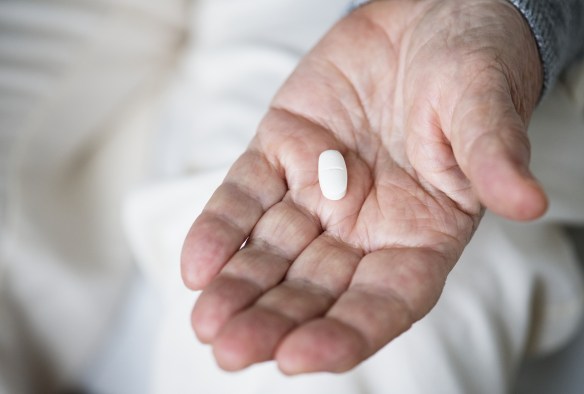
Elderly woman taking a medicineAccording to Human Rights Watch in an average week, nursing facilities in the United States administer antipsychotic drugs to over 179,000 people who do not have diagnoses for which the drugs are approved. Often, these drugs are dispensed like candy, without free and informed consent. . . without a family member or someone who holds durable power of attorney for the health care resident, to make a decision based on the benefits and risks of taking the medication.

Like my late husband, most of the patients who are given these drugs have some form of dementia or Alzheimer’s.  My husband was in a memory care home for two years. Towards the end of his illness, he was given an antipsychotic drug because his behavior became “difficult.” He was not combative, and he was mostly non-ambulatory. Once, though, while sitting, he swung out his arm and hit a woman who was bothering him. Since I wasn’t there, I don’t know the details. But in general, he was a sweet man up until the end. He did get annoyed, however, by other residents’ behavior. And so he was given a drug to pacify him. After visiting him over a period of a few weeks and noticing the deterioration in his overall wellbeing, including his inability to hold his head up, sit upright, or staying awake most of the day, I demanded that he be taken off a number of drugs. The improvement was dramatic and astounding.

According to the US Government Accountability Office (GAO) analysis, facilities often use antipsychotic drugs to control common symptoms of Alzheimer’s. These drugs are associated with clinically significant adverse effects, including death. Then why are they being prescribed to an extremely vulnerable, frail and “at risk” population? Because disruptive behaviors such as crying out “help me, help me” over a long period of time, or yelling out profanities, or exhibiting aggressive behavior can become a nuisance that caregivers –professional and family–are either not skilled in addressing or are too busy taking care of other patients to be bothered with.

What are the alternatives?

First:

  • Eliminate noise and disruption.
  • Make sure the patient does not have a urinary tract infection.
  • Evaluate physical needs. Is s/he thirsty, hungry, constipated, etc?
  • Encourage the patient to verbalize feelings and needs, if possible.
  • Limit or reduce caffeine.
  • Reduce external stimuli (loud TV or radio, etc.).
  • Dim the lighting.
  • Avoid confrontation and use a soft, sweet speaking voice.
  • Provide companionship.
  • Identify events or issues that trigger behaviors.

Once you know the patient is safe and free from pain due to an infection, create a calm and beautiful environment.

Creating a beautiful space

  • Maintain a clean environment without clutter.
  • Enjoy a vase of fresh flowers.
  • Burn incense to clear and purify the air, unless the smoke or odor is irritating.
  • Paint the walls a color that rejuvenates the spirit. For instance, green is healing and relaxing, red restores vitality in people who are depressed, and purple is powerful for those who need spiritual and emotional healing.
  • Gather gemstones. They exert healing effects. Lithium quartz is said to ease tension and stress, and keep nightmares at bay. Pink Calcite promotes compassion, healing, and universal love. Amethyst is for protection, purification, and spiritual/divine connection.
  • Listening to calming sounds can relax a tense body within minutes. Consider a wind chime, water fountain, or a CD of singing birds, ocean waves, or falling rain.]
  • Use essential oils or aromatherapy to have a specific effect on the body, mind, and spirit. (See Aromatherapy, Chapter 18 in “Calmer Waters: The Caregiver’s Journey Through Alzheimer’s & Dementia.”)
  • Create an outdoor sacred space with river rocks, a koi or lily pond, a flowering tree or shrub, pampas grass, colored sand—the possibilities are endless.
  • Include religious symbols, chakra symbols, animal totems, prayer flags, angel statues, rainbow banners, and lamps with colored bulbs.

Herbal remedies

  • A nervine is a plant remedy that has a beneficial effect upon the nervous system.  Nervines are especially useful during times of stress because they have a strong relaxing and calming effect without producing a dulling, “hang-over” side effect.  They also tone and restore the nervous system to a more balanced state.  Some nervines are also anti-spasmodic, meaning they relax the peripheral nerves and the muscle tissue, which in turn has a relaxing effect on the whole system.
  • The main types of nervines are tonics, relaxants, and stimulants.
  • Nervine Tonics – are particularly helpful for strengthening the nervous system and restoring balance. In addition to having a relaxing effect, they have a vaso-dilating action on the blood vessels of the brain.  This increases oxygen availability to brain cells and helps with mental agility and mood.
  • Nervine Relaxants – are especially beneficial for short-term use, for example in treating mild depression or acute anxiety. “This group of nervines are most important in times of stress and confusion, alleviating many of the accompanying symptoms. They should always be used in a broad holistic way, not simply to tranquillize.  Too much tranquilizing, even that achieved through herbal medication, can in time deplete and weigh heavily on the whole nervous system,” says renown herbalist David Hoffman.
  • Nervine Stimulants– are used as a restorative “pick-me-up” when you need an energetic boost without that revved up feeling produced by caffeine.
  • Recommended nervines:
  • Passion flower- helps soothe anxiety, insomnia, tension headaches, muscle aches and spasms, pain, hyperactivity, epilepsy, and helps alleviate anger and lower blood pressure.
  • Skullcap – is antispasmodic and relaxing and is recommended to relieve headaches, mood swings, insomnia, premenstrual syndrome, and nervous tension and exhaustion.
  • The next time your loved one is  feeling nervous, agitated, restless or hyped up, try calming him/her with a nervine herb or aromatherapy. If your loved one is on medication, please check with the physician to make sure the drugs do not interact with the nervine herbs.

Other ways to help a person with dementia relax and feel calm without the use of antipsychotic drugs.

  • Aromatherapy
  • Music
  • Pet therapy
  • Horticulture therapy
  • Color therapy

For detailed information on all of the above, read  “Calmer Waters: The Caregiver’s Journey Through Alzheimer’s and Dementia”

image

12 tips to encourage your Alzheimer’s patient to eat

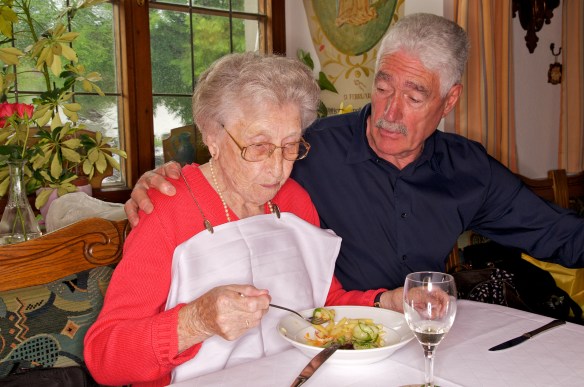
Seniorin mit BetreuerinIt seems that ice cream is the favorite food of most Alzheimer’s patients. It was certainly my husband’s. Sometimes it was the only thing that he found appealing. It’s no wonder: ice cream is cold, slippery and delicious! However, there are lots of healthy frozen desserts available that are low in fat and calories that contain little or no cholesterol. Try Rice Dream®, Coconut Bliss, Soy Dream, or Halo Top. If you have a food processor, puree frozen strawberries or bananas. You won’t even miss the sugar and cream.

Getting adequate nutrition and even the sheer act of eating can be a challenge for both patients and caregivers. Here’s a list of ways to create a tranquil setting, and some easy-to-eat foods to uplift mood and support immunity for everyone.

  1. Play classical or another type of relaxing music. My husband loved to listen to Nina Simone’s jazzy voice while he ate. Whatever the preference is, play the music softly to create an inviting atmosphere. If your loved one lives in a memory care home, the other residents will probably appreciate the music, as well.
  2. Light a candle. Set the table with a table cloth and vase of flowers. Beauty, color and light always create a magical, calming effect.
  3. Aromatherapy oils including peppermint and spearmint are energizing and might stimulate appetite.
  4. Make the chair as comfortable as possible, especially if the person has a bad back. Place a cushion on the seat and back, if necessary.
  5. Use soft lighting. Replace glaring light bulbs with a warmer color light bulb, or install a dimmer.
  6. It might be hard for the person to differentiate foods on a plate, especially if they are the same color. Use contrasting colors. For example, serve beets and carrots on white instead of white mashed potatoes on a white plate.
  7. If your patient has trouble using a fork and knife, serve finger foods. Sandwiches cut in quarters or even eighths, pieces of fruit rather than whole fruits, baked potatoes cut into chunks, etc. are easier to manage.
  8. Use herbs and spices to flavor foods instead of salt. Herbs and spices have healing benefits. For instance, basil can relieve gas and soothe stomach upsets. Cinnamon has a tranquilizing effect that helps reduce anxiety and stress. It also helps regulate blood sugar. Dill soothes the digestive tract and reduces heartburn. Mint promotes digestion and boosts mental alertness.
  9. Puree soups such as split pea, potato/leek. cauliflower, and vegetable, and serve with a wide straw, if necessary. This relieves the chore of chewing and helps hydrate as well as nourish the patient.

One of my all-time favorite recipes is for Indian kicheree, also called a “meal in a pot.”

This traditional soup is wonderful during times of stress, stomach upset, and any time the appetite is diminished due to sickness or stress.

Kicheree

4 Tbs organic Basmati rice

4 Tbs mung dal or red lentils

4 1/2 cups water (more or less, depending on whether you like it soupy or thick)

2 tsp grated fresh ginger

2 Tbs fresh lemon juice

1 cup assorted veggies cut bite-sized (zucchini, yam, carrot, cauliflower, broccoli, etc.)

1 tsp ground coriander seed

1 tsp ground cumin seed

1/4 tsp turmeric

salt and pepper to taste

Combine the rice, dal ginger, veggies and water in pot. Add the spices. Bring to a boil over medium heat; then lower to a simmer for 45-50 minutes. Add water if it gets too thick. Remove from the stove. Add the lemon juice, salt and pepper.

10. Protein shakes are nutritious, filling, and nourishing. Use ingredients of your choice without relying on the sugary nutrition drinks that are generously handed out in institutions. Bananas, strawberries, blueberries, kale, spinach, peanut butter, coconut milk, almond milk, hemp milk, soy milk, and cow’s milk are some of the popular ingredients to try. Protein powders are concentrated sources of protein from animal or plant foods, such as dairy, eggs, rice or peas. The most popular include whey, casein, egg, pea, hemp, brown rice, and mixed plant proteins.

11. Offer healthy snacks throughout the day such as cheese and apple slices, nut butter on apples slices, fresh fruit, humus and carrot sticks.

12. Eggs are my favorite “go to” food for protein. They are easy to eat, can be made in a variety of ways and contain 13 essential vitamins and minerals! Vitamin D for bone health and immune function, lutein and zeaxanthin, antioxidants important for reducing the risk of cataracts and macular degeneration, vitamins B 12 and B6, thiamin, riboflavin, folate, choline, vitamin E, vitamin A, iron, zinc and more. Add pureed veggies for extra vitamins and minerals. Devil eggs are always a hit as a delicious and highly nutritious snack.

For hundreds of other caregiving tips, read “Calmer Waters: The Caregiver’s Journey Through Alzheimer’s and Dementia”


image.png


6 surprising ways to increase your chances of living a healthy longer life

AdobeStock_4727343.jpeg

Ponce de Leon claimed to have discovered the Fountain of Youth in Florida. I’ve been to Warm Mineral Springs, in North Port, Florida, which lays claim to de Leon’s discovery and calls itself the Fountain of Youth. Another natural spring in northwest Florida in Ponce de Leon springs State Park also calls itself the Fountain of Youth. I am a frequent visitor to hot springs (see my article on AAA’s Encompass website: ) and I feel refreshed and rejuvenated after soaking for several hours. But I need something stronger than a dose of calcium carbonate or sulphur to slow down the ticking of the clock, as far as my skin, muscles and cells are concerned.

I’ve asked myself and my guess is that you have also pondered the age-old question “would you want to live forever?”  The children’s book “Tuck Everlasting” by Natalie Babbitt explores the concept of immortality and explores whether living forever is as desirable as it may appear to be.

The typical response is only if I could stay healthy and vibrant. In our life time we will most likely not attain immortality, but there are a number of anti-aging tricks for slowing down the clock.

Age defying nutrients

  1. Study finds link between high EPA and DHA Omega-3 blood levels and decreased risk of death  Higher Omega-3 levels are linked to longer life. In a 15-year study of 6,500 elderly women, those with the highest blood concentration of omega-3 fatty acids were 20 percent less likely to die from any cause compared to those with the lowest levels. The researchers estimated that intakes of about 1 gram per day of EPA and DHA would be enough for a woman with the lowest blood serum concentration to shift to the group with the highest concentration. How? By taking one to three soft-gels of a high-quality omega-3 supplement daily or one teaspoon of a liquid supplement. Another option is to eat two or three salmon fillets each week.
  2. Study Finds Association Between Eating Hot Peppers And Decreased Mortality  If you like hot chile peppers eat more of them! After studying more than 16,000 adults, researchers at the University of Vermont found that those who ate chili peppers had a lower risk of dying from heart disease or stroke. The study did not indicate the quantity of peppers consumed, but capsaicin, the active ingredient that makes peppers “hot” aids in preventing obesity, supports blood flow, reduces inflammation and has antimicrobial properties.
  3. Beans, beans the musical fruit, the more you eat the more you toot. There’s another reason to eat beans. They contain phytates, nutritional compounds that strengthen the immune system and kill cancer cells. They also support brain health and are said to reverse the aging process at the cellular level. Beans are also high in fiber which helps lower cholesterol and regulate blood sugar.
  4. Two studies found that those with higher levels of vitamin D have longer telomeres, and thus may actually age more slowly than people with low vitamin D levels. Telomeres are the caps at the end of each strand of DNA that protect our chromosomes. A good analogy is that they are like the plastic tips at the end of shoelaces. Without the coating, shoelaces become frayed until they can no longer do their job.  Similarly, without telomeres DNA strands become damaged and then cells can’t do their job.  A study that included 4,347 participants in which 47% were men and 42% were women, researchers concluded that there is positive association between vitamin D levels and telomere length. This means that people with higher levels of vitamin D may actually age more slowly than people with lower levels of vitamin D. Vitamin D reduces the effects of chronic inflammation and may play a role in protecting your body from deteriorating from diseases associated with aging.The association of telomere length and serum 25-hydroxyvitamin D levels in US adults: the National Health and Nutrition Examination Survey.
  5. The traditional diet in Okinawa is anchored by root vegetables, especially sweet potatoes, green and yellow vegetables, soybean-based foods, and medicinal plants. Another feature of the Okinawan diet is the consumption of green tea. There have been more than 1000 studies done on the antioxidants found in green tea, demonstrating how they may be providing some level of chemoprevention in prostate and breast cancer. Green tea has also been shown to help reduce cardiovascular disease. Drink green tea for health and relaxation

    Many characteristics of the traditional Okinawan diet are shared with other healthy dietary patterns, including the traditional Mediterranean diet, DASH diet, and Portfolio diet. All these dietary patterns are associated with reduced risk for cardiovascular disease, among other age-associated diseases. Overall, the important shared features of these healthy dietary patterns include: high intake of unrefined carbohydrates, moderate protein intake with emphasis on vegetables/legumes, fish, and lean meats as sources, and a healthy fat profile (higher in mono/polyunsaturated fats, lower in saturated fat; rich in omega-3). The healthy fat intake is likely one mechanism for reducing inflammation, optimizing cholesterol, and other risk factors. Additionally, the lower caloric density of plant-rich diets results in lower caloric intake with concomitant high intake of phytonutrients and antioxidants. Other shared features include low glycemic load, less inflammation and oxidative stress, and potential modulation of aging-related biological pathways. This may reduce risk for chronic age-associated diseases and promote healthy aging and longevity.

    Social interaction is important


  6.  Dan Buettler, author of The Blue Zones of Happiness: Lessons From the World’s Happiest People, Oct 3, 2017 researched communities around the world to find out what centenarians had in common. These amazing people had one thing in common: strong social relationships. Being socially connected actually helps you to live longer! Studies are showing that loneliness might be a bigger health risk than smoking or obesity. In fact, loneliness and social isolation is considered not just a psychological issue but a medical one that can actually kill you. According to a far-reaching study (meta-analysis of scientific literature on the subject January 1980 to February 2014) conducted by Brigham Young University, social isolation and loneliness is as dangerous to health as smoking 15 cigarettes and drinking six ounces of alcohol a day, and increases one’s likelihood of death by 32%. Isolation and feeling alone has also been shown to contribute to depression, cognitive decline, the risk of developing Alzheimer’s disease, and poor recovery from illness and surgery.

If you are feeling a lonely or isolated, get ahead of the lonely curve now to expand your social network. Don’t put it off. Getting socially connected might take some effort, but it is definitely worth it for so many reasons. You will gain friendship, companionship, better health, and in the process you will be giving of yourself, which is the best gift of all.


“Calmer Waters: The Caregiver’s Journey Through Alzheimer’s & Dementia” by Barbra Cohn contains a treasure trove of information on how to stay connected with your loved one, keep calm, improve immunity, reduce stress and feel happier and healthier. Plus, it includes 20 healing modalities that the caregiver can do alone or with their loved one. Available wherever fine books are sold and on Amazon.


BarbraCohn__

The Brain Support awards: The Best, Worst, and Weirdest

Blank award ribbon set

It’s Brain Awareness Week and a good time to assess what we are doing to enhance our memory, focus, cognition and other mental processes.

I recently read “In Pursuit of Memory: The Fight Against Alzheimer’s” by Dr. Joseph Jebelli, a British neuroscientist. It is a wonderfully written comprehensive analysis of the disease, including a history of research, theories, clinical trials, and possible ways to stave off the disease. Although the research and scientific language might dissuade some readers, I found the book very readable and accessible, especially since Jebelli includes his personal account of his grandfather’s Alzheimer’s disease. Here are some of his recommendations for supporting brain health.

The Best Brain Support Awards

  • Staying socially and physically active has a positive effect on mood and well-being.
  • Eating a healthy diet, especially the Mediterranean diet (lots of fresh fruits and veggies, cold-water fish such as wild salmon and sardines, whole grains, and healthy oils (olive, walnut, avocado) and nuts). For more ideas on how to eat well, read 20 Ways to give your body the best nutrition it deserves.
  • Using turmeric to season your food or taking a turmeric supplement. Dr. Jebelli writes about an in vitro (in a petri dish) study in which curcumin, the bioactive ingredient in turmeric, actually dissolves the beta-amyloid plaque found in the Alzheimer’s brain. Beta-amyloid is responsible for creating the plaques that inhibit the communication between neurotransmitters, leading to loss of memory and other functions. For more information about turmeric read Turmeric does a body good.
  • Maintaining a positive attitude

Additionally, here are a couple of my favorite brain support aids.

1. Coconut oil–I was skeptical when I first heard that Alzheimer’s patients were having a reversal of the disease process after consuming coconut oil. But after hearing anecdotal stories, I am very curious about how coconut oil improves cognitive performance in individuals with Alzheimer’s. A Spanish study published in March 2017 concluded that after consuming 40 ml of coconut oil each day for 21 days, (divided into two servings) 44 patients with Alzheimer’s exhibited a significant improvement in language skills. Read more about it: How does coconut oil affect cognitive performance in alzheimer patients?

Coconut oil contains medium-chain triglycerides, which go directly to your liver. The liver naturally converts the oil into ketones. Ketones are chemicals made in your liver. You produce them when you don’t have enough insulin in your body to turn sugar (or glucose) into energy. Ketones are released into the bloodstream where they are transported to the brain as an alternative fuel. Other fats are not readily released into the blood stream and are typically mixed with bile released from the gallbladder before they can be broken down in the digestive system.

Dr. Mary Newport, author of the 2011 book “Alzheimer’s Disease: What if there was a cure?: The story of ketones,” discovered that when her husband ingested coconut oil his Alzheimer’s-impaired cognition improved. In fact, it improved so much that “by the fifth day I felt as though I had gotten my husband back,” says Newport. “His personality and sense of humor returned, he was less depressed, and was able to walk normally again. And he started running and resumed the activities of vacuuming and mowing the lawn.” Additionally, two months after he started taking coconut oil his Mini Mental State Examination (MMSE) score went from 12 to 20 out of 30 points, and he was able to draw the face of the clock, says Newport.

Therapeutic levels of medium chain triglycerides (MCTs) have been studied at 20 grams a day, or about 7 level teaspoons. That comes to about 240 calories per day, since one tablespoon of coconut oil is about 120 calories. But there are no significant long-term human clinical studies completed at this point in time.

groundbreaking research study of a ketone ester in an Alzheimer’s mouse model was released for publication January 4, 2012 in Neurobiology of Aging. This study showed that compared to animals fed a normal control diet, the Alzheimer’s model mice that were fed ketones had significantly less amyloid plaques and tangles in their brain. The animals also showed reduced anxiety, and improved learning and memory compared to the mice fed the control diet.

Mild to moderate Alzheimer’s patients are having good results from a medical food called Axona® which contains a proprietary formulation of medium-chain triglycerides. Axona, which provides an alternative fuel for the brain, as does coconut oil, is a medical food product and not a drug or a dietary supplement. Medical food products are regulated by the FDA, but are in a unique category separate from drugs and dietary supplements. Axona is available by prescription, and is used in conjunction with other Alzheimer’s medications. For more information visit: http://about-axona.com/

Since we have yet to see long-term human clinical trials, I would not call coconut a miracle remedy for Alzheimer’s disease as indicated by Dr. Mary Drew. But if my husband were still alive I would definitely try giving him coconut oil or Axona. Besides some possible minor gastrointestinal side effects and a slight weight gain, adding medium-chain triglycerides to the health regimen of someone with Alzheimer’s disease might just make a difference.

2. Phosphatidylserine (PS) is one of my favorite daily supplements. I notice a difference in my mental acuity when I take it. And when I forget to take it, I am definitely not as sharp as I like to be. PS protects the integrity of brain cell membranes, facilitates the efficient transport of energy-producing nutrients into cells, and enhances brain cell energy metabolism. PS has been sanctioned by the FDA as a safe “brain booster.”Because there are global concerns about mad cow disease, commercial sources of PS, once derived from cows, are now made from soy-derived PS.How does phosphatidylserine work? Phosphatidylserine keeps fatty substances soluble and cell membranes fluid.  It also helps to increase glucose metabolism in the brain. This is especially significant because Alzheimer’s disease has been called a type of diabetes–diabetes 3- because the Alzheimer’s brain is inefficient in metabolizing glucose. PS has also been found to increase the number of neurotransmitter receptor sites in the brain.

A study published in August 2015 found that PS decreased cholinesterase, the enzyme that interferes with the brain’s uptake of choline. Most importantly, the patients who took supplemental PS showed an improvement in their memory. In conclusion, PS decreased cholinesterase, improved memory.

The Worst Brain Support Awards 

You have probably heard it before, but it’s worth repeating. Refrain or at least cut back on eating these foods. They really do a body harm, and especially your brain.

  • Alcohol
  • Refined carbs
  • Soda, and high fructose corn syrup, which tricks your brain into thinking you’re hungry when you’re not
  • Trans Fatty acids in processed foods, margarines, salad oils, bakery goods, potato and corn ships, candies
  • Saturated fats meat, chicken skin, full fat dairy products and butter

Lack of sleep has been demonstrated to increase risk of dementia and other health concerns. For more information about the importance of sleep, read 16 ways to sleep better . . . so you can be a better caregiver.

Sitting all day and not getting enough exercise is bad for the body and bad for the brain. If you have an office job where you sit most of the day try to get up and move every hour or so. And during your lunch break, go outside for a walk. You will feel so much better!

The Weirdest Brain Support Awards

Stress has a big impact on brain health.  But there are dozens of ways to reduce stress and protect our overall health and brain health. Here are some that were a surprise to me.

  • Applying pressure to the space between your second and third knuckle (the joints at the base of your pointer and middle fingers) supposedly calms you down instantly because it activates a nerve that, according to Sharon Melnick, author of “Success Under Stress,” “loosens the area around the heart, so any fluttery feeling you feel when you’re nervous goes away.”
  • Kissing helps your brain release endorphins, the feel-good neurotransmitters. Laura Berman, Ph.D., a Northwestern University researcher found that in a study of 2,000 couples, those who only kissed when they had sex were eight times more likely to report feeling chronically stressed or depressed. So kiss often and more passionately.
  • I see “the lemon trick” every so often on Facebook. Well, it’s not a trick and it’s not lemon. Rather, this post is about a dietary supplement made from a lemon balm plant called Blueness that is grown only in Bavaria, Germany. The marketing copy claims that if you take this supplement within one hour you will be thinking “I can do anything if I just set my ind to it.” It supposedly improves rapid fire oscillation, which means you’ll be able to remember where you parked your car and the names of people you haven’t seen in years), and you won’t be destined to a life of “What’s this thingamajig called?” It sounds too good to be true, but the hype convinced me to continue reading to the end, where I discovered that the supplement is pretty expensive. No thanks.

I’d love to hear about your favorite brain support tips.

I will send to the first 10 people who respond a chapter from my book “Calmer Waters: The Caregiver’s Journey Through Alzheimer’s and Dementia” called “Living in the Now.” The chapter includes affirmations for staying positive throughout the day and techniques for staying present when you are worried about the futurefrom my book.

“Calmer Waters: The Caregiver’s Journey Through Alzheimer’s & Dementia” by Barbra Cohn contains a treasure trove of information on how to stay connected with your loved one, keep calm, improve immunity, reduce stress and feel happier and healthier. Plus, it includes 20 healing modalities that the caregiver can do alone or with their loved one. Available wherever fine books are sold and on Amazon.

cropped-front-cover-42316.jpg


10 signs you need help with stress

Businessman sinking in heap of documentsStress is a part of life, and it can be a motivator or it can be a deadly menace. If you are stressed about an exam or need to be at church on time to get married, it can be a good thing. But if you’re a caregiver and have been stressed for years, it can be terrible for your health.
First described by Walter Cannon in the 1920s, the fight-or-flight response, also called the acute stress response, kicks in when we are presented with danger or an emergency. Our brains react quickly to keep us safe by preparing the body for action. Hunters who were responsible for killing game to provide food for their tribe and the animals being hunted experienced the fight-or-flight response on a regular basis. Today, because of the stressful world we live in, the fight-or- flight response is more commonly triggered by psychological threats than physical ones, such as an argument with a spouse, demanding bosses, out-of-control drivers, road rage, etc.

In the physiological response to stress, pupils dilate to sharpen vision, and heart rate and blood pressure increase to accelerate the delivery of oxygen to fuel muscles and critical organs. Blood flow is diverted from non-critical areas, such as the gastrointestinal tract, to the critical areas, such as the heart, skeletal muscles, and liver.

The liver releases glucose and fatty acids into the bloodstream. Glucose is for immediate energy; fat is needed when the fight-or-flight response lasts longer than expected. Bronchial tubes dilate to maximize the exchange of oxygen and carbon dioxide.

When the body is in a constant state of “emergency alert” due to chronic stress such as caregiving, the adrenal glands—the small walnut shaped glands that sit on top of your kidneys—get “stuck” in the on position. When this happens, the whole system goes into chronic fight-or-flight. Glucose that is dumped into your blood stream goes unused, so your body has to produce an enormous amount of insulin to handle it. Eventually, this can result in hypoglycemia or diabetes. Fat that is dumped into your blood also goes unused, so it clogs your arteries, leading to cardiovascular disease. If you drink three or more cups of coffee every day, the stress hormone cortisol becomes elevated, which can set you up for countless health problems, including poor quality of sleep, impaired immunity, and age-related deterioration.

The key is to be alert to stress triggers, recognize that you are stressed, and discover ways that help keep you on an even keel.

If you experience any of the following symptoms, it’s time for you to take charge of your stress before you succumb to a serious illness or disease.

  1. Fatigue and sluggishness
  2. Difficulty falling asleep and or staying asleep
  3. Chronic colds or other health issues
  4. Depression
  5. Suicidal thoughts
  6. Dependence on drugs, both recreational and pharmaceutical
  7. Too much alcohol and/or tobacco consumption
  8. Irritability, anger and/or anxiety
  9. Weight control issues including abdominal fat or weight loss
  10. Heart palpitations
  11. High blood pressure
  12. Mental fog or forgetfulness
  13. Headaches or back pain
  14. Jaw and/or tooth pain could indicate that you are clenching your jaw at night
  15. Unexplained hair loss
  16. Stomach pain or chronic diarrhea
  17. Twitching in a facial muscle
  18. Holding your breath, or taking sudden deep breaths because you have forgotten to breathe
  19. Painful adrenal band across the kidney region
  20. Skin irritations

If you want to learn more about stress and how you can prevent it, deal with it and conquer it, read 12 quick energy and stress fixes to use throughout the holiday season. . . and all year long.

For a resource guide containing 20 modalities for feeling less stressed, happier and healthier read: Calmer Waters: The Caregiver’s Journey Through Alzheimer’s and Dementia.   Available on Amazon and at all bookstores that sell quality books.

BarbraCohn__


7 “mistakes” you’re making as a caregiver for someone with Alzheimer’s and what to do about it.

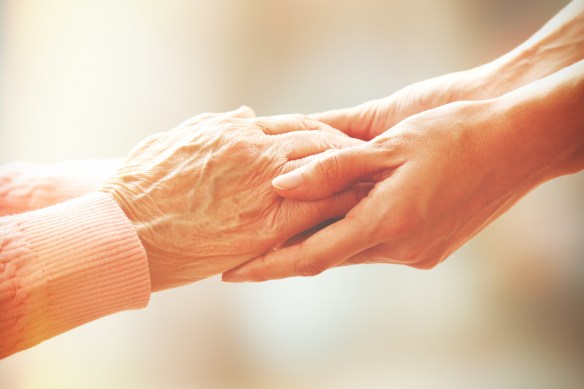
Helping hands, care for the elderly concept

If you’re like most caregivers you are tired, stressed, and some days just can’t wait to crawl into bed. Are you taking care of yourself? Are you getting enough rest? Do you have the support you need? Are you listening carefully to the person you lovingly care for? Here’s a quick check-list for assessing how well you are caring for yourself and your loved one.

  1. Are you eating a poor breakfast or skipping breakfast? It is so important to begin the day with a nourishing meal. This is true for everyone, but especially important for caregivers. It’s recommended that we eat within one hour after waking to stabilize our blood sugar—which has dropped during sleep—so that your mood stays even and you can perform at your best.  If not, you’ll be more apt to reach for a bagel or doughnut or another cup of coffee. After loading up on carbs and empty calories, it’s typical to feel hungry again within a couple of hours. And every time our blood sugar crashes, it’s a signal to the body to store calories. The same goes for a hungry body. If you don’t eat breakfast, your blood sugar will be low, and this too is a signal to the body to store calories, which adds fat around your middle. And, of course, the same applies to the person you care for.

Breakfasts of Champions

Instead of eating a bowl of corn flakes with a banana and low-fat milk, have a 2-egg omelet, slice of whole grain toast, a cup of fresh fruit and a cup of steamed greens such as kale. Then notice the difference in how you feel. You’ll have more stamina, less anxiety and depression, and will able to get through the whole day more easily.

Other ideas

  • Whole-grain mini-quiche with 1/2 cup berries
  • Oatmeal with prunes or raisins, walnuts or almonds, and cinnamon, whole milk
  • Multigrain hot cereal, Greek yoghurt and fresh fruit, almonds
  • Eggs with beans, salsa, and a side of greens
  • Bagel with hummus, tomato and goat cheese
  • Smoothie with greens, fruit, protein and flax

2. Do you say “Remember when . . . .or, I told you already . . .”

People with dementia typically do not remember what they said a few minutes ago. If your loved one repeats the same question over and over again, try not to get annoyed. Instead of reminding the person that they forgot what you told them a second ago rephrase it, breaking it down into a simple sentence . . . or completely change the subject.

If you reminisce about something instead of saying, “Remember when we were kids and we’d ride around the neighborhood on our bikes, etc.” tell the story: “You had a red bike and I had a blue bike and we loved to ride through the woods on the bike path, etc.”

If he or she asks about a spouse or parent who has passed away, change the subject to something like this: “Mom and Dad met in New York City at a dance, etc.” If the person keeps asking when he or she can go “home” ask the person to tell you about “home.” You might have to distract your loved one by taking a walk, listening to music, looking at pictures in a book or magazine. Saying “You are already home,” probably will not work.

3. Unusual irritability or anger can be the sign of a UTI or other physical ailment that requires attention. Acting out or acting differently than what is the person’s usual behavior can be a cry for help, especially if the person is non-verbal. Make an appointment to see a doctor to rule out anything suspicious.

4. How well are you sleeping? There are plenty of studies linking poor sleep to a host of physical and psychological ailments: poor immunity, elevated levels of cortisol and insulin, weight gain, diabetes, cardiovascular disease and even Alzheimer’s disease. And irritability, foggy thinking and anxiety, depression and low energy can directly impact your ability to care for another person, do household chores and get in the way of your interpersonal relationships. Good sleep hygiene is the first step to improving your sleep. Click here to read a list of things to try when you are stressed, your mind is on overload, or when you’ve just had too much stimulation and can’t fall asleep or stay asleep.

5. Are you and/or your loved one lonely? Caregiving can isolate us from our friends and family.  You may feel that your social network has disappeared or that your friends have “jumped ship.” This may also be true for the person you care for. Set up times for family and friends to visit or take your loved one on an outing. And don’t be afraid to ask your own friends for support. Find respite care and set up a lunch date with a friend. It’s vital to have social interaction for your mental, physical and emotional health.

6. Is there adequate lighting in the home where your loved one lives? People with dementia can become fearful because they don’t see things spatially the same way we do. Their sense of space is distorted and their vision gets skewed, not because there is something physically wrong with their eyes. But rather, the brain interprets what the eyes see, and when the brain doesn’t work right our perception gets distorted. Two things you can do to help are to put extra lights in dark areas of the living quarters and remove throw rugs in order to reduce falls.

7. Are you and your loved adequately hydrated? Drink at least 6-8 glasses of water each day to keep your body hydrated and to flush out toxins. The brain is 70% water when fully hydrated. When it is dehydrated, neurotransmission—which is heavily dependent on water—is impaired, resulting in poor memory, concentration and impaired abstract thinking. The same goes for your loved one. Memory is much improved when the brain is hydrated. Seniors often lose the signal that they are thirsty and dehydration can be a serious problem for the frail and elderly. If your loved one lives in a memory care home or nursing home, make sure water is provided throughout the day–not just that it is available but that it is offered.


Caregiving is probably the hardest thing you will ever do. You are doing the best that you can, but please remember to take care of yourself.

For more information on how you can reduce stress and boost your happiness and health, read Calmer Waters: The Caregiver’s Journey Through Alzheimer’s & Dementia.


How to prevent people with Alzheimer’s from wandering


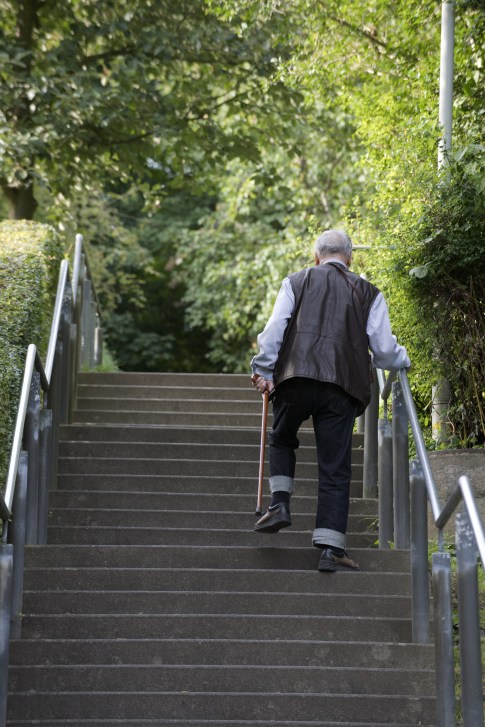
einsamer alter mann geht die Treppe hinauf

Wandering is a common symptom of Alzheimer’s disease. More than 60% of memory loss patients wander at some point during the course of their illness.  A man at the memory care facility where my husband lived used to scale a 10-foot wall. Luckily, staff personnel were able to find him before he was harmed. But that is not always the case.

A neighbor of mine had the tragic experience of having her husband take the car keys, drive off to another state, and disappear. The car was found and he was not.

Who is at risk? Anyone with Alzheimer’s or dementia and is mobile is at risk for wandering.

Also, individuals who:

  • Live in a memory care home and want to go home or are waiting for a loved one to pick them up.
  • Live at home yet repeatedly say, “I want to go home.”
  • Come home from a walk around the neighborhood or a drive later than usual.
  • Don’t remember how to get to a familiar location.
  • Are nervous, anxious or disoriented when out in public , i.e. restaurant, grocery store, etc.
  • Pace or repeatedly try to find things or familiar rooms in a house.
  • Ask the whereabouts of friends and family.
  • Seem busily occupied but in actuality don’t get anything done, such as moving dirt around without planting or watering, or shoveling snow but not clearing off the sidewalk or driveway.

Ways to prevent wandering

  • If you care for your loved one at home, put the car keys in a secure place where only able, designated drivers have access to them.
  • Hang bells on the doorknobs of exterior doors to alert you when a door is opened.
  • Install new locks on the doors and windows that your loved one cannot open.
  • Remove items from sight such as shoes, hats, gloves, umbrellas, etc. that your loved one might associate with going outside.
  • Put a black rug in front of the door. To some people with dementia, this looks like a hole, which they will not cross.
  • Put a large sign on the inside of the exit door that says, “Stop” or “Do Not Enter.”
  • Do not argue with your loved one if he or she insists on going outside. Instead, walk with him or her down the hall, or redirect their attention to an activity. Mentioning the word “ice cream” often works like magic.
  • Avoid going to crowded places such as shopping malls.

Make a plan

  • Keep a list of places where your loved one might wander such as a past job location, previous home, restaurant, library, etc.
  • Alert your neighbors to the situation at home, and make sure they phone you if they see him or her unaccompanied outside.
  • Be aware if the person is left or right-handed because wandering usually follows the direction of the dominant hand.
  • Put a close-up photo and medical information in an easy-to-find location to give to the police.
  • Search the immediate area that the person has wandered off to for no more than 15 minutes. Then call “911” to report to the police that a person with Alzheimer’s disease or dementia —also referred to as a “vulnerable adult”–is missing. A Missing Report should be filed. Then the police will begin to search for the person.
  • Many local police departments have a Project Lifesaver GPS bracelet or Safe Return® bracelet that can track an Alzheimer’s patient.
  • The Alzheimer’s Association offers MedicAlert® + Alzheimer’s Association Safe Return®, a 24-hour nationwide emergency response service for individuals with Alzheimer’s or a related dementia who wander or have a medical emergency.

How it works

  1. If an individual with Alzheimer’s or a related dementia wanders and becomes lost, caregivers can call the 24-hour emergency response line (1.800.625.3780) to report it.
  2. A community support network will be activated, including local Alzheimer Association chapters and law enforcement agencies, to help reunite the person who wandered with the caregiver or a family member. With this service, critical medical information will be provided to emergency responders when needed.
  3. If a citizen or emergency personnel finds the person with dementia, they can call the toll-free number listed on the person’s MedicAlert + Safe Return ID jewelry. MedicAlert + Safe Return will notify the listed contacts, making sure the person is returned home.

Most importantly, stay calm and don’t panic. 94% of people who wander are found within 1.5 miles of where they disappeared. But it is important to begin the search and rescue efforts immediately.

Remember this: Prevent the danger that has not come. Be prepared.

For more great information about how you can reduce stress, feel happier, more energetic, healthier, deal with issues of grief and depression, and ultimately experience inner peace, read Calmer Waters: The Caregiver’s Journey Through Alzheimer’s and Dementia.   Available on Amazon and at all bookstores that sell quality books.

BarbraCohn__


Is it time to take away the car keys?

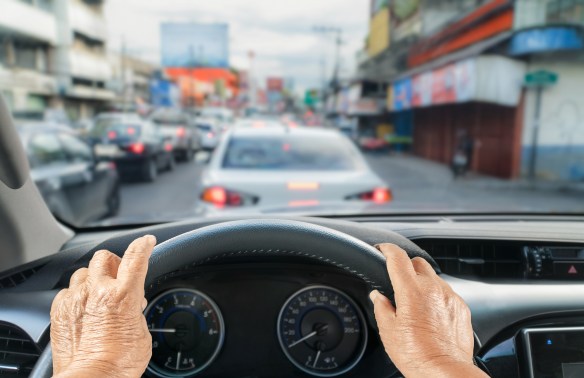
Senior woman driving a car in traffic jamDeciding when to take the car keys away from someone with dementia is one of the most heart wrenching tasks that caregivers face. The milestone is a huge blow to the driver, who loses his/her independence, and to the caregiver, who is forced to take on even more responsibility. My husband never forgave me for taking away his car. He reminded me on a weekly basis that he was angry with me.

But according to a study at Florida Atlantic University, Boca Raton, FL, drivers diagnosed with early Alzheimer’s disease may be able to maintain their road skills over the course of a year if they are treated with Memantine.*  The study included 60 otherwise healthy men and women over 60 years of age, who had mild Alzheimer’s disease — defined as a Mini Mental State Examination score of at least 23. Twenty-nine participants completed six months of the program, and 25 completed the 12-month study.

Peter Holland, MD, lead author of the study, said that despite the small group of participants in the study his research team was able to show a statistically significant difference between the drivers who were on memantine and those who were on placebo. In an article written by Ed Susman for MedPage Today, Holland is quoted as saying, “We believe that adding Memantine to the drug regime is effective in delaying driving impairment in subjects with mild Alzheimer’s disease.”

An earlier study done at the University of Michigan in Ann Arbor assessed the driving skills of 17 people with a diagnosis of early stage dementia. Their cars were equipped with special instruments for the two-month study in order to analyze a set of driving behaviors that might be common among drivers with dementia. The memory-impaired individuals were able to drive as safely as the comparison group, but they were more likely to get lost.

Although some people with early stage Alzheimer’s disease are able to drive for a year or two after diagnosis, it’s imperative that caregivers continually assess their skills in order to ensure safety for the driver, passenger(s) and other drivers. If a person with Alzheimer’s disease is in a tragic automobile accident, the consequences can be emotionally, physically and financially catastrophic for the families involved.

When you are concerned about the safety of a memory-impaired driver

Dr. Jason Karlawish, associate director of the Memory Disorders Clinic and fellow of the Center for Bioethics at the University of Pennsylvania, said it helps to give dementia patients’ families some perspective.

“In my practice, I recommend that family members and friends ask themselves a simple question,” he said. “‘Would you let your relative with Alzheimer’s disease drive the grandchildren, or someone else’s grandchildren, to an event?’ If they answer to this is anything less than a simple ‘Yes,’ then it is sensible to consider at least a driving evaluation or even taking away the keys.”

 For caregivers, the question of when to take away the car keys is always a difficult one. Here are some resources that can help.

  • Make an appointment with your doctor and let him or her make the decision. Often the memory-impaired individual will listen more readily to a doctor than to a family member or friend.
  • Contact the Alzheimer’s Association® for help. 24/7 Helpline: 1-800-272-3900 or visit their site that specifically discusses Driving assessment.
  • The University of Michigan Transportation Research Institute and the UM Drive-Ability Program has published an excellent on-line driver evaluation test at: um-saferdriving.org. This is an excellent assessment of driving ability for seniors and those with early stage Alzheimer’s disease. The test can be completely in less than 30 minutes, with or without the help of a caregiver. Based on the answers, a report is instantly issued with health concerns the driver might be experiencing, i.e. reduced visual acuity, and a list of driving skills that might be affected by the health concerns, i.e. turning, yielding, etc. A list of recommendations for safer driving is given, along with a list of ways to modify the driver’s vehicle and other safety tips.
  • When Your Are Concerned: A Handbook for Families, Friends, and Caregivers Worried About the Safety of an Aging Driver (and Help Network) is an 8 chapter handbook available online. aging.state.ny.us/caring/concerned
  • How to Help an Older Driver is a 30-page booklet that provides readers with details of how age and medications affect a person’s driving skills, how to assess an older driver’s skills both through self-screening and by observing various factors, how to help an older driver by ensuring he or she exercises and sees a physician regularly, and what features to look for in choosing a car. It also provides a list of driver refresher courses and offers suggestions for how to help older drivers cope and plan for driving cessation, and how to overcome the fear of losing independence. Finally, it provides contact information for every state department of motor vehicles and lists of useful websites for aging drivers. Funded by AAA Foundation for Traffic Safety. aaafoundation.org

* Memantine is the first in a novel class of Alzheimer’s disease medications acting on the glutamatergic system by blocking NMDA-type glutamate receptors. It was first synthesized by Eli Lilly and Company in 1968. Memantine is marketed under the brands Axura and Akatinol by Merz, Namenda by Forest, Ebixa and Abixa by Lundbeck and Memox by Unipharm. Memantine has been shown to have a modest effect in moderate-to-severe Alzheimer’s disease and in dementia with Lewy bodies. Despite years of research, there is little evidence of effect in mild Alzheimer’s disease. (wikipedia)

If you’d like to read more articles like this, please subscribe to thehealthycaregiverblog.

If you would like to read about tools and techniques that can help you stay strong as a caregiver, reduce stress and support your immunity, read Calmer Waters: The Caregiver’s Journey Through Alzheimer’s and Dementia

BarbraCohn__

12 quick energy and stress fixes to use throughout the holiday season . . . and all year long

Young ambitious executive enjoying his business success as he stThe holidays are stressful for everyone, but especially for caregivers. Here’s a list of some of my favorite stress relievers and energy boosters.
  1. Breathe! When we are stressed, we tend to hold our breath. Take a 5-minute break and sit down in a comfortable chair. Close your eyes and take a deep breath, in and out. Then focus on your breath and watch how your mind quiets down and your muscles relax. Then remember to breathe throughout the day. Whenever you feel yourself getting anxious or tight, take a deep breath and let it go.
  2. Drink water. We’ve heard it a million times but it’s always good to be reminded. Forget about sodas and limit the wine and alcohol. Staying hydrated, especially at this time of year, is vital to supporting the immune system and reducing inflammation. It’s also important to support healthy cognitive function and memory.
  3. Eat walnuts. A daily dose of about 9 whole walnuts or 1 Tbs. walnut oil helps your blood pressure from spiking during stress. Walnuts contain L-arginine, an amino acid that helps relax blood vessels, which in turn helps reduce hypertension.
  4. Drink green tea. L-Theanine is the main chemical constituent in green tea. It is an ideal nutritional aid for stress because it produces alpha-wave activity that leads to deep relaxation and mental alertness. This is especially important because in order to mitigate stressful situations, it’s important to remain calm and alert. Theanine also stimulates the release of the neurotransmitters GABA, serotonin and dopamine, which help us feel happy, motivated and calm. Green tea extract is available as a nutritional supplement, which might be easier and quicker to take, and it’ll save you a lot of trips to the bathroom.
  5. While we’re on the topic of “green,” be sure to eat green leafy vegetables for vitamin B and magnesium, both of which help your body cope with stress.
  6. Two handfuls of cashews (make that a small handful, please; one ounce of cashews contains 157 calories.) provide the equivalent mood-boosting effect as a therapeutic dose of Prozac because they are one of the highest natural sources of tryptophan, the precursor for serotonin, the feel-good neurotransmitter.
  7. Did someone mention dark chocolate? It reduces cortisol, the stress hormone that causes anxiety symptoms. Just a couple of pieces should do the trick.
  8. Walk around the block. Just getting out into fresh air will instantly relieve stress, and moving your body gets your blood pumping and will clear your mind.
  9. Light candles and play relaxing music while you eat. It will change the mood instantly.
  10. Aromatherapy is a miracle cure for stress and anxiety. Use a wall plug-in to diffuse the aroma of lavender oil to uplift mood, or place a few drops on a handkerchief and tuck it into a shirt pocket or on a pillow. Other oils to try: vetiver, frankincense, myrrh, orange, lemon, bergamot, and grapefruit.
  11. Music is the universal language, and it is also the universal stress reliever. Whether it’s jazz, classical, or hard rock that makes you feel better, by all means, play it loud, play it soft, dance to it, drive to it, go to sleep to it. It will definitely help.
  12. Getting the proper rest is vital to staying healthy and reducing stress. Prepare yourself for a deep night’s sleep by unplugging from electronics at least an hour before bed, taking an Epsom salt bath (put several drops of lavender oil in the water for added relaxation), and making sure the room temperature isn’t too warm.  Good night, sleep tight!

If you, or someone you care about, tend to suffer from stress, anxiety, or depression, these recommendations might just “take the edge off” and improve your quality of life … without the risk of side effects. May the holiday season begin!

For dozens more tools and techniques for reducing stress, uplifting mood, supporting your immune system, and finding ways to connect on a spiritual and emotional level with the person you care for, read Calmer Waters: The Caregiver’s Journey Through Alzheimer’s and Dementia.

BarbraCohn__