Easy ways to calm down crazy full moon behaviors

ヨガThe human body is 55 to 78% water (depending on sex and age) so it makes sense that the gravitational pull of the moon would affect us, right?  Many scientists point out that the biological tide theory doesn’t hold. On The Skeptics Dictionary website Robert Todd Carroll says, “Given the minute and bounded mass of fluid contained within the human body, compared to the enormous and free-flowing mass of ocean water, and given the enormous distance to the moon, the lunar pull on the human body is negligible.”

Theories about the moon’s influence on animal behavior are more widely accepted. Although the topic of whether or not the moon affects human behavior is controversial, there is plenty of anecdotal evidence and some scientific evidence indicating that it does.

I, for one, have a difficult time sleeping around the full moon. And my husband, who suffered from Alzheimer’s disease, exhibited more agitated behavior when the moon was full.

Studies have shown that the lunar cycle has an impact on fertility, menstruation, and birth rate.  Admittance to hospitals and emergency units due to cardiovascular and acute coronary events, arterial hemorrhages in the stomach and esophagus, diarrhea, and urinary retention correlate with moon phases. Other events linked to human behavior, such as traffic accidents, crimes, and suicides, seem to be influenced by the lunar cycle.

In the 1600’s Sr. William Hale, a distinguished British physician and medical biographer, wrote, “The moon has a great influence in all diseases of the brain, especially dementia.” The British Lunacy Act of 1842, which dismissed crazy behavior as being caused by the full moon, built on his theory.  In fact, as recently as 1940 a British soldier who was charged with murder pleaded “moon madness.”

Alan M. Beck of Purdue University conducted a longitudinal study to objectively examine the lunar influence on the frequency, duration, and intensity of behaviors in individuals with Alzheimer’s disease.

He examined wandering, anxiety, physical aggression, and verbal confrontation. His study concluded that individuals with Alzheimer’s disease did, in fact, exhibit significantly more erratic behaviors during periods of the full moon, and that these behaviors were of greater duration during that time. The objective analysis that a lunar influence on behavior in Alzheimer’s individuals exists validates a long-standing belief held by many healthcare providers.

If you’re a caregiver for someone with dementia, you’ve probably seen some odd behavior in your loved one around the full moon. And if you have trouble sleeping or feel restless or anxious during the full-moon, you’ve personally noticed the effects.

Here are some ways to calm the nerves and odd behaviors during the full moon or anytime.

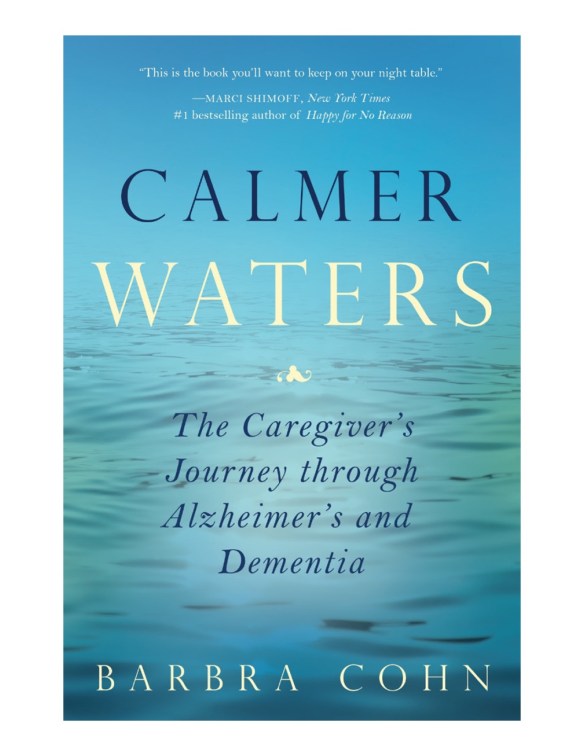
From Calmer Waters: The Caregiver’s Journey Through Alzheimer’s & Dementia--“Aromatherapy” chapter 18 by Laraine Kyle Pounds, RN, MSN, BSN, CMT.

Aromatherapy can be a resource of comfort to you and your care partner by providing an easy, natural way to reduce stress and anxiety and uplift mood. The following oils can be used in a diffuser, or put in a bath or fragrance free moisturizer. They can also be sprayed on a pillow or handkerchief.

Citrus oils are generally refreshing and uplifting for the mind and emotions, relieve stress and anxiety, and are useful for odor management and appetite support. Consider: bergamot, grapefruit, lemon, and orange.

Floral oils are often used as a personal fragrance and are useful to relieve anxiety, depression, and irritability. These oils are useful as an inhaler, in a body lotion, and for the bath. Consider: clary sage, geranium, lavender, rose, and ylang ylang.

Tree oils are revitalizing with immune boosting properties, ease respiratory congestion, and are supportive to breathing ease. They are useful for pain relief, skin infections, and odor management, and can relieve nervous exhaustion and depression. Consider: eucalyptus (Eucalytpus citriodora or globulus), pine needle, sandalwood, or Tea Tree.


Herbal remedies (from chapter 31, Nutritional Support for Caregivers, in “Calmer Waters: The Caregiver’s Journey Through Alzheimer’s & Dementia”

A nervine is a plant remedy that has a beneficial effect upon the nervous system.  Nervines are especially useful during times of stress because they have a strong relaxing and calming effect without producing a dulling, “hang-over” side effect.  They also tone and restore the nervous system to a more balanced state.  Some nervines are also anti-spasmodic, meaning they relax the peripheral nerves and the muscle tissue, which in turn has a relaxing effect on the whole system.

The main types of nervines are tonics, relaxants, and stimulants.

  • Nervine Tonics – are particularly helpful for strengthening the nervous system and restoring balance. In addition to having a relaxing effect, they have a vaso-dilating action on the blood vessels of the brain.  This increases oxygen availability to brain cells and helps with mental agility and mood.
  • Nervine Relaxants – are especially beneficial for short-term use, for example in treating mild depression or acute anxiety. “This group of nervines are most important in times of stress and confusion, alleviating many of the accompanying symptoms. They should always be used in a broad holistic way, not simply to tranquillize.  Too much tranquilizing, even that achieved through herbal medication, can in time deplete and weigh heavily on the whole nervous system,” says renown herbalist David Hoffman.
  • Nervine Stimulants– are used as a restorative “pick-me-up” when you need an energetic boost without that revved up feeling produced by caffeine.

Recommended nervines:

  • Passion flower- helps soothe anxiety, insomnia, tension headaches, muscle aches and spasms, pain, hyperactivity, epilepsy, and helps alleviate anger and lower blood pressure.
  • Skullcap – is antispasmodic and relaxing and is recommended to relieve headaches, mood swings, insomnia, premenstrual syndrome, and nervous tension and exhaustion.

The next time you’re feeling nervous, agitated, restless or hyped up, calm your nerves with a nervine herb or aromatherapy. If your loved one has Alzheimer’s or dementia and is on medication, please check with the physician to make sure they do not interact with the nervine herbs.  Use pure essential aromatherapy oils to lower risk of allergy.

If all else fails, you can always go outside and howl at the moon.


Studies showing we are affected by the full moon

1. More babies are born around the full moon. A study in Kyoto, Japan looked at 1007 natural births and found there was significant increase in births when the moon was closest to the earth. Results of this study suggest that the gravitational pull of the Moon has an  influence on the frequency of births.

2. Do you have trouble sleeping around the full moon? Sleep researcher Christian Cajochen at the Psychiatric Hospital of the University of Basel in Switzerland conducted a four-year lab study to see if he could show that it is physiologically true that many people have difficulty sleeping during the full moon.  His researchers monitored the brain activity, eye movements and hormone secretions of 33 volunteers in the lab while the participants slept. All the participants were healthy, good sleepers, and did not take any drugs or medication.Unexpectedly, the scientists found “the lunar cycle seems to influence human sleep, even when one does not see the moon and is not aware of the actual moon phase,” Cajochen said. After reviewing their data, the scientists found during the time of the full moon, brain activity related to deep sleep dropped by 30 percent. People also took five minutes longer on average to fall asleep, and they slept for 20 minutes less overall on full-moon nights. The volunteers felt as though their sleep was poorer when the moon was full, and they showed diminished levels of melatonin, a hormone known to regulate sleep and wake cycles. “It took me more than four years until I decided to publish the results, because I did not believe it myself,” Cajochen told LiveScience. “I was really skeptical about the finding, and I would love to see a replication.”


Barbra Cohn cared for her husband Morris for 10 years. He passed away from younger-onset Alzheimer’s disease in 2010. Afterward, she was compelled to write “Calmer Waters: The Caregiver’s Journey Through Alzheimer’s & Dementia” in order to help other caregivers feel healthier and happier, have more energy, sleep better, feel more confident, deal with feelings of guilt and grief, and to ultimately experience inner peace. “Calmer Waters” is available at AmazonBarnes & NobleBoulder Book StoreTattered Cover Book Store,  Indie Bound.org, and many other fine independent bookstores, as well as public libraries.

Why you should throw away that antipsychotic drug prescribed for your loved one

Elderly woman taking a medicineAccording to Human Rights Watch in an average week, nursing facilities in the United States administer antipsychotic drugs to over 179,000 people who do not have diagnoses for which the drugs are approved. Often, these drugs are dispensed like candy, without free and informed consent. . . without a family member or someone who holds durable power of attorney for the health care resident, to make a decision based on the benefits and risks of taking the medication.

Like my late husband, most of the patients who are given these drugs have some form of dementia or Alzheimer’s.  My husband was in a memory care home for two years. Towards the end of his illness, he was given an antipsychotic drug because his behavior became “difficult.” He was not combative, and he was mostly non-ambulatory. Once, though, while sitting, he swung out his arm and hit a woman who was bothering him. Since I wasn’t there, I don’t know the details. But in general, he was a sweet man up until the end. He did get annoyed, however, by other residents’ behavior. And so he was given a drug to pacify him. After visiting him over a period of a few weeks and noticing the deterioration in his overall wellbeing, including his inability to hold his head up, sit upright, or staying awake most of the day, I demanded that he be taken off a number of drugs. The improvement was dramatic and astounding.

According to the US Government Accountability Office (GAO) analysis, facilities often use antipsychotic drugs to control common symptoms of Alzheimer’s. These drugs are associated with clinically significant adverse effects, including death. Then why are they being prescribed to an extremely vulnerable, frail and “at risk” population? Because disruptive behaviors such as crying out “help me, help me” over a long period of time, or yelling out profanities, or exhibiting aggressive behavior can become a nuisance that caregivers –professional and family–are either not skilled in addressing or are too busy taking care of other patients to be bothered with.

What are the alternatives?

First:

  • Eliminate noise and disruption.
  • Make sure the patient does not have a urinary tract infection.
  • Evaluate physical needs. Is s/he thirsty, hungry, constipated, etc?
  • Encourage the patient to verbalize feelings and needs, if possible.
  • Limit or reduce caffeine.
  • Reduce external stimuli (loud TV or radio, etc.).
  • Dim the lighting.
  • Avoid confrontation and use a soft, sweet speaking voice.
  • Provide companionship.
  • Identify events or issues that trigger behaviors.

Once you know the patient is safe and free from pain due to an infection, create a calm and beautiful environment.

Creating a beautiful space

  • Maintain a clean environment without clutter.
  • Enjoy a vase of fresh flowers.
  • Burn incense to clear and purify the air, unless the smoke or odor is irritating.
  • Paint the walls a color that rejuvenates the spirit. For instance, green is healing and relaxing, red restores vitality in people who are depressed, and purple is powerful for those who need spiritual and emotional healing.
  • Gather gemstones. They exert healing effects. Lithium quartz is said to ease tension and stress, and keep nightmares at bay. Pink Calcite promotes compassion, healing, and universal love. Amethyst is for protection, purification, and spiritual/divine connection.
  • Listening to calming sounds can relax a tense body within minutes. Consider a wind chime, water fountain, or a CD of singing birds, ocean waves, or falling rain.]
  • Use essential oils or aromatherapy to have a specific effect on the body, mind, and spirit. (See Aromatherapy, Chapter 18 in “Calmer Waters: The Caregiver’s Journey Through Alzheimer’s & Dementia.”)
  • Create an outdoor sacred space with river rocks, a koi or lily pond, a flowering tree or shrub, pampas grass, colored sand—the possibilities are endless.
  • Include religious symbols, chakra symbols, animal totems, prayer flags, angel statues, rainbow banners, and lamps with colored bulbs.

Herbal remedies

  • A nervine is a plant remedy that has a beneficial effect upon the nervous system.  Nervines are especially useful during times of stress because they have a strong relaxing and calming effect without producing a dulling, “hang-over” side effect.  They also tone and restore the nervous system to a more balanced state.  Some nervines are also anti-spasmodic, meaning they relax the peripheral nerves and the muscle tissue, which in turn has a relaxing effect on the whole system.
  • The main types of nervines are tonics, relaxants, and stimulants.
  • Nervine Tonics – are particularly helpful for strengthening the nervous system and restoring balance. In addition to having a relaxing effect, they have a vaso-dilating action on the blood vessels of the brain.  This increases oxygen availability to brain cells and helps with mental agility and mood.
  • Nervine Relaxants – are especially beneficial for short-term use, for example in treating mild depression or acute anxiety. “This group of nervines are most important in times of stress and confusion, alleviating many of the accompanying symptoms. They should always be used in a broad holistic way, not simply to tranquillize.  Too much tranquilizing, even that achieved through herbal medication, can in time deplete and weigh heavily on the whole nervous system,” says renown herbalist David Hoffman.
  • Nervine Stimulants– are used as a restorative “pick-me-up” when you need an energetic boost without that revved up feeling produced by caffeine.
  • Recommended nervines:
  • Passion flower- helps soothe anxiety, insomnia, tension headaches, muscle aches and spasms, pain, hyperactivity, epilepsy, and helps alleviate anger and lower blood pressure.
  • Skullcap – is antispasmodic and relaxing and is recommended to relieve headaches, mood swings, insomnia, premenstrual syndrome, and nervous tension and exhaustion.
  • The next time your loved one is  feeling nervous, agitated, restless or hyped up, try calming him/her with a nervine herb or aromatherapy. If your loved one is on medication, please check with the physician to make sure the drugs do not interact with the nervine herbs.

Other ways to help a person with dementia relax and feel calm without the use of antipsychotic drugs.

  • Aromatherapy
  • Music
  • Pet therapy
  • Horticulture therapy
  • Color therapy

For detailed information on all of the above, read  “Calmer Waters: The Caregiver’s Journey Through Alzheimer’s and Dementia”

image

How to prevent people with Alzheimer’s from wandering


einsamer alter mann geht die Treppe hinauf

Wandering is a common symptom of Alzheimer’s disease. More than 60% of memory loss patients wander at some point during the course of their illness.  A man at the memory care facility where my husband lived used to scale a 10-foot wall. Luckily, staff personnel were able to find him before he was harmed. But that is not always the case.

A neighbor of mine had the tragic experience of having her husband take the car keys, drive off to another state, and disappear. The car was found and he was not.

Who is at risk? Anyone with Alzheimer’s or dementia and is mobile is at risk for wandering.

Also, individuals who:

  • Live in a memory care home and want to go home or are waiting for a loved one to pick them up.
  • Live at home yet repeatedly say, “I want to go home.”
  • Come home from a walk around the neighborhood or a drive later than usual.
  • Don’t remember how to get to a familiar location.
  • Are nervous, anxious or disoriented when out in public , i.e. restaurant, grocery store, etc.
  • Pace or repeatedly try to find things or familiar rooms in a house.
  • Ask the whereabouts of friends and family.
  • Seem busily occupied but in actuality don’t get anything done, such as moving dirt around without planting or watering, or shoveling snow but not clearing off the sidewalk or driveway.

Ways to prevent wandering

  • If you care for your loved one at home, put the car keys in a secure place where only able, designated drivers have access to them.
  • Hang bells on the doorknobs of exterior doors to alert you when a door is opened.
  • Install new locks on the doors and windows that your loved one cannot open.
  • Remove items from sight such as shoes, hats, gloves, umbrellas, etc. that your loved one might associate with going outside.
  • Put a black rug in front of the door. To some people with dementia, this looks like a hole, which they will not cross.
  • Put a large sign on the inside of the exit door that says, “Stop” or “Do Not Enter.”
  • Do not argue with your loved one if he or she insists on going outside. Instead, walk with him or her down the hall, or redirect their attention to an activity. Mentioning the word “ice cream” often works like magic.
  • Avoid going to crowded places such as shopping malls.

Make a plan

  • Keep a list of places where your loved one might wander such as a past job location, previous home, restaurant, library, etc.
  • Alert your neighbors to the situation at home, and make sure they phone you if they see him or her unaccompanied outside.
  • Be aware if the person is left or right-handed because wandering usually follows the direction of the dominant hand.
  • Put a close-up photo and medical information in an easy-to-find location to give to the police.
  • Search the immediate area that the person has wandered off to for no more than 15 minutes. Then call “911” to report to the police that a person with Alzheimer’s disease or dementia —also referred to as a “vulnerable adult”–is missing. A Missing Report should be filed. Then the police will begin to search for the person.
  • Many local police departments have a Project Lifesaver GPS bracelet or Safe Return® bracelet that can track an Alzheimer’s patient.
  • The Alzheimer’s Association offers MedicAlert® + Alzheimer’s Association Safe Return®, a 24-hour nationwide emergency response service for individuals with Alzheimer’s or a related dementia who wander or have a medical emergency.

How it works

  1. If an individual with Alzheimer’s or a related dementia wanders and becomes lost, caregivers can call the 24-hour emergency response line (1.800.625.3780) to report it.
  2. A community support network will be activated, including local Alzheimer Association chapters and law enforcement agencies, to help reunite the person who wandered with the caregiver or a family member. With this service, critical medical information will be provided to emergency responders when needed.
  3. If a citizen or emergency personnel finds the person with dementia, they can call the toll-free number listed on the person’s MedicAlert + Safe Return ID jewelry. MedicAlert + Safe Return will notify the listed contacts, making sure the person is returned home.

Most importantly, stay calm and don’t panic. 94% of people who wander are found within 1.5 miles of where they disappeared. But it is important to begin the search and rescue efforts immediately.

Remember this: Prevent the danger that has not come. Be prepared.

For more great information about how you can reduce stress, feel happier, more energetic, healthier, deal with issues of grief and depression, and ultimately experience inner peace, read Calmer Waters: The Caregiver’s Journey Through Alzheimer’s and Dementia.   Available on Amazon and at all bookstores that sell quality books.

BarbraCohn__


12 quick energy and stress fixes to use throughout the holiday season . . . and all year long

Young ambitious executive enjoying his business success as he stThe holidays are stressful for everyone, but especially for caregivers. Here’s a list of some of my favorite stress relievers and energy boosters.
  1. Breathe! When we are stressed, we tend to hold our breath. Take a 5-minute break and sit down in a comfortable chair. Close your eyes and take a deep breath, in and out. Then focus on your breath and watch how your mind quiets down and your muscles relax. Then remember to breathe throughout the day. Whenever you feel yourself getting anxious or tight, take a deep breath and let it go.
  2. Drink water. We’ve heard it a million times but it’s always good to be reminded. Forget about sodas and limit the wine and alcohol. Staying hydrated, especially at this time of year, is vital to supporting the immune system and reducing inflammation. It’s also important to support healthy cognitive function and memory.
  3. Eat walnuts. A daily dose of about 9 whole walnuts or 1 Tbs. walnut oil helps your blood pressure from spiking during stress. Walnuts contain L-arginine, an amino acid that helps relax blood vessels, which in turn helps reduce hypertension.
  4. Drink green tea. L-Theanine is the main chemical constituent in green tea. It is an ideal nutritional aid for stress because it produces alpha-wave activity that leads to deep relaxation and mental alertness. This is especially important because in order to mitigate stressful situations, it’s important to remain calm and alert. Theanine also stimulates the release of the neurotransmitters GABA, serotonin and dopamine, which help us feel happy, motivated and calm. Green tea extract is available as a nutritional supplement, which might be easier and quicker to take, and it’ll save you a lot of trips to the bathroom.
  5. While we’re on the topic of “green,” be sure to eat green leafy vegetables for vitamin B and magnesium, both of which help your body cope with stress.
  6. Two handfuls of cashews (make that a small handful, please; one ounce of cashews contains 157 calories.) provide the equivalent mood-boosting effect as a therapeutic dose of Prozac because they are one of the highest natural sources of tryptophan, the precursor for serotonin, the feel-good neurotransmitter.
  7. Did someone mention dark chocolate? It reduces cortisol, the stress hormone that causes anxiety symptoms. Just a couple of pieces should do the trick.
  8. Walk around the block. Just getting out into fresh air will instantly relieve stress, and moving your body gets your blood pumping and will clear your mind.
  9. Light candles and play relaxing music while you eat. It will change the mood instantly.
  10. Aromatherapy is a miracle cure for stress and anxiety. Use a wall plug-in to diffuse the aroma of lavender oil to uplift mood, or place a few drops on a handkerchief and tuck it into a shirt pocket or on a pillow. Other oils to try: vetiver, frankincense, myrrh, orange, lemon, bergamot, and grapefruit.
  11. Music is the universal language, and it is also the universal stress reliever. Whether it’s jazz, classical, or hard rock that makes you feel better, by all means, play it loud, play it soft, dance to it, drive to it, go to sleep to it. It will definitely help.
  12. Getting the proper rest is vital to staying healthy and reducing stress. Prepare yourself for a deep night’s sleep by unplugging from electronics at least an hour before bed, taking an Epsom salt bath (put several drops of lavender oil in the water for added relaxation), and making sure the room temperature isn’t too warm.  Good night, sleep tight!

If you, or someone you care about, tend to suffer from stress, anxiety, or depression, these recommendations might just “take the edge off” and improve your quality of life … without the risk of side effects. May the holiday season begin!

For dozens more tools and techniques for reducing stress, uplifting mood, supporting your immune system, and finding ways to connect on a spiritual and emotional level with the person you care for, read Calmer Waters: The Caregiver’s Journey Through Alzheimer’s and Dementia.

BarbraCohn__

10 Things to Remember if You Love a Person with Dementia

Assisting and helping elderly peopleToday is World Alzheimer’s Awareness Day. It’s a good day to repost this important article and to remind people about the book I wrote after caring for my husband who passsed away from younger-onset Alzheimer’s disease seven years ago. The book has helped so many people, which is what my intention was in writing it. “Calmer Waters: The Caregiver’s Journey Through Alzheimer’s & Dementia” contains a treasure trove of information on how to stay connected with your loved one, keep calm, improve immunity, reduce stress and feel happier and healthier. Plus, it includes 20 healing modalities that the caregiver can do alone or with their loved one. Available wherever fine books are sold and on Amazon.

It’s sometimes hard to love a family member who has dementia or Alzheimer’s disease. People with dementia can be quarrelsome, uncooperative, negative, whiney, belligerent or combative. They might get their nights and days mixed up, pace the floor for hours, wring their hands non-stop, or cry like a baby. They might ask you the same question twenty times in a row, refuse to budge when you need to get them to an appointment, or refuse to eat what you’ve made for dinner.

When the going gets tough, it helps to remember that you love the person who resides inside that body that is tight and tense and inflamed from amyloid plaque that has strangled the neurons and disrupted the neurotransmitters that allow thoughts to flow and emotions to stay even. He or she is the same person you married, the same loving parent who nurtured and guided you, the same sibling you shared holidays and outings with, or the same friend who offered a should to cry on or who helping you move to a new home.

When you’re about to lose it, walk out, or hide in the closet, stop for a moment and remember at least one of these 10 things about the person you lovingly take care of.

People with dementia and Alzheimer’s often feel:

  1. Embarrassed when you say, “ I just told you . . ..” Instead of reminding them that they forgot what you told them a second ago rephrase it, breaking it down into a simple sentence . . . or completely change the subject.
  2. Fearful because they don’t see things spatially the same way we do. Their sense of space is distorted and their vision gets skewed, not because there is something physically wrong with their eyes. But rather, the brain interprets what the eyes see, and when the brain doesn’t work right our perception gets distorted. Two things you can do to help are to put extra lights in dark areas of the living quarters and remove throw rugs in order to reduce falls.
  3. Lonely because they can’t communicate well, or some of their friends have “jumped ship.” Set up times for family or friends to visit or take your loved one on an outing.
  4. Confused because they don’t understand why they can’t drive anymore, or why they can’t go for a walk alone, or why they can’t remember where they live or what their son’s or daughter’s name is.
  5. Angry because the keys to the car have been taken away, or because they get frustrated when they can’t express their feelings or thoughts.
  6. Sad because they can’t read a book or newspaper, or can’t manage to engage in their favorite hobby or sport.
  7. Anxious because they can’t move as fast or get dressed by themselves or put on their shoes easily. Or, because they hear sounds that are disturbing or are bothered by someone else’s behavior.
  8. Nervous because they have lost their sense of balance and feel unsteady on their feet. Or because they don’t like the feel of water on their skin and don’t want to bathe and don’t want to be forced.
  9. Frustrated because they can’t write a check, figure out how much tip to leave, or remember how to use the TV remote control.
  10. Paranoid because they think someone is stealing their money or prized possessions.

When all else fails, take a deep breath and put on some music. It almost always uplifts the spirit—for both the caregiver and the person being cared for.

Please subscribe to my blog for more informative articles like this. Thank you!

Lonely? Two easy ways to make meaningful connections that might just help you live longer.

Bringing Back MemoriesBarbraCohn__

“Calmer Waters” contains more great information on how to stay connected, improve your immunity, and reduce stress. Available wherever fine books are sold and on Amazon.

I’m no stranger to loneliness. When I moved cross-country as a college student to a place  that was as foreign to me as if I had time-traveled to a different century, I didn’t know a soul. It didn’t help that I had transferred my second semester sophomore year after everyone had established their group of friends. I’ll never forget the feeling of being alone in the world, not having a friend to confide in or hang out with. Having moved from my hometown where I grew up surrounded by many relatives and a strong support network, I felt like an alien who didn’t know which foods would sustain or poison me. That experience has allowed me to understand what loneliness is and how it can trigger a downward spiral to depression. Now we are hearing from the medical community how devastating this “aloneness” can be.

Studies are showing that loneliness might be a bigger health risk than smoking or obesity. In fact, loneliness and social isolation is considered not just a psychological issue but a medical one that can actually kill you. According to a far-reaching study (meta-analysis of scientific literature on the subject January 1980 to February 2014) conducted by Brigham Young University, social isolation and loneliness is as dangerous to health as smoking 15 cigarettes and drinking six ounces of alcohol a day, and increases one’s likelihood of death by 32%.

Isolation and feeling alone has also been shown to contribute to depression, cognitive decline, the risk of developing Alzheimer’s disease, and poor recovery from illness and surgery.

Two programs that help seniors and caregivers connect on a personal level

Senior Center Without Walls

Senior Center Without Walls is a telephone-based national program that offers free weekly activities, education, friendly conversation, classes, support groups, and presentations  to individuals 60 years or older anywhere in the United States. There are activities occurring throughout the day, every day.

Play a game, write a poem, go on a virtual tour, meditate, share a gratitude, get support, and most importantly, connect and engage with others every day. SCWW is a community consisting of participants, staff, facilitators, presenters, and other volunteers who care about each other and who value being connected. All groups are accessible by phone and many are acessible online.

Katie Wade, program manager, says SCWW offers 75 options. People can join a particular group, call in the same time each week, hear the same voices on a regular basis and make friends. This has a positive impact on their emotional and physical life. “The gratitude activity, which is offered twice a day, is especially popular and well attended,” says Wade. “Participants share something they are grateful for. This allows for an increase in social connectedness. We also have fun and intellectual programs that help individuals feel valued, stimulated and engaged, and sometimes we invite presenters from the outside in.”

Wade points out that Senior Center Without Walls is not just for people with mobility concerns. We get folks who are active, people who are married and individuals in a co-housing situation. Anyone can feel lonely, she says. “We take a survey every year and the results indicate that 85% of our participants feel more intellectually stimulated and  socially connected. And on a daily basis, we get calls of gratitude from participants who say, ‘this program saved my live,'” says Wade.

Senior Center Without Walls is an award-winning program of Episcopal Senior Communities. For more information: SCWW@jtm-esc.org 1-877-797-7299 (also known as 1-877-797-SCWW)

Circle Talk

CircleTalk is a structured conversation program guided by leaders trained to inspire sharing among the participants. It follows a customized curriculum that engages older adults in meaningful conversations through creative activities. Director Deborah Skovron explains that the program is modeled on Rachael Kessler’s Passage Works Institute which works with school districts throughout the United States to teach teacher how to create safe, positive environments in which students are free to experience deep connection to themselves, others, and the world around them.

“Rachael asked me to take the principles of her model and create a program for seniors,” explains Skovron. Now, after eight years of development and refinement, Circle Talk has six programs running at any given time in senior living communities in Boulder, Colorado. A trained leader guides the one-hour circle following the same six steps, says Skovran.

  1. 10-12 people sit in a circle and get name tags.
  2. The group settles down by being led in a brief meditation.
  3. The leader does a warm-up activity asking simple questions such as, “What was your favorite game as a kid?”
  4. Next, the leader connects to the previous week by saying, “Last week we talked about . . .”
  5. The main focus of the week is introduced. A topic might be something like “What’s an important moment in history that helped inform who you are today? i.e. the first man on the moon, the Depression. How did it impact your life?” This leads to questions and conversation.
  6. The leader ends with a ritual such as asking each person to pass a message to the person sitting next to him/her, passing a squeeze, giving a “word” for the week, etc.

“My favorite thing is finding out no matter what age people are, they still require connections to other people and to themselves to remember who they have been. Circle Talk really allows for that opportunity,” says Skovron.

Skovron’s goal is to make Circle Talk available nation-wide. For information about volunteering, becoming a certified leader, donating, or participating in Circle Talk, visit CircleTalk. Circle Talk programs are thoughtfully designed conversation groups. They make it possible to form new relationships, providing a chance for reflection and self expression that many thought were lost to them forever.

10 Ways caregivers can reduce stress and feel instant relief

Spa still-life.

June is Alzheimer’s & Brain Awareness Month, and in celebration of the anniversary of the release of my book “Calmer Waters: The Caregiver’s Journey Through Alzheimer’s & Dementia” this month I will be posting ways that caregivers can relieve stress, feel better and more energetic, and forge a stronger connection to the person they lovingly care for.

  1. Before you get out of bed in the morning, breathe deeply and for a minute or two repeat an affirmation such as: “Today will be a good day.” “I am a loving, patient person.” “I’m feeling strong and healthy today.” “I am grateful for my family and friends.” “I am a kind, compassionate caregiver.”
  2. Eat a good breakfast. Your blood sugar is low when you awake after fasting for 6-8 hours. Support healthy blood glucose levels by eating protein, a complex carbohydrate, and colorful fruits or veggies for vitamins and antioxidants. A bowl of cereal with low or no-fat milk doesn’t cut it. As a caregiver you need the energy to get you through the morning. My favorite energy-boosting, neurotransmitter supporting breakfast is eggs (anyway you like them), sautéed kale or spinach with onions, a side of beans and melon or strawberries to finish it off. Yes, it sounds like a lot, and it is. But the portions can be small and you can use your left-over veggies from dinner the night before. Of if you want a lighter breakfast during summer, have a protein smoothie with yogurt, protein powder and fruit. Just make sure that whatever you eat includes high-quality protein.
  3. Go for a walk. If your care partner is ambulatory, take him or her with you. Research published in the March 2017 issue of “Cell Metabolism” found that a brisk walk could help slow the aging process. In “Calmer Waters,” researcher Monika Fleshner, PhD writes “Based on the research that my colleagues and I have done in the past thirteen years, we know that regular physical activity promotes stress robustness (resistance to stress) and changes the way the brain and body respond to stressors. . . If you are highly conditioned from a regular exercise routine, then you can respond better psychologically and physically.” (pg. 174, “Calmer Waters”)
  4. Sing in the shower, sing with your care partner, sing in a spiritual setting. “Music engagement can help you connect with your loved ones and care partner. Oxytocin, the chemical in our brain that is released during intimate interactions such as breastfeeding and intercourse, helps us to form trust and bonds with other humans. It is fascinating that this chemical is also emitted when people sing and make music together,” says neurologic music therapist Rebekah Stewart, MA. (pg. 224 “Calmer Waters”)
  5. Stay present. Learning how to stay present enhances how you relate to the person you are caring for, allowing you to create community with that person. The simple act of breathing with someone—of matching your breath to his or hers—enables you to create a spiritual connection with that person.
  6. Create a soothing space. Light a candle, enjoy a vase of fresh flowers, light incense, listen to uplifting music.
  7. Use aromatherapy oils to uplift the spirit and calm you down. Explore the variety of essential oils which can be used in a diffuser, spritzed on a pillow case, shirt collar or handkerchief or tissue that you can tuck in your shirt pocket.
  8. Dance as though no one is watching you. Dance alone in your living room to your favorite music, or with your care partner. It is an easy way to get the blood flowing, loosen up stiff muscles, and a fast and easy way to uplift your mood.
  9. Get a dog (if you don’t have one). “Animal Assisted Therapy is recognized by the National Institute of Mental Health as a type of psychotherapy for treating depression and other mood disorders. Spending time with an animal seems to promote a sense of emotional connectedness and well-being. Touching and playing with animals is a wonderful way for families coping with Alzheimer’s disease to experience joy, fun, and laughter,” says Diana McQuarrie, Founder and Executive Director Emeritus of Denver Pet Partners. (pg. 107 “Calmer Waters)
  10. Laugh. Charlie Chaplin once said that “A day without humor is a day wasted.” No matter how hard things seem, even if you are a caregiver to someone who has been ill for many years, try to find the humor in everyday things. My husband had Alzheimer’s disease and toward the end of his life he had trouble eating a sandwich. Once he asked, “What is this?” after I handed him a chicken salad sandwich. When I told him what it was he responded by throwing the sandwich across the table and exclaiming, “This chicken is dead!” I burst out laughing and because laughter is contagious so did he. Watch YouTube funny videos of animals, children, etc. when you’re feeling down. You will soon be laughing and the endorphins will flow and uplift your mood.

Easy ways to calm down crazy full moon behaviors

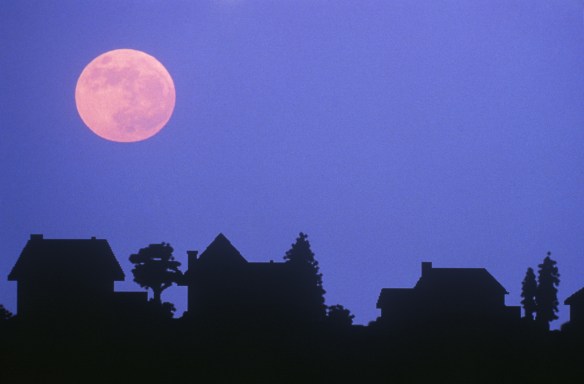
Silhouette of full moon over family homes in typical neighborhood

The human body is 55 to 78% water (depending on sex and age) so it makes sense that the gravitational pull of the moon would affect us, right?  Many scientists point out that the biological tide theory doesn’t hold. On The Skeptics Dictionary website Robert Todd Carroll says, “Given the minute and bounded mass of fluid contained within the human body, compared to the enormous and free-flowing mass of ocean water, and given the enormous distance to the moon, the lunar pull on the human body is negligible.”

Theories about the moon’s influence on animal behavior are more widely accepted. Although the topic of whether or not the moon affects human behavior is controversial, there is plenty of anecdotal evidence and some scientific evidence indicating that it does.

I, for one, have a difficult time sleeping around the full moon. And my husband, who suffered from Alzheimer’s disease, exhibited more agitated behavior when the moon was full.

Studies have shown that the lunar cycle has an impact on fertility, menstruation, and birth rate.  Admittance to hospitals and emergency units due to cardiovascular and acute coronary events, arterial hemorrhages in the stomach and esophagus, diarrhea, and urinary retention correlate with moon phases. Other events linked to human behavior, such as traffic accidents, crimes, and suicides, seem to be influenced by the lunar cycle.

In the 1600’s Sr. William Hale, a distinguished British physician and medical biographer, wrote, “The moon has a great influence in all diseases of the brain, especially dementia.” The British Lunacy Act of 1842, which dismissed crazy behavior as being caused by the full moon, built on his theory.  In fact, as recently as 1940 a British soldier who was charged with murder pleaded “moon madness.”

Alan M. Beck of Purdue University conducted a longitudinal study to objectively examine the lunar influence on the frequency, duration, and intensity of behaviors in individuals with Alzheimer’s disease.

He examined wandering, anxiety, physical aggression, and verbal confrontation. His study concluded that individuals with Alzheimer’s disease did, in fact, exhibit significantly more erratic behaviors during periods of the full moon, and that these behaviors were of greater duration during that time. The objective analysis that a lunar influence on behavior in Alzheimer’s individuals exists validates a long-standing belief held by many healthcare providers.

If you’re a caregiver for someone with dementia, you’ve probably seen some odd behavior in your loved one around the full moon. And if you have trouble sleeping or feel restless or anxious during the full-moon, you’ve personally noticed the effects.

Here are some ways to calm the nerves and odd behaviors during the full moon or anytime.

From Calmer Waters: The Caregiver’s Journey Through Alzheimer’s & Dementia--“Aromatherapy” chapter 18 by Laraine Kyle Pounds, RN, MSN, BSN, CMT.

Aromatherapy can be a resource of comfort to you and your care partner by providing an easy, natural way to reduce stress and anxiety and uplift mood. The following oils can be used in a diffuser, or put in a bath or fragrance free moisturizer. They can also be sprayed on a pillow or handkerchief.

Citrus oils are generally refreshing and uplifting for the mind and emotions, relieve stress and anxiety, and are useful for odor management and appetite support. Consider: bergamot, grapefruit, lemon, and orange.

Floral oils are often used as a personal fragrance and are useful to relieve anxiety, depression, and irritability. These oils are useful as an inhaler, in a body lotion, and for the bath. Consider: clary sage, geranium, lavender, rose, and ylang ylang.

Tree oils are revitalizing with immune boosting properties, ease respiratory congestion, and are supportive to breathing ease. They are useful for pain relief, skin infections, and odor management, and can relieve nervous exhaustion and depression. Consider: eucalyptus (Eucalytpus citriodora or globulus), pine needle, sandalwood, or Tea Tree.

Herbal remedies

A nervine is a plant remedy that has a beneficial effect upon the nervous system.  Nervines are especially useful during times of stress because they have a strong relaxing and calming effect without producing a dulling, “hang-over” side effect.  They also tone and restore the nervous system to a more balanced state.  Some nervines are also anti-spasmodic, meaning they relax the peripheral nerves and the muscle tissue, which in turn has a relaxing effect on the whole system.

The main types of nervines are tonics, relaxants, and stimulants.

  • Nervine Tonics – are particularly helpful for strengthening the nervous system and restoring balance. In addition to having a relaxing effect, they have a vaso-dilating action on the blood vessels of the brain.  This increases oxygen availability to brain cells and helps with mental agility and mood.
  • Nervine Relaxants – are especially beneficial for short-term use, for example in treating mild depression or acute anxiety. “This group of nervines are most important in times of stress and confusion, alleviating many of the accompanying symptoms. They should always be used in a broad holistic way, not simply to tranquillize.  Too much tranquilizing, even that achieved through herbal medication, can in time deplete and weigh heavily on the whole nervous system,” says renown herbalist David Hoffman.
  • Nervine Stimulants– are used as a restorative “pick-me-up” when you need an energetic boost without that revved up feeling produced by caffeine.

Recommended nervines:

  • Passion flower- helps soothe anxiety, insomnia, tension headaches, muscle aches and spasms, pain, hyperactivity, epilepsy, and helps alleviate anger and lower blood pressure.
  • Skullcap – is antispasmodic and relaxing and is recommended to relieve headaches, mood swings, insomnia, premenstrual syndrome, and nervous tension and exhaustion.

The next time you’re feeling nervous, agitated, restless or hyped up, calm your nerves with a nervine herb or aromatherapy. If your loved one has Alzheimer’s or dementia and is on medication, please check with the physician to make sure they do not interact with the nervine herbs.  Use pure essential aromatherapy oils to lower risk of allergy.

If all else fails, you can always go outside and howl at the moon.


Studies showing we are affected by the full moon

1. More babies are born around the full moon. A study in Kyoto, Japan looked at 1007 natural births and found there was significant increase in births when the moon was closest to the earth. Results of this study suggest that the gravitational pull of the Moon has an  influence on the frequency of births.

2. Do you have trouble sleeping around the full moon? Sleep researcher Christian Cajochen at the Psychiatric Hospital of the University of Basel in Switzerland conducted a four-year lab study to see if he could show that it is physiologically true that many people have difficulty sleeping during the full moon.  His researchers monitored the brain activity, eye movements and hormone secretions of 33 volunteers in the lab while the participants slept. All the participants were healthy, good sleepers, and did not take any drugs or medication.Unexpectedly, the scientists found “the lunar cycle seems to influence human sleep, even when one does not see the moon and is not aware of the actual moon phase,” Cajochen said. After reviewing their data, the scientists found during the time of the full moon, brain activity related to deep sleep dropped by 30 percent. People also took five minutes longer on average to fall asleep, and they slept for 20 minutes less overall on full-moon nights. The volunteers felt as though their sleep was poorer when the moon was full, and they showed diminished levels of melatonin, a hormone known to regulate sleep and wake cycles. “It took me more than four years until I decided to publish the results, because I did not believe it myself,” Cajochen told LiveScience. “I was really skeptical about the finding, and I would love to see a replication.”


Barbra Cohn cared for her husband Morris for 10 years. He passed away from younger-onset Alzheimer’s disease in 2010. Afterward, she was compelled to write “Calmer Waters: The Caregiver’s Journey Through Alzheimer’s & Dementia” in order to help other caregivers feel healthier and happier, have more energy, sleep better, feel more confident, deal with feelings of guilt and grief, and to ultimately experience inner peace. “Calmer Waters” is available at AmazonBarnes & NobleBoulder Book StoreTattered Cover Book Store,  Indie Bound.org, and many other fine independent bookstores, as well as public libraries.

16 Stress-busters to nourish your body, mind and soul

Girl can't sleep

Susan, a recent divorcee, is the 48-year-old mother of two college students. She works full-time as a legal secretary and after work she helps her mother, who is in the early stages of Alzheimer’s disease. On weekends Susan catches up on her errands and shops for her mom.  During the week she falls into bed exhausted at 9 p.m. . . . if her mom doesn’t require extra help. But Susan can’t sleep. She’s too worried about everything she has to do, and she is worried about her mom. Susan develops an ulcer and is diagnosed with hypertension. Unfortunately, Susan is a composite of the more than 16 million caregivers in the United States who spend 18 billion hours of unpaid time each year caring for a loved one with dementia.

Every day, one million Americans are absent from work because of stress-related disorders. Experts agree that stress is a factor in most diseases, and a major factor in disorders such as anxiety, insomnia, depression, ulcers, rheumatoid arthritis, headache, hypoglycemia, asthma, herpes, hypertension and heart disease.

Yet, stress is a fact of life. Even a positive experience like a new job, marriage or house can be a stress-provoking event—because stress is defined as a reaction to any stimulus that upsets our normal functioning. The bad news is we all have to face stress. The good news is, it’s easier than ever to neutralize stress before it takes its toll. The key is to maintain a balance, both mentally and physically, so stress doesn’t upset your equilibrium.

The Chemistry of Stress

First, let’s look at what happens to your body as a result of stress.

Once upon a time, stress was episodic. For instance, if a tiger approached you, your body released stress hormones to help you fight or flee. By the time the encounter was over, the entire stress response had been fully utilized and the body returned to normal.

The Fight-or-Flight Response looks something like this:

  • Pupils dilate to sharpen vision.
  • Heart rate and blood pressure increase to accelerate the delivery of oxygen to fuel the muscles and critical organs.
  • Blood flow is diverted from non-critical areas such as the gastrointestinal tract to the critical areas such as the heart, skeletal muscles and liver.
  • Liver releases glucose and fatty acids into the bloodstream. Glucose is for immediate energy; fat is needed when the fight-or-flight response lasts longer than expected.
  • Bronchial tubes dilate to maximize the exchange of oxygen and carbon dioxide.

Today, however, you may be sitting at a desk or driving your car when the stress mechanism is triggered. The modern response is not to fight or flee, but to gnash your teeth, grip the steering wheel, scream, yell or “stuff it.” Our bodies are in a constant state of “emergency alert,’ and the results can be devastating:

  • Blood pressure rises. Depending on how many stressful situations you encounter, it may stay elevated, damaging the sensitive tubules of your kidneys. Ultimately, kidney function is compromised, which raises your blood pressure even more, which contributes to further kidney damage, which raises blood pressure…
  • Glucose that is dumped into your bloodstream goes unused, so your body has to produce an enormous amount of insulin to handle it. Eventually, this may result in hypoglycemia or diabetes.
  • Fat that is dumped into your blood also goes unused, so it clogs your arteries, leading to cardiovascular disease.
  • If you drink caffeine, the stress hormone cortisol becomes elevated, which can set you up for countless health problems including: poor quality of sleep, impaired immunity and age-related deterioration.
  • The adrenal glands produce or contribute to the production of about 150 hormones—all vital to your health. When they are stressed, they become exhausted. Once the adrenal buffer is gone, you become a prime candidate for asthma, allergy, fibromyalgia, chronic fatigue syndrome and other autoimmune disorders.

Devise a Plan that Works for You

So, how do your live in the 21st century and not let stress affect your health?

First of all, you need a plan to help you deal with tough issues, so you can think more clearly and act from a calm, centered position. That plan should include a good diet, and excellent nutritional support with nutrients that enhance relaxation. Establish a daily routine that includes plenty of quality sleep, exercise and a stress-reducing or relaxation technique. Just keep in mind that even though it’s impossible not to have some stress in your life, you can strengthen and nourish yourself on a daily basis, so that you’re better prepared to deal with the next challenge life has to offer.

16 Stress-busters to nourish your body, mind and soul

Daytime

1) Get proper nutritional support to help stop free radical damage, and eat a balanced diet.

2) Exercise! It lowers stress hormones and gives you more energy. Choose an activity that you enjoy and is appropriate for your age and condition. And do it regularly!

3) Learn a relaxation technique such as meditation or yoga. Research has shown they both lower blood pressure, relieve anxiety, enhance overall health, accelerate weight loss, improve sleep and increase blood levels of DHEA. It also restores your sense of clarity and purpose.

4) Laughter is real medicine. It’s a tension tamer and your body produces endorphins (“feel good”chemicals) when you laugh. Rent a funny movie or play charades.

5) Learn to “let go.” Next time you’re in a traffic jam, instead of getting worked up about something you have no control over, use the time to visualize something you want to happen … or listen to a new book-on-tape.

6) Avoid stimulants such as tobacco, caffeine, sugar or coping-solutions that involve alcohol or drugs. Using a chemical means of reducing your stress leads to addiction and increases your problems.

7) Get outside! A little sunlight every day will enhance your body’s natural rhythms and provide you with vitamin D.

8) Take regular breaks at work. Get up and stretch, roll your neck and make sure you drink at least 8-10 glasses of water a day.


Nighttime

9) Wind down earlier in the evening. It’s difficult to fall asleep after working late or watching a suspenseful movie. Relax instead with an inspirational book, soft music and a cup of herbal tea or warm milk.

10) A warm bath helps increase circulation to the skin and relax the muscles. Add a few drops of pine needle essence, oil of eucalyptus, mustard powder or lavender oil for a soothing effect.

11) Take five minutes at the end of each day to prepare for the next. Don’t make long lists. Rather, prioritize. It will help you feel more in control.

12) Go to bed earlier. Research shows that the hours of sleep before 2 a.m. are more rejuvenating than the hours after 2 a.m. Sleeping from 10 p.m. to 5 a.m. will do you more good than sleeping from midnight to 7 a.m.

13) Don’t eat right before bed. Your digestive system won’t get the break it needs, and you won’t feel completely rested in the morning.

14) Cut back on caffeine. If you do consume caffeine, be moderate and try not to consume any after 2pm.

16) Put a sachet filled with lavender flowers under your pillow for sweet dreams.


5 Ways to stay calm during the holiday season . . . and all year long

A man is dealing with intense work rush hour traffic jam stress by getting relief doing yoga on top of his car in this humorous scene that shows PEACE on the license plate of the car he is sitting on.

I recently drove to Denver to give a book talk and got stuck in unexpected, late-morning bumper-to-bumper traffic. Even though I left plenty of time to reach my destination, I realized I was going to be late when it took 30 minutes to basically crawl 1/2 mile on the highway. I considered the ways I could react: cry, pound on the dashboard, or call a friend to whine. I decided to take the advice in my book Calmer Waters: The Caregiver’s Through Alzheimer’s and Dementia and to breathe slowly and deeply. Then I listened to Grieg’s gorgeous piano concerto. I finally called the venue and said I didn’t know if I’d make it. Ten minutes later I called again and said I would, but I’d  be a little late. I parked the car, ran a block, and arrived out of breath. It worked out in the end, and the talk went well.

Stress in America

According to the American Psychological Association’s “2015 Stress in America” report, almost one-third of adults report that stress has a very strong or strong impact on their body/physical health and mental health (31 and 32 percent in 2015, compared to 25 and 28 percent in 2014, respectively). Unfortunately, younger people are feeling more stressed than Baby Boomers, mostly because of financial and family obligations.

And now, because of post-election stress and the pressures of the holiday season, many people are going to feel even more stressed out. But there are specific things we can do to feel less anxious and calmer. Here are some ways that have been shown to work, both anecdotally and scientifically.

  1. Magnolia extract-–When I was taking care of my husband, who died from younger-onset Alzheimer’s disease, I often got stressed out, to put it mildly. One of the things I relied on was the nutritional supplement magnolia extract to relieve anxiety and to help me sleep. Magnolia bark (Magnolia officinalis) is a traditional Chinese medicine that has been used for thousands of years to treat “stagnation of qi” (low energy), and help ease asthma, digestive problems, and emotional distress. Even though the extract has been part of the classical Chinese pharmocopeia for centuries, scientists are just discovering the amazing benefits offered by its two phytochemicals, honokiol and magnolol.

One of the most impressive benefits is their ability to alleviate stress while producing a calming effect.  Dozens of animal studies have shown that they act as a non-addictive, non-sedating anxiolytic (anti-anxiety and anti-stress) agent at low doses. That means a small dose of Magnolia extract can help calm your nerves and alleviate anxiety, without making you sleepy.  The beauty of these two phytochemicals is that honokiol exerts a somewhat stronger anti-anxiety effect, and magnolol exerts a stronger antidepressant effect  … so that when you take Magnolia extract, you’re really “killing two birds with one stone”—anxiety and depression—in order to feel better mentally and emotionally. Caution: Do not use this nutritional supplement with an anti-anxiety medication. Look for Magnolia extract in your local health food store or online.

2. Passionflower is well documented as a safe and effective way to treat anxiety.

Passionflower Extract (4% Flavones) is a medicinal herb that is approved by the German Commission E in the treatment of insomnia and nervousness. Passionflower is a nervine relaxant that is beneficial for anxiety, insomnia, tension headaches, and irritability.

Researchers don’t know exactly how passionflower works, but they theorize that the flavonoids and alkaloids regulate neurotransmitters that reduce anxiety. Neurotransmitters are the brain chemicals that communicate information throughout your brain and body. The brain uses neurotransmitters to tell your heart to beat, your lungs to breathe, and your stomach to digest. They can also affect mood, sleep, concentration, weight, and can cause adverse symptoms when they are out of balance. Passionflower is available as an herbal tea or nutritional supplement.

3. L-Theanine is another outstanding treatment for anxiety. This unique amino acid is found almost solely in tea plants and is the main chemical constituent in green tea.

L-theanine is an ideal nutritional aid for stress because it produces alpha-wave activity that leads to deep relaxation and mental alertness. This is especially important because in order to mitigate stressful situations, it’s important to remain calm and alert. Theanine also stimulates the release of the neurotransmitters GABA, serotonin and dopamine, which help us feel happy, motivated and calm.

Research with human volunteers has shown that L-theanine stimulates production of alpha brain waves, resulting in a deep relaxed state, much like the state achieved during meditation. In human volunteers, α-waves were generated on the occipital and parietal regions of the brain surface within 40 minutes after the oral administration of theanine (50–200 mg), signifying relaxation without causing drowsiness. In another study, theanine was given to participants taking a mental arithmetic task. The results showed that when the participants took L-theanine their heart rate was reduced, as well. Green tea contains L-theanine but you’d have to drink a whole lot of cups to reap the full benefits. It’s available as a nutritional supplement, which might be easier and quicker to take, and it’ll save you a lot of trips to the bathroom.

4. Snacks that might calm you down

According to Dr. Andrew Saul from the Food Matters film, two handfuls of cashews (make that a small handful, please; one ounce of cashews contain 157 calories.) provide the equivalent mood-boosting effect as a therapeutic dose of Prozac because they are one of the highest natural sources of tryptophan, the precursor for serotonin, the feel-good neurotransmitter.

Dark chocolate reduces cortisol, the stress hormone that causes anxiety symptoms. Just a couple of pieces should do the trick. These two snacks can help when you’re stuck in traffic and they might even prevent you from swearing at the driver who just cut you off.


5. Music is the universal language, and it is also the universal stress reliever. Whether it’s jazz, classical, or hard rock that makes you feel better, by all means, play it loud, play it soft, dance to it, drive to it, go to sleep to it. It will definitely help.

If you, or someone you care about, tend to suffer from stress, anxiety, or depression, these recommendations might just “take the edge off” and improve your quality of life … without the risk of side effects. May the holiday season begin!