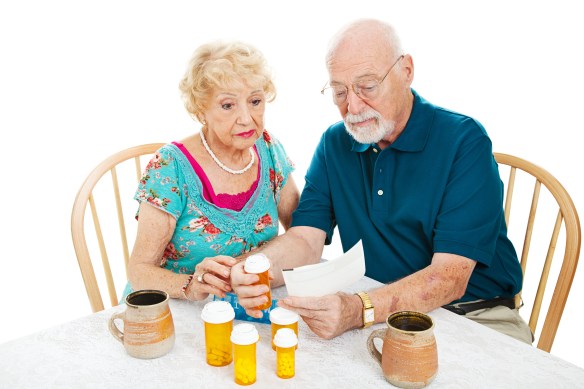
Are you putting yourself at risk for dementia with OTC medications and prescription drugs?

Reading Instructions from PharmacyA new study links the increased risk of dementia with certain medications. (Anticholinergic drugs and risk of dementia: case-control study) The focus of the study was on drugs that have anticholinergic effects. Acetylcholine is vital to memory and learning. There are lower levels of this neurotransmitter in the brains of people with Alzheimer’s disease. Additionally, animal studies have shown that anticholinergic drugs may contribute to brain inflammation, another risk factor for dementia.

It’s estimated that approximately 50% of adults in the U.S. take one or more medications with an anticholinergic effect. Some of the most common are:

  • amitriptyline (Endep, Elavil), paroxetine (Paxil, Pexeva), and bupropion (Aplenzin, Wellbutin). These drugs are commonly taken for depression)
  • oxybutynin and tolterodine, taken for an overactive bladder, found in Ditropan, Oxytrol.
  • diphenhydramine, a common antihistamine found in: Advil PM, Aleve PM, Bayer PM, Benadryl, Excedrin PM, Nytol, Simply Sleep, Sominex, Tylenol PM, Unisom, etc.
  • Chlorpheniramine, found in Actifed, Allergy & Congestion RElief, Chlor-Trimeton, Codeprex, Efidac-24 Chlorpheniramine, etc.

According to Shelly Gray, professor pharmacy at the University of Washington, and author of  Cumulative Use of Strong Anticholinergics and Incident Dementia” (March 2015, JAMA Internal Med.), the longer people took the drugs and the higher the dose, the higher the risk of dementia, although it’s important to note that short-term use was not linked to higher risks.

Gray suggested that people, especially seniors, who have trouble sleeping find a non-drug therapy for insomnia Celexa and Prozac for depression and Claritin for allergies.  She emphasized that it is important to speak with one’s doctor before stopping a medication that you have been taking.

Natural alternatives

Help for depression

  1. Get some physical exercise every day; even just a 20 minute walk helps tremendously.
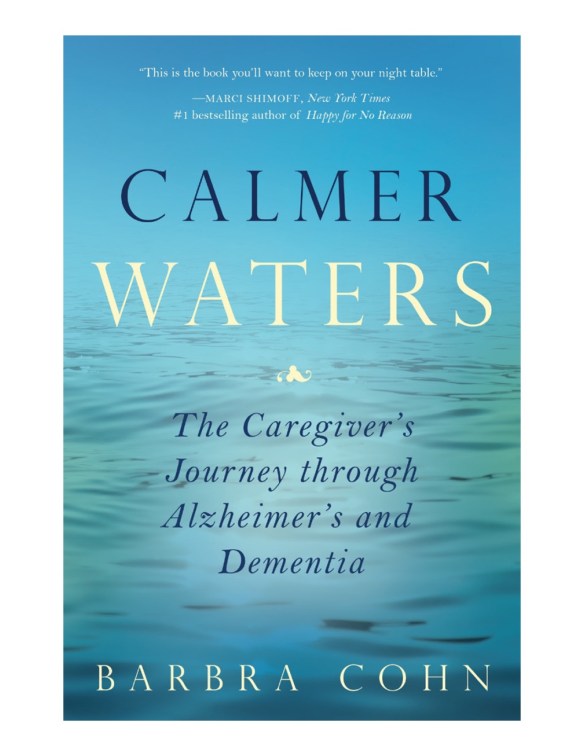
  2. Use aromatherapy oils. For more information about the use of aromatherapy to reduce stress, improve immunity, reduce agitation, and to promote relaxation read chapter 18 “Aromatherapy” in “Calmer Waters: The Caregiver’s Journey Through Alzheimer’s & Dementia” by Barbra Cohn
  3.  I gave my husband Ginkgo biloba for depression (and also took it myself). It helped right up until he was in late stage Alzheimer’s. One word of advice, not all brands are efficacious, so pick one carefully. Also note that it takes about 6 weeks to notice an effect. This is a typical difference of taking a pharmaceutical versus a natural remedy.
  4. Vitamin B complex optimizes cognitive activity and brain function, has a positive effect on memory, learning capacity and attention span, and supports a healthy nervous system and a stable mood. Vitamins B6 and B12, in particular, play a role in the synthesis of serotonin, the neurotransmitter linked to improving memory, lifting mood and regulating sleep.
  5. Omega-3 fatty acids are rich in DHA, the major unsaturated fat in the brain. This long-chain fatty acid provides the necessary fluid quality to the membranes of the nerve cells so that electrical nerve impulses can flow easily along the circuits of the brain. One study found that Alzheimer’s patients given an omega-3-rich supplement experienced a significant improvement in their quality of life.
  6. Maintain your social connections. Loneliness can actually lead to health problems and mental decline. Join a group—any kind of group: worship,  hiking, scrabble, table tennis, knitting, discussion group, or book club. Volunteer at a food bank, soup kitchen or animal shelter. It’s important to stay connected and to feel as though you are a contributing member of society.

Natural sleep aids

  1. Try valerian, passion-flower or skullcap herbal tea at least a couple of hours before bedtime.
  2. A cup of warm milk with a small pinch of cardamom, coriander, cinnamon, turmeric and cumin, and an 1/8 of a tsp of ghee is a tasty and relaxing bedtime drink. The calcium in the milk is a muscle relaxant and the Indian spices help induce relaxation. Experiment to see which spices you like.
  3. Eat a banana. Bananas contain potassium and magnesium that help reduce risk of muscle cramps. These two minerals also support heart health and cognitive function.
  4. A drop in blood sugar during the night can cause us to wake up. Although it’s better to not go to sleep on a full stomach, a small protein snack such as a slice of cheese or smear of peanut butter on a cracker can help maintain balanced blood sugar.
  5. Melatonin supplements help some people, but you might have to experiment with the dosage. I like Natural Vitality’s Natural Calm, a powdered calcium supplement that you put in water or juice. I also like the homeopathic remedy Hyland’s Calms Forte.
  6. Spritz lavender oil on your pillow or put a sachet of lavender flowers under your pillow.

Natural antihistamines

  1. Quercetin is a bioflavonoid that is naturally found in plant foods such as apples, cruciferous vegetables (like broccoli or cauliflower), onions/shallots, green tea and citrus fruits. It stabilizes the release of histamines and helps to naturally control allergy symptoms.
  2. Apple cider vinegar is my new “go to” remedy for almost everything. I take 1 Tablespoon everyday by pinching my nose and drinking water to flush it down. It helps alkalize the body and supports immune function.
  3. Butterbur is a natural herb that is sold as an extract. A study published in August 2005 in Phytotherapy Research found that when compared to an antihistamine, the butterbur extract worked just as well, without the side effect of drowsiness.
  4. Remember that Claritin does not contain diphenhydramine, so use it by all means if these other remedies do not do the trick.

image

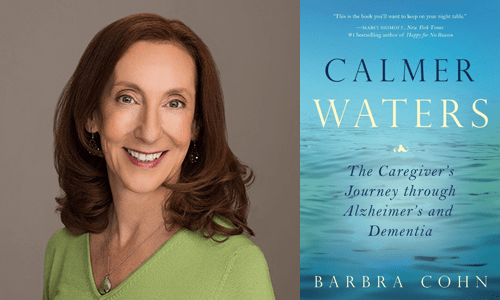
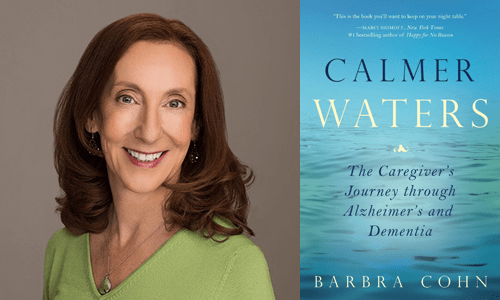
Barbra Cohn cared for her husband Morris for 10 years. He passed away from younger-onset Alzheimer’s disease in 2010. Afterward, she was compelled to write “Calmer Waters: The Caregiver’s Journey Through Alzheimer’s & Dementia” in order to help other caregivers feel healthier and happier, have more energy, sleep better, feel more confident, deal with feelings of guilt and grief, and to ultimately experience inner peace. “Calmer Waters” is available at AmazonBarnes & NobleBoulder Book StoreTattered Cover Book Store,  Indie Bound.org, and many other fine independent bookstores, as well as public libraries.
Can depression be a sign of dementia?

Depressed Senior Woman Sitting OutsideDepression can affect our memory, and it can result from not being able to do the things that were once easy for us, as in the case of Alzheimer’s or dementia. Depression can result from a number of factors and it often appears differently in different people

Some people are able to hide the fact that they are terribly depressed. I did. I tried to put on a happy face during my husband’s illness, but inside I often felt as though I was dying. Following the recent suicides of Kate Spade and Anthony Bourdain, we have to remind ourselves that we usually don’t know what is happening inside someone else’s head.

Before my husband was diagnosed with younger-onset Alzheimer’s disease he was withdrawn and depressed. I didn’t know what exactly what was going on, and he was unable to articulate how he felt. I eventually realized that he was depressed because the things that were once effortless for him to do, such as driving around town or figuring out how much tip to leave in a restaurant, had become difficult.

Alzheimer’s and depression often occur simultaneously, which often makes it difficult for physicians to make a diagnosis without further testing. According to James M. Ellison, MD of the Swank Memory Care Center, Christiana Care Health System, approximately half of individuals affected by Alzheimer’s disease will experience clinically significant depressive symptoms at some point.  Depression can occur during any phase of the illness.

Symptoms common to Alzheimer’s and depression

  • Loss of interest in things that were once enjoyable
  • Memory issues
  • Sleeping too much or too little
  • Social withdrawal or isolation
  • Impaired concentration
  • Eating too much or too little
  • Crying, feelings of hopelessness, despair
  • Unmotivated
  • Lack of energy, lethargy, apathy
  • Irritability
  • Thoughts of death or suicide

A case of the chicken or the egg: which came first, Alzheimer’s or depression?

Some health professionals think that depression can put one at greater risk for Alzheimer’s. There is also a belief that depression is a symptom of Alzheimer’s. In any case, physicians feel that a person with dementia who is depressed can experience a quicker cognitive decline and need to rely more on caregivers.

What to do?

8 natural ways to combat depression.

Antidepressants may not work as well with people who have Alzheimer’s and are depressed. Before resorting to antidepressants and other drugs,  try these options:

  1. Provide a safe and calm environment. Light candles at dinner, play classical music, have a vase of fresh flowers on the table.
  2. Get some physical exercise every day; even just a 20 minute walk helps tremendously.
  3. Use aromatherapy oils. For more information about the use of aromatherapy to reduce stress, improve immunity, reduce agitation, and to promote relaxation read chapter 18 “Aromatherapy” in “Calmer Waters: The Caregiver’s Journey Through Alzheimer’s & Dementia” by Barbra Cohn
  4.  I gave my husband Ginkgo biloba for depression (and also took it myself). It helped right up until he was in late stage Alzheimer’s. One word of advice, not all brands are efficacious, so pick one carefully. Also note that it takes about 6 weeks to notice an effect. This is a typical difference of taking a pharmaceutical versus a natural remedy.
  5. Vitamin B complex optimizes cognitive activity and brain function, has a positive effect on memory, learning capacity and attention span, and supports a healthy nervous system and a stable mood. Vitamins B6 and B12, in particular, play a role in the synthesis of serotonin, the neurotransmitter linked to improving memory, lifting mood and regulating sleep.
  6. Omega-3 fatty acids are rich in DHA, the major unsaturated fat in the brain. This long-chain fatty acid provides the necessary fluid quality to the membranes of the nerve cells so that electrical nerve impulses can flow easily along the circuits of the brain. One study found that Alzheimer’s patients given an omega-3-rich supplement experienced a significant improvement in their quality of life.
  7. Maintain your social connections. Loneliness can actually lead to health problems and mental decline. Join a group—any kind of group: worship,  hiking, scrabble, table tennis, knitting, discussion group, or book club. Volunteer at a food bank, soup kitchen or animal shelter. It’s important to stay connected and to feel as though you are a contributing member of society.
  8. Sleep well by getting to bed before 11:00 pm, eating your last meal before 8pm, turning off your electronic devices, and eliminating light in your bedroom. Studies have indicated that sleep deprivation can increase risk of dementia and Alzheimer’s disease. If you have trouble sleeping consider using a lavender essential oil spray on your pillow or a sachet of lavender inserted into the pillowcase. There are lots of natural sleep aids available at your local health food store, such as melatonin, calcium/magnesium, valerian, hops, etc. Consult with a nutritional consultant about what might work best for you.

image

Barbra Cohn cared for her husband Morris for 10 years. He passed away from younger-onset Alzheimer’s disease in 2010. Afterward, she was compelled to write “Calmer Waters: The Caregiver’s Journey Through Alzheimer’s & Dementia” in order to help other caregivers feel healthier and happier, have more energy, sleep better, feel more confident, deal with feelings of guilt and grief, and to ultimately experience inner peace. “Calmer Waters” is available at AmazonBarnes & NobleBoulder Book StoreTattered Cover Book Store,  Indie Bound.org, and many other fine independent bookstores, as well as public libraries.

Men: Are you taking care of yourself?

仲の良い父と娘Happy Father’s Day to all men who play a caring role in the life of a child, and kudos for  all that you do. But let me ask you this: Do you take care of yourself? Typically, most men take better care of their cars than themselves. Most men wait until a symptom pops up, and by then the illness or disease has progressed.

I’m not going to give you a lecture about how you should make an appointment tomorrow to get a routine preventative check-up, but hopefully after going through the following list, you’ll see my point.

Take this quiz to see how much you really know about men’s health. 

1) As a man gets older, it’s almost inevitable that he:

  1. loses interest in sex
  2. has a difficult time maintaining an erection
  3. doesn’t need to exercise as much
  4. develops an enlarged prostate

2) To detect prostate cancer early, a man should:

  1. have a colonoscopy
  2. practice a monthly self prostate examination
  3. have a digital rectal exam and PSA blood test
  4. have a sonogram of his prostate every year

3) Impotence can result from:

  1. drinking too much alcohol
  2. recreational drug use (smoking marijuana)
  3. high blood pressure
  4. diabetes
  5. all of the above

4) 75% of prostate cancer occurs in:

  1. Hispanic men
  2. men over 65
  3. men who eat a low-fat diet
  4. men with low testosterone levels

5) The most common cancer among men is:

  1. prostate cancer
  2. lung cancer
  3. skin cancer
  4. colon cancer

6) Which racial/ethnic group is most likely to develop prostate cancer?

  1. Caucasian
  2. Asian
  3. Hispanic
  4. African-American

7) A common risk factor for developing prostate cancer is:

  1. lack of exercise
  2. high fat diet
  3. high testosterone levels
  4. growing older
  5. all of the above

8) What beverage has been found to support prostate health?

  1. beer
  2. green tea
  3. orange juice
  4. red wine

9) What common food has been found to support prostate health?

  1. oranges
  2. tomatoes
  3. beef
  4. cheese

10) Which disease is considered the number one cause of death among American males?

  1. diabetes
  2. prostate cancer
  3. obesity
  4. cardiovascular disease

11) Cardiovascular disease kills far more men and women than cancer.

  1. True
  2. False

12) Eating a diet that includes plenty of pasta, potatoes and white rice can reduce your risk of heart disease.

  1. True
  2. False

13) The heart muscle is totally responsible for maintaining normal blood pressure levels.

  1. True
  2. False

14) Cardiovascular disease is hereditary and cannot be prevented.

  1. True
  2. False

15) CVD starts in the teenage years.

  1. True
  2. False

16) An aspirin a day is the best way to thin the blood, in order to reduce the chance of stroke and heart attack.

  1. True
  2. False

17) High blood cholesterol is the best overall indicator of cardiovascular disease.

  1. True
  2. False

18) Statistics show that the stress of caregiving can result in chronic disease for the caregiver and take as many as ten years off one’s life.


Answers:

1) d

2) g

3) e- all of the above. Not smoking, eating a healthy diet, not overdoing it when it comes to drinking, regular exercise, getting enough sleep, will all help support normal blood flow. Also, Ginkgo biloba extract helps support normal blood flow to the penis

4) b. Simply growing older increases a man’s risk. Seventy-five percent of prostate cancer occurs in men over 65 with only 7% diagnosed in men under 60 years of age.

5) c. Skin cancer is the number one form of cancer in the US. Prostate cancer is the most common cancer among men next to skin cancer and the second leading cause of cancer death in men after lung cancer.

6) d. African-American males have the highest incidence of prostate cancer, a third higher than white males, and African-American males are also twice as likely to die from it.

7) e. Also, men who have higher testosterone levels, or who eat a high fat diet have been shown to have an increased risk of developing prostate cancer.

8) b. Green tea is chock full of antioxidants that have been shown to reduce cancer. Red wine, on the other hand, is a natural preventative against cardiovascular disease.

9) b. Tomatoes contain lycopene, especially potent in the fight against prostate cancer.

10) d. Among major disease groups, heart disease is the leading cause of death within the elderly population.

11) True. Although cancer fears are more common, cardiovascular disease is the chief cause of death and disability in the United States today. It affects close to 60 million Americans and every year more than a million people suffer from new or recurrent heart attacks. In fact,every 20 seconds a person in the United States has a heart attack, and one-third of these attacks leads to death. The American Heart Association calls CVD “the silent epidemic.”

12) False. For years we were told that a heart-healthy diet included foods low in fat and high in carbohydrates, such as fruits, veggies, legumes, grains and other starches. But now experts are saying that overloading on carbohydrates (especially the wrong kind) can make you fat and increase your risk of heart disease. Eating foods with a high glycemic index—such as cookies, cake, candy, bagels, pasta, white rice, refined bread and grains, potatoes and potato chips—raises blood sugar and insulin levels, which in turn stimulates the production of triglycerides (blood fats that raise heart disease risk).

13) False. Your kidneys, blood vessels and heart all control blood pressure. In order to maintain healthy blood pressure and keep blood moving, the walls of your arteries, capillaries and veins need to be flexible and strong. Research has shown that nutrients such as Co-Q10, hawthorne, red wine polyphenols, notoginseng (a cousin of ginseng), and astragalus help strengthen blood flow throughout the entire body, maintaining healthy blood pressure. In addition, EDTA (the main ingredient in Health Freedom Nutrition’s Cardio Clear) removes heavy metals and toxins that interfere with the production of nitric oxide, a major factor in controlling blood pressure.

14) False. Even if there’s heart disease in your family, and even if you have high cholesterol, combining an regular exercise program with and a Mediterranean based diet and healthy lifestyle (no smoking, reduced alcohol consumption) can dramatically reduce your risk of heart attack and stroke.

15) True. Dr. Scoot Calig, M.D., a pediatrician at West Hills Medical Center and an assistant clinical professor at the University of Southern California, Los Angeles, says, “It’s important to keep in mind that the development of cardiovascular disease begins in the teenage years. Studies have shown that by that time, arterial plaque formation is well under way.”  Just another reason to exercise, eat a healthy diet, and take nutritional supplements such as oral EDTA to strengthen the heart and arteries and clear out toxic metals that inhibit the production of nitric oxide.

16) False. For years, aspirin has been prescribed after a heart attack, in order to avoid a subsequent heart attack. And now, a panel of experts is recommending aspirin as a precaution against heart disease for all at-risk, healthy adults over 40. But Alfred Berg, M.D., of the University of Washington, head of the panel says, “Do not assume that an aspirin a day is without risk.” Aspirin can cause intestinal bleeding and hemorrhagic stroke. Herbs such as hawthorne, nattokinase, garlic and Ginkgo biloba have the ability to thin the blood like aspirin, without damaging the esophageal and intestinal linings, or exacerbating ulcers.

17) False. Homocysteine—a by-product of the amino acid methionine— is a more sensitive indicator of cardiovascular health than cholesterol. Too much of it increases injury to arterial walls, as well as accelerates oxidation and accumulation of cholesterol in blood vessel. The good news is that folic acid, and vitamins B6 and B12 help keep homocysteine levels low!

18) True—for men and women! Click here to read 16 Stress-busters to nourish your body, mind and soul

Have a happy Father’s Day, and please take care of your health so you can continue to enjoy life and be a support and friend to everyone who loves you.


For dozens of general health tips and caregiving help read Calmer Waters: The Caregiver’s Journey Through Alzheimer’s and Dementia  by Barbra Cohn.image

Easy ways to calm down crazy full moon behaviors

ヨガThe human body is 55 to 78% water (depending on sex and age) so it makes sense that the gravitational pull of the moon would affect us, right?  Many scientists point out that the biological tide theory doesn’t hold. On The Skeptics Dictionary website Robert Todd Carroll says, “Given the minute and bounded mass of fluid contained within the human body, compared to the enormous and free-flowing mass of ocean water, and given the enormous distance to the moon, the lunar pull on the human body is negligible.”

Theories about the moon’s influence on animal behavior are more widely accepted. Although the topic of whether or not the moon affects human behavior is controversial, there is plenty of anecdotal evidence and some scientific evidence indicating that it does.

I, for one, have a difficult time sleeping around the full moon. And my husband, who suffered from Alzheimer’s disease, exhibited more agitated behavior when the moon was full.

Studies have shown that the lunar cycle has an impact on fertility, menstruation, and birth rate.  Admittance to hospitals and emergency units due to cardiovascular and acute coronary events, arterial hemorrhages in the stomach and esophagus, diarrhea, and urinary retention correlate with moon phases. Other events linked to human behavior, such as traffic accidents, crimes, and suicides, seem to be influenced by the lunar cycle.

In the 1600’s Sr. William Hale, a distinguished British physician and medical biographer, wrote, “The moon has a great influence in all diseases of the brain, especially dementia.” The British Lunacy Act of 1842, which dismissed crazy behavior as being caused by the full moon, built on his theory.  In fact, as recently as 1940 a British soldier who was charged with murder pleaded “moon madness.”

Alan M. Beck of Purdue University conducted a longitudinal study to objectively examine the lunar influence on the frequency, duration, and intensity of behaviors in individuals with Alzheimer’s disease.

He examined wandering, anxiety, physical aggression, and verbal confrontation. His study concluded that individuals with Alzheimer’s disease did, in fact, exhibit significantly more erratic behaviors during periods of the full moon, and that these behaviors were of greater duration during that time. The objective analysis that a lunar influence on behavior in Alzheimer’s individuals exists validates a long-standing belief held by many healthcare providers.

If you’re a caregiver for someone with dementia, you’ve probably seen some odd behavior in your loved one around the full moon. And if you have trouble sleeping or feel restless or anxious during the full-moon, you’ve personally noticed the effects.

Here are some ways to calm the nerves and odd behaviors during the full moon or anytime.

From Calmer Waters: The Caregiver’s Journey Through Alzheimer’s & Dementia--“Aromatherapy” chapter 18 by Laraine Kyle Pounds, RN, MSN, BSN, CMT.

Aromatherapy can be a resource of comfort to you and your care partner by providing an easy, natural way to reduce stress and anxiety and uplift mood. The following oils can be used in a diffuser, or put in a bath or fragrance free moisturizer. They can also be sprayed on a pillow or handkerchief.

Citrus oils are generally refreshing and uplifting for the mind and emotions, relieve stress and anxiety, and are useful for odor management and appetite support. Consider: bergamot, grapefruit, lemon, and orange.

Floral oils are often used as a personal fragrance and are useful to relieve anxiety, depression, and irritability. These oils are useful as an inhaler, in a body lotion, and for the bath. Consider: clary sage, geranium, lavender, rose, and ylang ylang.

Tree oils are revitalizing with immune boosting properties, ease respiratory congestion, and are supportive to breathing ease. They are useful for pain relief, skin infections, and odor management, and can relieve nervous exhaustion and depression. Consider: eucalyptus (Eucalytpus citriodora or globulus), pine needle, sandalwood, or Tea Tree.


Herbal remedies (from chapter 31, Nutritional Support for Caregivers, in “Calmer Waters: The Caregiver’s Journey Through Alzheimer’s & Dementia”

A nervine is a plant remedy that has a beneficial effect upon the nervous system.  Nervines are especially useful during times of stress because they have a strong relaxing and calming effect without producing a dulling, “hang-over” side effect.  They also tone and restore the nervous system to a more balanced state.  Some nervines are also anti-spasmodic, meaning they relax the peripheral nerves and the muscle tissue, which in turn has a relaxing effect on the whole system.

The main types of nervines are tonics, relaxants, and stimulants.

  • Nervine Tonics – are particularly helpful for strengthening the nervous system and restoring balance. In addition to having a relaxing effect, they have a vaso-dilating action on the blood vessels of the brain.  This increases oxygen availability to brain cells and helps with mental agility and mood.
  • Nervine Relaxants – are especially beneficial for short-term use, for example in treating mild depression or acute anxiety. “This group of nervines are most important in times of stress and confusion, alleviating many of the accompanying symptoms. They should always be used in a broad holistic way, not simply to tranquillize.  Too much tranquilizing, even that achieved through herbal medication, can in time deplete and weigh heavily on the whole nervous system,” says renown herbalist David Hoffman.
  • Nervine Stimulants– are used as a restorative “pick-me-up” when you need an energetic boost without that revved up feeling produced by caffeine.

Recommended nervines:

  • Passion flower- helps soothe anxiety, insomnia, tension headaches, muscle aches and spasms, pain, hyperactivity, epilepsy, and helps alleviate anger and lower blood pressure.
  • Skullcap – is antispasmodic and relaxing and is recommended to relieve headaches, mood swings, insomnia, premenstrual syndrome, and nervous tension and exhaustion.

The next time you’re feeling nervous, agitated, restless or hyped up, calm your nerves with a nervine herb or aromatherapy. If your loved one has Alzheimer’s or dementia and is on medication, please check with the physician to make sure they do not interact with the nervine herbs.  Use pure essential aromatherapy oils to lower risk of allergy.

If all else fails, you can always go outside and howl at the moon.


Studies showing we are affected by the full moon

1. More babies are born around the full moon. A study in Kyoto, Japan looked at 1007 natural births and found there was significant increase in births when the moon was closest to the earth. Results of this study suggest that the gravitational pull of the Moon has an  influence on the frequency of births.

2. Do you have trouble sleeping around the full moon? Sleep researcher Christian Cajochen at the Psychiatric Hospital of the University of Basel in Switzerland conducted a four-year lab study to see if he could show that it is physiologically true that many people have difficulty sleeping during the full moon.  His researchers monitored the brain activity, eye movements and hormone secretions of 33 volunteers in the lab while the participants slept. All the participants were healthy, good sleepers, and did not take any drugs or medication.Unexpectedly, the scientists found “the lunar cycle seems to influence human sleep, even when one does not see the moon and is not aware of the actual moon phase,” Cajochen said. After reviewing their data, the scientists found during the time of the full moon, brain activity related to deep sleep dropped by 30 percent. People also took five minutes longer on average to fall asleep, and they slept for 20 minutes less overall on full-moon nights. The volunteers felt as though their sleep was poorer when the moon was full, and they showed diminished levels of melatonin, a hormone known to regulate sleep and wake cycles. “It took me more than four years until I decided to publish the results, because I did not believe it myself,” Cajochen told LiveScience. “I was really skeptical about the finding, and I would love to see a replication.”


Barbra Cohn cared for her husband Morris for 10 years. He passed away from younger-onset Alzheimer’s disease in 2010. Afterward, she was compelled to write “Calmer Waters: The Caregiver’s Journey Through Alzheimer’s & Dementia” in order to help other caregivers feel healthier and happier, have more energy, sleep better, feel more confident, deal with feelings of guilt and grief, and to ultimately experience inner peace. “Calmer Waters” is available at AmazonBarnes & NobleBoulder Book StoreTattered Cover Book Store,  Indie Bound.org, and many other fine independent bookstores, as well as public libraries.

Love doesn’t conquer all: caregiver resentment and frustration

Senior Couple QuarrellingI recently participated in a caregiver symposium. I spoke to dozens of caregivers who expressed fatigue, frustration, and exasperation. Everyone was stressed and stretched to the limit. I detected little joy. Instead, people appeared resentful. “I didn’t sign up for this,” one man said. Another confided, “I read your book and am taking your advice. I will not let my wife’s illness ruin my life.”
Caregiving only goes one way: it gets harder. And when we don’t really like the person we are caring for or if we feel trapped, it is even more challenging. I was only 48 years old when my beloved husband was diagnosed with Alzheimer’s disease. I knew our lives would never be the same again. . . and they weren’t.

Yes, we had joy. Our young adult children graduated from college and got married. We went on a few trips. We had some funny moments that elicited belly laughs. But the emotions I remember most are the heaviness of grief, despair, depression, guilt, and fear. I didn’t feel resentment, I think, because I have a philosophical outlook that we reap what we sow (as in the law of karma), and that somewhere, somehow in a past life beyond the ethers I had signed up for my caregiving duty. I tried to put on a happy face. But I told my closest friends that I was exhausted and stressed.

I felt shame that after decades of practicing Transcendental Meditation and following a healthy vegetarian lifestyle our lives had come to this. Wasn’t life supposed to be blissful and free of stress? I soon realized that no one gets out of here without going through at least one huge, transformative challenge. Mine was caregiving for my life partner, who was unable to hep me make the big decisions such as finding a smaller house because ours had become unmanageable, or finding a memory care home for him when I wasn’t able to continue physically caring for him.

Guilt? Yes, I still feel guilt even though my therapist often said to me “If a friend told you what you just told me, what would you say to her?”

“I would tell her ‘you are doing the best that you can.'” And I did do the best I could for my husband. I took him to healers and doctors and gave him nutritional supplements that been shown to help support cognition and memory.

But I still feel guilt about running away every chance I got to dance or have lunch with a friend, even though I know I needed the relief time in order to stay healthy and strong so I could carry out my caregiving duties.

When all is said and done, if you are not exactly thrilled about giving countless hours to someone you love or to someone you are obligated to care for because there is no one else, you might as well learn how to be the best caregiver possible. Because when your caregiving is over, you will have another chance to live the life you chose for yourself. So give it your best shot. Here are some ways to ease the burden and to help you feel good about yourself and the person you are caring for.

Lighten the load of caregiving

  • Take care of yourself first. Carve out time every day to go for a walk, do yoga, dance, sing, whatever it takes to help you feel better.
  • Join a support group. I don’t know how I would have maintained my sanity if I hadn’t joined the younger-onset Alzheimer’s support group offered by the Alzheimer’s Association.
  • See a therapist. Mine was a god-send who listened with compassion and gave excellent advice.
  • Sign up for community services such as day programs, senior centers, Meals on Wheels, hotlines, etc.
  • Hire someone to take your “care partner” (the person you care for) out for lunch, to the movies, for a visit to a museum, etc.
  • Ask your friends and neighbors for help mowing the lawn, retrieving the mail, sitting with your “care partner “so you can do errands, etc.
  • Talk to family members and make a plan to share the responsibilities. (more on this in another blog post)
  • Make an appointment with an elder attorney to draw up a contract for you to receive wages, find out how to get social security withheld, etc.
  • Breathe! After I buried my husband I realized that I hadn’t fully breathed in years. I was tight, my lungs were tight and I was holding my breath waiting for the next next emergency to occur.

image

Here’s an excerpt from my book  Calmer Waters: The Caregiver’s Journey Through Alzheimer’s and Dementia about breath work, including a simple exercise. Follow the directions for breathing in order to release stress and feel more energized.

by Reverend Shanthi Behl (excerpted from Calmer Waters)

Breath work is the first and easiest to start with. We can deliberately extend, shorten, retain, and otherwise direct the air we breathe in a variety of ways in order to guide the prana. Second, is the mechanism of directed attention, also known as our intention. Where our thoughts go, our prana goes. An integrated pranayama practice utilizes both the breath and our focused attention.

When we say we are tired and have no energy, what we are really saying is that our energy is blocked. We need to breathe to live, and how we breathe can profoundly affect our degree of physical well-being; it can regulate our emotions, and it can deplete, sustain, or increase our experience of aliveness. Prana is constantly fluctuating and moving throughout the universe. According to yoga philosophy, it flows throughout the living body in exquisitely determined whirlpools and currents. The wonderment of the yogic system is asana and pranayama practice which allows our innate energy currents to flow as nature intended.

The following instructions are for sitting, but you can practice this exercise while standing in mountain pose.

• Sit up tall, lengthen the spine, and place the feet flat on the floor. Press the feet into the ground, even as you press the top of the head toward the ceiling.

Relax the hands lightly on the lap and release the shoulders down away from the ears.

• Soften the belly muscles. As you breathe in through the nose, lengthen through the crown of the head.

• As you breathe out through the nose, release the shoulders and press your feet into the floor.

• Continue this practice and turn your awareness to sensations along the spinal column. Feel the upward flow as you breathe in and the downward flow as you breathe out. It is perfectly fine if you feel the opposite movement. The important aspect is to tune into a sense of any movement along the spine. You may not initially feel the movement of your energy. However, by first imagining it, you will later actually feel the upward and downward flows of energy along sushumna, the central core of energy.


The Truth about Caregiver Guilt

Concept of accusation guilty unhappy businesswoman personCaregivers can often feel guilty when taking care of a terminally ill family member. Am I doing enough? Did I make the right decision? What if… what if…? Here are ways to recognize your feelings, tips for accepting them, and ways to forgive yourself.

For dozens of tools and techniques to help caregivers feel happier, healthier, more confident, deal with feelings of guilt and find inner peace read “Calmer Waters: The Caregiver’s Journey Through Alzheimer’s and Dementia”

image

Some philosophers and psychologists believe guilt is mental and emotional anguish that is culturally imposed on us. Tibetans and Native Americans don’t even have a word for guilt, which might mean that it isn’t a basic human emotion. Yet, Jews and Christians are very adept at feeling guilty over trivial mistakes, as well as serious blunders.

The first time I felt guilt was when my brother was born. I’m two years older than he, and in 1954 the hospital rules didn’t allow siblings to visit newborns. My Uncle Irv placed me on his shoulders so I could see my mother, who waved to me from the window of her hospital room. I was angry with her for leaving me and I refused to look at her. She waved like the beautiful lady in the fancy red car that passed me by in the Memorial Day parade. But I wouldn’t look at her. The memory is a black and white movie that has replayed itself throughout my life, with the film always breaking at the point when I sullenly turn my head away.

For years afterwards, I would awaken in the night feeling guilty that I didn’t look at her. When I was four years old, I fell out of bed onto the wooden floor of the bedroom I shared with my brother because I was having a bad dream. I don’t recall the dream, but I  remember the ache inside my chest that has always been associated with not doing what my mother wanted me, or expected me, to do.

Over the years, up until my early fifties, I’d have a physical sensation that felt like sand paper or grains of sand inside the skin of my hands that would migrate to the skin and muscles of my arms and torso. Sometimes it felt like my arms and hands were paralyzed or had grown in size. It was hard to move, and the uneasiness of guilt was always associated with the sensation. I recently realized that I haven’t felt those sensations in a very long time.

Maybe I lost those sensations because the guilt of my childhood was replaced by the guilt I felt over placing my husband in a memory care home. I could have taken care of him until the end of his life, but I was drowning in misery and I promised myself I wouldn’t sacrifice everything for this illness. I prayed for his release and my relief, and knew that if I had taken care of him until the end, my own health would have suffered.

I tried to help my husband fight Alzheimer’s by bringing him to healers, holy people, and complementary medicine practitioners. I fed him an organic, whole-foods diet and gave him nutritional supplements, in addition to the prescribed pharmaceutical drugs. I ordered Memantine from Europe before it was FDA approved and prescribed as part of the Alzheimer’s drug protocol by U.S. physicians.

I did all this until I finally realized that my husband needed to take the solitary journey of being a victim of Alzheimer’s disease. Some call it fate and others call it karma. Whatever we name it, no matter how much we are loved and in close communion with family and friends, we have to travel the delicate path of life on our own. When we succumb to illness and disease, it becomes especially painful for others to helplessly stand by and watch, after doing everything humanly possible to assist.

There was always one more “magic bullet” for my husband Morris to try, and yet when I felt the possibility of divine intervention weaken, I began to give up hope and let destiny take its course. The first couple of years after Morris’s passing, the guilt—and grief—would unexpectedly grab me, wrapping its tentacles around my chest. It would twist the insides of my stomach, making it impossible to eat. It would swell into a lump in my throat or tighten a band  around my head, destroying my serenity for an hour or two —or an entire day.

Guilt came in layers, piled up like the blankets I tossed from my bed one by one during a cold winter’s night. The blankets came off as my temperature rose and drops of sweat pooled between my breasts. I shook off the feelings of guilt in a similar way when I heard my therapist’s words in the back of my mind reminding me that I did more than I could do; when I remembered that I’m a mere mortal who breaks and cries when I can’t move one more inch beyond the confines of this physical body; when my heart had expanded to the point where it can’t expand anymore, so it has to contract in order to plow through the walls of pain and deal with the guilt.

Why do I still feel guilt? I feel guilt about not being the perfect wife before Morris got sick. This man adored me and I didn’t reciprocate with a passion that matched his. I feel guilt because I’m alive and he’s not. (Survivor’s guilt is commonly felt by those who share in a tragic event in which the cherished partner dies, leaving the other one to live and put back the pieces of the life they once shared.) I feel guilt about the times I could have spent with Morris watching television or taking a walk instead of running out to be with friends or to dance. Feeling guilt for doing anything to get away from his asking me the same question over and over again, or so I wouldn’t have to watch the man who once stood tall and proud, stoop and stumble like a man way beyond his years.

I hear the therapist’s voice in my head asking, “What would you say to someone who just told you all this?” I’d say, “But you did the absolute best that you could do.” And then I feel better. It’s okay. I’m okay. I really did the best I knew how, and Morris lived longer than his prognosis because of it.

Now, almost eight years after his passing, the guilt appears much less frequently. It hovers momentarily like a hummingbird poking its beak into honeysuckle and hollyhock. The guilt is diluted and flavorless like cream that’s been frozen without added fruit or chocolate chips. It’s a color without pigment, a touch without pressure, a sound without notes. The guilt I feel now is background noise; not noticed until I turn off the other sounds in my world or mindlessly drive my car on a dark, damp day, which is unusual in sunny Colorado. The guilt now appears in various shades of dirty white and brown. It doesn’t reach inside my heart with its claw like it used to. The battle is over, and almost, but not quite, won.

Why do you feel guilty?

  • Do you feel that you aren’t doing enough for your care recipient? Make a list of everything you do for the person you care for. Preparing a meal, shopping for groceries, driving to appointments, making a bed, doing laundry, making a phone call, sitting next to the person, even just giving a hug: the list adds up! You are doing a lot more than you think you are!
  • Are you guilty about your negative feelings? Resentment, anger, grief are all normal. They are just feelings and they aren’t wrong. Feelings are complicated and you are entitled to them. You probably love the person you are caring for but the time you spend is precious and you might rather be outside gardening or hiking or traveling.
  • Do you feel badly about taking time for yourself? Don’t! If you don’t stay well, including eating and sleeping well, there’s a good chance you will get sick. And that is not going to help anyone! Please take some time for yourself. If you are a full-time caregiver, at least take a 15 minute walk every day. Get some respite care. Your local  county social services department can most likely provide you with some options for help.
  • Are you feeling inadequate at a caregiver? The Alzheimer’s Association offers free classes on caregiving. “The Savvy Caregiver” is an excellent five-session class for family caregivers. It helps caregivers better understand the changes their loved ones are experience, and how to best provide individualized care for their loved ones throughout the progression of Alzheimer’s or dementia.

Tips for easing guilt

  • Ask yourself what is bothering you. Talk with a close friend who will not judge you, or with a professional therapist, clergy person, spiritual teacher, or intuitive guide. Talk about your guilt until you feel your body release the tension that is stored in your muscles and cells.
  • Remember that you are human and not perfect. No one expects you to perform with absolute clarity and grace all the time.
  • You cannot control everything all the time. You are doing the best that you can with the information, strength, and inner resources that you have.
  • Have an “empty chair” dialogue by speaking out loud and pretending that your care partner is in the chair next to you. Express your feelings openly and wholeheartedly. Ask for forgiveness if you feel that you wronged your loved one in any way.
  • Write down your thoughts and feelings. Journaling is a wonderful, inexpensive way to release your concerns and worries on paper. It’s available when your therapist and best friend are not, and you can do it anywhere at your leisure.
  • Strong feelings of guilt, remorse, and grief will diminish over time.  If they continue to haunt you, seek professional help.


6 surprising ways to increase your chances of living a healthy longer life

AdobeStock_4727343.jpeg

Ponce de Leon claimed to have discovered the Fountain of Youth in Florida. I’ve been to Warm Mineral Springs, in North Port, Florida, which lays claim to de Leon’s discovery and calls itself the Fountain of Youth. Another natural spring in northwest Florida in Ponce de Leon springs State Park also calls itself the Fountain of Youth. I am a frequent visitor to hot springs (see my article on AAA’s Encompass website: ) and I feel refreshed and rejuvenated after soaking for several hours. But I need something stronger than a dose of calcium carbonate or sulphur to slow down the ticking of the clock, as far as my skin, muscles and cells are concerned.

I’ve asked myself and my guess is that you have also pondered the age-old question “would you want to live forever?”  The children’s book “Tuck Everlasting” by Natalie Babbitt explores the concept of immortality and explores whether living forever is as desirable as it may appear to be.

The typical response is only if I could stay healthy and vibrant. In our life time we will most likely not attain immortality, but there are a number of anti-aging tricks for slowing down the clock.

Age defying nutrients

  1. Study finds link between high EPA and DHA Omega-3 blood levels and decreased risk of death  Higher Omega-3 levels are linked to longer life. In a 15-year study of 6,500 elderly women, those with the highest blood concentration of omega-3 fatty acids were 20 percent less likely to die from any cause compared to those with the lowest levels. The researchers estimated that intakes of about 1 gram per day of EPA and DHA would be enough for a woman with the lowest blood serum concentration to shift to the group with the highest concentration. How? By taking one to three soft-gels of a high-quality omega-3 supplement daily or one teaspoon of a liquid supplement. Another option is to eat two or three salmon fillets each week.
  2. Study Finds Association Between Eating Hot Peppers And Decreased Mortality  If you like hot chile peppers eat more of them! After studying more than 16,000 adults, researchers at the University of Vermont found that those who ate chili peppers had a lower risk of dying from heart disease or stroke. The study did not indicate the quantity of peppers consumed, but capsaicin, the active ingredient that makes peppers “hot” aids in preventing obesity, supports blood flow, reduces inflammation and has antimicrobial properties.
  3. Beans, beans the musical fruit, the more you eat the more you toot. There’s another reason to eat beans. They contain phytates, nutritional compounds that strengthen the immune system and kill cancer cells. They also support brain health and are said to reverse the aging process at the cellular level. Beans are also high in fiber which helps lower cholesterol and regulate blood sugar.
  4. Two studies found that those with higher levels of vitamin D have longer telomeres, and thus may actually age more slowly than people with low vitamin D levels. Telomeres are the caps at the end of each strand of DNA that protect our chromosomes. A good analogy is that they are like the plastic tips at the end of shoelaces. Without the coating, shoelaces become frayed until they can no longer do their job.  Similarly, without telomeres DNA strands become damaged and then cells can’t do their job.  A study that included 4,347 participants in which 47% were men and 42% were women, researchers concluded that there is positive association between vitamin D levels and telomere length. This means that people with higher levels of vitamin D may actually age more slowly than people with lower levels of vitamin D. Vitamin D reduces the effects of chronic inflammation and may play a role in protecting your body from deteriorating from diseases associated with aging.The association of telomere length and serum 25-hydroxyvitamin D levels in US adults: the National Health and Nutrition Examination Survey.
  5. The traditional diet in Okinawa is anchored by root vegetables, especially sweet potatoes, green and yellow vegetables, soybean-based foods, and medicinal plants. Another feature of the Okinawan diet is the consumption of green tea. There have been more than 1000 studies done on the antioxidants found in green tea, demonstrating how they may be providing some level of chemoprevention in prostate and breast cancer. Green tea has also been shown to help reduce cardiovascular disease. Drink green tea for health and relaxation

    Many characteristics of the traditional Okinawan diet are shared with other healthy dietary patterns, including the traditional Mediterranean diet, DASH diet, and Portfolio diet. All these dietary patterns are associated with reduced risk for cardiovascular disease, among other age-associated diseases. Overall, the important shared features of these healthy dietary patterns include: high intake of unrefined carbohydrates, moderate protein intake with emphasis on vegetables/legumes, fish, and lean meats as sources, and a healthy fat profile (higher in mono/polyunsaturated fats, lower in saturated fat; rich in omega-3). The healthy fat intake is likely one mechanism for reducing inflammation, optimizing cholesterol, and other risk factors. Additionally, the lower caloric density of plant-rich diets results in lower caloric intake with concomitant high intake of phytonutrients and antioxidants. Other shared features include low glycemic load, less inflammation and oxidative stress, and potential modulation of aging-related biological pathways. This may reduce risk for chronic age-associated diseases and promote healthy aging and longevity.

    Social interaction is important


  6.  Dan Buettler, author of The Blue Zones of Happiness: Lessons From the World’s Happiest People, Oct 3, 2017 researched communities around the world to find out what centenarians had in common. These amazing people had one thing in common: strong social relationships. Being socially connected actually helps you to live longer! Studies are showing that loneliness might be a bigger health risk than smoking or obesity. In fact, loneliness and social isolation is considered not just a psychological issue but a medical one that can actually kill you. According to a far-reaching study (meta-analysis of scientific literature on the subject January 1980 to February 2014) conducted by Brigham Young University, social isolation and loneliness is as dangerous to health as smoking 15 cigarettes and drinking six ounces of alcohol a day, and increases one’s likelihood of death by 32%. Isolation and feeling alone has also been shown to contribute to depression, cognitive decline, the risk of developing Alzheimer’s disease, and poor recovery from illness and surgery.

If you are feeling a lonely or isolated, get ahead of the lonely curve now to expand your social network. Don’t put it off. Getting socially connected might take some effort, but it is definitely worth it for so many reasons. You will gain friendship, companionship, better health, and in the process you will be giving of yourself, which is the best gift of all.


“Calmer Waters: The Caregiver’s Journey Through Alzheimer’s & Dementia” by Barbra Cohn contains a treasure trove of information on how to stay connected with your loved one, keep calm, improve immunity, reduce stress and feel happier and healthier. Plus, it includes 20 healing modalities that the caregiver can do alone or with their loved one. Available wherever fine books are sold and on Amazon.


BarbraCohn__

8 reasons to eat chocolate on Valentine’s Day and throughout the year

Valentine's Day card and confectionery.Americans buy more than 58 million pounds of chocolate around the holiday of love. Besides the delicious taste, smell and aphrodisiac effects, researchers are continually discovering more health benefits.

The use of cacao for health benefits dates back at least 3000 years. It was revered as a food, medicine and currency in Mexico, Central and South America, where it was also celebrated and incorporated into artwork, legends and sacred rituals. Now, because of extensive research, we know the main health benefits of cacao come from the flavonol epicatechin. The process of manufacturing dark chocolate retains epicatechin, whereas milk chocolate does not contain significant amounts. You can have your chocolate and eat it too, but if you want to enjoy its extensive health benefits be sure to eat high-quality dark chocolate. Or go one step further and enjoy raw cacao, which might take some getting used to for the simple reason we are used to sweetened chocolate. And if you just want the pure and simple health benefits, forego the chocolate and take raw cacao capsules. Although I definitely wouldn’t recommend giving your sweetheart a bottle of cacao capsules on Valentine’s Day. Indulge in the good-tasting stuff!

  1. Chocolate is an aphrodisiac. Legend has it that the Aztec emperor Montezuma was said to consume large amounts of the cocoa bean to fuel his libido. Today, scientists attribute the aphrodisiac qualities of chocolate to two chemicals: 1) tryptophan, which is a building block of serotonin, a brain chemical involved in sexual arousal. And, 2) phenylethylamine, a stimulant related to amphetamine, that is released in the brain when people fall in love. What about you? Do you experience a heightened sense of arousal after eating dark chocolate?
  2. Chocolate contains good-for-you antioxidants Chocolate comes from the cacao bean, which thrives in hot, rainy climates in South America, Africa and Indonesia. Similar to grapes, the local soil and climate affects the taste of the harvested beans. When you buy a chocolate bar that has the percentage number on the bar wrapper, that represents the weight that comes from the cacao bean content, according to Robert L. Wolke, author of What Einstein Told His Cook: Kitchen Science Explained. The higher the number, the lower the percentage of sugar and the more bitter and complex the flavor, he says. And the higher the number the more antioxidants.
  3. Cacao is rich in magnesium, sulfur, calcium, iron, zinc, copper, potassium and manganese, all essential minerals . . . and antioxidants that support immune health.
  4. Chocolate reduces your risk of Type 2 Diabetes Researchers discovered that the flavanols in chocolate have beneficial effects on insulin resistance, a risk factor for Type 2 diabetes. In a 30-year-long study of 953 men and women from the Maine-Syracuse Longitudinal Study (MSLS), researchers found that the individuals who never or rarely ate chocolate had a significantly higher chance of developing Type 2 diabetes after five years when compared to individuals who ate chocolate more than once a week. Habitual chocolate intake and type 2 diabetes mellitus in the Maine-Syracuse Longitudinal Study: (1975-2010): Prospective observations.
  5. Protects you from heart disease A 2012 report published in the American Journal of Clinical Nutrition found that dark chocolate has a beneficial effect on blood pressure, vascular dilation and cholesterol levels, and can play a role in reducing metabolic precursors that lead to diabetes and eventually to heart disease. However, a study published in October 2016 (John Wiley & Sons, Ltd.) found that out of 32 cocoa product samples analyzed, the cocoa flavanol dose must be about 900 mg or above to decrease blood pressure, and contain 100 mg of epicatechin. So if you want to eat chocolate for health benefits, be sure to check the ingredient label. The aim of the study was to review the effect of cocoa flavanols on cardiovascular health, with emphasis on the doses ingested, and to analyze a range of cocoa products for content of these compounds. PubMed was searched from 2010 to locate systematic reviews (SR) on clinical effects of chocolate consumption.
  6. Supports mental function In a study carried out by the University of L’Aquila in Italy, 90 elderly participants with mild cognitive impairment (MCI) drank cocoa containing high, medium or low levels of flavanoids. At the end of the eight-week study researchers found improvements in the motor response, working memory, task switching, and verbal memory in the participants who drank cocoa with a higher flavanol content. (Hypertension, Aug. 14, 2012) Alzheimer’s and dementia patients are especially fond of sweets because the taste of sweetness is the last taste to disappear.  So if your loved one has Alzheimer’s or dementia, indulge him/her in chocolate. Just remember not to overdo it and make sure to include good dental hygiene in your loved one’s daily regimen.
  7. Helps you think better after a sleepless night The next time you have a bad night’s sleep, instead of indulging in a cup of Joe drink hot chocolate. Sleep deprivation is a risk factor for cardiovascular disease, and scientists have found that flavanol-rich chocolate counteracted vascular impairment after sleep deprivation and restored working memory performance. Their theory is that the study’s participants had improved cognitive performance because of the effects of cocoa flavonoids on blood pressure and blood flow.Flavanol-rich chocolate acutely improves arterial function and working memory performance counteracting the effects of sleep deprivation in healthy individuals.
  8. Makes you feel gooood Scientists have discovered why chocolate uplifts your mood. Serotonin is the neurotransmitter responsible for keeping us happy, and cacao stops the amino acid tryptophan from breaking down. Since tryptophan is one of the amino acids that make serotonin this, in turn, limits the breakdown of serotonin. (Frontiers in Experimental Pharmacology and Drug Discovery, Dec. 2013)

On Valentine’s Day celebrate with your loved one by enjoy a steaming cup of delicious hot chocolate made with whole milk or rice or flax milk. Or indulge in a dark chocolate truffle, candy bar or chocolate ice cream. It’ll boost your spirit and your immunity. Just be careful not to overdo it because the calories can add up quickly.

As an added treat, make this yummy chocolate souffle. (Substitute coconut sugar, or raw sugar, if you like.)  It’s easier than you think.

Chocolate Souffle

Ingredients

  • 1⁄3 cup sugar, plus additional for sprinkling
  • 5 ounces bittersweet chocolate chips
  • 3 large egg yolks, at room temperature
  • 6 large egg whites
  • 1⁄8 tablespoon butter

Directions

  • Preheat oven to 375°F.
  • Measure out sugar, chocolate and separate eggs.
  • Butter soufflé dish entirely and then add sugar (additional) coating the entire dish.
  • Melt chocolate in a double boiler, or directly on the stove.
  • Add yolks to chocolate (this will harden the chocolate so don’t be alarmed).
  • Beat egg whites with a pinch of salt. Slowly add sugar, a little at a time. Beat until egg whites hold stiff peaks.
  • Fold white mixture into chocolate slowly and stir until smooth.
  • Pour into large soufflé dish or 4 ramekins and run the end of your thumb around inside to remove any extra batter.
  • Bake until puffed and crusted on top but still jiggly in center, 20 to 25 minutes.
  • Serve immediately with whipped cream or ice cream.

Yay chocolate!


For healthy and nutritious recipes and dozens of ways to reduce stress, feel happier and healthier and sleep more soundly, read Calmer Waters: The Caregiver’s Journey Through Alzheimer’s and Dementia.   Available on Amazon and at all bookstores that sell quality books.

BarbraCohn__


10 signs you need help with stress

Businessman sinking in heap of documentsStress is a part of life, and it can be a motivator or it can be a deadly menace. If you are stressed about an exam or need to be at church on time to get married, it can be a good thing. But if you’re a caregiver and have been stressed for years, it can be terrible for your health.
First described by Walter Cannon in the 1920s, the fight-or-flight response, also called the acute stress response, kicks in when we are presented with danger or an emergency. Our brains react quickly to keep us safe by preparing the body for action. Hunters who were responsible for killing game to provide food for their tribe and the animals being hunted experienced the fight-or-flight response on a regular basis. Today, because of the stressful world we live in, the fight-or- flight response is more commonly triggered by psychological threats than physical ones, such as an argument with a spouse, demanding bosses, out-of-control drivers, road rage, etc.

In the physiological response to stress, pupils dilate to sharpen vision, and heart rate and blood pressure increase to accelerate the delivery of oxygen to fuel muscles and critical organs. Blood flow is diverted from non-critical areas, such as the gastrointestinal tract, to the critical areas, such as the heart, skeletal muscles, and liver.

The liver releases glucose and fatty acids into the bloodstream. Glucose is for immediate energy; fat is needed when the fight-or-flight response lasts longer than expected. Bronchial tubes dilate to maximize the exchange of oxygen and carbon dioxide.

When the body is in a constant state of “emergency alert” due to chronic stress such as caregiving, the adrenal glands—the small walnut shaped glands that sit on top of your kidneys—get “stuck” in the on position. When this happens, the whole system goes into chronic fight-or-flight. Glucose that is dumped into your blood stream goes unused, so your body has to produce an enormous amount of insulin to handle it. Eventually, this can result in hypoglycemia or diabetes. Fat that is dumped into your blood also goes unused, so it clogs your arteries, leading to cardiovascular disease. If you drink three or more cups of coffee every day, the stress hormone cortisol becomes elevated, which can set you up for countless health problems, including poor quality of sleep, impaired immunity, and age-related deterioration.

The key is to be alert to stress triggers, recognize that you are stressed, and discover ways that help keep you on an even keel.

If you experience any of the following symptoms, it’s time for you to take charge of your stress before you succumb to a serious illness or disease.

  1. Fatigue and sluggishness
  2. Difficulty falling asleep and or staying asleep
  3. Chronic colds or other health issues
  4. Depression
  5. Suicidal thoughts
  6. Dependence on drugs, both recreational and pharmaceutical
  7. Too much alcohol and/or tobacco consumption
  8. Irritability, anger and/or anxiety
  9. Weight control issues including abdominal fat or weight loss
  10. Heart palpitations
  11. High blood pressure
  12. Mental fog or forgetfulness
  13. Headaches or back pain
  14. Jaw and/or tooth pain could indicate that you are clenching your jaw at night
  15. Unexplained hair loss
  16. Stomach pain or chronic diarrhea
  17. Twitching in a facial muscle
  18. Holding your breath, or taking sudden deep breaths because you have forgotten to breathe
  19. Painful adrenal band across the kidney region
  20. Skin irritations

If you want to learn more about stress and how you can prevent it, deal with it and conquer it, read 12 quick energy and stress fixes to use throughout the holiday season. . . and all year long.

For a resource guide containing 20 modalities for feeling less stressed, happier and healthier read: Calmer Waters: The Caregiver’s Journey Through Alzheimer’s and Dementia.   Available on Amazon and at all bookstores that sell quality books.

BarbraCohn__


7 “mistakes” you’re making as a caregiver for someone with Alzheimer’s and what to do about it.

Helping hands, care for the elderly concept

If you’re like most caregivers you are tired, stressed, and some days just can’t wait to crawl into bed. Are you taking care of yourself? Are you getting enough rest? Do you have the support you need? Are you listening carefully to the person you lovingly care for? Here’s a quick check-list for assessing how well you are caring for yourself and your loved one.

  1. Are you eating a poor breakfast or skipping breakfast? It is so important to begin the day with a nourishing meal. This is true for everyone, but especially important for caregivers. It’s recommended that we eat within one hour after waking to stabilize our blood sugar—which has dropped during sleep—so that your mood stays even and you can perform at your best.  If not, you’ll be more apt to reach for a bagel or doughnut or another cup of coffee. After loading up on carbs and empty calories, it’s typical to feel hungry again within a couple of hours. And every time our blood sugar crashes, it’s a signal to the body to store calories. The same goes for a hungry body. If you don’t eat breakfast, your blood sugar will be low, and this too is a signal to the body to store calories, which adds fat around your middle. And, of course, the same applies to the person you care for.

Breakfasts of Champions

Instead of eating a bowl of corn flakes with a banana and low-fat milk, have a 2-egg omelet, slice of whole grain toast, a cup of fresh fruit and a cup of steamed greens such as kale. Then notice the difference in how you feel. You’ll have more stamina, less anxiety and depression, and will able to get through the whole day more easily.

Other ideas

  • Whole-grain mini-quiche with 1/2 cup berries
  • Oatmeal with prunes or raisins, walnuts or almonds, and cinnamon, whole milk
  • Multigrain hot cereal, Greek yoghurt and fresh fruit, almonds
  • Eggs with beans, salsa, and a side of greens
  • Bagel with hummus, tomato and goat cheese
  • Smoothie with greens, fruit, protein and flax

2. Do you say “Remember when . . . .or, I told you already . . .”

People with dementia typically do not remember what they said a few minutes ago. If your loved one repeats the same question over and over again, try not to get annoyed. Instead of reminding the person that they forgot what you told them a second ago rephrase it, breaking it down into a simple sentence . . . or completely change the subject.

If you reminisce about something instead of saying, “Remember when we were kids and we’d ride around the neighborhood on our bikes, etc.” tell the story: “You had a red bike and I had a blue bike and we loved to ride through the woods on the bike path, etc.”

If he or she asks about a spouse or parent who has passed away, change the subject to something like this: “Mom and Dad met in New York City at a dance, etc.” If the person keeps asking when he or she can go “home” ask the person to tell you about “home.” You might have to distract your loved one by taking a walk, listening to music, looking at pictures in a book or magazine. Saying “You are already home,” probably will not work.

3. Unusual irritability or anger can be the sign of a UTI or other physical ailment that requires attention. Acting out or acting differently than what is the person’s usual behavior can be a cry for help, especially if the person is non-verbal. Make an appointment to see a doctor to rule out anything suspicious.

4. How well are you sleeping? There are plenty of studies linking poor sleep to a host of physical and psychological ailments: poor immunity, elevated levels of cortisol and insulin, weight gain, diabetes, cardiovascular disease and even Alzheimer’s disease. And irritability, foggy thinking and anxiety, depression and low energy can directly impact your ability to care for another person, do household chores and get in the way of your interpersonal relationships. Good sleep hygiene is the first step to improving your sleep. Click here to read a list of things to try when you are stressed, your mind is on overload, or when you’ve just had too much stimulation and can’t fall asleep or stay asleep.

5. Are you and/or your loved one lonely? Caregiving can isolate us from our friends and family.  You may feel that your social network has disappeared or that your friends have “jumped ship.” This may also be true for the person you care for. Set up times for family and friends to visit or take your loved one on an outing. And don’t be afraid to ask your own friends for support. Find respite care and set up a lunch date with a friend. It’s vital to have social interaction for your mental, physical and emotional health.

6. Is there adequate lighting in the home where your loved one lives? People with dementia can become fearful because they don’t see things spatially the same way we do. Their sense of space is distorted and their vision gets skewed, not because there is something physically wrong with their eyes. But rather, the brain interprets what the eyes see, and when the brain doesn’t work right our perception gets distorted. Two things you can do to help are to put extra lights in dark areas of the living quarters and remove throw rugs in order to reduce falls.

7. Are you and your loved adequately hydrated? Drink at least 6-8 glasses of water each day to keep your body hydrated and to flush out toxins. The brain is 70% water when fully hydrated. When it is dehydrated, neurotransmission—which is heavily dependent on water—is impaired, resulting in poor memory, concentration and impaired abstract thinking. The same goes for your loved one. Memory is much improved when the brain is hydrated. Seniors often lose the signal that they are thirsty and dehydration can be a serious problem for the frail and elderly. If your loved one lives in a memory care home or nursing home, make sure water is provided throughout the day–not just that it is available but that it is offered.


Caregiving is probably the hardest thing you will ever do. You are doing the best that you can, but please remember to take care of yourself.

For more information on how you can reduce stress and boost your happiness and health, read Calmer Waters: The Caregiver’s Journey Through Alzheimer’s & Dementia.